At the foot of a mountain most Tucsonans see every day, people have been growing food for more than 4,000 years. That is longer than most famous ruins have existed, and the farming never really stopped. Today the same patch of ground holds orange trees, fig trees, ancient wheat, and gardens that trace every culture that ever farmed the Tucson basin.
Admission is free, the crowds are usually small, and plenty of locals who live just a few miles away have never set foot inside. Keep reading to find out where this place is, what grows there, when to go, and why a free walk here might become your new favorite weekend habit.
1. A Living Museum Beneath A Mountain
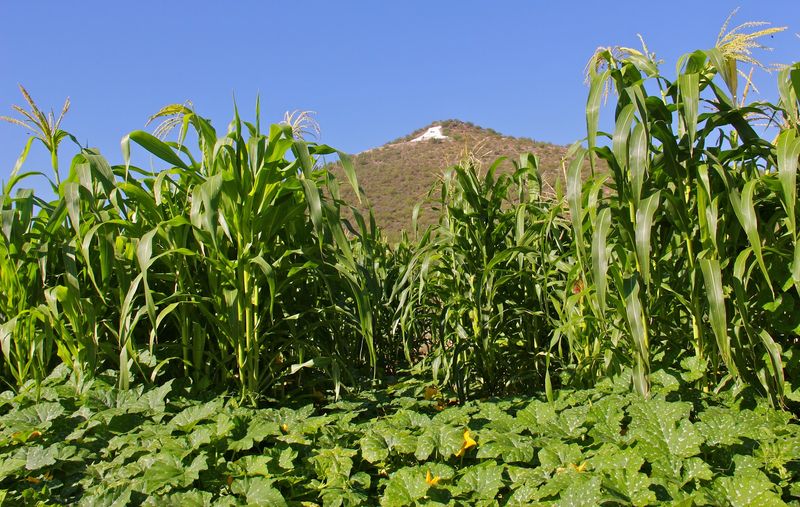
Some of the oldest farmland in North America sits next to a quiet residential street on Tucson’s west side. The spot is Mission Garden, found at 946 W Mission Ln, Tucson, AZ 85745, in the United States.
It rests at the base of Sentinel Peak, the hill nearly every local calls A Mountain. That location matters, because this ground sits at the historic heart of what eventually became the city of Tucson.
Officially, the garden is listed as a museum. Unofficially, it is a museum where the exhibits grow leaves, drop fruit, and need watering.
The concept is simple and surprisingly powerful. Mission Garden shows how the many cultures that settled in the Sonoran Desert grew their food, and what exactly they planted to survive in a climate that seems unfriendly to farming.
The site was once tied to the old mission that gave the street its name. The mission church itself is gone now, but the agricultural story it belonged to keeps going, one season at a time.
Plenty of people drive past A Mountain for years without knowing any of this exists. Spend a morning here, and the hill will never look like just a hill again.
2. Four Thousand Years Of Farming In One Spot
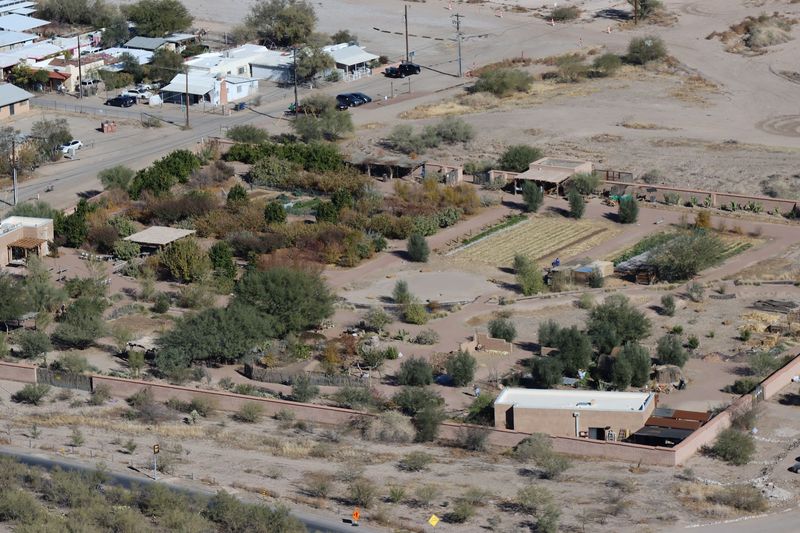
Here is a number worth repeating at your next family dinner: 4,100. Archaeologists have documented about 4,100 years of continuous cultivation on this site.
That means corn, beans, and other crops were being grown on this ground long before Tucson had a name. Generation after generation, people kept planting in the same basin.
Mission Garden exists to tell that long story. Instead of placing old tools behind glass, it puts the actual plants back into the soil where they belong.
The result is a place that answers some big questions. How did people feed themselves in the desert, which crops worked, and how did farming change as new groups arrived?
Some of the plants are native to the region. Others were carried here by settlers from faraway lands, and you can see both side by side.
The gift shop even sells wheat berries from what is described as the oldest wheat variety in North America. That variety was nearly wiped out in the 1940s, which makes finding it here feel like spotting a survivor.
History lessons rarely come with a harvest schedule. This one does, and it changes with every season you return.
3. Thirteen Plots, Thirteen Chapters
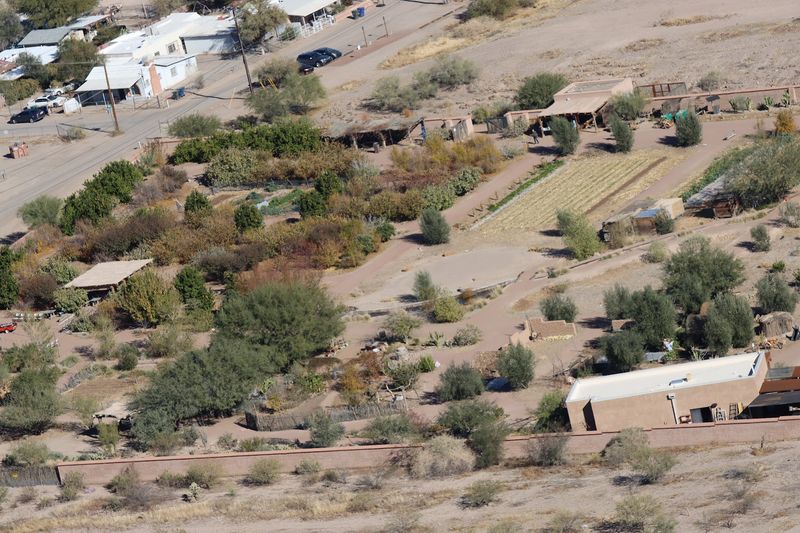
Think of the grounds as a book you read with your feet. The almost five acre site contains thirteen timeline plots, each representing a culture that farmed the Tucson basin over the centuries.
Walking from one plot to the next means moving through time. Early desert farming sits in the same grounds as gardens that reflect later arrivals and their crops.
A few gardens focus on vegetables from specific countries. Those plots show how newcomers brought their own seeds and food traditions to the desert and made them work.
Historical gardens also show food crops sown in the 1800s. That era adds another layer to the timeline and helps connect older traditions with Tucson’s more recent past.
Each garden space has a pamphlet box stocked with laminated pages about that specific plot. Bookish types should budget extra time, because there is a lot of reading available.
Gardening fans and history buffs can easily spend hours here. Others may prefer quick laps and repeat trips, which works fine since entry costs nothing.
The beauty of the layout is that no two plots tell the same story. By the final one, the whole history of farming in Tucson starts to click into place.
4. Orchards That Keep Their Own Calendar
Winter in Tucson usually means bare garden beds. At Mission Garden, the orange trees can be heavy with fruit in the middle of the cool season.
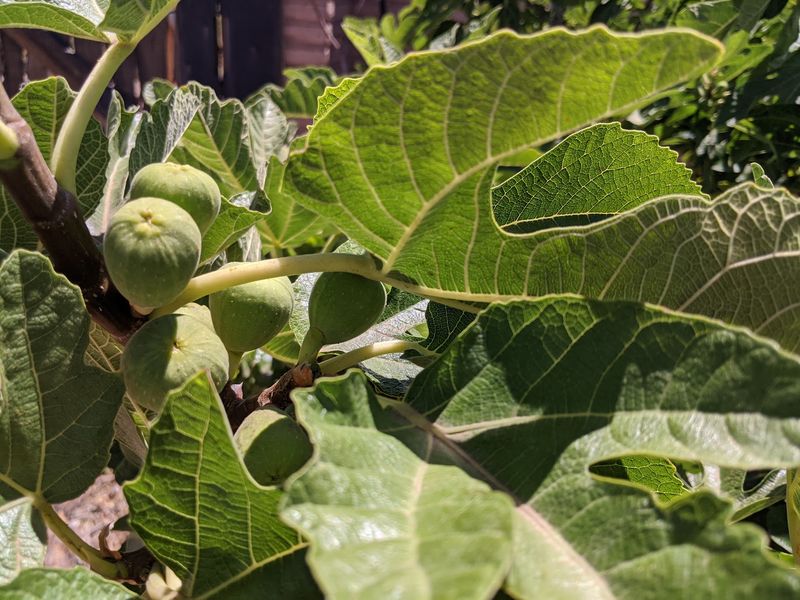
The fruit trees are one of the biggest reasons people return. Citrus, fig, and mulberry trees all grow here, along with plenty of other native plants.
Timing changes the experience. In late April, hollyhocks can stand tall while oranges, figs, and mulberries hang on the branches.
Spring and early summer bring harvest highlights. Wheat and corn harvests, along with the roasting of agave, have been featured in the weeks following late April.
Even on the first day of winter, many trees and plants have been flowering or fruiting. That surprises people who assume a desert garden goes quiet once the temperatures drop.
Some gardens do look sparse in winter. Even so, the off season still holds interesting citrus trees and plenty to learn.
Fresh figs have been available to purchase on site, which turns a stroll into a small snack run. Come back every few months, and the orchard will have rewritten its own page each time.
5. Where Water Writes The Story
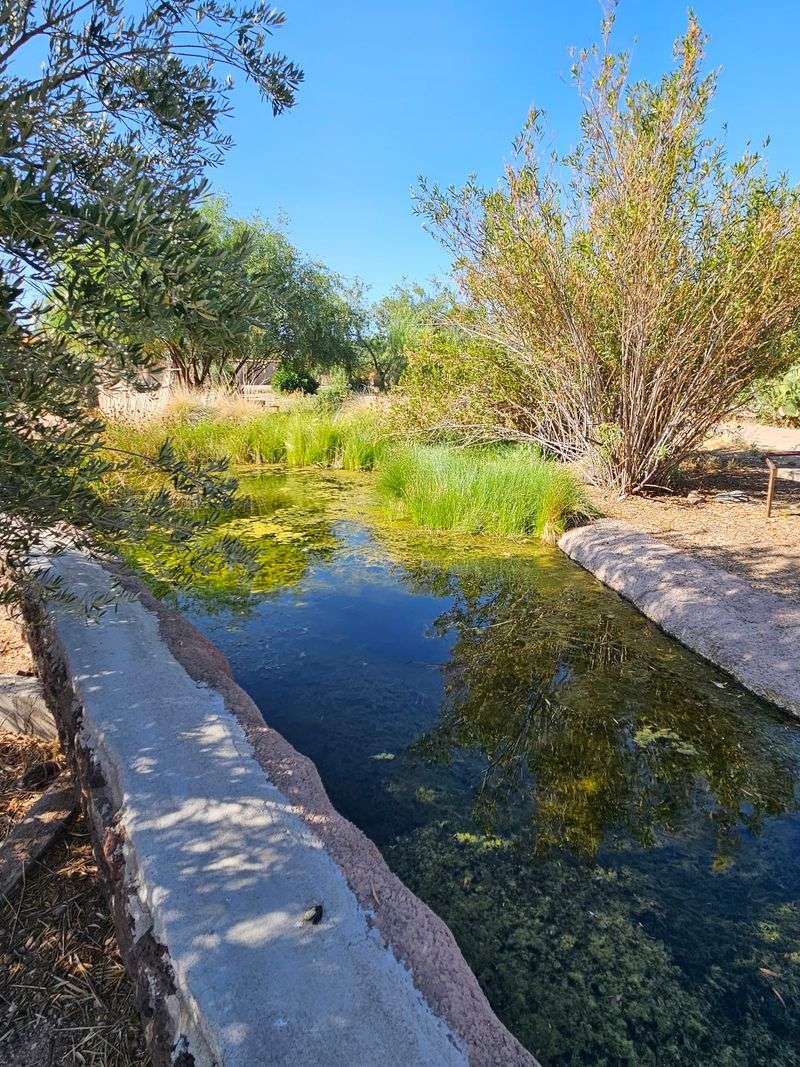
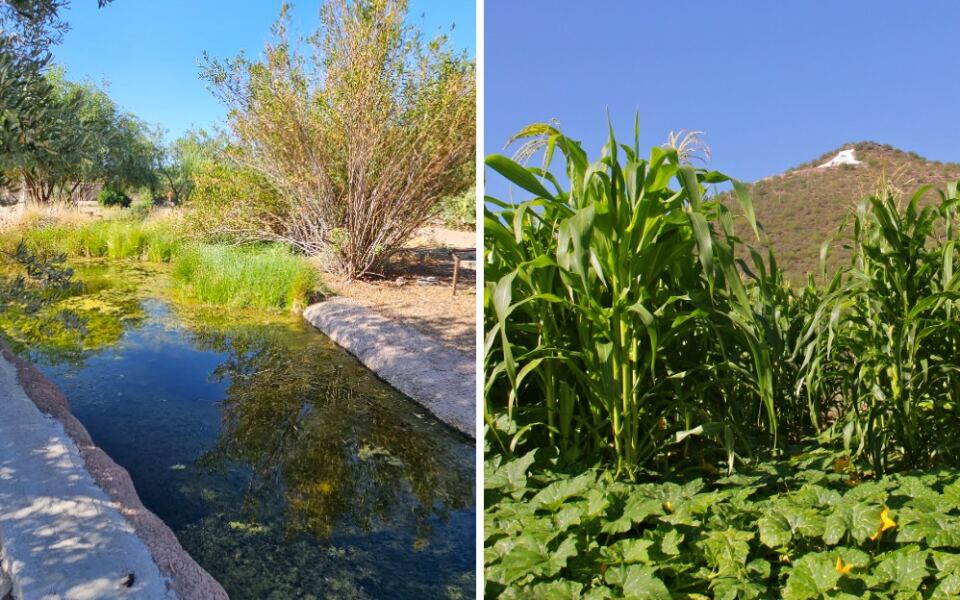
None of these crops would exist without one thing: water moved with care. Farming in the Sonoran Desert has always depended on getting water to plants in a dry landscape.
That is the real backbone of Mission Garden’s story. Thousands of years of cultivation on this ground only happened because people figured out how to irrigate it.
The irrigation ditches tied to the garden’s headline, and the endangered fish swimming through them, add a living conservation twist to an agricultural museum. Details on the fish are best picked up from the docents, who are happy to explain how the garden works.
Asking questions is part of the fun here. Staff and volunteers are known for being knowledgeable and eager to share, so a curious question can easily turn into a mini tour.
The bigger lesson is about survival. Seeing so many foods growing in a place that seems inhospitable is one of the most inspiring parts of a trip.
Plants and trees from different eras all rely on the same basic idea. Bring water to the right place at the right time, and the desert can feed a city.
6. The People Who Keep It Growing
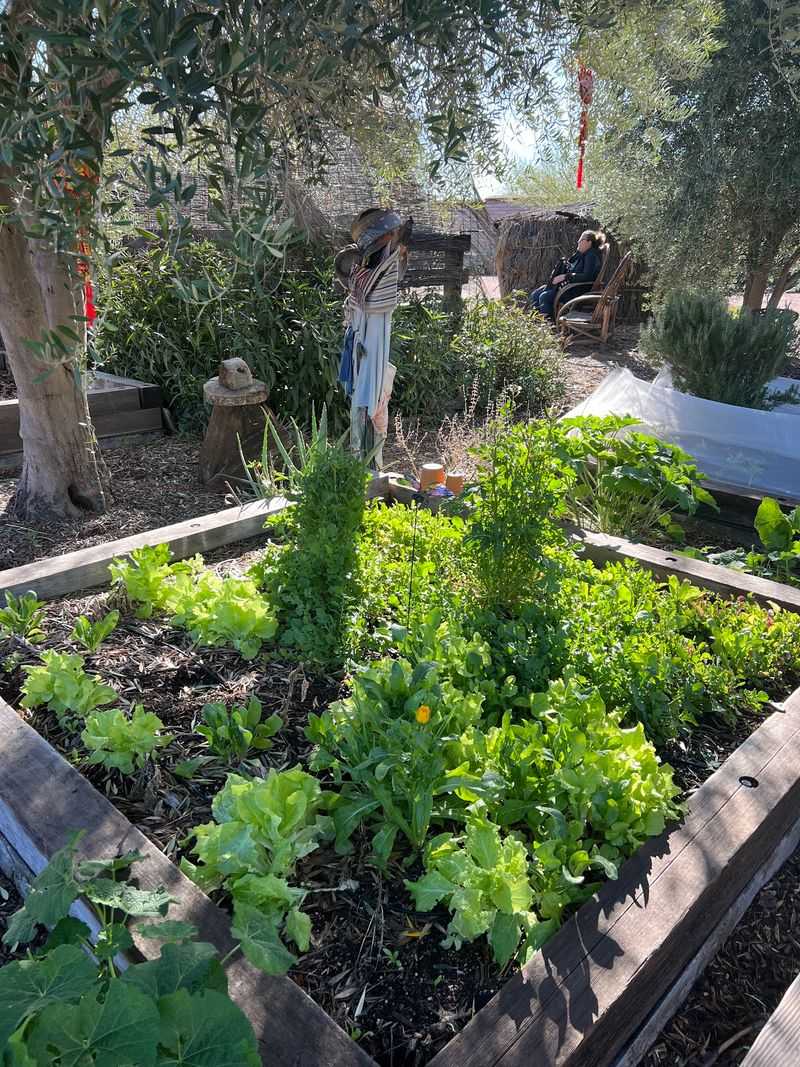
Volunteers come up more than almost anything else when people talk about Mission Garden. They are the reason many first trips turn into second and third trips.
The volunteers are welcoming and easy to talk to. Conversations can drift from gardening to food to just about anything, and nobody seems in a rush to end them.
Docents lead tours, and staff are described as friendly, knowledgeable, and helpful. If a plant label leaves you puzzled, there is a good chance someone nearby can fill in the gaps.
Volunteering is also open to the community. Locals can sign up to help in the gardens, which is a hands-on way to learn about native plants.
Some families say volunteering here has made a real positive difference in a loved one’s well-being. Time outdoors, purposeful work, and a friendly crew can do a lot for a person.
For Tucson residents looking for something meaningful to do on weekday mornings, this is worth considering. The garden runs on community effort, and every pair of hands helps.
A museum staffed by people who clearly love their work is a rare find. Here, that enthusiasm is as much a part of the experience as the plants.
7. A Bookworm Path For Young Explorers
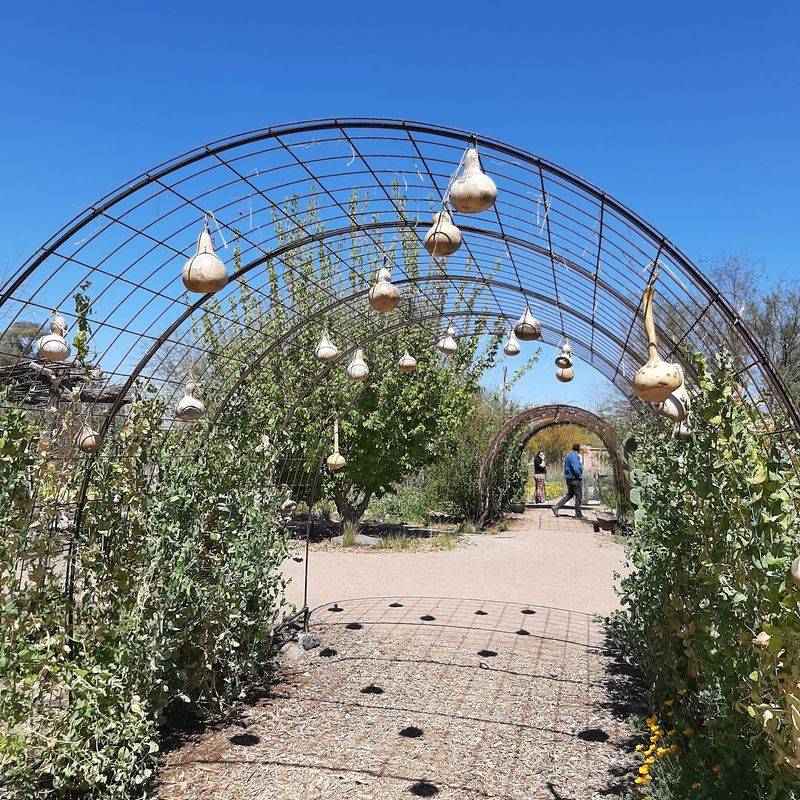
Kids get their own trail, and it comes with mail. The Bookworm path features little mailboxes at each garden, stocked with books and activities.
That small touch turns a walk into a scavenger hunt. Children can move from plot to plot, opening each box to find something new to read or do.
Families describe the grounds as a learning experience for both children and adults. Grown-ups often leave knowing a lot more about Tucson’s history than they expected.
Hands-on lessons are everywhere. Kids can see planting and harvesting techniques up close instead of reading about them in a textbook.
Youth events also take place here. Grandparents have shown up to watch a grandchild perform and ended up exploring the gardens for the first time.
The scale works well for younger legs. The site is small enough to handle in a morning without meltdowns, yet big enough to feel like an adventure.
Free admission helps too. A family can come for an hour, head home for lunch, and return another weekend without worrying about the cost of tickets adding up.
Few field trips let kids collect stories from a mailbox. This one does, and they may beg for a return visit.
8. Jams, Seeds, And Souvenirs Grown On Site
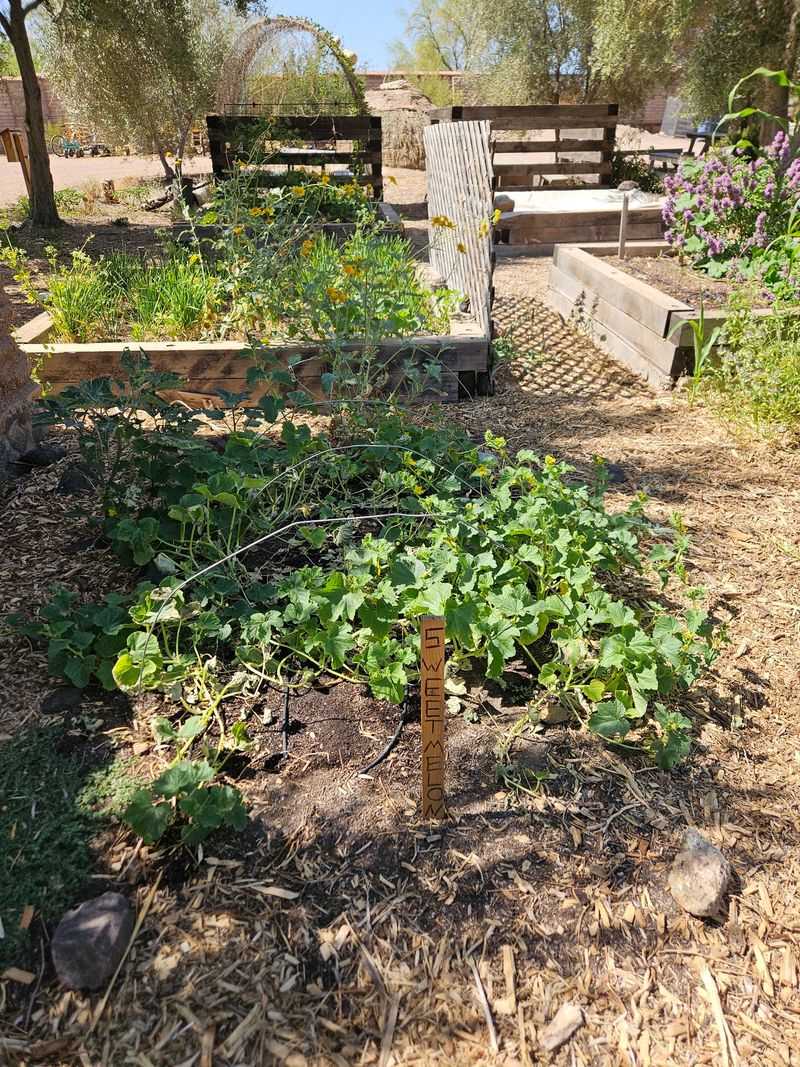
The gift shop deserves more than a quick glance on the way out. A lot of what sits on its shelves is made right on site.
Jams and jellies are produced from fruit grown in the garden. That means the orchard you just walked through may end up in a jar you take home.
The collection is small but smartly curated. Cards, soaps, seeds, T-shirts, and books share the space with produce and preserves.
Native beans are available, along with those heritage wheat berries from the oldest variety in North America. For home cooks and gardeners, these are the kind of finds that rarely show up at a regular grocery store.
Plants are also sold near the entrance. Desert gardeners can take a piece of the experience home and try growing it in their own backyard.
The garden has a presence at a nearby farmers market as well. That gives locals another way to pick up goods between trips.
Every purchase helps support the project. Since admission is free, the shop and the donation box play a big role in keeping the gardens going.
Shopping with a purpose rarely feels this rewarding. Leave a little room in the trunk.
9. Festivals, Ceremonies, And First Friday Tastes
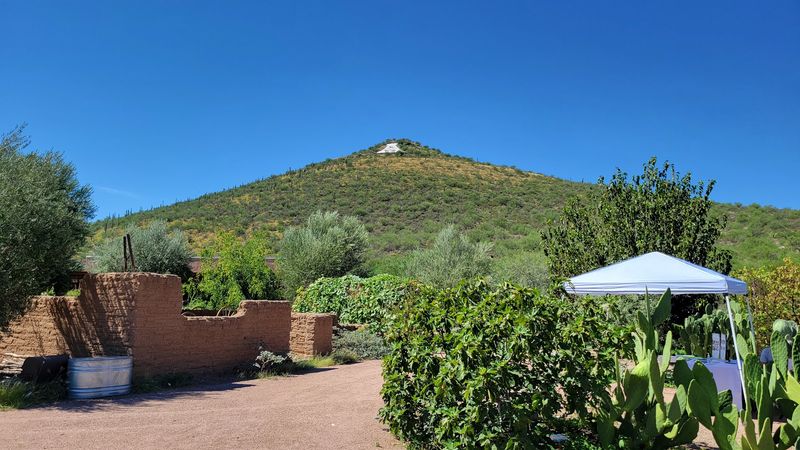
The calendar here stays surprisingly busy for such a quiet place. Events with vendors and performances happen throughout the year.
The Garlic Festival is one of the bigger draws. It can get crowded and warm, but the people working the booths are known for being friendly and eager to teach.
Winter solstice has brought a native ceremony, food, and arts and crafts made with materials from the garden. It is a meaningful way to mark the shortest day of the year.
Chinese Lunar New Year has also been celebrated on the grounds. That fits nicely with the garden’s focus on the many cultures that shaped Tucson’s food history.
A Taste of the Garden event has taken place on the first Friday and Saturday of the month. It is a good excuse to plan a trip around the calendar.
Beyond festivals, the garden offers docent tours, classes, workshops, art and craft fairs, and bird watching tours. Themed walks also happen if your timing is right.
Event days bring energy but also crowds. Those who prefer elbow room can save festivals for later and start with a regular weekday stroll.
Check the website before going. Schedules change, and the best events are worth catching.
10. Quiet Benches And Unhurried Mornings
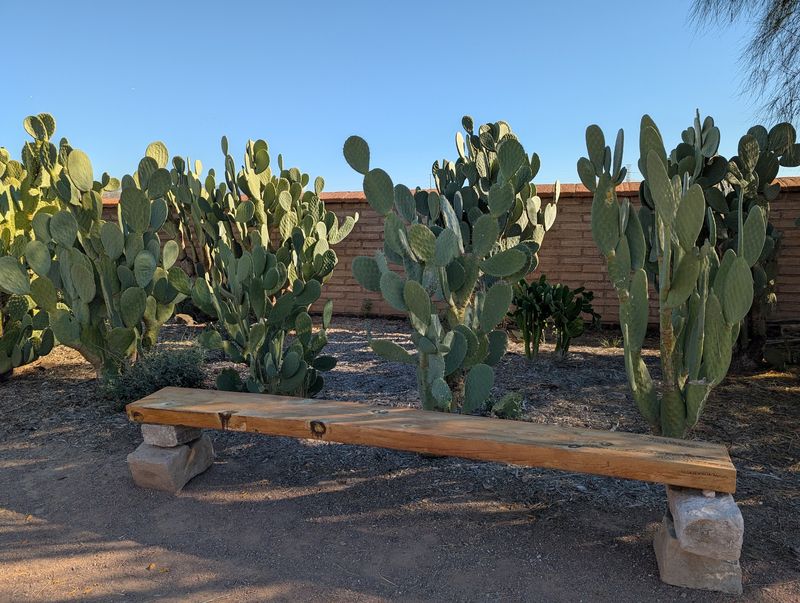
Crowds are not usually part of the picture here. On a regular day, Mission Garden is often uncrowded and calm.
Small and a little rumpled, the grounds have an inviting, lived-in charm. Nothing feels overly polished, which suits a working garden.
The atmosphere is tranquil and peaceful. It is the kind of place where slowing down feels natural rather than forced.
Many little sitting areas are scattered around the property. Packing a picnic and claiming one of them is a popular way to stretch out a morning.
Bird watching fits right in. Flora and fauna both show up, so curious eyes have plenty to follow.
Locals tend to see it as a great home base for learning and relaxing. Out-of-town guests treat it as a worthwhile alternative to the usual stops.
Some people describe it as Tucson’s secret garden, and the label fits. Many residents who live only a few miles away have never been.
For anyone tired of packed trailheads, the pace here is a welcome change. Bring a book, find a bench, and let the morning take its time.
11. Plan Around The Short Hours
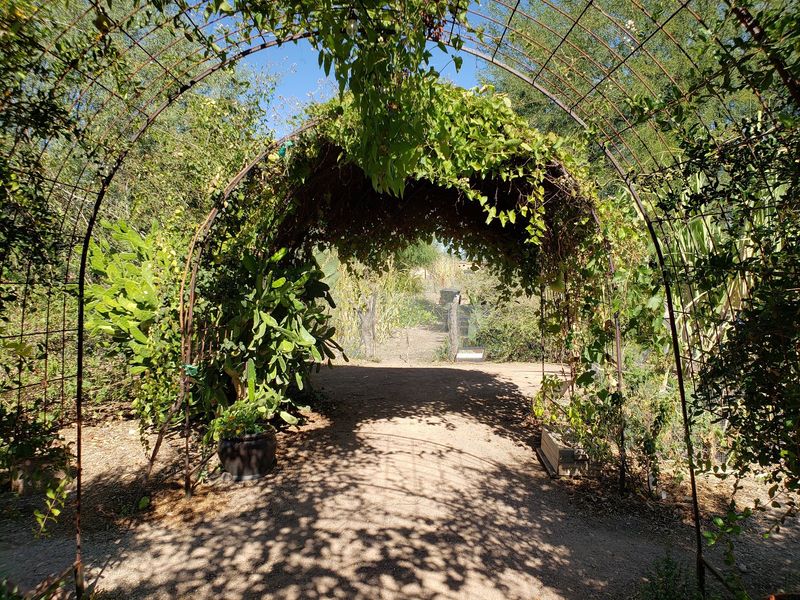
Timing is the main catch, so plan ahead. Mission Garden is open Wednesday through Sunday from 8 AM to 2 PM, and closed on Monday and Tuesday.
Those hours are limited, so check before heading out. Early arrival is smart, especially in the warmer months when mornings are the most comfortable time to be outside.
Admission is free. Donations are accepted, and dropping some cash in the box helps keep the project growing.
Finding it is easy for locals. Head toward A Mountain on the west side of Tucson, and the garden sits at its base on W Mission Ln.
Phoenix residents can fold it into a Tucson day trip. Pair it with a morning drive down, a garden stroll, and lunch in town.
Seasons matter here. Winter brings loaded citrus, spring brings harvests, and each return shows something new.
The verdict is simple. A free, quiet, hands-on window into 4,000 years of desert farming sits just a short drive away, and many locals still have not discovered it. Go once, and the garden may quietly add itself to your regular rotation.
Share this story