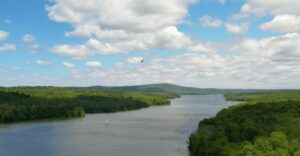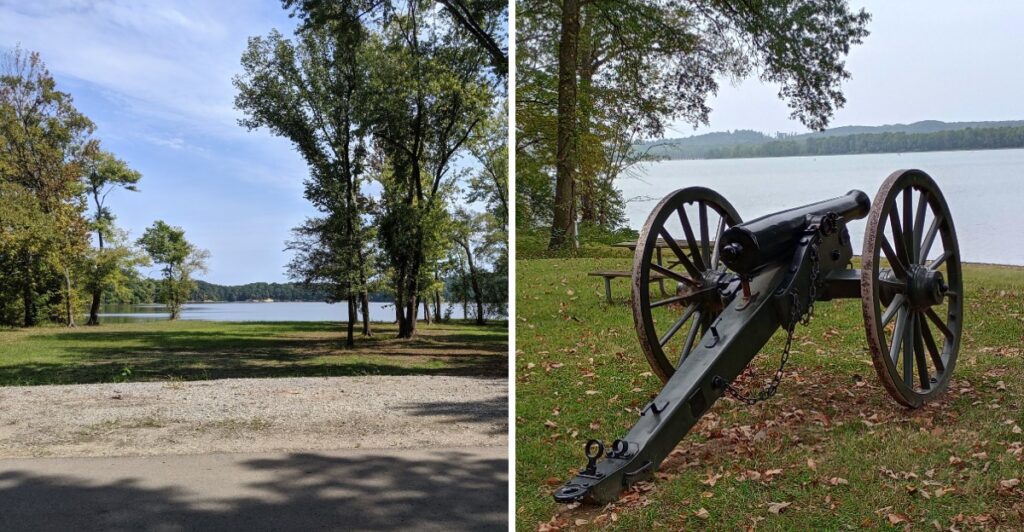
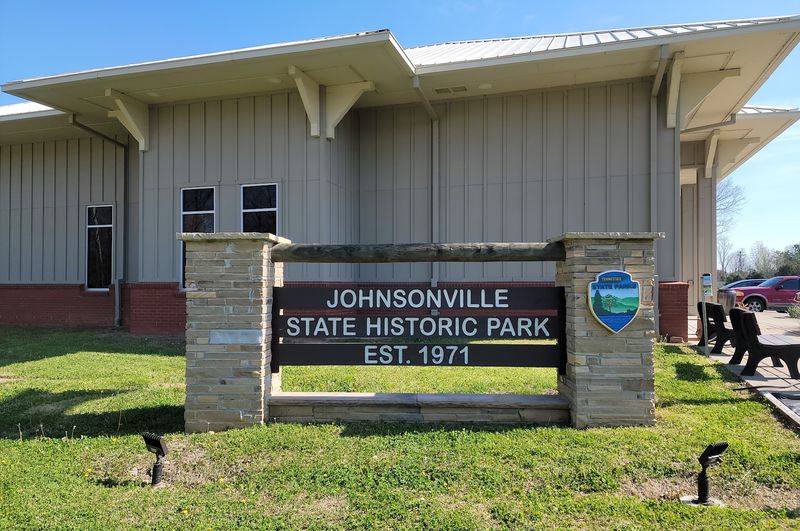
Along the quiet banks of the Tennessee River, Johnsonville State Historic Park preserves the remains of a community shaped by war, transportation, and dramatic change. Visitors can explore the former site of Johnsonville, a Civil War-era town and Union supply depot that was eventually dismantled when Kentucky Lake was created in the 1940s. Walking trails lead past historic earthworks, old railroad remnants, and interpretive markers that reveal what life once looked like here.
A museum and ranger-led programs provide additional insight into the Battle of Johnsonville and the generations who called this area home. Surrounded by woodland and peaceful water views, the park feels unusually calm for a place with such a complicated past. It is a fascinating Tennessee destination where visitors can enjoy an easy outdoor escape while uncovering the stories of a town that nearly disappeared beneath the water.
The Ghost Town Beneath Kentucky Lake
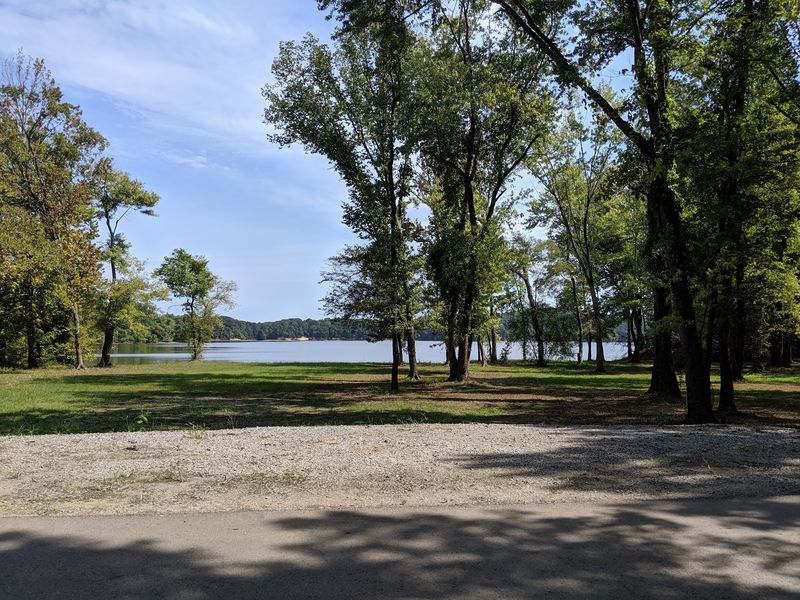
Somewhere under the calm water of Kentucky Lake sits a town that people once called home. Old Johnsonville had streets, a railroad stop, homes, and shops. Then, in the early 1940s, it simply vanished.
So what happened? The Tennessee Valley Authority built Kentucky Dam to control floods and make electricity for the region. When the dam was finished, the Tennessee River rose and spread out, creating one of the biggest man-made lakes in the eastern United States.
Old Johnsonville sat too low, so its families packed up and moved.
Many of them settled a little way off on higher ground. That new community became New Johnsonville, the small city you drive through to reach the park today. Think of it as the town that picked itself up and walked uphill.
Standing at the shoreline, it can be a little eerie to imagine rooftops and chimneys resting below the ripples. On low-water days in late fall and winter, TVA drops the lake level. That is when sharp-eyed visitors sometimes spot old foundations or bits of stonework near the edges.
Here is a smart tip for your visit. Plan a trip between November and March if you want the best chance of seeing hidden remains. The trees are bare, the views open up, and the crowds are almost nonexistent.
Fun fact time. Before the lake, Johnsonville was a key river port where steamboats docked and trains met the water. Goods moved from boats to rail cars here, which made the town far more important than its size suggested.
While exploring, please leave any old bricks, nails, or pottery pieces right where you find them. The park is a protected historic site, and every scrap helps historians understand the past. Snap a photo instead, and you will have a souvenir that does not break any rules.
Bring a thermos of hot cocoa on a chilly day, find a quiet bench, and let your imagination fill in the missing town. It is a strangely peaceful way to connect with Tennessee history.
Where Forrest Shocked the Union Navy
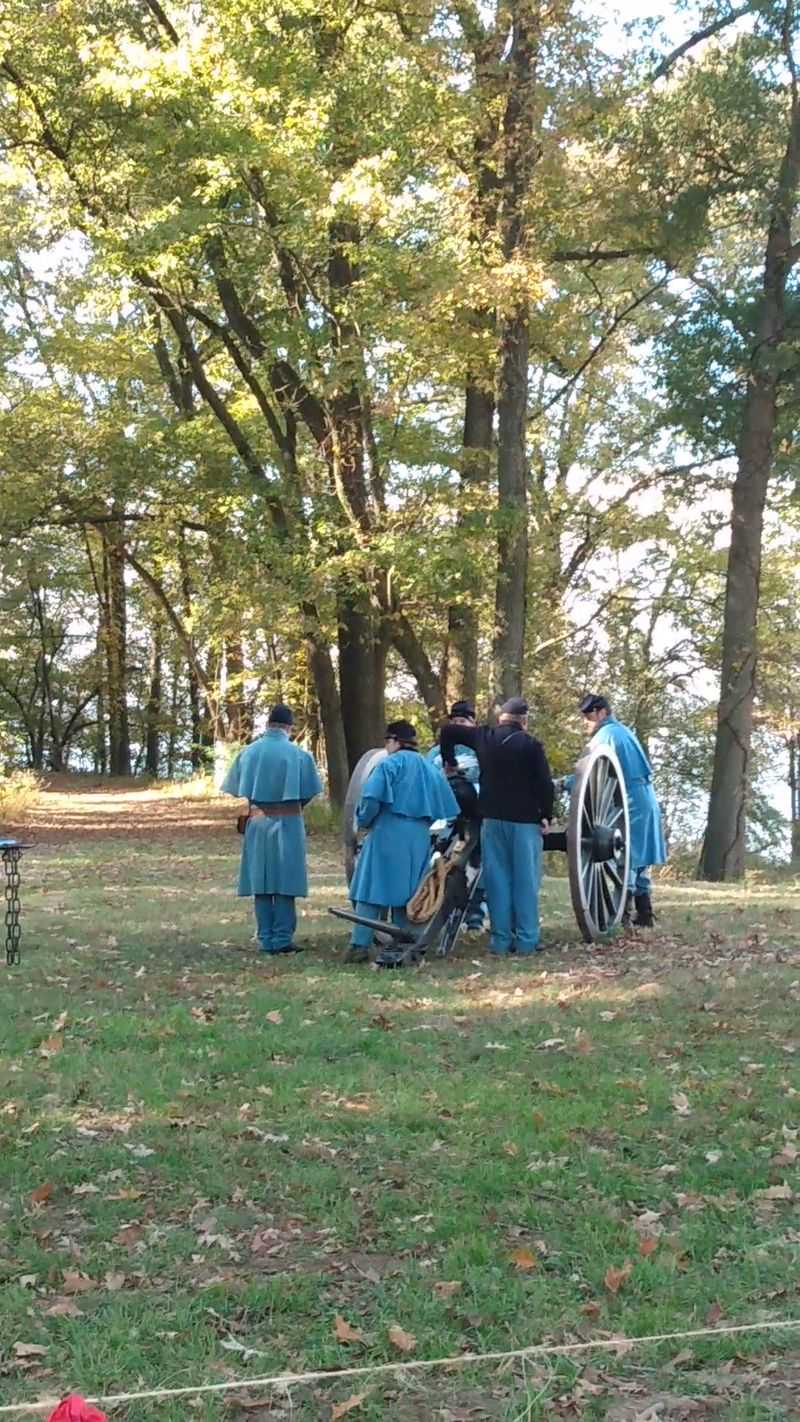
Cavalry soldiers are supposed to ride horses, not sink warships. Yet in November 1864, Confederate General Nathan Bedford Forrest and his horsemen did exactly that at Johnsonville. It remains one of the strangest battles of the entire Civil War.
Back then, the Union Army used Johnsonville as a giant supply base. Boats brought food, clothing, and weapons up the Tennessee River. Trains then carried everything east toward Nashville and the troops fighting farther south.
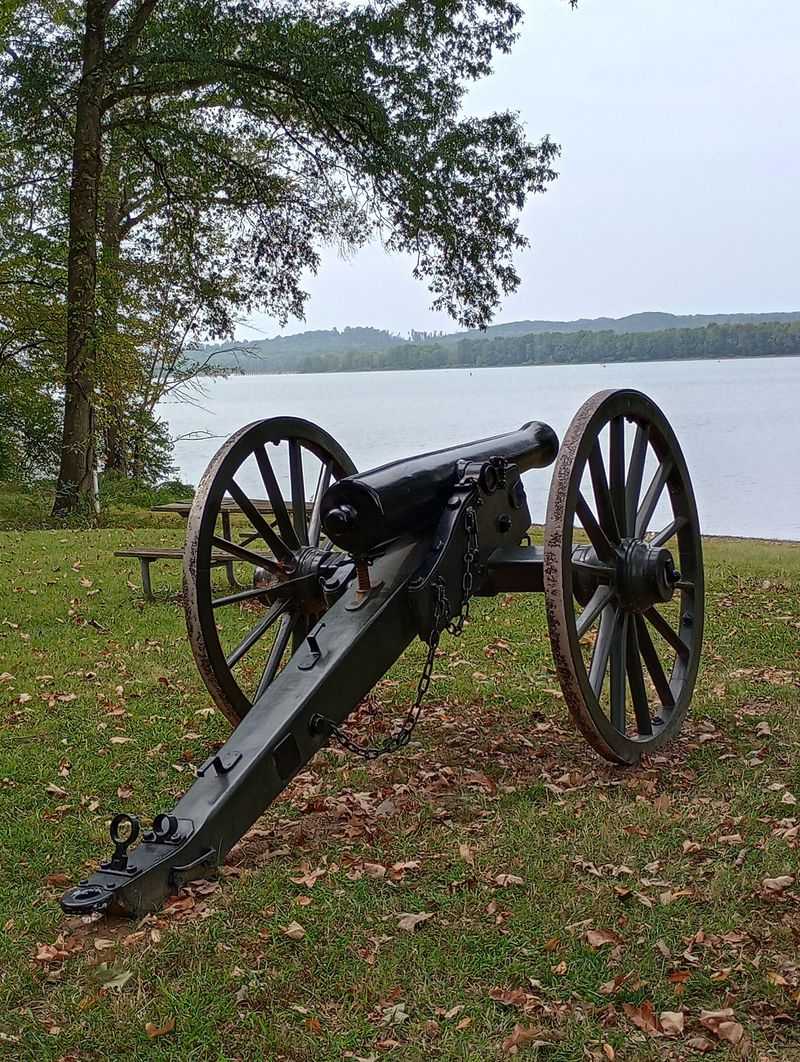
Forrest saw a chance to cause major trouble. His men hauled cannons into hidden spots across the river and first captured a few Union boats. For a short time, his cavalry actually acted like a tiny navy, which is why some people call them the horse marines.
On November 4, 1864, the Confederate cannons opened fire on the depot. Union gunboats, warehouses, and piles of supplies went up in flames. Union officers even burned some of their own boats so the enemy could not capture them.
By the end, millions of dollars in supplies had been destroyed. That was a huge amount of money in the 1860s. Still, the Union kept control of the area, and the war continued for several more months.
When you visit, find a spot overlooking the water and picture the smoke drifting over the river. Interpretive signs along the paths explain where the cannons sat and how the fighting unfolded. Reading them in order makes the story click.
Here is a helpful idea for families. Before your trip, look up a simple map of the battle online and print it out. Kids love matching the map to real places, almost like a history scavenger hunt.
Across the river, Tennessee also has a park named for Forrest, so the battle can be viewed from both sides. Remember that Forrest is a complicated figure with a troubling past. Talking about the whole story, good and bad, makes the visit more meaningful.
Climb Up to the Redoubts
Grassy mounds might not look exciting at first glance. Stick around, though, because those humps of earth are Civil War forts called redoubts, and they have survived more than 150 years. At Johnsonville, two of them still stand on the hills.
A redoubt is basically a small fort built from dirt, logs, and plenty of sweat. Soldiers dug ditches and piled the earth into thick walls to protect themselves from cannon fire. Many of the workers who built these defenses were Black soldiers from the United States Colored Troops.
That detail matters a lot. Men from the 12th, 13th, and 100th U.S. Colored Infantry helped guard Johnsonville and the railroad nearby.
Their hard work and bravery are a big part of the park’s story.
The upper redoubt sits high above the lake, and the climb is worth every step. From the top, you can see why the Union chose this hill. Soldiers could watch the river for miles and spot trouble coming.
Wear sturdy shoes for this part of the visit. The trails can be steep in spots, and fallen leaves get slippery after rain. A walking stick is handy if your knees complain on hills.
Once you arrive, walk slowly around the edges of the fort. Notice the ditch and the raised walls, and try to picture soldiers crouching behind them. It is a little like reading a history book written in the ground.
Please stay off the earthen walls themselves. Climbing on them causes erosion, and these forts cannot be rebuilt once they wear away. The trails give you plenty of close-up views without harming anything.
Spring is a lovely time to explore the redoubts. Wildflowers pop up along the paths, and the air is cool enough for comfortable hiking. Bring water, a snack, and your curiosity, and the hilltop forts will do the rest.
Start Smart at the Welcome Center Museum
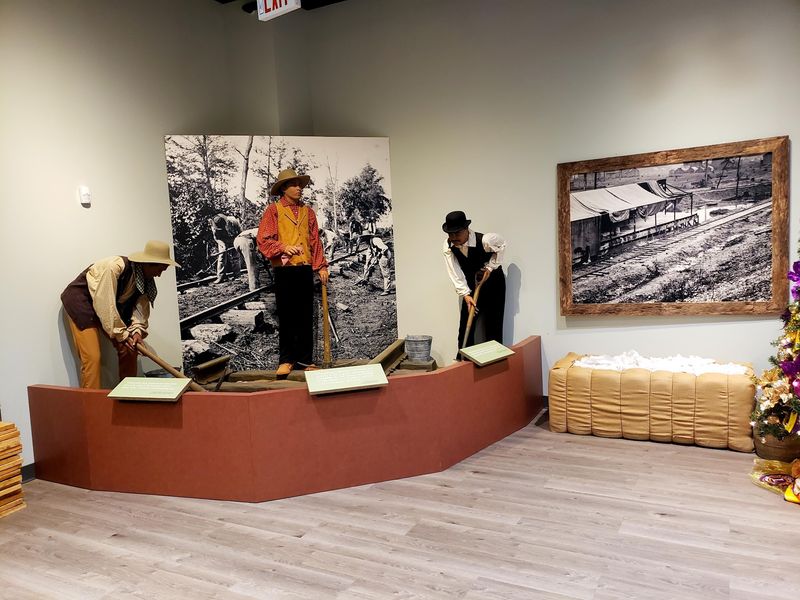
Smart explorers always grab the backstory first. The welcome center at Johnsonville is the perfect place to do that before hitting the trails. It is cool inside on hot days, too, which is a nice bonus.
Inside, you will find exhibits that explain how the depot worked and why it mattered. There are artifacts found in the area, maps, and displays that show what life was like for soldiers stationed here. Seeing real objects makes the history feel less like a textbook and more like a true story.
A short film or display may walk you through the 1864 battle step by step. Pay attention to the layout of the old depot. Once you know where the warehouses and rail lines stood, the ruins outside make a lot more sense.
The staff here are friendly and full of local knowledge. Ask them which trail fits your group best, or whether any ranger programs are scheduled. Sometimes they share little stories you will never find on a sign.
Here is a pro move. Pick up a park map before you leave the building, even if you have a phone. Cell service can be spotty in the woods, and paper maps never run out of battery.
Kids might enjoy looking for small details in the displays. Challenge them to find the oldest object, or the item they would most want to carry into battle. Little games like that keep young minds busy and happy.
Check the park’s hours before you drive out, since they can change with the seasons. Tennessee State Parks lists updated information on its official website. Admission to the park is free, which makes it an easy pick for budget-friendly family trips.
Restrooms are available near the center too, and that is worth knowing before a long walk. Fill up water bottles, use the facilities, and you will be ready for the adventure ahead.
Wander the Trails to Old Town Ruins
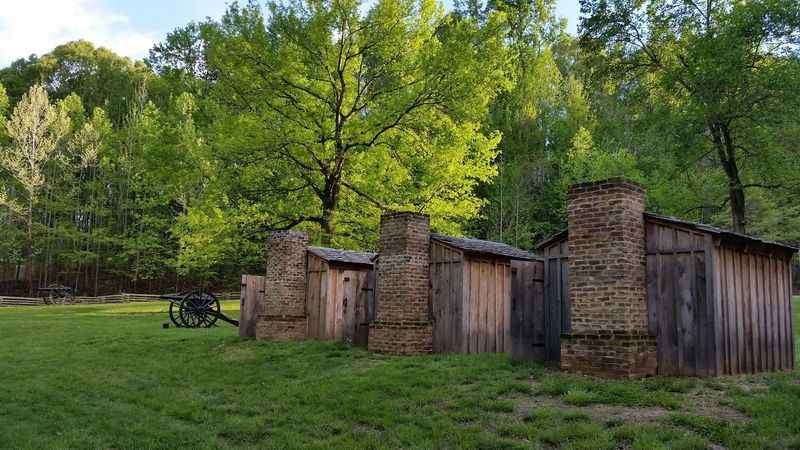
Imagine turning a bend in the woods and spotting a crumbling brick wall with no house attached. That surprise happens a lot at Johnsonville. The park has several miles of trails that lead past bits and pieces of the vanished town.
Along the way, keep your eyes open for old foundations, cisterns, and even traces of the historic railroad. A cistern is a big underground tank that once stored rainwater for drinking and washing. Finding one feels like uncovering a secret.
Some trails also wind near a small cemetery and sites connected to the old depot. Signs help identify what you are looking at. Without them, you might walk right past a piece of history and never know it.
The trails are mostly easy to moderate, so they work for many ages. Short loops are perfect for little legs. Longer routes give older kids and adults a chance to really stretch out.
Tennessee summers can be sticky, so plan hikes for early morning or late afternoon. Bug spray is a must from spring through fall. Ticks love tall grass, so check yourself when you get back to the car.
Honestly, part of the fun here is the quiet. You might hear woodpeckers tapping, leaves rustling, or the soft slap of water on the shore. It is hard to believe such a peaceful spot once held a noisy, crowded army base.
Try snapping photos of each ruin you find and making a mini history album later. Adding the date and trail name helps you remember the trip. It is also a fun school project idea for students studying Tennessee history.
Stick to marked paths at all times. Old wells and holes can hide under leaves, and wandering off trail can be risky. Staying on track keeps you safe and protects the fragile remains for future visitors.
Lakeside Picnics and Birdwatching Bliss
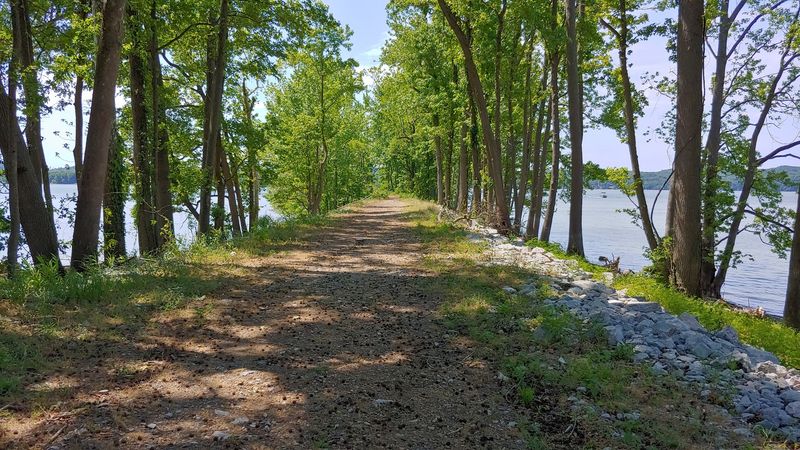
Not every trip has to be a serious history lesson. Sometimes you just want a sandwich, a breeze, and a pretty view. Johnsonville delivers all three without breaking a sweat.
The park has picnic areas with tables and shelters close to the water. Families can spread out lunch after a morning of hiking. Pack a cooler, and you will have a front-row seat to the lake without paying a dime.
Bird lovers, get ready. Kentucky Lake is a hot spot for waterbirds, especially in colder months. Ducks, herons, and gulls show up often, and winter visitors sometimes spot bald eagles soaring overhead.
Yes, real bald eagles. They like the lake because it is full of fish. If you see a large dark bird with a bright white head, grab those binoculars fast.
A simple bird guide or free birding app can turn a lazy picnic into a fun challenge. See how many species your group can identify. Keep a list, and try to beat your score on your next visit.
Sunsets here are something special, too. The sky glows orange and pink over the wide water. Stay a little later if you can, but check closing times so you are not rushing back to the car in the dark.
Please keep things tidy while you eat. Carry out your trash and pick up any stray wrappers. Leftover food can harm wildlife and attract raccoons, who are cute but surprisingly bold snack thieves.
Shelters may be available to reserve for bigger groups, like birthday parties or family reunions. Contact the park ahead of time to ask about options. A history-themed party with a lakeside picnic is a pretty memorable way to celebrate.
Bring a blanket, some sunscreen, and a good book. Between the soft waves and chirping birds, you may find it hard to leave.
Round Out the Day Around New Johnsonville
History buffs rarely stop at just one stop, and lucky for you, this corner of Tennessee has more to offer. New Johnsonville and nearby towns make it easy to turn a short visit into a full weekend. Think of the park as your starting line.
Right across the river, Nathan Bedford Forrest State Park near Eva offers the other side of the battle story. It has camping, cabins, and the Tennessee River Folklife Interpretive Center. Seeing both parks gives you the full picture of what happened in 1864.
Fishing is huge in this area. Kentucky Lake is famous for crappie, bass, and catfish. Anglers of all ages can try their luck from the bank, but remember to buy a Tennessee fishing license if you are old enough to need one.
Hungry after all that exploring? Small local diners around Waverly and Camden serve hearty Southern food. Catfish, hushpuppies, and sweet tea taste even better after a long day outside.
If you enjoy odd pieces of history, keep your eyes peeled for roadside markers. Tennessee has plenty of them, and this region is sprinkled with stories about the river, railroads, and the war. Pulling over to read a few adds fun little pit stops to your drive.
Camping fans will find options on the lake and at nearby parks. Waking up to a misty sunrise over the water is a treat you will not forget. Book early for summer weekends, because spots fill up fast.
Here is one more tip. The drive from Nashville to New Johnsonville takes about an hour and a half along Interstate 40 and Highway 70. That makes it an easy day trip if you live in Middle Tennessee.
Leave room in your schedule for slow moments. Sit by the water, chat about what you learned, and let the day settle. A lost town, a surprising battle, and a quiet lake make a pretty great story to bring home.
Share this story