Not every great zoo needs to be enormous to leave a lasting impression. Pueblo Zoo offers a relaxed, easy-to-explore experience where visitors can enjoy up-close encounters with hundreds of animals, beautifully landscaped grounds, and a pace that feels refreshingly unhurried.
Its manageable size makes it especially appealing for families, while the diverse collection of wildlife ensures there’s always something new to discover around the next corner. Whether you’re planning a day trip or looking for one of Colorado’s most underrated attractions, this charming zoo delivers an experience that’s both memorable and surprisingly rewarding.
Shade, Stone, and an Easygoing First Look
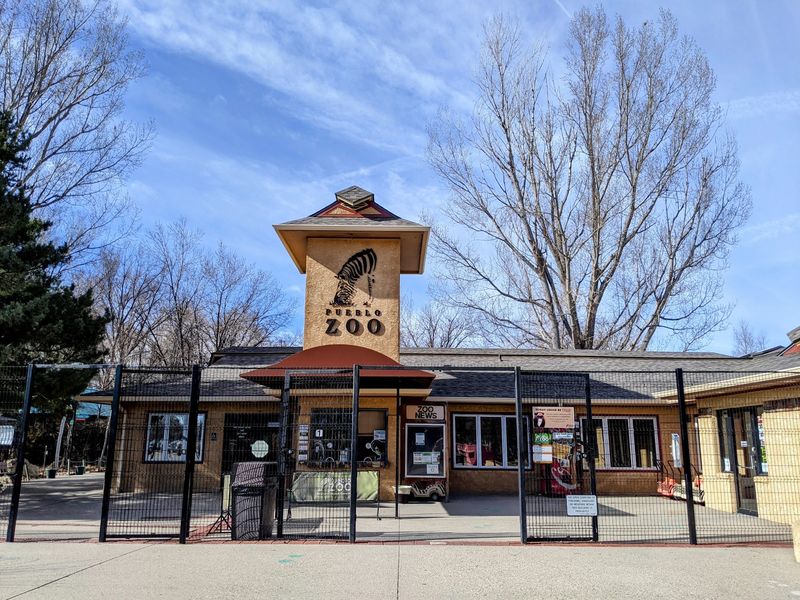
Some zoos greet visitors with crowds, loud exhibits, and a rush to see everything at once. Pueblo Zoo takes a different approach.
From the entrance, mature trees, shaded walkways, and carefully maintained landscaping create a welcoming atmosphere that immediately feels calmer than many larger attractions. The zoo’s location inside Pueblo’s City Park plays a big role in that first impression.
Instead of feeling separated from its surroundings, the grounds blend naturally into the park, with established trees, open green spaces, and winding paths that make the entire property feel inviting before the first animal comes into view. It is the kind of setting that encourages visitors to slow their pace without even thinking about it.
Stone buildings and traditional landscaping give the zoo a distinctive appearance that fits its long history. Rather than relying on oversized entrance features or flashy displays, Pueblo Zoo makes a strong impression through simple details.
Gardens, mature shade trees, and carefully maintained pathways create an environment that feels comfortable and well cared for throughout the property. The grounds also photograph beautifully.
Morning sunlight filtering through the trees, colorful seasonal flowers, and quiet corners between exhibits provide attractive views that many visitors notice before they ever reach their favorite animals. The landscaping becomes part of the experience instead of serving only as a backdrop.
That understated approach is one of the zoo’s biggest strengths. Pueblo Zoo does not try to overwhelm visitors during the first few minutes.
Instead, it creates a welcoming setting that feels relaxed, established, and closely connected to the surrounding park. Before the exhibits begin, the atmosphere has already set the tone for the rest of the visit, making it easy to understand why so many people return year after year.
A Smaller Zoo That Lets You Actually See Things
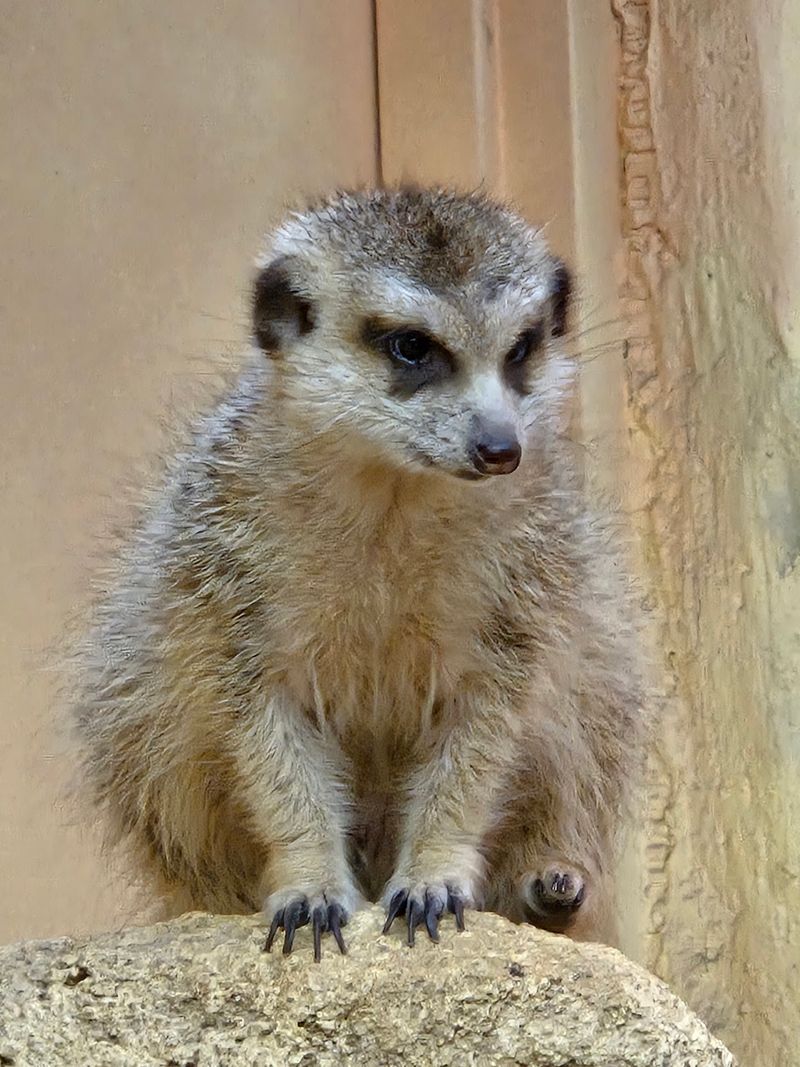
Bigger is not always better, especially when the goal is to enjoy the animals instead of racing between exhibits. Pueblo Zoo proves that a thoughtfully designed collection can create a more rewarding visit by keeping habitats close together and giving visitors time to slow down.
Instead of spending half the day crossing enormous grounds, you can focus on the wildlife in front of you. Home to more than 400 animals representing a wide variety of species, the zoo offers plenty to discover without feeling overwhelming.
The route is straightforward, making it easy to explore at a comfortable pace instead of constantly checking maps or worrying about missing an exhibit. For families with younger children, that can make the difference between an enjoyable afternoon and an exhausted one.
The layout also encourages flexibility. Visitors can return to a favorite habitat, spend a few extra minutes watching an animal become active, or pause to read educational signs without feeling pressured to keep moving.
Those unhurried moments often become the most memorable parts of the visit, whether it’s spotting an otter darting through the water or finally catching a red panda awake. Visibility is another quiet advantage.
At some larger zoos, expansive habitats can place animals far from viewing areas or behind crowds of people. Pueblo Zoo’s exhibits often provide a closer, more comfortable perspective, making it easier for both children and adults to appreciate the animals’ behavior and unique features.
The zoo is best appreciated for what it is rather than what it is not. It offers a welcoming, community-focused experience with a strong collection of wildlife, educational exhibits, and a pace that comfortably fits into a few hours.
Visitors leave feeling like they experienced the entire zoo instead of only scratching the surface, which is one of Pueblo Zoo’s greatest strengths.
Penguins, Otters, and the Red Panda Factor
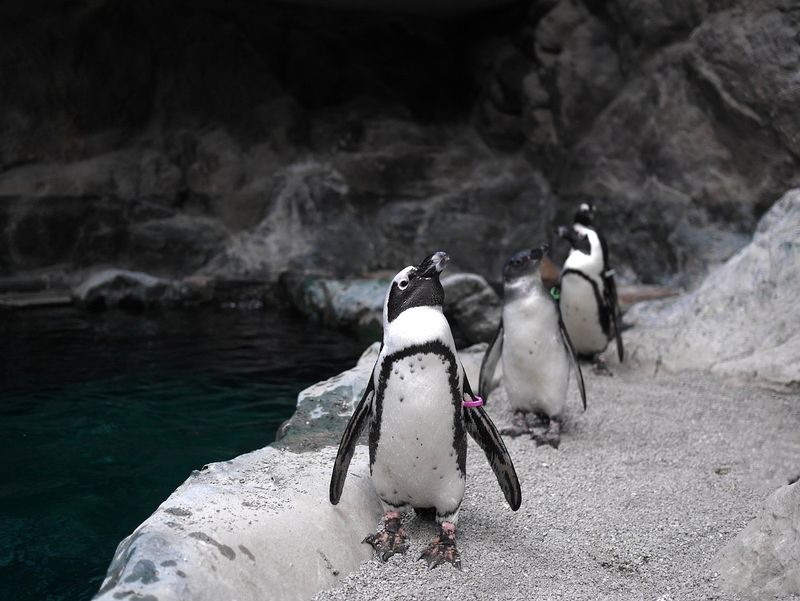
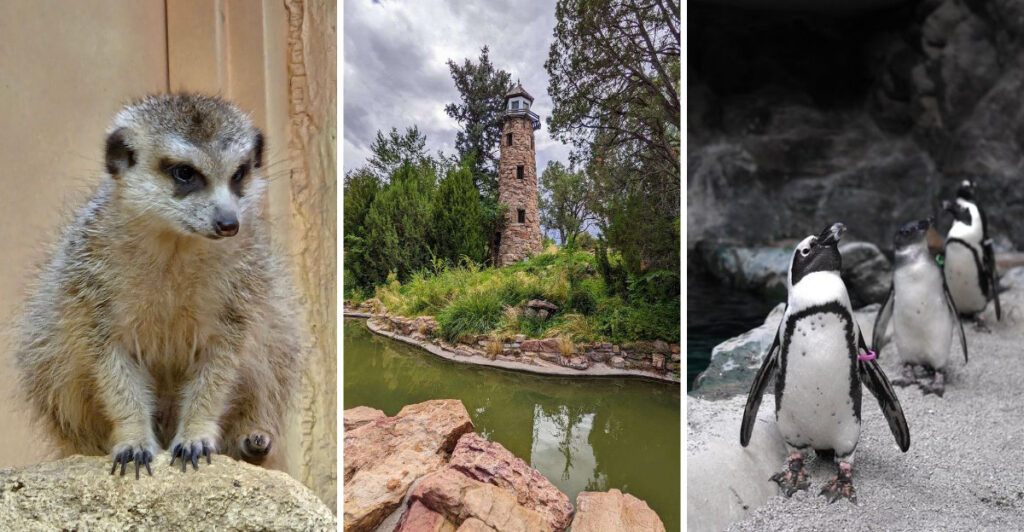
Every good zoo needs a few scene-stealers, and Pueblo Zoo has them. The African penguins bring quick movement and personality, the otters add nonstop action, and the red panda gives the whole visit a touch of quiet star power.
Those animals create the kind of stops where people linger longer than planned. Penguins are especially strong crowd magnets because they are busy, social, and easy to watch. Even on a shorter visit, they deliver that instant spark many families hope for when they enter a zoo.
The same goes for otters, which turn a simple habitat into a moving target for kids who want to point out every splash and twist.
The red panda adds a different note. Instead of pure motion, there is more curiosity in the viewing experience, with people scanning branches and angles to get a better look.
That change of pace helps the zoo feel varied rather than one long string of similar animal moments. Part of the appeal here is how these animals anchor the visit without taking over the whole story. Pueblo Zoo is not trying to be a one-exhibit attraction.
The standout species simply give the route some natural high points, helping shape a fun middle section for first-time visitors who want to know where the energy builds.
There are also behind-the-scenes experiences tied to some animals, including popular encounters that add a deeper layer for fans who want more than standard viewing. Those programs can make a return trip easier to justify, especially for locals or repeat travelers passing through southern Colorado.
If the day is cool, some animals may be less active at first, so patience helps. A second pass later in the visit can completely change what you see.
At Pueblo Zoo, the biggest reward often comes from circling back just when the penguins get lively or the red panda finally shifts into view.
Old Pueblo Stories Tucked Between the Habitats
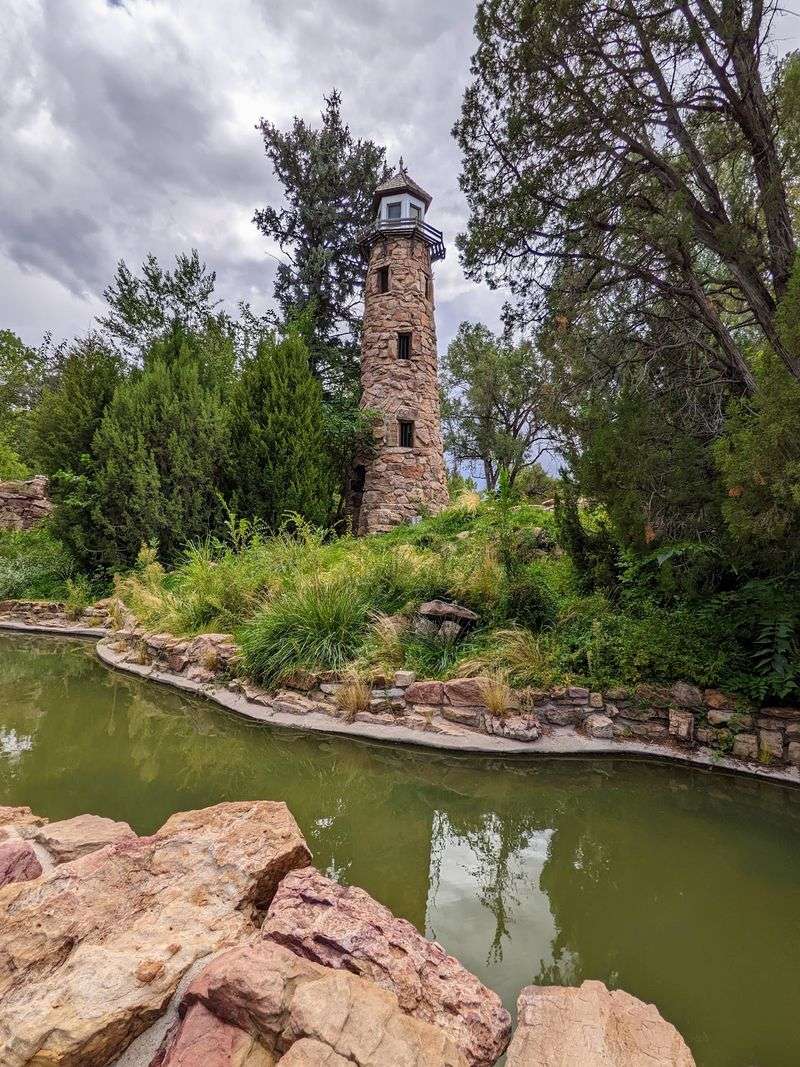
Not every zoo carries visible layers of local history, but Pueblo Zoo does. Alongside the animal exhibits, visitors walk through a property that has welcomed families for generations, giving the grounds a sense of continuity that newer attractions simply cannot recreate.
The experience becomes more than a trip to see wildlife. It also offers a glimpse into a piece of Pueblo’s own history.
The zoo first opened in the late 1930s as part of a broader effort to improve City Park, and traces of that era can still be found throughout the grounds. Stonework, mature landscaping, and several historic features remain woven into the layout, reminding visitors that the zoo has continued evolving rather than being built all at once.
Modern habitats now share space with details that reflect nearly a century of community history. That contrast gives the visit extra depth.
Adults often appreciate seeing how the zoo has adapted over the decades, while children naturally notice the differences between older and newer areas without needing a formal history lesson. Walking from one exhibit to another becomes a simple way to see how public attractions change over time while still preserving pieces of their original character.
The setting also feels unmistakably tied to Pueblo. Instead of moving through a polished campus that could belong to almost any city, visitors experience a zoo shaped by local history, long-standing community support, and generations of families returning year after year.
That connection gives the grounds a personality that extends beyond the animals themselves. Pueblo Zoo is easy to enjoy in a couple of hours, but slowing down reveals another side of the experience.
History is not tucked away in a separate museum building—it quietly unfolds between the habitats, beneath the shade trees, and along pathways that have welcomed visitors for nearly ninety years.
Where Kids Can Move, Learn, and Not Melt Down by Noon
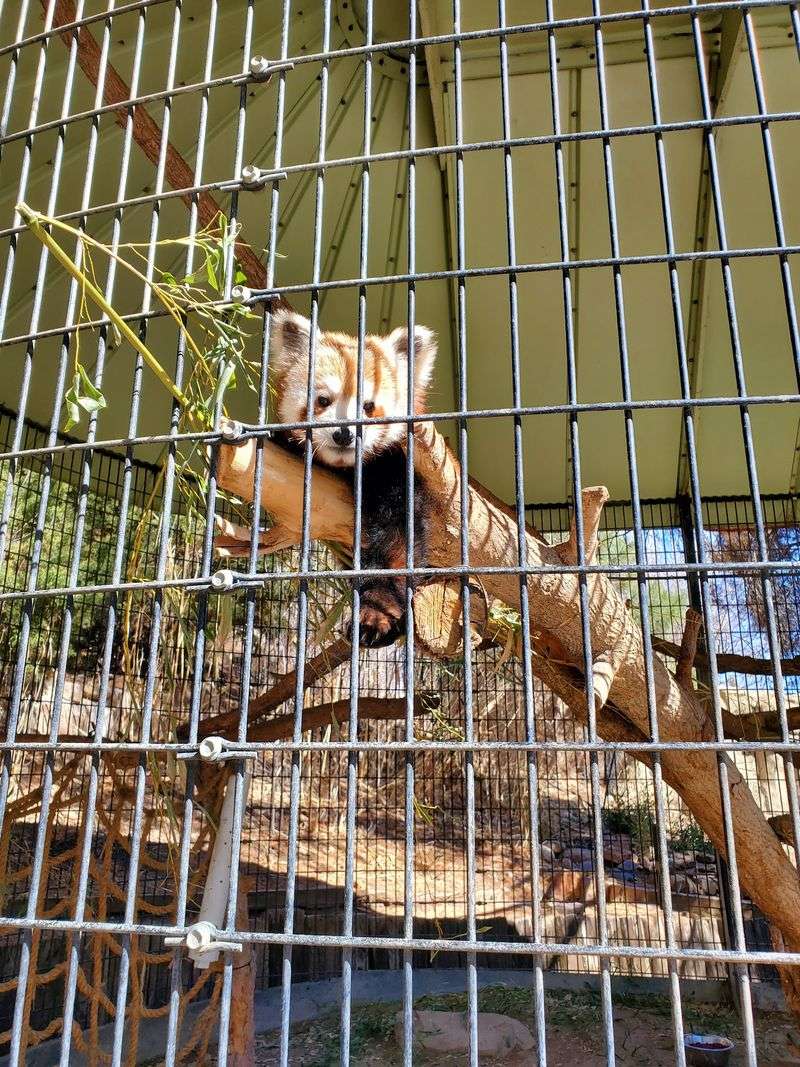
Family trips can go sideways fast when a place is too crowded, too complicated, or too tiring. Pueblo Zoo avoids a lot of that trouble by keeping the day simple.
The walking is manageable, the exhibits are close enough together to hold attention, and there is room for kids to stay curious instead of getting overwhelmed.
That practical strength is easy to underestimate. A zoo does not need to be huge to be useful for learning, especially when children can actually stop, see the animal, and read a sign without being rushed along by a giant crowd.
At Pueblo Zoo, educational plaques and hands-on elements support that kind of steady learning. The visit also works because it allows for movement. Kids are not trapped in one indoor gallery for too long, and they are not expected to march across endless acreage either.
The route gives families natural breaks, which helps with energy, snacks, and the basic need to reset during an active day.
For school groups and grandparents with younger children, that balance is especially helpful. A child can have a real zoo day without needing the stamina of a teenage hiker.
The result is a place that suits preschoolers, elementary-age kids, and adults who want a smoother outing.
Special seasonal events add extra variety across the year. The ElectriCritters light display has become one of the zoo’s notable cold-weather attractions, showing that the grounds are not only useful in warm months.
That kind of programming helps the zoo stay connected to local family routines beyond the standard summer visit. One smart approach is to let children lead for part of the walk. Pick a few must-see animals, then leave space for surprise stops and repeated looks.
Pueblo Zoo supports that style well because the scale is forgiving, and a change of plan does not throw the whole day off schedule.
Colorado Timing Tricks That Make the Visit Better
Timing can shape the whole experience at Pueblo Zoo. The zoo operates daily from 9 AM to 5 PM, and choosing when to go matters because southern Colorado weather can swing from pleasant to very warm depending on the season.
A smart schedule can make animal viewing better and the walk more comfortable. Earlier hours are often the easiest for families who want a quieter start. Morning light is softer, pathways are less busy, and the day has not built up as much heat.
On cooler days, though, some animals may still be easing into their routine, so it helps to stay flexible and revisit favorite exhibits later.
Warm-weather planning is straightforward. Bring water, wear sunscreen, and use the shade as part of your route rather than waiting until everyone is already tired.
Pueblo Zoo’s tree cover helps, but the sun in this part of Colorado can still be strong, especially for children who are excited enough to ignore thirst until they suddenly crash.
A visit of roughly two to three hours makes sense for many groups. That window is long enough to see the full zoo without turning the day into a marathon.
It also leaves room to enjoy the surrounding park area or fit the zoo into a larger Pueblo outing. Food planning deserves a little thought too. Seasonal snack options may not cover every need, so arriving with a simple plan is wise, especially for families with younger kids.
A bottle of water and a small snack can solve a lot before small problems become loud ones. The best strategy is to treat Pueblo Zoo like a paced afternoon, not a race.
Start early or pick a milder part of the day, watch how active the animals seem, and adjust as you go. That approach matches the zoo’s easy rhythm and usually leads to a better visit.
Go Now While It Still Feels Local and Low-Key
Some places lose their charm once they become overexposed. Pueblo Zoo still carries a quieter, more local energy, and that is a big part of why the visit lands so well.
You are not battling giant crowds or spending half the day waiting for your turn to see the basics. That lower-key pace creates breathing room. Families can move at their own speed, out-of-town visitors can fit the zoo into a short stop, and locals can return often without turning it into a major event.
There is something refreshing about an attraction that does not demand a giant commitment to be enjoyable. The zoo also benefits from being realistic about its scale. It is not trying to compete with the biggest institutions on size alone.
Instead, it offers a more personal route through animals, trees, history, and family-friendly programming, which gives it a different lane in Colorado’s travel mix.
There is also a community angle worth noticing. Smaller city attractions often rely on steady public interest, repeat visits, memberships, and local support to keep improving.
Visiting a place like Pueblo Zoo is not only about filling an afternoon. It helps sustain a long-running civic space that mixes education, recreation, and conservation in a way many towns would be lucky to have.
For travelers, the appeal is easy to understand. You can get a real zoo experience without devoting an entire day, and the manageable layout keeps the trip from becoming stressful.
For residents, it offers a repeatable outing that changes with the season, the weather, and the animals’ behavior. That is the strongest reason to go sooner rather than later. Pueblo Zoo still offers a kind of easy access that is getting harder to find, especially at attractions tied to wildlife.
Visit now, while the paths stay navigable, the mood stays relaxed, and the surprise still belongs to those who found it early.
Share this story