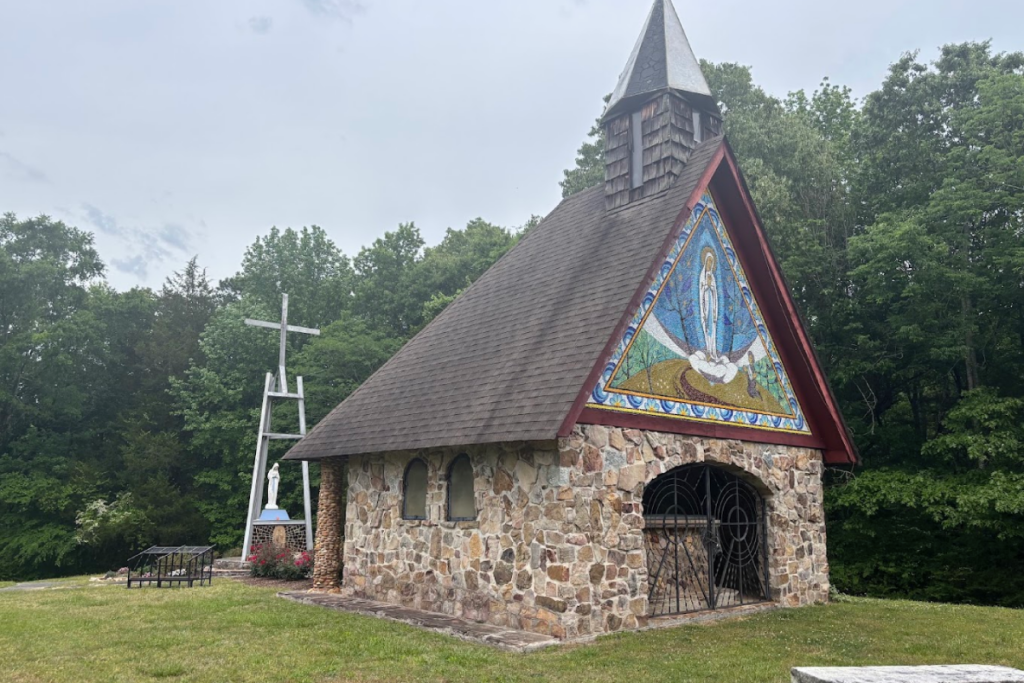
Tucked away on a winding mountain road in New Hope, Tennessee, there’s a Catholic shrine most people drive right past without ever knowing it exists. The Shrine of the Virgin of the Poor sits quietly among the trees, offering a space for prayer, reflection, and a little escape from the everyday rush.
Whether you’re Catholic or just looking for a peaceful spot in the mountains, this hidden gem has a calm, sacred atmosphere that draws visitors back again and again.
A Quiet Mountain Shrine Most Tennessee Travelers Never Hear About
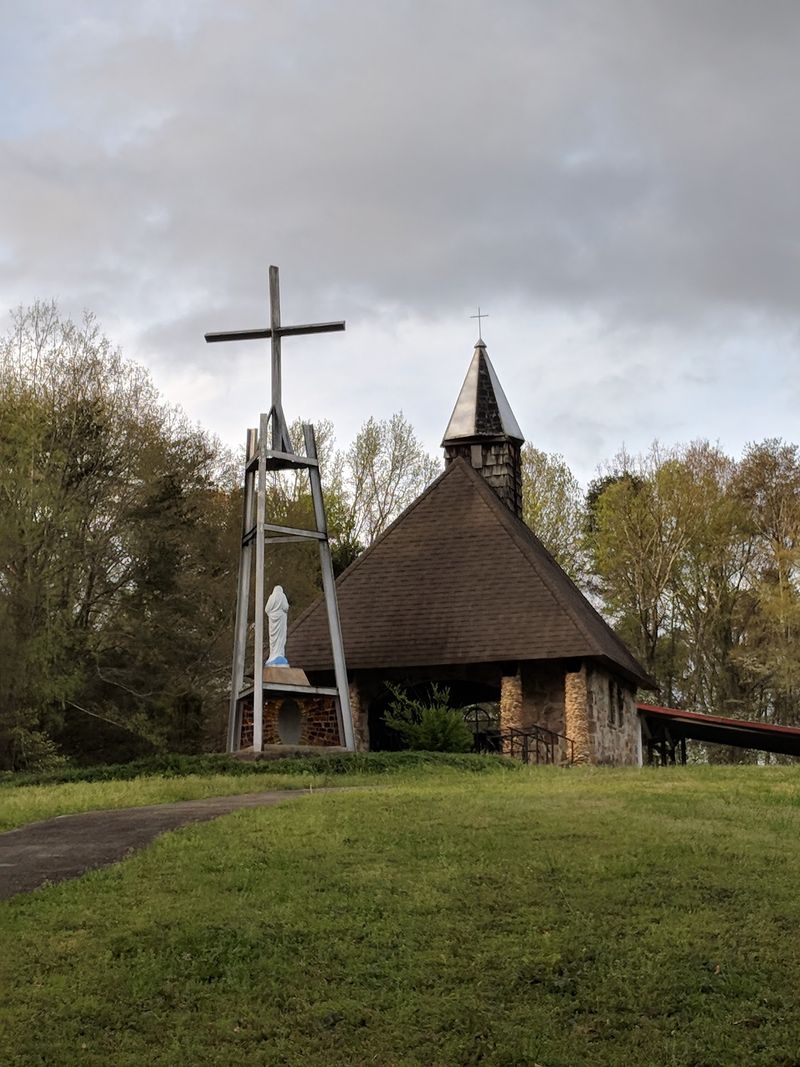
Most people traveling through Marion County have no idea this place exists. The Shrine of the Virgin of the Poor doesn’t sit along a busy highway or flash signs to catch your attention.
Instead, it waits at the end of Burns Island Road, a narrow route that winds through the kind of Tennessee scenery that makes you slow down and breathe a little deeper.
What makes this shrine special isn’t just its seclusion. It’s the fact that it was built as a sister site to a famous shrine in Banneux, Belgium, where a young girl reported seeing the Virgin Mary in 1933.
The Tennessee version was constructed to mirror that European original, bringing a piece of sacred history to the American South in a way few expected.
Visitors often stumble upon it by accident or hear about it through word of mouth in Catholic communities. There’s no big tourist infrastructure here, no gift shops or crowded parking lots.
Just a simple shrine, a pavilion, and the kind of stillness that feels rare these days.
The site has been quietly maintained for years by local volunteers and the nearby Our Lady of Lourdes parish. Reviews mention how surprised people are when they first arrive, like discovering a secret that’s been hiding in plain sight.
It’s the kind of place that rewards those willing to take the scenic route and venture off the main roads.
If you’re the type who loves finding hidden spots that haven’t been overrun by crowds, this shrine delivers. It’s not flashy or grand, but that’s exactly the point.
Sometimes the best discoveries are the ones that don’t try too hard to be found.
The Story Behind the Shrine of the Virgin of the Poor
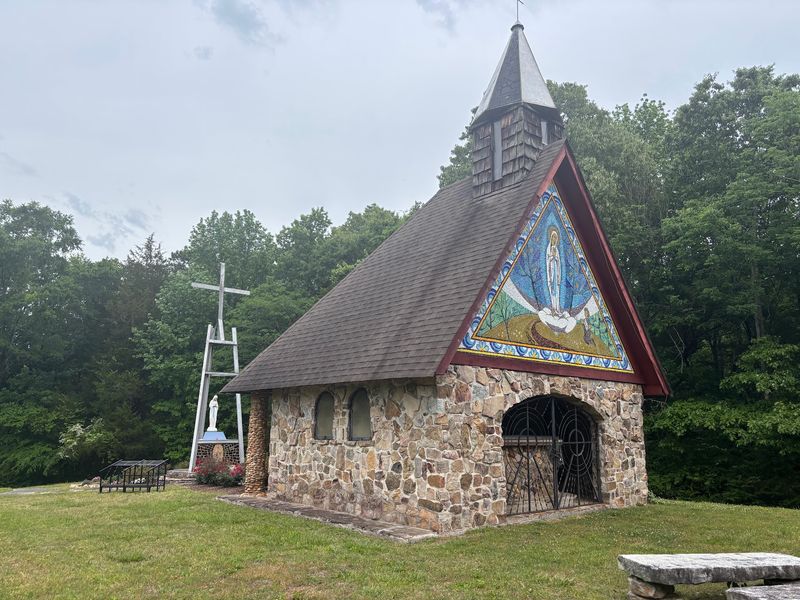
Back in the 1930s, a young Belgian girl named Mariette Beco reported seeing the Virgin Mary near her home in Banneux. The apparitions led to the creation of a shrine that became an important pilgrimage site in Europe.
Decades later, someone in Tennessee decided to build a replica, creating a direct link between the mountains of East Tennessee and the hills of Belgium.
The Tennessee shrine was designed to honor those same apparitions and provide a place for prayer and devotion closer to home for American Catholics. It’s not a perfect copy, but the spirit and purpose remain the same.
The architecture reflects the simplicity of the original, focusing more on sacred space than ornate decoration.
What’s fascinating is how this little-known shrine carries such a significant backstory. Most visitors don’t realize they’re standing in a place connected to an international pilgrimage tradition.
The Banneux apparitions are recognized by the Catholic Church, and the Virgin Mary reportedly called herself the “Virgin of the Poor,” which is where the Tennessee shrine gets its name.
Local historians and church members have worked to preserve the story, though it’s not widely advertised. You won’t find plaques on every corner or detailed signage explaining the history.
Instead, the story gets passed along through parish newsletters, word of mouth, and the occasional article in Catholic publications.
Understanding the background adds a layer of meaning to a visit. It’s not just a pretty spot in the woods.
It’s a deliberate act of faith, built by people who wanted to create a sacred space that honored something bigger than themselves.
A Peaceful Setting Surrounded by Tennessee Mountain Scenery
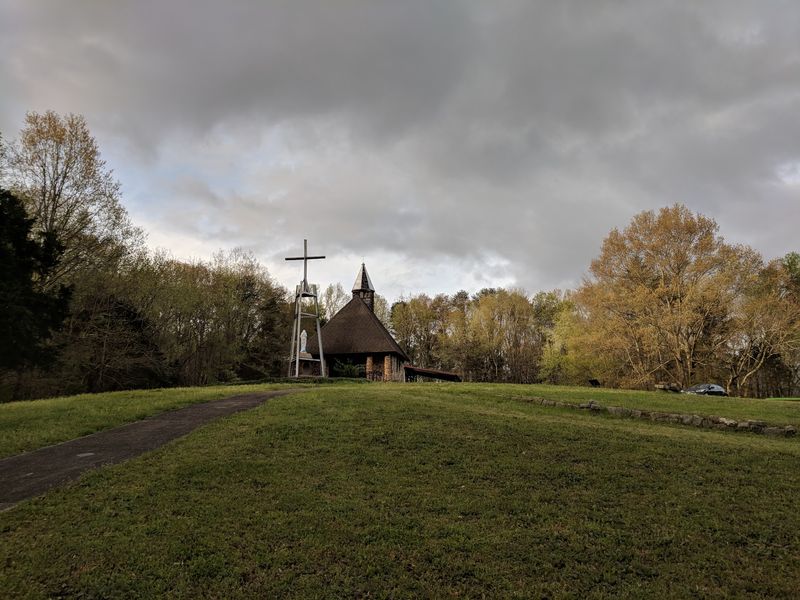
Getting to the shrine is half the experience. The drive along Burns Island Road takes you through rolling hills, thick woods, and farmland that feels worlds away from the nearest town.
It’s the kind of route where you might pass more cows than cars, and that’s not a bad thing.
Once you arrive, the setting hits you immediately. The shrine sits in a clearing surrounded by trees, with open fields stretching out behind it.
On a quiet day, the only sounds are birds, wind through the leaves, and maybe the occasional rustle of wildlife moving through the underbrush.
The mountains here aren’t dramatic peaks, but they provide a gentle, layered backdrop that shifts with the seasons. In spring, wildflowers pop up along the edges of the property.
Summer brings thick green canopies and the hum of cicadas. Fall turns the landscape into a patchwork of gold and red, while winter strips everything down to bare branches and soft silence.
Many reviews mention the beauty of the drive and the grounds themselves. People describe it as tranquil, serene, even holy feeling.
The natural setting does a lot of the work, creating an atmosphere that encourages slowing down and paying attention.
There’s also something grounding about being in a place that hasn’t been overly developed. No paved pathways cutting through every corner, no manicured lawns.
Just a well-kept shrine, some picnic tables, and the Tennessee mountains doing what they do best: offering a quiet, steady presence that doesn’t demand anything from you.
Walk the Grounds and Discover Simple Places for Prayer and Reflection
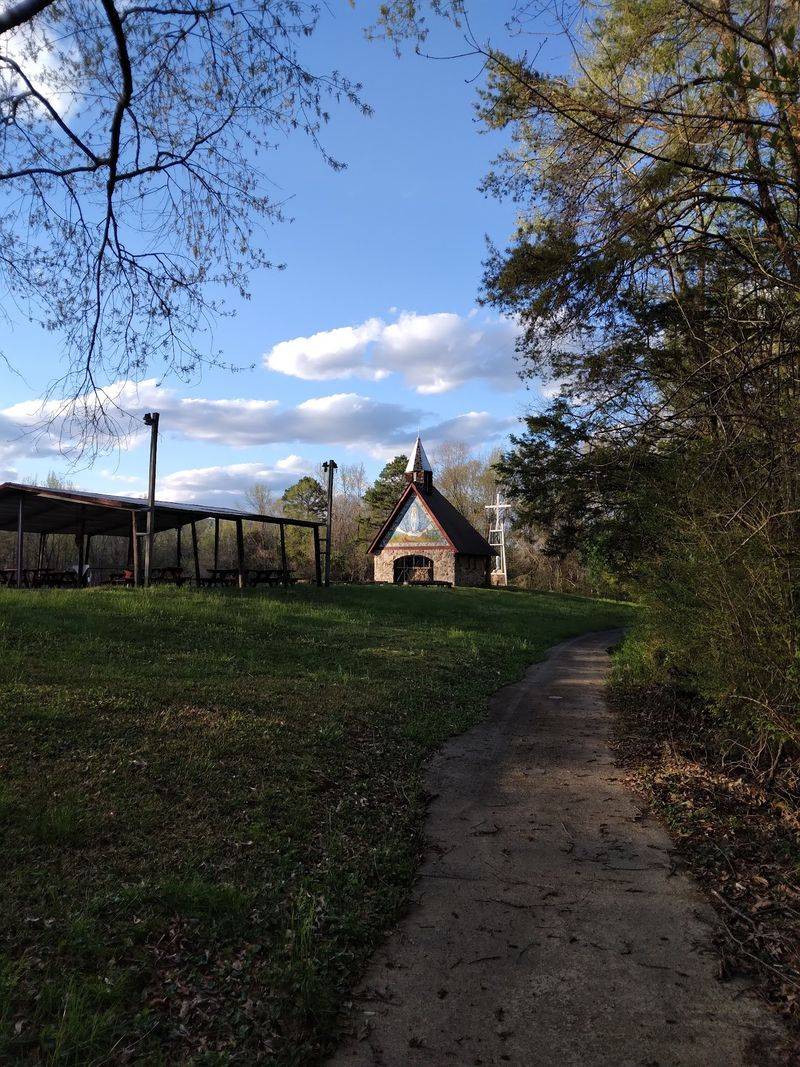
One of the best parts about visiting is the chance to walk the grounds at your own pace. The property isn’t huge, but it’s laid out in a way that invites exploration.
There’s the main shrine building, a covered pavilion with picnic tables, and a field where the Stations of the Cross are set up.
The Stations of the Cross are spread out across the hillside, each one marked with a simple cross or statue. Walking the stations is a traditional Catholic devotion, but even non-Catholics find the walk meditative.
It gives you a reason to move slowly through the space, pausing at each station to read, reflect, or just take in the view.
The pavilion offers a shaded spot to sit, especially welcome on hot Tennessee summer days. Some visitors bring a picnic and spend a few hours on the property, combining spiritual reflection with a peaceful outdoor break.
It’s not a formal park, but it has that same unhurried vibe.
There’s also a small columbarium on site, a place where ashes of the deceased are kept. It’s tucked away quietly, adding another layer of sacred purpose to the grounds.
The whole setup feels intentional but not overly controlled, like someone designed it with care and then let nature fill in the gaps.
Reviews mention that the grounds are well maintained, though a few older comments note some wear and tear. Recent visitors seem pleased with the upkeep, suggesting that volunteers have stepped up to keep things tidy.
Either way, it’s clear people appreciate having a space that feels both sacred and accessible.
The Religious Details and Sacred Spaces Worth Slowing Down For
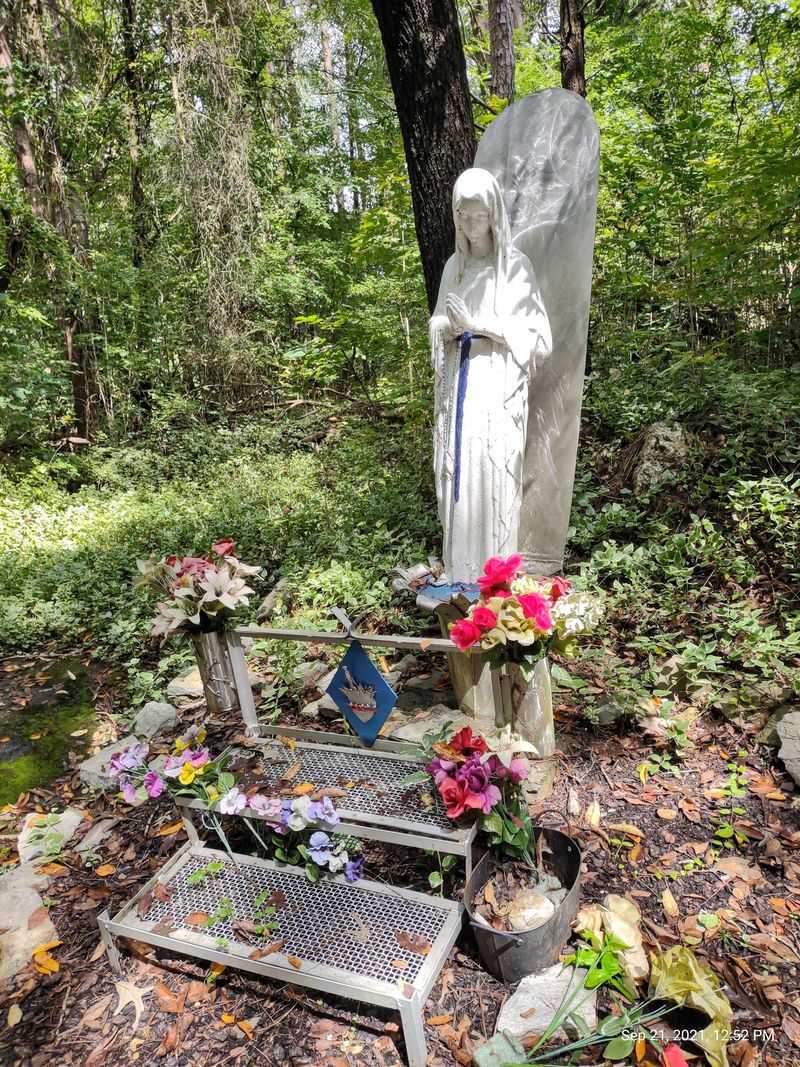
The main shrine building is simple but beautiful. Inside, there’s an altar dedicated to the Virgin of the Poor, echoing the devotion at the Belgian original.
The structure is often locked when services aren’t happening, but you can still peer through the windows or visit during scheduled devotions.
From May through October, the shrine hosts Sunday devotions at 2 p.m., giving visitors a chance to experience the space in a more traditional liturgical setting. It’s a small gathering, intimate and quiet, very different from a crowded parish Mass.
If you’re interested in the Catholic tradition behind the shrine, attending a service offers a deeper understanding.
The statues scattered around the property are another highlight. They’re not elaborate or expensive-looking, but they carry a certain reverence.
Some depict Mary, others show saints or scenes from the Stations of the Cross. Each one adds to the overall atmosphere, turning the grounds into a kind of open-air chapel.
Even if you’re not Catholic, there’s something compelling about the care put into these details. The shrine doesn’t try to impress with grandeur.
Instead, it focuses on creating a space where people can connect with something sacred, however they define that.
Visitors often mention the feeling of holiness that pervades the site. It’s hard to pin down exactly what creates that sense, whether it’s the religious symbols, the natural setting, or just the collective intention of everyone who’s visited and prayed there over the years.
Whatever it is, it’s real and noticeable.
Why Visitors Come Even If They’re Not Making a Traditional Pilgrimage
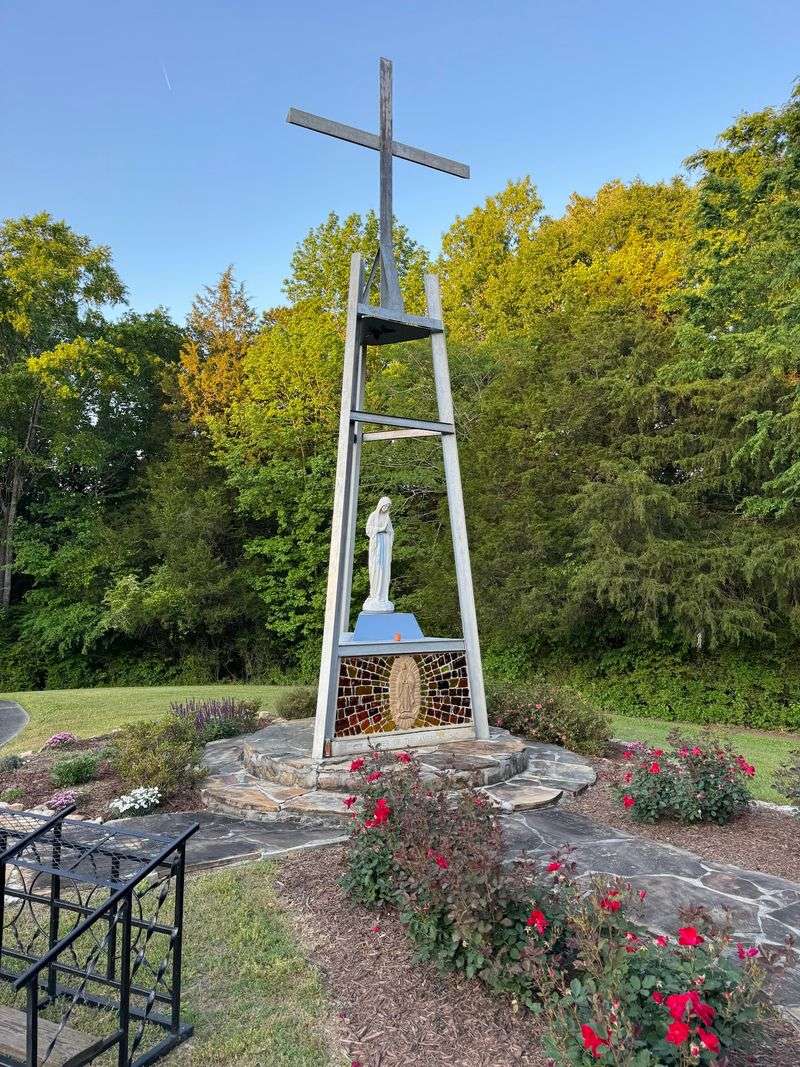
You don’t have to be on a pilgrimage to appreciate this place. While it was built for Catholic devotion, the shrine attracts a wider range of visitors.
Some come for the quiet, others for the scenery, and plenty just want a break from the noise of everyday life.
Several reviews mention visitors who aren’t Catholic but still found the experience meaningful. One person noted that much of the religious significance was lost on them, but they still appreciated the peaceful atmosphere and the beauty of the setting.
Another talked about bringing a spouse who explained the Catholic elements, turning the visit into a shared learning experience.
The shrine also draws people looking for a unique spot to reflect or meditate. In a world full of distractions, having a dedicated space for stillness feels increasingly valuable.
The lack of commercialization helps, there’s no pressure to buy anything or move along quickly.
Photographers and nature lovers also find their way here. The combination of religious architecture and mountain scenery makes for compelling visuals, especially during golden hour or when fog rolls through the hills.
It’s the kind of place that rewards those who take the time to really look around.
Even people who stumble upon it by accident often leave with a positive impression. The surprise of finding something so peaceful and well-intentioned tucked away in the mountains seems to resonate.
It’s a reminder that sacred spaces don’t always announce themselves loudly, sometimes they wait quietly for those who need them.
What to Know Before Visiting This Hidden Tennessee Shrine
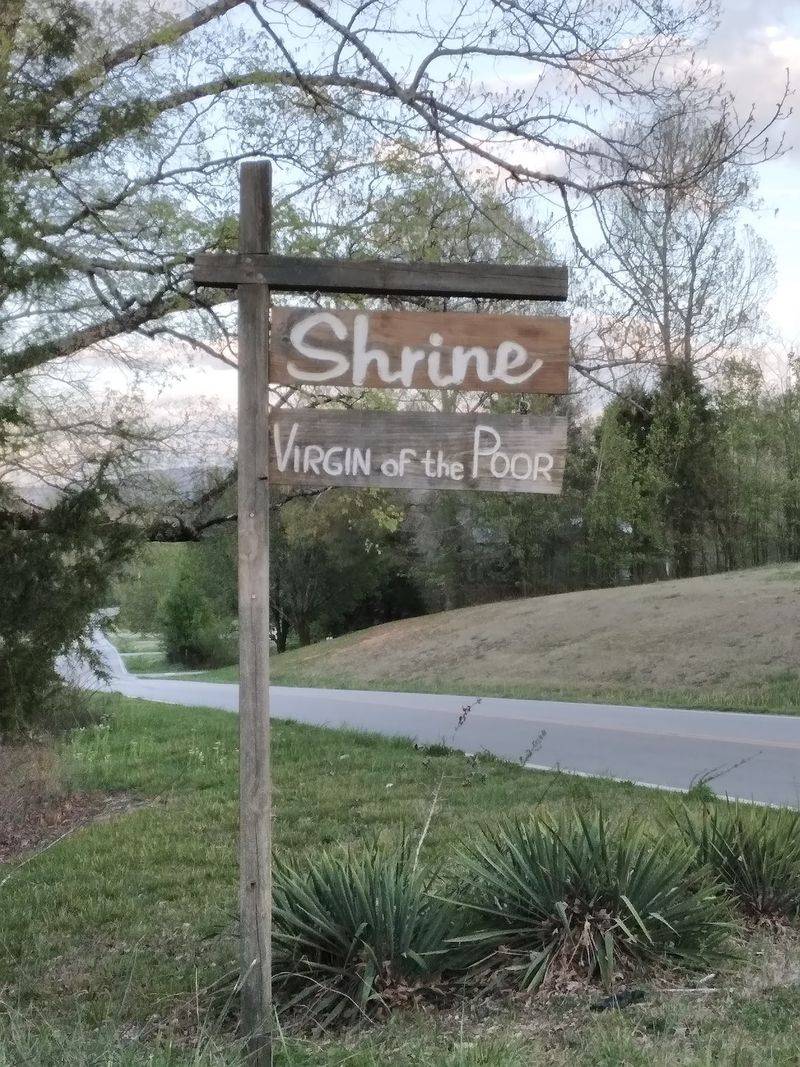
Before you head out, there are a few practical things worth knowing. First, the road to the shrine is narrow and winding.
It’s not dangerous, but it’s not a quick trip either. Take your time, enjoy the scenery, and don’t be surprised if you have to pull over to let another car pass.
The facilities are basic. There’s a bathroom on site, but older reviews mention it lacked running water and toilet paper.
More recent visitors seem to have had better experiences, suggesting improvements have been made. Still, it’s smart to come prepared, bring water, snacks, and anything else you might need for a few hours outdoors.
Bug spray is a good idea, especially in warmer months. Multiple reviews mention mosquitoes, which makes sense given the wooded, rural location.
If you plan to walk the Stations of the Cross or spend time on the grounds, comfortable shoes are a must. The terrain isn’t difficult, but it’s not paved either.
The shrine is free to visit, which feels fitting for a place dedicated to the “Virgin of the Poor.” There’s no admission fee, no donation box pressuring you as you enter. You’re welcome to come, stay as long as you like, and leave when you’re ready.
If you want to attend a service, remember they’re only held from May through October on Sundays at 2 p.m. Outside those times, the main building is usually locked, but the grounds remain open.
Either way, you’ll find a place that offers something increasingly rare: genuine peace, no strings attached.