Most folks visiting Texas state parks never realize they owe it all to one generous woman and her son. Back in 1916, Isabella Eleanor Neff donated six acres of land along the Leon River, sparking an idea that would grow into the entire Texas State Parks system. Her son, Pat Neff, served as Texas governor and made sure his mother’s gift became the foundation of something much bigger, creating a legacy that millions of Texans enjoy today.
1. Isabella Eleanor Neff’s Original Six-Acre Gift Started Everything
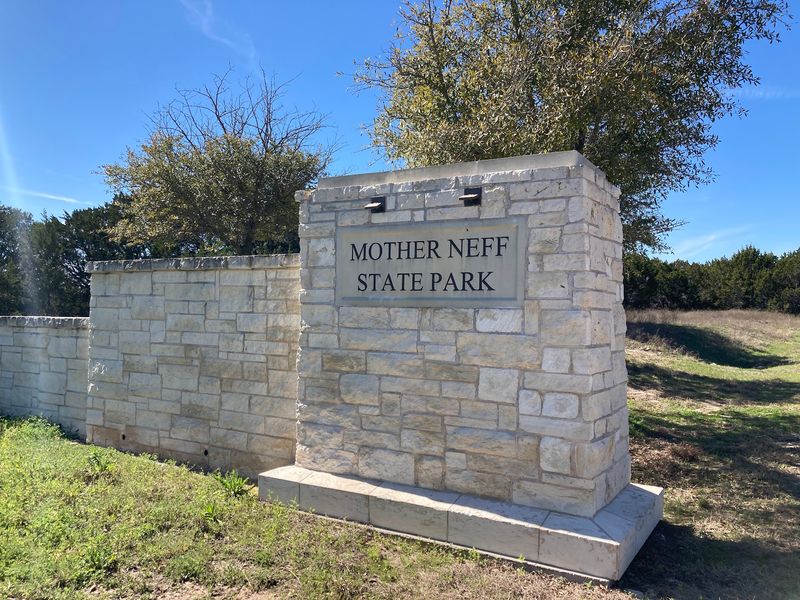
Isabella Eleanor Neff wasn’t wealthy or famous, just a Central Texas woman who loved the land along the Leon River. In 1916, she donated six acres of her family property because she wanted future generations to enjoy the same natural beauty she cherished. That simple act of generosity planted a seed that would blossom into Texas’s entire state park system.
Her son Pat recognized something special in his mother’s gesture. He saw potential for protecting Texas’s wild spaces at a time when development threatened to swallow everything. The donation came with no strings attached, just a mother’s hope that people would always have a place to connect with nature.
What makes this story remarkable is its humble beginning. Six acres doesn’t sound like much compared to today’s sprawling state parks. But Isabella’s gift proved that ordinary citizens could make extraordinary differences in conservation.
The land she donated sits near Moody, about halfway between Waco and Temple. Visitors today can walk trails that wind through the same limestone bluffs and oak groves Isabella knew. Spring-fed creeks still flow through the property, offering cool relief on hot Texas days.
Her donation inspired the Texas Legislature to establish the State Parks Board in 1923. Without Isabella Neff’s initial generosity and vision, Texas might have lost countless natural treasures to private development. She proved that protecting wild spaces starts with one person caring enough to act.
2. Governor Pat Neff Turned His Mother’s Vision Into Reality
Pat Neff served as Texas governor from 1921 to 1925, but his most lasting achievement had nothing to do with politics. He transformed his mother’s six-acre donation into the blueprint for preserving Texas wilderness. Pat understood that without government protection, developers would claim every beautiful spot in the state.
Growing up along the Leon River shaped Pat’s appreciation for natural spaces. He spent childhood days exploring limestone caves and swimming in spring-fed creeks. Those memories stayed with him throughout his political career, fueling his determination to protect similar places statewide.
As governor, Pat pushed the legislature hard to create a formal state parks system. He faced opposition from lawmakers who thought protecting wilderness was wasteful spending. Pat argued that future Texans deserved access to nature just like he’d enjoyed growing up.
His persistence paid off in 1923 when the legislature established the State Parks Board. Pat immediately worked to expand his mother’s original donation, adding acreage and developing basic facilities. He wanted the park to serve as a model for others across Texas.
Pat later became president of Baylor University, but he never stopped advocating for state parks. He regularly brought students to Mother Neff, teaching them about conservation and civic responsibility. His dual legacy as educator and conservationist proves that protecting nature requires both vision and stubborn determination to see it through.
3. The Park’s CCC Structures Tell Depression-Era Stories
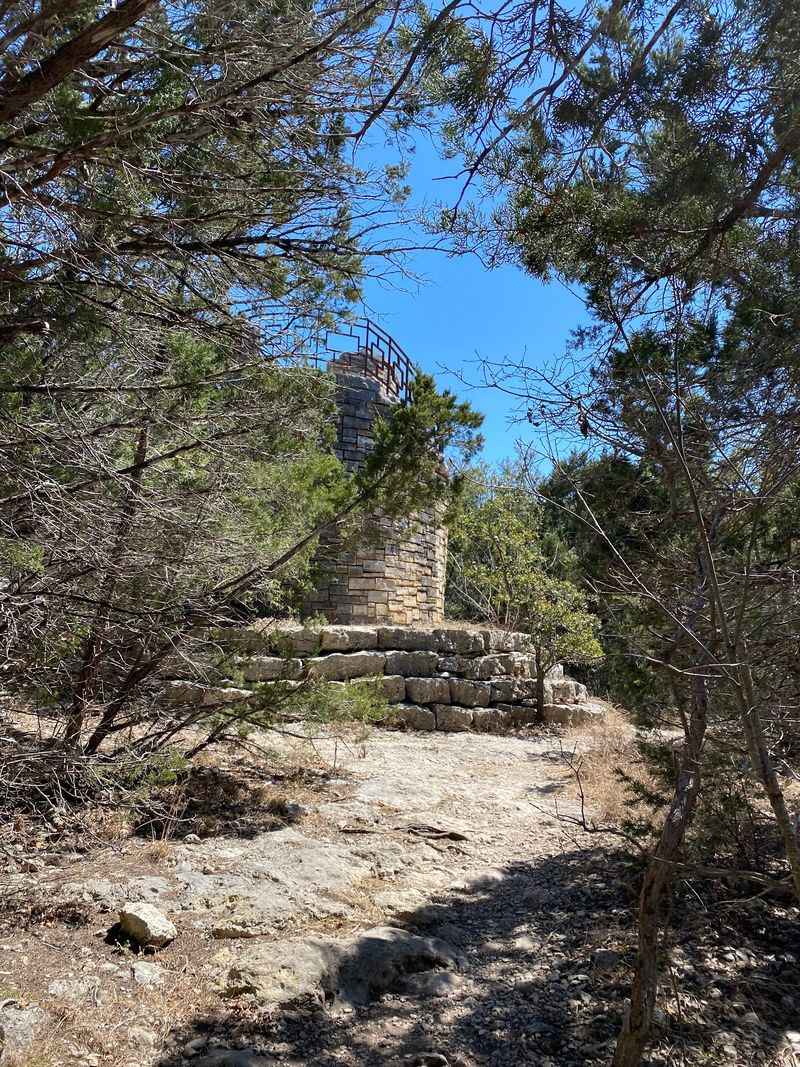
Walk Mother Neff’s trails and you’ll encounter beautiful stone structures that seem to grow naturally from the landscape. Young men from the Civilian Conservation Corps built these during the Great Depression, transforming raw materials into lasting monuments. Their handiwork includes a distinctive stone water tower, shelters, and carefully constructed trail systems.
President Franklin Roosevelt created the CCC in 1933 to put unemployed young men to work on conservation projects. Crews lived in camps, earned modest wages, and learned valuable skills while building America’s park infrastructure. At Mother Neff, they quarried local limestone and shaped it into structures that have weathered nearly a century.
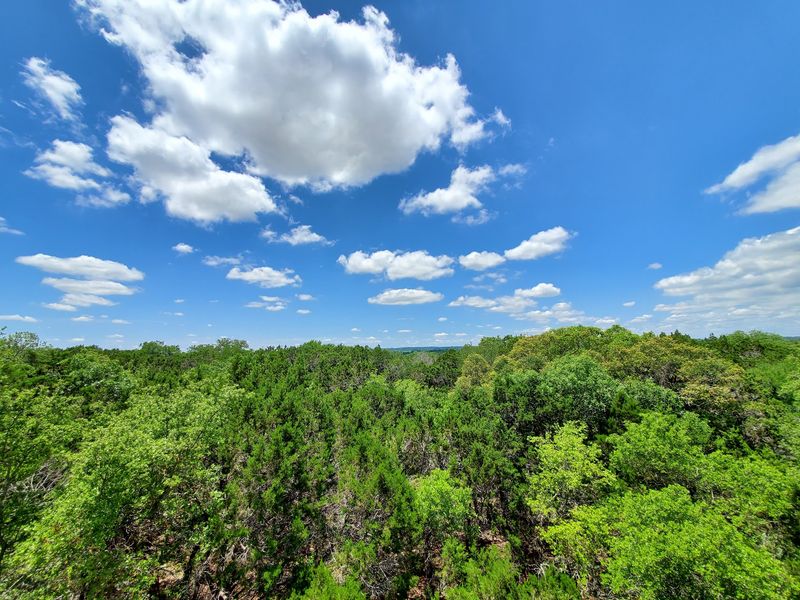
The stone water tower stands as the park’s most recognizable landmark. Visitors can climb to the top for panoramic views across the Leon River valley. CCC workers built it entirely by hand, fitting irregular limestone blocks together without modern equipment or power tools.
Interpretive signs throughout the park explain the CCC’s contributions and the techniques workers used. You’ll learn how they mixed mortar, selected stones, and created drainage systems that still function perfectly today. Their craftsmanship puts modern construction to shame.
These structures represent more than Depression-era make-work projects. They symbolize Americans coming together during hard times to create something beautiful and permanent. The CCC boys who built them are gone now, but their legacy welcomes visitors every single day at Texas’s first state park.
4. Camping Here Connects You to Texas’s Conservation Roots
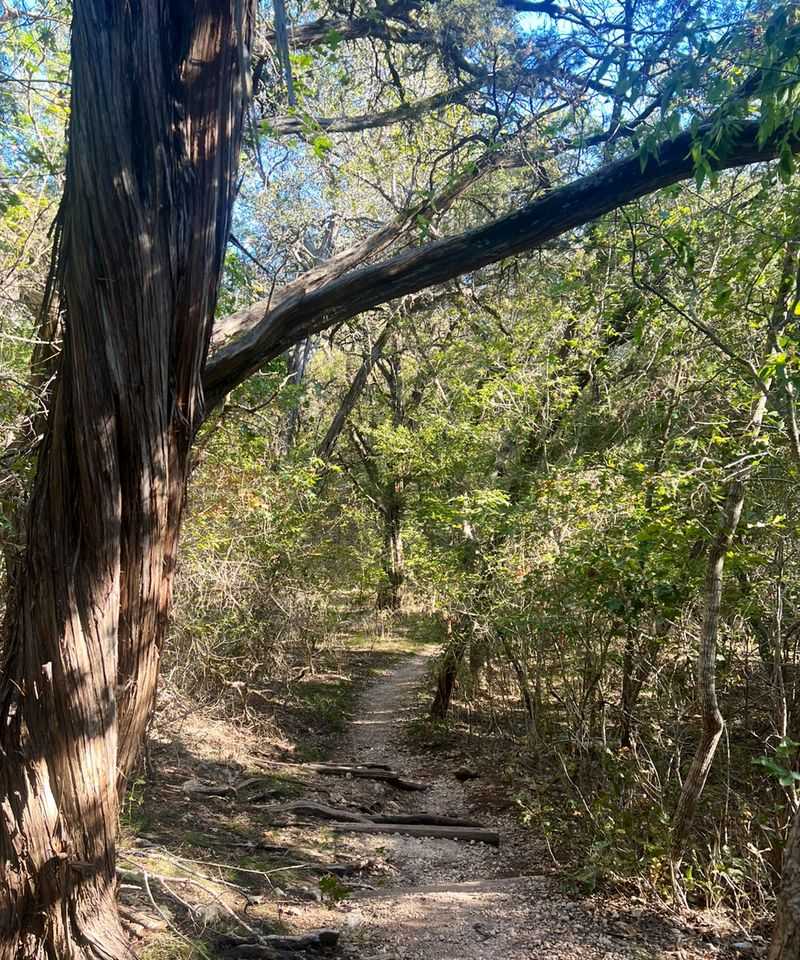
Spending the night at Mother Neff means camping where Texas conservation history began. The park offers 21 full-hookup RV sites with water, electric, and sewer connections. Each site features generous spacing, raked gravel, level concrete pads, and shaded picnic areas that make you feel worlds away from civilization.
Recent upgrades transformed Mother Neff into one of the nicest camping destinations in the state park system. Clean bathhouses include modern showers, plenty of hooks for towels and clothes, and convenient water bottle filling stations. Rangers maintain facilities daily, keeping everything spotless despite heavy use.
The campground loop measures just two-tenths of a mile around, creating an intimate community atmosphere. Short paths connect campsites directly to the bathhouse, so midnight bathroom trips don’t require hiking expeditions. Big rigs navigate the roads easily, with pull-through sites accommodating motorhomes up to 50 feet long.
At 33 dollars per night for full hookups, Mother Neff offers incredible value compared to private RV parks. You get modern amenities plus immediate access to hiking trails, historical sites, and abundant wildlife. Cell service runs spotty, but that’s part of the appeal for folks seeking digital detox.
Highway noise from nearby roads occasionally breaks the wilderness illusion, especially during daytime hours. Most campers report it fades into background white noise after dark. The trade-off seems fair considering the park’s proximity to Waco attractions and the historical significance of camping where Texas’s state park story began.
5. Wildflowers and Wildlife Make Every Season Special
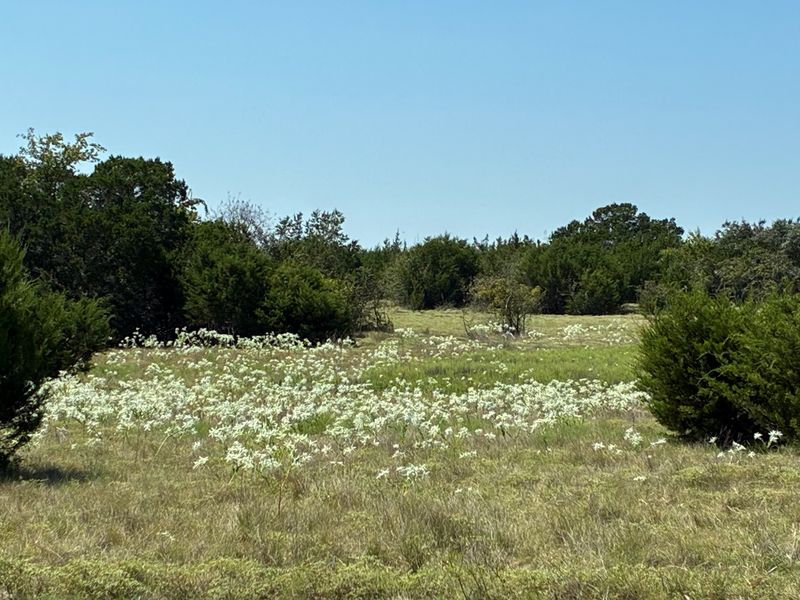
Spring transforms Mother Neff into a wildflower wonderland that rivals any botanical garden. Bluebonnets carpet open meadows while Indian paintbrush adds splashes of red along trail edges. Visitors time trips specifically to catch peak bloom, usually hitting its stride during March and April depending on winter rainfall.
The park’s varied terrain creates different blooming zones throughout the property. Shaded creek bottoms host delicate woodland flowers while prairie sections explode with color-loving species. Walking the trails during wildflower season feels like moving through a living kaleidoscope that changes every few yards.
Wildlife watching rivals the floral displays for visitor attention. White-tailed deer browse near campsites at dawn and dusk, often approaching within yards of patient observers. Wild turkeys strut through the campground like they own the place, completely unfazed by human presence.
Birdwatchers record impressive species lists here despite the park’s modest size. Cardinals flash red against limestone outcrops while hummingbirds work the wildflowers with incredible precision. Hawks patrol from high perches, scanning for unwary rodents in the grasslands below.
Even the insects deserve appreciation. Texas-sized bees work the flowers near the ranger station, their bodies heavy with pollen as they buzz from bloom to bloom. They ignore visitors completely, too focused on nectar collection to bother anyone.
Summer brings fireflies that transform evening walks into magical experiences, their synchronized flashing creating natural light shows better than any fireworks display.
6. The Cave Sheltered Indigenous Peoples for Centuries
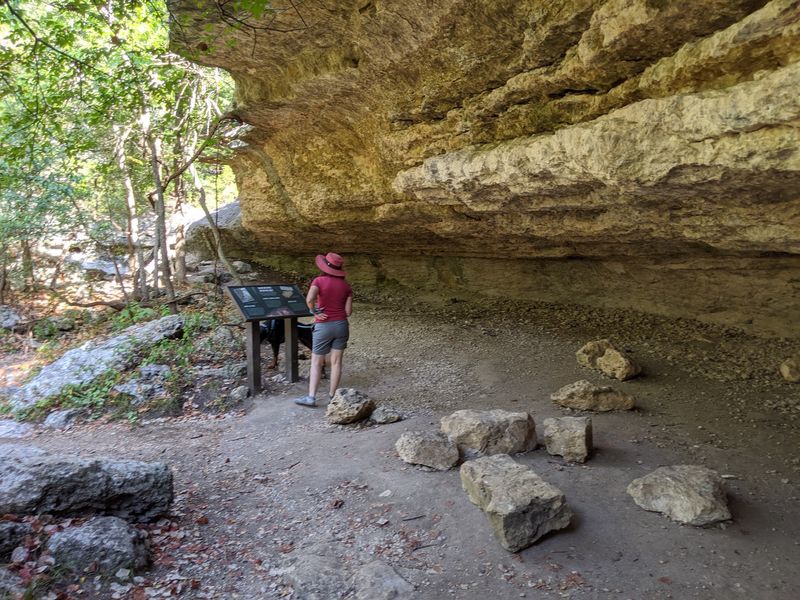
Hidden along Mother Neff’s trails sits a limestone cave that served as shelter for indigenous peoples long before European settlement. Archaeologists believe people used this cave intermittently for hundreds, possibly thousands of years. Standing at its entrance, you’re connecting with human history that stretches back further than written records can reach.
The cave’s location made perfect sense for ancient inhabitants. Spring-fed creeks provided reliable water while surrounding forests offered abundant game and edible plants. The cave’s overhang created natural protection from weather, and its elevated position gave clear views of approaching visitors, friend or foe.
Park interpretive materials explain what archaeologists discovered here. Tool fragments, fire-cracked rocks, and other artifacts paint pictures of daily life for people who called this place home. They weren’t just passing through but returning seasonally to harvest resources and shelter from harsh weather.
Today’s visitors can approach the cave but shouldn’t disturb anything inside. Federal and state laws protect archaeological sites, and even moving a rock could destroy irreplaceable information. Rangers ask everyone to look, photograph, but leave everything exactly as found.
The cave reminds us that conservation isn’t just about protecting nature for future generations. It’s also about preserving connections to our collective past. Indigenous peoples shaped this landscape through controlled burns, selective harvesting, and other practices we’re only beginning to understand.
Their legacy lives on in places like Mother Neff, where careful preservation lets us glimpse how Texans lived before recorded history began.
7. Easy Trails Welcome Families and First-Time Hikers
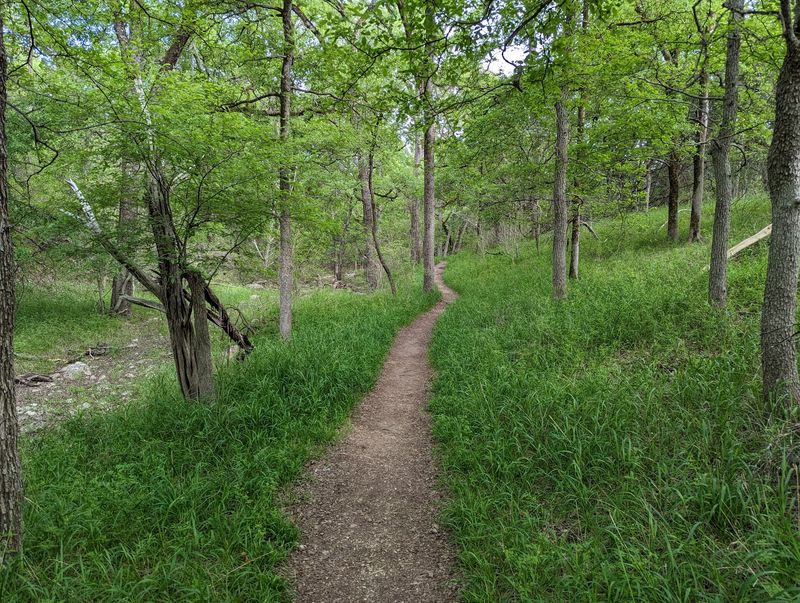
Mother Neff’s trail system proves you don’t need mountain terrain to enjoy great hiking. Multiple interconnected paths wind through the park’s 259 acres, offering everything from quick 20-minute strolls to longer explorations. About 75 to 80 percent of trails stay shaded under oak canopy, making summer hikes surprisingly comfortable.
Trail surfaces vary from natural dirt paths to sections with crushed clay that prevents muddy conditions after rain. Park staff maintains clear markings and provides excellent maps at the entrance station. First-time hikers appreciate the straightforward layouts that make getting lost virtually impossible.
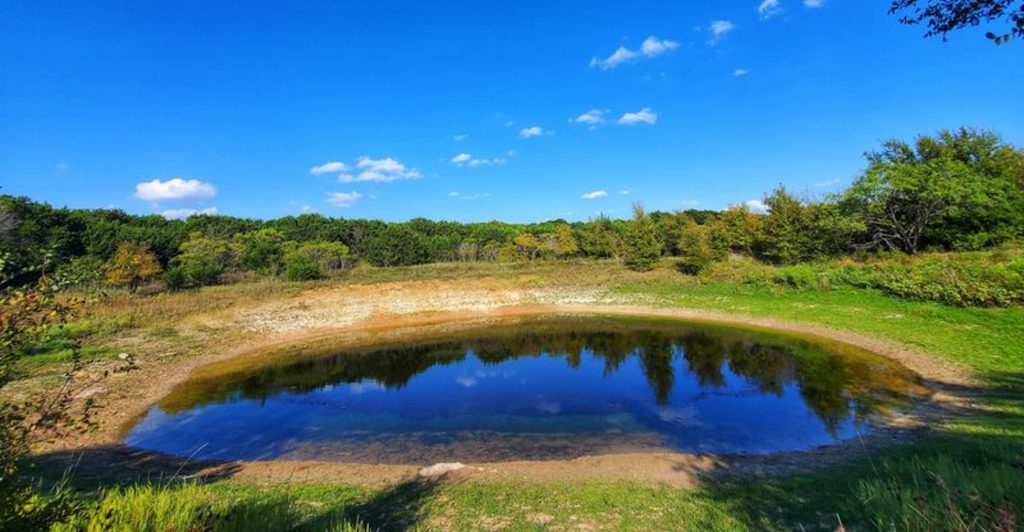
The Pond Trail ranks as a favorite for families with young children or visitors with dogs. It loops around a scenic pond where turtles sun themselves on logs and birds patrol for insects. The relatively flat terrain accommodates strollers and wheelchairs on most sections, making nature accessible to everyone.
Spring-fed creeks intersect several trails, creating perfect spots for cooling off during hot weather. Dogs love splashing through shallow water while kids hunt for minnows and interesting rocks. These creek crossings add adventure without requiring technical hiking skills or special equipment.
More ambitious hikers can combine multiple trail segments for extended outings. Even linking all the trails together, you’ll complete the entire system in a single day. That modest scale makes Mother Neff perfect for introducing kids to hiking without overwhelming them.
Success on these friendly trails often sparks lifelong love of outdoor exploration.
8. Modern Facilities Honor the Past While Serving Today’s Visitors
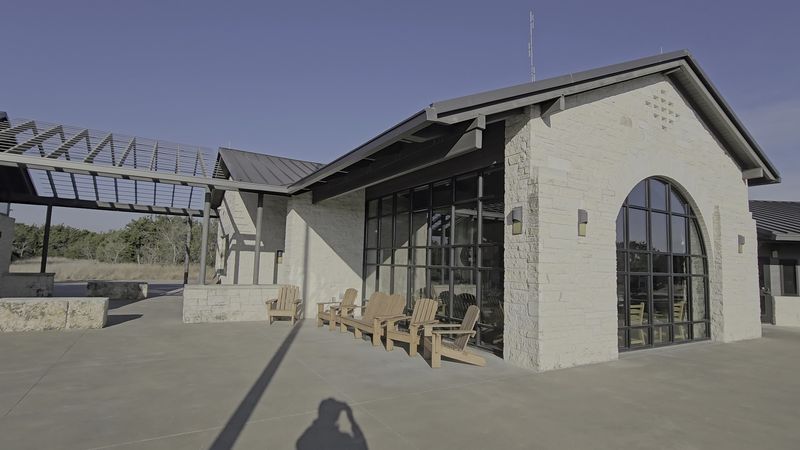
Recent renovations transformed Mother Neff’s facilities while respecting its historical character. The new ranger station and gift shop blend contemporary functionality with design elements that honor the park’s Depression-era CCC structures. Visitors immediately notice the attention to detail that makes modern amenities feel appropriate rather than jarring.
Inside the interpretive center, exhibits tell Mother Neff State Park’s complete story from Isabella’s original donation through present day. Interactive displays engage kids while providing depth that satisfies history buffs. A craft corner lets children create nature-inspired art, turning educational visits into memorable experiences families discuss for years.
The gift shop stocks quality items beyond typical tourist junk. You’ll find field guides to Texas wildflowers and birds, locally made crafts, and park-specific merchandise that makes meaningful souvenirs. Proceeds support ongoing conservation and educational programs, so purchases directly benefit the park’s mission.
Bathhouses throughout the camping area set new standards for state park facilities. Modern fixtures, excellent water pressure, and daily cleaning make showering here as pleasant as home. Thoughtful touches like benches in shower stalls and abundant hooks show someone actually considered how people use these spaces.
Park staff deserve special mention for their friendliness and knowledge. Rangers eagerly share trail recommendations, historical details, and wildlife spotting tips. Their genuine enthusiasm for Mother Neff’s story proves contagious, transforming casual visits into deeper appreciation for conservation history.
They understand that protecting this place for future generations starts with helping today’s visitors fall in love with it.
Share this story