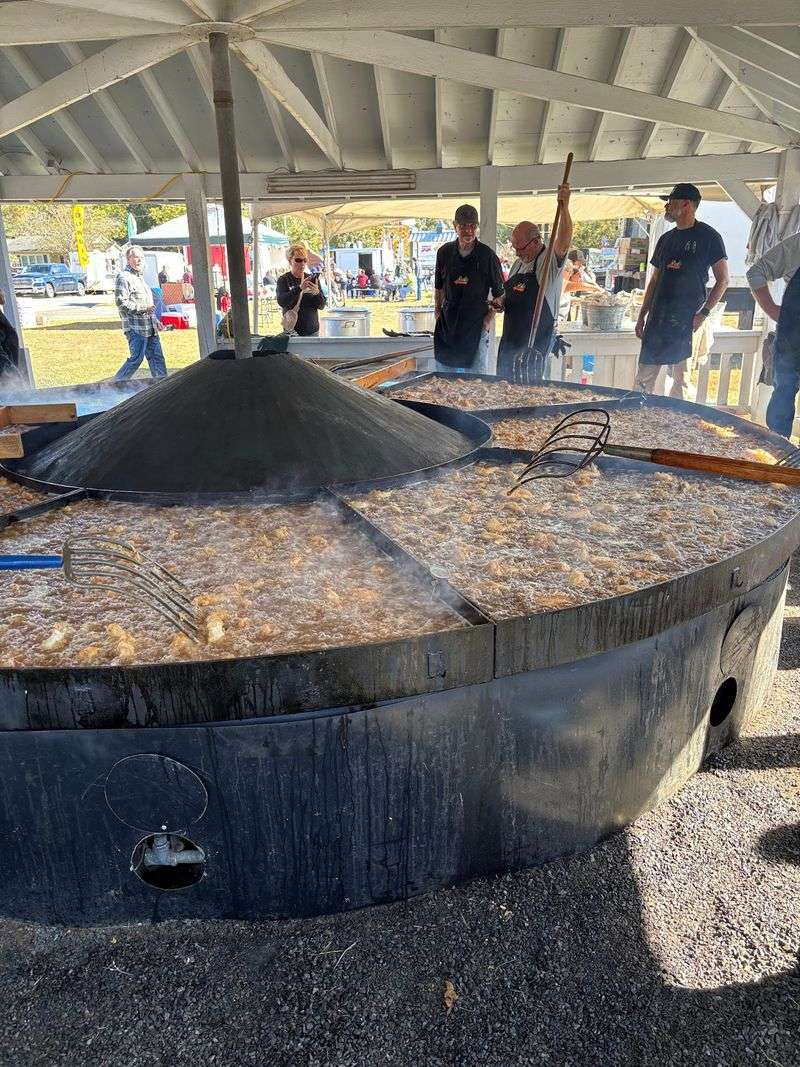
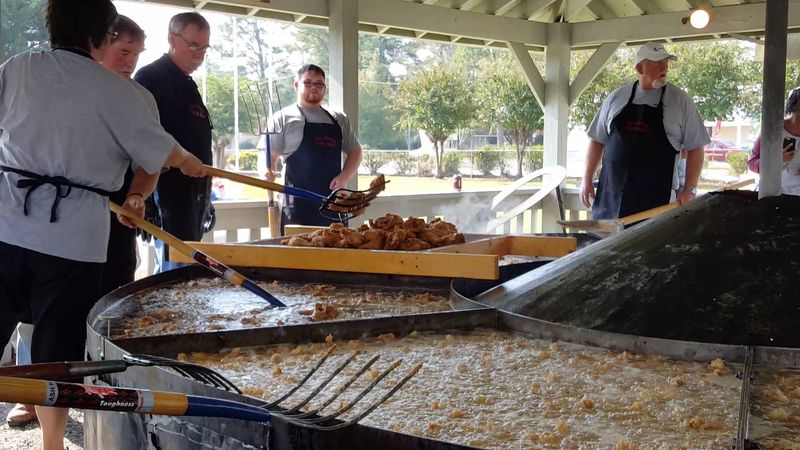
Somewhere in Duplin County, a skillet wider than most living rooms sits under a roof, waiting for one big day each year. When that day comes, volunteer firefighters grab pitchforks, fire up dozens of burners, and turn hundreds of chickens at the same time.
It sounds like a tall tale, but it is a real piece of North Carolina history built by local hands more than sixty years ago. Keep reading to learn how it started, when to see it in action, and how to plan a stop that fits your weekend.
A Two-Ton Skillet on Main Street
Small towns love a claim to fame, and this one went big with a frying pan built for a crowd. The World’s Largest Frying Pan is listed at 510 E Main St, Wallace, NC 28466, United States.
Locals know it as the centerpiece of the Rose Hill Town Square in Rose Hill, North Carolina. It sits right next to the fire department, which turns out to be a fitting neighbor.
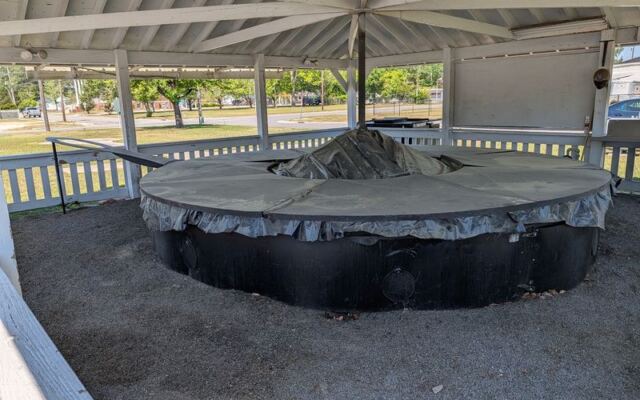
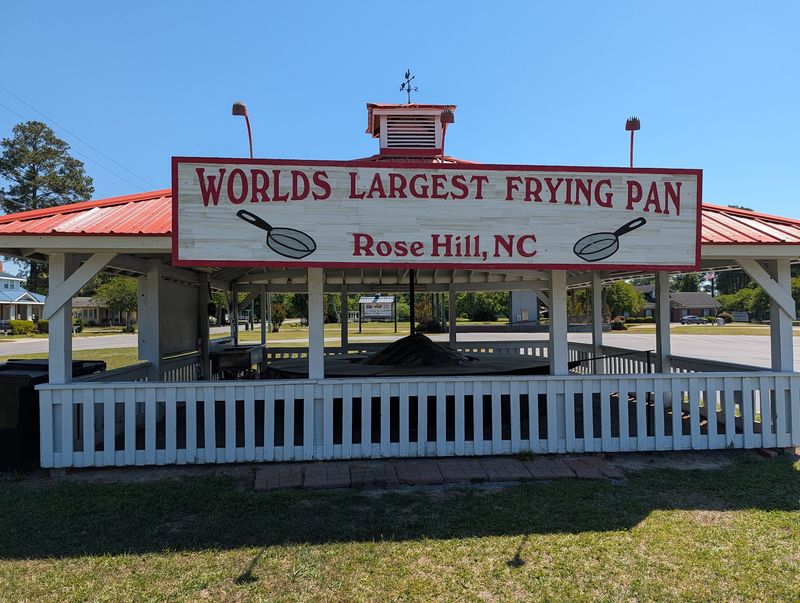
The pan stays under a gazebo that shields it from the weather. That roof helps keep the giant cookware ready for its busy season.
Officially, the spot is labeled a tourist attraction, and it carries a solid 4-star standing from more than 200 opinions online. That number reflects a mix of folks who loved the quirky detour and a few who hoped for more.
Duplin County sits in the eastern part of the state, among farm country tied closely to the poultry business. That connection explains why a town would build a skillet this large in the first place.
The story behind the pan starts with a feed company, a group of hard workers, and a big idea in the early 1960s.
The 1963 Tribute That Started It All
Back in 1963, employees of the Ramsey Feed Company rolled up their sleeves for an unusual project. Their goal was to honor the poultry industry that shaped the local economy.
The result was a working frying pan large enough to feed a festival. It was not built as a joke or a sign gimmick, but as a tool meant to cook real meals.
Poultry has long been a big part of life in this corner of North Carolina. The pan became a symbol of that pride, standing in the middle of town for everyone to see.
Over the decades, the skillet has turned into a landmark that residents pass every day. Some locals say they still find it pretty neat, even after years of driving by.
Signs near the gazebo share pieces of this history for anyone who stops. A guest book also lets you add your name to the long list of people who have made the trip.
Knowing where it came from makes the pan feel less like a novelty and more like a hometown trophy. Next comes the part everyone asks about first, which is just how big this thing really is.
Big Numbers in a Round Package
Fifteen feet across. Two tons of metal.
Those two figures alone explain why people pull off the road to take a look.
The pan is divided into eight pie-shaped wedges. That layout helps the cooking crew manage such a huge surface during the festival.
It holds about 200 gallons of cooking oil when it is ready to go. Heat comes from 40 propane burners spread beneath the surface.
All of that adds up to room for roughly 365 chickens at one time. That is one chicken for every day of the year, which makes for a handy fun fact at family dinners.
Many fans call it the largest working frying pan in the world. The word working matters here, since this pan is not just for display.
Some folks note that it looks more like a giant pot than a classic skillet. Others shrug and say a pan this size earns a little leeway on its shape.
Either way, the measurements are the main event when the cover is on. Then there is one feature that adds a touch of humor to the design.
A Six-Foot Handle Built for Looks
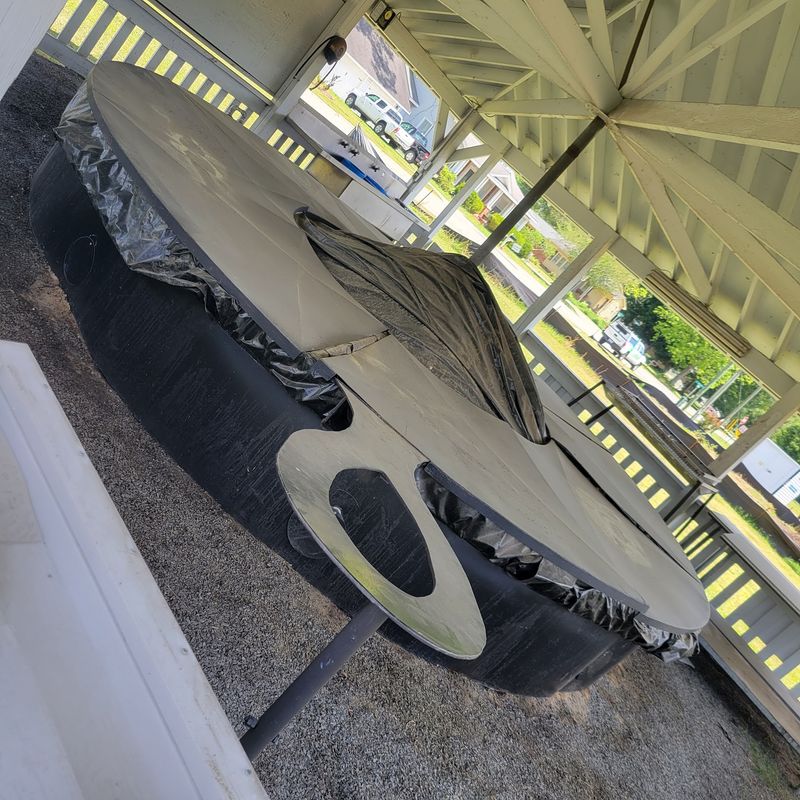
Nobody is lifting this skillet by the handle, and that is perfectly fine. The six-foot handle is not functional at all.
Its real job is to make the whole thing read as a frying pan from the street. Without it, the round cooker might pass for a very large kettle.
That small design choice does a lot of heavy lifting, pun fully intended. It turns a cooking tool into a roadside landmark that people recognize right away.
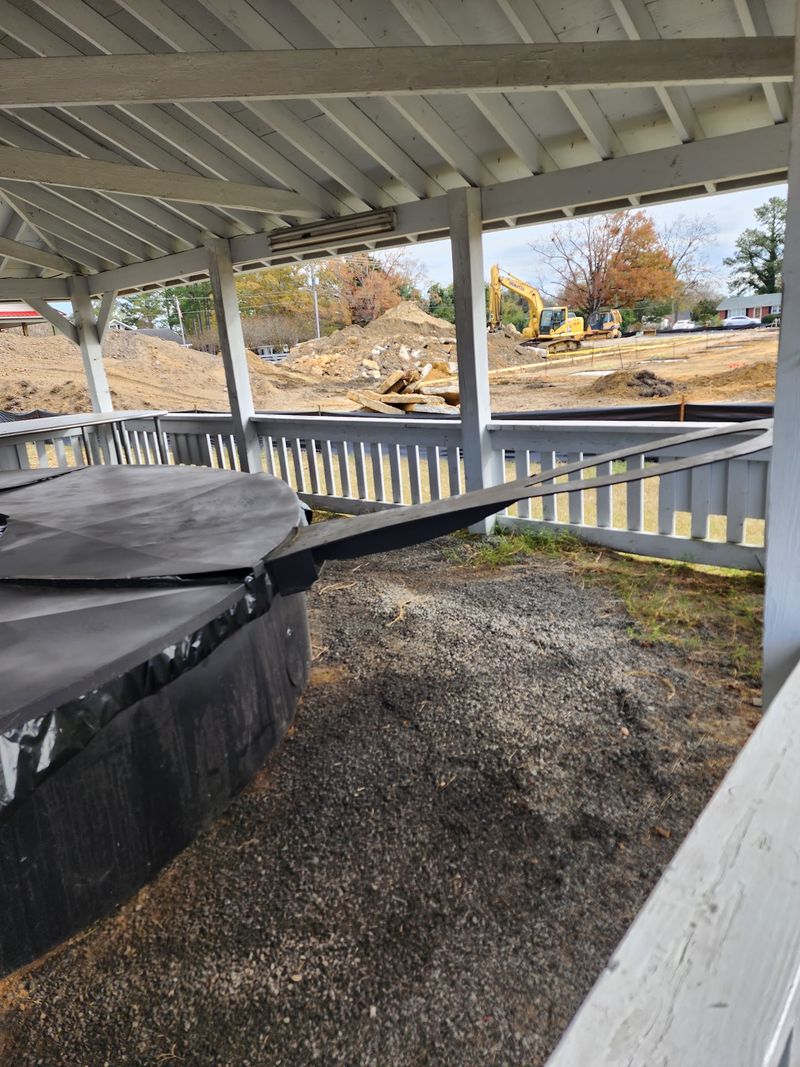
During the off season, the pan is often covered with a tarp. In those months, the handle may be the most visible part of the whole setup.
Some people find that a little disappointing when they arrive. Others treat the handle as the perfect photo prop, since it still signals exactly what sits under the cover.
The handle also hints at the playful spirit behind the project. A feed company crew could have built a plain cooker, but they chose to give it a personality.
It is a reminder that the pan was made for both work and fun. Speaking of work, the real show starts once the burners light up.
Pitchforks, Propane, and a Firehouse Crew
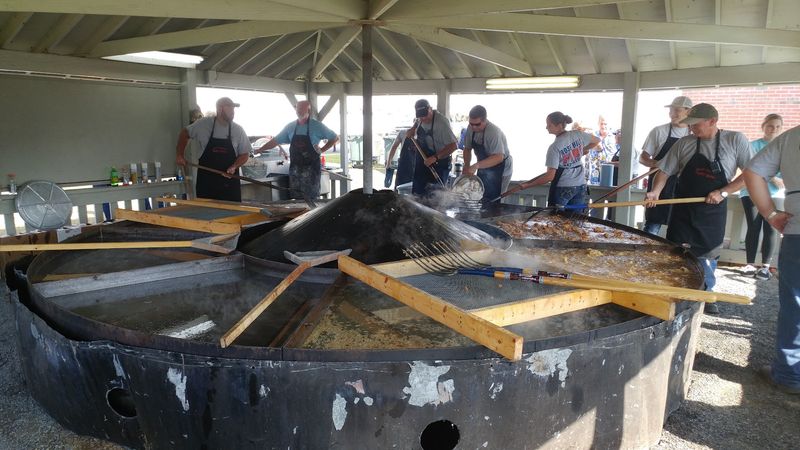
Forget spatulas. When this pan is in use, volunteer firefighters turn the chicken with pitchforks.
That detail alone makes the cooking day a sight worth planning around. The crew works across the eight wedges as dozens of propane burners keep the oil hot.
Having the fire department right next door makes plenty of sense. The volunteers handle the heavy work and keep the process running smoothly.
Watching them prepare all that chicken and then fry it is a highlight for many festival guests. People who have seen it describe it as fun to watch from start to finish.
The pan does not only come out for one celebration. It is sometimes used for fundraisers as well, so the skillet helps support the community in more ways than one.
Schedules for those extra events are not always easy to predict. Checking with the Town of Rose Hill before you go is the safest way to know what is coming up.
For most people, though, one date stands above the rest. That day has a name that sounds made for a pan this size.
The North Carolina Poultry Jubilee
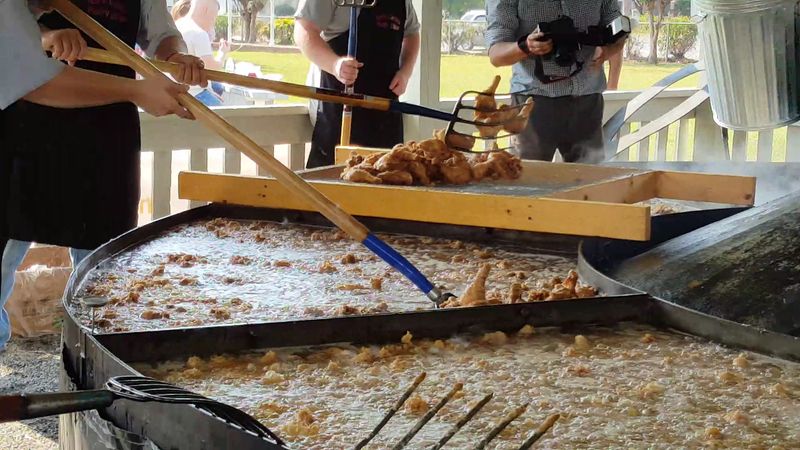
Once a year, the big burners roar to life for the North Carolina Poultry Jubilee. The event is held in November, and recent word points to the first Saturday of the month.
This is the day the pan was built for. Hundreds of chickens go into the oil at once, and the town square fills with hungry guests.
Many people say the fried chicken is the reason to come. Some go as far as calling the whole experience a can’t-miss outing.
Folks who stopped by during the off season often promise to return for the Jubilee. A few have even marked their calendars a full year ahead.
The festival also brings a lighthearted tradition. Talk around town includes a crown for the Queen of the Frying Pan, which adds a fun local flavor to the day.
Because dates can shift, it is smart to confirm details on the town website before you drive in. The Town of Rose Hill shares updates at townofrosehillnc.com.
Chicken may get top billing, but it is far from the only thing happening that day.
Cake Auctions, Vendors, and a Live Band
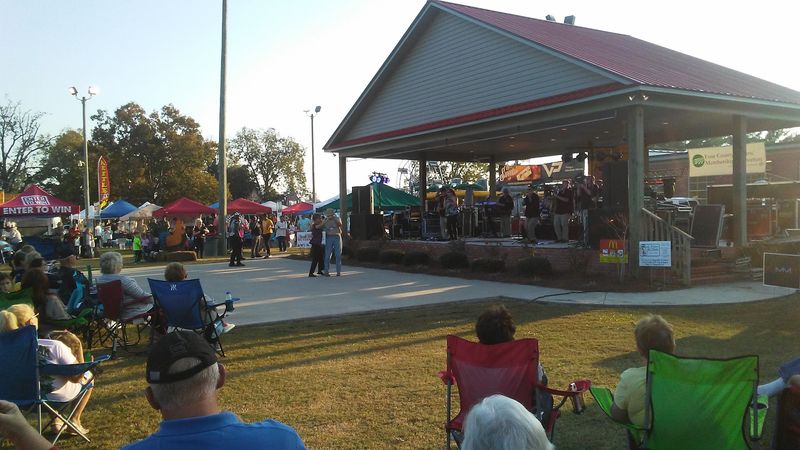
Cake auctions are part of the Jubilee lineup, and they tend to bring out the friendly competition. Bidding on homemade treats is a classic small-town tradition.
Vendor booths fill the area, with just about every kind of seller you could think of. Some regulars would happily see even more local vendors join in future years.
Music plays a role too. A live band often keeps the energy up while folks wander, eat, and chat.
The overall feel is often described as fair-like. Food, fellowship, and music all come together in one busy square.
Fall gatherings beyond the Jubilee have also featured food, games, and live performances. That variety gives families with kids something to do besides waiting for chicken.
Some longtime locals note that certain barbecues and get-togethers slowed down after Covid. It may be worth checking which events are active in the year you plan to visit.
Even so, the big November celebration remains the headline act. When the crowds go home, the pan settles back into a quieter routine under its roof.
Off-Season Life Under the Gazebo
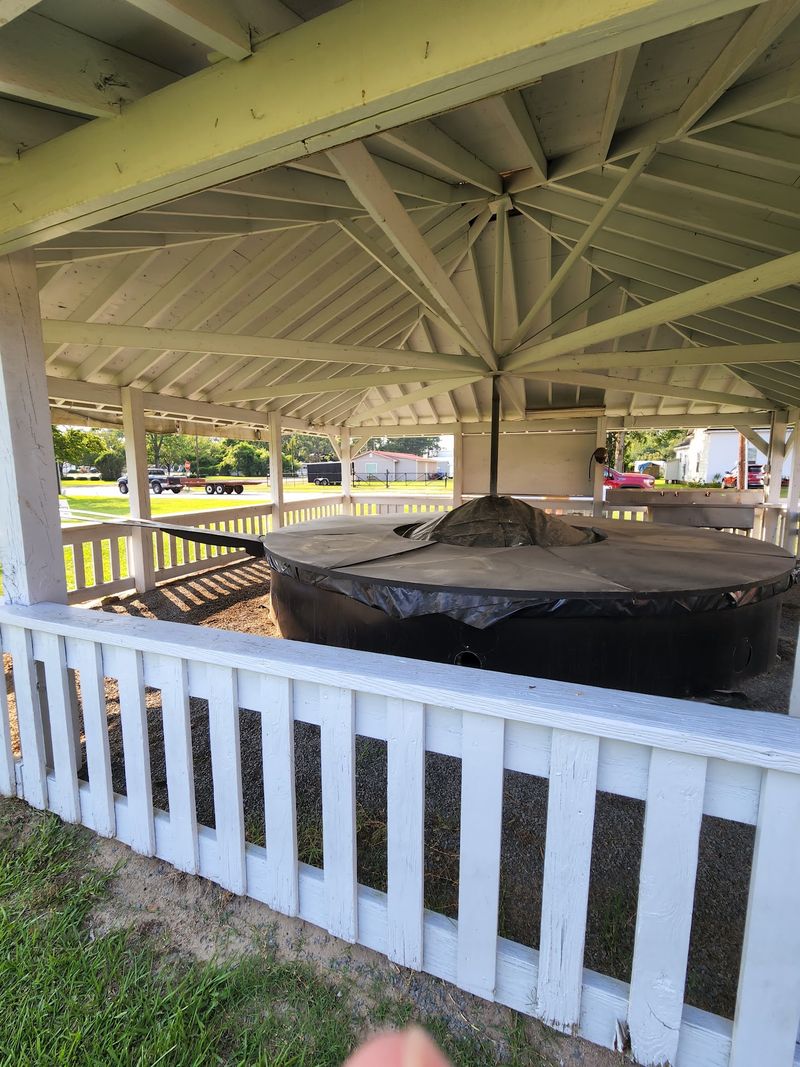
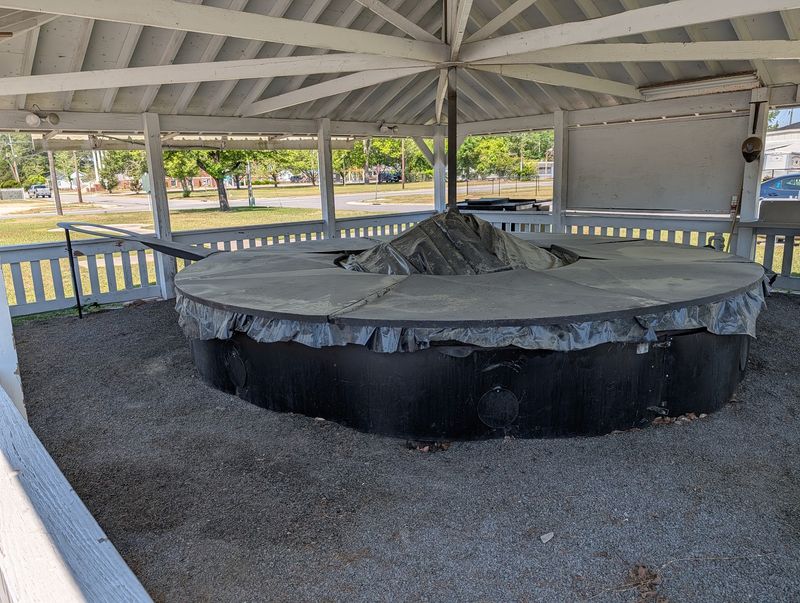
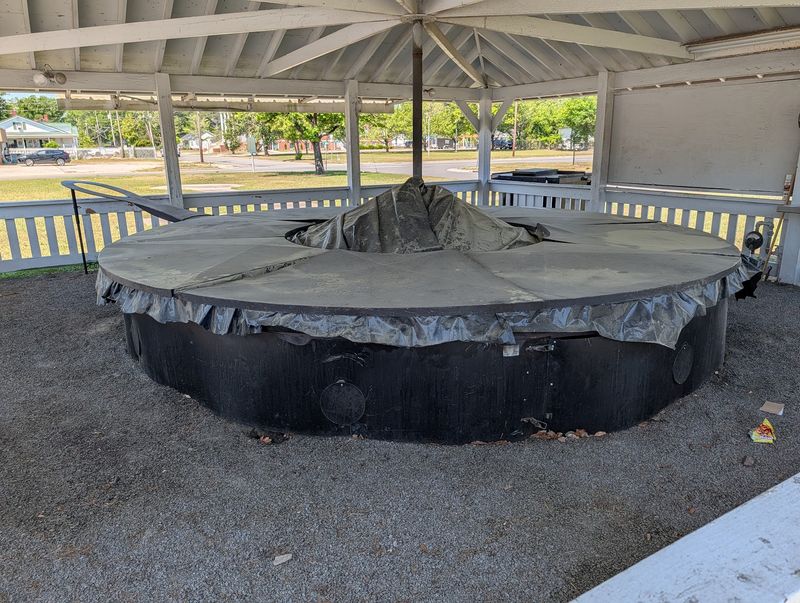
Most of the year, the pan rests under its gazebo with a cover over the top. That protection keeps it in shape for the next big cook.
Arriving on a random weekday means you may only see the outline and the handle. Some people wish it were uncovered, though many understand why it stays wrapped.
Expectations make a big difference here. Folks who come for a quick roadside stop usually leave happy, while those hoping for a full display can feel let down.
A few describe the setup as plain or a bit rough around the edges. Others call the area clean and well kept, which shows how much opinions can vary.
The gazebo itself gives the spot a tidy, finished look in the square. It also makes the pan easy to find, even if you have never been to Rose Hill before.
Bragging rights still count for something. Plenty of people agree that seeing a world’s largest anything is worth the stop.
Once the pan is checked off, the town around it offers its own easygoing appeal.
Small-Town Charm in Rose Hill
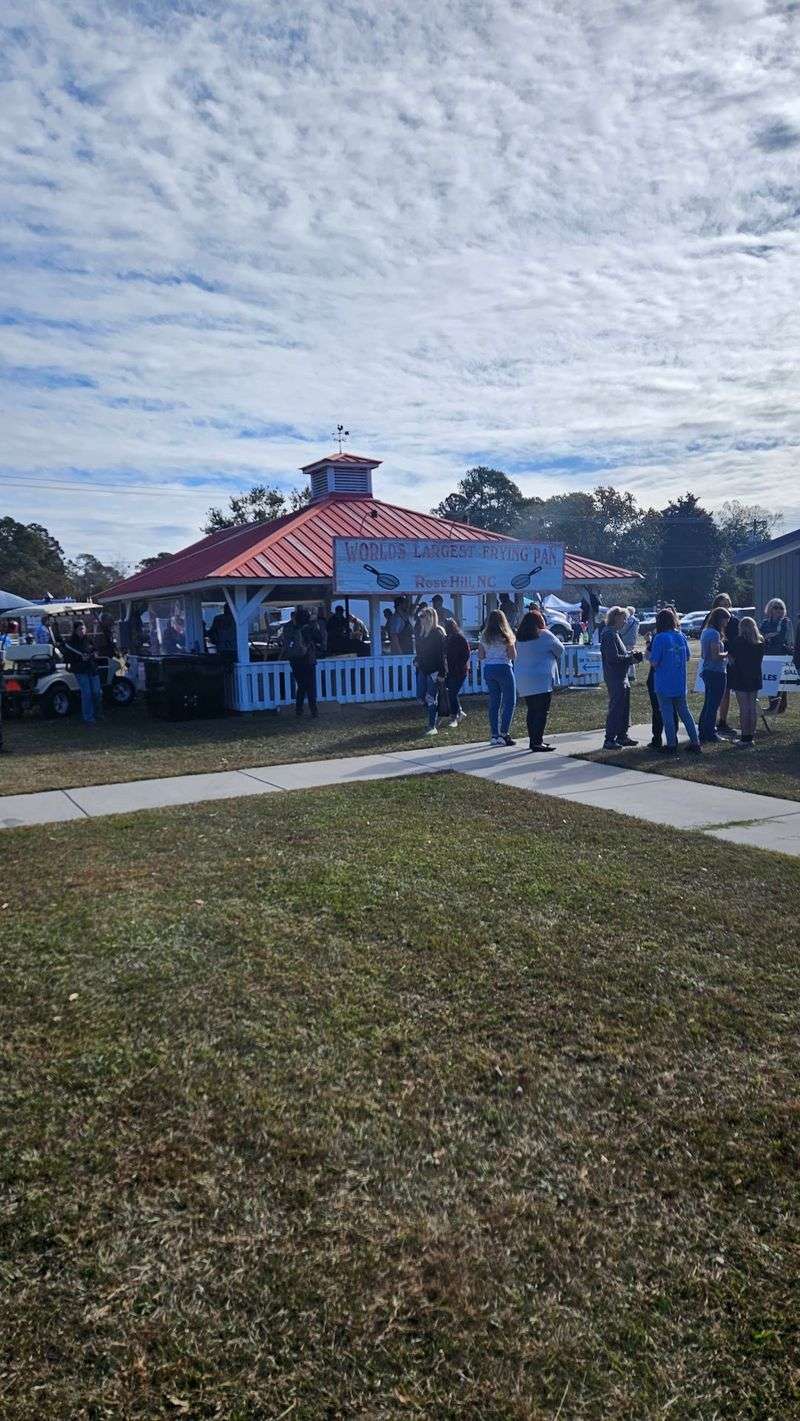
Rose Hill has a quaint, small-town feel that fits the pan perfectly. It is the kind of place where a giant skillet makes total sense.
People who spend time here often mention how genuine and friendly the residents are. That warmth shows up most during festival season, when the whole community turns out.
The pan sits in the town square instead of on a busy highway lot. That setting makes the stop feel like a visit to a real community, not just a photo spot.
For North Carolinians who love finding unusual places close to home, this fits the bill. It is a slice of local pride that has stayed put for more than six decades.
Residents have a protective fondness for their landmark, and that is easy to respect. Being polite, parking with care, and keeping the square tidy goes a long way.
Small towns like this rely on outings that bring people in without changing what makes them special. A thoughtful visit helps keep it that way.
With the setting in mind, it helps to know how to get the best snapshot of the pan.
Getting the Shot Without the Tank
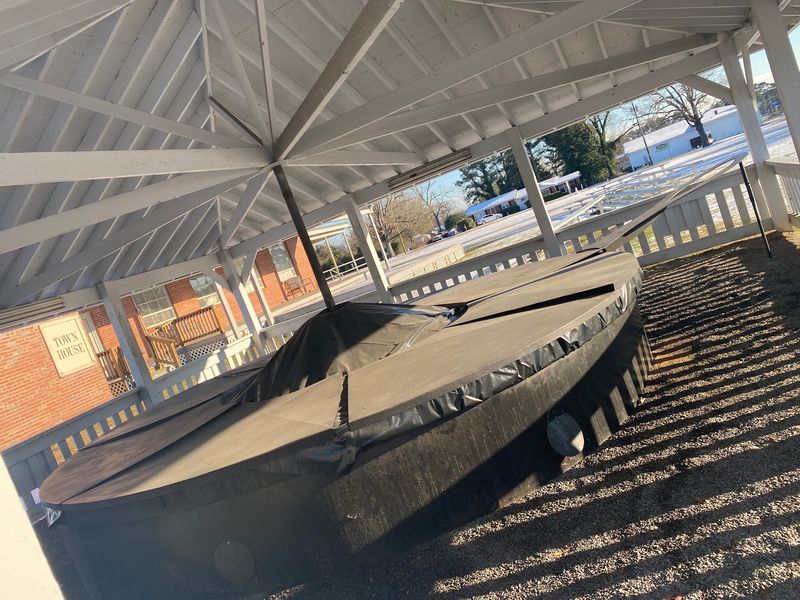
Photos are easy to grab even when the area is quiet. The pan stays accessible for pictures outside of event days.
One tricky detail is worth knowing ahead of time. The side with the large frying pan sign sits right behind a big propane tank, which can get in the way of a clean shot.
Trying different angles around the gazebo can help. The six-foot handle makes a handy focal point if the cover hides most of the pan.
Group photos tend to work well in front of the structure. Adding people to the frame also helps show just how large the skillet really is.
The history signs make good close-up shots too. They give your photo album a little context for friends who ask what they are looking at.
Don’t forget the guest book while you are there. Signing it is a simple way to mark the trip in a more personal way.
For the best photos of all, the Jubilee is the clear winner. Seeing the crew at work gives you pictures nobody can get on a regular Tuesday.
Hours, Parking, and Pup-Friendly Details
Good news for budget planners: the pan is free to see. There is no ticket booth and no admission charge.
Listed hours run from 8 am to 5 pm, Monday through Friday. Saturday and Sunday show as closed, though the pan remains visible from the square.
Street parking is the main option. Some find plenty of spaces, while others simply pull over along the side of the road.
There are no restrooms at the site. Planning a stop beforehand keeps the visit stress free, especially with kids in the car.
Dogs are welcome, which makes it an easy break for road trips with a four-legged passenger. Keeping pets leashed is a kind choice in a busy town square.
The stop itself usually takes only a few minutes outside of festival time. That makes it a simple add-on to a longer day in eastern North Carolina.
Festival days are a different story, with more traffic and bigger crowds. Arriving early may help with parking and the wait for chicken.
Short visit or long one, the pan pairs nicely with another oversized neighbor.
A Road Trip of Supersized Landmarks
One giant landmark is fun, but two make a proper road trip. The World’s Largest Adirondack Chair sits a short drive away.
Pairing the two creates an easy outing built around oversized oddities. Families can snap matching photos and compare which one feels bigger in person.
Duplin County works well for a laid-back day of country driving. The pan makes a natural starting point, since it sits right in the heart of Rose Hill.
Planning the route around weekday hours can help if you want the full experience. Weekend drives still work for photos, since both stops can be seen from outside.
Roadside attractions like these appeal to anyone who enjoys quirky history. They show how small communities celebrate what matters to them in creative ways.
Some people discover the pan by accident, then turn around to see it. A planned loop takes away the surprise but adds a second stop to the fun.
Fall is an especially good season for this kind of trip. A November visit lets you catch the Jubilee and check another giant off the list on the same weekend.
Worth a Stop, Better on Jubilee Day
So, is a giant covered skillet worth the drive? The honest answer depends on timing and expectations.
On a regular weekday, the World’s Largest Frying Pan makes a quick, free, and slightly silly stop. You get the history signs, the guest book, and the satisfaction of saying you saw it.
Some people leave feeling it was a been there, done that kind of moment. Others drive past it daily and still think it is pretty neat.
On Poultry Jubilee day, the story changes completely. Firefighters with pitchforks, 40 burners, and 365 chickens turn a quiet square into a hometown celebration.
The pan represents something bigger than its two tons of metal. It honors the farm families and poultry workers who helped shape this part of North Carolina.
Built by local hands in 1963, it still serves the community it was made for. Few roadside landmarks can say they actually do their job.
Mark November on the calendar, bring an appetite, and give Rose Hill a friendly wave. This skillet has been waiting all year for a crowd like yours.
Share this story