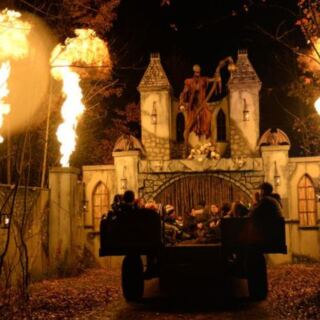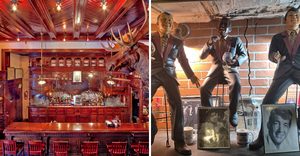
Tennessee has never been the kind of place where art sits quietly behind velvet ropes. From Memphis to Nashville to Chattanooga, a new wave of creative spaces is tearing down the walls between viewers and artwork, inviting you to step inside, touch, explore, and become part of the story.
These aren’t your typical museum visits where you shuffle past paintings in hushed silence. Instead, you’ll find yourself wandering through fantasy worlds, interacting with massive installations that change the skyline, and experiencing performances where technology and movement collide in ways that’ll make you forget what traditional art even means.
1. Baron Von Opperbean & The River of Time, Memphis
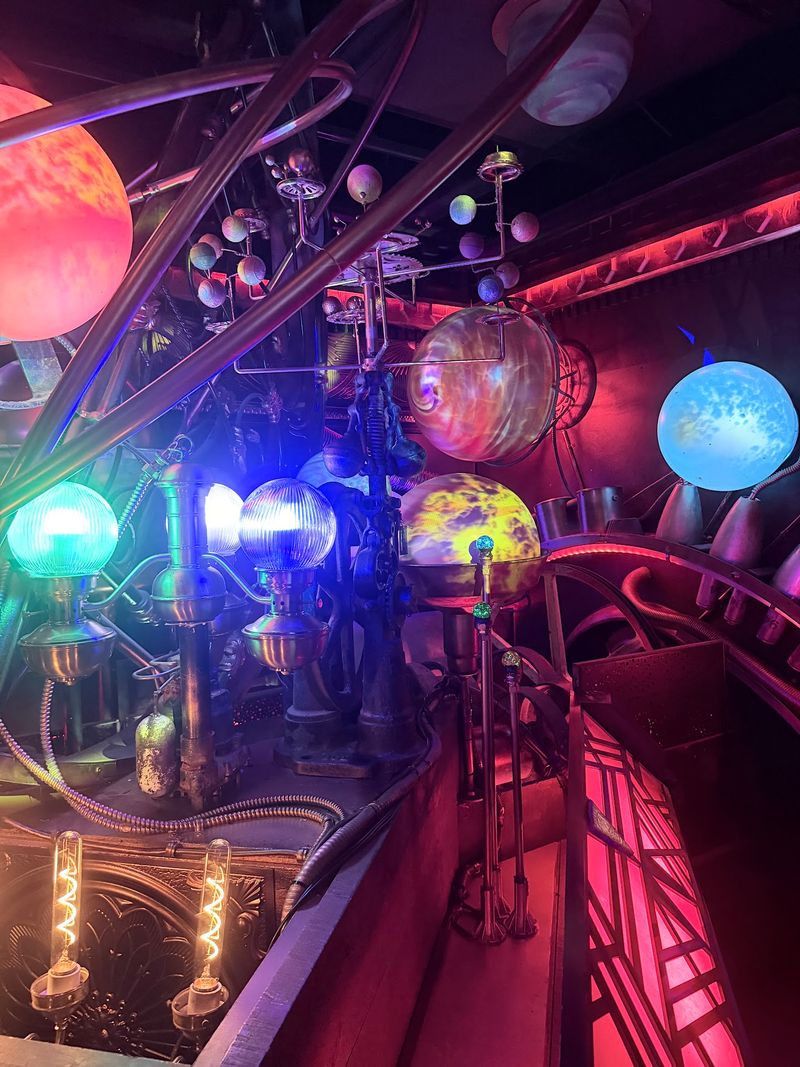
Memphis just got a whole lot weirder, and that’s a compliment. Phase One of this sprawling fantasy adventure opened on Mud Island, transforming the riverfront into something straight out of a storybook you never knew you needed.
Baron Von Opperbean isn’t your grandfather’s art exhibit. Instead of staring at canvases, you’re walking through actual environments designed to pull you into an entirely original narrative.
The experience blends technology with handcrafted artistry in ways that feel both cutting-edge and strangely timeless. Every corner hides details that reward the curious, from tiny painted flourishes to interactive elements that respond when you get close.
The creators didn’t just build pretty rooms. They constructed a world with its own logic, characters, and secrets waiting for visitors who take their time exploring.
What makes this different from typical immersive experiences is the scale of imagination involved. You’re not just looking at projections on walls or walking through a single themed room.
The River of Time concept weaves through multiple large-scale environments, each distinct yet connected by the overarching story. Some spaces feel intimate and mysterious, while others open up into grand theatrical moments.
Kids absolutely love it, but don’t mistake this for a children’s attraction. Adults find themselves just as captivated, maybe more so, because the layered storytelling rewards attention and imagination.
You can zip through in an hour if you’re rushed, but visitors who linger discover Easter eggs and narrative threads that aren’t immediately obvious.
The Mud Island location adds another layer of charm. You’re already on an island in the Mississippi River, so the journey to get there primes you for something out of the ordinary.
Once inside Baron Von Opperbean’s world, reality feels comfortably distant. Memphis has always had a knack for blending music, history, and creativity in unexpected ways, and this fantastical addition fits right into that tradition while charting entirely new territory.
If you’ve ever wished you could climb inside a piece of art and poke around, this is your chance.
2. Passageways Chattanooga
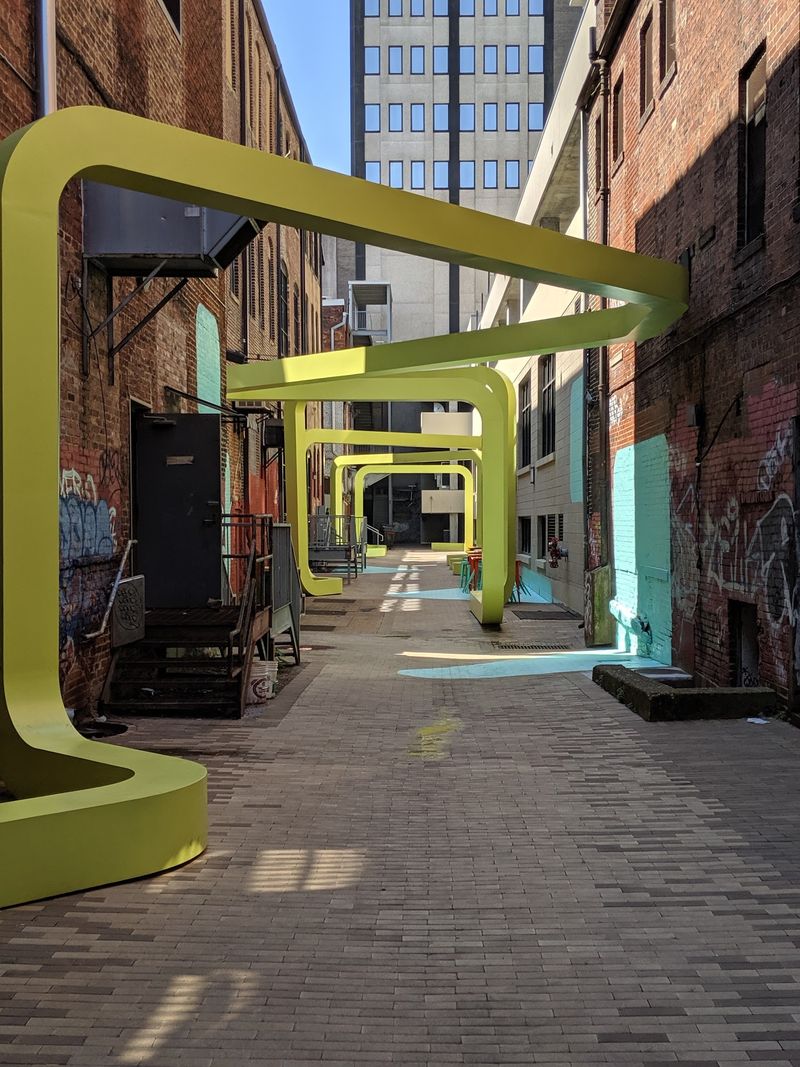
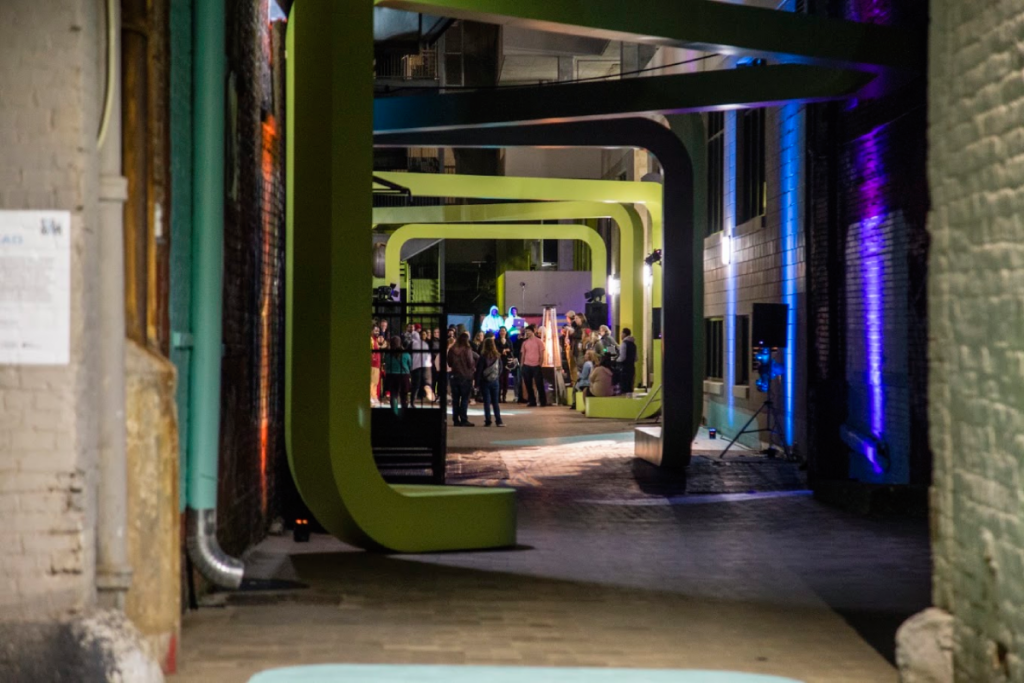
Chattanooga keeps proving that mountains and rivers aren’t its only attractions worth exploring. Passageways turns the city itself into a canvas, using public spaces as galleries without walls or admission fees.
This isn’t a single location you can pin on a map. Rather, it’s a growing collection of murals, installations, and artistic interventions scattered throughout neighborhoods, creating unexpected moments of beauty and wonder as you move through town.
Street art sometimes gets dismissed as decoration, but Passageways operates on a different level. The artists involved aren’t just painting pretty pictures.
They’re responding to Chattanooga’s history, architecture, and community stories, creating works that feel rooted in place rather than dropped in randomly. A mural might reference local industry, celebrate neighborhood characters, or transform a forgotten alley into something worth seeking out.
The beauty of this approach is how it democratizes art access. You don’t need tickets, reservations, or special knowledge to stumble across a stunning piece while grabbing coffee or walking to your car.
Art becomes part of daily life instead of something you have to schedule and plan for. That said, plenty of visitors do plan routes specifically to hunt down their favorite pieces, turning exploration into a kind of creative scavenger hunt.
New works appear regularly, so even locals find fresh surprises. Some installations invite direct interaction, whether through design elements you can touch or perspectives that shift as you move around them.
Others command attention from a distance, transforming entire building facades into bold visual statements. The variety keeps things interesting, ranging from photorealistic portraits to abstract explosions of color to clever optical illusions.
Chattanooga’s compact downtown makes Passageways particularly accessible. You can cover significant ground on foot, discovering multiple pieces in a single afternoon without exhausting yourself.
The combination of public art with the city’s walkable riverfront, creative food scene, and outdoor recreation options means you’re never just doing one thing. Art becomes woven into a larger experience of place, which is exactly how it should feel when creativity spills out of traditional venues and into the streets where everyone lives.
3. Artville, Nashville
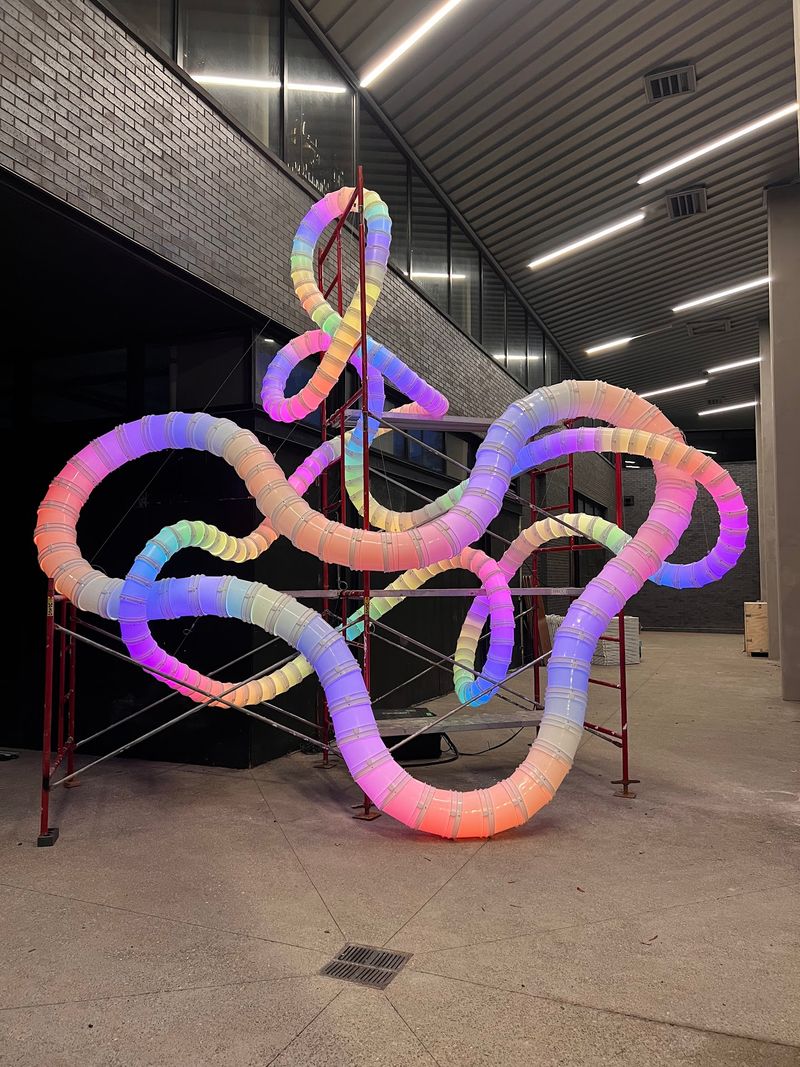
Mark your calendar for September 25 through 27, 2026, because downtown Nashville is about to become unrecognizable in the best possible way. Artville transforms the city’s core into a temporary wonderland of installations, murals, and interactive pieces that you can actually wander through, touch, and photograph to your heart’s content.
This isn’t a stuffy gallery opening with wine and whispered conversations. It’s art as public celebration, spilling across streets and plazas and inviting everyone to participate.
The scale alone sets Artville apart from typical art events. We’re talking large-scale installations that change how familiar spaces look and feel.
A plaza you’ve walked through a hundred times suddenly becomes home to a towering sculpture or an immersive environment that makes you see the entire area differently. Artists from various disciplines and backgrounds converge to create works specifically designed for public interaction rather than quiet contemplation.
What makes this particularly exciting is the temporary nature of it all. These pieces exist for one weekend only, creating a sense of urgency and special occasion.
You can’t come back next month to see what you missed. That limitation actually enhances the experience, making each encounter feel more precious and encouraging people to fully engage while they have the chance.
Interactive elements mean you’re not just a passive viewer. Some installations respond to movement, others invite you to contribute your own creative input, and many are designed specifically for the Instagram generation without feeling cheap or gimmicky about it.
The artists understand that modern audiences want to be part of the art, not just observers, and they’ve designed accordingly.
Nashville already pulses with creative energy thanks to its music scene, but Artville expands that artistic identity beyond sound. The event proves that Music City’s creative spirit extends into visual arts, performance, technology, and experimentation.
Locals and tourists mix together in crowds that feel more like festival-goers than museum visitors, which creates an entirely different energy than you’d find in traditional art spaces.
Timing your visit to coincide with Artville means experiencing Nashville when it’s at its most creatively adventurous. The entire downtown becomes a playground for artistic expression, and you get to explore it all without tickets, ropes, or rules about where you can and can’t go.
That freedom makes all the difference.
4. Sculpture Fields at Montague Park, Chattanooga
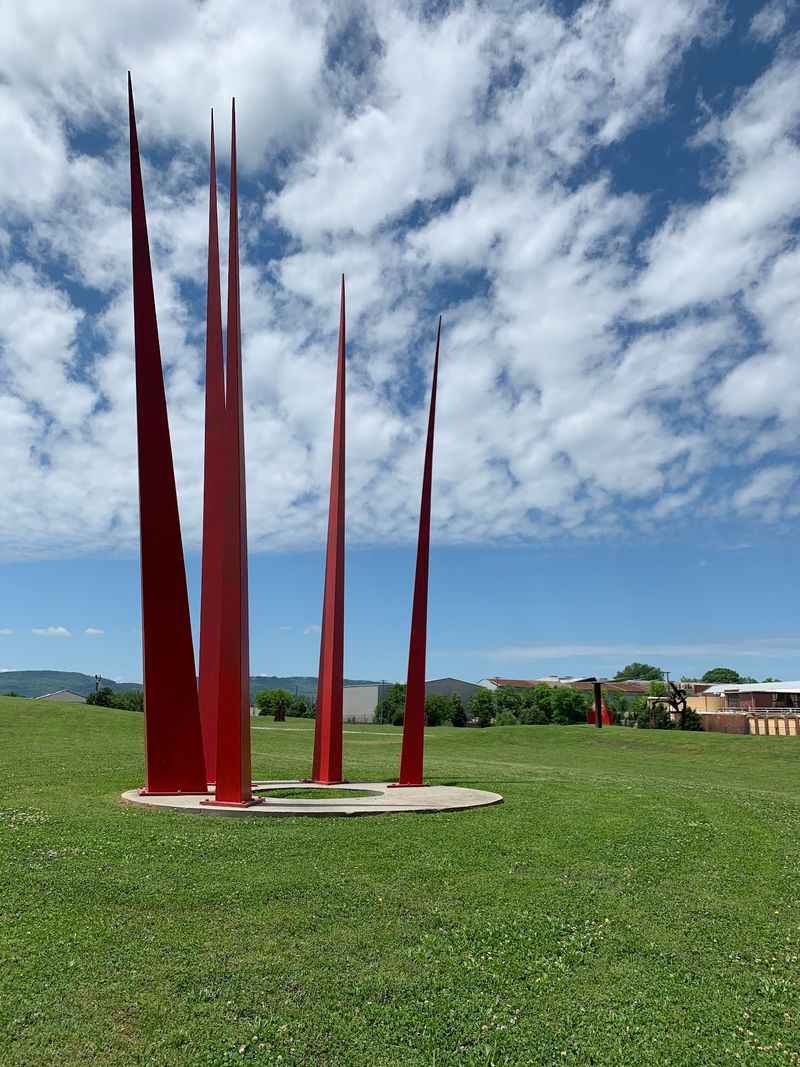
Sometimes the best gallery is no gallery at all. Sculpture Fields spreads across 33 acres of reclaimed industrial land in Chattanooga, offering a completely different way to experience art.
Instead of climate-controlled rooms and carefully positioned spotlights, you get open sky, grass under your feet, and massive sculptures that hold their own against the Tennessee landscape. It’s free, it’s always open, and it treats art as something that belongs outdoors where everyone can access it.
The sculptures themselves range wildly in style, scale, and material. Some tower overhead, casting dramatic shadows that shift throughout the day.
Others sit closer to ground level, inviting you to walk around them and examine details from multiple angles. The variety means there’s almost certainly something that’ll grab your attention, whether you typically consider yourself an art person or not.
What’s particularly clever about this setup is how the landscape itself becomes part of the art. These aren’t sculptures plopped randomly onto grass.
They’re positioned thoughtfully within the rolling terrain, sometimes creating dramatic silhouettes against the sky, other times nestled into natural dips and rises that make you discover them gradually as you walk. The experience changes with seasons, weather, and time of day, so visiting multiple times never feels repetitive.
Families love Sculpture Fields because kids can actually move around and burn energy while adults enjoy the art. Nobody’s shushing anyone or worrying about little hands touching things.
The open format means everyone can engage at their own pace and in their own way. Some visitors treat it like a contemplative walk, others like a picnic destination, and plenty just enjoy the novelty of seeing contemporary art outside museum walls.
The reclaimed industrial land aspect adds historical weight to the experience. This wasn’t always a park.
Transforming former industrial property into public green space dedicated to art makes a statement about what communities value and how places can evolve. You’re not just looking at sculptures. You’re walking through a successful example of creative urban renewal that prioritized public access and beauty.
Chattanooga has quietly become one of Tennessee’s most interesting cities for art and outdoor recreation, and Sculpture Fields sits right at the intersection of both. You can easily combine a visit here with other Chattanooga attractions, or make it the centerpiece of an afternoon spent wandering at whatever pace feels right.
No admission fees, no closing times, no pressure. Just art, space, and freedom to explore.
5. OZ Arts Nashville
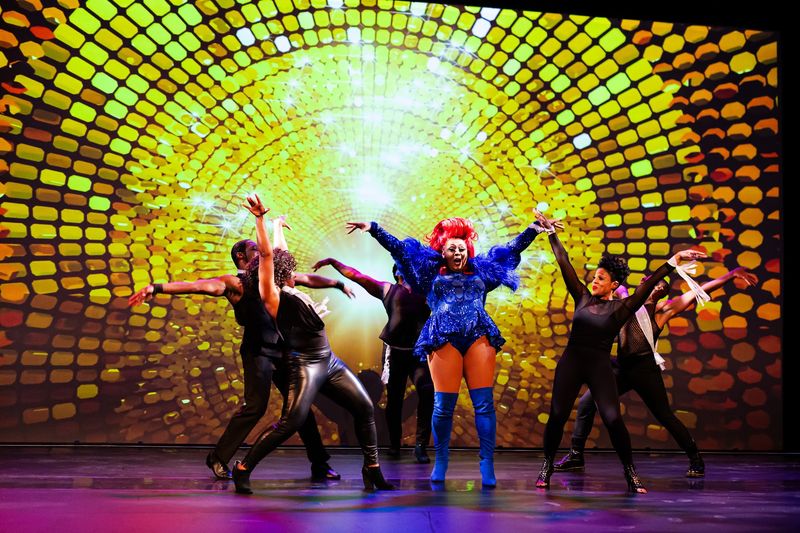
OZ Arts Nashville operates in that thrilling space where performance, technology, and visual art collide and create something entirely new. This isn’t your traditional theater with rows of velvet seats facing a proscenium stage.
The venue’s flexible design means the space transforms dramatically depending on what artists are creating, sometimes putting audiences in the round, other times immersing them within the performance itself. You never quite know what configuration you’ll encounter, which keeps every visit feeling like a discovery.
Contemporary performances here blend disciplines in ways that traditional venues rarely attempt. Movement artists work alongside projection designers, sound composers collaborate with lighting technicians, and the result feels more like stepping into a living art installation than watching a show from a distance.
The technology involved isn’t just flashy effects for their own sake. It’s integrated into the storytelling, creating environments and moods that wouldn’t be possible through traditional stagecraft alone.
What makes OZ Arts particularly special is its commitment to artists who push boundaries and take risks. You won’t find safe, predictable programming here.
Instead, expect performances that challenge assumptions about what live art can be and do. Some pieces lean heavily into visual spectacle, others into intimate emotional experiences, and many manage to balance both simultaneously.
The programming draws internationally recognized artists while also supporting emerging voices doing innovative work.
The audience that OZ Arts attracts tends to be adventurous and open-minded, which creates a different energy than more conventional theater spaces. People come expecting to be surprised, maybe even confused or challenged, and that willingness to engage with unfamiliar artistic languages makes the experience richer for everyone.
Post-show conversations often happen spontaneously as strangers process what they just witnessed together.
Installation-style staging means the visual component gets as much attention as the performance itself. Artists might construct elaborate environments that visitors walk through before the show begins, or transform the entire space into something unrecognizable.
The line between set design and sculpture often blurs completely. Lighting designers create atmospheres that feel almost tangible, and sound becomes a physical presence rather than just background accompaniment.
Nashville’s reputation as Music City sometimes overshadows its growing contemporary arts scene, but venues like OZ Arts are changing that perception. This is where you come when you want art that feels alive, unpredictable, and utterly unlike anything you’d experience in a traditional gallery or theater.
It’s proof that Nashville’s creative energy extends far beyond country music and honky-tonks into experimental territories that reward curiosity and openness.
6. Dolly’s Life of Many Colors, Nashville
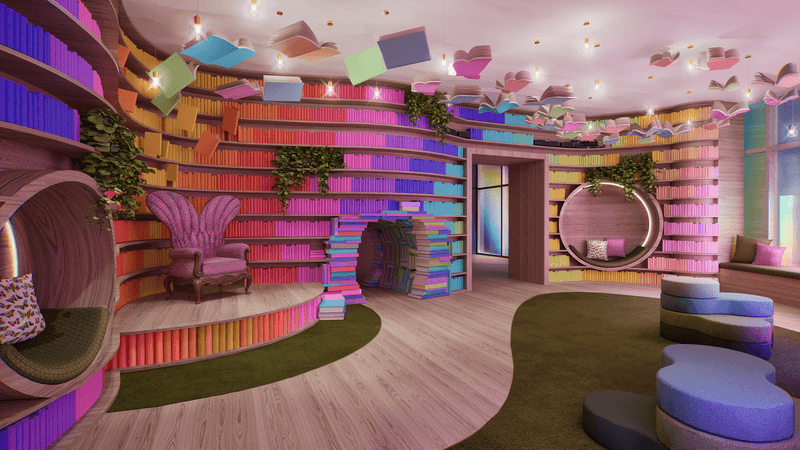
Opening September 29, 2026, this 20,000-plus-square-foot experience does something most celebrity exhibits never quite achieve. Instead of just displaying costumes and gold records behind glass, Dolly’s Life of Many Colors surrounds you with different chapters of her story through recreated environments, multimedia installations, and interactive exhibits that make you feel like you’re stepping into her world rather than just reading about it.
The technology involved serves the storytelling rather than overwhelming it, which is exactly how Dolly herself would want it.
Dolly Parton’s life offers almost too much material for a single exhibit. From Smoky Mountain poverty to global superstardom, from songwriting genius to business empire, from movie roles to theme park creation, her story contains multitudes.
The challenge is presenting all that richness without turning the experience into an overwhelming data dump. Based on early details, the exhibit seems to handle this by creating distinct environments for different life phases, letting you move through her journey spatially rather than just chronologically on wall text.
Interactive elements mean you’re not just a passive observer of Dolly’s achievements. Depending on the specific installations, you might find yourself engaging with her music in new ways, exploring her songwriting process, or understanding her business decisions and philanthropic work.
The goal seems to be creating empathy and connection rather than just admiration from a distance. You leave understanding not just what Dolly accomplished, but something about how and why she did it.
Artifacts and personal items add authenticity that pure multimedia experiences sometimes lack. Seeing actual objects from different points in her career grounds the more high-tech elements in tangible reality.
A guitar she played, costumes she wore, handwritten lyrics, awards she won, these physical connections to her actual life create moments of genuine proximity to someone whose larger-than-life persona can sometimes feel untouchable.
The Nashville location makes perfect sense given the city’s role in Dolly’s career and her ongoing presence in Tennessee’s cultural landscape. This isn’t a traveling exhibit that could be anywhere. It’s rooted in the place where so much of her professional life unfolded, which adds layers of meaning for visitors who understand Nashville’s music history.
You can visit this exhibit and then walk to places where Dolly actually worked, performed, and built her empire.
What might surprise visitors is how the experience balances celebration with substance. Dolly’s public image is all sparkle and warmth, but her actual story involves serious artistic achievement, business acumen, and social impact.
The best exhibits honor both the icon and the actual human, and this one seems designed to show you the full picture rather than just the rhinestone-covered surface.
Share this story