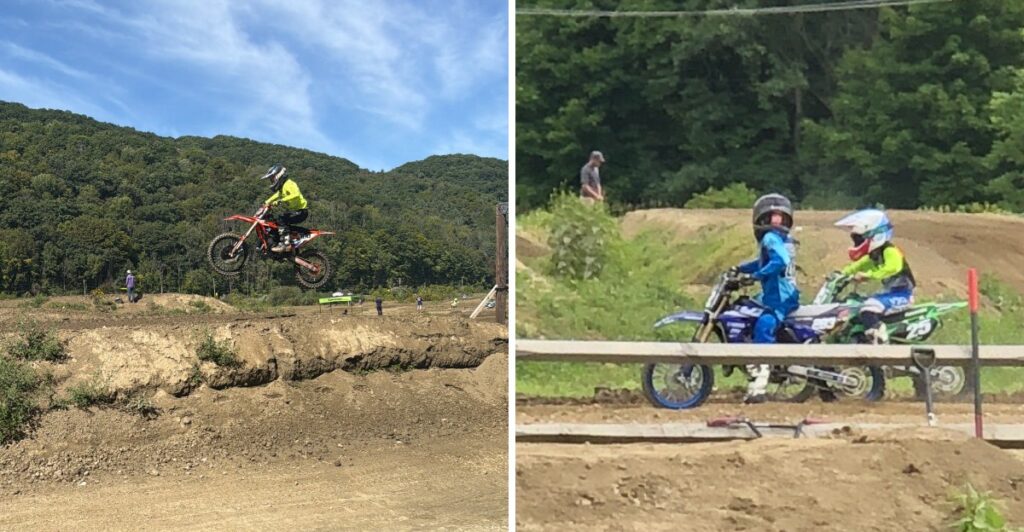
Motocross feels a lot more approachable when riders have space to practice at the right pace. In North Adams, Massachusetts, BRO MX gives younger riders, beginners, and faster racers room to work on their skills through separate practice groups and a track built around regular riding.
The appeal comes from the combination of maintained dirt, structured sessions, and enough variety to make a practice day useful whether you are learning the basics or chasing smoother, quicker laps. It is the kind of place where improvement can happen one corner at a time.
For anyone looking to spend more time on two wheels, this western Massachusetts track gives riders a solid reason to gear up.
Separate Sessions Give Massachusetts Riders Room to Learn
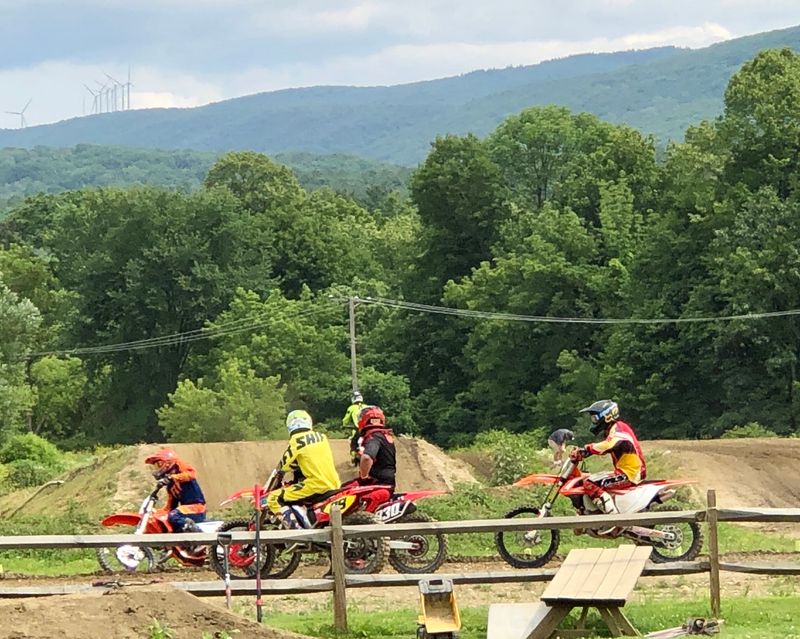
A practice track gets complicated when tiny bikes and race-ready machines need the same space. BRO MX has used separate A, B, C, and mini practice groups, giving its broad mix of riders a more organized way to share the course.
Those divisions are central to the appeal behind the title. Rather than treating every rider as equally fast or experienced, grouped sessions can make differences in speed easier to manage.
For someone still learning, that means a chance to work on basic control without choosing the fastest session. For an experienced racer, it means practicing alongside riders whose pace may be closer to their own.
The letters are not a reason to guess where you belong. Ask staff which group fits your ability, your bike, and the rules for that particular practice day.
A rider returning after a long break may need a different starting point than their old race class suggests. Being honest about your current comfort level is more useful than defending a label.
Parents should also check how mini sessions are assigned. Bike size, age, and experience can affect placement, so a small motorcycle alone does not answer every question.
Once you know your group, pay attention to announcements and the order of sessions. Have your gear on and your motorcycle ready before it is time to enter, rather than scrambling while your riding window passes.
Available accounts describe this split practice format across earlier seasons, not a guaranteed timetable for every future opening. Confirm the current arrangement before traveling, especially if your visit depends on a particular class.
Use the waiting periods to watch lines, drink water, and check the bike. When your session comes around, you can head out with a clear plan instead of spending the first lap figuring out what happens next or which group is riding.
Little Bikes, Real Learning
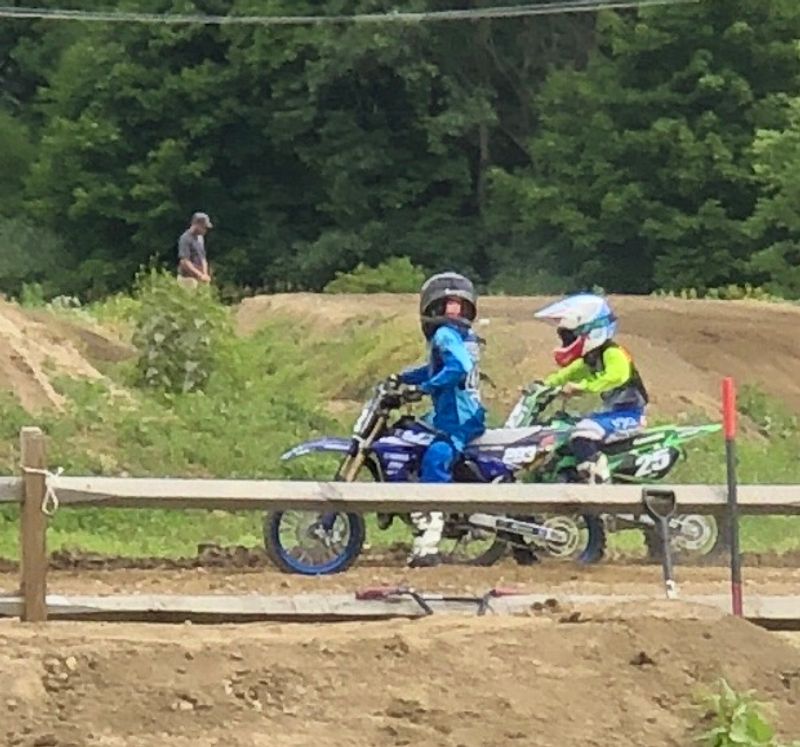
A 50cc bike may be small, but learning to ride it takes serious attention. BRO MX’s history of mini practice sessions gives families a useful starting point when looking for track time suited to younger riders.
The goal does not have to be racing. A child who learns to start smoothly, hold a steady path, and stop under control has already done meaningful work before bigger jumps enter the picture.
Before unloading, ask staff whether your child’s bike and experience fit the day’s mini group. Also confirm any age limits, required paperwork, protective gear rules, and expectations for adult supervision.
Do not assume that a mini session means a separate beginner course or private instruction. The available information supports grouped riding, but it does not establish those additional services.
Give a young rider one simple task at a time. Looking ahead through a turn is easier to remember than a long speech about body position, braking, throttle control, and passing all at once.
Between outings, ask what felt comfortable and what felt difficult. That short conversation can reveal tired hands, a confusing corner, or a spot where the child needs more guidance.
Keep encouragement specific. Noticing a smoother stop or a better turn helps a child understand progress without making every lap a contest against someone else.
A full-face motocross helmet, eye protection, boots, and suitable body protection belong in the plan. Check fit carefully, because equipment that shifts around can distract a rider who already has plenty to think about.
Pack snacks, water, and something comfortable for breaks, then leave room to finish early. Young riders can lose focus before they admit they are tired.
At BRO MX, a successful family visit can be measured in controlled laps and a child who understands one new skill. The next session can build on that foundation.
The Dirt Deserves Your Attention
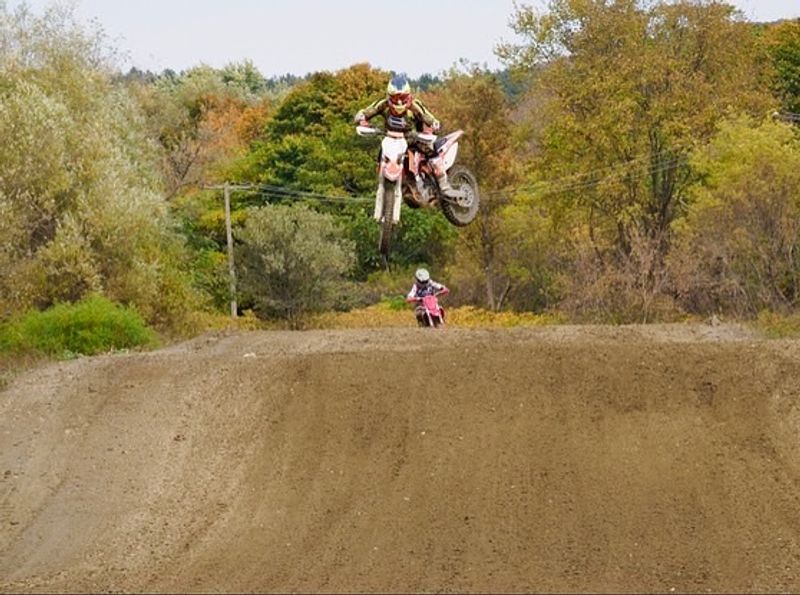
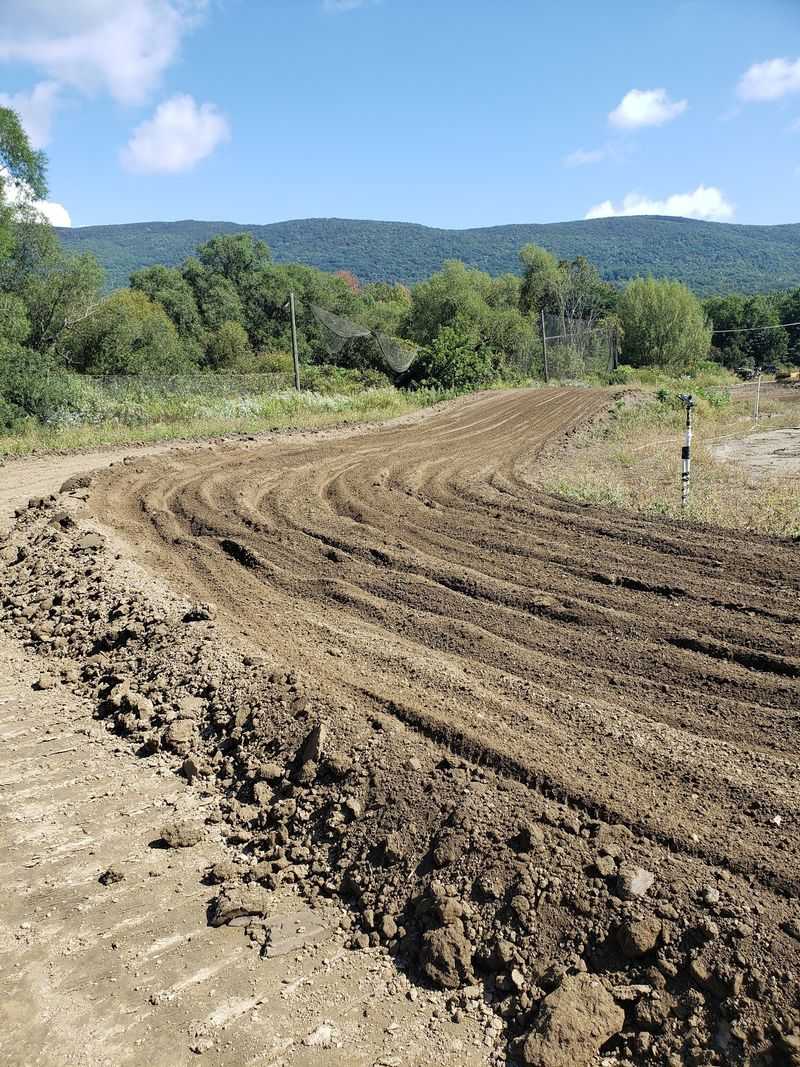
Before thinking about lap times, look down. Dirt quality and track preparation are among the clearest themes in the supplied information about BRO MX, making the riding surface a major part of its identity.
Past accounts repeatedly describe good soil, little rocky material, and regular grooming. Those details suggest a venue where surface care has received attention, although no outdoor track stays unchanged through weather and repeated laps.
A freshly worked surface can ride differently from one that has carried several sessions. Tire marks deepen, braking areas change, and favored lines may develop grooves as the day moves along.
Take your opening laps as a chance to read those changes. Notice where the motorcycle grips, where it moves beneath you, and where another line might offer a smoother route.
Good dirt does not remove the need for judgment. Even a well-prepared course can have slippery patches, loose material, or ruts that challenge your balance and steering.
Keep your eyes farther ahead than the front wheel. Looking through the next section gives you more time to choose a line instead of reacting after the bike reaches it.
For newer riders, a useful exercise is choosing one manageable corner and repeating a calm approach. Focus on smooth controls rather than trying to copy the fastest rider’s speed.
Experienced riders can use the same surface changes for a different lesson. Compare lines, adjust braking points carefully, and notice whether the motorcycle remains settled as a turn develops.
Check tires and pressures according to your motorcycle’s needs and the conditions you actually find. A reputation for pleasant soil is not a substitute for preparing the bike.
After each session, inspect the machine for loose parts and packed dirt. Then watch the track again: the line that worked earlier may have changed by the time your group returns to ride.
A-Class Pace Without Wasting a Lap
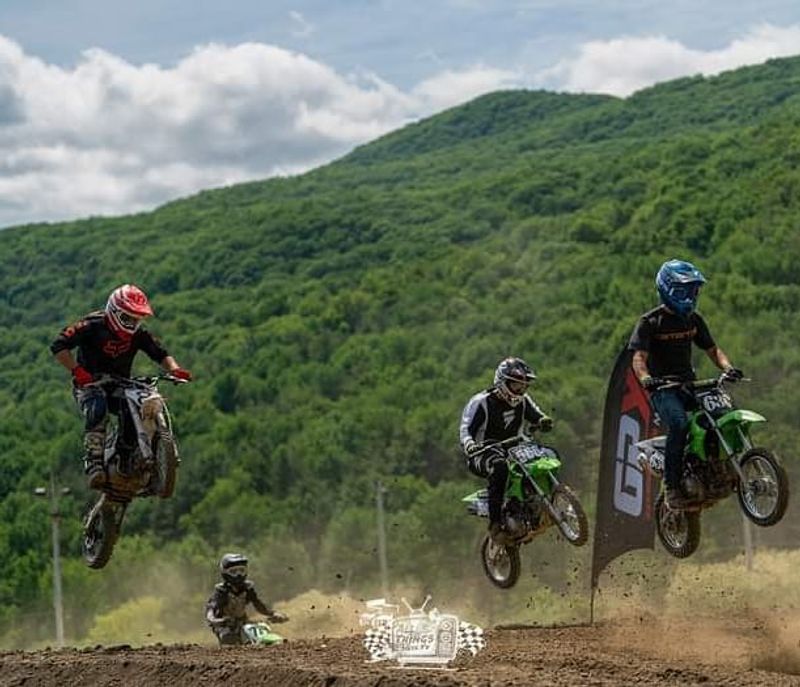
Speed is useful only when you can repeat it with control. For an experienced rider, BRO MX’s reported A-group practice offers a setting to work on race skills without turning every outing into an unofficial contest.
Start with a purpose that is narrower than going faster. You might work on entering corners smoothly, staying balanced under braking, or choosing a line that leaves the motorcycle ready for the next section.
Use the first session to understand the current layout and surface. Track conditions can shift between visits, and an old memory is not a reliable guide to today’s braking point.
Once you have a clear picture, build speed in steps. A clean series of laps gives you more useful information than one rushed effort followed by mistakes and fatigue.
Passing deserves the same attention as cornering. Follow the venue’s rules, leave appropriate room, and avoid assuming the rider ahead knows exactly where you intend to go.
Class placement does not make everyone identical. Riders within an advanced group can still differ in pace, preferred lines, bike setup, and confidence through particular features.
If you are practicing with a friend, compare one detail between sessions. Discussing a corner entry or a line choice is more helpful than trading vague claims about who looked quickest.
Make changes to the motorcycle thoughtfully rather than adjusting several settings at once. A single change is easier to judge, especially when the dirt itself is also evolving throughout the day.
Rest is part of productive training. Drink water, check your hands and concentration, and stop before tired reactions turn a useful practice block into careless riding.
Confirm that an A session is scheduled for your visit and ask about its current format. Then spend that track time on deliberate repetitions, with enough energy left to ride the final lap as cleanly as the first.
Ride Your Own Pace, Not Somebody Else’s
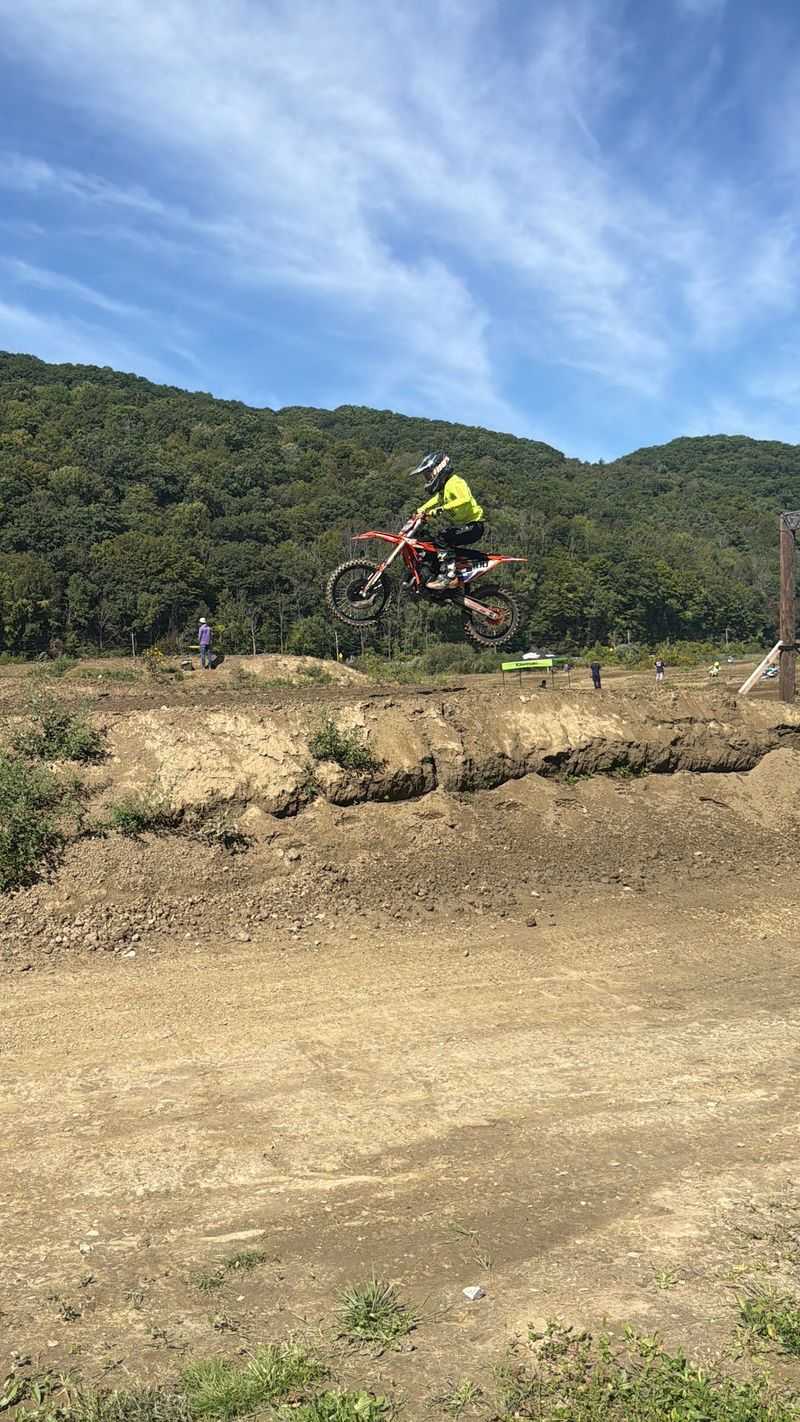
You do not need a race number to have a reason to ride. BRO MX has welcomed a broad range of abilities, including recreational riders who want practice rather than a place on a results sheet.
That distinction opens the day to useful, ordinary goals. Getting comfortable on the motorcycle, linking turns together, or finishing a session without feeling rushed can all be worthwhile targets.
Tell staff if you are new to motocross or unfamiliar with this course. Ask which practice group suits you and whether the layout is appropriate for your current level of control.
Begin with a steady sighting lap when permitted. Learn the route, identify track entrances and exits, and pay attention to sections where you need to reduce speed.
Do not assume every feature must be jumped. Ask staff about the proper way to approach features at your ability level, and avoid attempting anything you cannot manage safely.
Predictable riding helps other riders understand your movement. Hold a sensible line, keep looking ahead, and follow the venue’s guidance rather than making sudden changes when a faster motorcycle approaches.
Pick a small practice goal for each outing. One session might focus on relaxed arms, while another centers on smoother throttle use or better attention through corners.
Progress can be quiet. Fewer abrupt corrections, less tension in your shoulders, and a more consistent pace may show improvement before you ever think about timing a lap.
Leave enough energy for the ride back to the parking area and the work of loading up. Fatigue can sneak into your steering and judgment long before the day seems finished.
Separate ability groups support this approach, but they do not replace personal responsibility. At BRO MX, the sensible move is to choose the right session, respect your limits, and build speed only when your control is ready for it.
Between Sessions, the Parking Area Becomes Your Base
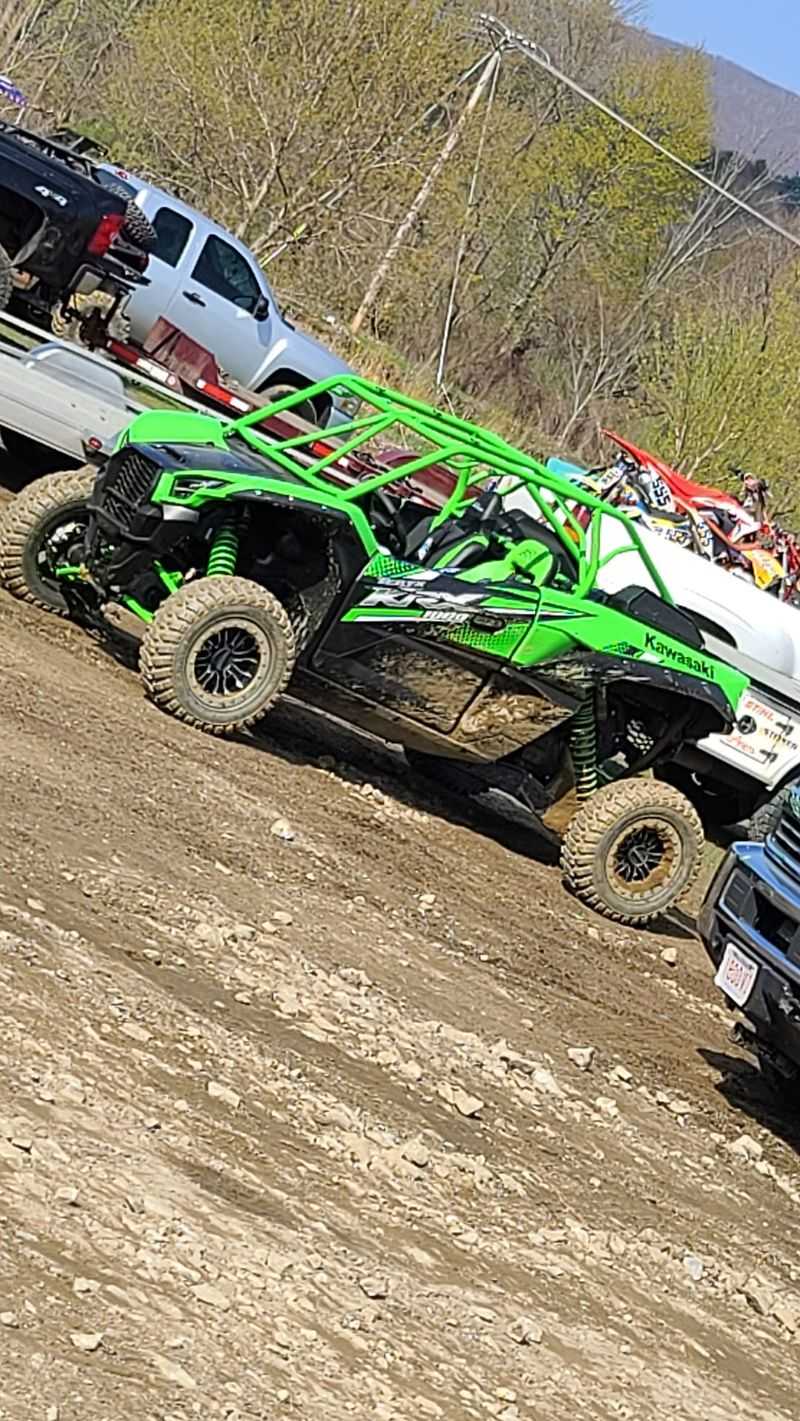
The engine shuts off, but the practice day keeps moving. Between sessions at BRO MX, your parking spot becomes the place to refuel yourself, check equipment, and get ready for the next turn on the track.
Available accounts describe generous parking areas and a family-oriented operation. That makes planning a simple base beside your vehicle a useful part of the visit, though space and parking instructions can vary by day.
Follow staff directions when you arrive. Leave travel lanes clear, avoid blocking other vehicles, and keep your setup compact enough that neighboring riders can load and unload their motorcycles.
A folding chair, drinking water, and an easy lunch can make breaks more comfortable. Bring what you need rather than counting on food service, since current food availability is not confirmed by the supplied details.
Keep tools together and separate them from riding gear. When a lever needs attention or a fastener needs checking, you should not have to dig through jackets and snack bags.
Families benefit from a clear routine. Decide where children should wait, who is watching them, and how everyone will know when the next mini session is approaching.
Never treat the parking area as a playground for motorcycles. Ask about movement rules and keep children away from vehicle paths, hot exhaust parts, and bikes being worked on.
Use a break to notice how the rider is doing, not only how the motorcycle is running. Headaches, shaky hands, and fading concentration are reasons to pause and reassess the day.
Watching from an approved area can also be useful. You can study line choices and track changes without adding another tiring lap, while respecting any restrictions on spectator access.
Before leaving, collect litter and check around your vehicle for forgotten gear. A tidy parking spot and a properly secured motorcycle are the final practical tasks of practice.
Set Your GPS, Then Confirm the Riding Day
An address gets you to the venue; a confirmed schedule gets you onto the track. BRO MX is located at 1190 S State St, North Adams, MA 01247, and a little checking before departure can prevent a wasted drive.
Start by confirming that practice is taking place on your intended date. Outdoor motocross depends on weather, ground conditions, and operating decisions, so older accounts of Saturday riding are not a promise of current Saturday access.
Ask about opening times, entry costs, payment methods, and registration requirements. None of those details should be guessed from a high rating or an earlier visitor’s experience.
Next, verify the practice groups and how their rotation works that day. If you are traveling with a mini rider and an advanced adult, knowing that both can ride is especially useful.
Check whether waivers, identification, or paperwork for minors are needed. Completing whatever is available in advance may help, but follow the venue’s current instructions rather than assuming a standard process.
Safety arrangements also deserve a direct question. Earlier accounts describe weekend flaggers, but you should confirm current staffing and learn the signals and rules before entering the course.
Pack required protective equipment, water, basic tools, and the supplies your motorcycle needs. Bring enough to manage ordinary adjustments without assuming rentals, fuel sales, or repair services are available.
Allow time for unloading and orientation instead of aiming to arrive exactly when your hoped-for session begins. A calmer start gives you space to ask questions and check the bike.
The supplied listing shows a 4.9-star rating across 44 reviews, a strong signal of past satisfaction rather than a guarantee about today’s conditions. Current details still come first.
With the logistics settled, the focus returns to riding: choose your group, learn the surface, and make the available practice time count for your own goals.
📍 1190 S State St, North Adams, MA 01247
📞 +1 413-662-9205
Share this story