A lion is napping in the grass below your feet, and a white tiger is sleeping in the shade a few yards away. Nobody is behind a fence or glass, because you are up on a walkway built high above the animals.
Out on the plains northeast of Denver, hundreds of rescued big cats, bears and wolves now live in wide open spaces after years in cages, roadside zoos and illegal homes. It is not a zoo, and that difference is the whole point.
Many Front Range families have heard about it for years and still have not made the short drive. Keep reading to learn where it is, how the long walkway works, which animals you might spot, when to go to beat the heat, and a few smart tips that can make your day easier.
A Refuge on the Eastern Plains
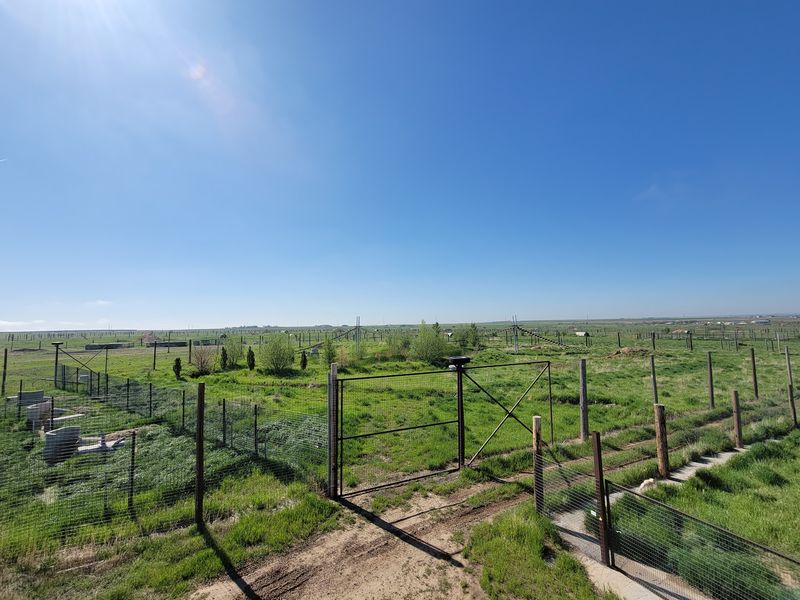
Out where farm roads run straight and the sky feels endless, a rescue mission has quietly grown into one of Colorado’s most talked-about animal refuges.
The Wild Animal Sanctuary sits at 2999 Co Rd 53, Keenesburg, CO 80643, in Weld County on the Eastern Plains. For many Front Range residents, it is close enough for an easy day trip without dealing with mountain traffic.
The sanctuary is a rescue and rehabilitation center for large wild animals. Lions, tigers, bears and wolves are the headliners, but foxes, jaguars and other species live here too.
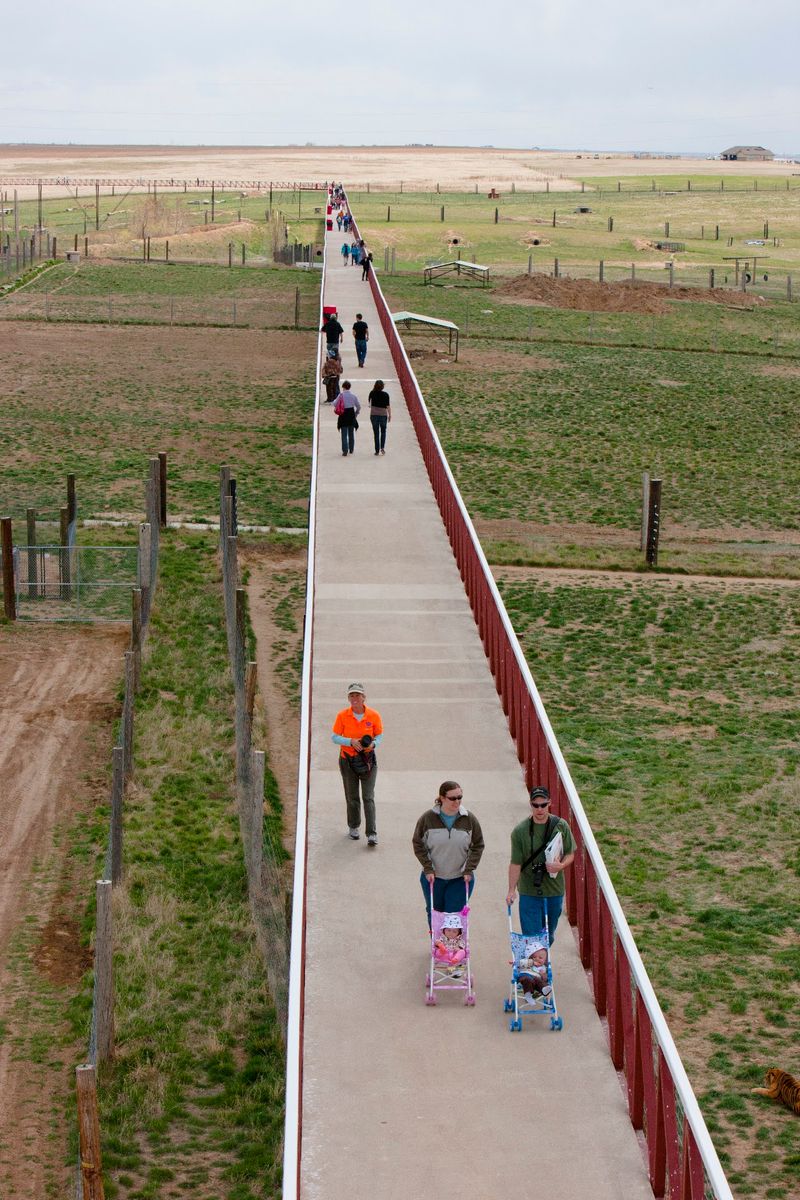
What sets it apart is the setup. Instead of small enclosures, the animals live in large open habitats, and guests watch them from a raised walkway overhead.
The idea is simple. Animals come first, and people get to see them on the animals’ terms.
That approach has earned the place a 4.7-star standing from more than 3,300 people, which is a strong showing for any attraction in the state.
So what kind of past did these animals leave behind before they landed in Keenesburg?
Second Chances for Captive Animals
Every animal here arrived with a story, and few of those stories started well.
Many of the residents were rescued from illegal ownership, abandonment and difficult living situations. Some came from a roadside zoo in Iowa, where they lived in cages.
Others traveled much farther. Lions and ligers rescued from South America now call these plains home, a journey shown in the film Lions Ark.
Fans of a certain popular documentary series may also recognize a few faces. The sanctuary is home to a group of tigers connected to Tiger King.
All of the animals are rescues that cannot live in the wild. That means the sanctuary gives them a safe place to spend the rest of their lives.
The work is funded by the community rather than the federal government. Ticket sales, memberships and donations go toward daily care and future rescues.
Understanding that backstory changes how a visit feels. A sleeping tiger becomes less of a disappointment and more of a quiet win.
The sanctuary’s founder, Pat, is often credited with building this remarkable place, and his vision shows most clearly once you climb up top.
The Walkway Above It All
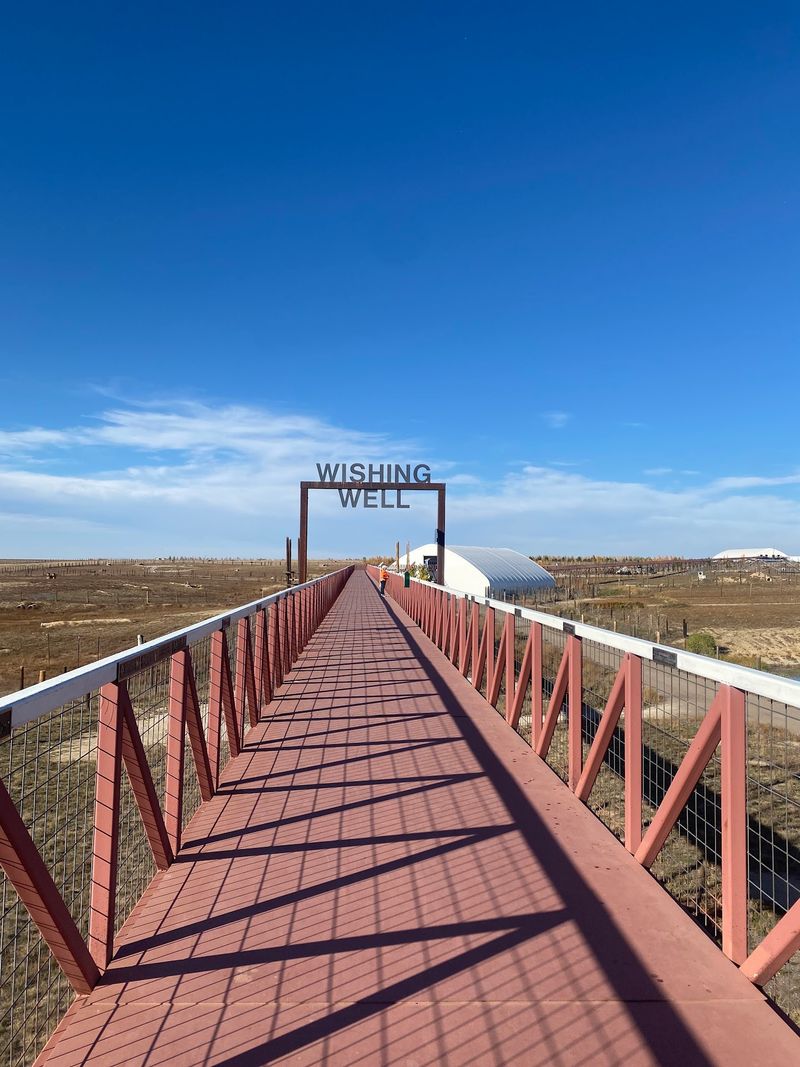
Here is the twist that makes this place famous: you never walk among the animals, you walk over them.
The elevated walkway stretches about 1.5 miles from the start to the far end. Since you come back the same way, the round trip covers roughly 3 miles.
Below, the animals roam their habitats freely. Some even choose to nap directly under the walkway, which gives guests a close look without disturbing anyone.
The surface is covered in rubber tiles, which makes the long walk easier on the feet and knees.
Covered spots along the route offer breaks from the sun. Still, shade is limited, so planning ahead matters on warm days.
The catwalk is a fun concept even for those who are not big animal buffs. It turns a nature outing into a relaxed stroll with a purpose.
Here is a small tip that pays off. The return trip often reveals different animals, since they move around and wake up throughout the day.
Slowing down is the real secret, because some residents blend into the grass. And speaking of residents, the lineup below is bigger than most people expect.
Lions, Tigers and Bears, Oh My
Dorothy would feel right at home on this walk, although nobody here needs to follow a yellow brick road.
Lions are the biggest stars, and they come up more than any other animal when people talk about their trip. Their roars can carry across the habitats.
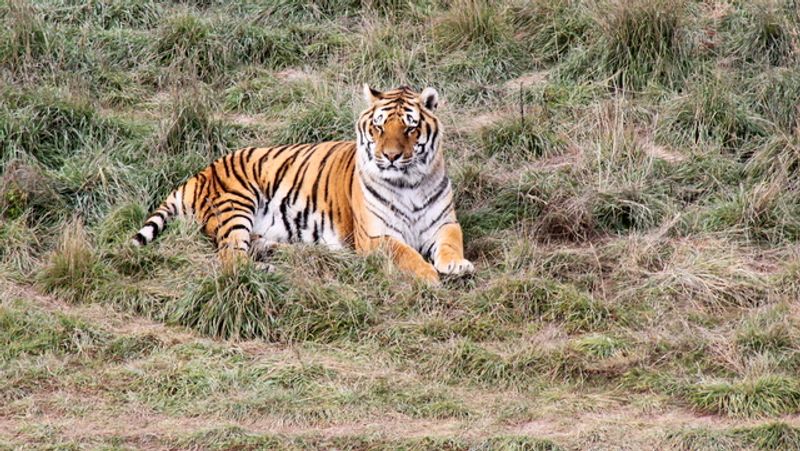
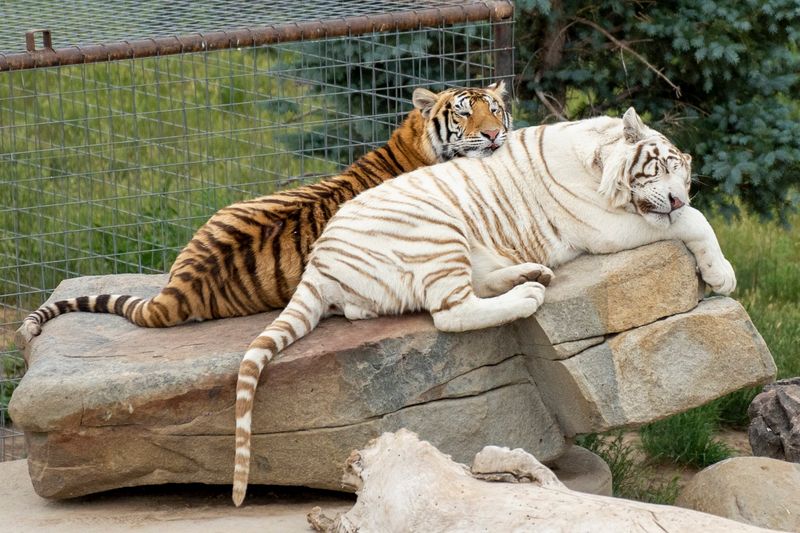
Tigers are another highlight. White tigers and orange tigers both live here, and they are often found dozing in shaded areas.
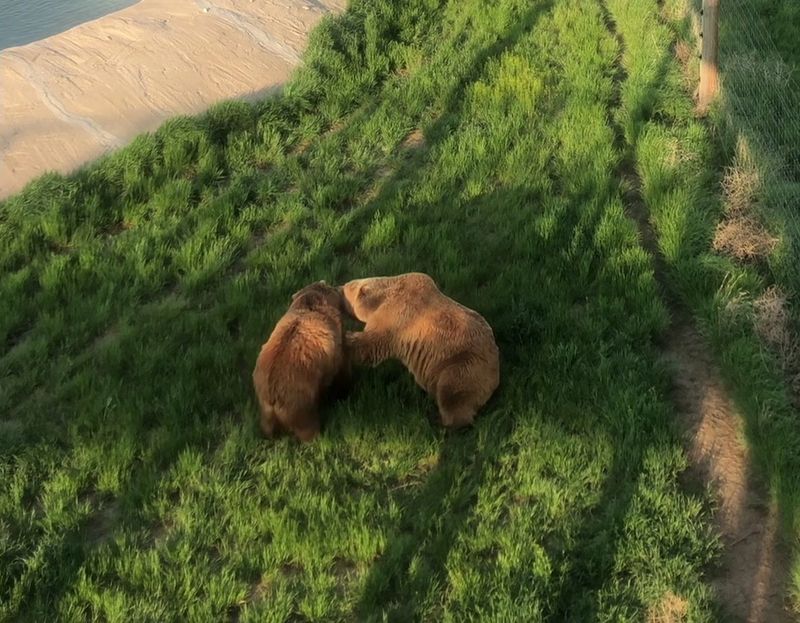
Bears put on some of the liveliest shows. Grizzlies and black bears can be seen playing along the route.
Wolves are a quieter favorite. Watching pack members interact with each other is one of the more interesting moments of the day.
Foxes, jaguars and panthers round out the list, along with other exotic animals.
Many guests come away saying they saw more animals here than at a typical zoo. The large spaces also allow animals to live in groups, which adds to the experience.
Of course, spotting all of them takes a bit of help. That is where the people in the bright shirts along the walkway come in.
Volunteers Who Know Every Name
Ask a question on the walkway, and there is a good chance you will get a full rescue story in return.
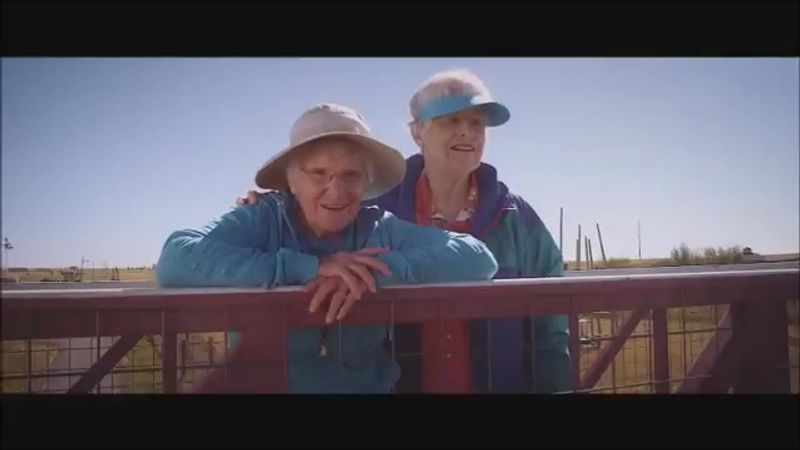
Volunteers are stationed along the route, and they are known for being friendly, knowledgeable and easy to approach. Many clearly love the animals they talk about.
They help guests find animals that are hard to spot. Some will even walk with a group for a while to point out sleeping tigers or hidden bears.
They also share where each animal came from and how it is cared for today. Those stories turn a simple sighting into something memorable.
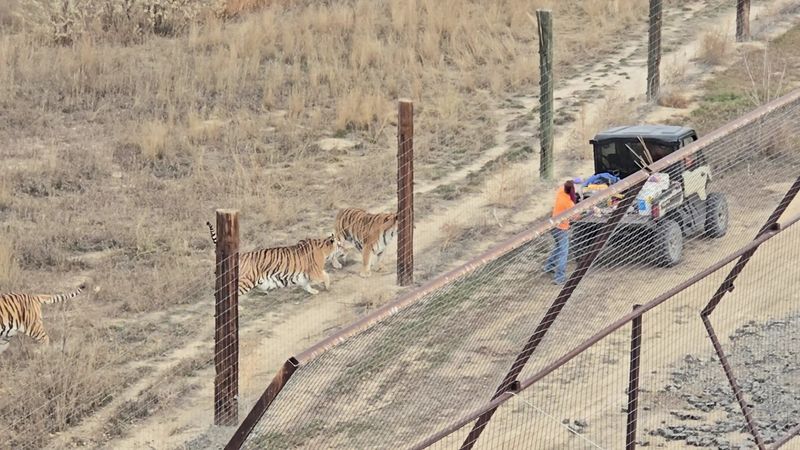
Staff members stay busy behind the scenes too. Feeding animals, hauling trash and cleaning are all part of the daily routine, often in plain view.
That hard work shows in the details. Bathrooms are clean and frequent, and the grounds are kept tidy.
The team also makes it clear how much they appreciate support. That gratitude helps explain why so many people start planning their next trip before they even leave.
Not every lesson comes from a person, though. The walkway itself has plenty to say.
Stories Written Along the Railings
Some of the best reading in Weld County is bolted right onto a walkway.
Information boxes line the route, describing where specific animals were rescued from. They also include short facts about how the sanctuary cares for them.
These signs fill in the gaps between volunteer stations. They are especially handy when an animal is resting far out in its habitat.
The walkway is also covered in metal placards dedicated to people’s loved ones. Together, they form a long, quiet tribute stretching across the plains.
Before any of that, first-time guests watch a short introductory video. It runs about 10 minutes and covers education and visiting rules.
Some people might want to rush past it. That would be a mistake, since it explains what makes the sanctuary different from a zoo.
Knowing the rules and the mission ahead of time also sets realistic expectations. Animals here are not on display, and they may choose to rest out of sight.
Patience is rewarded, and so is the right gear. One small item can make a huge difference.
Bring Binoculars or Borrow Some
If there is one piece of advice repeated more than any other, it is this one: bring binoculars.
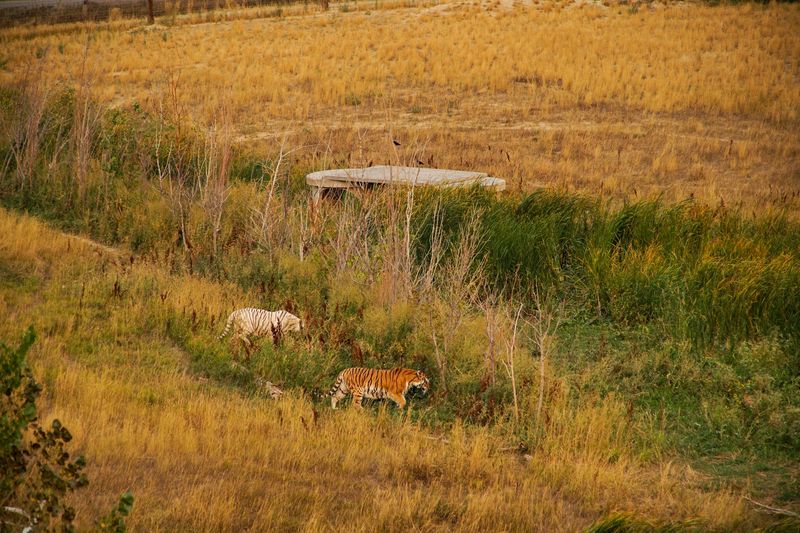
The habitats are large, and that is a good thing for the animals. It also means some of them rest far from the walkway.
Without binoculars, a lion in the distance can look like a tan rock. With them, the details come into clear focus.
Forgot yours at home? Rentals are available for about $10, so ask staff at the start.
A few other items are worth packing, especially in summer:
Comfortable walking shoes are a must for the 3-mile round trip. Water, sunscreen and an umbrella or other shade help on hot days.
Cooling scarves can also make a warm afternoon more bearable.
Families with young kids should consider a stroller or wagon. Three miles is a lot for little legs.
Good gear helps, but timing may matter even more. The clock and the thermometer both play a big role here.
Timing Your Trip Around the Heat
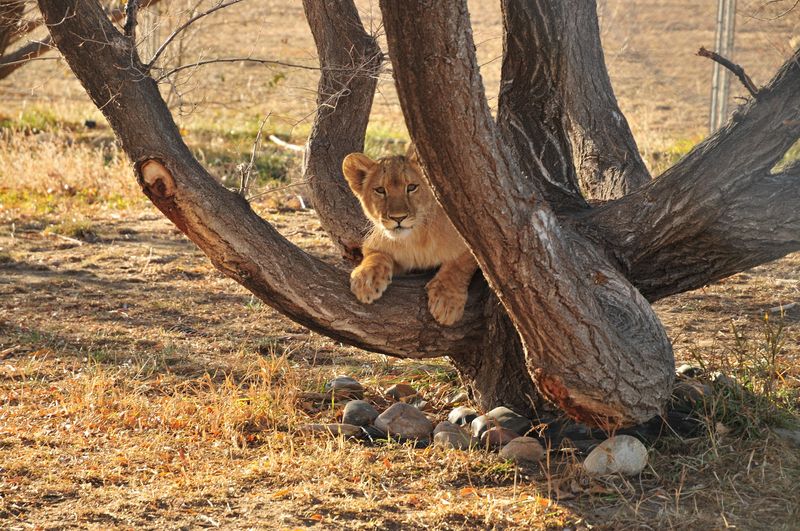
The animals are smarter than most of us on a 95-degree day. They head straight for the shade.
Summer heat on the plains can be intense, with July days reaching triple digits. On those afternoons, many animals sleep in shelters, under trees or beneath the walkway.
Arriving early helps. Cooler mornings tend to bring more active animals and an easier walk for people.
Even on hot days, guests still report good views. Bears, wolves and lions are sometimes out and about, while tigers and jaguars snooze.
Cooler months are another smart choice. Many people plan return trips in different seasons to see how the animals behave.
Winter has its own catch. Hours are shorter, with closing time around 4:30 p.m., so a late start can mean rushing the return walk.
Plan for at least 3 hours on site. Some guests stay much longer, and up to 5 hours is not unusual for those who like to linger.
Of course, a long walk calls for a break somewhere. Thankfully, the sanctuary has that covered at both ends.
Comfort, Access and Snack Stops
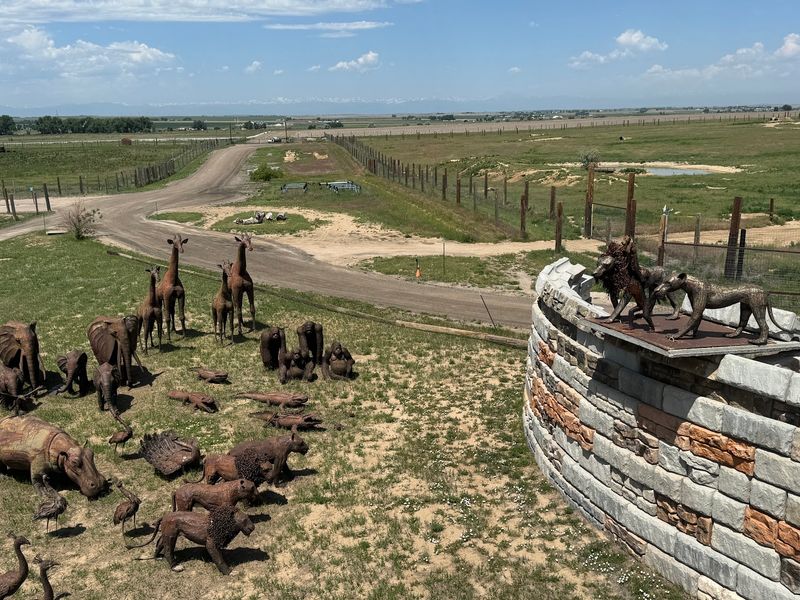
A 3-mile walk sounds daunting, but the sanctuary has made it more manageable than many expect.
Wheelchairs are available for rent. Guests using powered scooters can also reach and enjoy the walkway with little trouble.
The rubber surface helps here too. It creates a smoother ride for wheels and a softer path for walkers.
The welcome center, called The Lions Den, offers a range of food choices. There is a salad bar along with vegan and vegetarian options.
Food prices are considered reasonable, and the selection is large. A snack spot sits at the far end of the walkway for a mid-trip break.
That turnaround stop is handy for resting before heading back. Covered areas along the route offer more places to pause.
Clean, frequent restrooms make the day easier for families and older guests alike.
All of these touches add up to a trip that works for many ages and abilities. The remaining question for most people is cost, and whether it is worth it.
Worth Every Mile of Walkway
Tickets are not the cheapest outing on the Front Range, and plenty of people say so up front.
Yet almost everyone lands in the same place after the walk. The money goes toward animal care and future rescues, which makes the price easier to accept.
For regular guests, membership may offer better value. Some supporter levels allow several visits per year with guests included, which can stretch the budget for families.
Details on what to expect, including rules and current hours, are posted on the sanctuary’s website. Checking before you go can save surprises.
The drive from Denver is a straightforward trip onto the plains, with no mountain passes involved.
The sanctuary works best for people who enjoy a slow pace and a good story. Families, retirees and animal lovers all find something to like.
Those expecting a zoo with animals posed for photos may want to adjust their mindset. Here, a sleeping tiger is a sign that things are going right.
Up on that walkway, the view is simple and powerful: animals that once had nothing, now living with space to spare.