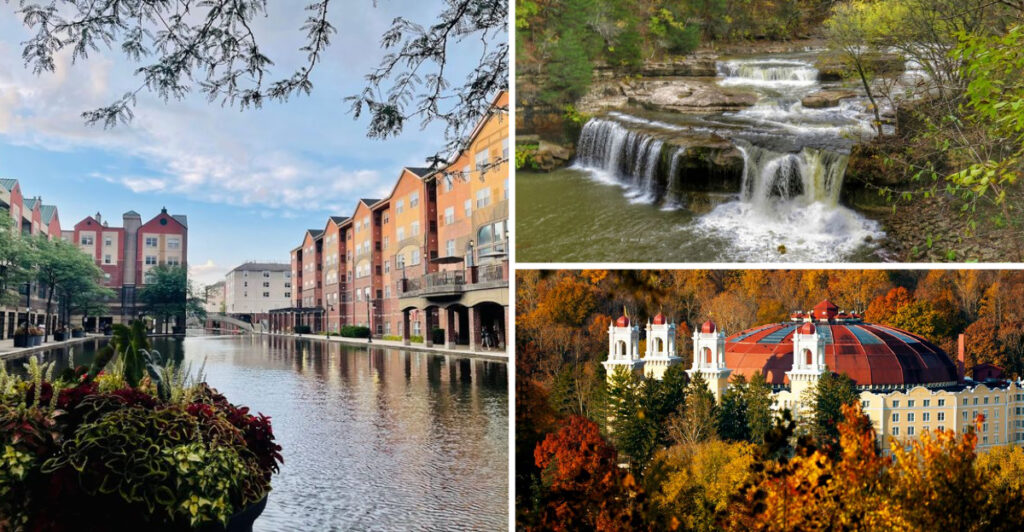
Some of Indiana’s most memorable destinations are defined by a single breathtaking view. From towering sand dunes along Lake Michigan to cascading waterfalls, dramatic overlooks, peaceful forests, and striking historic landmarks, the state offers a surprising variety of landscapes that reward anyone willing to explore.
Whether you’re planning a scenic road trip, searching for your next hiking destination, or simply hoping to discover a new favorite photo spot, each location delivers a perspective that’s difficult to forget. These 8 unforgettable Indiana views showcase just how much natural beauty and timeless scenery the Hoosier State has to offer.
1. Clifty Falls State Park (Madison)
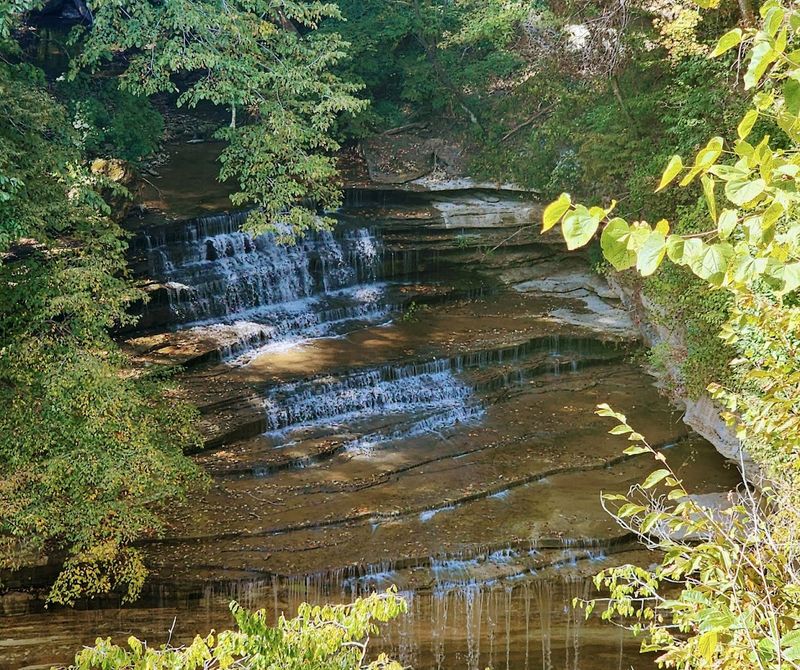
Clifty Falls State Park delivers the kind of scenery that makes you stop mid trail and double check that you are still in Indiana. The terrain is rugged, deeply cut, and surprisingly dramatic, with sandstone walls, narrow ravines, and waterfalls that turn an ordinary hike into a full visual event.
Around each bend, the park shifts scale, moving from intimate creek views to broad overlooks that open toward the Ohio River valley.
The waterfalls are the obvious headliners, but the real draw is how many different angles the park gives you. One section might frame a cascade dropping through rock ledges, while another puts you high above the canyon with a wide, layered view of cliffs and forest.
After rain, the whole landscape looks louder and more sculpted, and in drier stretches the exposed rock textures stand out in a completely different way.
Trail time matters here because the light changes the park almost scene by scene. Morning can make the ravines look cool and shadowy, while late afternoon often pulls warm color out of the stone and trees.
In fall, the overlooks become especially striking, with orange, red, and gold packed into the folds of the canyon and the distant river adding one more bright line across the horizon.
Clifty is best approached with a little patience and sturdy shoes, because the payoff builds as you move through it. You are not getting one single postcard view and calling it a day.
You are getting cliffs, rushing water, river country, and a trail system that keeps revealing fresh compositions, which is exactly why this park lands near the top of Indiana’s scenic heavyweights.
2. Indiana Dunes National Park (Porter)
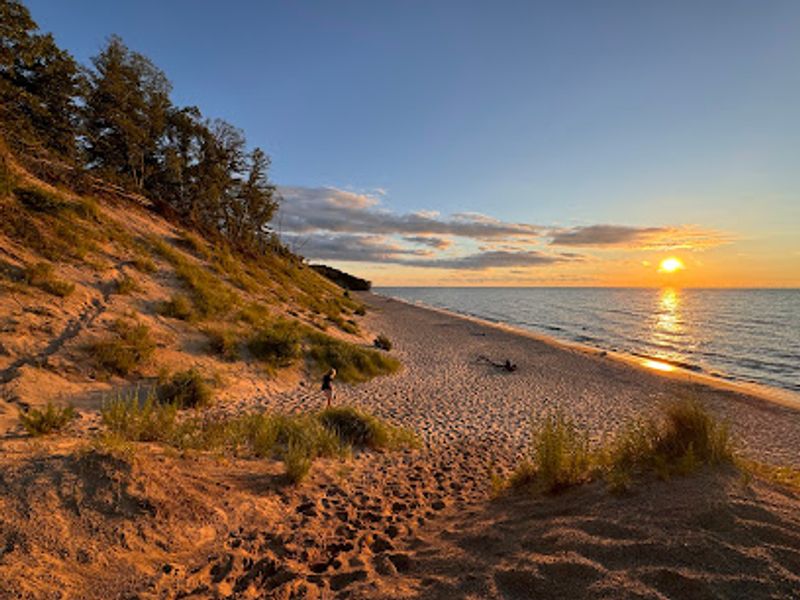
Indiana Dunes National Park has a way of resetting your idea of what Indiana looks like. Instead of farm fields or wooded hills, you get steep sand slopes, broad beaches, and a huge sweep of Lake Michigan that reads more like a coastline than an inland shore.
When you climb high enough, the view stretches across water, dune ridges, and pockets of forest in a combination that looks clean, bright, and unexpectedly vast.
The dunes are the stars, and they earn that status quickly once your legs start working. Each rise gives you a slightly different frame, with beach grass in the foreground, rolling sand underfoot, and the lake catching light in long silver or blue bands.
On clear days, the horizon looks nearly endless, which gives the entire place a bigger, breezier mood than most Midwestern landscapes can pull off.
There is also great contrast here, and that is part of the fun. You can stand on warm sand with open sky all around, then turn and catch wooded sections that soften the scene with green texture and shade.
In cooler months the dunes can look spare and sculptural, while summer brings busier color, stronger reflections, and that classic beach energy without needing an ocean nearby.
For pure visual range, this park is hard to top. It can read as beach town, wild shoreline, or elevated panorama depending on where you stop and where the sun lands.
If you want one Indiana location that immediately feels different from the rest of the state, the dunes make a convincing case with every steep climb and every long look at the water.
3. Brown County State Park (Nashville)
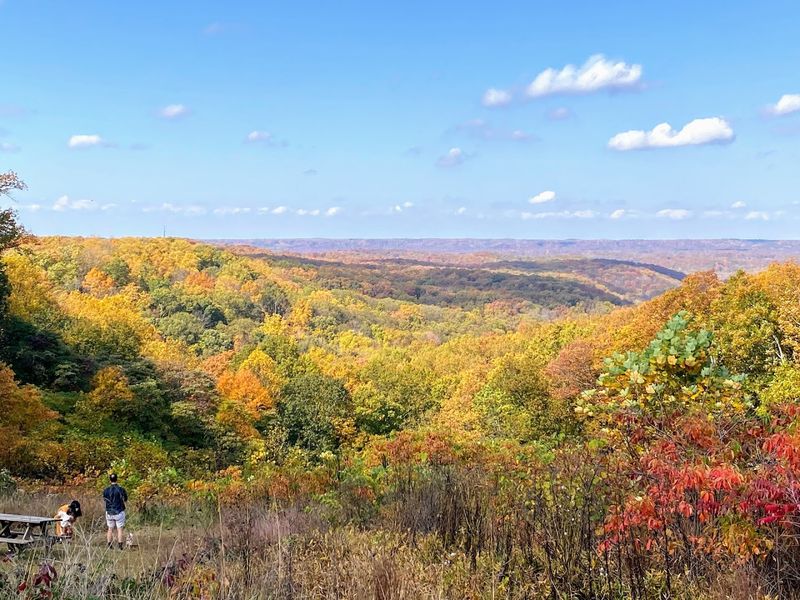
Brown County State Park brings big rolling scenery without needing dramatic cliffs or crashing water to make its point. The appeal here is scale and layering, with ridge after ridge unfolding across the landscape in soft waves that seem to keep going well past the next hill.
On a clear day, the overlooks give you that satisfying long view where forest, sky, and distance all pull equal weight.
The park gets a lot of attention in autumn, and for good reason. When the hills turn, the ridgelines fill with dense bands of orange, rust, yellow, and deep red, creating one of the strongest color shows in the state.
But summer deserves credit too, because the thick green canopy makes the terrain look lush and full, while spring and winter reveal the shape of the land in a more stripped down way.
One of the best parts of Brown County is how easy it is to enjoy the scenery at different speeds. You can take a scenic drive and still catch excellent vistas, or head onto the trails and watch the perspective change as you move from shaded woods to open viewpoints.
That shift keeps the park visually interesting, since every overlook emphasizes different folds of the hills and a slightly different relationship between near and far.
The nickname Little Smokies makes sense once you are standing above those ridges. There is a hazy, layered quality to the views that feels larger than expected, especially when morning mist or late day light softens the valleys.
Brown County does not rely on one singular landmark, which is exactly its strength, because the landscape itself is the feature and it carries the whole experience with quiet confidence.
4. Cataract Falls State Recreation Area (Spencer)
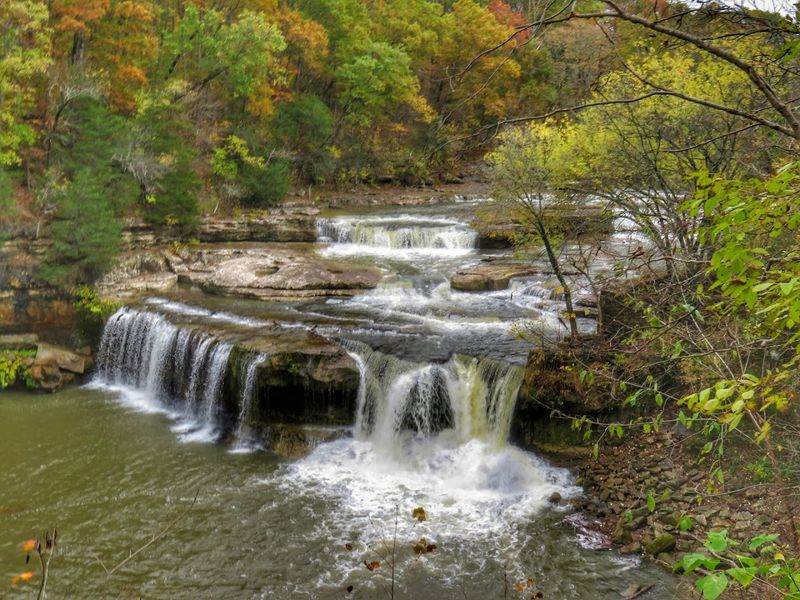
Cataract Falls State Recreation Area proves that a powerful waterfall does not need a mountain setting to leave a strong impression. Here, water spreads across a series of limestone ledges, creating a broad, energetic cascade that looks impressive from multiple angles.
The surrounding woods keep the scene grounded and calm, so you get a nice contrast between the force of the falls and the quieter feel of the trail area.
The water is the main event, but the layout adds extra charm in a very Indiana way. Historic covered bridges nearby bring texture and character to the setting, and they pair beautifully with the rocky river corridor.
That combination of moving water, old timber, and shaded woodland gives the recreation area a layered look that is especially photogenic without trying too hard.
You do not need an extreme hike to enjoy the best views, which makes this spot especially appealing when you want scenery with less effort. Easy walking paths let you take in the upper and lower sections of the falls, and each viewpoint highlights a different pattern of rushing water and rock.
After periods of rain, the volume becomes even more striking, and the misty, louder scene can make the whole area feel freshly charged.
Cataract Falls works best when you slow down enough to notice the details around the obvious centerpiece. The shape of the ledges, the color of the river, the framing trees, and the covered bridge silhouettes all add to the experience.
It is a scenic stop with real visual payoff, and it stands out because the setting blends strong natural motion with the kind of historic landscape touches that Indiana does especially well.
5. West Baden Springs Hotel (West Baden Springs)
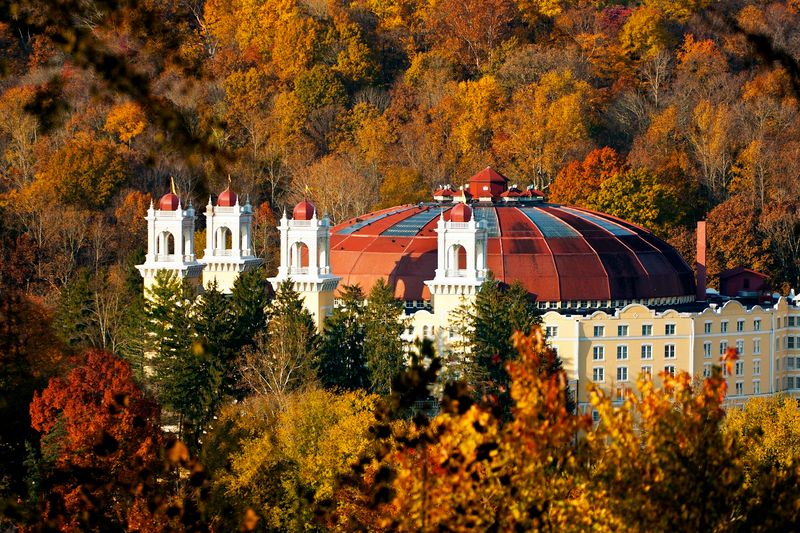
West Baden Springs Hotel brings a completely different kind of unforgettable view to this list. Instead of rugged trails or wild shorelines, you get one of Indiana’s most striking architectural scenes, anchored by the famous domed atrium and surrounded by manicured grounds and rolling hills.
The result is polished, dramatic, and surprisingly cinematic whether you are looking up inside or scanning the countryside outside.
The atrium is the showpiece, and it earns every bit of attention. The scale pulls your eyes upward immediately, while the symmetry, light, and historic detailing create a space that looks impressive from nearly every angle.
It is one of those interiors where a slow walk changes the composition constantly, and even small shifts in position can make the view feel brand new.
Step outdoors and the mood changes from grand to gently scenic. Gardens, pathways, and the open sweep of southern Indiana hills frame the property in a way that softens the formal architecture without diminishing it.
Early morning and late afternoon are especially good here, when warm light settles over the grounds and the hotel’s exterior picks up extra depth and texture.
What makes West Baden memorable is the contrast between elegance and landscape. You are getting a rare combination of historic design and broad natural setting, and each one improves the other.
Some places are all about the building, others are all about the view beyond it, but this resort manages both at once, which is why it holds its own beside Indiana’s waterfalls, ridges, and dunes without needing a trailhead in sight.
6. Indianapolis Canal Walk (Indianapolis)
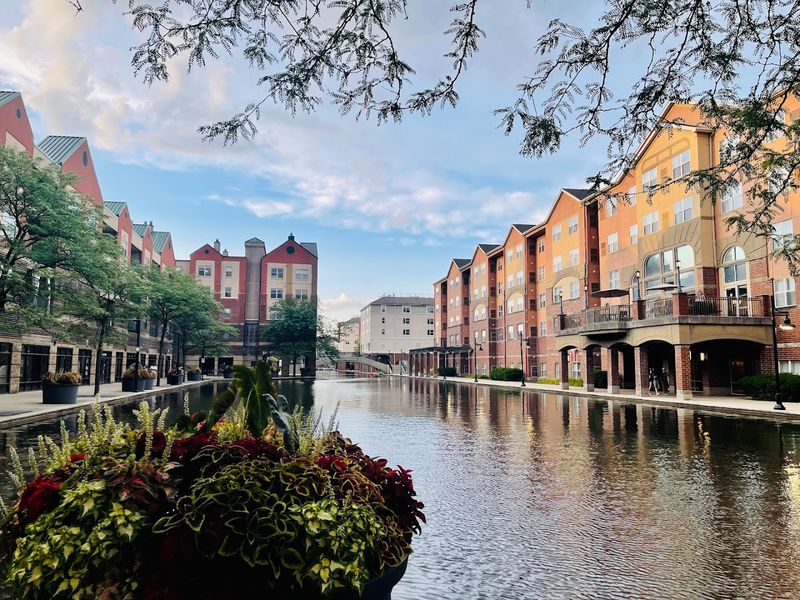
Not every unforgettable Indiana view comes with a forest or a canyon. The Indianapolis Canal Walk earns its place by pairing calm water with crisp city lines, museum architecture, public art, and a skyline that changes character as daylight shifts.
It is one of the state’s strongest urban scenes, especially when the canal reflects bridges, buildings, and passing light in long, glassy streaks.
The appeal here is how much visual variety fits into one walk. One stretch gives you clean skyline angles and neat rows of windows, while another brings softer details like trees, planters, and rippling water that breaks up the downtown geometry.
Public art and distinctive bridges add punch without cluttering the view, so the whole route stays photogenic and easy to enjoy even if you are not chasing landmarks.
Timing matters on the canal, and that is part of its charm. Daytime highlights the water, architecture, and museum setting with bright clarity, but evening introduces reflections, glowing windows, and a more polished city mood.
After sunset, the bridges and skyline can look especially sharp against the water, creating one of those simple but effective scenes that keeps phones coming out of pockets.
The Canal Walk also benefits from being approachable. You do not need hiking boots, a packed schedule, or perfect weather to get good views, just enough time to wander and notice how the canal frames downtown from one bend to the next.
For travelers who like city scenery with a little breathing room, this is Indianapolis at its most composed, with enough detail to stay interesting and enough openness to feel relaxed.
7. Ouabache State Park (Bluffton)
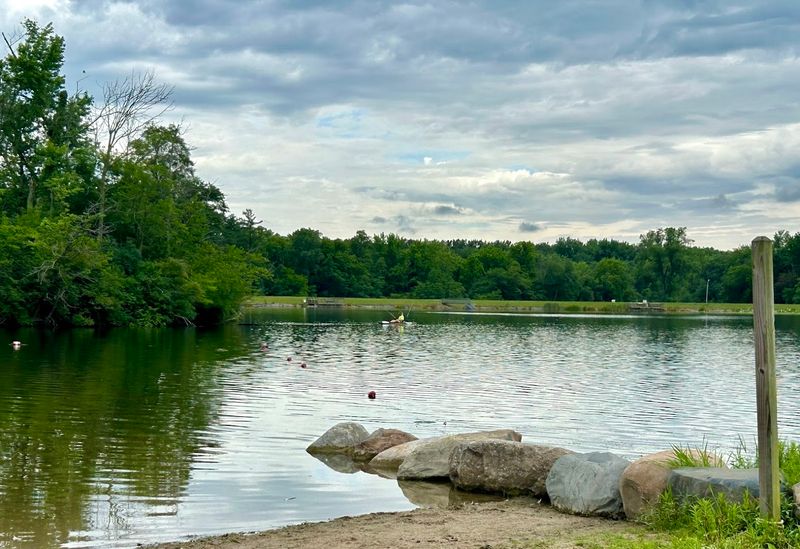
Ouabache State Park offers a quieter kind of scenery, the sort that rewards attention rather than demanding it. Instead of giant cliffs or headline making dunes, you get mature woods, calm water, open sky, and those small shifts in light that can turn an ordinary trail into a surprisingly memorable view.
It is a park where the landscape settles in gradually, then starts stacking up details the longer you stay. The trails are a big part of the appeal because they move through varied woodland textures without feeling rushed.
Tall trees, filtered light, and occasional openings create a steady rhythm, and the scenery changes just enough to keep you engaged.
Near the water, reflections and shoreline views add another layer, especially when the lake surface is smooth and the surrounding greens or sunset tones start doubling in it.
Wildlife can also shape the experience here, even if the park’s strongest feature remains its calm visual balance. A quiet sighting along the trail or the sound of birds across the trees can sharpen your sense of place without distracting from the view itself.
Around dusk, the park often becomes even more appealing, with warmer light catching the treetops and softer colors settling over the water and open spaces.
Ouabache works because it does not overcomplicate its beauty. You come for forest, lake, and breathing room, and that combination lands especially well when you want scenery that feels grounded and restorative.
In a list filled with big visual swings, this park brings a more measured style of Indiana landscape, and that contrast is exactly why its overlooks, trails, and sunsets are so easy to appreciate.
8. Hemlock Cliffs (English)
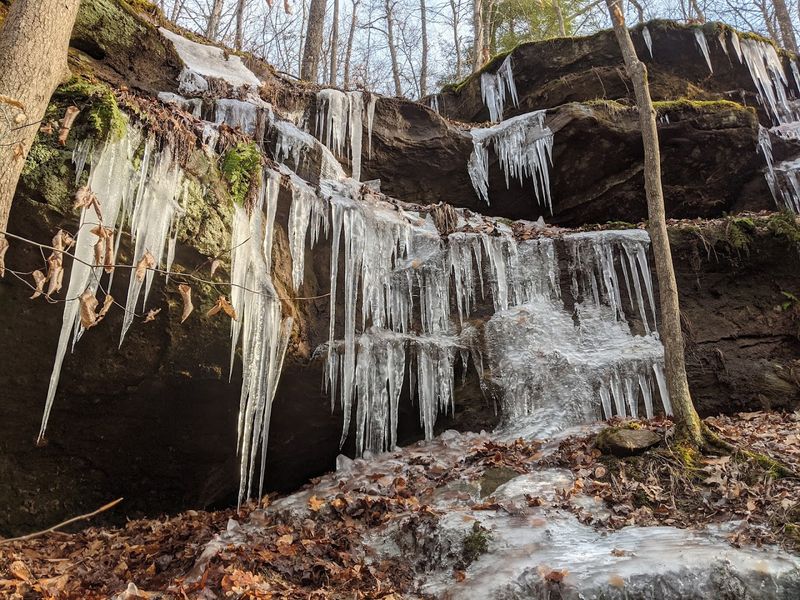
Hemlock Cliffs is the spot on this list that can catch even longtime Indiana travelers off guard. Tucked within Hoosier National Forest, it trades broad open views for a cooler, rockier, more enclosed kind of drama, with sandstone cliffs, narrow canyons, and seasonal waterfalls shaping the landscape.
The setting has depth, texture, and shade in all the right places, which gives every turn of the trail a stronger sense of discovery.
The cliffs do most of the heavy lifting visually. They rise sharply above the trail, their surfaces worn into ledges, cracks, and overhangs that make the area look older and wilder than many people expect from southern Indiana.
Add in the rare eastern hemlocks and the whole scene takes on a darker green, more sheltered look that stands apart from the state’s more common woodland scenery.
Seasonal waterfalls and damp canyon walls add movement and contrast, especially after rain or during cooler parts of the year. Even when the water is lighter, the rock formations and boxed in passages keep the hike visually rich, with shadows, moss, and changing elevations doing plenty of work.
This is a place where the temperature can seem to drop, the light gets filtered, and the path starts to feel more immersive with every step.
Hemlock Cliffs is especially rewarding for hikers who enjoy landscapes with a little edge and a lot of structure. The beauty here is not wide open or polished.
It is steep, shaded, and dramatic in a way that makes the natural features look carved rather than arranged, and that distinctive mix of canyon walls, hemlocks, and falling water gives Indiana one of its most striking trail views.
Share this story