Wonders of Wildlife National Museum and Aquarium in Springfield, Missouri, is the kind of place that makes you stop and stare. Huge tanks, close-up animal views, and detailed exhibits help visitors learn about rivers, oceans, forests, and conservation.
The shark areas are a big reason people visit, but the whole complex feels like a full adventure. If you enjoy wildlife, family trips, or unforgettable indoor attractions, this museum and aquarium deserves a spot on your Missouri travel list.
1. Shark Encounters That Feel Unforgettable
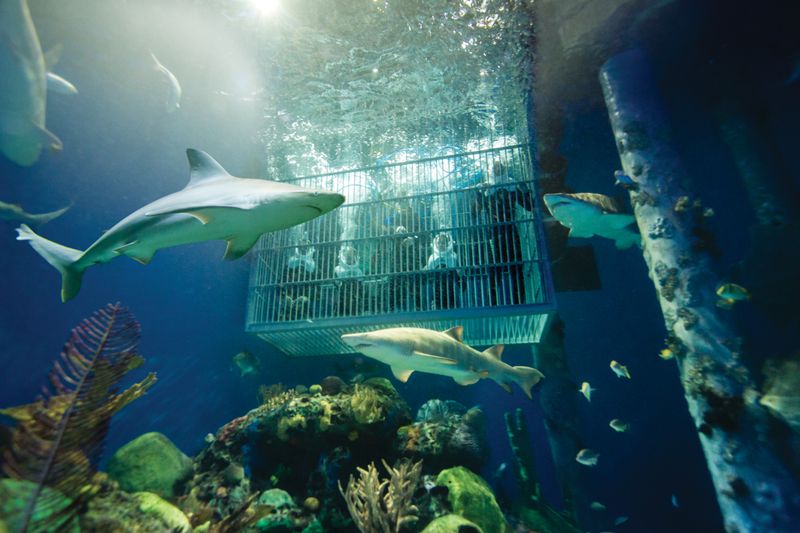
A shark gliding past the glass can turn a normal museum day into a story your family tells for years.
At Wonders of Wildlife National Museum and Aquarium, the shark exhibits are built to make visitors feel close to the action while staying safe, dry, and comfortable.
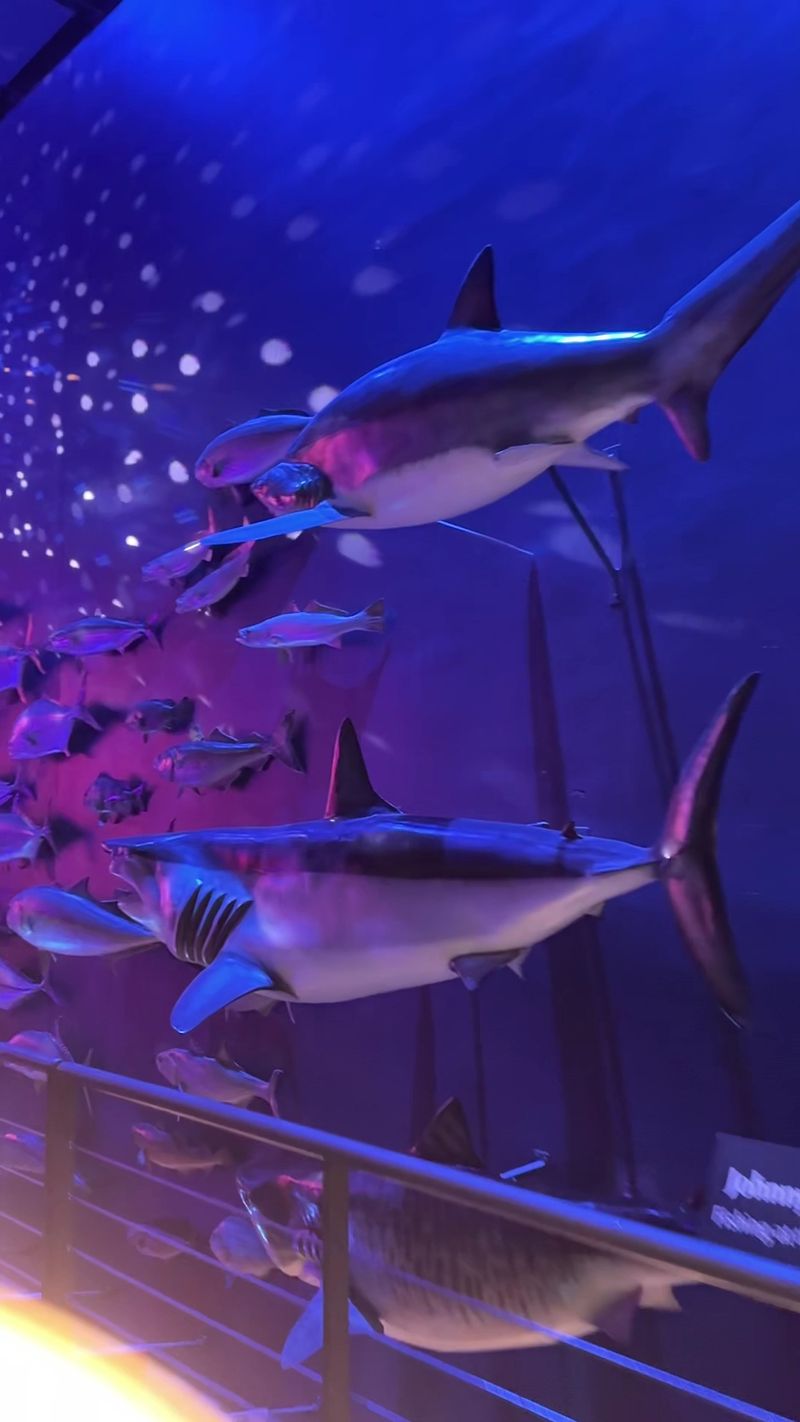
The large tanks give sharks room to move in smooth, powerful circles, so you can notice details you might miss in pictures.
Watch the shape of the fins, the steady movement of the tail, and the way smaller fish share the same space.
Kids often press close to the viewing areas, while adults end up just as amazed.
For the best experience, slow down when you reach the shark displays.
Instead of rushing to the next room, spend a few minutes watching one shark move from one side of the tank to the other.
You may see how calm and controlled these animals really are.
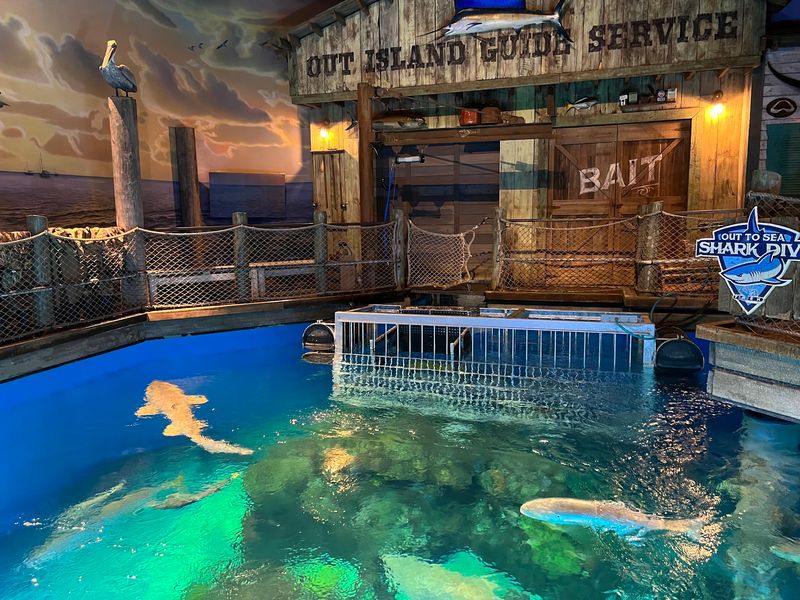
Visitors who want an even bigger thrill can check availability for special shark experiences through the official website.
Reviews often mention the shark dive as a major highlight, especially because staff members help guests feel prepared.
Even if you only view from the outside, the exhibit gives you a rare face-to-face moment with one of the ocean’s most famous predators.
2. A Massive Aquarium Journey Through Water Worlds
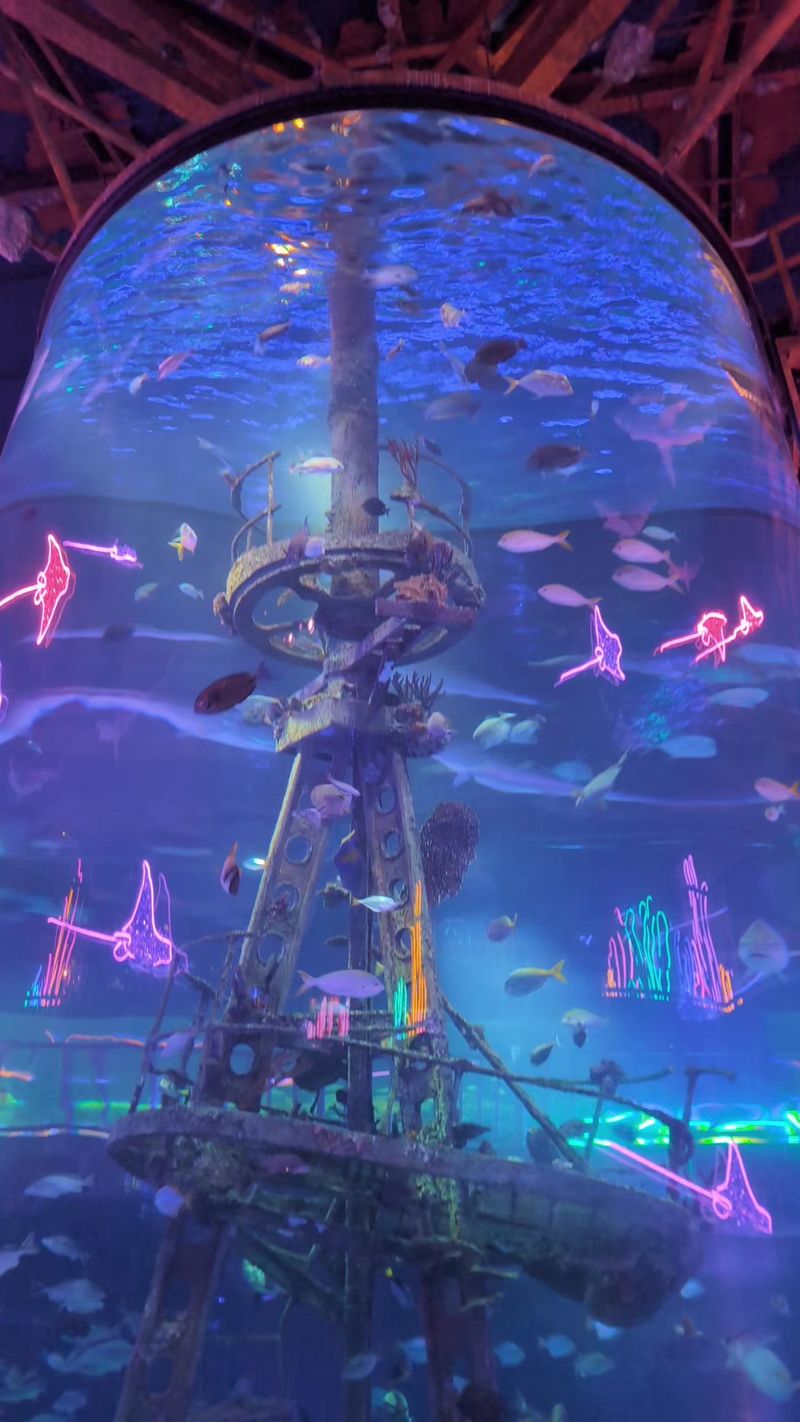
The first surprise for many guests is how long the aquarium keeps going.
Wonders of Wildlife is not a small room with a few tanks.
It feels more like a winding trip through rivers, swamps, caves, reefs, and open ocean scenes.
One area may show familiar freshwater fish like bass, perch, or other species tied to Missouri and outdoor life.
A few turns later, the setting can shift toward glowing jellyfish, rays, turtles, or sharks.
That variety helps visitors understand that water habitats are not all the same.
The design also makes the walk feel exciting.
Dark halls, glowing tanks, rockwork, trees, and careful lighting help each space feel different from the last.
Many visitors say they notice something new around every corner, which is why moving too fast can leave you wishing for more time.
A smart plan is to allow at least three hours if you want to enjoy the aquarium without stress.
Families with curious kids, camera lovers, or anyone who reads exhibit signs may want even longer.
Wear comfortable shoes, keep your phone charged, and do not be afraid to pause often.
The biggest reward here comes from taking your time and letting each water world reveal its own surprises.
3. Stingray Petting Adds Hands-On Fun

Few aquarium moments make people grin faster than a stingray brushing gently under their fingertips.
At Wonders of Wildlife, the stingray touch area gives guests a hands-on memory that feels playful, surprising, and easy to enjoy.
Staff guidance matters here, so listen closely before reaching into the water.
Stingrays should be touched with care, usually with flat fingers and calm movements.
This helps protect the animals and makes the experience better for everyone waiting their turn.
Many visitors mention stingray petting and feeding as one of their favorite parts of the trip.
For younger kids, it can be the moment that changes sea life from something behind glass into something real and exciting.
Adults often enjoy it too, especially when a ray swims right up like it knows exactly where the fun is happening.
If feeding is offered during your visit, ask about the cost and rules before joining in.
Times and options can change, so checking with staff is the easiest way to avoid disappointment.
Afterward, use nearby handwashing or sanitizing stations if available.
Simple steps like waiting patiently, taking turns, and following directions help keep the touch pool safe.
It is a small stop compared with the huge aquarium, but it often becomes the part kids talk about first on the ride home.
4. Penguins Bring a Burst of Energy
Penguins have a funny way of stealing attention, even after visitors have seen sharks, rays, and giant tanks.
Their quick turns, waddling steps, and busy swimming style make the penguin area feel full of personality.
At Wonders of Wildlife, guests often mention seeing penguins near the broader museum route rather than expecting them only inside a typical aquarium path.
That makes the visit feel like it keeps saving surprises for later.
Just when you think the biggest moments are behind you, another lively habitat appears.
Watching penguins is especially good for families because the animals are easy for young children to follow.
They move often, which keeps little eyes interested.
Older kids can look for differences in behavior, such as which birds swim the most, which ones stand together, and which ones seem extra curious.
Try not to rush past the exhibit, even if your group is getting tired.
A short rest near the viewing area can give everyone a fun break while still enjoying the museum.
If staff or signs share feeding times, habitat facts, or conservation notes, take a moment to read them.
Penguins may look silly and cheerful, but they also remind visitors that cold-water birds need healthy oceans, clean food sources, and protected homes.
That mix of fun and learning is part of what makes this stop so memorable.
5. Wildlife Museum Scenes Make the Trip Bigger
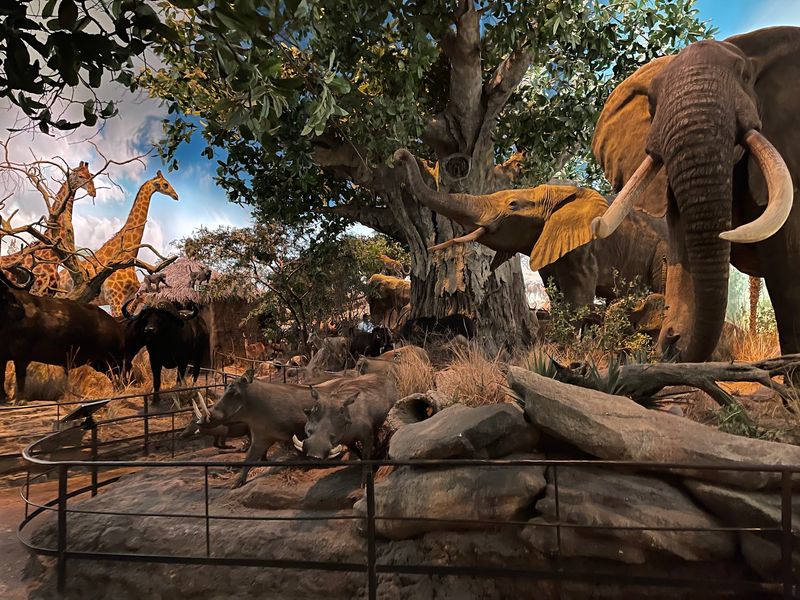
One reason this Springfield attraction stands out is that the experience does not stop with fish tanks.
The wildlife museum side adds forests, mountains, historic outdoor stories, and lifelike animal displays that make the whole visit feel much larger.
Guests often describe the museum scenes as highly detailed, almost like walking through different habitats instead of simply looking at cases.
The taxidermy displays help show the size, shape, and features of animals many people would never see up close in the wild.
For students and families, that can make learning feel more real.
The museum also connects to conservation and outdoor history.
You may see displays tied to fishing, hunting, wildlife photography, record animals, and the people who helped shape outdoor culture.
Even visitors who came mainly for the aquarium often find themselves surprised by how much they enjoy this part.
Because there is so much to see, plan your energy wisely.
If you start with the aquarium, take a short break before moving into the museum areas.
If your group includes children, point out one or two details in each scene instead of trying to explain everything.
That keeps the visit fun rather than tiring.
The museum sections add depth to the shark-filled adventure by showing that wildlife conservation reaches far beyond the ocean.
6. Immersive Rooms Turn Walking Into Exploring
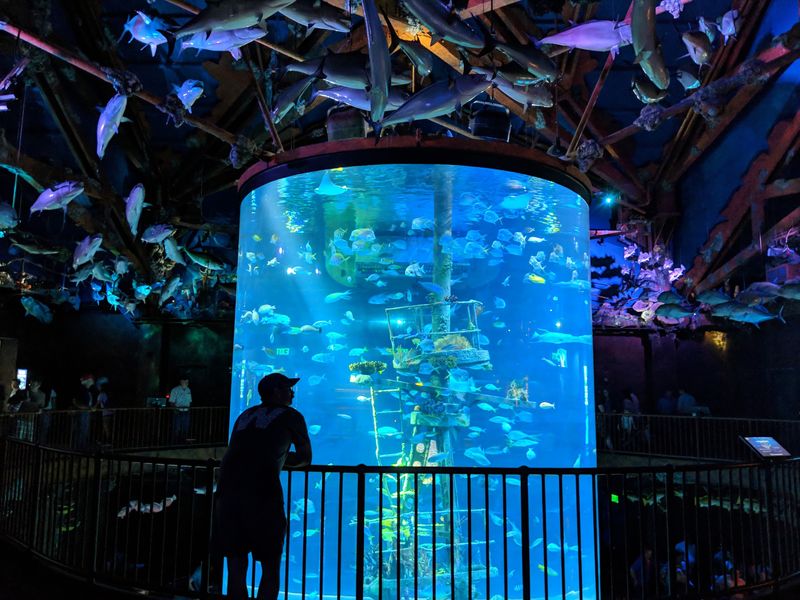
Some museums feel like a straight hallway, but Wonders of Wildlife feels more like a path through hidden worlds.
Visitors often talk about the swamp scenes, cave-like areas, dramatic lighting, and themed spaces that make each turn feel fresh.
The setting helps people stay interested because the rooms change mood as you walk.
One space may feel dark and quiet, while another opens near a glowing tank filled with movement.
This kind of design makes the aquarium and museum easier to enjoy for kids who need variety.
It also helps adults feel pulled into the story.
Instead of just reading signs, you are surrounded by water, rock, trees, animal sounds, or wide exhibit views.
The details can be so rich that even people who visit more than once may spot things they missed before.
A helpful tip is to take photos in moderation.
It is tempting to capture every scene, but the lighting can be tricky, and staring through a screen may make you miss the best moments.
Pick a few favorite spots for pictures, then put the phone away and look around with your own eyes.
The careful design is a big part of the value here.
It turns a trip to see sharks into a full indoor adventure through nature.
7. Smart Timing Helps You See More
Arriving with a loose plan can make your visit much smoother.
Wonders of Wildlife is large, and many guests say they spent three, four, five, or even more hours exploring the aquarium and museum areas.
The attraction is located at 500 W Sunshine St in Springfield, Missouri.
Regular hours often begin at 10 AM on weekdays, with longer hours on Friday and Saturday, but schedules can change.
Before you go, check the official website or call +1 800-456-4812 for current hours, tickets, and special experience details.
If your group wants a relaxed visit, earlier in the day is usually a better choice.
Starting close to opening gives you more room to slow down, enjoy the tanks, and add the museum sections without feeling rushed.
Late arrivals can still have fun, but several reviews mention wishing they had more time.
Comfort matters too.
Wear shoes made for walking, bring only what you want to carry, and build in small breaks for kids or older guests.
Bathrooms are available throughout the complex, which helps families manage a longer outing.
If you are visiting Springfield from out of town, treat Wonders of Wildlife as a main event rather than a quick stop.
The best days here happen when you give the place enough time to show off.
8. Conservation Lessons Stay With You
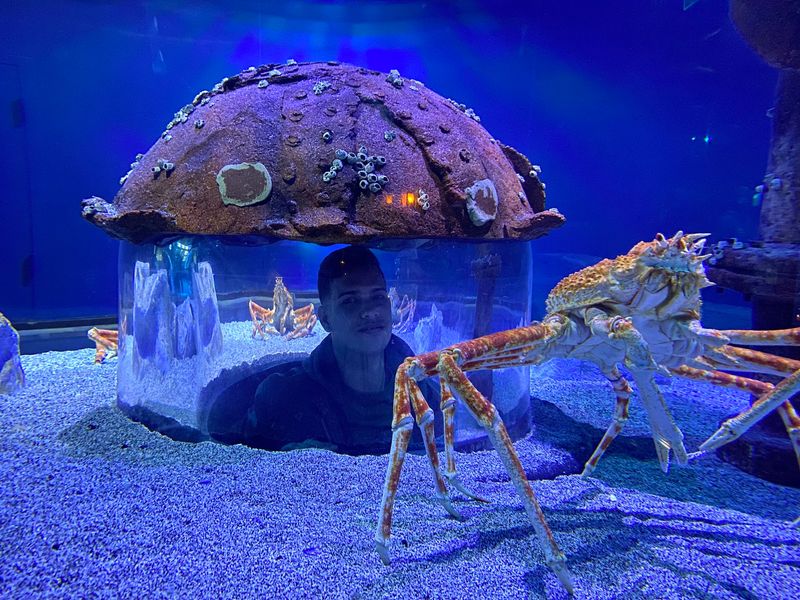
Behind the sharks, glowing tanks, and dramatic rooms is a bigger message about caring for wildlife.
Wonders of Wildlife is conservation-focused, which means the exhibits are not only made to entertain.
They also help visitors understand why animals and habitats need protection.
That message works well because it is shown through real examples rather than long lectures.
You see freshwater fish, ocean animals, birds, mammals, and habitat scenes all in one connected place.
The variety makes it easier to understand that rivers, forests, wetlands, and oceans are linked to human choices.
Families can turn the visit into simple learning without making it feel like school.
Ask kids which animal surprised them most, which habitat looked hardest to live in, or what people can do to keep water clean.
Short questions like these help children think while still having fun.
Adults may appreciate the outdoor history, photography, and museum displays that show how people have studied, respected, and sometimes impacted nature over time.
The point is not to leave feeling guilty.
It is to leave more aware.
When a shark swims past your face or a penguin darts through the water, the animals become harder to forget.
That lasting feeling is the real strength of Wonders of Wildlife.
It sends guests back into the world with more wonder and, hopefully, more care.
Share this story