Tucked away in Pilot Point, Sharkarosa Zoo offers a wildlife experience unlike any traditional zoo you’ve visited. This 126-acre nonprofit sanctuary lets you get remarkably close to exotic animals, from ring-tailed lemurs to towering camels, creating memories that stick with families long after they leave. Whether you’re feeding a zebra from your hand or watching a white tiger devour its lunch, every moment here feels personal and unforgettable.
1. Hand-Feeding Camels, Zebras, And More
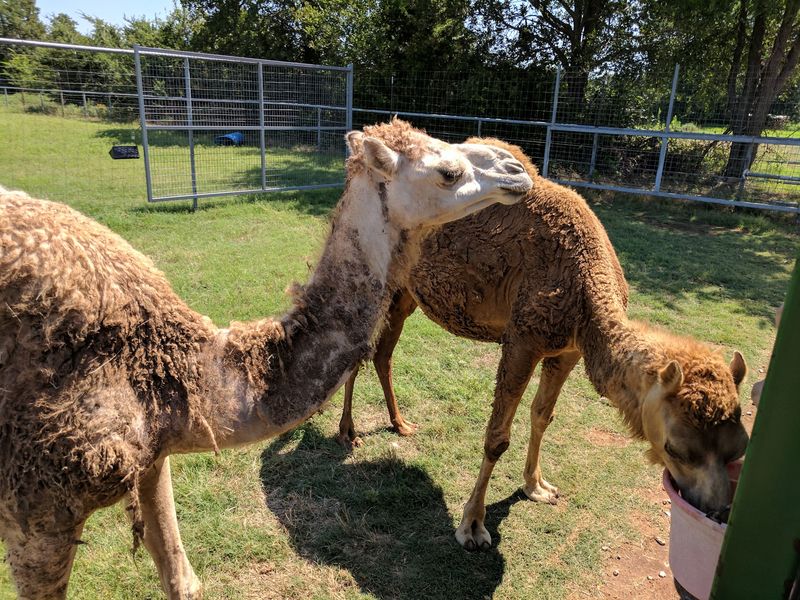
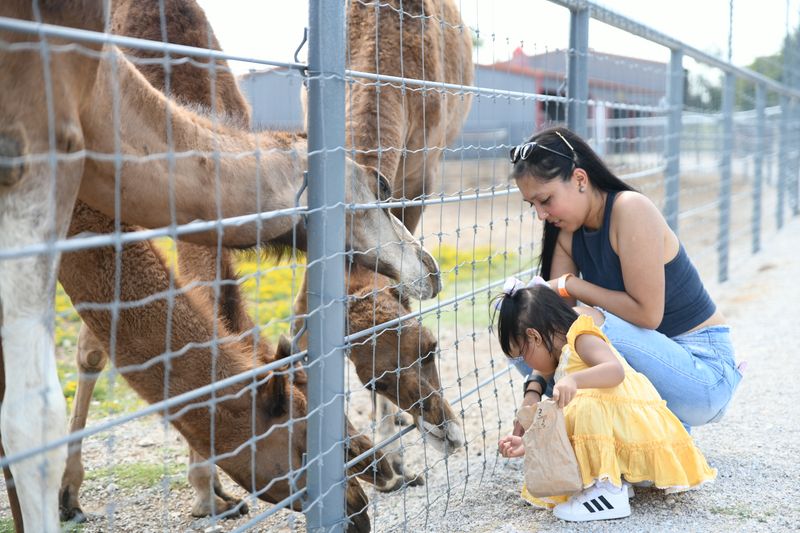
Walking through Sharkarosa with a feed bag in hand transforms you from spectator to participant. The camels lean their long necks over the fence, lips gently pulling pellets from your palm while zebras wait their turn nearby. You’ll find yourself laughing as goats nudge your legs and horses nicker softly for attention.
Feed bags cost about ten dollars for a four-pack, and they’re worth every penny. Signs throughout the park clearly mark which animals welcome snacks, so you never have to guess. The staff at the ticket booth explains everything upfront, making first-timers feel confident.
What makes this experience special is the proximity. These aren’t distant creatures behind thick glass or across wide moats. They’re right there, close enough to see the texture of a camel’s coat or count the stripes on a zebra.
Families spend hours moving from enclosure to enclosure, rationing their feed to make the magic last. Kids squeal with delight when a camel’s soft lips tickle their hands. Adults find themselves just as enchanted, snapping photos and marveling at how gentle these massive animals can be.
The interactive nature of feeding creates connections that passive observation never could. You’re not just looking at wildlife. You’re engaging with it, learning its rhythms, and discovering personalities that make each animal memorable long after your visit ends.
2. Meeting The Playful Lemurs
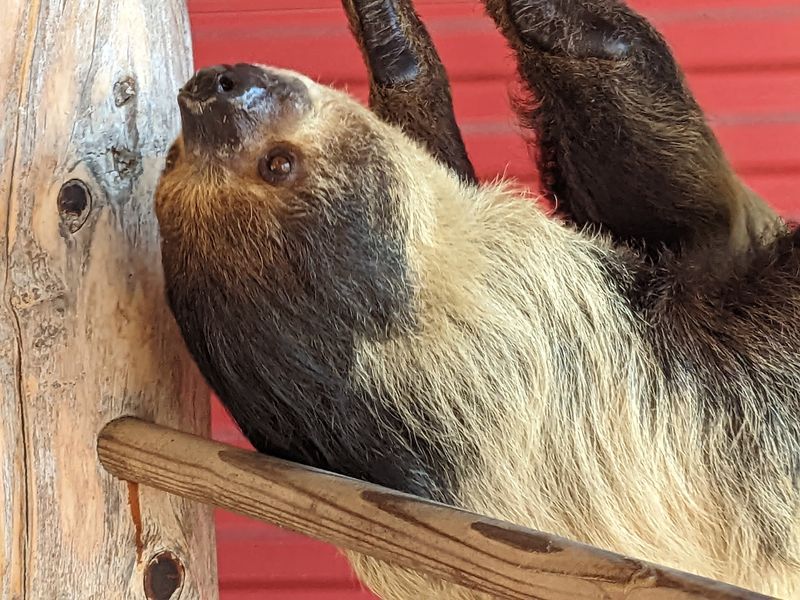
Ring-tailed lemurs might be the most charismatic residents at Sharkarosa. Their striped tails curl like question marks as they hop around their habitat, and their bright orange eyes seem to study you with genuine curiosity. During lemur encounters, visitors get closer than they ever imagined possible to these Madagascar natives.
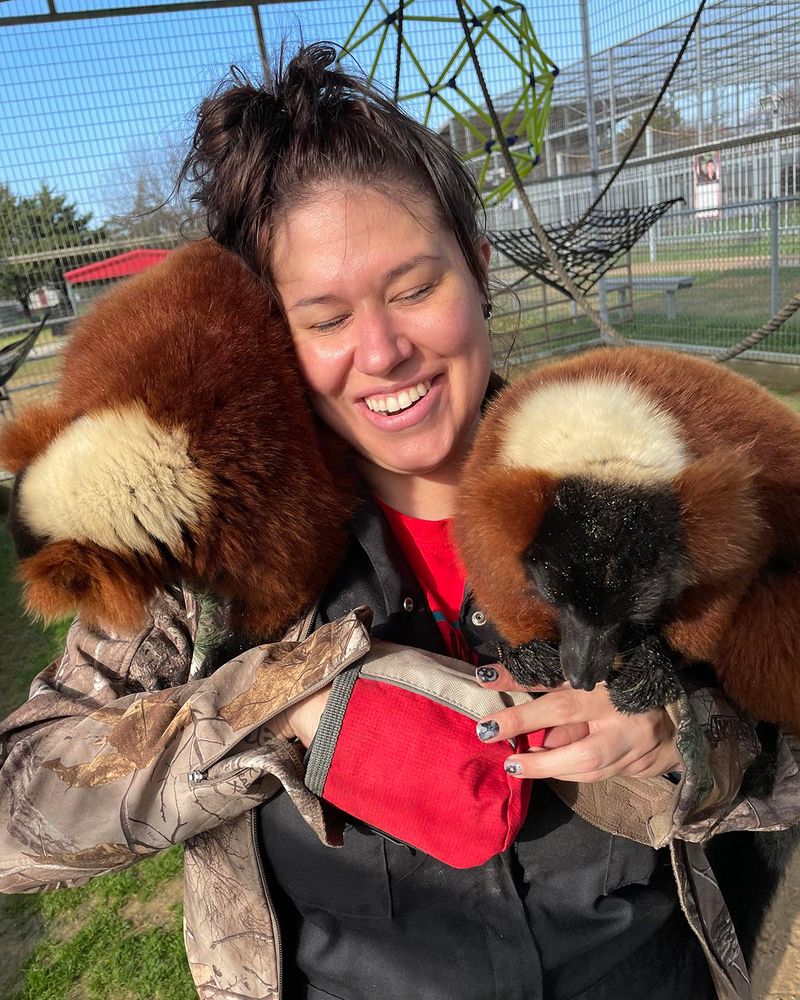
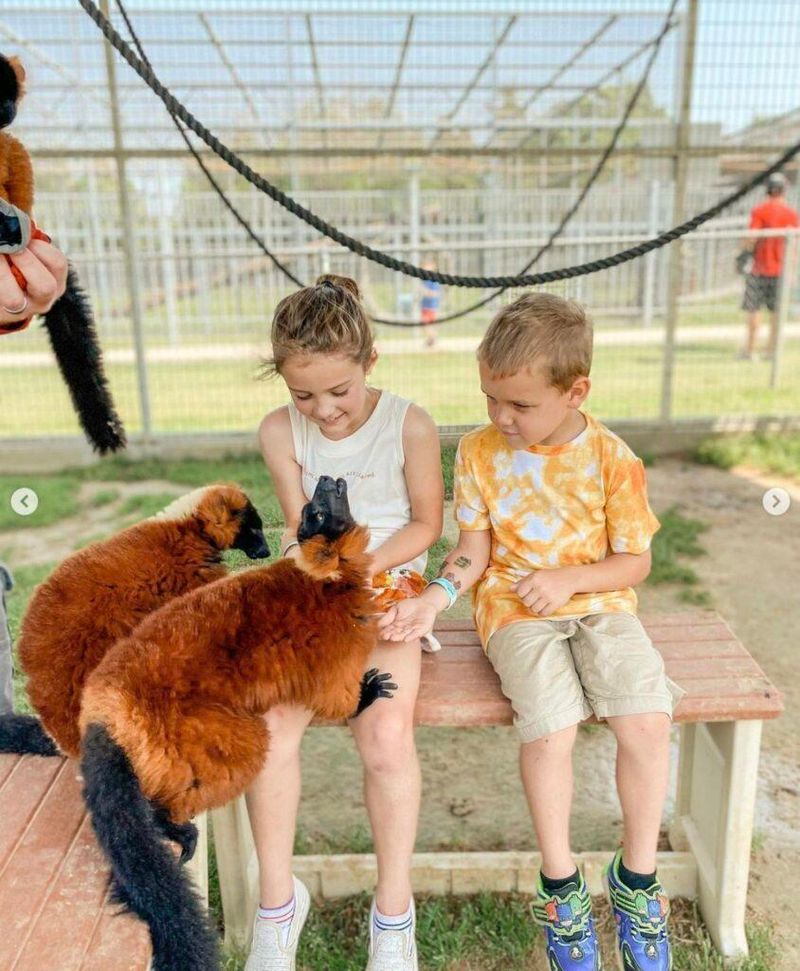
The encounters are guided experiences where staff members share fascinating details about lemur behavior and biology. You might learn how they sunbathe with arms outstretched or communicate through scent marking. Some lucky visitors even get to hold a lemur, feeling its surprisingly light weight and soft fur.
Reviews consistently mention Emma and other guides who make these encounters educational without being boring. They answer endless questions from curious kids and adults alike. The lemurs themselves seem comfortable with their caretakers, a testament to the trust built through consistent, loving care.
Booking these encounters requires advance planning since they’re popular and limited. Two weeks ahead is recommended, though last-minute openings sometimes appear. The experience typically runs separately from general admission but creates memories that outlast ordinary zoo visits.
Watching lemurs leap and play gives you appreciation for their acrobatic abilities. They’re social creatures, often grooming each other or huddling together. Their personalities shine through individual quirks and preferences that the staff eagerly point out during your time together.
3. The Majestic White Tiger
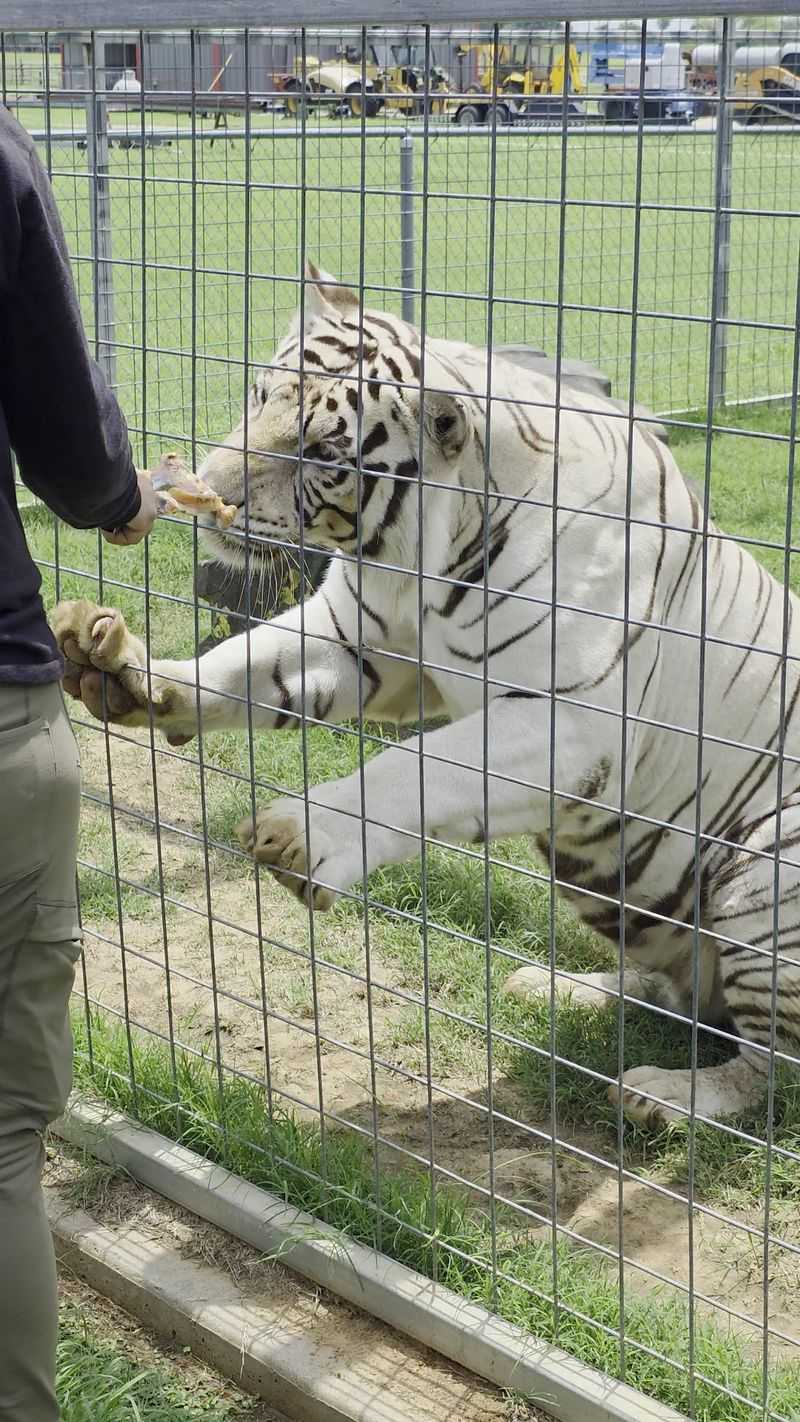
Few animals command attention like Sharkarosa’s white tiger. His striking coat and piercing eyes stop visitors mid-step, cameras already rising. But what really captivates people is his personality, which shines through during feeding demonstrations and quiet observation moments.
During scheduled feedings, you might witness him devouring an entire raw turkey, a spectacle that thrills kids and adults equally. The raw power becomes evident as he tears into his meal, reminding everyone that beauty and danger coexist in these magnificent cats. Staff members provide commentary that educates while entertaining.
The tiger’s enclosure allows remarkably close viewing compared to larger zoos. You can observe the ripple of muscles beneath his fur, the flick of his tail, the way he surveys his domain with regal confidence. One reviewer mentioned loving his personality, suggesting he interacts with visitors in memorable ways.
White tigers are rare, making this encounter particularly special. Their coloration comes from a recessive gene, not albinism, and seeing one in person reveals details photos never capture. The contrast of black stripes against cream fur creates patterns unique to each individual.
Spending time near his habitat reveals different moods and behaviors. Sometimes he paces with athletic grace. Other times he lounges, deceptively lazy until something catches his interest.
These glimpses into his daily life create appreciation for both his wildness and the specialized care keeping him healthy and content.
4. Riding The Tram Through The Park
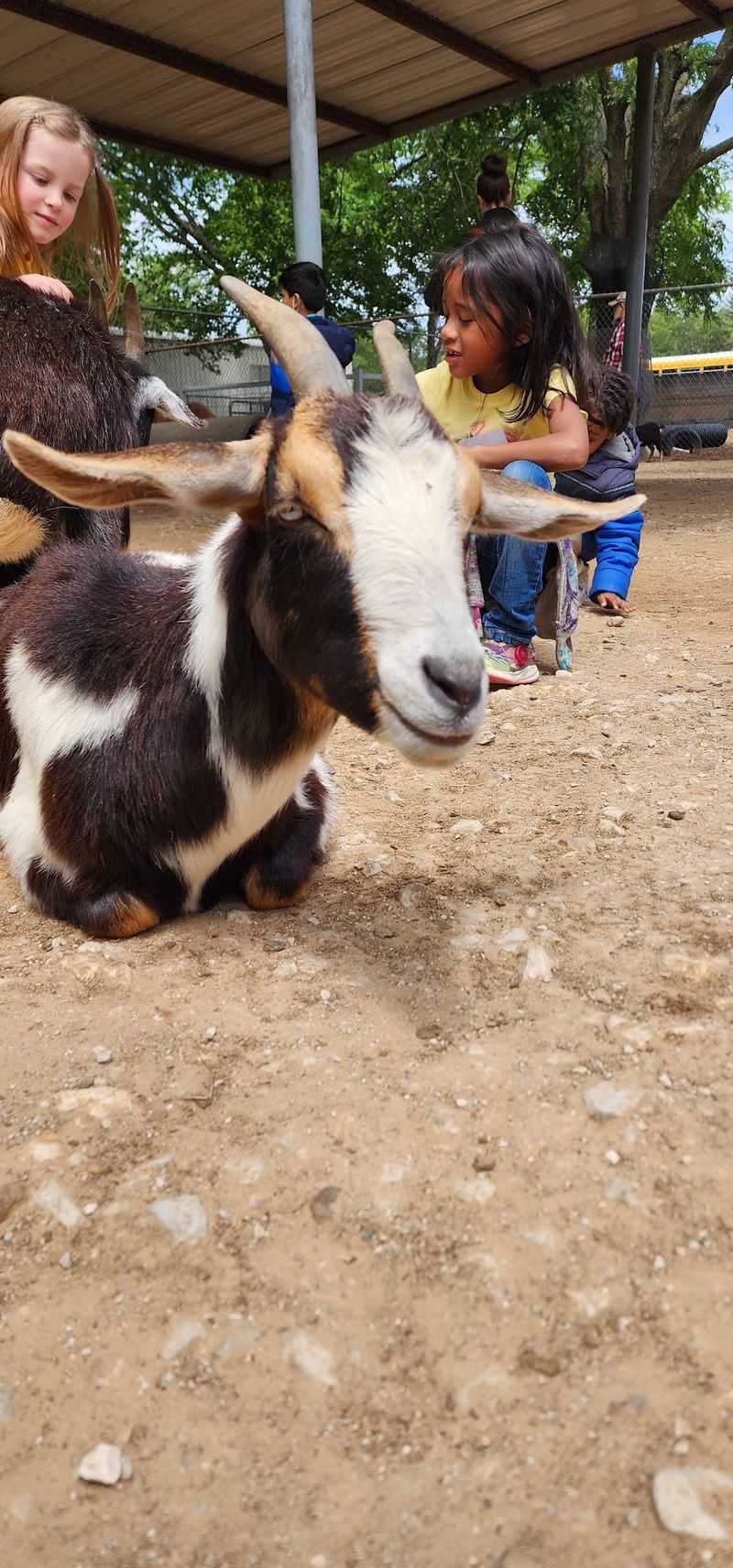
Sharkarosa’s tram offers a relaxing way to cover the 126-acre property while learning about the residents. The open-air ride provides excellent viewing angles and breeze on hot Texas days. A knowledgeable guide points out animals and shares stories that bring the sanctuary’s mission to life.
The tram route winds past enclosures housing animals you might otherwise miss on foot. Kangaroos lounging in the shade, emus strutting with prehistoric grace, tortoises moving at their famously unhurried pace. The elevated vantage point lets you see over fences and across distances that walking wouldn’t easily cover.
For families with young children or visitors with mobility concerns, the tram makes the entire park accessible. The pebbled pathways can be challenging for strollers or wheelchairs, so the motorized tour ensures everyone experiences the full range of wildlife. It’s included with certain packages or available as an add-on.
Guides tailor their commentary to their audience, answering questions and highlighting animals based on what excites their passengers. They know which residents are most active at different times and adjust the route accordingly. Their enthusiasm is contagious, turning a simple ride into an engaging educational experience.
The tram also provides context about the nonprofit’s conservation and education goals. You learn how rescued animals found homes here and what daily care involves. This behind-the-scenes perspective deepens appreciation for the work happening beyond what visitors see during casual walks around the property.
5. Cooling Off At The Splash Pad
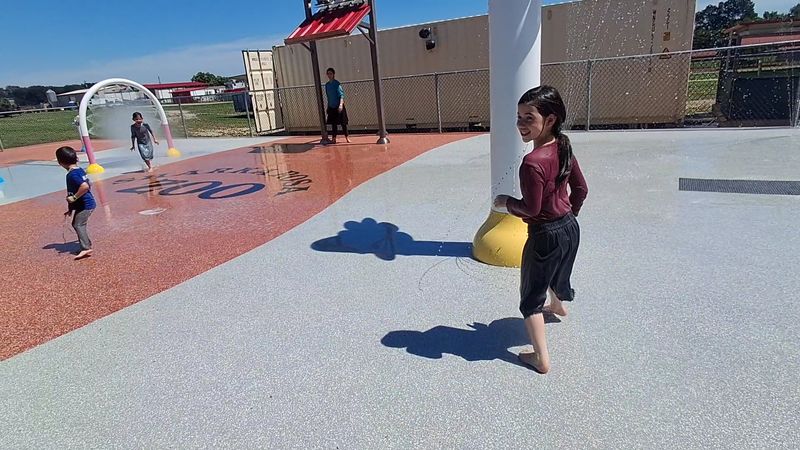
After hours of walking in Texas heat, the splash pad becomes an oasis for overheated families. Kids run through water jets and spray features, their laughter mixing with squeals of delight. Parents appreciate the chance to sit nearby while children burn off remaining energy in the safest possible way.
The splash pad addition elevated Sharkarosa from simple zoo to all-day destination. Multiple reviews mention it made the admission price worthwhile even without considering the animals. For families without neighborhood pools, it provides accessible summer fun combined with wildlife education.
Located near the playground, the splash pad creates a recreation zone where kids can alternate between climbing structures and water play. The gift shop conveniently sells towels and T-shirts for families who didn’t pack swimwear. This thoughtful touch prevents missed opportunities and extends everyone’s enjoyment.
The water features are designed for various ages, from toddlers to older elementary kids. Shallow areas let little ones wade safely while bigger jets challenge older children. Parents wade in too sometimes, cooling their feet and sharing the experience rather than just supervising from benches.
Combining animal encounters with splash pad time creates balanced visits. Kids stay engaged longer when they can switch between educational wildlife observation and active play. The physical layout keeps everything within easy walking distance, so families flow naturally between zones based on energy levels and interest.
6. Up-Close Encounters With Hyenas And Lions
Hyenas don’t get the respect they deserve, but Sharkarosa’s resident changes minds. Visitors discover an intelligent, fascinating animal whose reputation doesn’t match reality. Watching one up close reveals expressions and behaviors that surprise people expecting a villain from animated movies.
The lions command their space with undeniable presence. Their roars carry across the property, visceral reminders of their power. During feeding times, you witness hunting instincts translated to mealtime, muscles bunching and releasing as they consume their food with focused intensity.
What sets these encounters apart is proximity. The enclosures allow clear, unobstructed viewing from safe distances that still feel intimate. You can observe details impossible at larger facilities where animals roam acres away from viewing areas.
Whiskers twitch, ears swivel, eyes track movement with predatory precision.
Staff members share information about each animal’s background and personality during scheduled talks. You learn rescue stories, dietary needs, and enrichment activities that keep these intelligent predators mentally stimulated. The hyena might have quirky habits that make it memorable.
The lions might have surprising gentleness during certain interactions.
These animals represent conservation education at its best. Seeing them face-to-face creates emotional connections that statistics about habitat loss never could. Children ask questions about protecting wild populations.
Adults leave thinking differently about species they previously knew only through stereotypes and misconceptions shaped by popular culture.
7. Exploring The Diverse Animal Collection
Beyond the headliners, Sharkarosa houses an eclectic mix of species that keeps every corner interesting. Capybaras, those internet-famous giant rodents, lounge near water with their characteristically chill demeanor. Kids go crazy recognizing them from videos and memes, suddenly seeing beloved online celebrities in real life.
Binturongs, also called bearcats, intrigue visitors with their prehensile tails and unique appearance. Kangaroos hop in their enclosure, sometimes with joeys peeking from pouches. An alligator basks motionless, looking like a prehistoric sculpture until it suddenly moves.
Emus strut with attitude, their dinosaur ancestry evident in every step.
The variety means something catches every visitor’s interest. Animal lovers appreciate seeing species rarely featured at mainstream zoos. The collection represents careful curation, balancing popular animals with educational opportunities about lesser-known species.
Each resident has a story about how they arrived at the sanctuary.
Monkeys chatter and swing, entertaining crowds with acrobatic displays. A macaw mimics sounds and even laughs on command, delighting everyone within earshot. These personality-filled moments create unexpected highlights that visitors mention in reviews alongside the planned attractions.
The diversity also serves educational purposes. Comparing adaptations across species teaches biological concepts without feeling like a classroom. Why does the camel have humps while the kangaroo has a pouch?
How do alligators differ from crocodiles? Staff members and signage answer these questions, turning curiosity into learning opportunities that stick with kids long after the visit ends.
8. Planning Your Visit And What To Expect
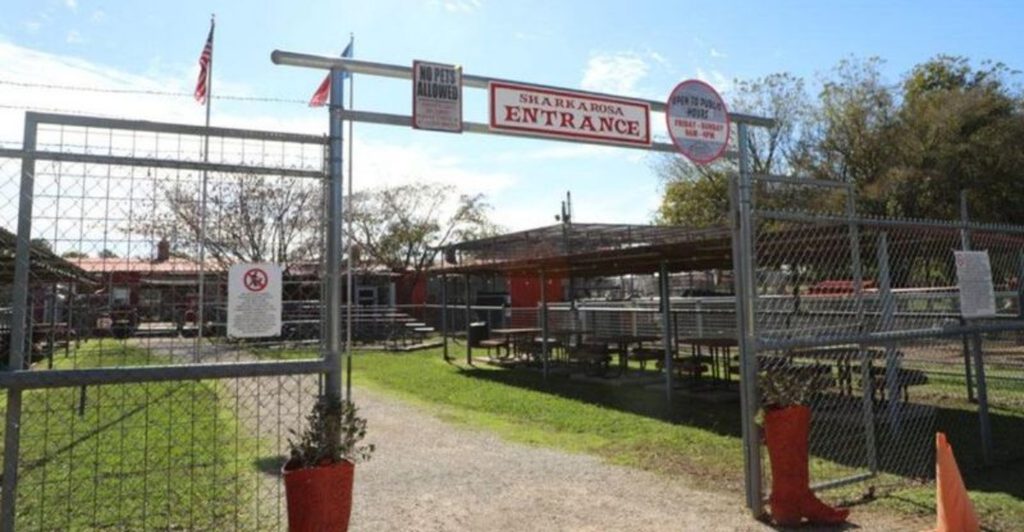
Sharkarosa operates Friday through Sunday from 9 AM to 4 PM, closed weekdays. This limited schedule concentrates visitors on weekends, creating lively energy but also meaning advance planning matters. Arriving early gives you the full day to explore before the 4 PM closing time.
Admission packages bundle entry with parking and feed bags, saving money compared to buying separately. Parking costs five dollars, feed bags run about ten dollars for four, and ticket prices vary by age. Groupon sometimes offers deals worth checking before purchasing directly.
The ticket booth staff explains options clearly and answers questions patiently.
The grounds are covered in pebbles, making motorized wheelchairs or scooters preferable for mobility-limited visitors. Strollers work but require more effort to push. Hand-washing stations appear throughout the park, essential after feeding animals.
Clear signage indicates which animals accept food and which prefer observation only.
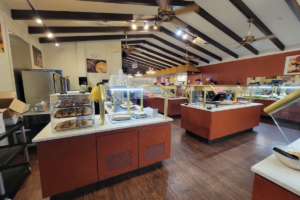
An air-conditioned cafeteria provides relief from heat along with snacks and drinks. The attached gift shop sells souvenirs ranging from stuffed animals to T-shirts and magnets. These aren’t just tourist traps but meaningful mementos, especially for children who bonded with specific animals during their visit.
Plan about two hours minimum, though many families stay longer. Private tours offer enhanced experiences with dedicated guides sharing deeper knowledge. These book up quickly, so reserving two weeks ahead is smart.
The intimate size means you can see everything without exhausting young children, yet there’s enough variety to keep everyone engaged throughout your stay.
Share this story