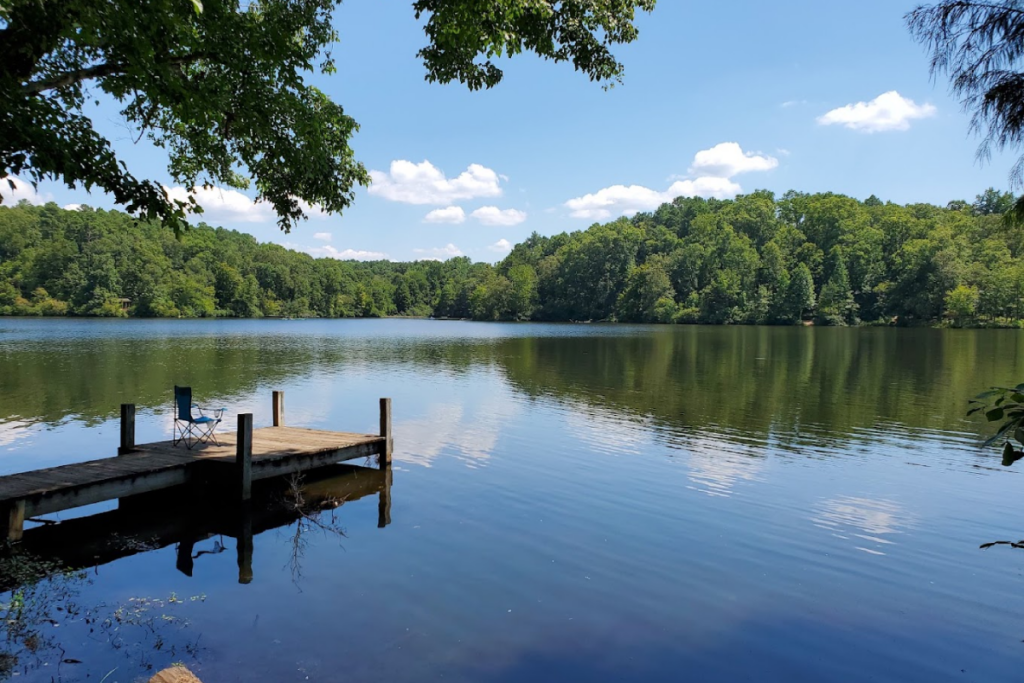
Tennessee offers some of the most beautiful outdoor spaces in the country, from misty mountain trails to serene lakeshores. But along with breathtaking views and fresh air comes a tiny hitchhiker you need to know about: ticks.
These small pests thrive in wooded areas, tall grasses, and brushy spots where hikers, campers, and nature lovers spend their time. Knowing where ticks are most common helps you stay protected so you can enjoy Tennessee’s natural wonders without worry.
1. Great Smoky Mountains National Park
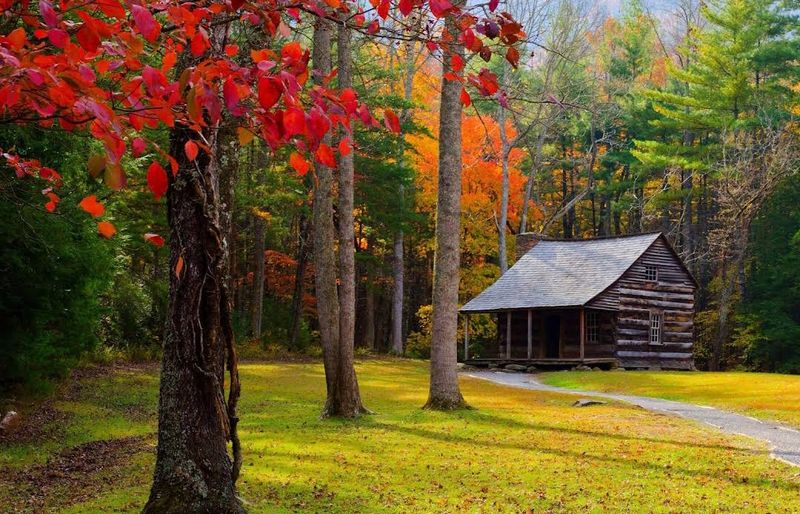
More than 12 million visitors explore the Smokies each year, making it America’s most-visited national park. With over 800 miles of trails winding through dense forests and grassy balds, the park creates perfect conditions for ticks to thrive.
Black-legged ticks and lone star ticks call these woods home, waiting in leaf litter and along trail edges.
Peak tick season runs from April through September, but you can encounter them any time temperatures climb above freezing. The park’s humid climate and abundant wildlife provide ideal breeding grounds.
Deer, mice, and other mammals carry ticks throughout the backcountry, dropping them along popular paths like Laurel Falls and Alum Cave.
Wearing long pants tucked into socks might feel awkward, but it creates a barrier ticks can’t easily cross. Light-colored clothing helps you spot these dark specks before they latch on.
Apply insect repellent containing DEET or permethrin to exposed skin and clothing before hitting the trails.
Stick to the center of maintained trails rather than brushing against vegetation where ticks wait. After your hike, do a thorough tick check on yourself, your kids, and your pets.
Pay special attention to warm, hidden spots like behind knees, under arms, and along the hairline.
Shower within two hours of returning from your adventure if possible. This washes off unattached ticks and gives you another chance to spot any that might have hitched a ride.
Toss your clothes in the dryer on high heat for ten minutes to kill any stragglers.
The Smokies reward visitors with stunning waterfalls, wildlife sightings, and mountain vistas that take your breath away. A little preparation keeps tick worries from spoiling your outdoor fun.
Pack your repellent, dress smart, and check carefully afterward so you can focus on making memories in these ancient mountains.
2. Big South Fork National River & Recreation Area, Oneida
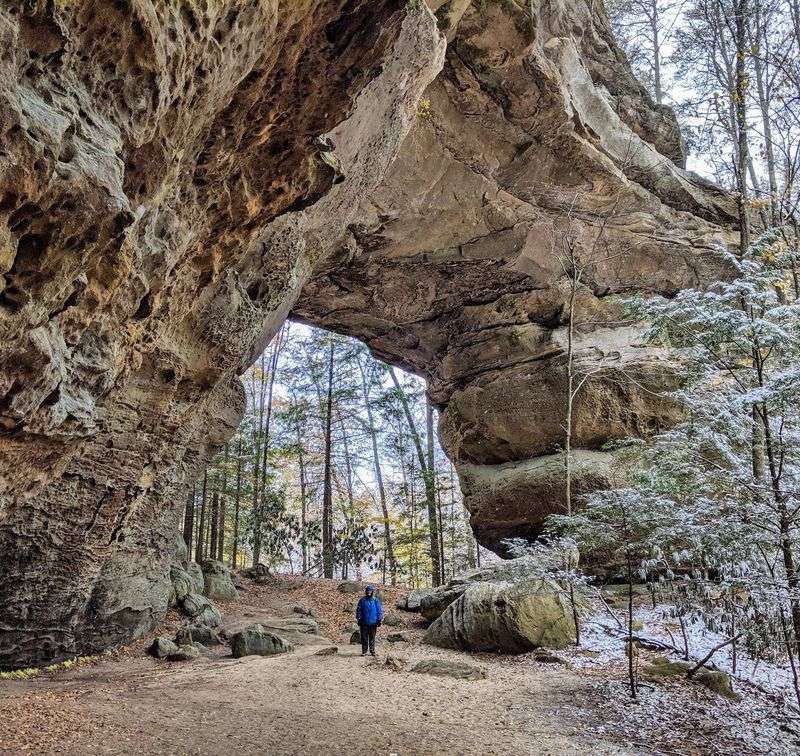
Carved by water over millions of years, Big South Fork showcases dramatic sandstone bluffs, natural arches, and rushing rapids. The 125,000-acre preserve straddles the Tennessee-Kentucky border, offering endless opportunities for hiking, horseback riding, and paddling.
Unfortunately, all that wilderness also means plenty of tick habitat.
The mixed hardwood forests and riverside vegetation create humid microclimates where ticks flourish. American dog ticks and lone star ticks are particularly common here.
They congregate in shaded areas along the riverbanks and wooded trails that wind through the gorge.
Horseback riders face extra tick exposure since trails often pass through tall grasses and brush. Ticks can latch onto both horse and rider during a backcountry adventure.
Check your mount’s legs, belly, and mane after rides, and don’t forget to inspect your own body thoroughly.
River enthusiasts shouldn’t assume water activities keep them safe from ticks. These pests wait in vegetation along put-in and take-out points.
They can drop from overhanging branches or climb aboard when you rest on grassy riverbanks during lunch breaks.
Treat your outdoor gear with permethrin-based products before your trip. This insecticide binds to fabric and remains effective through several washings.
Spray boots, pants, backpacks, and even camp chairs for added protection that lasts weeks.
Popular spots like Twin Arches and Yahoo Falls attract crowds during spring and fall, but that doesn’t mean fewer ticks. Actually, disturbed vegetation along heavily-used trails can stir up tick activity.
Stay vigilant regardless of how many other hikers you encounter.
Camping overnight increases your exposure time, so establish your tent in cleared areas away from tall grass and leaf piles. Keep food stored properly to avoid attracting rodents that carry ticks into your campsite.
Morning and evening tick checks should become part of your routine, just like brushing your teeth.
3. Cumberland Mountain State Park, Crossville
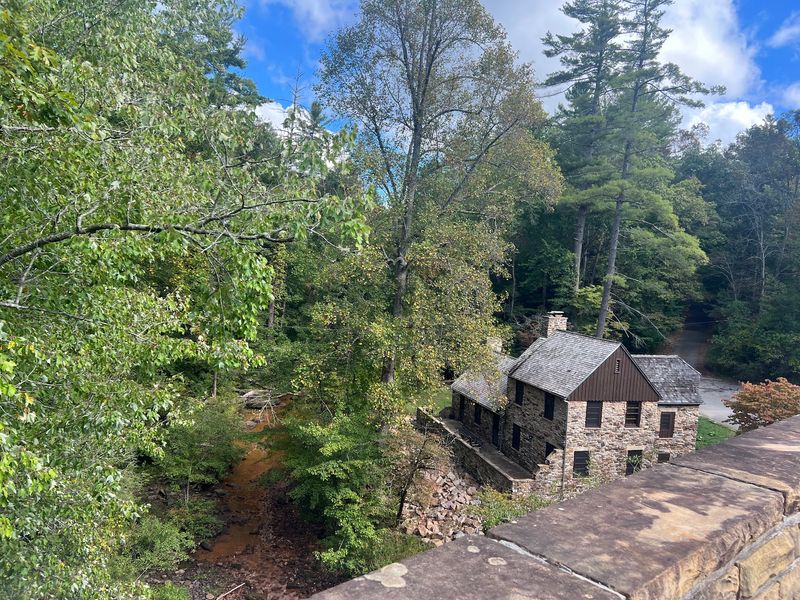
Perched atop the Cumberland Plateau, this 1,720-acre park was built by the Civilian Conservation Corps during the 1930s. Stone structures and a beautiful 50-acre lake give the park historic charm.
The surrounding oak-hickory forest provides exactly the kind of environment where ticks wait for their next meal.
Cumberland Mountain’s moderate elevation doesn’t protect visitors from tick encounters. In fact, the park’s diverse habitats, from lakeshores to dense woodlands, support multiple tick species.
Warm months bring out American dog ticks, while lone star ticks remain active well into autumn.
Families flock here for fishing, paddleboating, and picnicking near Byrd Lake. Kids playing along the shoreline or exploring the woods near picnic areas can easily pick up ticks.
Parents should dress children in protective clothing and check them frequently, especially after they’ve been sitting on the ground or climbing on logs.
The park’s trail system includes easy walks and more challenging hikes through mature forest. Leaf litter accumulates along these paths, creating perfect hiding spots for ticks.
Even short nature walks require the same precautions as longer backcountry treks.
Golfers using the park’s course might not think about tick prevention, but rough areas and wooded edges harbor these pests. A ball landing in tall grass means venturing into tick territory.
Spray your shoes and lower legs before teeing off.
The historic inn and cabins offer comfortable lodging, but don’t let indoor accommodations make you complacent. Ticks can hitch rides on clothing, gear, or pets and end up inside your rental.
Inspect everything before bringing it indoors, and never toss potentially tick-infested clothes on beds or furniture.
Spring wildflower walks are popular here, drawing nature photographers and plant enthusiasts into dense undergrowth. Beauty shouldn’t distract you from tick awareness.
Carry a small mirror or use your phone camera to check hard-to-see body parts during mid-hike breaks.
4. Fall Creek Falls State Park, Spencer
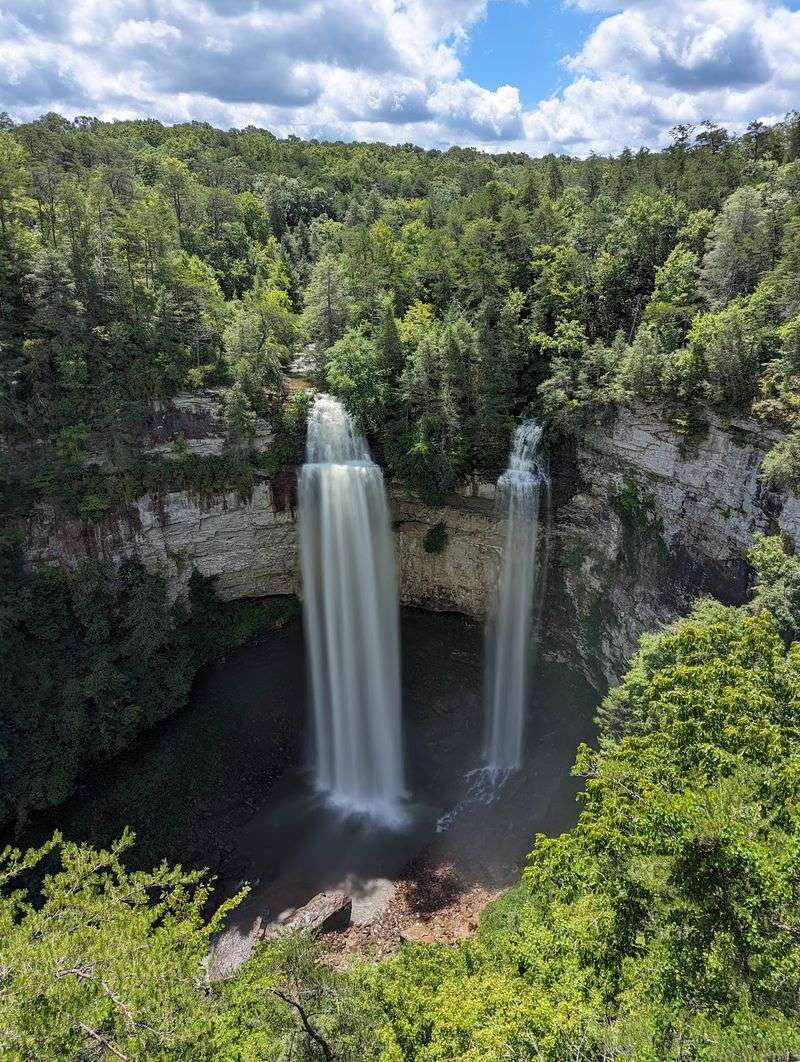
Waterfalls steal the show at Tennessee’s largest state park, where Fall Creek plunges 256 feet into a misty gorge. With over 56 miles of trails exploring 26,000 acres, this natural playground attracts waterfall chasers, mountain bikers, and families year-round.
All that gorgeous scenery comes with a catch: ticks love it here too.
The park’s gorges create cool, humid conditions that ticks find irresistible. Heavy forest canopy keeps the ground moist and shaded.
Fallen leaves, rotting logs, and thick undergrowth provide endless hiding spots where ticks wait for passing hikers.
Popular trails to Cane Creek Falls and Piney Falls see heavy foot traffic, but that doesn’t discourage ticks. In fact, the constant parade of potential hosts keeps tick populations thriving.
Don’t assume well-maintained trails are tick-free zones.
Mountain bikers face unique challenges since their speed and low position bring them closer to vegetation. Ticks can easily transfer from brush to legs, arms, or bike gear.
Treat your helmet, gloves, and riding clothes with permethrin, and inspect your bike frame after rides through wooded sections.
The park’s campground and cabins sit in forested areas where ticks are active. Before setting up camp, clear any leaf litter from around your tent site.
Keep camping gear off the ground using tables, hooks, or storage bins rather than piling everything on the forest floor.
Swimming at the pool or lake might seem like a tick-free activity, but the walk from parking areas to water often passes through grassy fields. Ticks wait in these transition zones between forest and open space.
Stay on paved or graveled paths when possible.
Fall foliage draws huge crowds in October, and ticks remain active during these cooler months. Don’t let autumn temperatures fool you into skipping precautions.
Pack repellent even for quick photo stops at overlooks, and always check yourself before getting back in the car for the drive home.
5. Montgomery Bell State Park, Burns
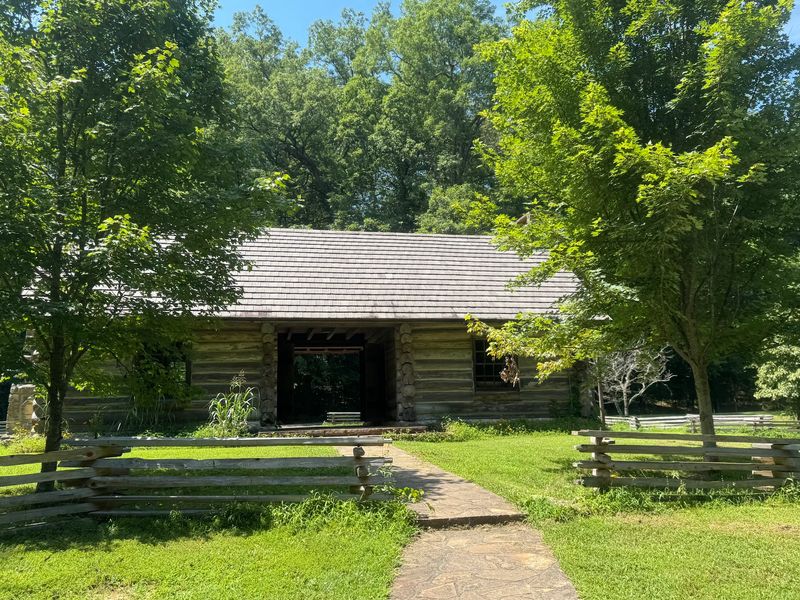
Just 40 miles west of Nashville, Montgomery Bell offers a quick escape into nature without the long drive. The park’s 3,850 acres include three lakes, miles of trails, and remnants of 19th-century iron ore operations.
Proximity to the city doesn’t mean fewer ticks; if anything, the park’s popularity increases encounters.
White-tailed deer roam freely through Montgomery Bell, and where deer go, ticks follow. These animals serve as primary hosts for adult ticks, which drop off in areas deer frequent.
Trails near water sources and feeding areas see especially high tick populations.
The park’s golf course attracts players who might not consider themselves at risk for tick bites. Wooded roughs, creek crossings, and shaded cart paths all harbor ticks.
Golfers should treat their shoes and socks with repellent, especially during early morning rounds when dew keeps ticks active at ground level.
Hall Lake, Acorn Lake, and Creech Hollow Lake provide fishing opportunities that bring anglers into contact with shoreline vegetation. Ticks climb onto tall grasses and low branches near water, waiting to grab onto anyone walking past.
Keep your fishing gear treated and avoid sitting directly on the ground during breaks.
Equestrian trails wind through the park’s backcountry, and horseback riders should take extra precautions. Ticks can attach to horses and then transfer to riders during mounting, dismounting, or grooming. Check your horse’s legs, chest, and under the saddle area after every ride.
Group camps and the conference center host school groups, church retreats, and family reunions. Large gatherings mean lots of people exploring the woods, increasing the chance someone brings ticks back to shared spaces.
Supervise children during outdoor activities and teach them to recognize ticks and report them immediately.
Winter hiking remains popular here even when temperatures drop. Ticks can survive cold snaps and become active again during warm spells.
Any day above 40 degrees might bring ticks out of dormancy, so year-round vigilance makes sense at Montgomery Bell.
6. Natchez Trace State Park, Wildersville
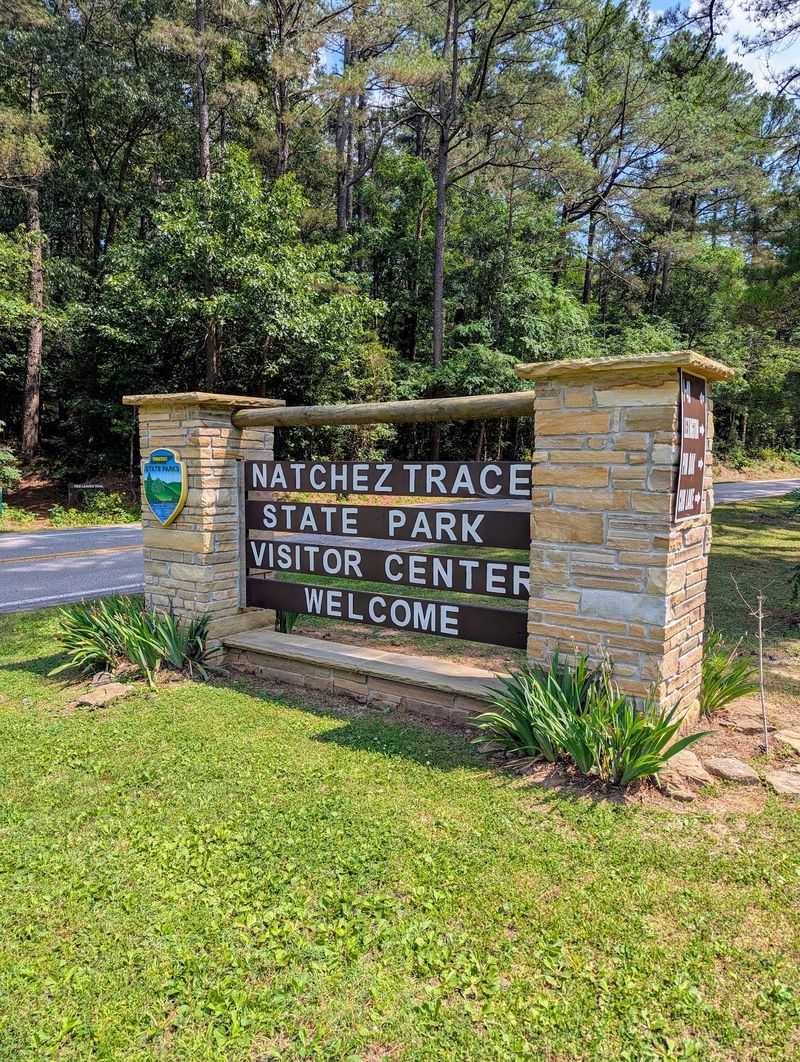
Tucked into West Tennessee’s rolling hills, Natchez Trace State Park sprawls across nearly 14,000 acres of forest and four lakes. The park takes its name from the historic Natchez Trace, an ancient trail used by Native Americans and early settlers.
Modern visitors come for fishing, horseback riding, and exploring miles of backcountry trails where ticks are abundant.
Pin Oak Lodge overlooks Pin Oak Lake, offering comfortable accommodations and easy access to outdoor activities. Guests sometimes assume staying in a lodge means avoiding tick exposure, but walks from your room to the restaurant or nature center pass through tick habitat.
Inspect yourself after even short outdoor excursions.
The park’s extensive equestrian trail system attracts riders from across the region. These trails wind through dense forest and open meadows where ticks thrive.
Both horses and riders need protection, and post-ride grooming should include careful tick checks on your mount’s entire body.
Four lakes mean lots of shoreline fishing spots where vegetation grows thick. Anglers wading through grass to reach their favorite bank-fishing holes expose their legs to ticks.
Wearing knee-high rubber boots provides some protection, but treating your clothing adds another defense layer.
Hunters use the park during designated seasons, and they face prolonged exposure while sitting in tree stands or tracking game through underbrush. Camouflage clothing should be treated with permethrin weeks before hunting season.
Check yourself thoroughly after every hunt, paying special attention to areas where clothing fits tightly.
Wrangler Camp offers primitive camping for equestrian groups, placing riders in remote areas with high tick populations. Camping with horses means more gear to inspect, from saddle blankets to lead ropes.
Establish a routine for checking all equipment, not just yourself and your animals.
Spring wildflower blooms attract nature photographers who venture off-trail for perfect shots. Kneeling in grass or leaning against trees to steady your camera puts you in direct contact with tick habitat.
Bring a small towel or pad to kneel on, and brush yourself off frequently while shooting.
7. Land Between the Lakes, Dover
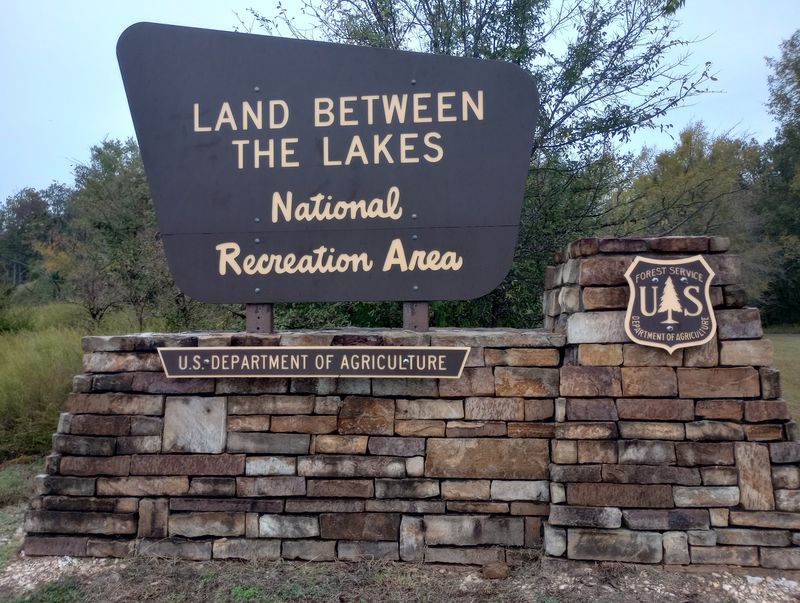
Stretching 40 miles between Kentucky Lake and Lake Barkley, Land Between the Lakes creates a 170,000-acre peninsula of forests, wetlands, and shoreline. This massive recreation area straddles the Tennessee-Kentucky border, offering everything from bison viewing to backcountry camping.
With so much wild space, ticks find countless places to thrive.
The area’s diverse ecosystems support multiple tick species. Wetlands, hardwood forests, and prairie restorations each harbor different tick populations.
Visitors moving between habitats during a single day might encounter several species, each carrying different disease risks.
Elk and bison herds roam the interior, and these large mammals host huge numbers of ticks. Watching wildlife from observation areas keeps you at a safe distance from the animals but doesn’t eliminate tick exposure.
Ticks drop off hosts and wait in grass for new victims, including curious tourists.
Lake access points and boat ramps see heavy use during fishing season. Shoreline vegetation and wooded parking areas create tick hotspots right where people load and unload gear.
Spray your boat ropes, life jackets, and coolers with permethrin to prevent ticks from hitching rides to your favorite fishing spots.
Homeplace 1850s working farm demonstrates historic living, and visitors exploring the property walk through pastures, gardens, and wooded areas. Livestock attract ticks, and farm buildings provide shaded areas where ticks wait.
Enjoy the historical experience but maintain your tick awareness throughout the visit.
The area’s 500 miles of undeveloped shoreline attract paddlers seeking quiet coves and secluded beaches. Landing your kayak or canoe on a remote beach means wading through shoreline vegetation.
Keep your water shoes on and avoid sitting directly on sand or grass during breaks.
Overnight backpackers face the longest exposure to ticks. Multi-day trips require careful planning, including treating all gear before departure.
Hang food bags well away from your sleeping area to avoid attracting rodents that carry ticks. Set up tents on cleared ground rather than in leaf litter or tall grass.
8. Meeman-Shelby Forest State Park, Millington
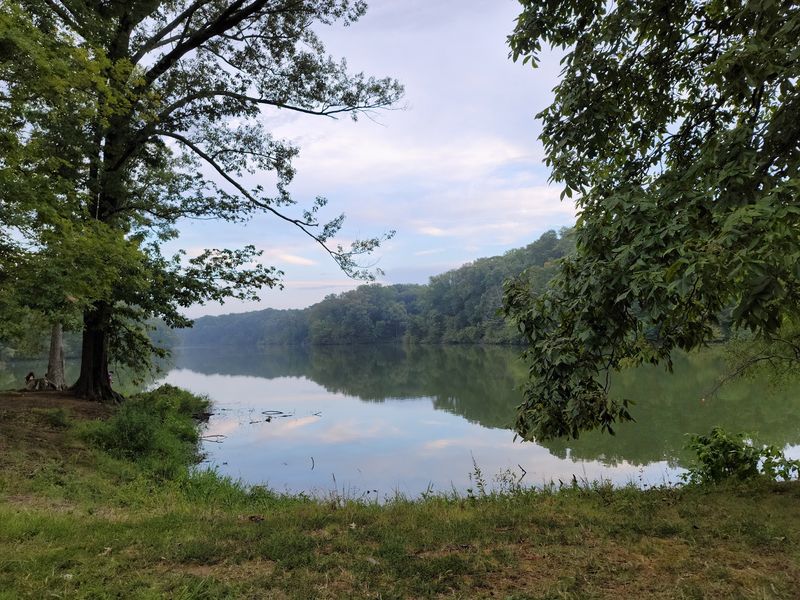
Bottomland hardwood forests meet Mississippi River bluffs at this 13,467-acre park north of Memphis. Ancient trees, oxbow lakes, and diverse wildlife make Meeman-Shelby a natural treasure.
The park’s location in the humid Mississippi River valley creates perfect conditions for ticks to multiply.
Chickasaw Bluff Trail offers spectacular views of the Mississippi River, but the climb passes through dense forest where humidity stays high year-round. Moisture helps ticks survive and remain active longer each year. Even winter visits can result in tick encounters during warm spells.
Poplar Tree Lake attracts anglers and paddlers to its cypress-lined shores. The combination of water, forest, and abundant wildlife creates a tick paradise.
Mosquitoes get most of the attention in these bottomlands, but ticks pose a more serious health threat.
The park’s proximity to Memphis makes it a popular weekend destination for urban residents seeking nature. Day-trippers sometimes arrive unprepared for backcountry hazards, including ticks.
Don’t let the short drive from the city fool you into thinking this is a manicured city park.
Biking trails wind through the forest, and cyclists moving quickly through vegetation can pick up multiple ticks in a single ride. Treat your helmet straps, gloves, and bike shorts with permethrin.
The fabric treatment lasts through several washings and provides protection even when you’re moving fast.
Bird watchers flock here during spring and fall migration, and their focus on the canopy sometimes makes them forget about ground-level threats. Ticks don’t care whether you’re watching a rare warbler or just taking a casual walk.
Maintain your vigilance regardless of your activity.
Camping facilities include modern cabins and primitive sites. Cabin guests might feel insulated from nature, but walks to the bathhouse, playground, or lake pass through tick territory.
Check children carefully after they’ve been playing outdoors, even if they stayed close to the cabin.
Educational programs bring school groups into the forest for hands-on learning. Teachers should include tick awareness in their outdoor education curriculum. Making tick checks part of the field trip routine helps kids develop lifelong habits for safe outdoor recreation.
9. Chickasaw State Park, Henderson
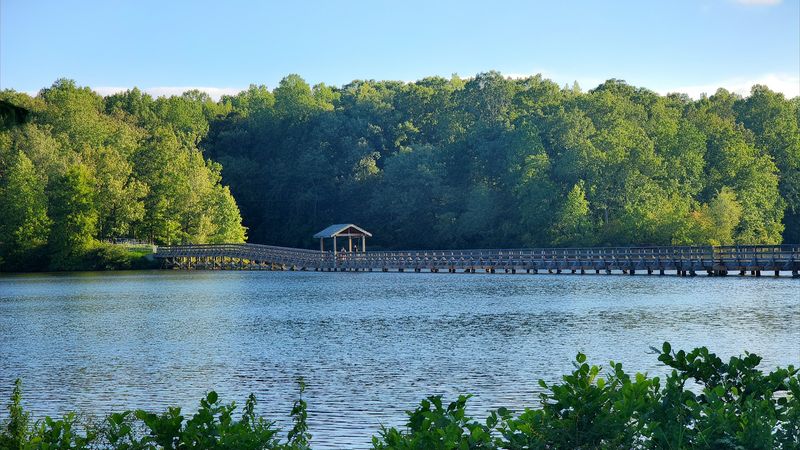
Rolling hills covered in oak-hickory forest surround Lake Placid at Chickasaw State Park in West Tennessee. The 14,384-acre park offers a full-service resort experience alongside backcountry adventures.
Manicured grounds near the lodge give way to wild forests where ticks wait in abundance.
Lake Placid’s 55 acres provide fishing and paddling opportunities, but the wooded shoreline harbors ticks in vegetation. Bank fishermen walking the perimeter to find the perfect spot expose themselves repeatedly.
Boat fishermen aren’t immune either, since ticks can be waiting at the dock or boat ramp.
The park’s disc golf course winds through forest and open areas, creating a varied tick landscape. Players searching for errant discs in the rough venture into prime tick habitat.
Treat your shoes and lower legs before playing, and resist the urge to wade into deep grass after a bad throw.
Chickasaw’s location in the Western Tennessee uplands creates different tick species mixes than East Tennessee parks. Lone star ticks dominate here, and they’re aggressive biters known for approaching hosts actively rather than waiting passively.
Stay alert for ticks crawling up your legs even while standing still.
The park’s conference center hosts weddings, reunions, and business retreats. Guests dressed for formal events might not think about tick prevention, but outdoor photos, garden strolls, and lakeside ceremonies all involve tick exposure.
Keep a lint roller handy to check formal wear before important photos.
Hiking trails range from easy nature walks to challenging backcountry routes. The Lake Trail’s 12-mile loop takes hikers deep into the forest for hours of exposure.
Long hikes require mid-trail tick checks, not just inspections at the trailhead. Stop for water breaks and do a quick scan for hitchhikers.
Archery and shooting ranges attract sportsmen who spend hours in one spot, often near wooded edges. Standing still makes you an easy target for questing ticks climbing nearby vegetation.
Spray a perimeter around your shooting position with repellent, and check yourself between practice sessions.