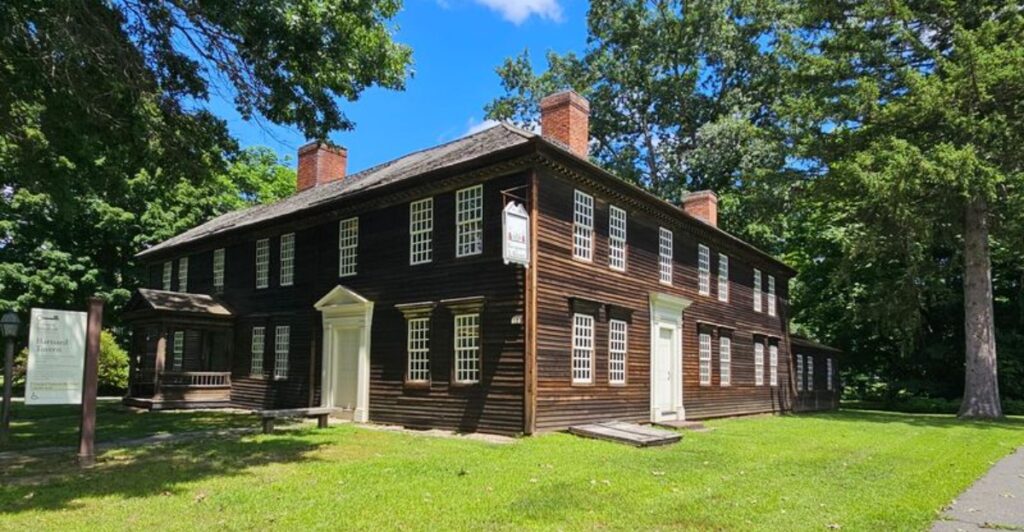
Fall feels a little more immersive when the history is spread across an entire village instead of tucked inside one museum. In western Massachusetts, Historic Deerfield lines Old Main Street with preserved homes, museum collections, and seasonal programs that bring early New England life into sharper focus. The appeal comes from how naturally the day can unfold, with families moving between outdoor walks, historic buildings, and hands-on learning without feeling rushed.
Autumn color only adds to the setting, making the village especially inviting for a slower visit. For anyone looking for a Massachusetts fall outing that mixes history, scenery, and plenty to explore, Historic Deerfield can easily fill the better part of a day.
A Massachusetts Main Street Made for an Autumn Stroll
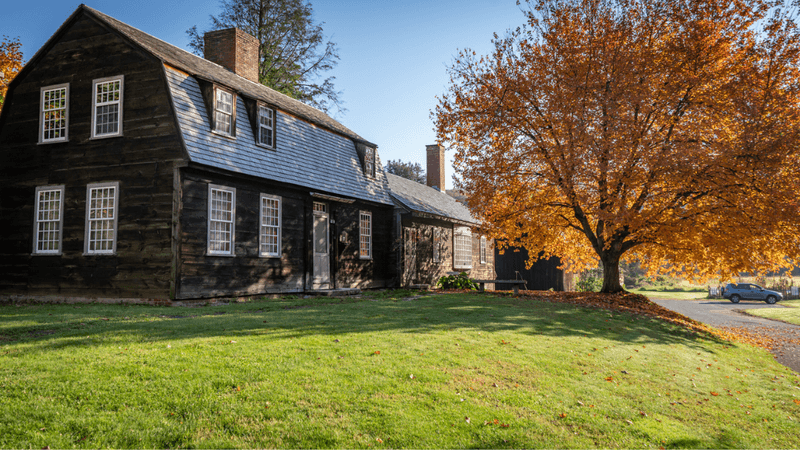
Crunching leaves and old house fronts give your family plenty to notice before the first tour even begins. Historic Deerfield spreads its museum experience along Old Main Street, so the setting becomes part of the visit rather than just the route to an entrance.
Instead of heading straight indoors, take a short orientation walk. Look at the different roof shapes, doorway designs, and window patterns, then let each child choose a house they want to learn more about.
The buildings do not all tell the same story or represent the same moment in time. Preserved, restored, and reconstructed structures help show how a New England community changed across generations, which gives the street more depth than a single frozen scene.
Fall adds color around the architecture, but foliage timing depends on weather and the season. Plan for an interesting village walk first and autumn leaves second, rather than building the whole outing around a promised peak color date.
A simple looking game can keep younger children involved without turning the street into a race. Ask them to spot a chimney, find two different entrances, or compare the size of windows on neighboring buildings.
Remember that this is a historic neighborhood as well as a museum destination. Stay on appropriate routes, avoid stepping into private yards, and do not assume every attractive doorway leads to a public exhibit.
For photographs, keep people safely out of the roadway and leave room for others to pass. A wider view can capture the relationship between the houses and street better than a close photograph of one doorway.
Keep this opening walk brief enough that everyone still has energy for the interiors. Once you have checked the day’s available tours, you can return to favorite viewpoints between scheduled stops, using the street as a natural reset throughout the day.
Step Inside Houses Where Everyday Life Gets Interesting
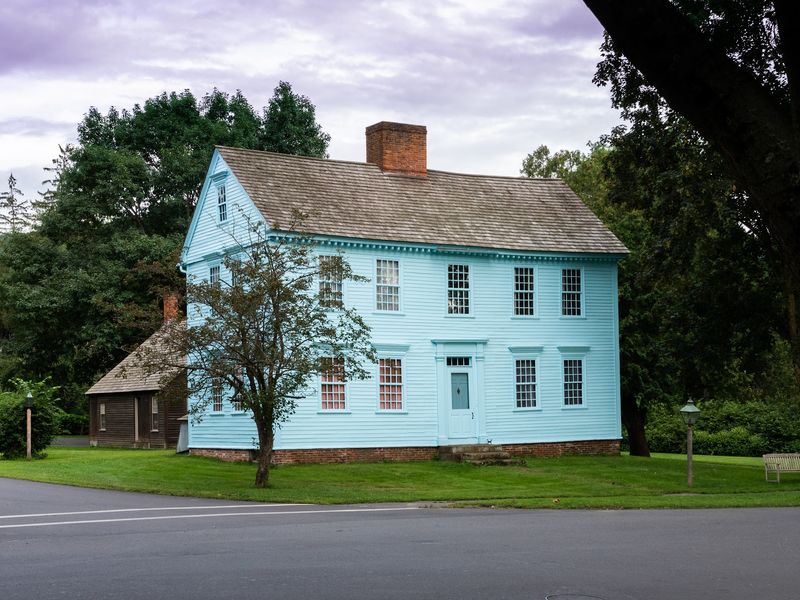
A fireplace becomes much more interesting when you start imagining how many jobs once depended on it. Inside Historic Deerfield’s houses, ordinary needs such as cooking, sleeping, warming rooms, and storing belongings offer an easy doorway into the past.
Guided visits help connect those needs to the rooms and objects in front of you. Rather than treating an interior as a collection of old furniture, ask how a family actually used the space during a busy day.
The Wells-Thorn House is one useful name to keep on your planning list. Its interpretation explores changing domestic life across different periods, giving families a chance to think about how rooms and household choices developed over time.
Other museum buildings bring different stories into view, so avoid expecting every stop to repeat the same setup. Ask staff which available houses provide the clearest contrast, especially if your family has time or patience for only a few interiors.
Children can follow a tour more easily when they have one concrete task. Invite them to locate something used for light, heat, or work, then ask the interpreter how that object compares with its modern replacement.
Adults may find the smaller details equally absorbing. A storage chest, chair, or cooking vessel can open a conversation about cost, comfort, available materials, and the amount of labor hidden inside familiar household routines.
House access and tour formats can change with staffing, preservation work, and seasonal schedules. Confirm the day’s options before promising a particular building, and follow instructions about photography, bags, barriers, and touching objects.
Choose quality over quantity here. Two visits with enough time for questions can teach more than a hurried march through every available doorway, especially when children are still learning how to look closely at a room without handling everything inside it.
Let the Flynt Center Change the Scale
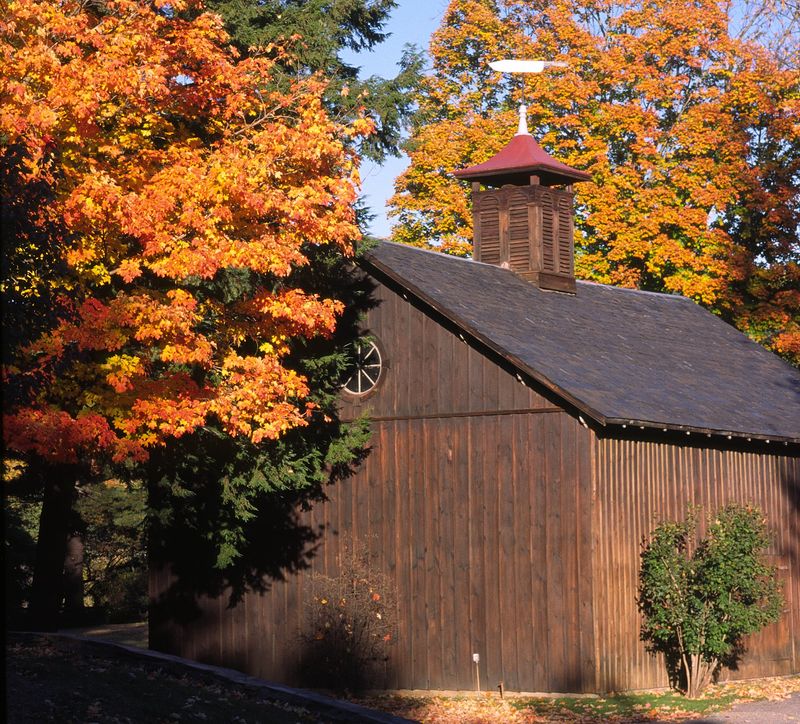
Small objects can carry surprisingly big stories. At the Flynt Center of Early New England Life, your attention shifts from entire houses to the things people made, bought, wore, and used across the region.
This museum building adds a different kind of stop to the day. After walking along the street and following a house tour, a gallery visit lets your family slow down and study details at its own pace.
Historic Deerfield is known for collections that include furniture, textiles, ceramics, and other decorative arts. Exhibits and objects on view can change, so approach the galleries with curiosity rather than a fixed checklist of pieces you expect to find.
Start with one case or display that catches someone’s eye. A patterned fabric or carefully shaped piece of furniture can lead to simple questions about materials, skill, trade, and why certain belongings mattered to their owners.
For younger children, comparing works better than reading every label. Look for two objects with the same purpose, notice their differences, and discuss which one seems easier to make or more comfortable to use.
Older children can take the conversation further by checking dates and materials. An object may look plain at first, yet its construction can reveal patient work and choices that are easy to miss during a quick glance.
The indoor galleries also give your schedule a useful weather backup. If the afternoon turns chilly or damp, you can trade an extended outdoor walk for focused museum time, subject to that day’s opening arrangements.
Keep the visit manageable by choosing a few displays instead of trying to absorb every object. Before moving on, let each family member explain one discovery to the others; that small exchange turns looking into learning without adding a worksheet or making the afternoon resemble another school assignment for everyone.
Watch Old Skills Solve Real Problems
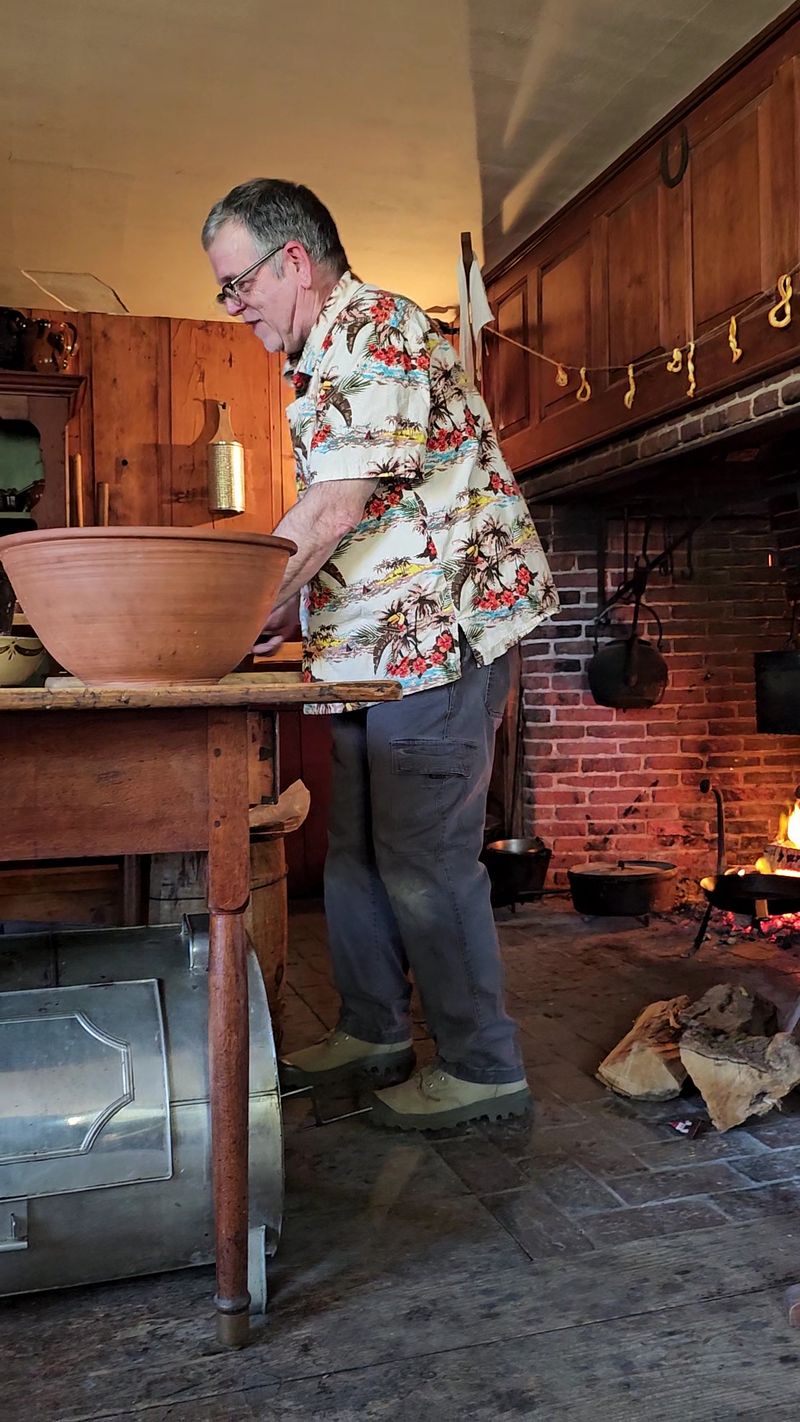
The sound of a tool at work can wake up a tired museum group. When craft or cooking demonstrations are scheduled at Historic Deerfield, history becomes a sequence of actions instead of a finished object behind glass.
Programs may explore skills such as hearth cooking or traditional woodworking, depending on the calendar. Treat these as opportunities to check in advance, not activities guaranteed to happen every day or during every house visit.
A demonstration helps explain the effort behind basic needs. Preparing food, shaping wood, or maintaining a household required knowledge that could not be replaced by pressing a button or picking something up from a store.
Give children a practical question to follow while they watch. How does the worker control heat, hold a material steady, or decide which tool to use next?
Those questions focus attention on choices rather than just costumes or unfamiliar equipment. They also make room for children who enjoy building, cooking, drawing, or figuring out how things function more than memorizing names and dates.
Ask before assuming an activity is hands-on. Some programs invite participation, while others require a viewing distance because tools, heat, fragile materials, or the setting make direct involvement unsuitable.
If a demonstration has a scheduled start, build your surrounding stops around it. Arriving a little early is more useful than appearing halfway through and missing the explanation that makes the work understandable.
No demonstration on your date does not mean the skills disappear from the experience. House interiors and museum objects still provide evidence of making and repairing, and interpreters can help explain the work behind them.
Use the next room or gallery as a follow-up. After watching a craft process, a finished table, cloth, or cooking vessel becomes easier to read because your family now has a clearer picture of the steps involved.
Look Beyond the Front Parlor
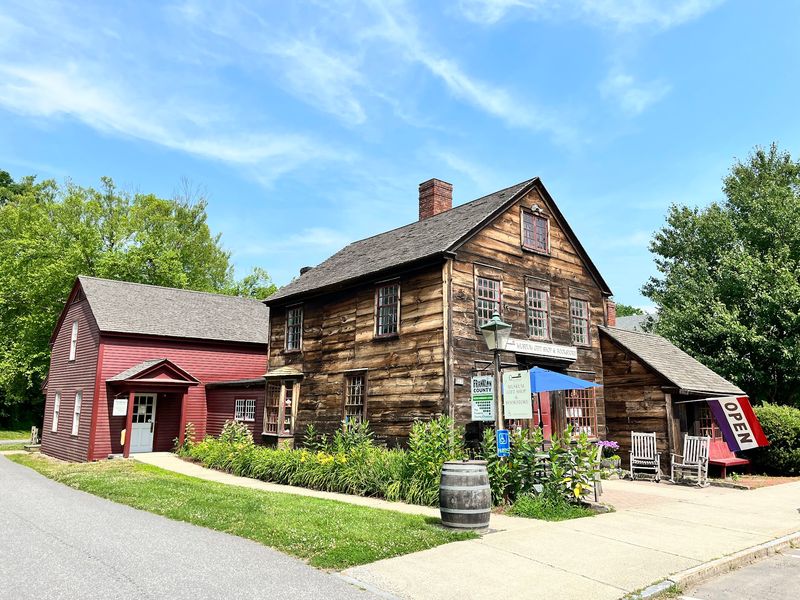
Beautiful rooms tell only part of a community’s history. A fuller visit to Historic Deerfield also asks who worked in those spaces, whose choices shaped the town, and whose lives were recorded less completely.
That includes looking beyond wealthy household owners to laborers, women, children, enslaved people, and Indigenous communities connected to the region. These subjects can bring important context to objects that might otherwise seem merely decorative.
Start with questions grounded in the room you are visiting. Who prepared meals, cleaned clothing, carried fuel, or cared for children, and what evidence helps historians understand those tasks?
An interpreter may explain what is known and where the record remains incomplete. That distinction is useful for children: history depends on surviving evidence, and not every person left the same amount of information behind.
Deerfield’s past also includes conflict, notably the 1704 raid and its lasting effects. If that subject comes up, ask for an explanation suited to your children’s ages rather than turning a complicated event into a simple tale of heroes and villains.
Indigenous history deserves attention beyond a single moment of conflict. Questions about land, community, and continued presence help widen the conversation without expecting one house tour to explain every part of the region’s past.
For families interested in ancestry, names and household connections can be a starting point. Avoid assuming that a familiar surname proves a relationship; careful family research needs records and sources beyond a museum visit.
Leave room for children to think aloud, especially when a subject feels unfair or difficult. You do not need to supply a neat ending to every conversation.
A useful closing question is simply whose perspective you have not heard yet. Carry that question into the next house, where a different object or room may reveal another piece of the larger story unfolding along this street.
Build Breathing Room Into the Adventure
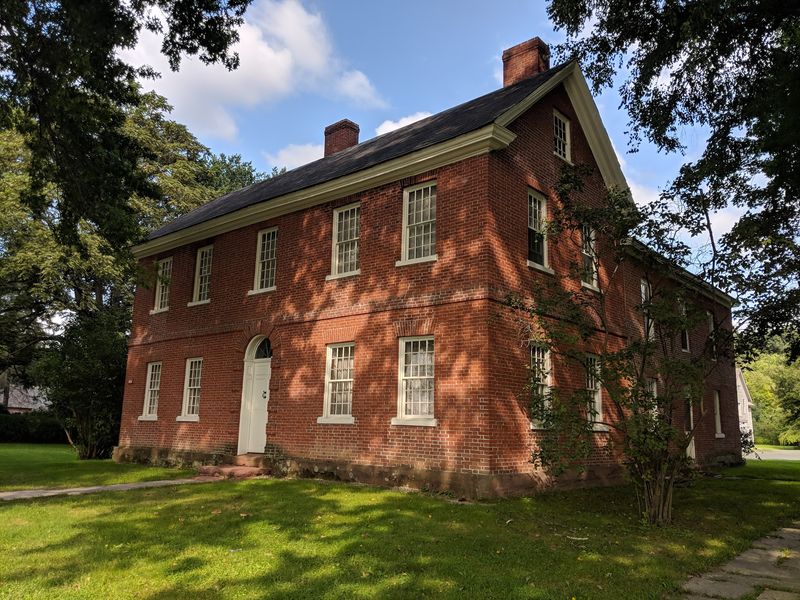
By the third doorway, even eager explorers may need a change of pace. The trick to a satisfying full day at Historic Deerfield is not filling every minute, but alternating attention, movement, food, and rest.
Use the village layout to your advantage. A house tour can be followed by an outdoor stretch, then a gallery stop, rather than several indoor visits stacked together with no chance to reset.
Keep outdoor breaks purposeful but light. Look back at a building you just toured, compare its outside shape with the rooms inside, or simply let everyone walk quietly for a few minutes.
If you want a longer walking route, ask staff about current public options and conditions. Do not assume that an inviting grassy path, nearby farm area, or open gate is part of museum access.
Food deserves a place in the plan before anyone gets hungry. Confirm what dining or refreshment options are available during your visit, and check whether reservations or a particular serving schedule could affect your midday break.
Bringing water and a suitable snack can help, but ask where eating is permitted. Historic interiors and galleries need protection, so save food and drinks for approved areas rather than carrying them through exhibits.
Make the museum shop a deliberate stop instead of an automatic distraction at the beginning. Toward the end of the visit, a book or thoughtfully chosen keepsake can connect to something your child actually learned.
For mixed ages, allow different goals within the same outing. One person might care most about textiles, another about buildings, and another about how people cooked before modern appliances.
Agree on a few shared stops, then keep the remaining time flexible. A family day runs more smoothly when the schedule can absorb a longer conversation, a bathroom break, or the sudden discovery that someone needs lunch sooner.
Turn a Short Stop Into a Well-Planned Full Day
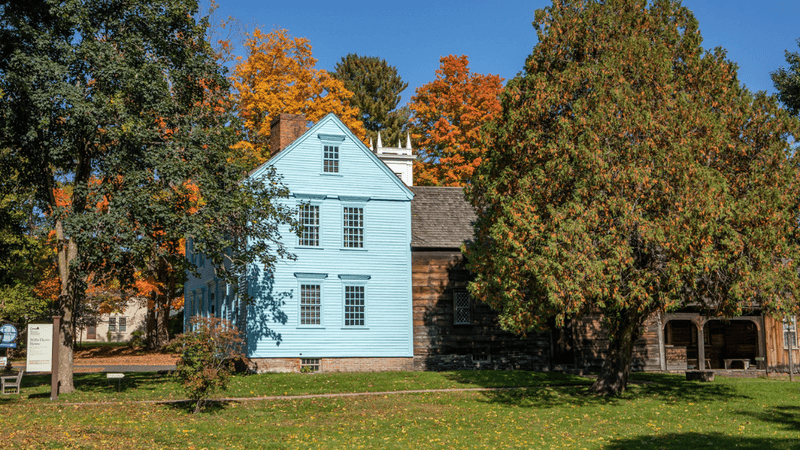
A little scheduling saves a lot of backtracking. Begin your Historic Deerfield visit by checking admission, the day’s open buildings, tour times, and any special programs before choosing where to walk first.
The listed address is 80 Old Main St, Deerfield, MA 01342. Use that as your arrival reference, then follow current directions for parking and visitor check-in rather than assuming every museum building serves as an entrance.
The supplied operating schedule lists Wednesday through Sunday, 9:30 a.m. to 4:30 p.m., with Monday and Tuesday closed. Seasonal changes, holidays, and individual building schedules can affect access, so confirm current arrangements before traveling.
Arriving near opening gives you more room to fit guided visits around breaks. It also lets staff explain the day’s choices before your family has already walked past a building you hoped to enter.
Choose two or three priorities, then leave space for discoveries. A workable sequence could include an orientation walk, a house tour, a museum visit, lunch, and another available tour or program.
Check current admission prices and what your ticket covers. Older prices or past tour descriptions may not match today’s arrangements, especially when special events or changing programs are involved.
Wear shoes suited to walking between buildings and bring layers for cool mornings. Rain protection is useful because moving between indoor stops still means spending time outside.
If anyone uses a mobility aid or stroller, ask about routes and building access ahead of time. Historic structures can present different challenges, and specific advice is more useful than assuming every entrance works the same way.
Finish with a little time left rather than racing toward closing. Historic Deerfield rewards a day shaped around its actual offerings: houses for close looking, collections for discovery, and a village street that gives your family room to move between them at a comfortable, unhurried pace.