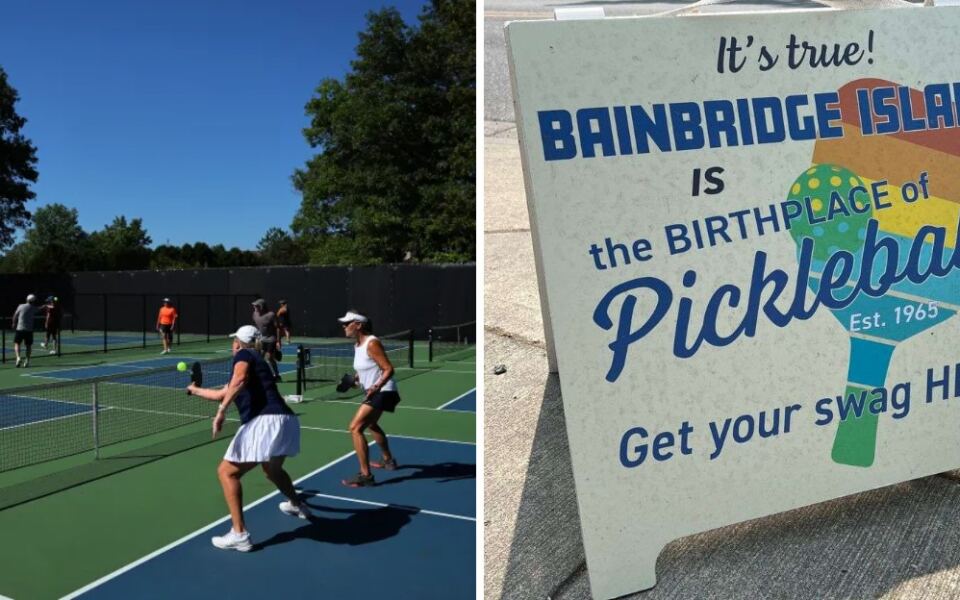
The badminton court was ready. The shuttlecock was missing.
So a state legislator and a group of bored kids tried paddles and a plastic ball with holes, working out the rules as they played.
That improvised afternoon in 1965 became pickleball. It’s a wonderfully ordinary beginning for a game that would eventually need courts, equipment makers, and room for far more players than one family could supply.
As interest spread, a small company began making the gear and stayed with it for decades. That part of the story is easy to overlook.
Someone had to turn a backyard solution into paddles people could buy.
By 2022, the game had become its home state’s official sport. I like the distance between those two moments, a missing shuttlecock one summer and a place in state law years later.
Between them is the story of the people who kept this unlikely game going.
The Company That Turned a Family Fix Into a Real Business
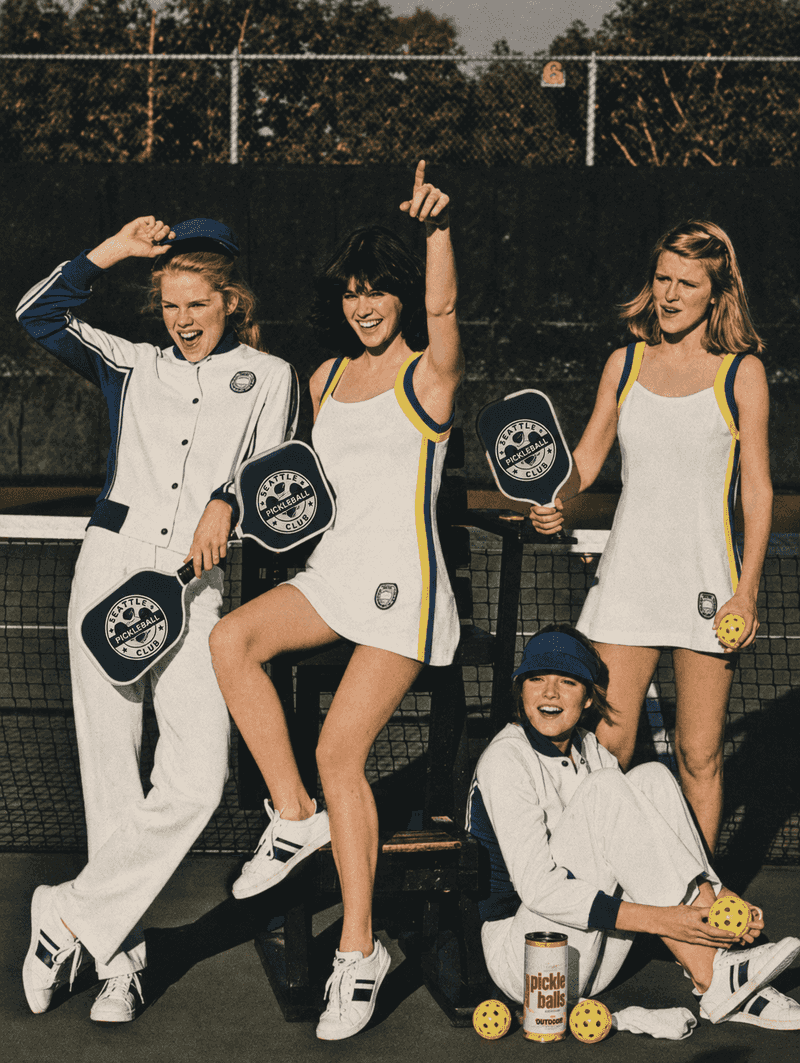
Plenty of backyard games fade away after one summer. Pickleball stuck around, and Pickle-Ball, Inc. is a big reason why.
The company formed in 1972 in Seattle, Washington. Its goal was simple: protect the young sport and supply the gear people needed to play it.
Before that, players often cut their own paddles from plywood. That works fine for one family, but it gets tricky when a whole neighborhood wants in.
Barney McCallum, one of the game’s three original creators, helped lead the business side. He believed the sport could grow far beyond a single court on Bainbridge Island.
Having a real company behind the game gave it a sense of order. Paddles became more consistent, and new players could actually buy equipment instead of building it.
I like that the business grew straight from the people who invented the sport. Nobody swooped in from far away to cash in on a trend.
That homegrown root matters when you think about the game’s later fame. A small Seattle shop helped carry pickleball from a quirky family pastime toward the national spotlight.
It All Started Because the Kids Were Bored on Bainbridge Island
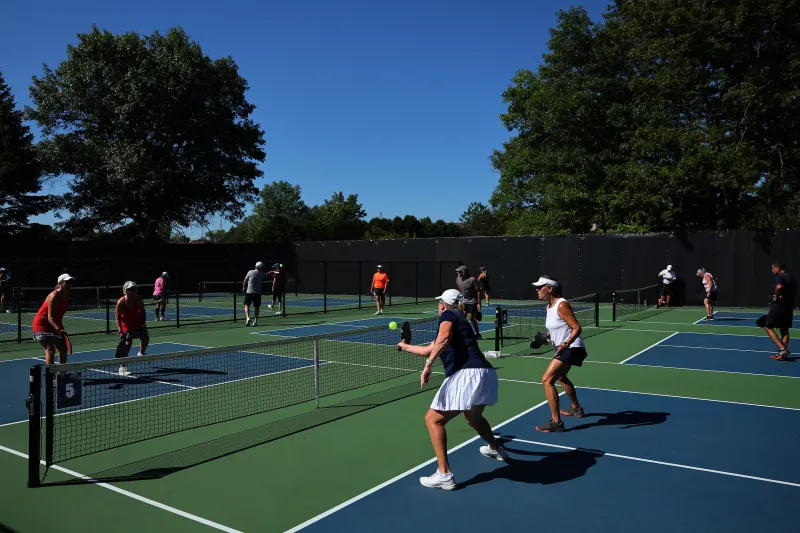
Summer boredom is a powerful force. In 1965, it pushed a family on Bainbridge Island to invent something brand new.
Joel Pritchard, then a Washington state legislator, came home with friend Bill Bell to find the kids restless. The family had a badminton court, but nobody could find a full set of equipment.
So the dads improvised with table tennis paddles and a perforated plastic ball. They lowered the net and started tweaking the rules on the spot.
Soon after, Barney McCallum joined the fun and helped shape the game. The three men are now credited as pickleball’s founders.
Honestly, I can’t imagine a more relatable origin story. Every parent has faced a summer afternoon with cranky kids and nothing to do.
The early rules aimed to keep things fair for everyone. Grown-ups couldn’t simply overpower children, which made the game feel welcoming from day one.
That spirit still shows up in modern play. Families, retirees, and teens can share a court and actually enjoy themselves together, all thanks to one creative afternoon that refused to stay boring.
Yes, Everyone Wants to Know Where That Funny Name Came From
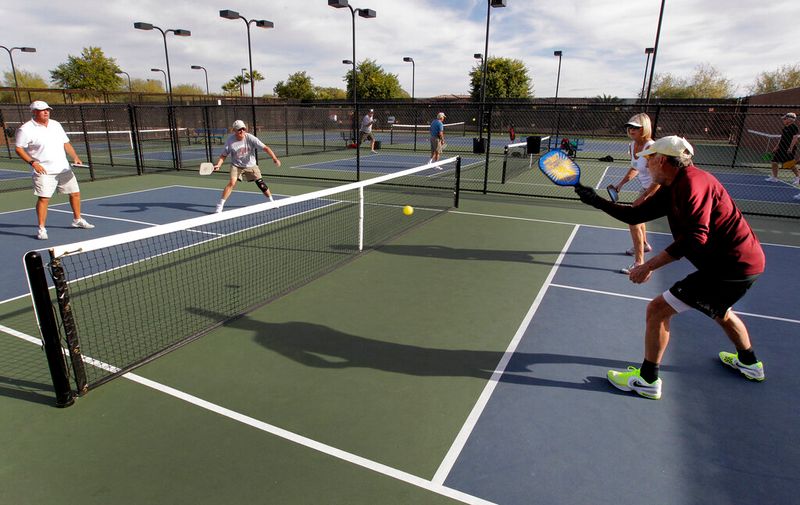
Two stories compete for the title of official name origin. Both are charming, and the debate has gone on for years.
One version points to Pickles, the Pritchard family dog. The tale says the pup loved chasing the ball and running off with it.
The other version comes from Joan Pritchard, Joel’s wife. She said the game reminded her of a pickle boat in rowing, where leftover rowers get thrown together.
That second story fits the game pretty well. Pickleball itself was built from leftover pieces of other sports like badminton, tennis, and table tennis.
Family members have said the dog actually arrived after the game was named. Still, plenty of fans prefer the doggy version because, well, it involves a dog.
Which one do you believe? There’s no wrong answer at a dinner table, but the pickle boat idea carries strong family support.
Either way, the quirky name helped the sport stand out. People hear the word pickleball and smile before they ever pick up a paddle, which is free marketing any business would love.
Ballard Holds a Place in Pickleball’s Early Business Story
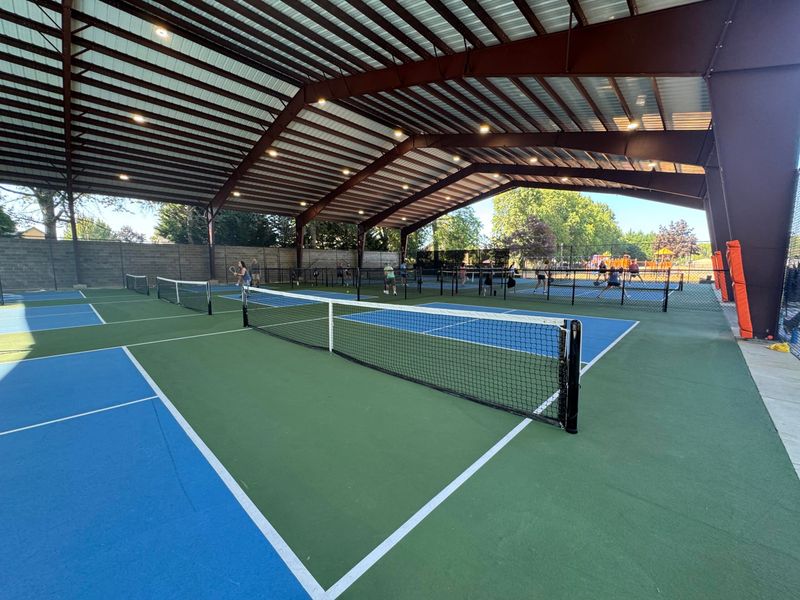
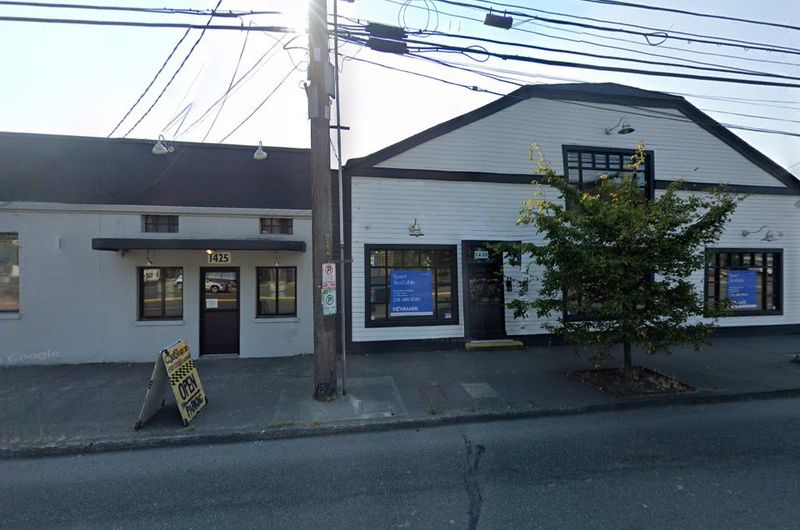
Ballard is a Seattle neighborhood with deep maritime roots and a connection to pickleball’s early equipment business. Pickle-Ball, Inc. once listed an address here, but PickleballCentral acquired it in 2016 and relocated operations to Kent.
The former Ballard address was a business location, not a public play center. The company’s operations have since moved to Kent.
That doesn’t make it less interesting. For fans of the sport, knowing where the business side grew up adds a fun layer to the history.
Ballard itself rewards a stroll. The neighborhood is known for the Ballard Locks, the Nordic Museum, and plenty of shops and cafes.
I like the idea of a pickleball history lover pairing a neighborhood walk with a little sport trivia. It turns an ordinary Seattle afternoon into a tiny pilgrimage.
The former business address is not a confirmed visitor attraction. For a stop centered on the sport, choose one of Seattle’s public pickleball courts.
Those Paddles and Balls Had to Come From Somewhere
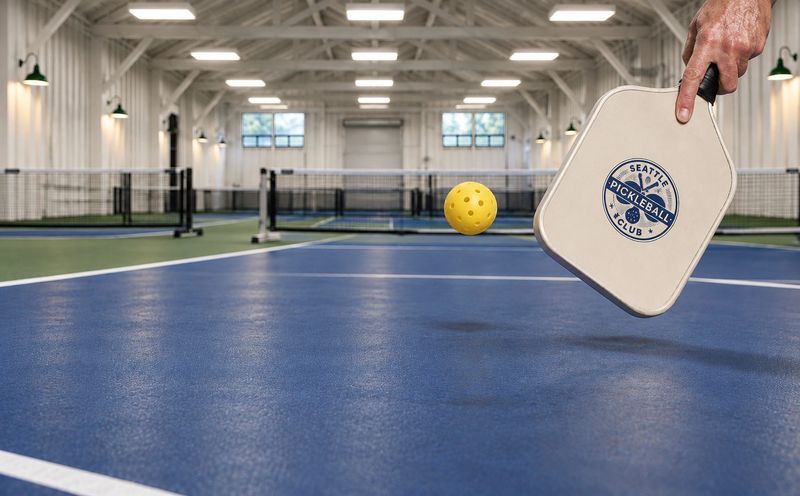
Homemade plywood paddles did the job in the early days. They were heavy, though, and every set looked a little different.
Pickle-Ball, Inc. helped bring order to that chaos. The company focused on making paddles and balls designed specifically for the game.
The ball is a key part of pickleball’s personality. It’s a light plastic ball covered in holes, which slows it down compared to a tennis ball.
That slower speed changes everything. Rallies last longer, beginners keep up more easily, and players need less raw power to compete.
Paddles are solid, with no strings like tennis rackets. They’re bigger than table tennis paddles, giving new players a friendlier hitting surface.
Picking the right gear for yourself? Start with a paddle that feels comfortable in your hand and isn’t too heavy for long games.
Many beginners also borrow equipment before buying anything. Community centers and friends often have spares, so you can test a few paddles first.
Gear today comes from many brands. Still, the push for consistent, purpose-made equipment traces back to early makers like this small Seattle company.
The Rules Are Simple Enough to Learn Before Your Snack Gets Cold
Good news for anyone who dreads complicated sports. Pickleball’s basic rules fit on a single page.
The court matches the size of a doubles badminton court. That compact space keeps players close and conversation flowing.
Serves go underhand and diagonally across the court. That alone makes the game less intimidating than tennis.
Then comes the double-bounce rule. Each side must let the ball bounce once before players can start hitting it out of the air.
Every court also has a non-volley zone near the net. Players lovingly call it the kitchen, and you can’t volley while standing inside it.
Why does that matter? It stops tall, strong players from camping at the net and smashing every shot.
Those early design choices came from the founders’ goal of fair family play. Kids and adults could compete without one side having a huge advantage.
My tip for newcomers: learn the kitchen rule first. Most beginner mistakes happen right there, and fixing that one habit makes games far smoother for everyone on the court.
Washington Lawmakers Made It Official in 2022
March 2022 brought a big moment for the little game. Governor Jay Inslee signed a bill naming pickleball Washington’s official state sport.
State Senator John Lovick sponsored the bill. The idea won support because the sport was born right here in Washington.
That honor put pickleball alongside other state symbols. Washington has an official state fruit, state bird, and even a state dance.
Lawmakers pointed to the game’s local roots on Bainbridge Island. They also highlighted how many people across the state were playing.
For Pickle-Ball, Inc., the recognition carried special meaning. The company had backed the sport long before it became a national craze.
I believe the timing felt right. The game had already exploded in popularity, and Washington simply claimed what was always its own.
Picture explaining that to the original players in 1965. A makeshift game for bored kids became an official symbol of the entire state.
It’s a reminder that local ideas can travel far. Sometimes the best inventions start at home with spare parts and a little imagination.
How the Game Won Over Grandparents, Teens, and Everyone In Between
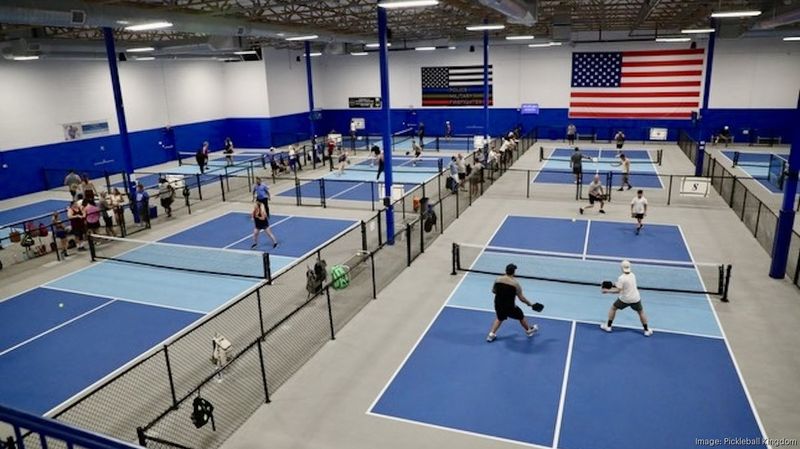
Few sports let a grandparent and a teenager play as true equals. Pickleball pulls that off surprisingly often.
The small court means less running than tennis. That makes the game easier on knees while still offering plenty of exercise.
Games offer plenty of chances to rotate players and meet new opponents. You can take a break between matches whenever you need one.
Social fun plays a huge role too. Doubles is the most common format, so you’re always chatting with a partner and opponents.
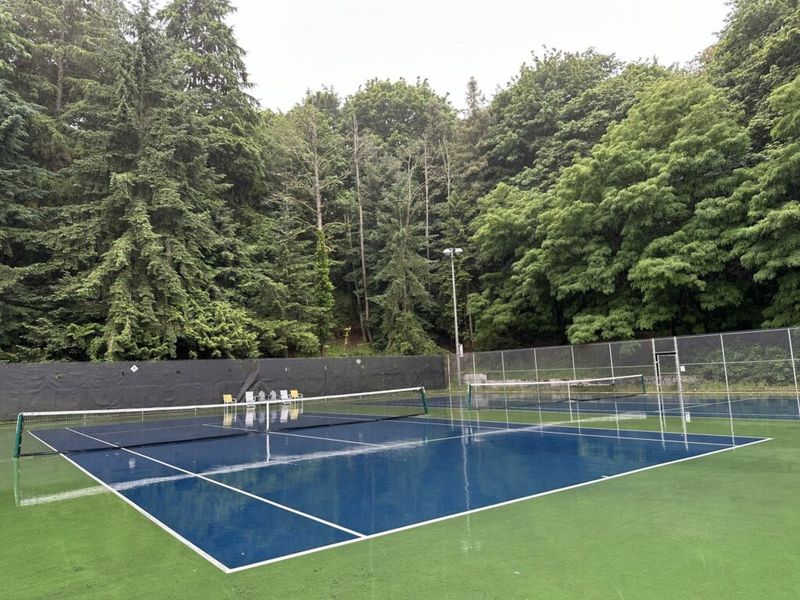
The sport spread through community centers, schools, and senior centers across the country. Many places converted tennis courts by adding pickleball lines.
Want to give it a try? Look for open play times at a local park or recreation center.
Those sessions usually welcome beginners and mix players of different skill levels. You’ll learn faster by playing with folks who already know the ropes.
Pickle-Ball, Inc. and other early supporters helped lay that groundwork. Their steady work kept equipment available while word of mouth did the rest, one friendly game at a time.
Your Seattle Pickleball Fan Trip Can Start Right Here
History buffs and paddle fans can easily build a fun day around this story. Seattle and Bainbridge Island sit just a ferry ride apart.
Begin in Ballard with a quick look at the neighborhood tied to Pickle-Ball, Inc. Then explore nearby favorites like the Ballard Locks.
From downtown Seattle, Washington State Ferries cross Puget Sound to Bainbridge Island. The ride offers great views of the city skyline and the water.
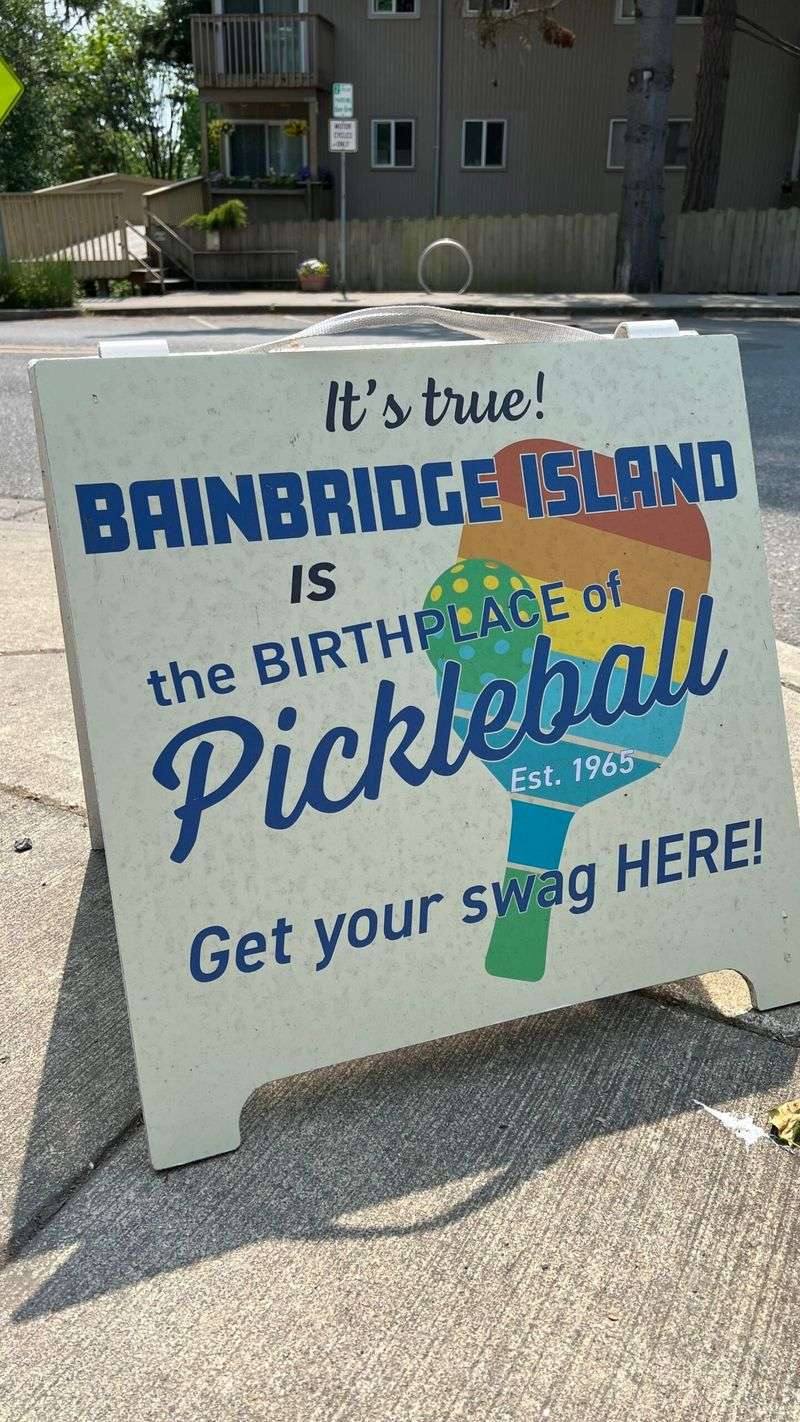
Bainbridge is where the game first came to life in 1965. The original court sits on private property, so please don’t go knocking on doors.
Instead, enjoy the island’s shops, trails, and waterfront. Public courts around the region also let you play where the sport began.
Bring your own paddle if you have one. Courts can fill up, so having gear ready helps you jump into open play.
I love how this trip mixes sightseeing with sport. You get a ferry ride, a dose of history, and maybe a few games.
Not bad for a hobby invented by bored kids, right?
Share this story