Tennessee has deep railroad roots that stretch back to the early days of American expansion, when steam engines powered commerce and connected communities across the state. Today, that heritage lives on at museums, historic depots, and scenic excursions scattered from the Smoky Mountains to the Mississippi River.
Whether you want to climb aboard a vintage locomotive, explore a restored depot filled with artifacts, or ride through a river gorge with mountain views, Tennessee offers plenty of ways to celebrate its railroading past and present.
1. Tennessee Valley Railroad Museum, Chattanooga
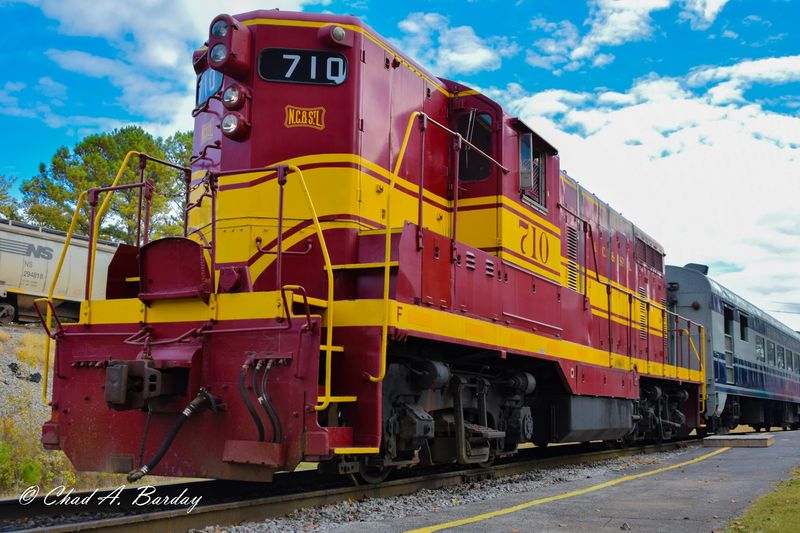
Chattanooga’s railroad legacy comes alive at this sprawling museum campus where you can actually ride behind working steam and diesel locomotives. The experience goes far beyond looking at static displays.
Climb aboard vintage passenger cars, settle into seats that date back decades, and roll through the famous Missionary Ridge Tunnel, a piece of Civil War-era engineering that still echoes with history.
The museum operates multiple excursions throughout the year, ranging from short trips around the grounds to longer journeys through the Tennessee River Gorge. Each ride offers a different perspective on what rail travel used to feel like.
You’ll hear the whistle blow, feel the rhythm of the tracks, and watch the countryside roll past just as travelers did generations ago.
Between rides, explore the restoration shops where skilled volunteers bring old equipment back to life. The working turntable demonstrates how crews once rotated massive locomotives, and the collection of restored railcars includes everything from elegant parlor cars to utilitarian work equipment.
Kids especially love climbing into the cabs and imagining themselves at the controls.
Special events run throughout the calendar, including themed rides during holidays and dinner trains that combine scenic views with meals served onboard. The museum also hosts educational programs that teach visitors about railroad engineering, safety practices, and the role trains played in shaping American commerce.
Plan to spend at least half a day here if you want to take a ride and explore the exhibits thoroughly. The museum sits in a historic rail yard, so even the setting itself tells stories.
Wear comfortable shoes since you’ll be walking on gravel and climbing stairs into railcars. Check the schedule before you go because excursion times vary by season, and some special trains require advance reservations.
2. Hiwassee River Rail Adventure, Delano
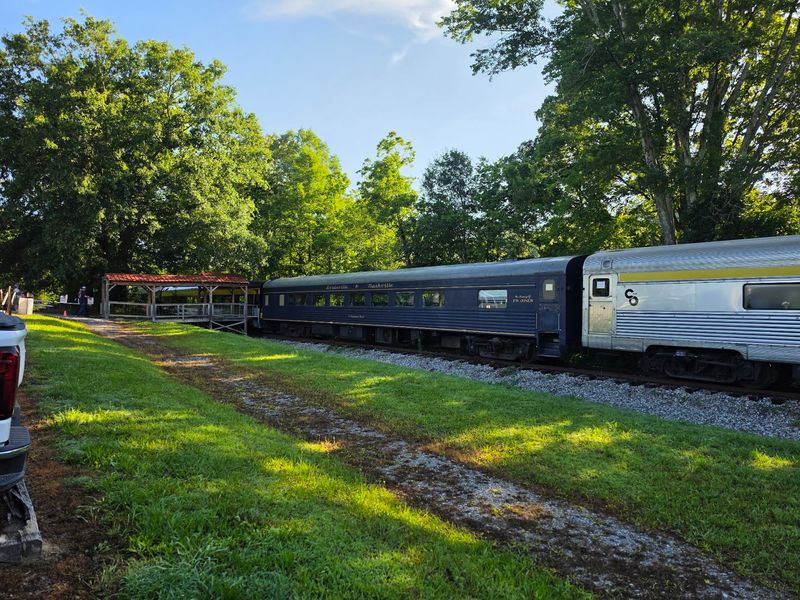
Mountain scenery and railroad history merge beautifully on this excursion that follows the winding path of the Hiwassee River. The route itself is an engineering marvel, originally carved through the gorge in the early 1900s to connect remote communities.
Today’s passengers get to experience those same dramatic views from vintage railcars that roll along tracks hugging the mountainside.
Several trip options are available depending on how much time you want to spend aboard. The shorter excursions focus on the most scenic portions of the gorge, where the river sparkles below and forested slopes rise on both sides.
Longer trips continue all the way to Copperhill near the Georgia state line, passing through landscape that changes with every mile.
Spring and fall draw the biggest crowds because the scenery peaks during those seasons. Wildflowers blanket the hillsides in April and May, while October brings fiery autumn colors that reflect in the water. Summer offers lush greenery and occasional glimpses of wildlife along the banks, and winter trips reveal the gorge’s stark beauty when the trees stand bare.
The railcars themselves add to the experience. Many date back to the mid-20th century and feature original details like wooden seats and large windows designed for sightseeing.
Guides share stories about the railroad’s construction, the communities it served, and the challenges engineers faced building a line through such rugged terrain.
Bring a camera because photo opportunities appear around every curve. The train moves at a relaxed pace, giving you time to soak in the views without everything blurring past.
Dress in layers since temperatures can vary between the open-air cars and enclosed sections. Snacks and drinks are available onboard, though you’re welcome to bring your own refreshments for the journey.
3. Tennessee Central Railway Museum, Nashville
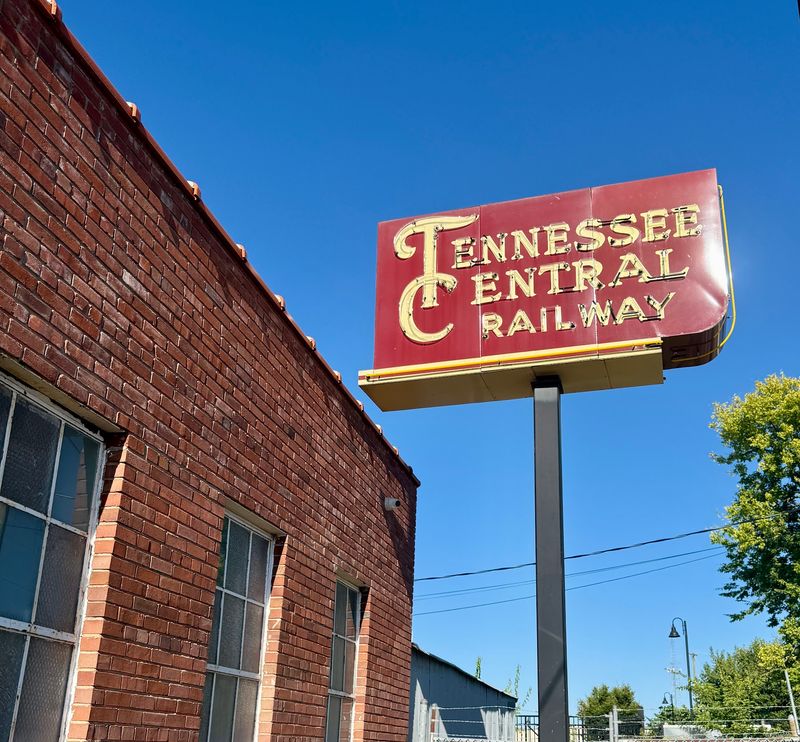
Nashville’s railroad story extends beyond country music tours and honky-tonks, and this museum keeps that heritage rolling. Unlike static collections where everything sits behind ropes, the Tennessee Central Railway Museum operates actual excursions using restored vintage equipment.
The organization preserves locomotives, passenger cars, cabooses, and freight equipment that once served routes across Middle Tennessee.
Excursion schedules vary by season, with special runs scheduled around holidays and events throughout the year. Some trips explore countryside north of Nashville, while others head toward small towns that grew up around railroad stops.
Each journey offers a window into what rail travel looked like during the mid-20th century, when passenger trains still connected communities across Tennessee.
The museum’s collection includes equipment from multiple railroads that once operated in the region. Walking through the yard, you’ll see different paint schemes, logos, and car designs that reflect various companies and eras.
Volunteers are usually on hand to answer questions and share details about specific pieces in the collection.
Educational programs bring school groups and railroad enthusiasts together to learn about locomotive mechanics, signal systems, and the daily operations that kept trains running on time. The museum also hosts special events where visitors can tour equipment not normally open to the public, including vintage sleeping cars and dining cars that showcase how passengers once traveled in comfort.
Check the website before planning your visit because the museum operates on a limited schedule, and excursions require advance tickets. The facility sits in an active rail yard, so you’ll hear modern freight trains passing nearby, creating an interesting contrast with the vintage equipment.
Parking is straightforward, and the staff is welcoming to both serious railroad buffs and families just looking for a unique Nashville experience away from the tourist strip.
4. Cookeville Depot Museum, Cookeville
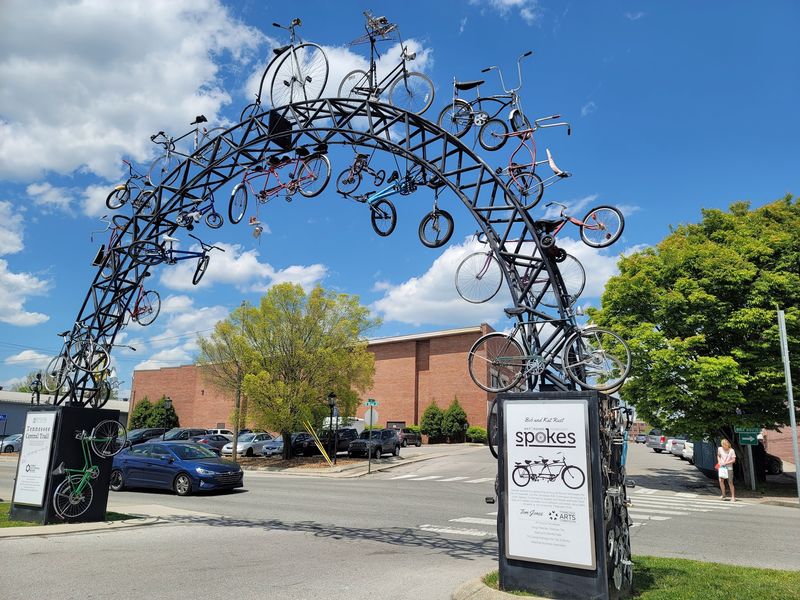
A beautifully restored 1909 depot anchors this museum dedicated to the Tennessee Central Railroad and the role it played in Upper Cumberland life. The building itself is worth the visit, with its classic architecture and period details that transport you back to an era when the depot was the heart of community activity.
Inside, exhibits trace the railroad’s impact on local commerce, communication, and daily routines.
One standout feature is the detailed HO-scale model railroad that recreates 1950s Cookeville with remarkable accuracy. Buildings, streets, vehicles, and tiny figures populate the miniature landscape, showing what downtown looked like during the railroad’s peak years.
The layout includes working trains that wind through the recreated town, giving visitors a bird’s-eye view of how the railroad integrated into community life.
Outside, you can climb aboard a 1913 Baldwin steam locomotive that once hauled freight through Tennessee’s rolling hills. Standing next to this massive machine helps you appreciate the power and engineering that went into early railroad operations.
Several vintage cabooses are also on display, and you’re welcome to step inside to see where train crews ate, slept, and worked during long runs.
The museum’s artifact collection includes tools, uniforms, photographs, and documents that tell personal stories about the people who built and operated the railroad. Ticket stubs, timetables, and telegraph equipment show how passengers planned trips and how stations communicated with trains en route.
These everyday items make the history feel tangible and relatable.
Admission is affordable, and the staff includes volunteers with deep knowledge of local railroad history. They’re happy to answer questions and point out details you might otherwise miss.
The museum is compact enough to explore thoroughly in an hour or two, making it a perfect stop if you’re passing through Cookeville. Free parking is available right next to the depot.
5. Casey Jones Home & Railroad Museum, Jackson
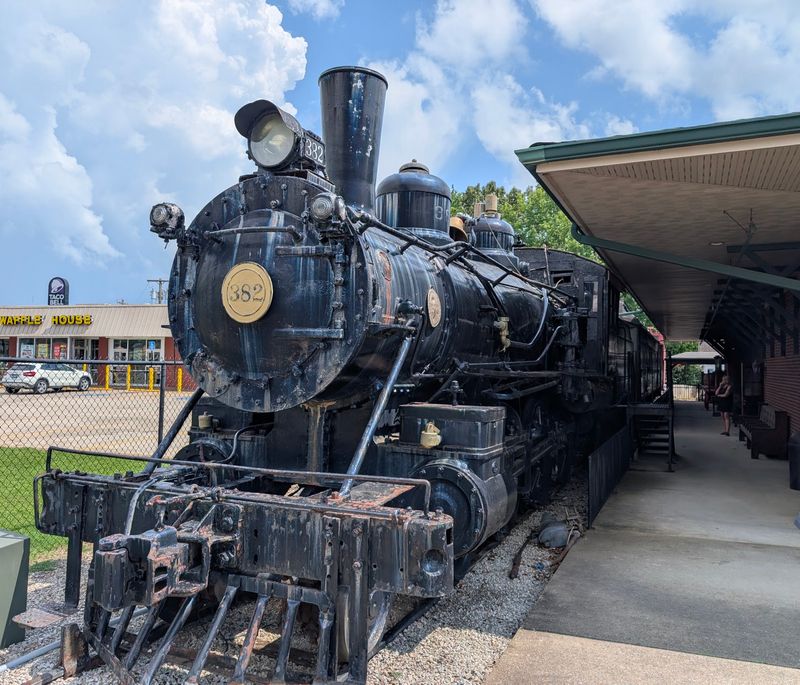
West Tennessee’s most famous railroad figure gets his due at this museum complex that combines his restored home with exhibits about his legendary final run. Casey Jones became an American folk hero after his fatal 1900 crash, when he stayed at the controls to slow his train and save his passengers.
His story has been retold in songs, books, and countless retellings, but this museum shows the real man behind the legend.
The home itself offers a glimpse into turn-of-the-century domestic life for a railroad family. Period furnishings, family photographs, and personal belongings show how Casey and his wife Janie lived between his runs.
Walking through the rooms, you get a sense of the routines and rhythms that shaped life when a husband’s work meant long absences and constant worry about safety.
Adjacent museum buildings house railroad artifacts, including tools, uniforms, lanterns, and equipment that illustrate what railroad work entailed during the steam era. Photographs and documents trace Casey’s career from his early days as a telegrapher through his years as an engineer.
The exhibits explain the circumstances of his final run and how his actions that night saved lives at the cost of his own.
Outside, a large locomotive dominates the grounds, and visitors are welcome to climb up and explore the cab. Standing at the controls where an engineer once worked gives you a new appreciation for the skill and responsibility the job required.
The view from the cab also helps you understand the perspective engineers had as they guided tons of steel down the tracks.
Special events throughout the year celebrate railroad heritage with activities for families, including model train displays and educational programs. The museum sits just off Interstate 40, making it an easy stop if you’re traveling through West Tennessee.
Plan for at least an hour to tour both the home and museum buildings thoroughly.
6. Clement Railroad Hotel Museum, Dickson
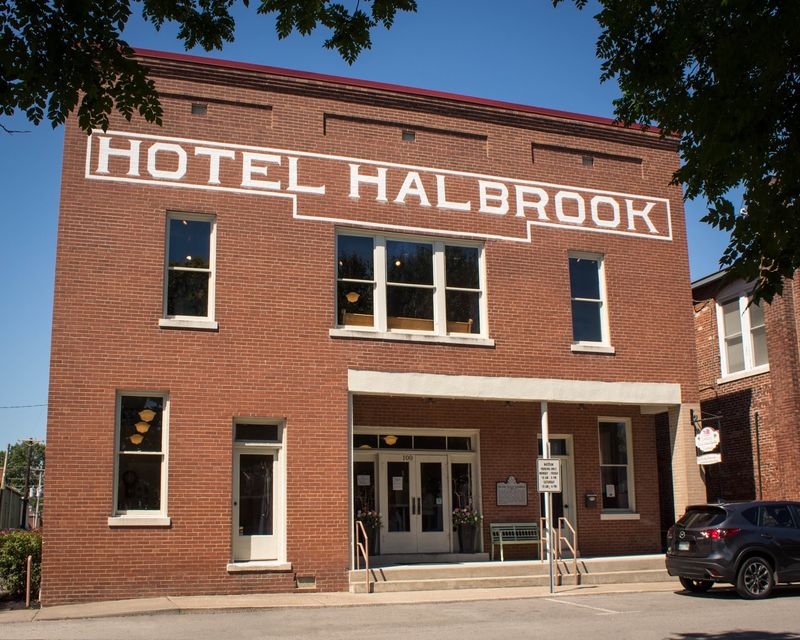
Step back into an era when travelers routinely broke up long train journeys with overnight stops at small-town hotels. This restored 1913 railroad hotel shows exactly what those stopovers looked like, with period rooms furnished as they would have been when guests arrived tired from a day’s travel.
The building served passengers on the Tennessee Central Railway for decades, and today it preserves that slice of social history.
Guest rooms upstairs are set up to show different time periods and levels of accommodation. Some reflect the simple, practical quarters a traveling salesman might have rented, while others show the more comfortable spaces reserved for wealthier passengers.
Furnishings, wallpaper, and even the toiletries on the washstands are appropriate to the era, creating an immersive experience that goes beyond typical museum displays.
Downstairs exhibits focus on Dickson’s railroad heritage and the hotel’s role in the community. Photographs show the bustling activity around the depot during the railroad’s peak years, when multiple passenger trains stopped daily.
Artifacts include luggage, ticket stubs, hotel registers, and advertising materials that show how the hotel competed for business.
A detailed model railroad display recreates a portion of the Tennessee Central route, complete with miniature versions of local landmarks. Watching the tiny trains navigate the landscape helps visitors understand how the railroad connected communities and shaped regional development.
The craftsmanship in the model is impressive, with realistic scenery and period-appropriate rolling stock.
The museum operates on a limited schedule, so check ahead before planning your visit. Admission is modest, and the staff includes knowledgeable volunteers who can share stories about the hotel’s history and the guests who passed through.
The building sits in downtown Dickson within walking distance of restaurants and shops, making it easy to combine your visit with other activities. Free street parking is usually available nearby.
7. Cowan Railroad Museum, Cowan
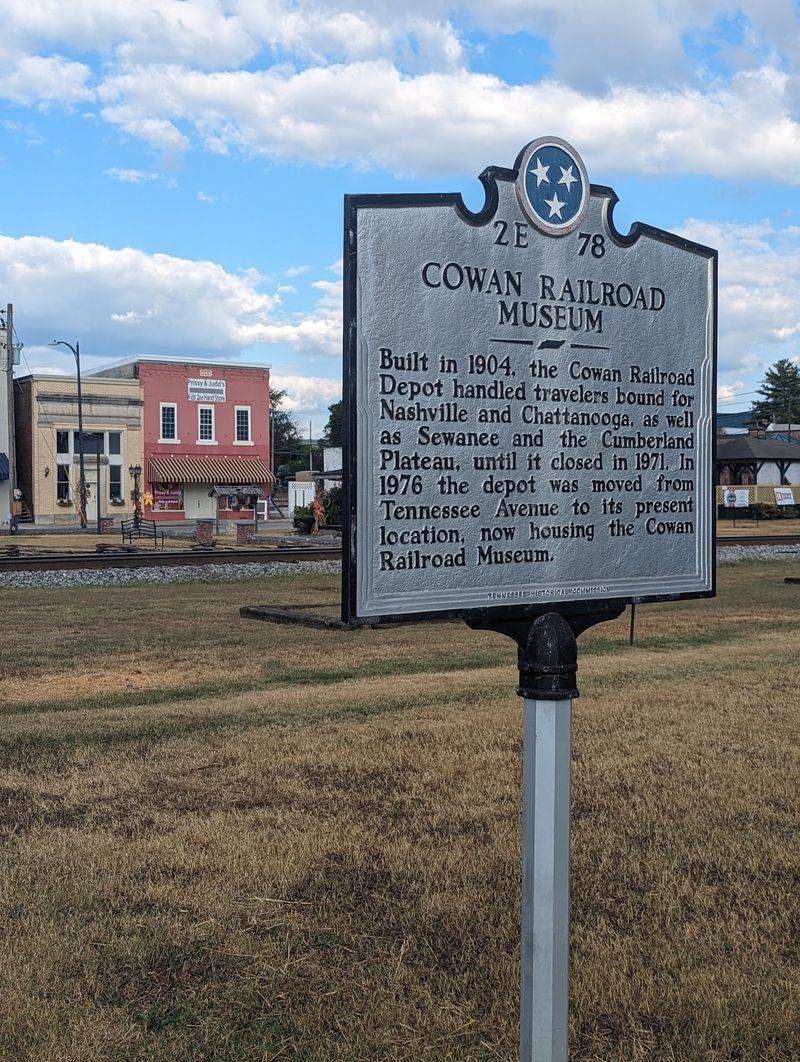
An active rail line runs right past this museum housed in a historic depot, so you’ll likely hear and see modern freight trains during your visit. That juxtaposition between past and present adds a unique dimension to exploring exhibits about the railroad’s role in this small Tennessee town.
The depot itself dates back over a century and has been carefully preserved to show its original function as both a passenger station and freight office.
Inside, photographs covering the walls document railroad operations in the Cowan district from the steam era through dieselization. Many images show work crews, locomotives, and daily operations that kept trains moving through this important junction.
Reading the captions and studying the faces in these old photos brings the human side of railroading into focus.
Tools, telegraph equipment, and signal devices fill display cases, illustrating the technology that made safe railroad operations possible before modern communications. A telegraph key sits ready as if the operator just stepped away, and signal lanterns show the simple but effective ways crews communicated in an age before radios.
These everyday objects tell stories about the skill and attention to detail railroad work required.
The museum’s centerpiece is a detailed HO-scale model railroad based on the Cowan rail district. The layout includes local landmarks, period-appropriate structures, and trains that represent the types that once operated through the area.
Watching the miniature trains navigate grades and curves gives you an appreciation for the engineering challenges the real railroad faced in this hilly terrain.
Volunteers staff the museum and are usually happy to share stories about local railroad history and point out details in the exhibits. The collection also includes railroad china, timetables, uniforms, and other artifacts that show both the business side of railroading and the daily lives of the people who kept trains running.
Admission is free, though donations are welcomed to support preservation efforts. The museum keeps limited hours, so check before making a special trip.
8. L&N Depot Museum, Etowah
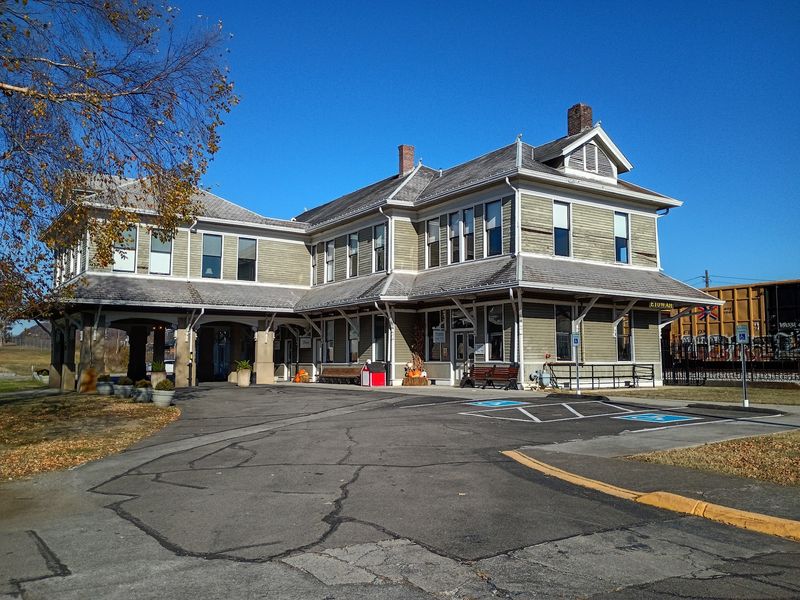
Etowah wouldn’t exist without the railroad. The town grew up around Louisville and Nashville Railway operations, and its identity remains intertwined with that heritage.
This restored depot now houses exhibits that explore what life was like in a community where the railroad wasn’t just the biggest employer but the reason the town existed at all. The Growing Up With the L&N exhibit takes a personal approach, focusing on how railroading shaped everyday experiences for generations of residents.
Photographs and artifacts show children playing near the tracks, families gathering to watch trains arrive, and workers heading to shifts at the rail yard. These images capture a time when the rhythm of community life followed the railroad’s schedule.
Whistles marked shift changes, and passenger trains brought news and visitors from distant places.
The exhibits also document the technical side of operations, showing the facilities that made Etowah an important railroad hub. Photographs of the roundhouse, turntable, and maintenance shops illustrate the infrastructure required to keep steam locomotives running.
Maps trace the routes that converged here and explain why this particular location became so important to the L&N system.
Personal stories add depth to the displays. Oral histories from retired railroad workers describe what different jobs entailed, the camaraderie among crews, and the pride people took in keeping trains running safely and on time.
Uniforms, tools, and personal items belonging to local railroaders make these stories tangible and help visitors connect with the people behind the history.
The depot building itself is worth examining, with its classic architecture and period details intact. Standing on the platform where passengers once waited, you can imagine the excitement of travel in an era when a train trip was an adventure.
The museum operates on a volunteer basis with limited hours, so call ahead to confirm they’ll be open. Admission is free, and the staff is welcoming to both serious railroad enthusiasts and curious visitors just learning about Etowah’s unique heritage.
9. Little River Railroad & Lumber Company Museum, Townsend
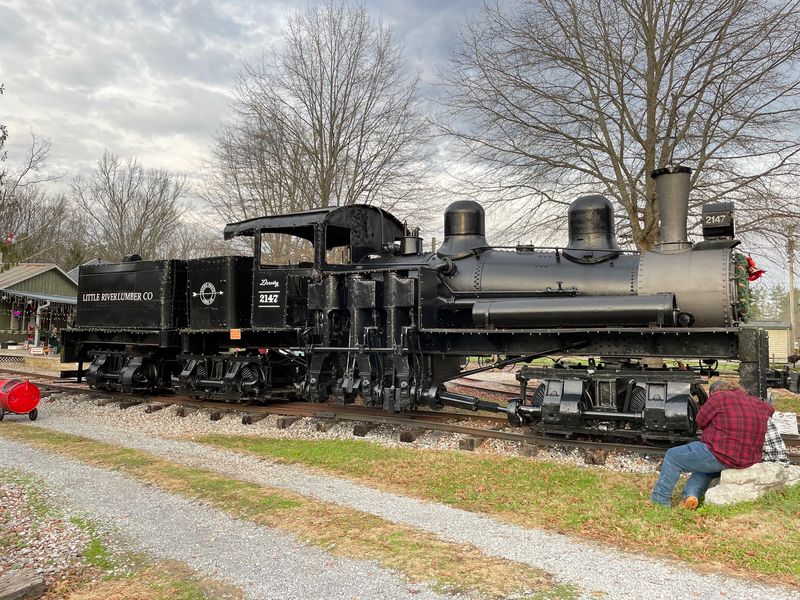
Before the Smokies became a national park, logging railroads snaked through the mountains, hauling timber from remote valleys to sawmills below. This museum tells that story, focusing on the Little River Railroad and Lumber Company that operated in these mountains during the early 20th century.
The railroad’s role in harvesting timber shaped the landscape and influenced the eventual creation of the national park.
The star of the collection is Shay locomotive No. 2147, displayed on the museum grounds where visitors can examine its unusual design up close. Shay locomotives were built specifically for steep grades and tight curves common in mountain logging operations.
Their geared drive systems and offset boilers made them perfect for navigating terrain where conventional locomotives couldn’t go.
Inside the museum, photographs document logging camps, rail construction, and daily life in the mountains when timber was king. These images show the scale of the operation and the challenging conditions workers faced.
Maps trace the railroad’s various branches and show how the system expanded to reach new timber stands as accessible areas were cut over.
Exhibits also explore the environmental impact of logging and how the devastated landscape eventually led to the park’s creation. This part of the story adds context and helps visitors understand the complex history of land use in the Smokies.
Artifacts include logging tools, railroad equipment, and everyday items from the camps where workers lived during the week.
The museum sits just outside Townsend, the quiet side of the Smokies, making it a perfect stop before or after exploring the national park. It’s smaller than some of the other railroad museums on this list, so you can see everything in about an hour.
The focus on logging railroads offers a different perspective from museums centered on passenger service or mainline operations. Admission is modest, and the staff includes people with deep knowledge of local history who can answer questions about the railroad and the logging era.
10. Dollywood Express, Pigeon Forge
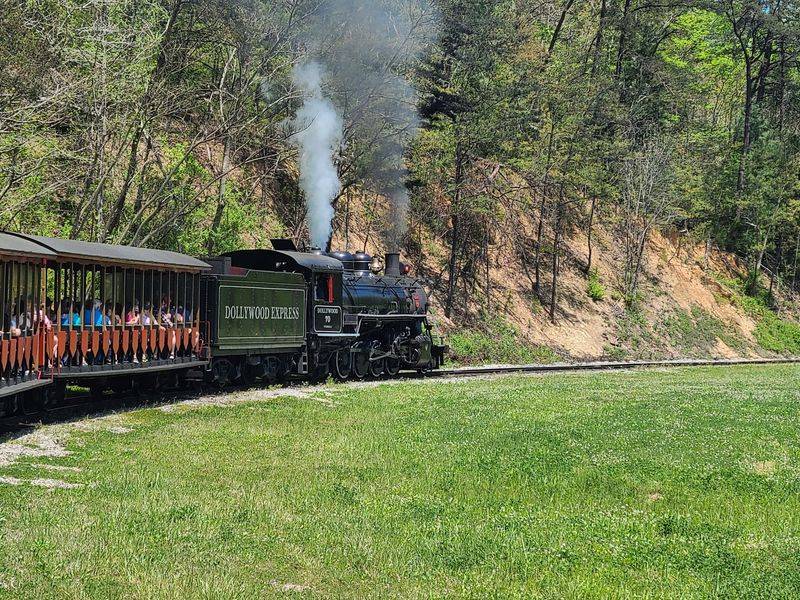
Dollywood’s vintage steam train offers a different kind of railroad experience, one that’s more about fun and scenic beauty than historical deep dives. The Dollywood Express carries passengers on a loop through the foothills of the Great Smoky Mountains, with the locomotive’s whistle echoing across the ridges and the coal smoke drifting back over the open-air cars.
It’s classic amusement park railroading, but the equipment is authentic and the ride genuinely captures the romance of steam travel.
The train departs from a station near the park entrance and follows tracks that wind through wooded areas and past mountain views. The route isn’t long, but it covers enough ground to give you a real sense of being on a journey rather than just a quick loop.
The gentle rocking of the cars, the clickety-clack of the wheels, and the periodic whistle blasts create an immersive experience that kids and adults both enjoy.
What makes this different from a typical theme park train is the authenticity of the equipment. Dollywood operates real coal-fired steam locomotives, not diesel engines disguised to look old-fashioned.
The locomotives require daily maintenance and skilled crews to operate, just as they did decades ago. Watching the crew prepare the engine before departure gives you a glimpse of the work involved in keeping steam power alive.
The ride itself lasts about 20 minutes, making it a nice break from the more intense attractions elsewhere in the park. You’ll pass through areas where the forest closes in around the tracks and others where gaps in the trees reveal mountain vistas.
Seasonal changes affect the scenery dramatically, with spring wildflowers, summer greenery, fall colors, and occasional winter snow all offering different views.
Since the train is included with park admission, it’s an easy addition to a Dollywood visit. Lines can get long during peak season, but they usually move steadily as trains depart every 15 to 20 minutes.
The open-air cars provide the best views and photo opportunities, though covered cars are available if weather is questionable. Bring a camera and sit on the right side for the best mountain views during the outbound portion of the journey.
11. Johnson City Railroad Experience, Johnson City
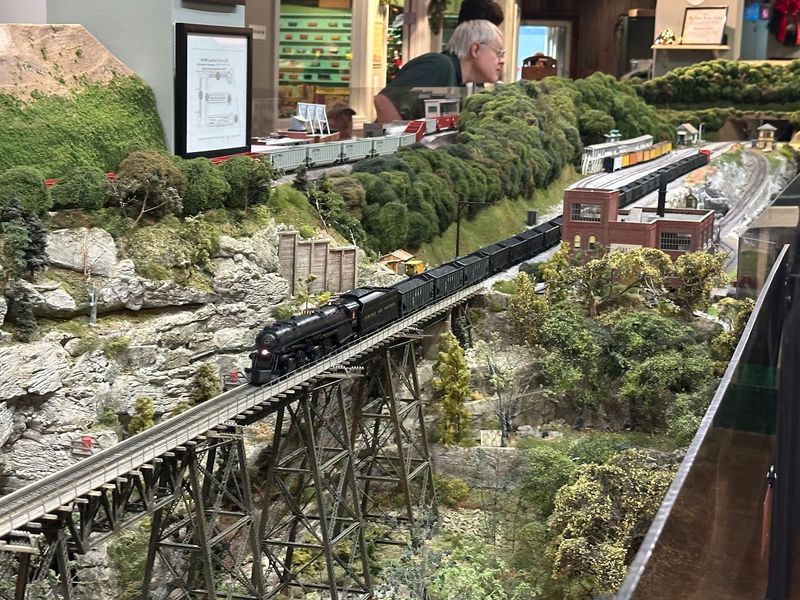
Northeast Tennessee’s railroad heritage comes alive through exhibits and equipment that show how trains shaped this region’s development. Johnson City grew as a railroad town, and this experience preserves that legacy with displays covering everything from early construction to the height of passenger and freight operations.
The collection includes artifacts, photographs, and rolling stock that tell the story of railroading in the mountains.
Walking through the exhibits, you’ll see how the railroad connected isolated communities and opened markets for local products. Coal, timber, and agricultural goods moved out on the rails, while manufactured items and supplies came in.
This exchange transformed the regional economy and brought Northeast Tennessee into the national marketplace.
Vintage equipment on display shows the variety of cars and locomotives that once operated through Johnson City. Some pieces are restored to near-original condition, while others show the wear of decades of service.
Both approaches have value because they illustrate different aspects of railroad history, from the pride companies took in their passenger equipment to the hard use freight cars endured.
Educational programs bring railroad history to life for school groups and visitors interested in learning more than what labels can convey. Presentations cover topics like how steam locomotives work, what different jobs on the railroad entailed, and how modern railroading differs from operations in earlier eras.
These programs add depth for visitors who want to understand the mechanics and operations behind the artifacts.
The facility also serves as a gathering place for railroad enthusiasts who share an interest in preserving local heritage. Model railroad clubs sometimes meet here, and special events throughout the year celebrate railroad history with activities for families.
If you’re passing through the Tri-Cities area and have an interest in trains, this stop offers a worthwhile look at how railroads shaped Northeast Tennessee. Check ahead for hours and any special programs that might be scheduled during your visit.
12. Bulls Gap Railroad Museum, Bulls Gap
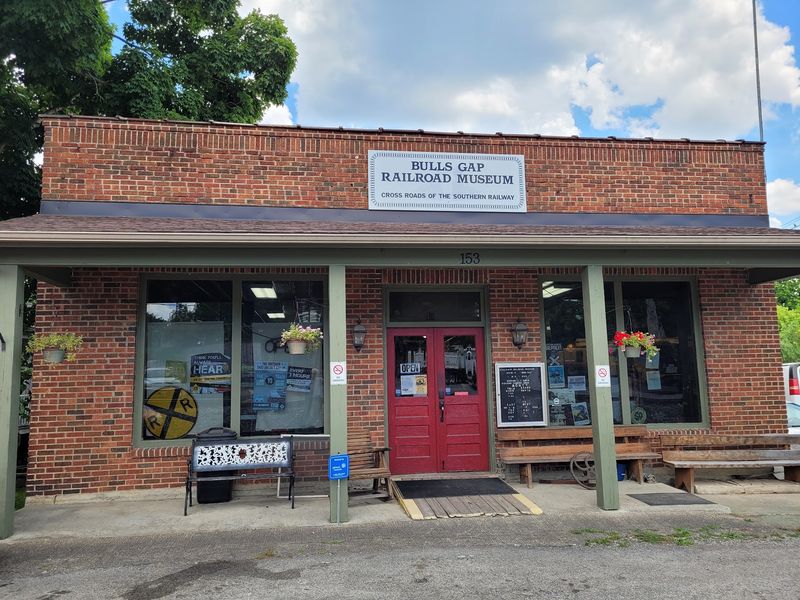
Bulls Gap’s strategic location in the mountains made it an important railroad point for over a century, and this small museum preserves that heritage. The town sits in a natural gap through the ridges, the same geographic feature that attracted railroad builders looking for the easiest route through difficult terrain.
Understanding that geography helps you appreciate why this particular spot mattered so much to railroad operations.
The museum collection focuses on local railroad history, with photographs and artifacts from the various lines that operated through Bulls Gap. Images show the depot during its busiest years, when passenger trains stopped regularly and freight traffic kept the yard active day and night.
Comparing those historical photos to the quiet town today reveals how much the decline of rail passenger service changed small communities.
Exhibits include tools, uniforms, signal equipment, and other items that show the daily work of keeping trains moving safely. A telegraph key and sounder demonstrate how stations communicated before telephones became common, and signal lanterns show the visual codes crews used to send messages.
These simple technologies were remarkably effective when used by trained operators.
The museum building itself has historic significance, and volunteers have worked to maintain its period character while creating space for displays. Walking through the rooms, you get a sense of what the depot was like when it served as both a passenger station and the hub of community communication.
Train arrivals brought news, mail, and visitors from the outside world, making the depot a social center as well as a transportation facility.
Bulls Gap is a small town off the main tourist routes, so the museum offers a quieter, more intimate experience than larger facilities. The volunteers who staff it often have personal connections to the railroad history they’re preserving, whether through family members who worked for the railroad or their own memories of when trains still stopped here regularly.
Their stories add a personal dimension to the exhibits. Call ahead to confirm hours since the museum operates on a limited volunteer schedule.
13. Niota TN Southern RR Depot, Niota
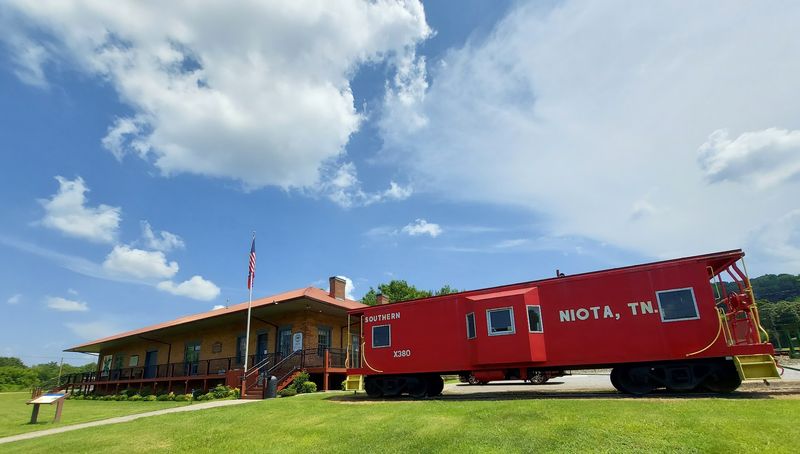
This restored depot represents the small-town railroad stations that once dotted Tennessee, serving communities where train service was a lifeline to the wider world. Niota’s depot has been preserved to show what these buildings looked like and how they functioned during the railroad’s peak years.
The structure itself tells stories through its architecture, with features designed specifically for the practical needs of railroad operations.
Inside, exhibits focus on the depot’s role in community life and the railroad’s impact on local commerce. Photographs show freight being loaded and unloaded, passengers waiting for trains, and depot agents at work handling tickets, telegrams, and express shipments.
These images capture everyday moments that were routine then but now seem remarkable in their detail and humanity.
The collection includes artifacts that show both the business side of railroading and the personal experiences of people who used the trains. Ticket stubs, timetables, and freight bills document transactions, while luggage tags, postcards, and personal items reflect the human side of travel.
Together, these objects paint a picture of what railroad service meant to a small Tennessee town.
Railroad equipment outside the depot gives visitors a chance to see the kinds of cars that once stopped here. Walking around these weathered pieces of rolling stock, you can imagine them in service, carrying goods and people across the state.
The wear and patina they’ve acquired over decades add authenticity that pristine restorations sometimes lack.
Niota sits in East Tennessee between Chattanooga and Knoxville, making it a potential stop if you’re traveling that corridor and want to stretch your legs somewhere with historical significance. The depot is smaller than major railroad museums, but that intimacy can be appealing if you prefer exploring at your own pace without crowds.
The preservation effort here represents the kind of grassroots history work that keeps local stories alive. Check locally for current hours and accessibility, as small volunteer-run sites sometimes have irregular schedules.
Share this story