At 106 Iron St in Johnstown, Pennsylvania, the Center For Metal Arts keeps old ironworking skills alive in a place with deep industrial roots. The school gives students a chance to learn blacksmithing, forging, toolmaking, and other hands-on metal arts from skilled teachers who understand the craft and its traditions. Rather than simply looking back at the past, the center gives these techniques a place to continue growing and evolving. The school matters because it protects an important part of the region’s industrial heritage while helping a new generation of makers build practical, creative skills.
There is something especially fitting about learning these crafts in Johnstown, a community so closely connected to Pennsylvania’s history of iron and steel. Step inside, and the ringing of hammers, the glow of hot metal, and the steady rhythm of hands at work can feel like a bridge between the past and the future.
1. A School Built Inside Johnstown’s Industrial Story
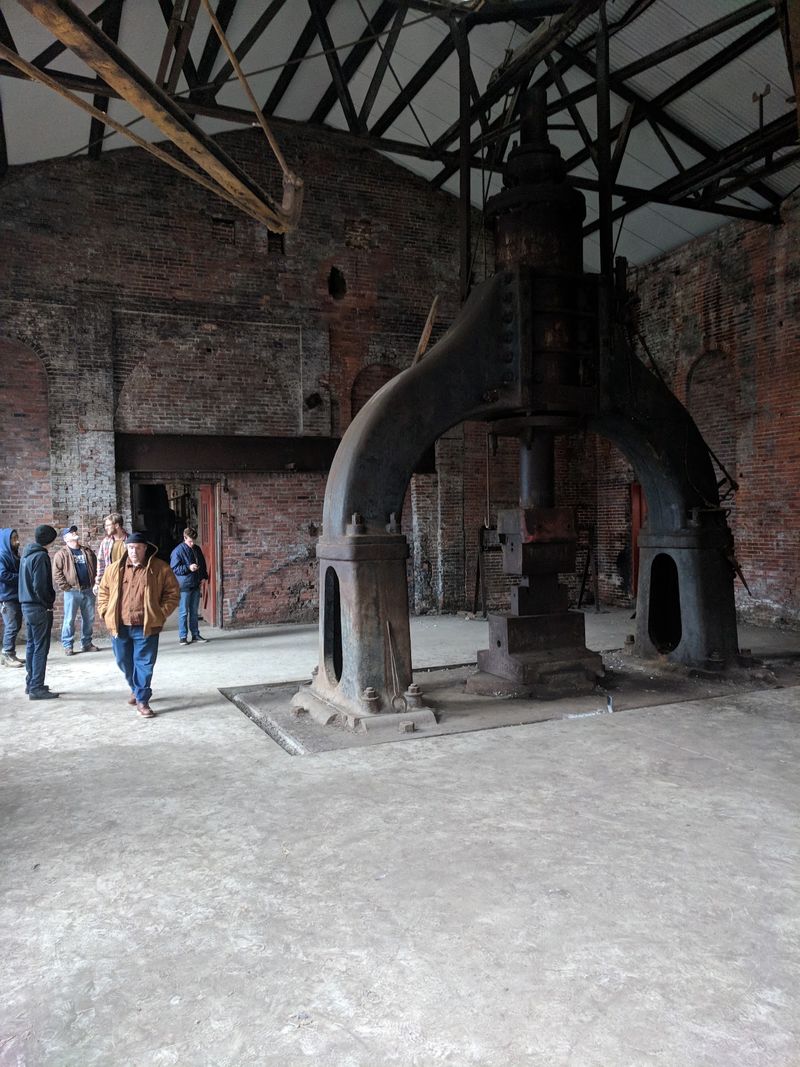
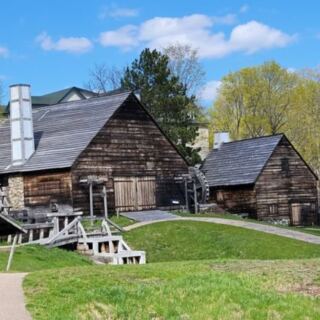
Old walls can talk at the Center For Metal Arts, and in Johnstown they seem to ring with hammer blows.
The school sits at 106 Iron St, a fitting address for a place devoted to fire, steel, and patient craft.
Johnstown has long been tied to mills, metalwork, and hard labor.
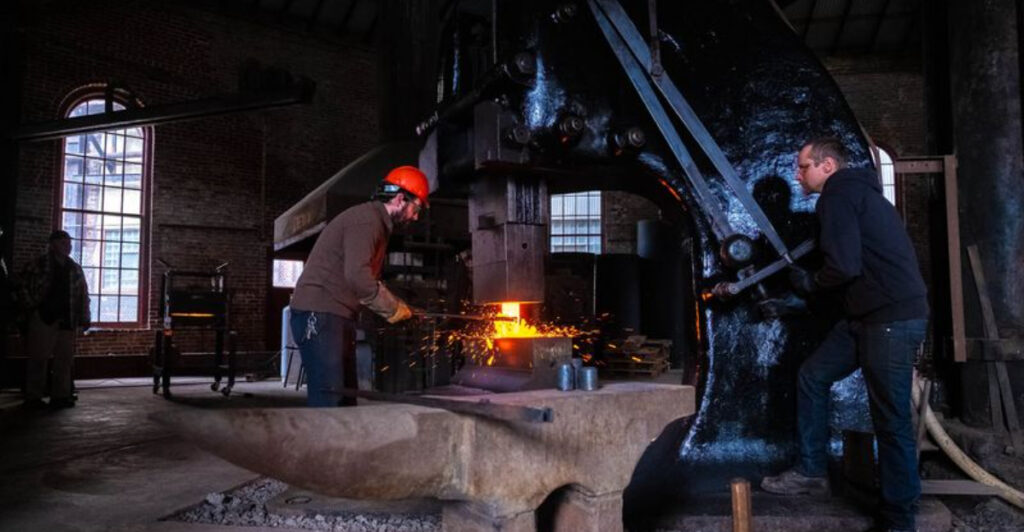
Learning here is different from watching a video because students stand inside a real industrial setting, where the building itself helps explain why these skills mattered.
Visitors often mention the historic feel of the space, and that mood adds meaning to every class.
If you go, take time to notice the structure, tools, and layout before class starts.
They show how old ironworking places were organized and why preserving them gives students more than a lesson.
It gives them a connection to workers, families, and skills that shaped the region for generations and still inspire makers today.
2. Blacksmithing Classes That Welcome Beginners
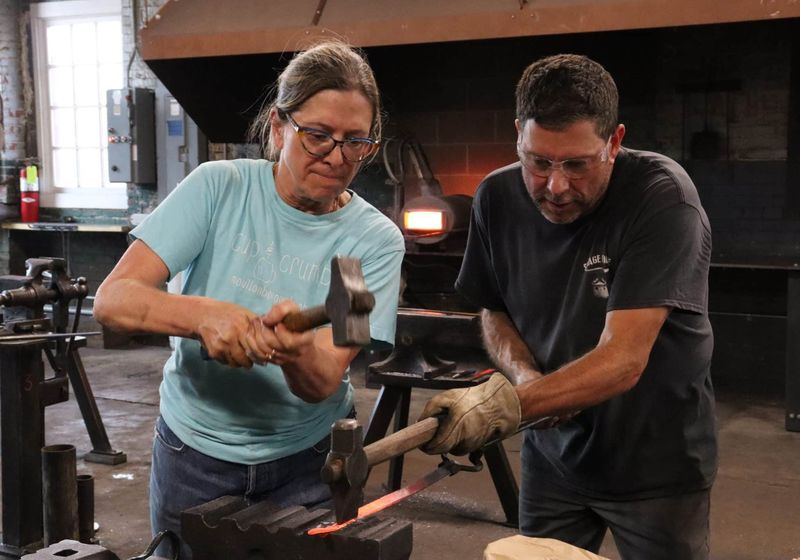
First-timers do not need to arrive knowing how to swing a hammer like a movie blacksmith.
Reviews describe the Center For Metal Arts as a place for novices as well as experienced metalworkers, which makes it less scary for curious beginners.
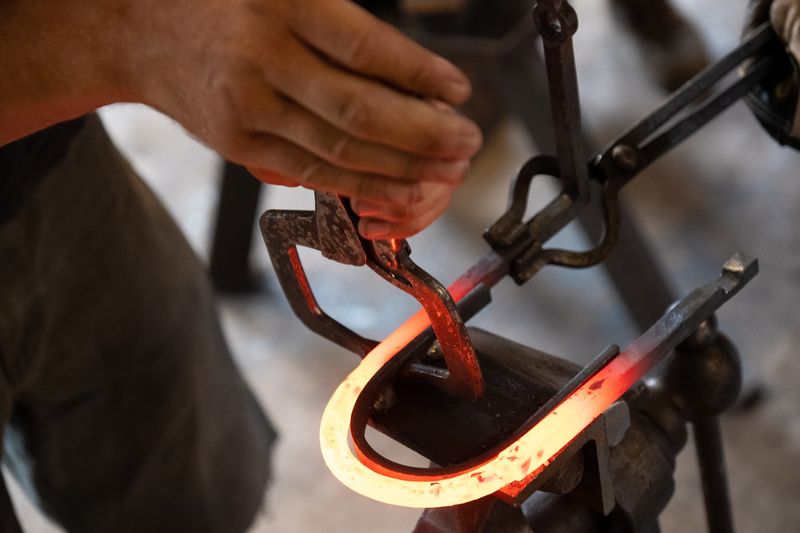
In a good blacksmithing class, students learn basic safety, heat control, hammer angles, and how metal moves when it is hot.
Those lessons may sound simple, but they are the building blocks for hooks, tools, bottle openers, and more advanced projects.
The best advice is to come ready to listen and practice.
Wear sturdy clothes, expect noise, and be patient with your first attempts.
Blacksmithing rewards people who slow down and watch closely.
At this school, helpful instructors and a serious shop setting give beginners a strong start without making them feel out of place or rushed during the learning process.
3. Skilled Instructors Keep the Forge Friendly
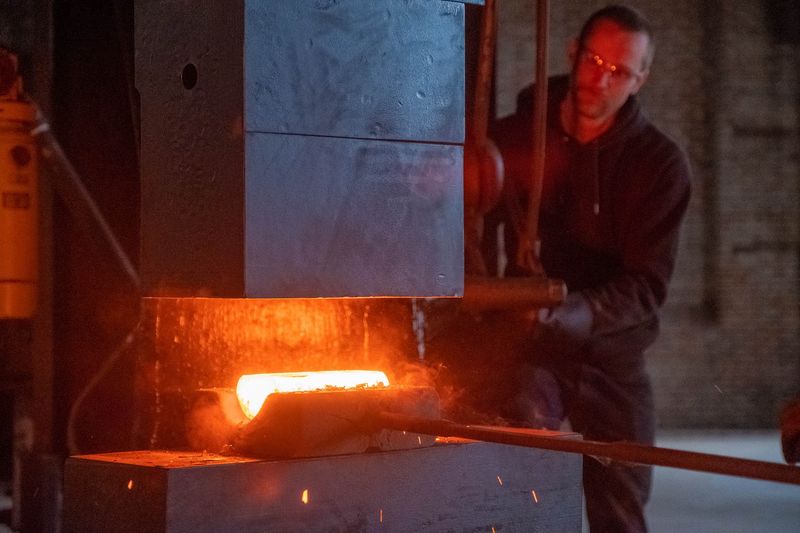
A calm teacher can turn a hot forge from frightening to exciting.
Students praise instructors connected with the Center For Metal Arts for being patient, skilled, and willing to help when a project gets tricky.
Names mentioned in reviews include Pat Quinn and Mark Kelly, along with visiting teachers who bring special knowledge to different classes.
That mix gives students a chance to learn more than one way to solve a metalworking problem.
Good instructors do more than demonstrate.
They watch body position, explain why a hammer mark happened, and remind students to work safely.
For anyone choosing a class, teacher quality matters as much as the equipment.
A supportive instructor helps a student stay curious after a mistake instead of giving up.
That friendly but serious teaching style is one reason many people say they want to return for more classes at the Johnstown school again.
4. Well-Kept Tools Make Learning Smoother
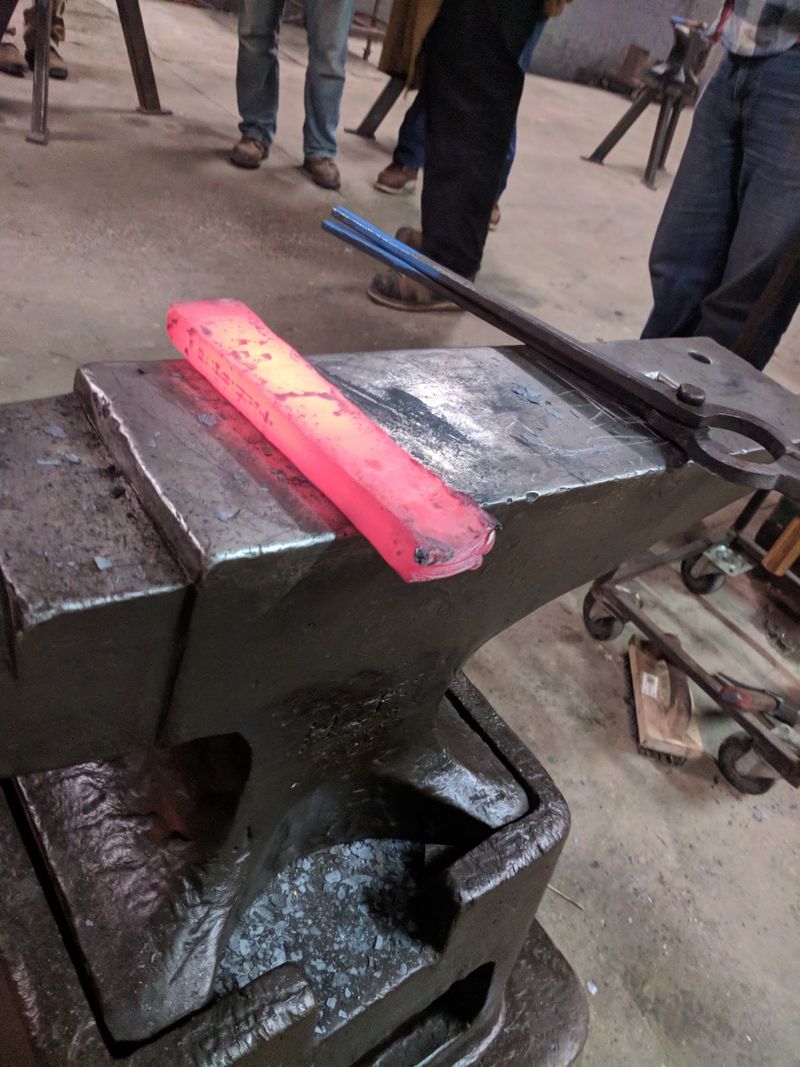
There is something satisfying about a shop where every tool looks ready for work.
Reviews of the Center For Metal Arts often point out the strong facility, maintained tools, solid anvils, and roomy work areas.
That matters because metalworking is hard enough without fighting loose equipment or clutter.
A firmly mounted anvil, the right tongs, and a hammer that fits the task can help students focus on learning instead of struggling with avoidable problems.
For new students, the lesson is simple: respect the tools and put them back where they belong.
A clean shop is safer, faster, and more enjoyable for everyone.
The pride shown in the school facility also teaches an old craft value.
Taking care of equipment is part of being a craftsperson.
In Johnstown, that habit links modern students with generations of workers who depended on reliable tools every day for careful, honest work.
5. Hands-On Projects Turn Sparks Into Confidence
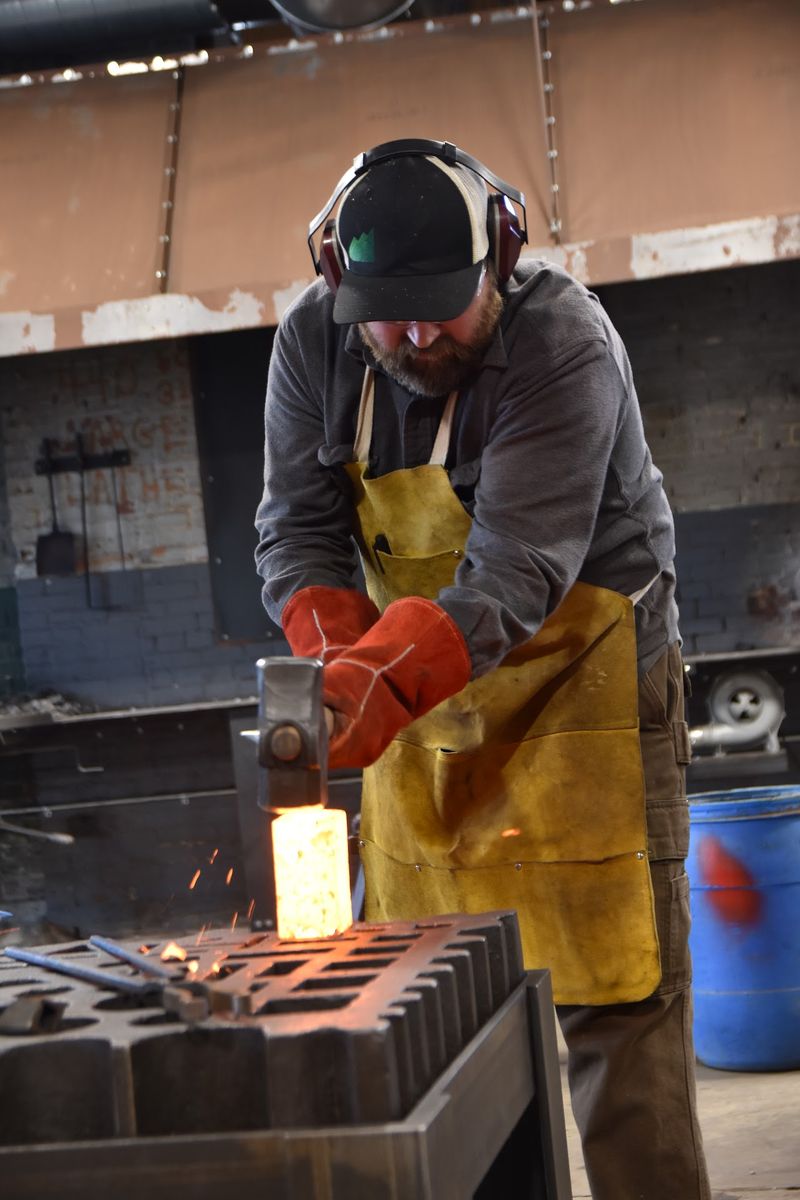
A glowing bar of steel feels mysterious until it becomes something useful in your own hands.
At the Center For Metal Arts, past students have mentioned classes such as bottle opener workshops, ball pein hammer making, and other practical forging projects.
Projects like these are smart teaching tools.
A bottle opener introduces tapering, bending, and finishing.
A hammer class can teach shaping, tool balance, and respect for accuracy.
Students leave with an object that proves the time at the anvil was real.
If you are picking your first class, choose a project that sounds fun but not too advanced.
Ask what skills are required and how physically demanding the work will be.
Finished pieces may not look factory-perfect, and that is fine.
Small hammer marks tell the story of learning.
They remind students that skill grows through practice, heat, timing, and the courage to try again.
6. Advanced Forging Opens Doors for Serious Makers
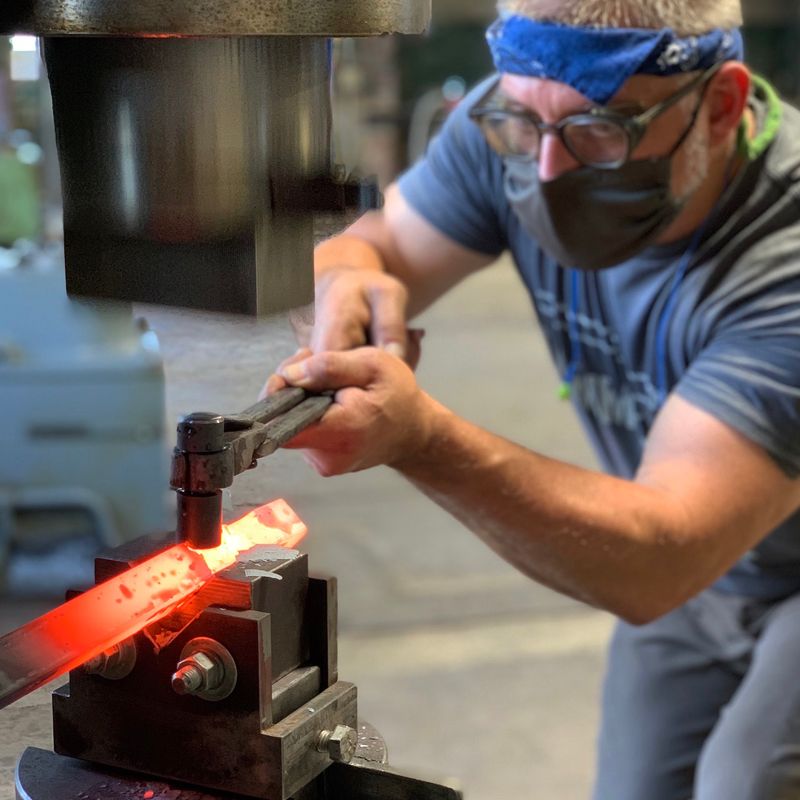
Some students arrive with soot already in their boots and bigger goals in mind.
The Center For Metal Arts also attracts serious metalworkers and blacksmiths who want advanced training from teachers with deep experience.
One review described a weekend class forging Damascus chef knives, a demanding process that uses layered steel, careful heat, and repeated forging.
Classes like that show how the school serves more than beginners.
It can challenge people who already understand basic hammer control and want to sharpen their craft.
Before signing up for an advanced class, students should read the description closely and be honest about their skill level.
It is better to build foundations first than feel lost during a fast-moving workshop.
For committed makers, Johnstown offers a setting where history, strong equipment, and expert instruction come together.
That combination can push a hobby toward true craftsmanship and maybe even professional work.
7. Historic Preservation Gives the Shop a Larger Purpose
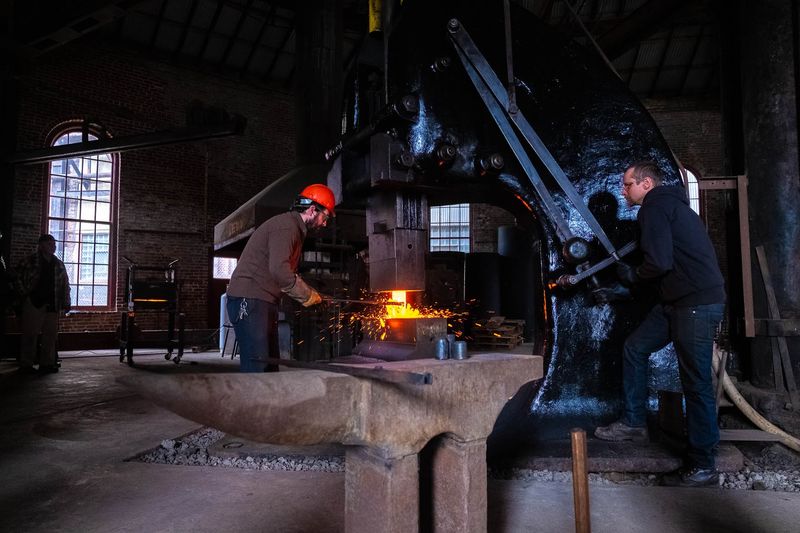
Preserving a forge is not just about saving old bricks and machines.
At the Center For Metal Arts, education and historic preservation work together, giving the school a purpose that reaches beyond regular art classes.
Reviewers have praised the team for protecting important industrial history while passing skills to new students.
That is powerful because many traditional trades can fade when no one teaches them in a real setting.
The school helps people see that history is not only found in books.
It can live in a hammer swing, a coal or gas forge, a shop floor, and a restored piece of equipment.
Visitors should think of the site as both classroom and artifact.
By supporting classes, tours, or programs there, students help keep knowledge alive.
In a former ironworking town like Johnstown, that work honors the past while giving future makers useful skills.
8. A Practical Visit Starts With the Basics
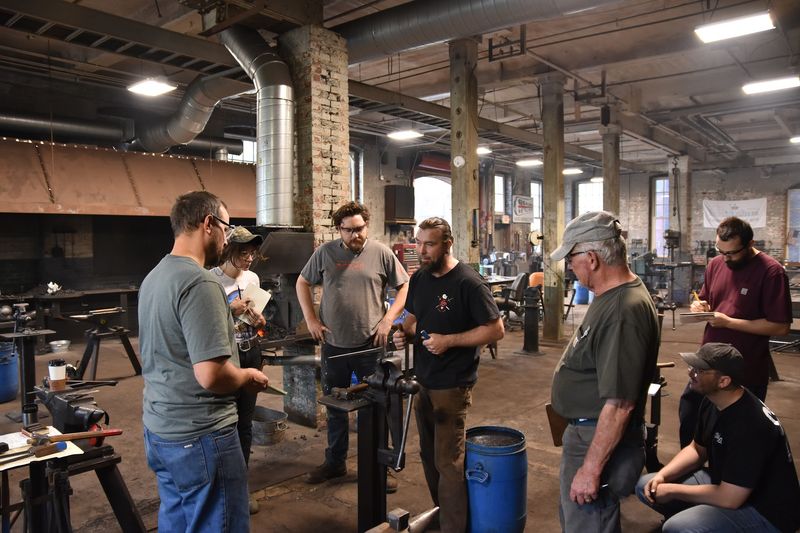
Planning ahead makes a forge day much easier.
The Center For Metal Arts is listed at 106 Iron St, Johnstown, Pennsylvania, with weekday hours generally from 9 AM to 5 PM and weekend closure shown in the provided place information.
Because class schedules can change, the smartest move is to check the official website or call +1 814-418-0409 before traveling.
The school rating is 4.7 stars from 23 reviews, but details like openings, class sizes, and lodging options should always be confirmed directly.
Pack like you are visiting a working shop, not a quiet gallery.
Closed-toe shoes, natural fiber clothing, and water are sensible choices.
If you are staying nearby, reviews mention a rectory lodging option with a kitchen and laundry, though availability should be verified.
A little preparation helps students focus on learning instead of last-minute surprises.
9. Why Students Keep Recommending the Johnstown Forge
Word of mouth says a lot, especially when students describe a place as fabulous, timeless, interesting, and very cool.
The Center For Metal Arts has drawn strong praise from people who value both the teaching and the atmosphere.
Several reviews mention great instructors, a beautiful or well-equipped facility, and classes that made students want to return.
That kind of response usually comes from a school that respects learners while taking the craft seriously.
For anyone curious about blacksmithing, the biggest takeaway is that the Johnstown forge offers more than a quick activity.
It gives people a chance to join a living tradition.
You can make an object, meet others who enjoy hands-on work, and stand inside a place tied to Pennsylvania’s industrial past.
That blend of community, craft, and history explains why many students recommend making time for this metal arts school.
Share this story