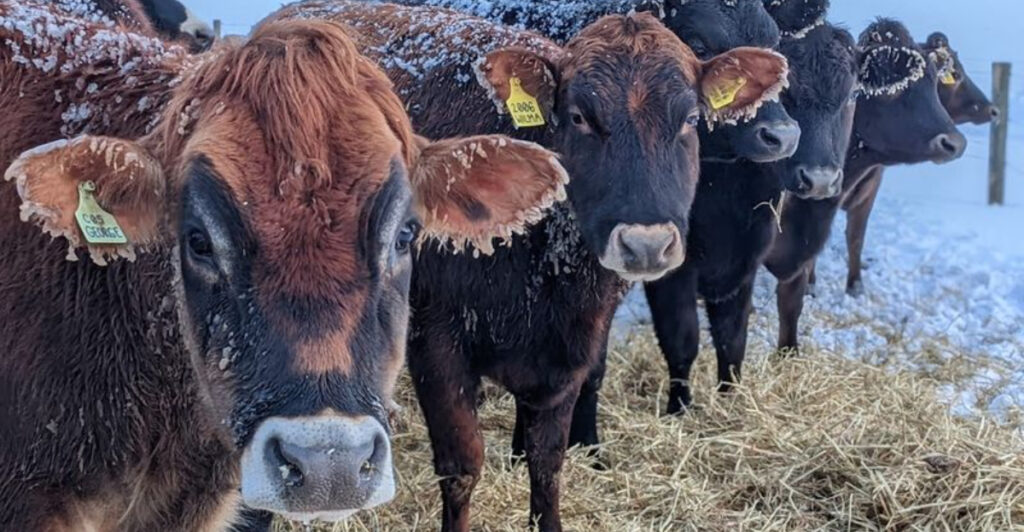
New Jersey does not always get the credit it deserves for serious food craft, but Cherry Grove Farm makes a strong case for changing that fast. Set on nearly 500 acres of preserved farmland in Lawrenceville, this family-owned dairy and creamery is not doing farm nostalgia as décor.
It is doing the real thing: cows on pasture, milk from its own herd, cheese made and aged on-site, and a regenerative approach that treats healthy land as the beginning of flavor rather than a marketing footnote.
The result is a lineup of cheeses with real personality, from the buttery bloom of Buttercup Brie to the long-aged depth of Havilah and the boozy, fig-leaf-wrapped drama of Trilby.
Within a decade of launching, Cherry Grove had already built a reputation as one of the region’s standout cheesemakers, and it has kept that momentum going with national and international recognition.
In a state better known for diners and tomatoes, this farm is quietly proving that world-class cheese belongs in the Jersey conversation too.
Where New Jersey pasture becomes exceptional cheese
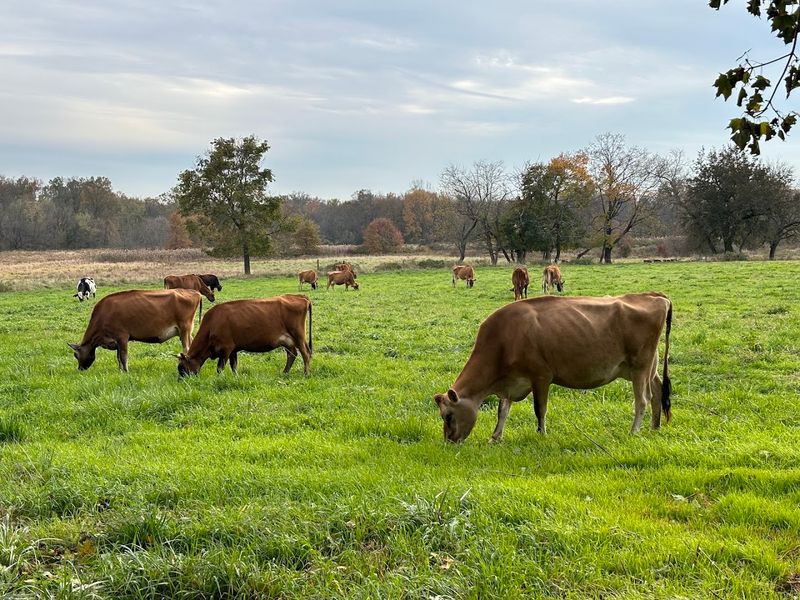
Drive through Central Jersey and you will pass plenty of beautiful land, but Cherry Grove Farm turns that scenery into something you can taste. The farm sits on nearly 500 acres of preserved farmland in Lawrenceville, and that scale matters because this is not a token patch of green attached to a cute farm store.
It is a working landscape of pasture, woodland, and wetland that supports a true farmstead operation, meaning the cows are raised there, milked there, and turned into cheese right there. That direct line from grass to wheel is the whole story.
Instead of trucking milk in from somewhere else and calling it local, Cherry Grove keeps the chain short and intensely place-specific. The farm describes its cheeses as expressions of its own terroir, and for once that word does not feel borrowed from a wine brochure.
The milk changes with the seasons because the forage changes with the seasons, and the cheeses pick up those shifts in flavor, aroma, and richness. One source notes that summer batches can lean grassier, while fall milk often turns richer and fuller.
That is not accidental. It is what happens when a creamery is paying close attention to its land and not trying to flatten every batch into bland consistency.
For New Jersey readers, that is part of the thrill here. This is local food with actual local character.
The farm is not imitating some faraway European ideal so much as translating old-world cheesemaking discipline into a distinctly Central Jersey setting. And that may be the most appealing detail of all: the best bite on your board might not come from across an ocean.
It might come from Lawrenceville Road.
Why the land matters as much as the milk
Ask any good cheesemaker and they will tell you milk quality is everything. Cherry Grove’s version of that idea starts a step earlier, with the pasture itself.
The farm openly ties the quality of its cheese to the standards it keeps in stewarding its land, and that is where the regenerative piece becomes more than a trendy phrase. Cherry Grove says it practices regenerative agriculture by regularly rotating where animals graze so both the herd and the ground stay healthier over time.
Local reporting has described that system in practical terms: cows are moved daily or every few days, giving pastures time to rest, recover, and regrow instead of being chewed down into exhaustion. That cycle helps maintain stronger forage, healthier soils, and more resilient fields.
It also keeps the farm from treating the landscape like a fuel tank to be drained. The payoff shows up in the milk.
When cows are eating fresh seasonal forage, the milk reflects it, and so do the cheeses. Cherry Grove’s own descriptions of Havilah and Buttercup Brie lean into those seasonal differences, from grassy brightness to richer, higher-fat autumn character.
Even the farm’s mixed herd contributes to that complexity. Outside profiles describe a blend of breeds including Jersey, Dutch Belted, Milking Shorthorn, Red Ayrshire, and others, which gives the cheesemakers a wider range of fat and protein to work with.
This is the kind of farm where flavor is built long before the vat. And because the regenerative system is tied to animal movement, soil health, and forage quality, it avoids the fake split between “good for the environment” and “good to eat.” At Cherry Grove, those are basically the same idea.
The pasture is not just where the cows stand before milking. It is the first ingredient.
How Cherry Grove keeps every step of cheesemaking on the farm
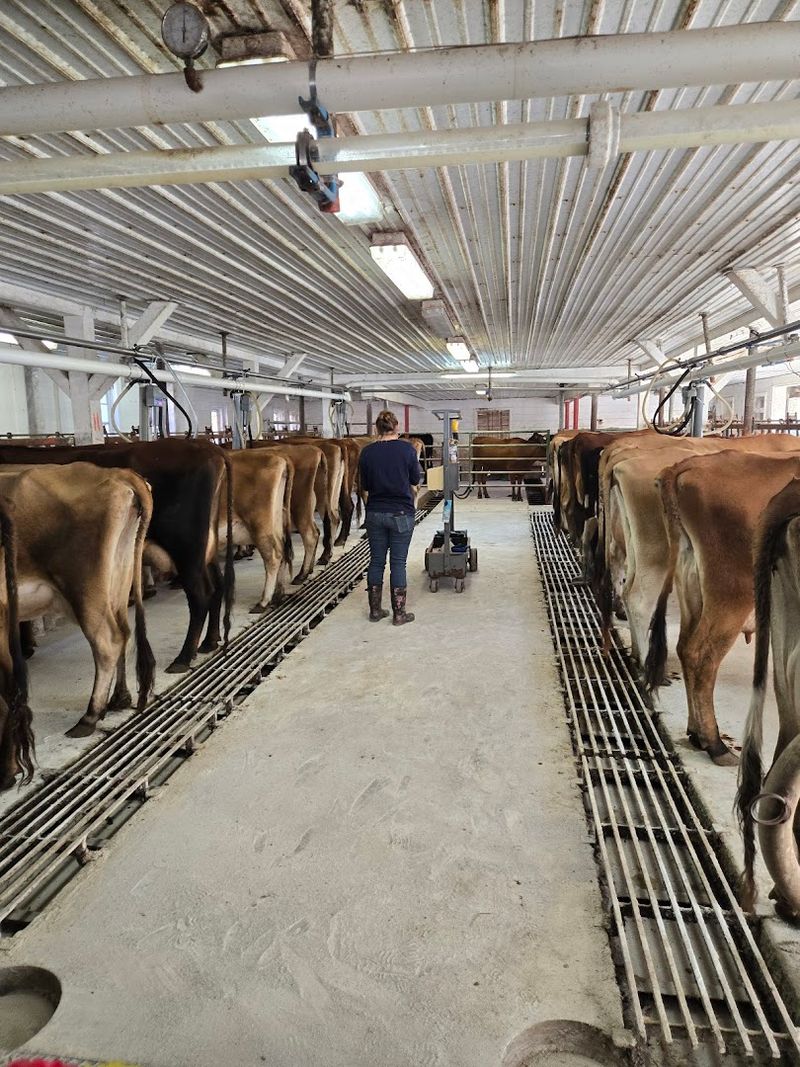
Many places use the word farmstead a little loosely. Cherry Grove does not have that problem because the whole operation is genuinely contained on-site.
The cows are raised on the farm, milked on the farm, and that same milk becomes cheese in the farm’s own creamery, where it is then aged with careful attention rather than rushed out the door. The farm’s official materials are very clear on this point, and it is one of the reasons the cheeses have such a strong identity.
When the milk does not leave the property and the makers stay close to every stage, there is less distance between farming decisions and flavor decisions. You can feel that in the range.
Raw milk cheeses like Havilah and Lawrenceville Jack rely on the liveliness of grass-fed milk, while other styles show off different techniques without losing that farm signature. Buttercup Brie is hand-ladled and made all season long.
Trilby gets washed during aging and wrapped in fig leaves from the farm or a neighboring organic farm after they are soaked in local spirits. Those are not factory moves.
Those are choices made by people who know exactly where their ingredients came from because they can point out the field, the animal, and sometimes the tree. Cherry Grove also ages its cheeses on-site, which matters more than casual eaters may realize.
Aging is where texture, aroma, and depth really take shape, and controlling that process in-house gives the farm more say over the final character of each wheel. Even the wider farm system loops back into cheesemaking.
The farm also raises whey-fed pork, using a cheesemaking byproduct instead of wasting it, which gives the whole place a closed-loop feel that is both practical and refreshingly unslick. Nothing about the model seems designed for speed.
That is exactly why it works.
The award-winning wheels putting this Central Jersey creamery on the map
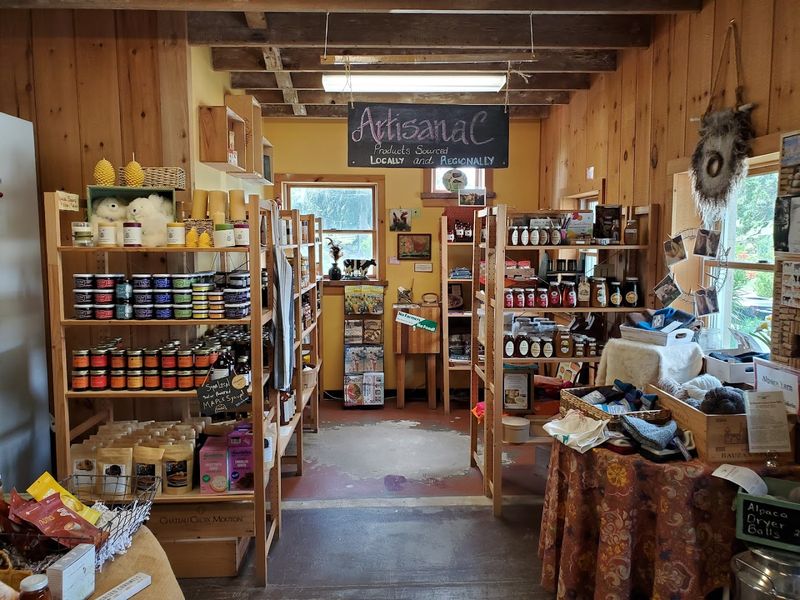
Plenty of farms make nice cheese. Fewer make cheese that keeps collecting serious recognition.
Cherry Grove belongs in the second group. The farm says that within a decade of its founding it had already become one of the region’s premier cheesemakers, with numerous national awards reflecting the care built into every step of the process.
Some of the standout names in the case back that up. Havilah, one of the farm’s longest-aged cheeses, has earned a Good Food Award, an American Cheese Society Award, and a World Cheese Award.
Havilah Reserve, its deeper, older sibling aged 16 to 24 months, has won its own American Cheese Society award and a World Cheese Award in 2024. Those are not throwaway ribbons handed out at a county fair.
They are meaningful markers in the artisan cheese world. Then there is Buttercup Brie, which may be the easiest entry point for newcomers because it starts mellow and buttery before developing more earthy, mushroomy intensity as it matures.
And Trilby is the scene-stealer. Washed with Dad’s Hat Rye Whiskey and wrapped in spirit-soaked fig leaves, it sounds a little wild on paper and apparently tastes even better in person, with notes described as beefy, buttery, sweet, and aromatic.
What makes the lineup compelling is that the cheeses are not all chasing the same audience. Some are snug, snacky, and crowd-friendly.
Others ask you to slow down and pay attention. That range is part of why Cherry Grove has become one of those places food people mention with an almost smug little smile, like they are letting you in on a secret.
The funny part is that the secret is not hidden. It is sitting in plain sight in Lawrenceville, aging beautifully.
What regenerative grazing brings to flavor, texture, and terroir
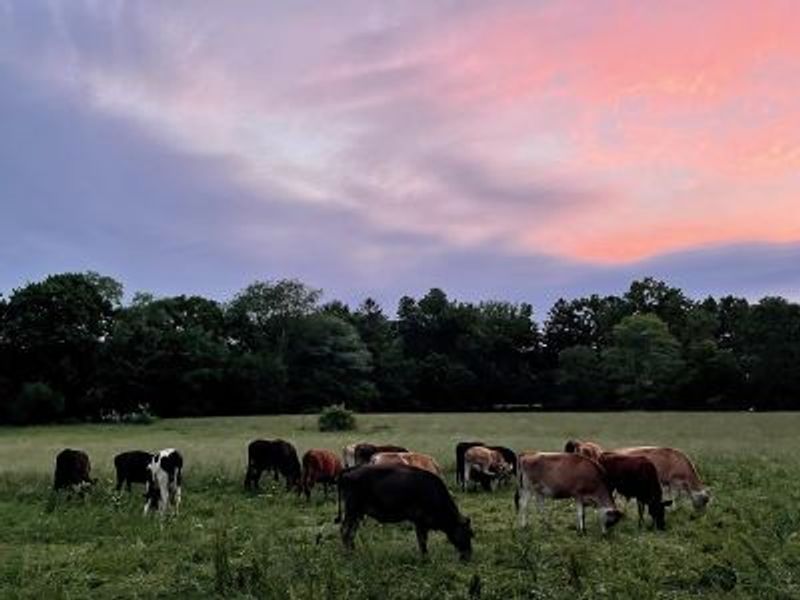
Cheese people love talking about terroir, but at Cherry Grove the idea lands because there is a clear chain of cause and effect. The farm’s herd is managed through rotational grazing, with animals moved regularly so the pasture can rebound instead of getting worn out.
That approach supports healthier forage across the season, and healthier forage shapes the milk in ways that show up later in the creamery.
Cherry Grove says Havilah is made only when the cows are eating fresh forage, and its tasting notes read like a tiny weather report from the field: buttered leeks, roasted garlic, raw chives, citrus, toasted nuts, even caramel at the finish.
Buttercup Brie shifts too, with grassier notes in summer and richer, fattier character in fall. Those seasonal changes are a big deal because they signal that the cheese is alive to place rather than engineered into sameness.
Texture follows the same logic. Richer milk can push a cheese toward lushness and fullness, while fresher, more herbaceous forage can sharpen aromas and brighten flavor.
Even the farm’s mixed-breed herd feeds into that complexity, offering a broader range of milk components for cheesemakers to work with. In other words, the pasture is not only influencing flavor in some vague poetic sense.
It is affecting the building blocks of the cheese itself. That is why Cherry Grove’s regenerative model feels especially convincing.
It is not presented as an eco halo floating above the product. It is embedded in the bite.
And in New Jersey, where conversations about agriculture often get overshadowed by development pressure and commuter geography, there is something satisfying about a farm proving that careful land management can produce food with this much personality. The grass is doing more than growing.
It is writing part of the recipe.
Why a visit to this Lawrenceville farm feels like a taste of New Jersey at its best
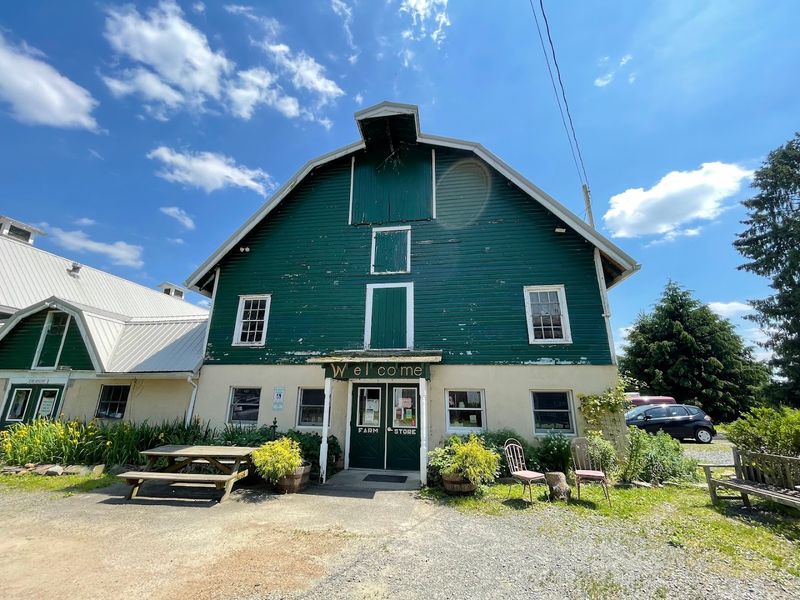
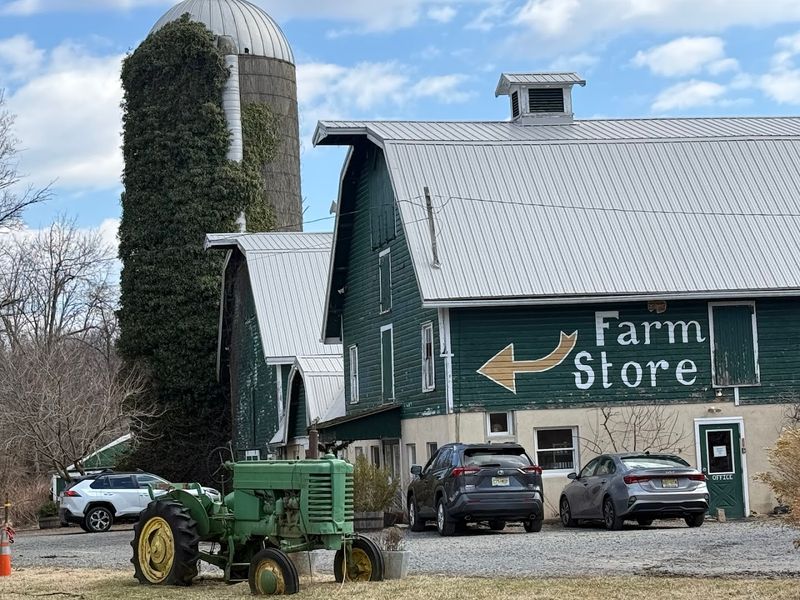
A trip to Cherry Grove Farm works because it does not feel staged for tourists. Yes, there is a farm store, and yes, you can buy the cheeses that put the place on the map.
But the experience is grounded in the fact that this is still a working New Jersey farm with real daily rhythms, real animals, and real land underfoot. The official site highlights not just the store but classes, activities, and seasonal events, which helps explain why the place has become more than a stop for cheese obsessives.
It gives visitors a way into the larger story. You are not just tasting a wedge and leaving with a receipt.
You are seeing how a preserved Central Jersey landscape gets translated into food. The store itself carries more than cheese, with the farm also producing grass-fed beef, whey-fed pork, and eggs, plus prepared foods and locally sourced goods.
That broadens the visit without turning it into a theme park version of rural life. Local cheese trail listings also note tours and classes, reinforcing that Cherry Grove has figured out how to invite people in without sanding off its identity.
For New Jersey locals, that balance is part of the charm. This is not a place that begs to be called a “hidden gem,” the most overworked phrase in food writing.
It is simply one of those rare spots where the state’s agricultural history, present-day food culture, and stubborn regional pride all meet in a very edible form. You leave reminded that New Jersey’s best flavors are often tied to land that is still being cared for, not just remembered.
And you may leave with a bag full of cheese that makes the ride home feel significantly shorter.
Share this story