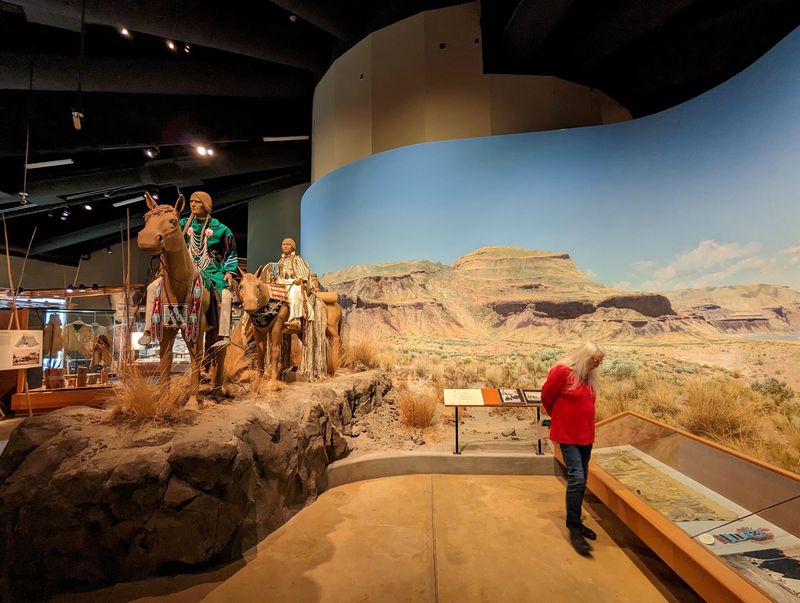
Oregon’s history looks different when the people who lived here first are at the center of the story. At Tamastslikt Cultural Institute in Pendleton, exhibits follow the Cayuse, Umatilla, and Walla Walla tribes from earlier times to the present.
Visitors learn about daily life, the effects of settlement, and efforts to keep culture strong. It is a place to rethink familiar history and get to know the region more deeply.
A Cultural Landmark Near Pendleton
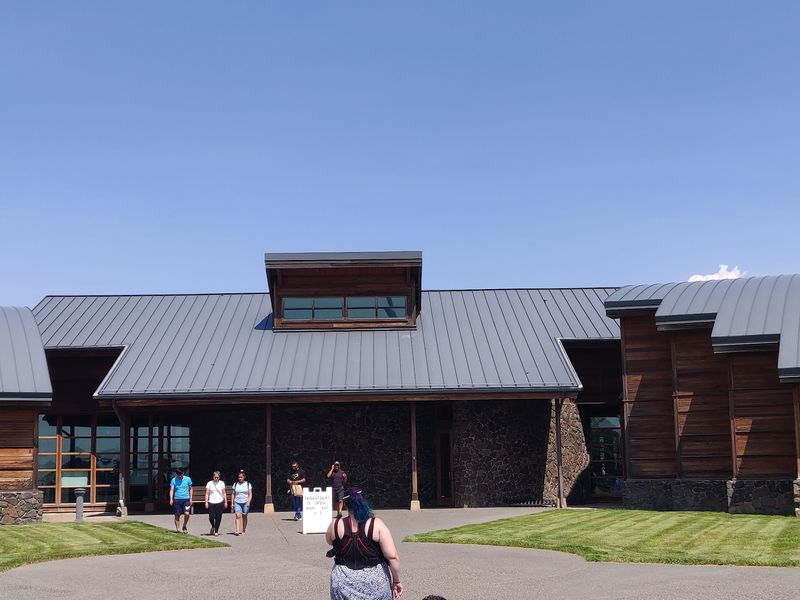
A stop near Pendleton can change how you understand the country you have just traveled through. Tamastslikt Cultural Institute, at 47106 Wildhorse Blvd, is a museum focused on the Native peoples of this area and their experiences before, during, and after pioneer settlement.
The setting makes it a practical addition to a Pendleton visit rather than a separate destination that needs an entire trip built around it. Visitors describe finding it behind Wildhorse Casino, east of Pendleton near Interstate 84, and some have stopped while staying at the nearby Wildhorse RV park.
Inside, the focus moves away from the familiar story of settlers heading west. Exhibits and videos examine what the Oregon Trail and settlement meant for the tribes whose lives and lands were affected.
For Oregon residents, that is a useful reason to make the stop: the museum connects a recognizable place with history that can feel distant in a textbook. Travelers get a similar benefit, gaining context for the region instead of simply passing through it.
Think of the address as the starting point, not the whole introduction. The real destination is a fuller understanding of the people whose stories belong here.
Three Tribes at the Center of the Story
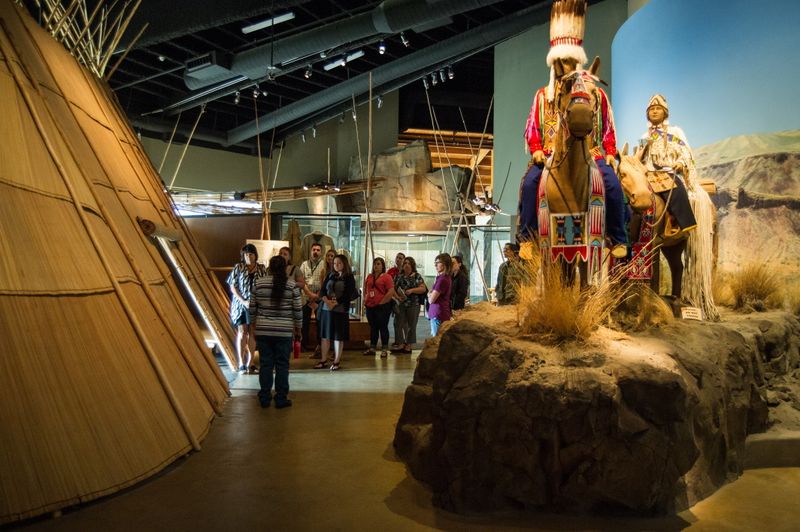
Names matter here: Cayuse, Umatilla, and Walla Walla. A visitor account identifies these as the tribes featured in the museum’s history of the Confederated Tribes of the Umatilla Reservation, giving the experience a specific local focus.
That specificity helps keep the visit from becoming a broad, blurry lesson about Native people everywhere. You are learning about communities connected to this region, with their own histories and experiences, rather than treating many different peoples as a single group.
Visitors praise the detailed information about Indigenous nations, their interactions with others, and their efforts to maintain culture today. Several describe leaving with a stronger grounding in local tribal history, which is a useful goal for anyone who knows Pendleton better than the communities around it.
Read the names carefully as you move through the displays. Keeping them in mind can help you connect the different parts of the story instead of remembering only a general impression of the past.
For families, this also offers a simple place to begin a conversation. Children can learn that Oregon’s history includes distinct Native tribes, and that those communities belong to the present as well as the past.
A Storyline from Earlier Times to Today
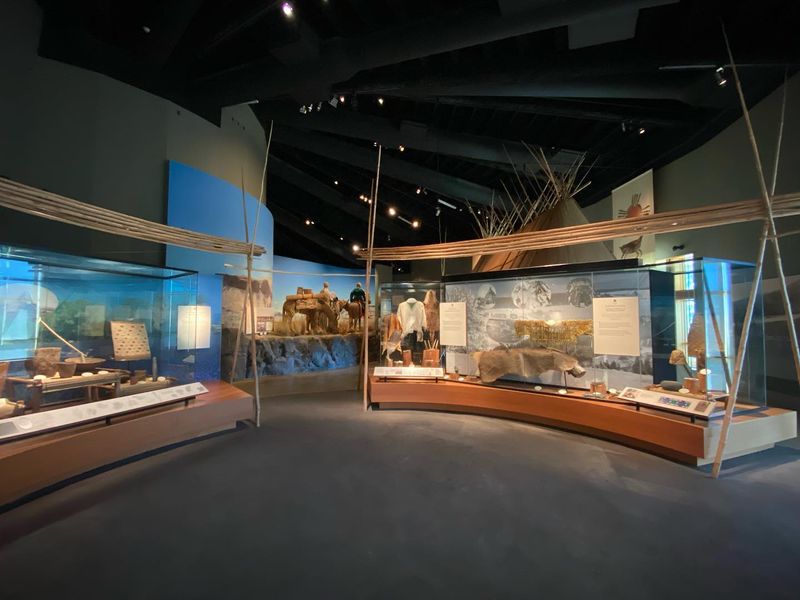
Instead of leaving visitors to connect scattered facts, the exhibits offer a story that moves through time. One visitor describes a clear path from ancient times through settler contact and into the present, while others praise the way the displays lead them through history.
That structure is one of the museum’s most useful features. A change in daily life, a meeting between peoples, or an effort to preserve culture becomes easier to understand when it appears within a larger sequence.
You do not need to arrive with a detailed knowledge of Oregon history to benefit from that approach. Following the story gives you a framework, and the displays, pictures, and videos add detail as you go.
Several visitors say they learned things they had previously known only through stories or had not understood at all. Others describe leaving with a different view of the history they were taught, suggesting that the sequence does more than organize a room.
Allow yourself to follow the connections rather than racing toward the next display. The strongest part of a visit may be noticing how one period leads into another, and how the history continues beyond the events that usually end a school lesson.
Daily Life, Seasonal Foods, and the Horse
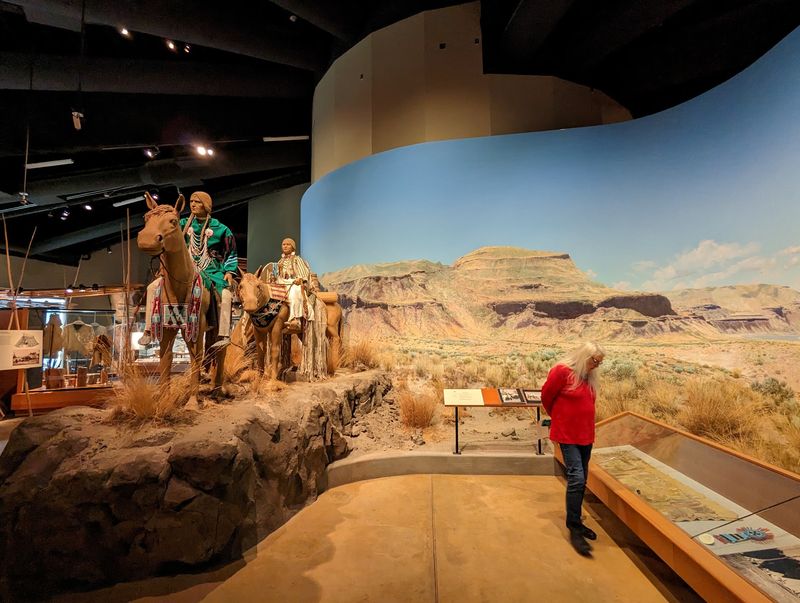
Daily life gives history something concrete to hold onto. A visitor’s account describes exhibits covering a traditional longhouse, the seasonal cycle of food, and the introduction of the horse, all subjects that bring the story closer to ordinary human needs.
These topics offer a different starting point from dates and treaties. Shelter, food, and changes in how people live are things younger visitors can recognize, even when the setting and traditions are unfamiliar to them.
The seasonal food cycle is especially useful as a reminder to pay attention to relationships within the story. Rather than reading each display as an isolated fact, consider how the museum connects ways of living with the surrounding region.
The horse adds another subject to follow through the exhibits. The supplied account does not describe the display in detail, so the best approach is to let the museum explain its significance rather than arrive with assumptions.
Visitors also praise the collection of cultural materials and the quality of the historical displays. Together, those comments suggest a visit that offers more than written information alone.
Take time with these everyday subjects. They help establish the lives and communities at the center of the later history.
The Oregon Trail from a Native Perspective
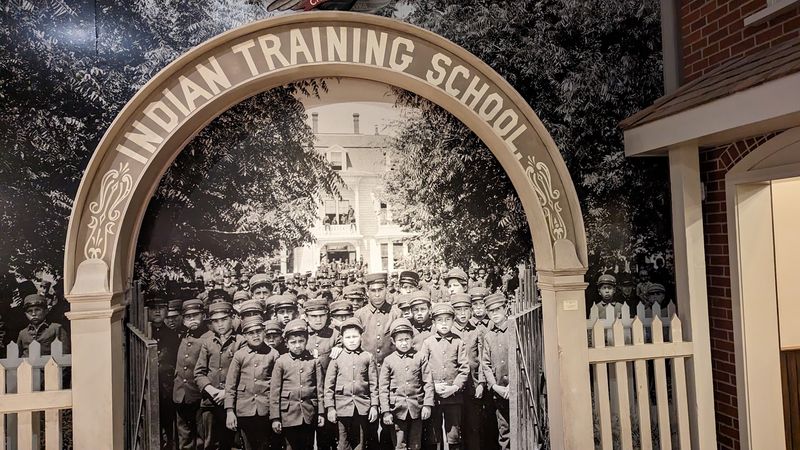
The familiar westward journey takes on a different meaning when the story includes the people already living here. The museum’s description specifically identifies exhibits and videos about the impact of the Oregon Trail and pioneer settlement on Native tribes.
That focus is central to the visit. Instead of treating settlement only as movement, adventure, or opportunity, the museum asks visitors to understand its effects on existing communities and their ways of life.
Several visitors describe the experience as eye-opening, powerful, and sometimes sad. One account mentions exhibits about land loss through treaty, pressure to abandon traditional ways, and the role of churches and boarding schools in forced assimilation.
Those are difficult subjects, and they deserve more than a quick glance. Give yourself room to read, listen, and consider how this history relates to the version you may have learned earlier.
For Oregon residents, the connection is close to home rather than abstract. A well-known chapter of the state’s history becomes a story with consequences for specific tribes.
The value is not simply in replacing one easy account with another. It is in making space for experiences that visitors say were missing from their earlier understanding of the past.
Culture and Community in the Present
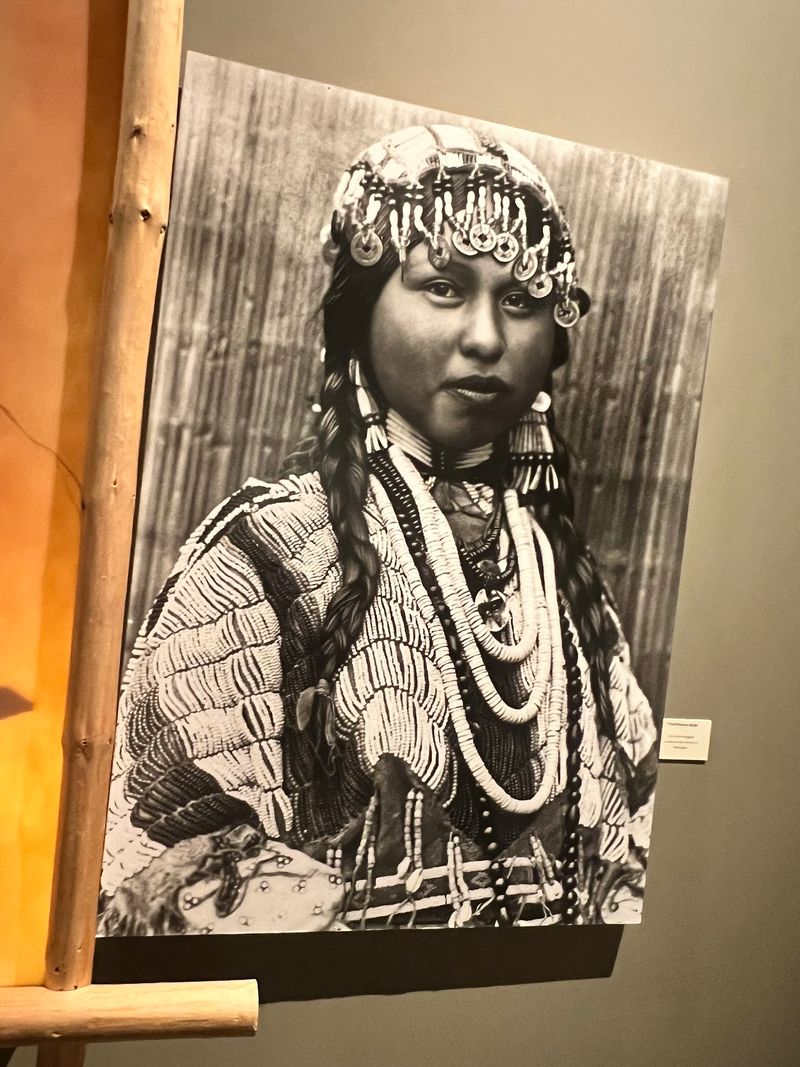
The story does not stop when the historical photographs do. Visitors repeatedly point out that Tamastslikt Cultural Institute covers the present alongside the past, including current efforts to maintain culture.
That matters because a museum can easily leave people thinking only in terms of earlier generations. Here, the reported storyline continues into today, helping visitors see the tribes as living communities rather than subjects confined to old events.
One visitor describes learning about more recent ventures, including a casino and hotel, as part of efforts to improve life for tribal people. Another specifically praises the chance to learn both history and the present, a distinction worth keeping in mind throughout the galleries.
For readers interested in preserving familiar Oregon institutions, this is the most direct connection to that concern. The museum offers a place to learn about the cultural work visitors describe, rather than leaving that work hidden behind a general appeal to remember history.
Pay attention to where the exhibits bring the story forward. Those sections can change the meaning of everything that came before them.
A visit is more complete when it leaves you curious about present-day communities, not only informed about events that happened to their ancestors.
Videos and Personal Stories with Staying Power
A voice or personal account can make a lesson linger after the visit ends. Reviewers describe an interactive experience that includes videos and personal stories, and several say they were deeply moved by what they encountered.
The museum’s listed description also confirms that videos help explain the impact of the Oregon Trail and pioneer settlement. They are part of the interpretation, not simply an extra attraction to glance at between displays.
One visitor spent about an hour listening to the different films, while another found it easy to spend two hours in the exhibits. Those accounts suggest that how much you watch can make a real difference to the length and depth of your visit.
Build listening time into your plan if this is the part of a museum you usually enjoy most. Arriving shortly before closing may leave you choosing between a video and the next section of the story.
Visitors also praise the interaction and the consistent storyline across the galleries. Together, those elements offer several ways to engage with the material rather than relying on reading alone.
There is no need to rush past a presentation that holds your attention. Sometimes the most useful stop is the one where you simply stay and listen.
Thoughtful Displays and a Welcoming Atmosphere
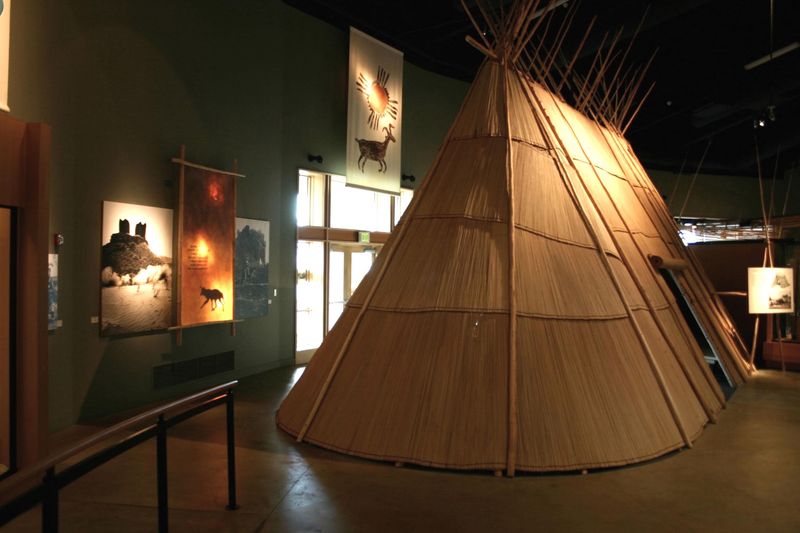
A difficult history does not require an unwelcoming room. Visitors often pair comments about the museum’s emotional impact with praise for friendly staff, attractive displays, and a clean, well-organized setting.
The supplied listing gives Tamastslikt Cultural Institute a 4.8-star rating from 366 reviews. That is a strong overall response, but the details behind it are more helpful than the number alone: people repeatedly mention informative exhibits, knowledgeable staff, and a warm reception.
Several accounts describe the displays as beautifully constructed or immersive. Another praises the layout and pictures, while a recent visitor highlights the staff’s knowledge after spending a little over an hour there.
Not every reaction is equally enthusiastic about the space. One visitor felt the actual museum area was small compared with the building and questioned the value, though they still found the stop informative.
That contrast gives a fairer picture than praise alone. Come for the content and the way it is presented, rather than expecting the size of the building to predict the amount of gallery space.
If you have questions during your visit, the repeated comments about helpful staff offer a good reason to ask. A short conversation may help clarify a detail you would otherwise pass by.
A Meaningful Visit for Families and Locals
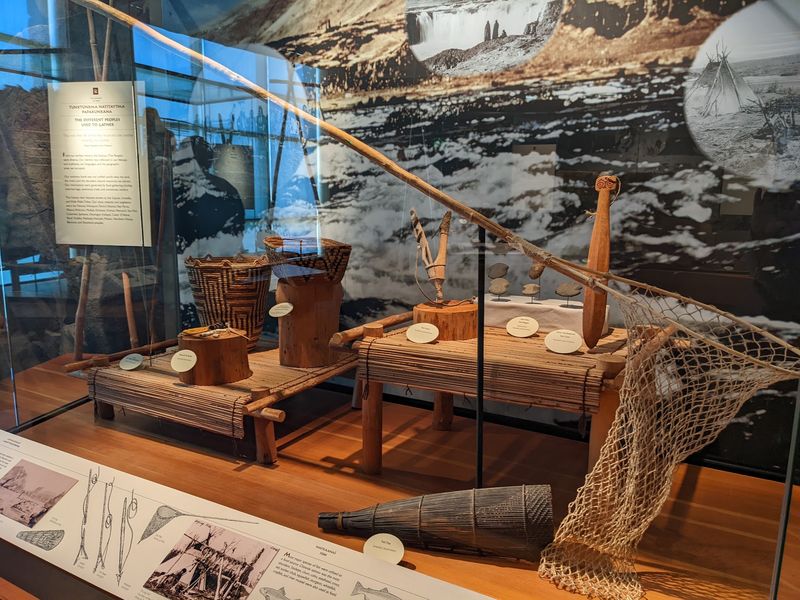
Children and adults can find different reasons to pay attention in the same gallery. Family reviewers describe enjoying the museum together, and one parent specifically mentions visiting with children to learn about their culture and heritage.
Another visitor considers the museum appropriate for all ages. That is an encouraging opinion, though families should still remember that some of the history is painful and may lead to questions about land loss, unfair treatment, and forced changes to language and culture.
A useful approach is to let children name what caught their attention, then discuss it without trying to cover every detail at once. The videos, pictures, and daily-life subjects give families several starting points for those conversations.
Local residents have their own reason to make time for a visit. Reviewers describe the museum as an important part of understanding eastern Oregon and the wider Pacific Northwest, and some strongly recommend it to people who live nearby.
It can also suit travelers who want historical grounding before exploring the region. One visitor made it an early stop while visiting family in the area.
The common thread is curiosity. You do not need to be a history specialist, but a willingness to listen will make the experience more rewarding.
Books and Artisan Goods in the Gift Shop
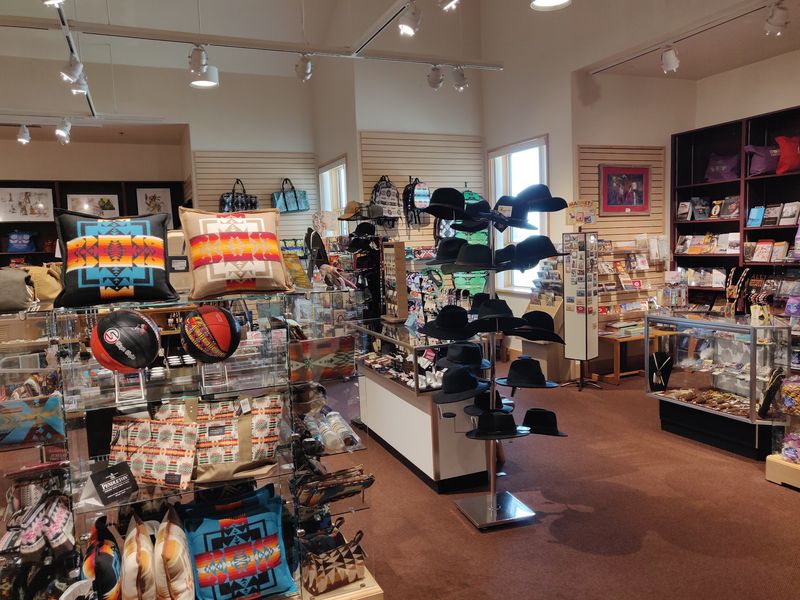
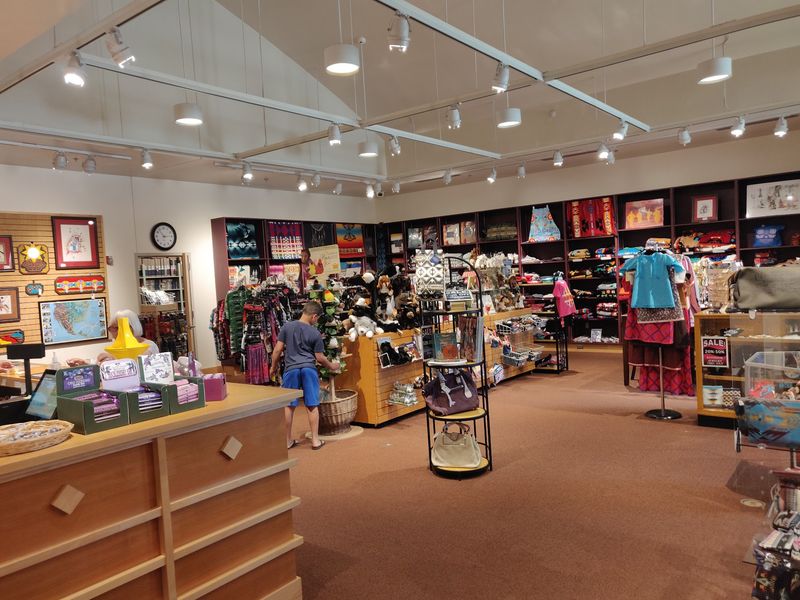
The learning can continue beyond the last display if you leave with something to read. Visitors frequently mention the gift shop, and one account specifically praises its selection of books about the tribes.
Books are a practical choice for anyone who finishes the exhibits with more questions than answers. Rather than trying to remember every detail, you can look for a subject that interested you and ask staff which available title might fit.
The supplied review topics also mention jewelry from local artisans and beadwork. Other visitors describe a variety of related products, while a family account notes stuffed animals for children.
That range gives the shop different roles for different visitors. It can be a place to find further reading, browse craft-related goods, or choose a small reminder of a family outing.
A purchase is not necessary to make the visit worthwhile. If your household is watching the cost of admission, food, and souvenirs, it is reasonable to decide on a shop budget before browsing.
For those interested in local artisan work, ask about the maker and the item rather than making assumptions from its appearance. The shop offers another opportunity for a conversation, especially when a particular piece or book catches your attention.
A Café Break and an Outdoor Walk
Lunch can make a museum stop feel less hurried, provided the café is open when you arrive. Several visitors praise the food at Tamastslikt Cultural Institute, including accounts of a satisfying lunch, tasty snacks, and good value.
Past reviews mention fry bread, corn and salmon chowder, and a cinnamon roll. Treat those as examples of what visitors enjoyed, not a promise that the same items will be on the menu during your visit.
Timing deserves attention here. One review says the café closes at 2 p.m., another describes a four-hour daily window, and a more recent visitor found it closed altogether.
Those reports make a simple planning point: museum hours and food service should not be assumed to match. Call ahead if eating there is central to your plans, especially if you are bringing children or arranging the visit around lunch.
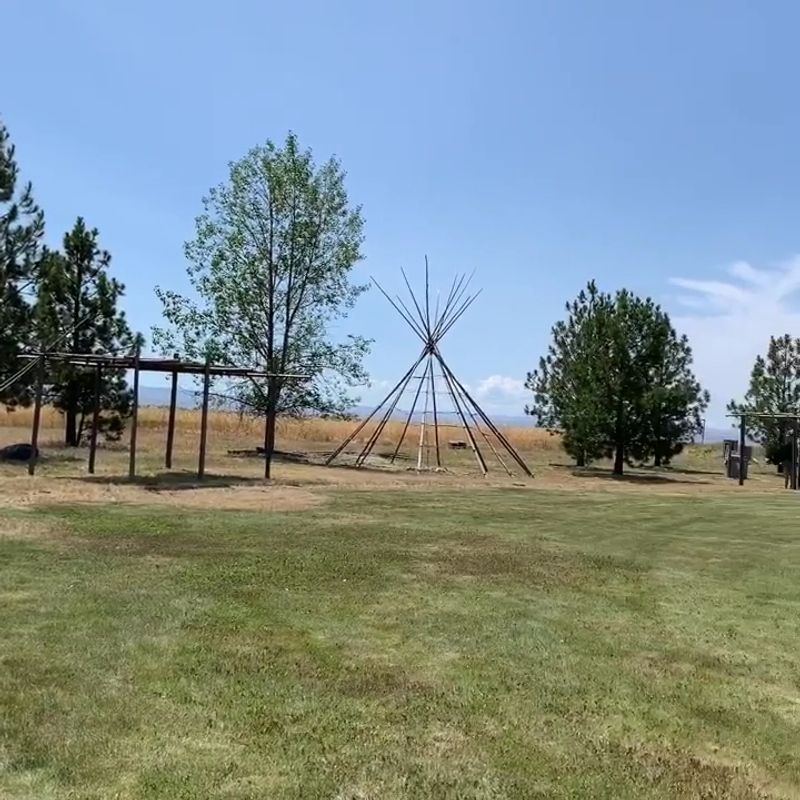
A recent visitor also mentions a pleasant trail outside. An outdoor walk may offer a change of pace after time spent reading and watching presentations, though the supplied information does not give its length or accessibility details.
Keep both options flexible. The exhibits are the main reason to come, while food and a walk can add breathing room when available.
Opening Hours and a Realistic Visit Length
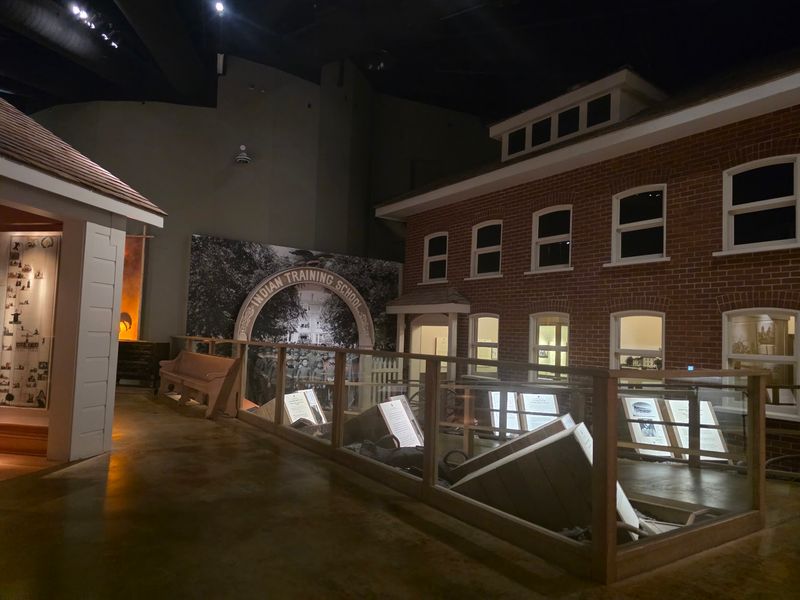
Give the visit a little breathing room before you put it on the calendar. The supplied operating hours list Tamastslikt Cultural Institute as open Tuesday through Saturday from 10 a.m. to 5 p.m., with Sunday and Monday closed.
Visitor accounts show that there is no single right amount of time to spend inside. Some describe a visit of about an hour or a little longer, while another spent two hours in the exhibits before lunch.
One reviewer recommends allowing roughly two and a half hours before closing for a thorough visit. That is a useful planning suggestion, not an official required duration, and your pace will depend on how much you read and watch.
If you want time for videos, the shop, and a possible café stop, an earlier arrival leaves more choices. A late-afternoon visit may still be worthwhile, but it calls for realistic expectations about what you can cover.
Availability can vary beyond the basic weekly schedule. One visitor reported an exhibit closed for the season, although the supplied information does not identify it or establish a recurring closure.
Check tamastslikt.org or call 541-429-7700 before a special trip. Confirming the day’s hours and any closures is easier than discovering a change after you arrive.
Admission, Parking, and Getting There
A clear budget starts with knowing what has been confirmed and what still needs checking. Visitors report an admission fee, but the supplied information does not include current ticket prices, so a dependable dollar total cannot be given here.
One review mentions senior and AAA discounts. Another reports a two-for-one offer connected with a passport from the Pendleton wool tour, but that should be checked directly rather than treated as a standing deal.
For an Oregon household planning a day out, those details can make a practical difference. Ask about current admission, eligible discounts, and any offers before adding food or gift-shop spending to the plan.
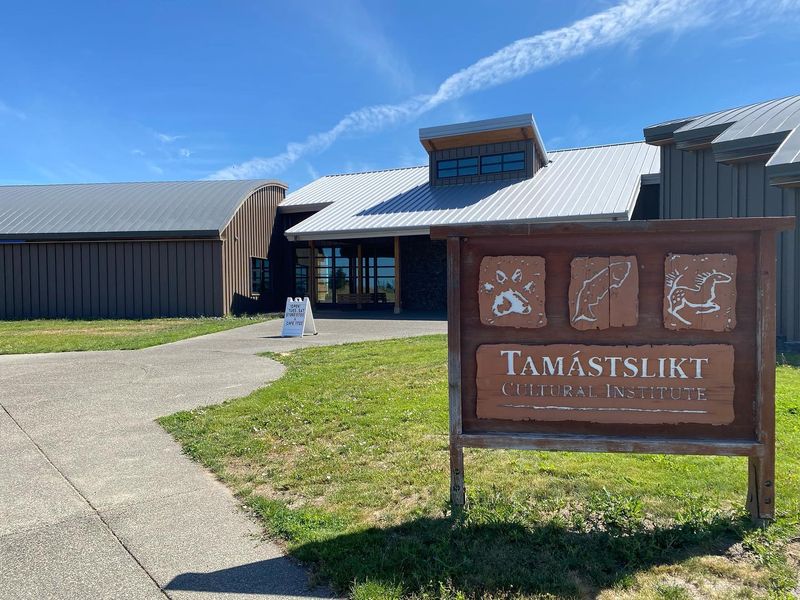
The address is 47106 Wildhorse Blvd, Pendleton, OR 97801. Visitors place the museum behind Wildhorse Casino, east of Pendleton near Interstate 84, which provides useful context when setting your navigation destination.
Parking receives helpful comments in the reviews: one describes plenty of free paved spaces, including some shaded by solar panels. Another mentions shaded parking reserved for elders.
Clean restrooms and air conditioning are also reported. The supplied information does not confirm detailed accessibility arrangements, so contact the museum about specific mobility needs rather than assuming every part of the visit will suit them.
A Pendleton Stop That Broadens the Picture
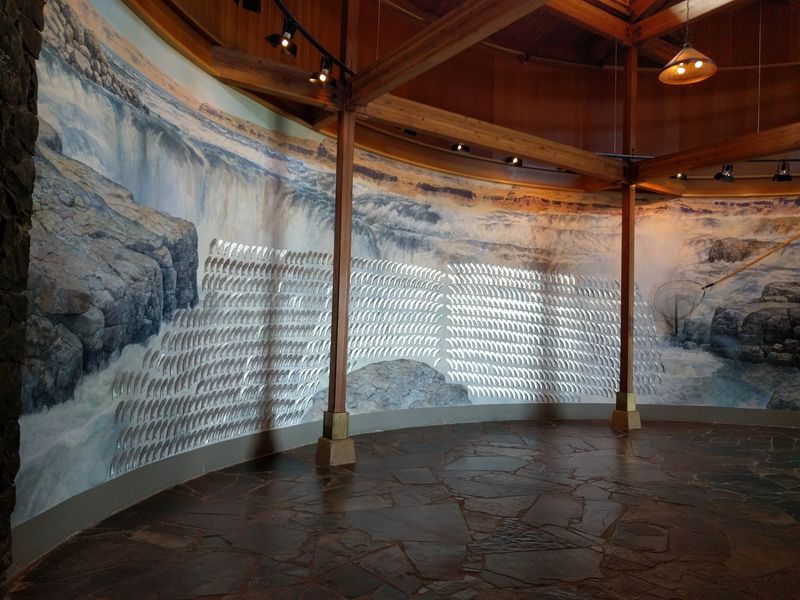
Some stops give you a photograph; others leave you thinking differently on the drive home. Visitor accounts suggest that Tamastslikt Cultural Institute often belongs in the second group, with people describing new understanding, strong emotions, and questions about the history they had previously learned.
Its appeal is not based only on the amount of space to explore. The most consistent praise concerns the information, the presentation, the personal stories, and the people who help visitors engage with them.
That distinction matters when deciding whether it fits your plans. Someone looking mainly for a very large museum may share the reviewer’s concern about the gallery size, while a traveler seeking local history may find the focused experience especially worthwhile.
For Pendleton-area residents, a visit offers a concrete way to spend time with a nearby cultural institution. For travelers, it adds depth to a route that might otherwise be remembered only by its stops and scenery.
Confirm the admission and opening details, leave enough time to listen, and approach the exhibits with an open mind. There is no need to turn the outing into a checklist.
The quiet recommendation is simple: make room for this museum when you want a fuller picture of Oregon, past and present.