Tennessee has a way of surprising people, especially when you venture beyond Nashville’s bright lights and crowded streets. Across the state, smaller towns are drawing attention for their historic charm, affordable housing possibilities, and lifestyles that feel increasingly hard to find in bigger cities.
Some offer picturesque downtown squares filled with family-owned shops, while others sit near scenic mountain highways, peaceful rivers, and popular vacation destinations. These places have long attracted visitors, but their combination of character, location, and potential real estate opportunities is also giving prospective buyers plenty to think about.
For longtime residents, growing interest can bring a mix of excitement and uncertainty. New businesses and renovated properties may breathe fresh life into familiar streets, while rising demand can raise questions about affordability and preserving local traditions.
What makes these communities especially interesting is that each has something distinctive to offer. From unusual festivals and historic landmarks to outdoor adventures and welcoming main streets, their appeal goes well beyond property prices.
Whether you’re curious about Tennessee’s changing housing landscape or simply searching for an overlooked destination, these six towns reveal why small-town living continues to capture attention across the Volunteer State, even as their individual futures remain uncertain.
1. Bell Buckle
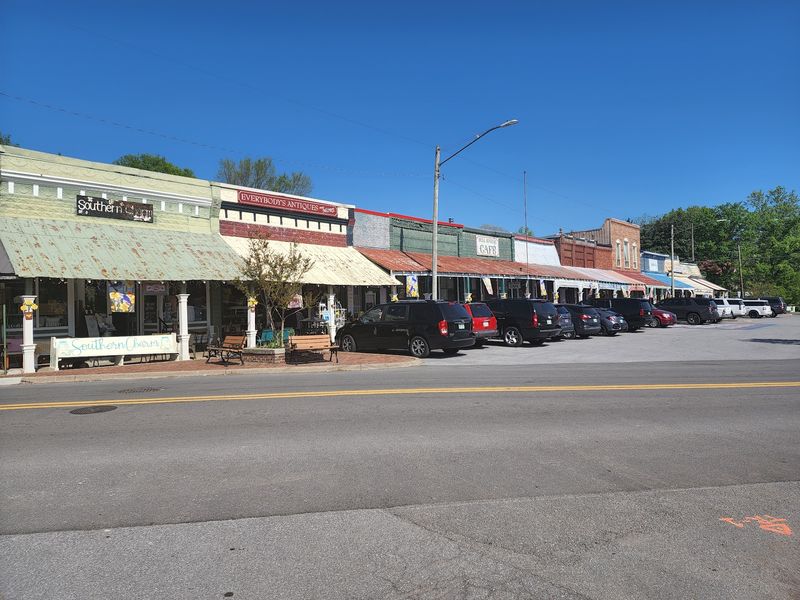
Not many towns can say they hold a festival for a soda and a snack cake. Bell Buckle does, with the RC Cola and Moon Pie Festival landing each June.
That sweet streak fits a place with fewer than 500 residents. The town grew up around the railroad, and the tracks still run right past its old storefronts.
You’ll notice the main street looks like it was lifted from a 19th-century postcard. Brick buildings hold antique shops, craft stores, and small businesses that lean hard into the past.
Then there’s The Webb School, a private boarding school that has called Bell Buckle home since 1886. A respected school in a tiny town tends to bring steady attention from families and buyers.
Bell Buckle sits in Bedford County, within reach of growing Middle Tennessee job centers like Murfreesboro, a location that may appeal to prospective property buyers.
Small supply plays a big part too. When a town is this tiny, even a few new buyers can shift the whole market.
Keeping that historic look matters here. The downtown is part of a historic district listed on the National Register of Historic Places.
Planning a visit? Go during the festival weekend if you love a crowd, or pick a quiet weekday if you’d rather browse slowly.
Railroad Square is a good starting point. It puts you close to the shops and gives you a clear view of the tracks that shaped the town.
Thinking about buying property? Spend time talking with neighbors and learning local rules before you make any big moves.
Historic districts can come with guidelines for exterior changes. A quick call to town hall can save you a lot of headaches later.
Honestly, the biggest draw might be the pace. Bell Buckle feels like it moves at walking speed, and plenty of people are deciding that sounds pretty good.
Just maybe pack an appetite for Moon Pies. It would feel rude not to.
2. Jonesborough
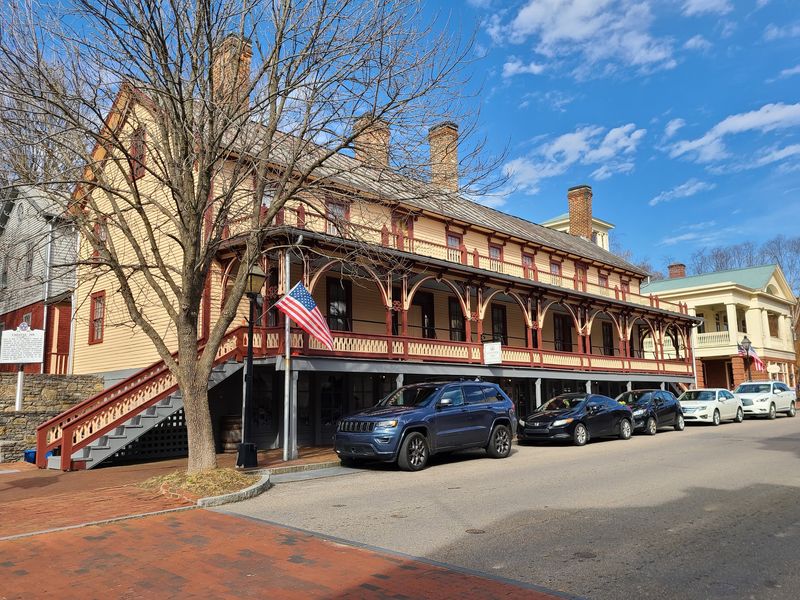
Long before Tennessee was even a state, Jonesborough was already a town. Founded in 1779, it holds the title of Tennessee’s oldest town.
History here doesn’t stay behind glass. It lines a brick Main Street packed with buildings that have stood for generations.
Then there’s the storytelling. Jonesborough hosts the National Storytelling Festival each October, a tradition that started in 1973.
The International Storytelling Center sits right downtown. It runs a storytelling series with tellers performing through much of the year.
Andrew Jackson spent time in Jonesborough as a young lawyer. The Chester Inn, built in the 1790s, still stands on Main Street as a museum.
Jackson was not the only big name tied to the town. Jonesborough also served as a capital of the short-lived State of Franklin in the 1780s.
So what has investors paying attention? The town sits close to Johnson City, which gives buyers easy access to jobs, shopping, and East Tennessee State University.
Mountain scenery doesn’t hurt either. The Appalachian views around town appeal to people moving in from bigger, busier places.
A famous festival can make a town look like a smart rental bet. Interest in short-term rental investments can raise questions about how property ownership might affect the community.
Want the best feel for the place? Walk Main Street slowly and read the historic markers as you go.
Bring good shoes, since the sidewalks and side streets are made for wandering. You’ll find shops, cafes, and old churches within a short stroll.
Visiting during the October festival? Book lodging early, because the event draws storytelling fans from across the country.
Considering a move? Look into the historic zoning rules downtown, since older buildings often come with extra care requirements.
And don’t skip the smaller events. The town calendar often includes seasonal celebrations that show off its community side.
Jonesborough knows how to tell a good story. Lately, more people want a part in the next chapter.
3. Lynchburg
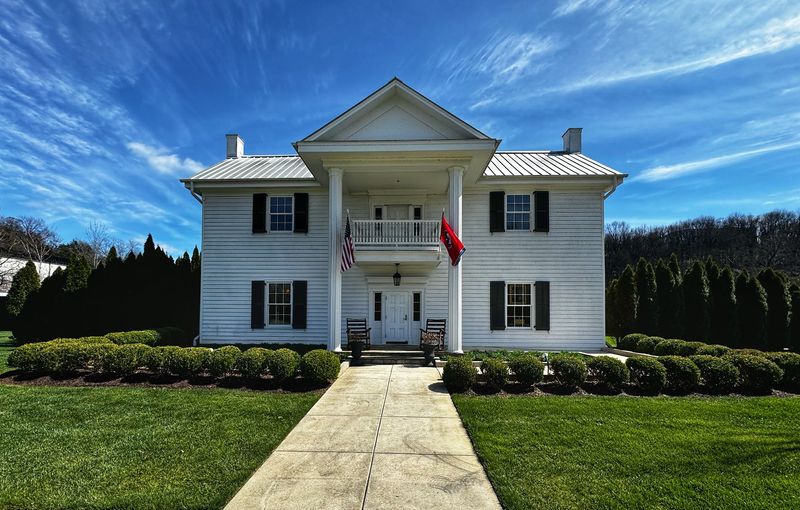
Lynchburg shares one government with all of Moore County, which is a fun twist. The official name includes the word Metropolitan, which feels pretty grand for such a small place.
The heart of town is the courthouse square. The red brick Moore County Courthouse anchors it, with shops and restaurants circling around.
Built in 1885, that courthouse is listed on the National Register of Historic Places. It gives the square the kind of old-time look that photographers love.
Just off the square, the Moore County Old Jail Museum shows how the town handled troublemakers long ago. It served as the county jail until 1990.
Lynchburg attracts tourists, creating potential opportunities for businesses offering lodging, dining, and shopping.
That kind of foot traffic makes downtown storefronts and rental homes look appealing. Moore County is also one of the smallest counties in Tennessee by land area.
Small size means limited property. When demand rises and land stays the same, prices tend to follow.
That math can feel exciting to buyers and a little nerve-racking to neighbors. It’s a common tension in any small town that suddenly gets popular.
Visiting soon? Park once and explore the square on foot, since the shops sit close together.
Many stores sell handmade goods, local crafts, and Tennessee souvenirs. It’s an easy place to spend an afternoon without a rigid plan.
Fans of rolling farmland will enjoy the drive in. The roads curve through quiet hills of southern Middle Tennessee.
The square also hosts events through the year. Check the local calendar before you go so you can catch one.
Thinking long term? Remember that a tiny town can feel very different on a busy tourist Saturday than on a quiet Tuesday morning.
Visit on both kinds of days before making decisions. You’ll learn far more than a listing photo could ever show you.
Lynchburg may be small, but it has never been short on visitors. Now it seems the buyers are catching up.
4. Tellico Plains
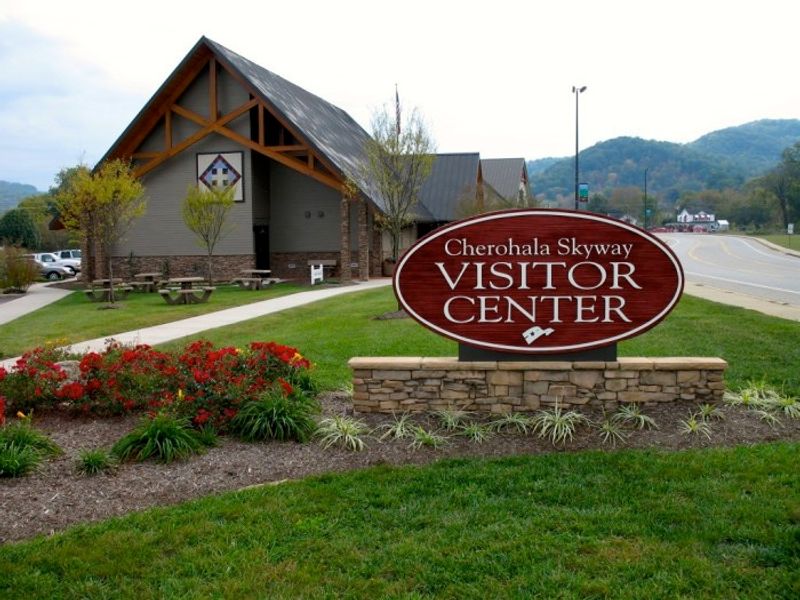
It took about 34 years to build the road that made Tellico Plains famous with drivers. The Cherohala Skyway finally opened in 1996, and it starts right here.
The skyway stretches about 43 miles into North Carolina. Along the way, it climbs above 5,000 feet through the Cherokee and Nantahala National Forests.
Motorcyclists, sports car fans, and leaf peepers love those curves. You can’t blame them, since the mountain views are hard to beat.
Back in town, a small square holds shops and local businesses. It’s the kind of place where you grab supplies before heading into the hills.
Nature sits close by, too. Bald River Falls drops roughly 90 feet and can be seen right from a roadside bridge.
The Tellico River also runs near town. It’s well known for trout fishing, so pack a rod if that’s your thing.
History fans can check out the Charles Hall Museum. It holds a large collection of local artifacts, antique tools, and old telephones.
So why would investors care about a town of under 1,000 people? Mountain cabins and outdoor getaways have become big business across East Tennessee.
A town at the doorway to a famous scenic drive checks plenty of boxes. Cabin rentals and weekend homes may appeal to buyers interested in the area’s outdoor recreation opportunities.
Planning a trip? Fill your gas tank in town before driving the skyway, because there are no gas stations along the route.
Cell service can be spotty in the mountains, so download maps ahead of time. Fall color season brings heavier traffic, so start early.
Considering land here? Check road access, especially for steep mountain lots that can be tricky in winter weather.
Ask about well water, septic systems, and internet options too. Rural property can come with surprises city buyers don’t expect.
Tellico Plains has always been a starting line for adventure. These days, it’s also a starting line for some serious real estate interest.
5. Paris
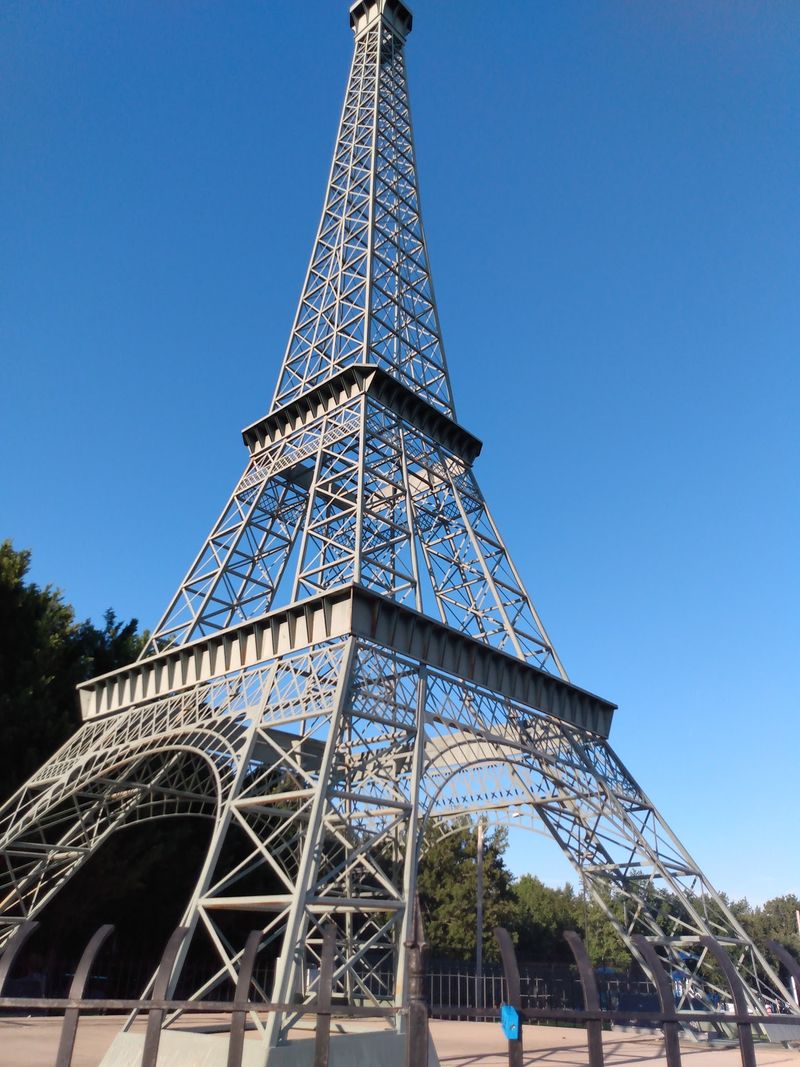
No passport needed for this Paris. The Tennessee version has its own Eiffel Tower, a 60-foot replica standing in Eiffel Tower Park, formerly known as Memorial Park.
Engineering students and faculty from Christian Brothers University in Memphis helped build it. It’s a goofy photo stop worth the detour.
Food lovers know Paris for another reason. The town hosts the World’s Biggest Fish Fry each April, a tradition that dates back to the 1950s.
The event fills a week with catfish dinners, a parade, a rodeo, and other hometown fun. It’s a big deal for the whole region.
Downtown centers on the court square around the Henry County Courthouse. Independent shops and local businesses fill the blocks nearby.
So what’s pulling investors west? Paris sits close to Kentucky Lake, one of the largest man-made lakes in the eastern United States.
Lake homes, fishing cabins, and vacation rentals draw plenty of interest. Paris Landing State Park adds a marina, trails, and an inn to the mix.
Lower home costs than bigger Tennessee cities help too. Buyers from pricier markets often see small towns like this as a bargain.
That shift can feel strange to longtime residents. Neighbors who once knew most houses on the block may now spot unfamiliar license plates.
Heading over for a visit? Snap your Eiffel Tower photo early in the day for better light and fewer people in the frame.
Then wander the court square and browse local stores. It’s a nice way to see how the town mixes old buildings with new businesses.
Planning to visit during the fish fry? Lodging fills up, so book early or stay near the lake.
Thinking about buying? Compare lake properties with in-town homes, since prices and upkeep can vary a lot.
Ask about flood zones and dock rules near the water. Those details matter far more than a pretty sunset.
Bonus points if you can say Paris, Tennessee with a straight face. It never gets old.
Paris is known for its Eiffel Tower replica, while its proximity to Kentucky Lake may appeal to prospective property buyers.
6. Columbia
Mules get the royal treatment in Columbia. Each April, the town throws Mule Day, a celebration with roots going back to 1840.
Expect a parade, mule shows, and plenty of country fun. The town proudly calls itself the Mule Capital of the World.
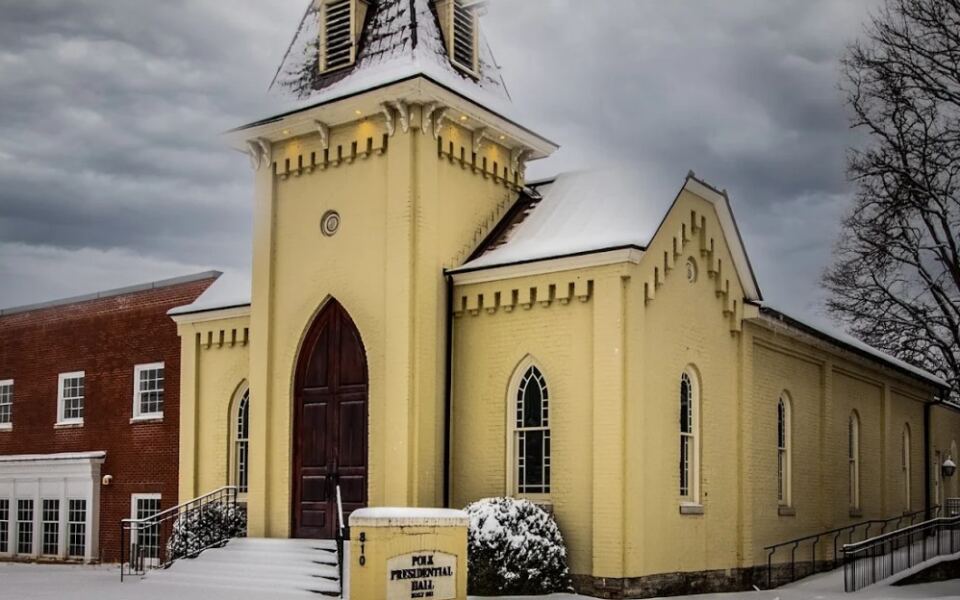
History runs deep here beyond the mules. The James K. Polk Home is the only surviving residence of the 11th president, aside from the White House.
Polk lived there as a young lawyer before his political career took off. Today, the home operates as a museum with guided tours.
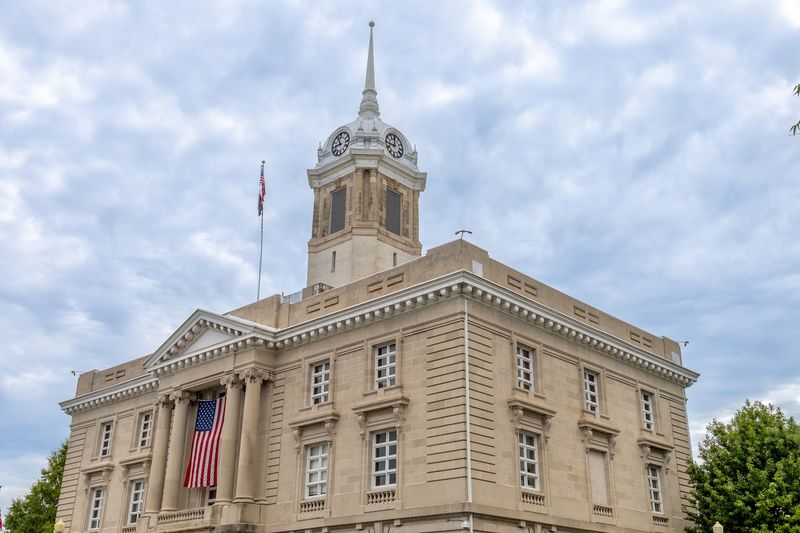
Downtown centers on a lively square around the Maury County Courthouse. Restaurants, boutiques, and shops line the blocks.
The Duck River also curves past town. Riverwalk Park gives you a green spot to stroll near the water.
Columbia sits roughly an hour south of Nashville, making it an option for commuters and weekend visitors.
As Nashville prices climbed, many buyers started looking farther out. Maury County has been one of the faster-growing counties in Middle Tennessee.
New subdivisions and businesses keep popping up around the edges of town. Meanwhile, the historic center works to keep its old character.
That balancing act gets plenty of local attention. Longtime residents can watch farmland turn into rooftops almost overnight.
Visiting? Time your trip for Mule Day if you want to see the town at its busiest and most cheerful. Prefer a calmer pace?
Pick a regular weekend, explore the square, and tour the Polk Home without the festival crowds.
Old storefronts around the square look straight out of an earlier era. Those brick buildings help explain why visitors keep coming back.
Thinking of buying? Research commute times carefully, since traffic toward Nashville can stretch your drive.
Check which parts of town are seeing new construction too. Growth can change a quiet street faster than you’d expect.
Columbia has celebrated mules for nearly two centuries. Now it’s the buyers who seem to be lining up for the parade.
Share this story