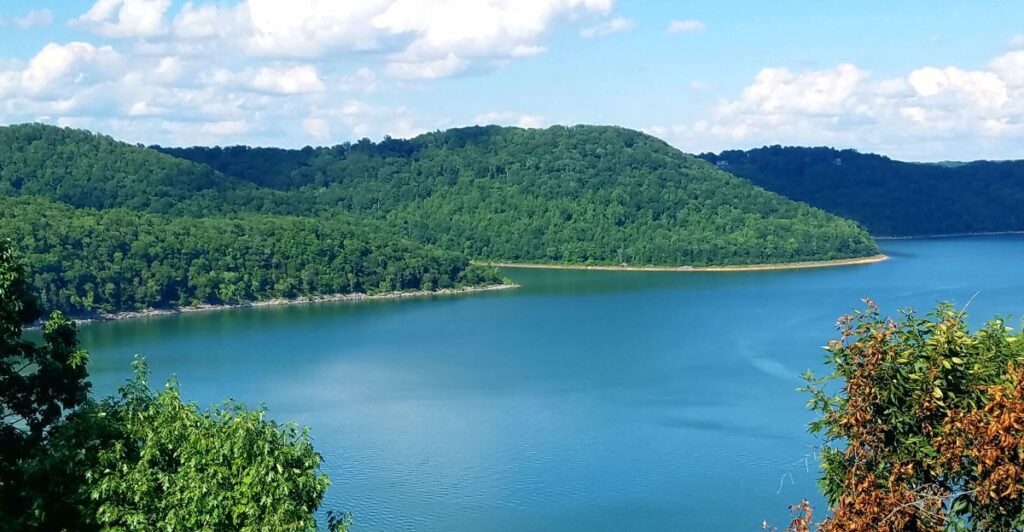
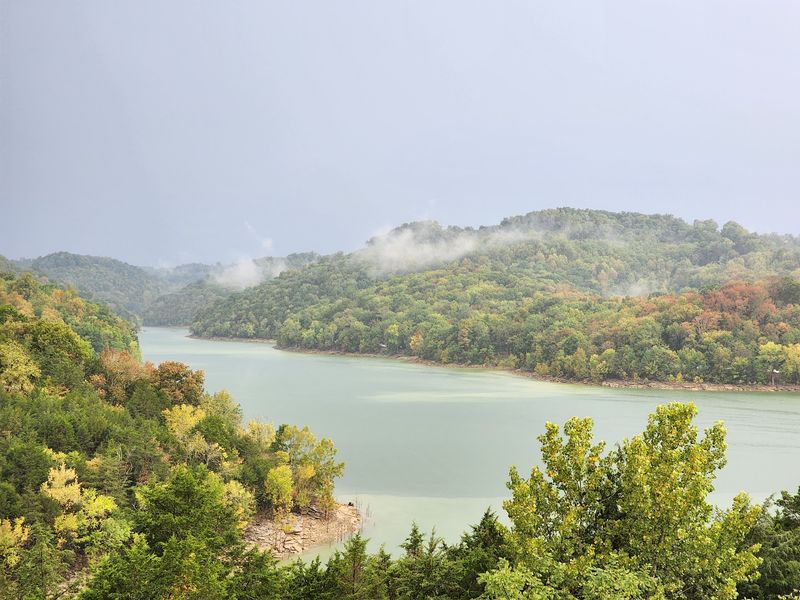
Surrounded by wooded hills and dramatic limestone bluffs, Center Hill Lake offers the kind of scenery that makes travelers slow down and linger. Its clear blue-green water stretches across quiet coves and broad open channels, creating a beautiful setting for boating, fishing, kayaking, and peaceful shoreline escapes. The landscape becomes especially striking when morning mist settles over the water or autumn colors brighten the surrounding hills.
With marinas, recreation areas, hiking opportunities, and secluded places to relax, Center Hill Lake delivers both adventure and tranquility. One look across its sparkling water makes it easy to understand why many consider it Middle Tennessee’s prettiest lake.
Center Hill Lake Stretches Through Four Scenic Tennessee Counties
Grab a map and trace Center Hill Lake with your finger. You will notice it does not sit in one neat oval. Instead, it twists and bends for miles like a river that decided to stay awhile.
The lake reaches into four Middle Tennessee counties: DeKalb, Putnam, Warren, and White. Each one brings its own flavor. Some stretches feel tucked away and wild, while others sit closer to small towns, marinas, and places to grab a bite after a long day on the water.
Here is a fun bit of history. Center Hill Lake is a reservoir, which means people made it. The U.S.
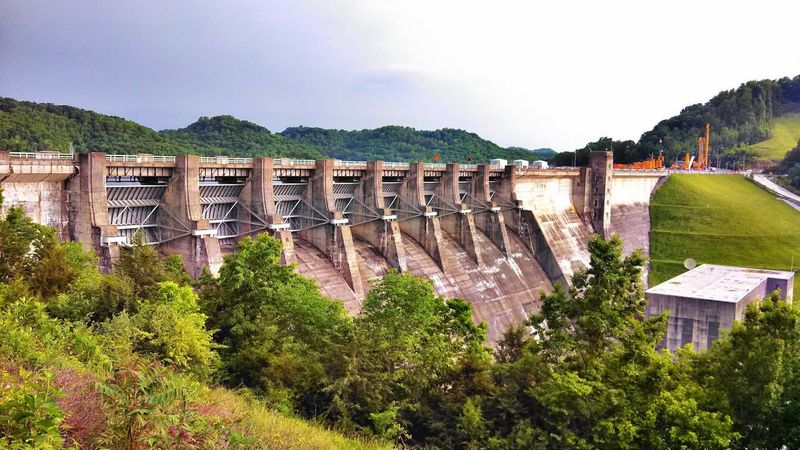
Army Corps of Engineers built Center Hill Dam on the Caney Fork River, and the rising water filled the valleys behind it. Those old river valleys are why the lake is so long, so curvy, and so full of hidden coves.
All that twisting shoreline matters for visitors. Since the lake folds back on itself so often, you can turn a corner and suddenly feel like you have the place to yourself. Many visitors say it feels like being in the middle of nowhere, even though Nashville is roughly an hour and a half away.
Spreading across four counties also means you have plenty of ways in. Folks coming from Cookeville often head toward the northern side, while travelers from Smithville or McMinnville may find the southern areas easier to reach. A little planning helps you pick the access point that saves the most driving time.
Want a smart local move? Choose one section of the lake for each trip instead of trying to see it all at once. The water area is huge, and a boat ride from one end to the other can take a big chunk of your day.
Exploring one region at a time also lets you notice the small stuff. You will spot the way the bluffs change color, how some coves are wide and calm while others are narrow and shady, and how each county frames the water a little differently. Every visit ends up feeling like a brand-new lake.
Forested Shorelines Give The Lake Its Postcard-Worthy Beauty
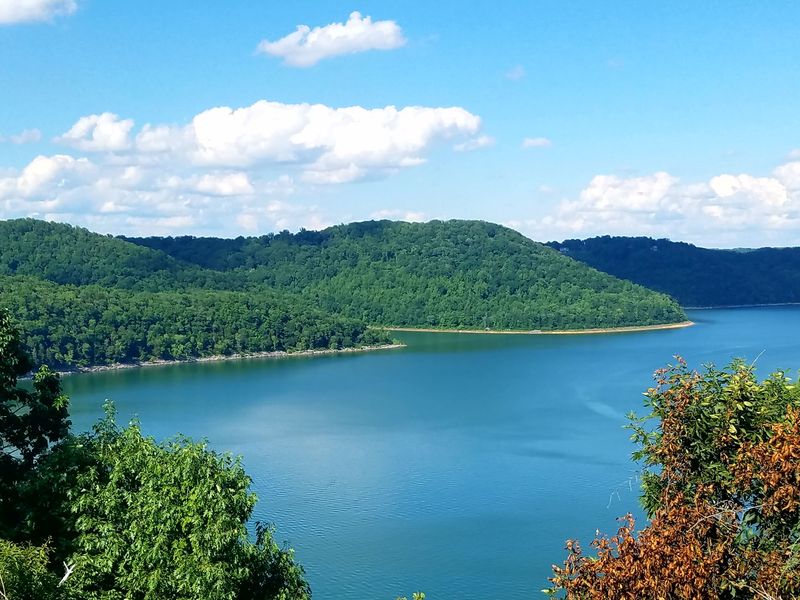
Picture a wall of trees climbing straight up from the water, then add gray limestone peeking through the green. That is the scene waiting around nearly every bend at Center Hill. It is the kind of view that makes people pull out their phones before the boat even leaves the dock.
Much of the shoreline here stays wooded and steep. Instead of rows of crowded houses, you often see thick hardwood forest rolling over the hills. The result feels quiet, natural, and a lot like a mountain lake, even though you are smack in the middle of the state.
Every season paints the shore differently. Spring brings fresh, bright green leaves and blooming dogwoods. Summer turns everything deep and shady, which is perfect for floating in a cool cove.
Fall is the showstopper. Reds, oranges, and golds spill down the hillsides, and the colors reflect on the water like a giant mirror. If you only visit once a year, a calm October morning is a strong pick.
Winter has its own charm, too. With the leaves gone, you can see the rocky bluffs and ridgelines more clearly. Crowds thin out, and the lake takes on a peaceful, almost secret feel.
For the best photos, aim for early morning or the hour before sunset. Soft light makes the trees glow, and the water is usually smoother at those times. Mist sometimes hangs over the surface after a cool night or a hard rain, which adds a dreamy touch.
One more tip from people who know the lake well: slow down in the coves. Cut the engine or stop paddling for a minute and just listen. You might hear birds, a splashing fish, or nothing at all, which is rare and wonderful.
Those wooded shores are a big part of why so many visitors call this the prettiest lake around. The water is lovely, but the green frame around it is what makes the picture unforgettable. Respect it by packing out every bit of trash you bring.
Edgar Evins State Park Offers Panoramic Views From Above The Water
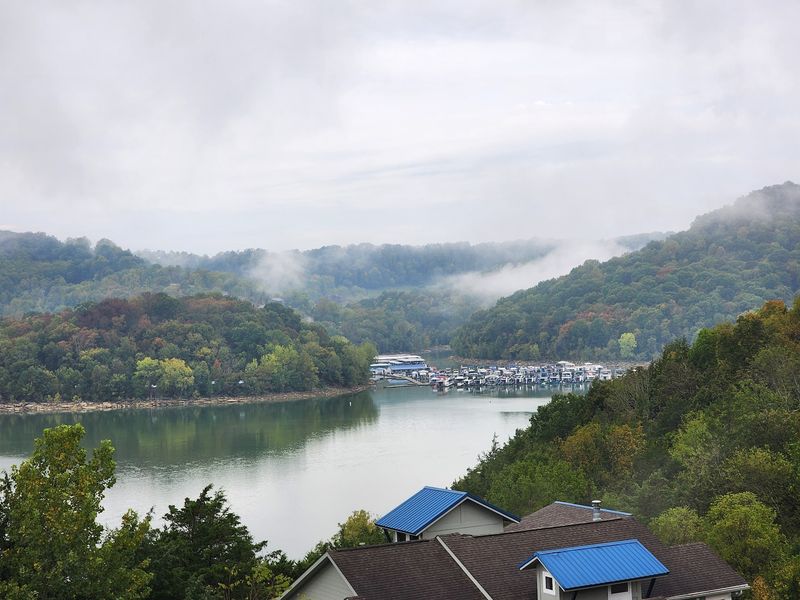
Sometimes the best way to understand a lake is to climb high and look down. At Edgar Evins State Park, you can do exactly that. The park sits right on the shores of Center Hill and gives you a bird’s-eye look at the whole show.
The park is known for its observation tower, which lifts you above the treetops for wide views of the water and hills. On a clear day, the lake stretches out in long blue arms between the ridges. It is a great spot to show kids just how big this lake really is.
Getting around the park is part of the fun. The land is hilly and rugged, so roads and trails curve and climb. Wear shoes with good grip, because even short walks can feel like a workout.
Hikers have options here. Trails wind through forest, past rocky spots, and toward overlooks where the trees open up. Some routes are short and easy, while others are longer and steeper, so check a park map before you start.
Edgar Evins also makes overnight stays simple. The park offers camping and cabins, and some campsites are built on platforms because the ground is so steep. Waking up to a lake view through the trees is hard to beat.
There is also a marina connected to the park, which makes it a handy base if you want both land and water time. You can spend the morning on a trail and the afternoon on a boat without moving your car very far.
Bring a pair of binoculars if you have them. The forest is home to birds and other wildlife, and you may catch sight of hawks gliding over the water. Patient visitors sometimes see deer near the edges of the woods at dawn or dusk.
Tennessee state parks are free to enter, though fees apply for things like camping and cabins. Hours and services can change by season, so check the official park website before your trip. Then grab a snack, head to the overlook, and enjoy the view.
Nearby Waterfalls And Rocky Gorges Add To The Natural Drama
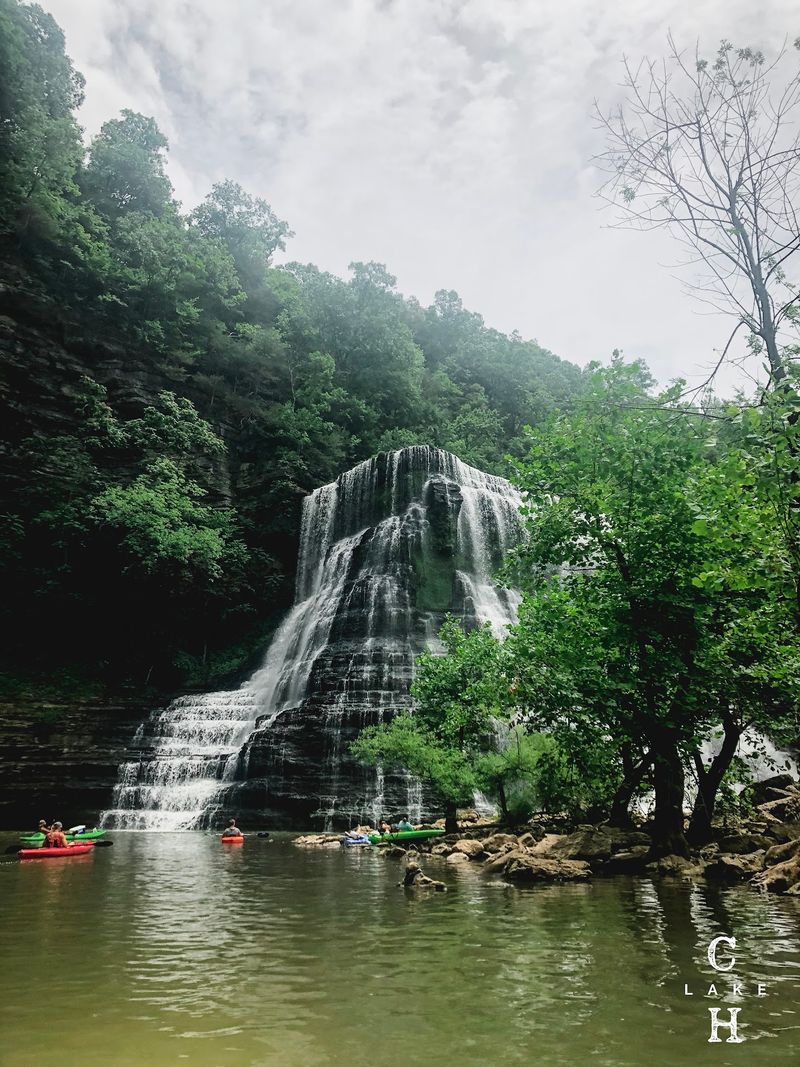
Lake views are great, but the land around Center Hill has a wild side worth chasing. This part of Tennessee sits near the edge of the Cumberland Plateau, where rivers have carved deep gorges and tumbling falls. A short drive can take you from calm water to roaring cascades.
Burgess Falls State Park is one of the best-known stops in the area. The Falling Water River drops over a series of waterfalls there, with the biggest one plunging into a rocky gorge. The sound alone is worth the trip.
Rock Island State Park is another favorite. It sits where the Caney Fork and Collins rivers meet, and it is famous for Twin Falls and its dramatic rock walls. The river that feeds Center Hill Lake helps shape this rugged landscape, which makes it a fitting side trip.
Here is a quick nature lesson. Water slowly wears away soft rock over thousands of years, leaving harder layers behind as ledges. That is how so many falls and gorges formed in this region.
Now for some honest advice. The rocks near waterfalls can be slippery, and currents can be stronger than they look. Stay on marked trails, obey closed areas, and keep a close eye on little ones near the edge.
Water levels change, too. After heavy rain, the falls can look huge and thundering. During dry spells, they may shrink to a trickle, so spring is often a great time to visit.
Some trails into the gorges are steep with lots of stairs. Bring water, wear sturdy shoes, and give yourself extra time for the climb back up. Your legs will thank you for taking breaks.
Pairing a lake day with a waterfall hike makes for a well-rounded adventure. You get the peaceful side of Center Hill in the morning and the dramatic side of the region by afternoon. It shows just how much natural beauty is packed into this little corner of Middle Tennessee.
Boating, Paddling, And Swimming Make The Lake Easy To Explore
Ask a regular why they love Center Hill, and one answer pops up again and again: the water is deep. Many spots run well over 100 feet, and even the side coves often stay plenty deep. That makes boaters, tubers, and wakeboarders very happy.
Visitors also rave about how clean the lake feels. You will not see much floating junk or logs out in the main channels. Smooth water and fewer surprises make for relaxed days of tubing, wake surfing, and cruising.
No boat? No problem. Several marinas around the lake rent pontoons, ski boats, jet skis, and even houseboats.
Book early for summer weekends and holidays, because rentals go fast.
Paddlers get their own kind of fun. Kayaks and canoes are perfect for poking into narrow coves where big boats rarely go. Try paddling in the morning before the wind picks up and boat traffic gets busy.
Swimming in a hidden cove is a summer tradition here. By midsummer, the surface water warms up nicely. Many families anchor, toss out a float, and spend hours splashing around.
Now the serious part, and please read it twice. Deep water can be dangerous, and sadly, the lake has seen many drownings over the years. Everyone should wear a life jacket, especially kids and anyone who is not a strong swimmer.
Never swim near the dam or in busy boat lanes. Do not jump from tall rocks or bluffs, since hidden ledges and changing water levels can cause serious injuries. Keep an eye on weather, too, because summer storms roll in quickly.
Boat operators should know Tennessee boating rules, and many need to complete a boating safety course. Skipping alcohol while driving a boat is the law and just plain smart. A sober captain keeps everyone safe.
Follow those basics, and the lake becomes one giant playground. Whether you are on a pontoon, in a kayak, or floating in a cove, Center Hill makes it easy to spend the whole day on the water.
Fishing, Hiking, And Camping Turn A Day Trip Into A Longer Escape
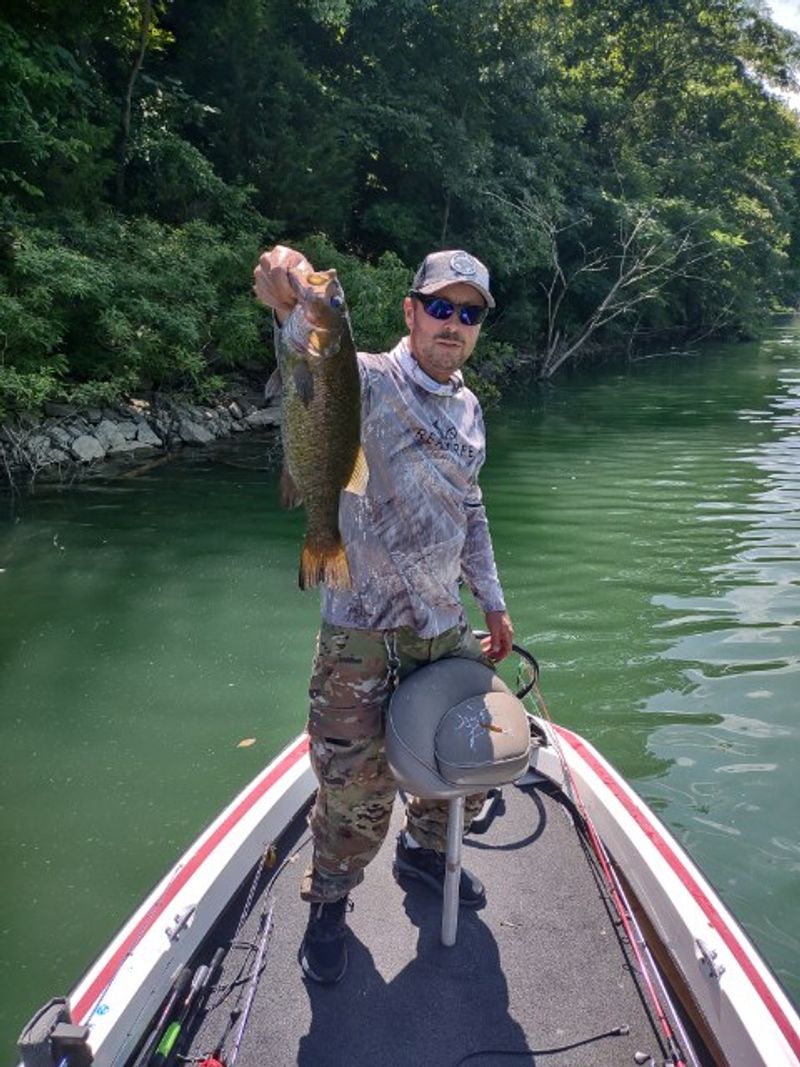
A day trip to Center Hill has a funny way of turning into a whole weekend. One minute you are packing a lunch, and the next you are booking a campsite so you can fish at sunrise. Plenty of families have been coming back for twenty years or more for this exact reason.
Anglers have a lot to love here. The lake is known for bass fishing, and many people also try for crappie, walleye, and other species. Deep water and rocky banks give fish plenty of places to hide, so patience pays off.
Timing helps. Early mornings and evenings tend to be calmer and cooler, which is when fish are often more active. Local bait shops and marinas are good places to ask what is biting, and visitors say folks there are friendly and helpful.
Before you cast, make sure you have a valid Tennessee fishing license. Rules on size and catch limits can change, so check the Tennessee Wildlife Resources Agency for current guidelines. A few minutes of reading saves a lot of headaches.
Hikers will find the terrain steep and rewarding. Trails around the lake and in nearby parks climb hills and drop into hollows. The effort is real, but so are the views when the woods open up over the water.
Camping ties it all together. You can choose state park campsites, Corps of Engineers campgrounds, or cozy cabins near the shore. Many campgrounds fill up in summer, so reserve ahead whenever you can.
Pack for changing weather. Nights can feel cool even after a hot day, especially in spring and fall. Bring layers, bug spray, and a good flashlight for those dark, starry evenings.
One tip worth stealing: plan one lazy day with no schedule. Fish a little, hike a little, and nap in a hammock. Staying longer lets you slow down and actually enjoy the peaceful spirit that makes Center Hill such a beloved getaway.
What To Know Before Planning A Visit To Center Hill Lake
A little homework goes a long way at a lake this big. Center Hill rewards visitors who show up prepared. Think of this as your friendly cheat sheet before you hit the road.
First, pick your season. Summer brings warm water and the liveliest atmosphere, but also bigger crowds on weekends and holidays. Spring and fall offer cooler weather, quieter coves, and some of the prettiest scenery of the year.
Next, decide where you will launch or stay. The lake has several boat ramps, marinas, campgrounds, and cabin rentals spread around its shores. Choosing a base close to what you want to do will save you time and gas.
Visiting the dam is a fun stop. Center Hill Dam sits at the western end of the lake, and the nearby area offers a boat ramp, picnic spots, and restrooms. Seeing that massive structure up close helps you understand how the lake came to be.
Water levels can change. The Corps of Engineers manages the lake, and levels rise and fall with the season, rain, and dam operations. Check current conditions online before you plan around a certain ramp or swim spot.
Safety deserves a spot at the top of your list. Pack life jackets for everyone, sunscreen, plenty of water, and a basic first aid kit. Cell service can be spotty in some coves, so tell someone your plans.
Roads around the lake are scenic but curvy and hilly. Drive slowly, especially when towing a boat. Give yourself extra time, because rushing on these roads is no fun.
Food and fuel are available at marinas and in nearby towns like Smithville and Cookeville. Still, it is smart to pack snacks and drinks for long days on the water. Hungry kids in the middle of a big lake make for a long ride back.
Finally, leave it better than you found it. Clean water and tidy shores are a big reason people love this place. Pack out your trash, respect wildlife, and you will be welcome back anytime.
Share this story