
One stretch of the Massachusetts coast can feel completely different from the next, which makes choosing just one weekend stop surprisingly difficult. Follow the shoreline and you can move between sandy beaches, working harbors, colorful downtowns, and quiet streets lined with historic homes.
Some towns are made for long walks and seafood lunches, while others are better for ferry rides, browsing local shops, or simply slowing down near the water. The right choice depends on the kind of escape you need.
If the coast is calling, these charming Massachusetts towns give you plenty of reasons to pick a direction and start planning the next getaway.
1. Chatham, Massachusetts: Lighthouse Views and Main Street Wandering
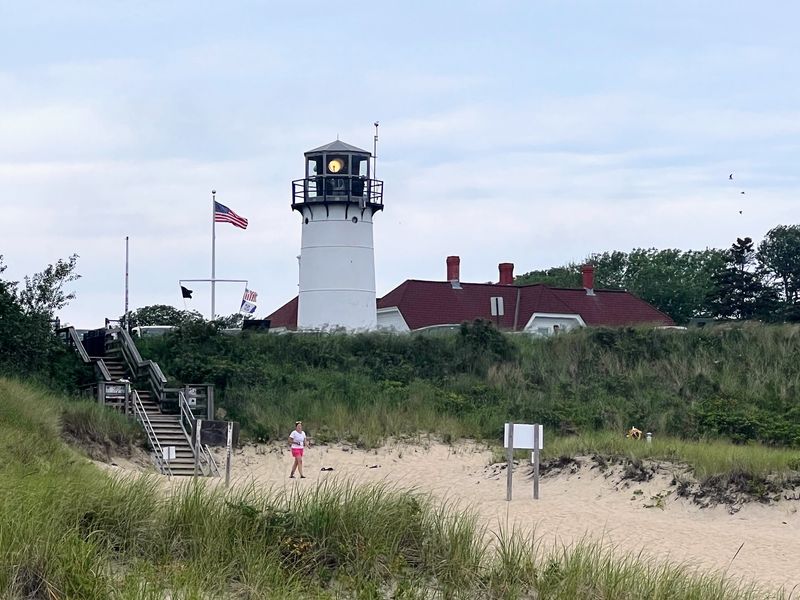
Pack walking shoes alongside your beach sandals, because a Chatham day can change direction quickly. One hour brings lighthouse views and salty wind; the next puts you on Main Street, deciding between a bookstore stop, a gallery visit, and another scoop of ice cream.
Start near Chatham Lighthouse for a look at the shore, keeping clear of restricted areas around the active station. Lighthouse Beach offers a broad stretch of sand, but swimming conditions can be dangerous because of strong currents and shifting channels.
Read posted warnings rather than treating calm water as a promise.
Main Street makes an easy base for an afternoon without much planning. Browse independent shops, find lunch, and explore the side streets on foot where sidewalks allow.
Summer traffic can be slow, so park legally once and do your wandering before moving the car again.
For a closer look at the working waterfront, head toward Chatham Fish Pier. The public observation area can offer views of fishing boats and harbor activity, though unloading schedules vary.
Give crews room to work, and remember that a busy pier is a workplace before it is a photo stop.
A beach picnic suits a quieter day, while the Chatham Railroad Museum offers a change of pace when open. Check seasonal hours before building your schedule around smaller attractions.
Families should also bring layers, since an afternoon breeze can turn a warm forecast into a chilly shoreline outing.
Choose lodging near downtown for easy dinner walks, or farther out for more space and a calmer setting. Reserve popular restaurants ahead during summer weekends.
Before leaving, give yourself a little extra driving time: Cape roads reward patience, and squeezing one final stop between checkout and a tight appointment rarely improves the ride home.
2. Marblehead, Massachusetts: Follow the Harbor and Crooked Streets

Sailboat masts crowd the harbor, and the streets seem determined to avoid a straight line. That is your cue to slow down in Marblehead.
The best discoveries often happen between planned stops, when a narrow lane opens onto water or an old doorway catches your attention.
Begin in the historic downtown, where closely spaced houses and small shops make walking more useful than driving. Wear shoes with good grip for uneven sidewalks and sloping streets.
Keep your camera handy, but remember that many handsome homes are private residences, not places to wander inside.
Crocker Park gives you a public spot to pause above the harbor. Bring a snack and watch boats move between their moorings, or simply enjoy the changing light on the water.
A short visit works well here, leaving enough time to explore without turning the day into a checklist.
Over on Marblehead Neck, Chandler Hovey Park offers views near Marblehead Light. The lighthouse has an unusual metal framework rather than the familiar solid white tower.
Wind can be brisk around the point, so an extra layer earns its place in your bag even on sunny days.
History fans can look into visiting the Jeremiah Lee Mansion when tours are available. Check current hours before arriving, especially outside the main travel season.
For meals, pick a downtown restaurant that fits your budget and leave time afterward for a harbor walk instead of immediately searching for another attraction.
Parking rules deserve a careful read here, particularly around residential streets. A compact overnight stay gives you room to explore early, before the busiest part of the day.
Save beach time for conditions that suit you, and let the harbor, architecture, and walkable corners carry the rest of your weekend at an unhurried pace.
3. Scituate, Massachusetts: A Working Harbor With Room to Roam
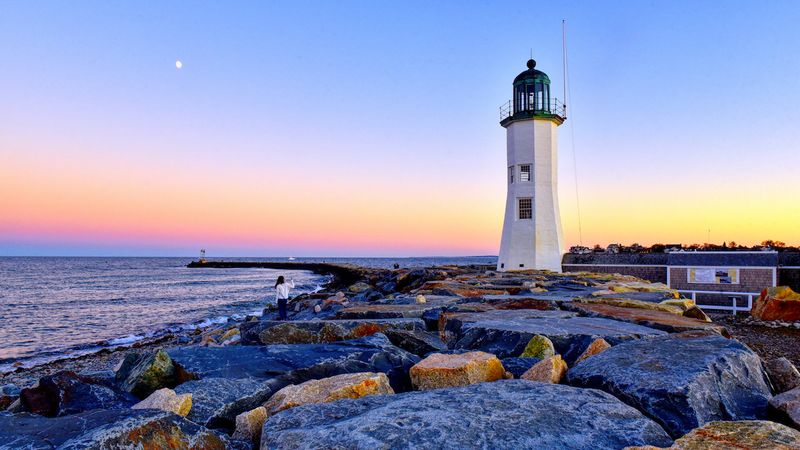
Lunch beside fishing boats beats eating in the car between beach stops. In Scituate, the harbor gives your day a useful center: shops, places to eat, waterfront views, and enough activity to keep a simple stroll interesting.
Start there before deciding how much coastline to explore.
The harbor district is easy to enjoy at walking speed, with businesses gathered around the water. Browse a little, choose a meal, and watch the boats without blocking docks or access lanes.
Working areas may look inviting, but posted boundaries still apply even when nobody seems nearby.
Scituate Lighthouse stands at Cedar Point, where the setting brings broad water views and a good dose of sea breeze. Walk only where public access is allowed and follow any signs around the grounds.
Rocks and exposed surfaces can become slippery, especially after rain or rough weather.
The lighthouse also connects to the story of Rebecca and Abigail Bates, sisters remembered for helping deter British forces during the War of 1812. Local history adds interest to a stop that might otherwise be only a photograph.
Check museum or historical society schedules for more background during your visit.
Beach plans need a little homework because access and parking rules vary by location and season. Do not assume that an open stretch of sand comes with public parking nearby.
For another outdoor option, investigate the trails at the town’s conservation properties and choose a route that matches your available time.
A car helps connect the harbor, lighthouse, and other stops, but avoid packing the schedule too tightly. On weekends, build in time to find legal parking and walk from it.
Finish with dinner near the harbor, where you can leave the day’s logistics behind and settle into a table rather than another driving loop.
4. Nantucket, Massachusetts: Trade Car Keys for Cobblestones
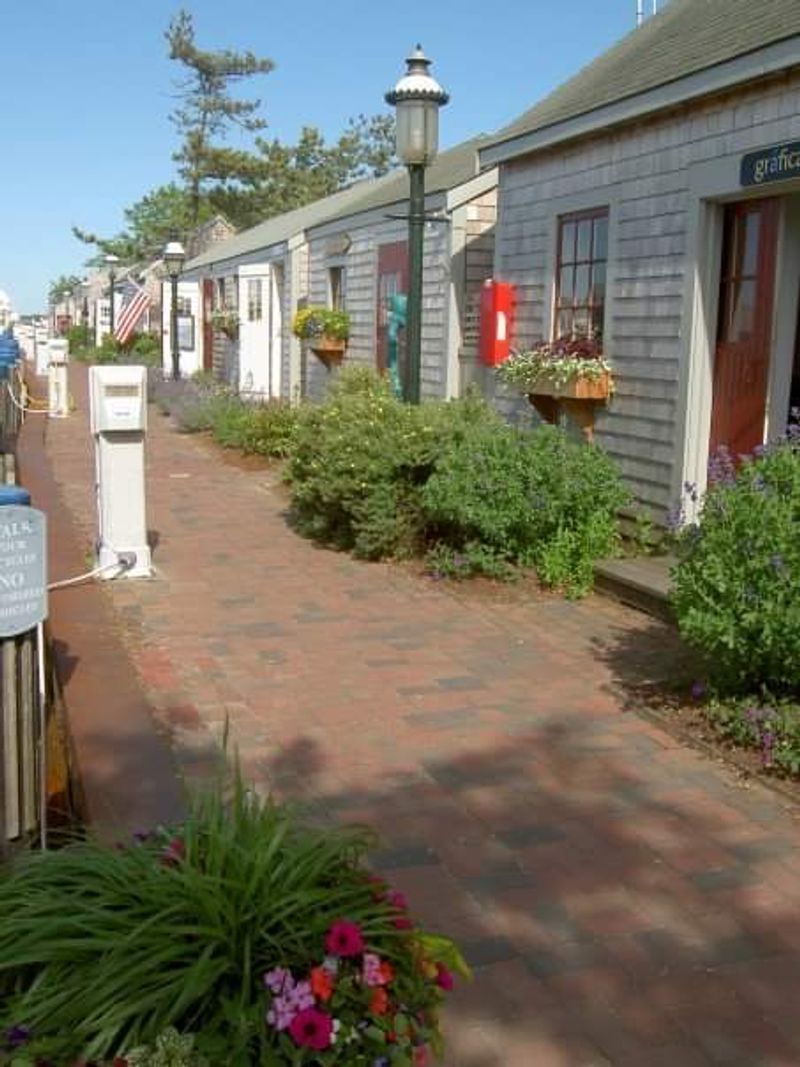
The ferry ride is part of the plan, not merely the commute. Nantucket sits offshore, so reaching it asks you to think ahead about transportation, luggage, and timing.
Once ashore, cobblestone streets and gray shingle buildings give even a short walk plenty to look at.
Book your crossing early for popular dates, and check whether your chosen service carries vehicles or passengers only. Bringing a car is not always necessary, especially for a stay centered on town.
Walking, bicycles, taxis, and seasonal transit can help cover different parts of the island.
Begin around the waterfront and downtown, where shops and restaurants sit close together. Cobblestones can be awkward under thin soles, so sturdy shoes make a practical first choice.
Keep luggage light if you expect to walk between the ferry terminal and your lodging, and confirm the route beforehand.
The Whaling Museum offers context for the island’s seafaring past and makes a useful indoor stop. Check admission details and opening hours before you go.
Outside, leave room for side streets and public waterfront views rather than expecting every interesting building to be open for a visit.
For beach time, choose your shoreline based on access, conditions, and your group’s swimming ability. Surf and currents differ around the island, and lifeguard coverage should be checked rather than assumed.
A trip toward Siasconset adds another setting, with cottages and ocean views, but requires its own transportation plan.
Nantucket can be expensive, particularly in summer, so compare lodging and meal costs before booking the ferry. Shoulder season may offer a quieter visit, though business hours can shrink.
Keep your return departure comfortably clear of other plans, since weather can affect ferry service and island travel does not always follow a mainland timetable.
5. Falmouth, Massachusetts: Bring a Bike and Pick Your Pace
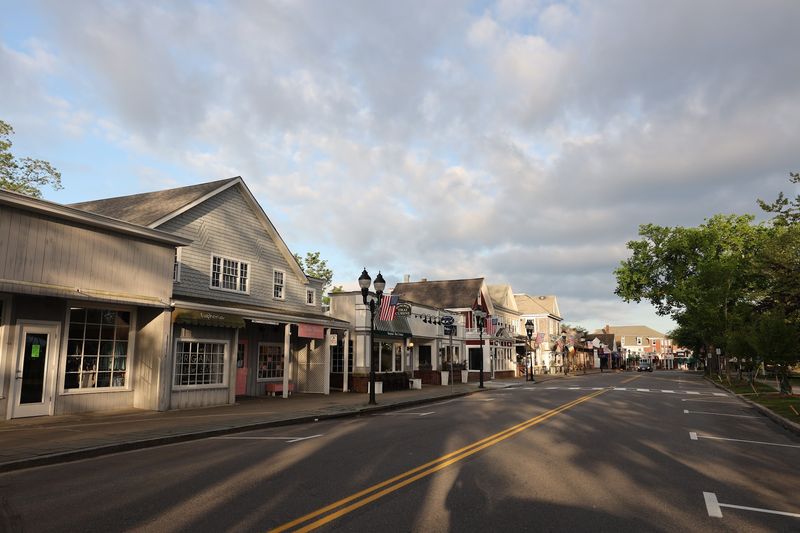
A bicycle can turn scattered sightseeing into the main event. Falmouth gives you beaches, a lively downtown, and the Shining Sea Bikeway, which links several different landscapes without requiring a fresh parking search at every stop.
You can ride a short section and still enjoy the change of scenery.
The paved path follows a former railroad route between North Falmouth and Woods Hole. Expect walkers and other riders, so keep your speed reasonable and announce when passing.
Bring water, wear a helmet, and check access points before setting out rather than guessing where the trail begins.
Downtown Falmouth works well for a meal before or after your ride. Main Street has shops and restaurants within an easy walking area, making it useful when different members of your group want different things.
Leave enough time to browse instead of using downtown only as a lunch pickup.
Woods Hole adds a working science village to the outing, with research institutions, boats, and places to eat near the water. Some educational attractions have limited public hours, so confirm availability before promising children a particular stop.
Busy ferry traffic also means you should watch crossings and avoid standing in loading areas.
For lighthouse scenery, visit the public areas around Nobska Light and follow current access rules. The surrounding roads and grounds require care, especially when traffic is busy.
Beach parking throughout town can depend on permits, season, and location, so check the rules for your chosen beach before packing the cooler.
Staying in Falmouth lets you mix active mornings with easy dinners and shorter drives. It can also serve as a base for a Martha’s Vineyard day trip, but ferry reservations and schedules deserve separate planning.
Do not turn a relaxed cycling weekend into a race to catch the last boat back.
6. Manchester-by-the-Sea, Massachusetts: Listen Closely at Singing Beach

Your beach walk might come with its own sound effects. Singing Beach gets its name from the squeaking sound its sand can make under the right conditions.
The effect is not guaranteed, but the broad shoreline gives you a good reason to take a slow walk anyway.
Manchester-by-the-Sea pairs that beach outing with a compact village and harbor. Start by checking current beach admission and parking rules, which can change with the season.
Assuming you can simply pull up beside the sand is an easy way to spend the morning sorting out an avoidable problem.
The town has a commuter rail station, making a car-free visit possible from the Boston area. Check the current timetable and the walking route to the beach before leaving.
Carry only what you can comfortably manage on foot, especially if your beach setup normally fills an entire car trunk.
Near the village center, small shops and places to eat offer a useful break from the sun. Pick up lunch or sit down for a meal, then spend a little time around the harbor.
Public spaces provide water views without requiring a full afternoon of organized sightseeing or another long drive.
At Singing Beach, follow posted swimming guidance and keep an eye on changing conditions. Shade can be limited on open sand, so sunscreen, water, and suitable sun protection belong in your bag.
Families should also confirm restroom availability and beach hours rather than relying on information from an older trip report.
An overnight stay nearby gives you more flexibility, though lodging choices in the immediate town may be limited. Compare surrounding locations before committing, and account for the travel time back to the beach.
On the return journey, leave sandy gear packed neatly and check your train departure before ordering one more snack.
7. Rockport, Massachusetts: Art Stops Beside a Pocket-Sized Harbor
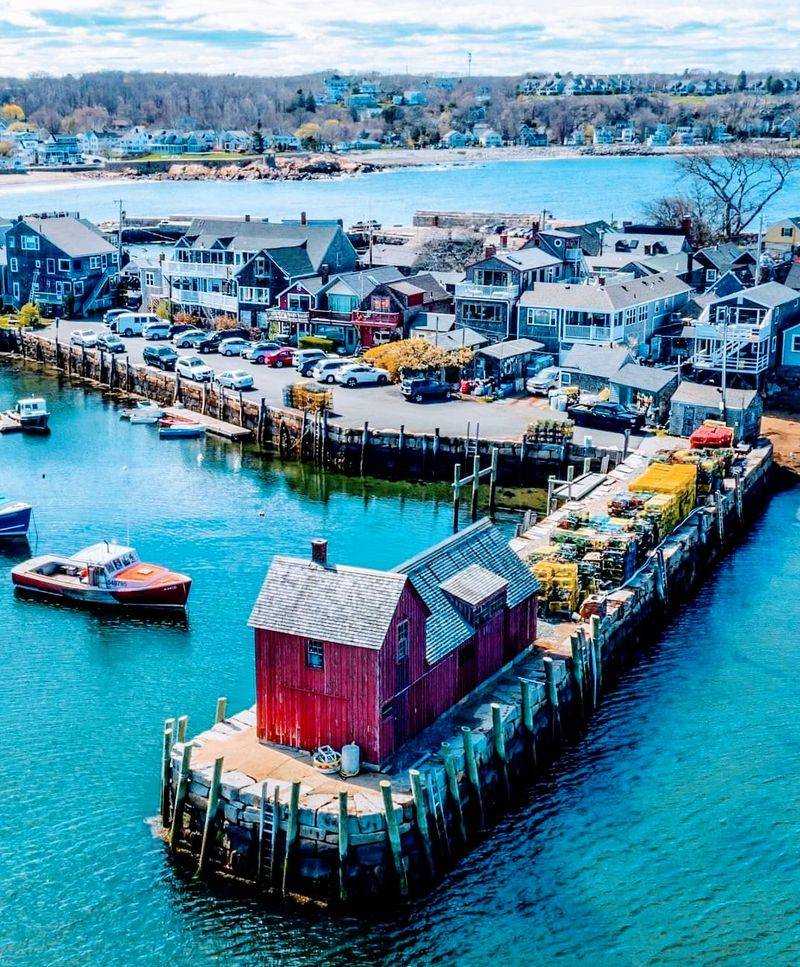
That little red fishing shack deserves its reputation, but do not let it steal the whole afternoon. Rockport’s Motif Number 1 is a favorite harbor subject for artists and photographers.
Around it, galleries, shops, rocky shorelines, and narrow lanes give you plenty of other reasons to linger.
Begin around Bearskin Neck, where a walk takes you past storefronts toward harbor and ocean views. The area can get crowded on summer weekends, so an early arrival makes browsing easier.
Stay aware of vehicles and delivery activity, and keep pathways clear when stopping for photographs or studying a window display.
Art is woven into a visit here without requiring a museum-sized time commitment. Step into galleries that interest you and ask about the work rather than rushing through every doorway.
For live music, check the schedule at the Shalin Liu Performance Center and book ahead when a performance suits your dates.
Halibut Point State Park offers a different side of Rockport, with trails, granite quarry scenery, and coastal views. Wear shoes that can handle uneven ground, and keep children away from dangerous edges.
Check parking information and current conditions before going, especially when weather could make exposed paths uncomfortable.
Food stops are easy to fit between walks, whether you want a sit-down meal or something quick. Plan around your own appetite rather than trying to cover every famous sight before lunch.
A waterfront snack is best enjoyed in a permitted public spot, not on a working dock or private property.
Rockport can be reached by commuter rail, though the station is not directly beside every attraction. Map your walking distances and check return service before choosing a car-free day.
With a car, respect posted parking limits and consider separating the village visit from the state park outing instead of repeatedly circling busy downtown streets.
8. Edgartown, Martha’s Vineyard, Massachusetts: Harbor Strolls and Island Detours
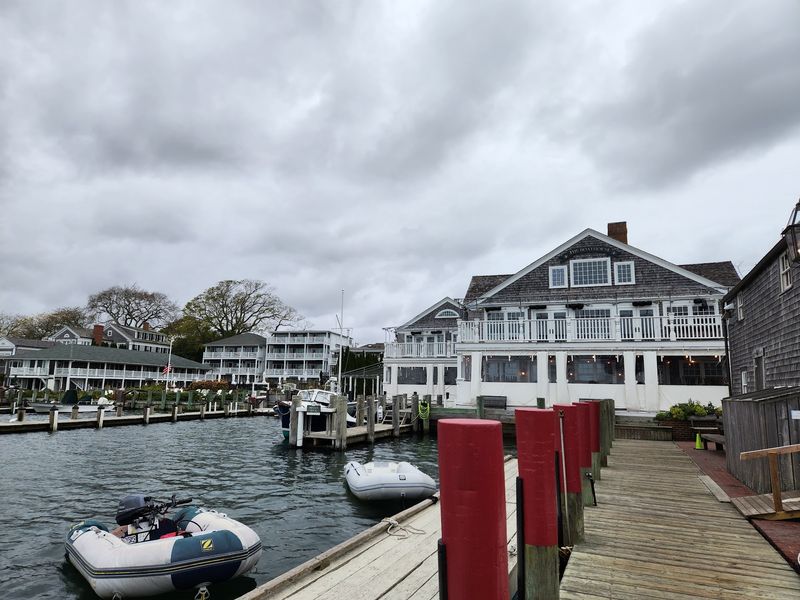
White houses, tidy gardens, and sailboats make a strong case for leaving your afternoon mostly open. Edgartown rewards wandering, especially around the harbor and downtown streets.
The catch comes before arrival: Martha’s Vineyard requires an island transportation plan, not just a destination typed into your car’s navigation.
Choose your ferry route carefully, because not every crossing arrives in Edgartown or carries vehicles. If you are bringing a car, confirm reservations well ahead for busy periods.
Without one, check island bus routes, taxi options, and the distance between your arrival port and lodging before booking.
Once downtown, explore on foot and leave space for small shops, lunch, and waterfront pauses. Many handsome buildings are private homes, so admire them from public streets.
Edgartown’s whaling history helps explain some of its grand architecture, giving a casual walk more depth than a collection of pretty facades.
Edgartown Harbor Light is a natural walking destination, with water views around its sandy setting. Access to the lighthouse itself depends on opening arrangements, so check before expecting to climb it.
Bring a light layer for the shore, even when downtown streets seem warm and sheltered from the breeze.
For a beach afternoon, consider South Beach, but check conditions and obey posted guidance. Ocean surf can be strong, and a scenic shoreline does not automatically mean easy swimming.
Chappaquiddick offers another outing via the small ferry, though vehicle lines and onward access can add time to a simple plan.
Restaurant reservations help during crowded summer evenings, while groceries or picnic supplies can keep costs manageable. An overnight stay lets you enjoy town before day-trip traffic builds.
On departure day, work backward from your ferry check-in requirements and allow extra travel time across the island rather than making breakfast the start of a scramble.
9. Sandwich, Massachusetts: Glassmaking History Meets Bay-Side Walks

Not every Cape getaway needs to revolve around a beach chair. Sandwich gives you glassmaking history, an old village center, gardens, and marsh views within one town.
It is a useful choice when your group wants different activities without turning each preference into a separate day of driving.
The Sandwich Glass Museum makes a strong starting point, especially when the weather is unsettled. Exhibits connect the town with its glass industry, and demonstrations may be available depending on the schedule.
Check current programming before you arrive if watching glassmaking is the main reason for your visit.
Outside, take time around the village streets and the area near Shawme Pond. The setting suits an easy walk, though you should still watch for traffic and respect private property.
Pair your stroll with a cafe stop instead of trying to fit every historical site into a single morning.
Heritage Museums & Gardens offers a larger outing with grounds and exhibits that change the pace of the day. Its seasonal calendar matters, so confirm opening dates and what is included with admission.
Comfortable shoes help, and families should allow enough time for walking between areas rather than expecting one compact indoor attraction.
The Sandwich Boardwalk leads across a marsh toward the bay shoreline and provides a different view of coastal life. Check for closures or access updates before heading over.
Stay on designated surfaces, bring sun protection, and remember that tide levels can change the landscape considerably between your outward and return walks.
Being near the mainland end of the Cape can make Sandwich convenient, but bridge traffic still affects travel plans. Avoid promising yourself a quick drive during peak arrival and departure periods.
Choose two main activities, leave room for lunch, and check beach parking rules separately if you decide to add swimming to the schedule.
10. Provincetown, Massachusetts: Colorful Streets and Wide-Open Dunes

Expect your quiet beach plan to acquire a gallery stop, a show, and a late dinner. Provincetown combines big coastal landscapes with a downtown that enjoys being expressive.
Its long connection with artists and LGBTQ+ communities helps shape a lively place where browsing can easily fill an afternoon.
Commercial Street is the main stage for shops, galleries, restaurants, and people watching. Walk attentively because pedestrians, bicycles, and vehicles share parts of the street.
Rather than stopping everywhere, choose a few galleries that catch your eye and leave room for an unexpected event or a meal that runs longer.
The Pilgrim Monument offers a visible landmark and a chance to learn about local history through the adjoining museum. Check opening hours and admission details before visiting.
If you plan to climb, consider your comfort with stairs and slopes, then give yourself time rather than turning the ascent into a race.
Beyond downtown, beaches and dunes shift the mood completely. Race Point and Herring Cove are part of Cape Cod National Seashore, with access rules and facilities that vary by season.
Follow swimming warnings, keep away from wildlife, and remember that wind and sun can be stronger than they seemed in town.
Cycling can help connect outdoor stops, but pick a route suited to your experience. Some roads are busy, while designated paths offer different riding conditions.
For whale watching or a guided dune outing, compare operators and current schedules, and bring layers for tours that expose you to cool coastal air.
Summer lodging and parking need advance thought, especially around major events. A ferry from Boston can simplify some visits, though schedules and weather remain factors.
Decide whether you want nightlife or quieter evenings before choosing accommodation, since location matters when music, crowds, and your preferred bedtime do not line up particularly well.
11. Cohasset, Massachusetts: Rocky Shores and a Quieter Village Day

Some weekends need fewer reservations and more room to breathe. Cohasset suits a smaller plan built around village streets, harbor views, and a walk in the woods.
Its rocky coast gives the scenery a different character from the long sandy beaches farther along the Massachusetts shoreline.
Start in the village center, where shops, food stops, and the common make an easy introduction. A short walk lets you take in older buildings without needing a formal tour.
Check opening hours for any particular business you hope to visit, since a quiet town does not always keep late hours.
The harbor offers another place to slow down and watch boats, with public viewpoints around the waterfront. Stay clear of working areas and private docks, and use marked parking rather than squeezing into a tempting roadside gap.
Coastal neighborhoods can have narrow roads where one badly parked car creates real trouble.
Look offshore for Minot’s Ledge Light when visibility allows. The lighthouse stands out at sea, so viewing it from land is different from visiting a lighthouse with walkable grounds.
Binoculars can help, but do not build your entire afternoon around a clear view that fog may decide to hide.
For time away from the water, explore a suitable trail in Whitney and Thayer Woods. Check a current map, follow posted rules, and choose a distance that fits your group.
Woods paths can be muddy or uneven, making practical shoes more useful than the sandals you packed for a harbor lunch.
Beach access requires particular attention because local parking and admission rules can limit casual visits. Confirm the arrangements for Sandy Beach before promising a swimming day.
Cohasset also works as a slower stop alongside other South Shore towns, but keeping your route short leaves more time for walking and less for watching traffic lights.
Share this story