
Spend enough time in Massachusetts and you start noticing how many things outsiders get wrong about it. The state is far more than Boston accents, clam chowder, snowy winters, and a handful of familiar jokes repeated from one conversation to the next.
From Berkshire trails and coastal towns to neighborhood kitchens and communities with completely different rhythms, everyday life here rarely fits into one easy stereotype. Locals know the real Massachusetts is much harder to sum up.
Before you repeat the version you have always heard, see which of these assumptions fall apart once you look a little closer.
1. There’s Nothing Worth Visiting in Western Massachusetts.
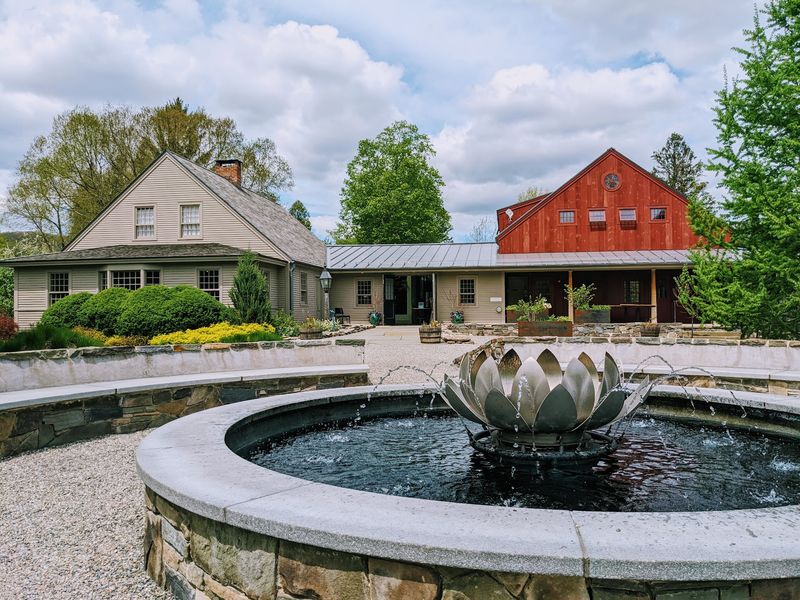
Write off western Massachusetts, and you might miss the part of the state that best fits your vacation. The Berkshires have wooded hills, small towns, museums, and performance spaces.
Farther east, the Connecticut River Valley mixes farm country with college towns and lively main streets.
Start with North Adams, where MASS MoCA fills former factory buildings with contemporary art. Nearby Williamstown offers the Clark Art Institute and access to trails.
Those stops alone challenge the idea that everything interesting happens within sight of Boston’s skyline.
For outdoor time, Mount Greylock gives you a mountain destination without leaving Massachusetts. Conditions change by season, so check road access and trail information before going.
A scenic drive and a short walk can be just as rewarding as a longer hike, depending on your group.
Northampton and Amherst bring a different pace. You can browse bookstores, catch a performance, or build an afternoon around lunch and a museum.
Nearby farms and seasonal markets add another reason to leave room in your schedule instead of racing between attractions.
The practical catch is distance. Western Massachusetts is not one compact stop, and public transit will not take you everywhere you might want to go.
Choose a base near your main interests, then check driving times rather than treating the entire region as a quick side trip.
Ask a local for a recommendation that matches your plans: an easy trail, a rainy afternoon activity, or a place to hear live music. That question will get you farther than declaring the region empty.
Boston has plenty to offer, but it cannot supply a Berkshire mountain view or a Connecticut River farm stand. Save space for both, and you can trade a crowded sightseeing checklist for a day shaped around art, fresh air, and whatever catches your attention along the way.
2. Everyone in Massachusetts Is Rude and Unfriendly.
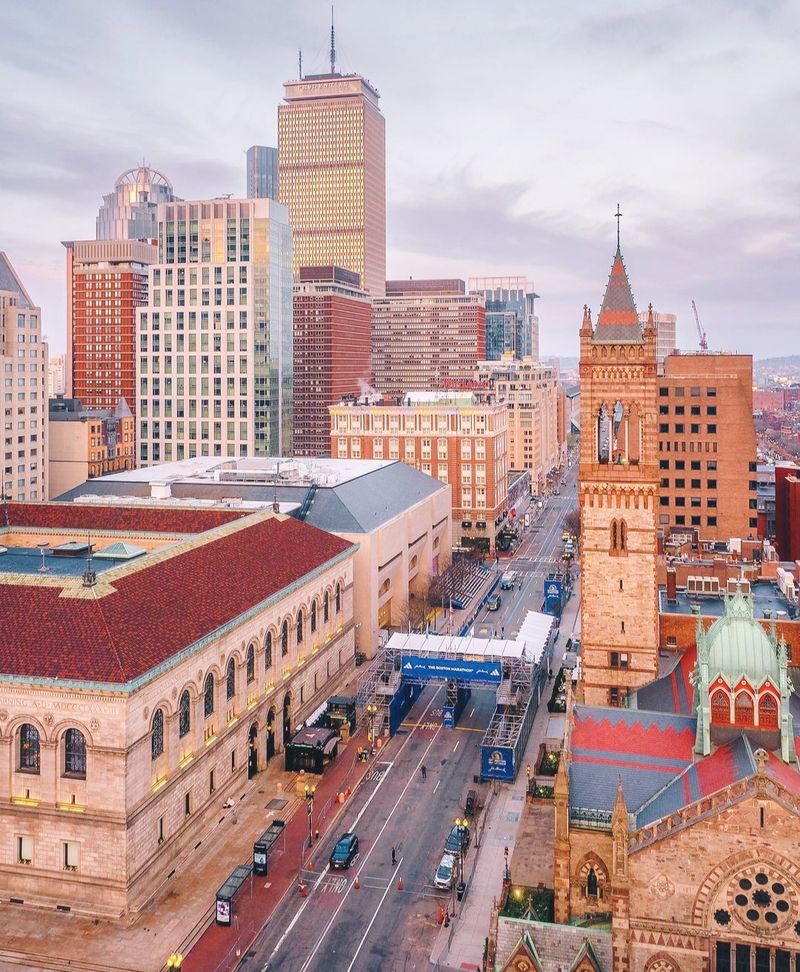
A short answer at a busy counter does not always mean someone dislikes you. Sometimes it means there is a line behind you, the coffee is ready, and everyone has somewhere to be.
Massachusetts friendliness can be practical rather than wrapped in a long greeting.
That does not excuse bad manners. People can be rude here, just as they can anywhere else.
The mistake is turning one sharp exchange with a driver or cashier into a personality report for an entire state.
Look for the quieter signals instead. Someone might explain which train platform you need, point out that you dropped a glove, or hold a door while still talking with a friend.
None of those moments requires a cheerful speech to count as kindness.
Place and timing matter, too. A crowded Boston station during the morning rush is different from a small town library on a slow afternoon.
Approach someone who is not clearly rushing, ask a specific question, and give them room to answer.
Direct language can also sound harsher than intended. A quick correction about directions may simply save you from walking several blocks the wrong way.
Listen to the useful information before deciding the delivery was a personal insult, especially when traffic or street noise makes conversation difficult.
Visitors usually do better when they skip the opening joke about unfriendly locals. Say hello, explain what you need, and offer a thank you.
You do not have to copy anyone’s speaking style or act tougher than you are. Just remember that warmth comes in different forms: a detailed restaurant tip, a shoveled stretch of shared sidewalk, or help carrying a stroller up stairs.
Judge the person in front of you by what they actually do, not by a movie character or an old travel story. Leave room for pleasant surprises during ordinary errands, too.
3. The Only Food Worth Trying Is Clam Chowder.

Order the chowder, by all means. Then keep reading the menu.
Reducing Massachusetts food to one creamy bowl skips the dishes shaped by its fishing towns, immigrant communities, farms, and neighborhood restaurants, where dinner often has little to do with a tourist’s seafood checklist.
On the North Shore, roast beef sandwiches are a familiar local favorite. Around the coast, fried clams, fish sandwiches, and lobster rolls give seafood fans other choices.
Preparation and prices vary, so ask what a place specializes in rather than assuming every waterfront menu is equal.
New Bedford and Fall River are good places to explore Portuguese food. You may find kale soup, grilled fish, or dishes featuring Portuguese sausage.
Bakeries offer another easy starting point, especially when you want a snack instead of a full restaurant meal.
Greater Boston adds many more directions. Vietnamese restaurants in Dorchester, Chinese food in Chinatown, and Italian American bakeries in the North End can all shape a day of eating.
Follow specific recommendations and current menus rather than expecting every restaurant in a neighborhood to serve identical dishes.
Head inland and the conversation changes again. Seasonal farm stands may have berries, corn, apples, or cider doughnuts, depending on the time of year.
Worcester and the western college towns also offer varied restaurant choices, so there is no need to save every memorable meal for Boston.
A useful food plan balances one famous dish with two less obvious stops. Check hours, ask about ingredients if you have allergies, and remember that a small counter can serve a meal as satisfying as a formal dining room.
When you ask a local where to eat, mention your budget and what you enjoy. You are more likely to get a helpful answer than another automatic chowder recommendation.
Bring an appetite, not a rule about what Massachusetts must taste like.
4. Massachusetts Is Always Freezing Cold and Covered in Snow.
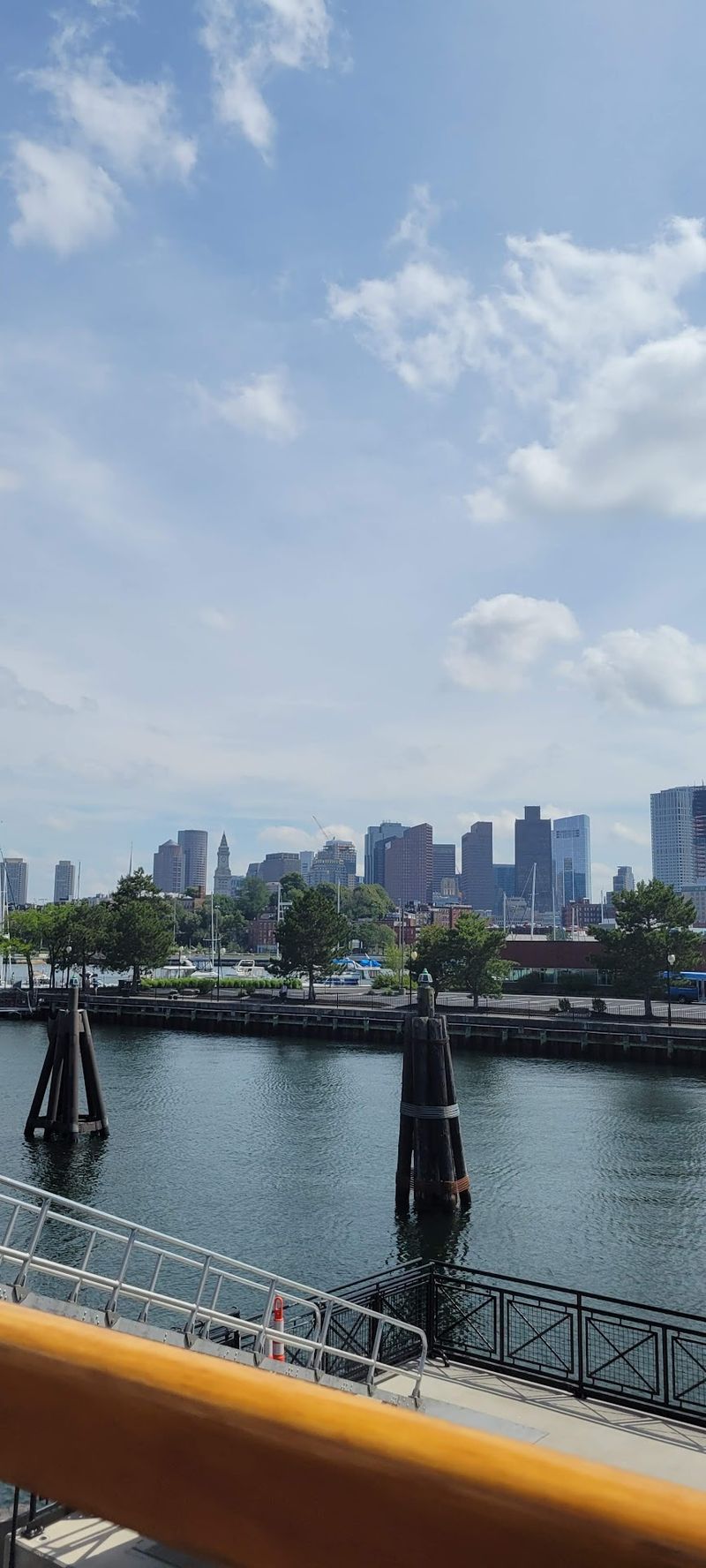
Pack only a heavy coat for a July visit, and the forecast may teach you a quick lesson. Massachusetts has warm summers, sometimes with sticky heat that makes shade and water welcome.
Winter gets plenty of attention, but it does not own the calendar.
Spring can be changeable. A mild afternoon may follow a chilly morning, and rain can interrupt outdoor plans.
Layers are useful because you can add or remove them without hauling around clothing meant for a completely different season.
Summer brings beach days, outdoor concerts, lake swimming, and evenings when a fan earns its place. Inland temperatures and coastal conditions can differ.
Ocean water may still feel cool even when the sand is hot, so check more than the air temperature before planning a swim.
Fall often means cooler mornings and comfortable walking weather, though conditions shift as the season moves along. Leaf color also varies by location and year.
Plan around current reports instead of assuming every tree will look its brightest on one fixed weekend.
Yes, winter can bring snow, ice, and serious cold. It can also bring rain, bare pavement, and stretches without fresh snowfall.
Western hills, inland communities, and the coast do not always get the same weather, which is why a statewide guess is less useful than a local forecast.
Before traveling, check the forecast for the town you will actually visit. Bring shoes suited to wet ground, sun protection during warmer months, and proper winter layers when conditions call for them.
Avoid promising yourself either a snowy postcard or endless beach weather. Locals keep umbrellas, snow brushes, and sunscreen because the state asks for all three at different times.
The sensible approach is flexible planning: keep an indoor option ready, adjust your clothing, and let the day’s weather decide whether you head outside first or later.
5. Cape Cod Is the Only Place With Beautiful Beaches.
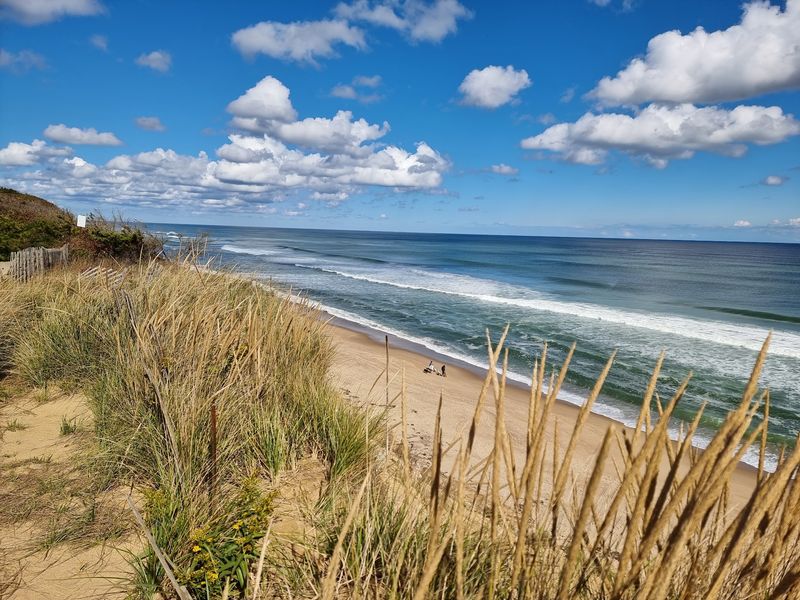
Cape Cod does not have exclusive rights to a good beach day. Drive north of Boston, and the shoreline offers sandy stretches, rocky edges, and working coastal towns.
Head south, and you find more choices along Buzzards Bay and beyond.
Gloucester’s Good Harbor Beach and Wingaersheek Beach are well known for good reason. Their settings differ, and tides can change how much sand is exposed.
Check local parking rules before leaving home, because arriving without a plan can turn a relaxing outing into a frustrating search.
Ipswich has Crane Beach, where a broad stretch of sand sits beside dunes. Access rules and parking arrangements can change, so use the current official information.
Stay on marked paths through sensitive areas rather than cutting across dunes for a faster route.
For a beach closer to Boston, Revere offers a different kind of day. You get an urban shoreline with nearby food and transit access instead of a remote coastal escape.
That can be a useful choice when you would rather avoid renting a car.
The South Coast deserves attention as well. Places around Westport and Dartmouth provide shore settings that do not require crossing onto the Cape.
Martha’s Vineyard and Nantucket add island options, although ferry plans, lodging costs, and beach access need more preparation.
Choose your beach by how you want to spend the day. Families may care about restrooms and lifeguards, while walkers may prefer a long shoreline outside peak swimming season.
Confirm whether dogs, food, or beach equipment are allowed, and check water conditions before entering. A beautiful view does not guarantee safe swimming.
Ask locals about tide timing and parking rather than demanding their favorite secluded spot. The Cape remains a strong choice, but Massachusetts has enough coastline to let you build a beach day around convenience, scenery, and your own pace.
6. Everyone Either Works at Harvard or MIT.
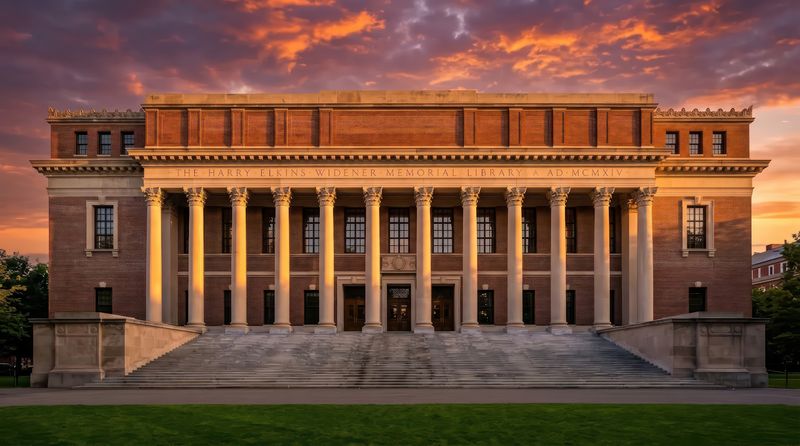
Try telling a Worcester mechanic that their job must involve a Cambridge lecture hall. Harvard and MIT are famous, but their names are not a complete guide to how Massachusetts earns a living.
Most introductions need a better question than which campus someone works on.
Health care is one obvious part of the picture. Hospitals, clinics, and care facilities need nurses, technicians, cleaners, office staff, and many other workers.
Schools also employ people well beyond college professors, including classroom teachers, bus drivers, counselors, and cafeteria teams.
Other residents build houses, repair cars, prepare food, run stores, or keep public services moving. Coastal communities have jobs tied to fishing, marine work, and tourism.
Farms, manufacturers, and small businesses contribute their own skills, schedules, and local concerns.
Technology and research do matter, especially around greater Boston. Yet those fields include companies, laboratories, and institutions outside the two names visitors recognize first.
Even within a university, jobs range from grounds work to accounting, so assuming everyone teaches misses another layer.
The stereotype can make ordinary conversation awkward. Asking whether someone went to Harvard may sound like you are measuring them against a famous school.
A simple question about what they do, or what they enjoy about their town, leaves space for a real answer.
For visitors, this wider view also makes the state easier to understand. A fishing port, a hospital district, a college town, and a former factory city have different daily rhythms.
Notice the businesses on the main street and the workers who keep your trip running. The person fixing your flat tire knows a Massachusetts story that will never appear in a campus brochure.
Treat that experience with the same interest you would give a research breakthrough, and conversation becomes less about famous names and more about the place you are actually visiting.
7. Massachusetts Is Stuck in the Past and Has Nothing Modern to Offer.
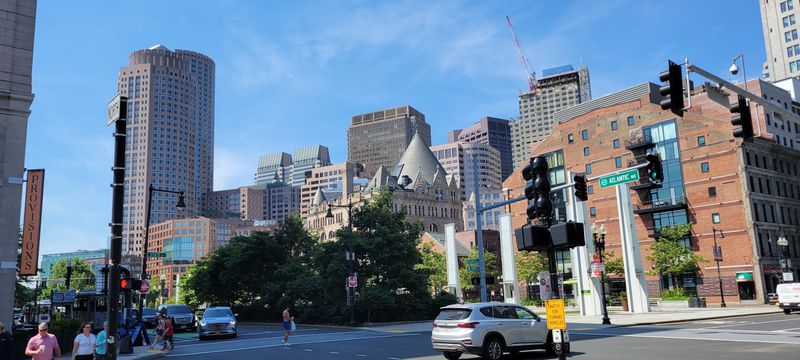
A brick path can lead straight to a glass building. That contrast is common in Massachusetts, where old streets and new ideas often share the same block.
Historic landmarks are easy to recognize, but they do not tell you everything happening behind nearby doors.
Cambridge has research spaces and technology companies alongside older homes and university buildings. Boston’s Seaport includes contemporary architecture, offices, restaurants, and the Institute of Contemporary Art.
You can spend a day in those areas without building your schedule around colonial history.
Modern work extends beyond the skyline. Massachusetts has activity in fields such as biotechnology, robotics, and clean energy.
Not every workplace welcomes public visits, but museums, talks, exhibitions, and other public programs can offer accessible ways to explore current ideas.
Arts spaces make the old-versus-new argument especially shaky. At MASS MoCA in North Adams, former industrial buildings hold contemporary works.
Reusing an older structure does not mean its contents are old-fashioned; sometimes the building provides room for art that would not fit elsewhere.
There are real growing pains. New development can raise concerns about housing costs, traffic, and who benefits from neighborhood changes.
Calling every new building progress is too simple, but calling the whole state frozen in time ignores the debates residents are having right now.
Balance your visit with one historic stop and one current cultural or design stop. Check exhibition schedules, explore a newer public space, or look for a talk that matches your interests.
You might notice how older streets connect with fresh uses rather than treating them as separate worlds. Locals do not need visitors to pretend the past is unimportant.
They would simply like the conversation to include the present: what is being built, what is being tested, and how communities are deciding what comes next. A photograph of one old church cannot answer all those questions.
8. Everyone in Massachusetts Is Obsessed With the Red Sox.
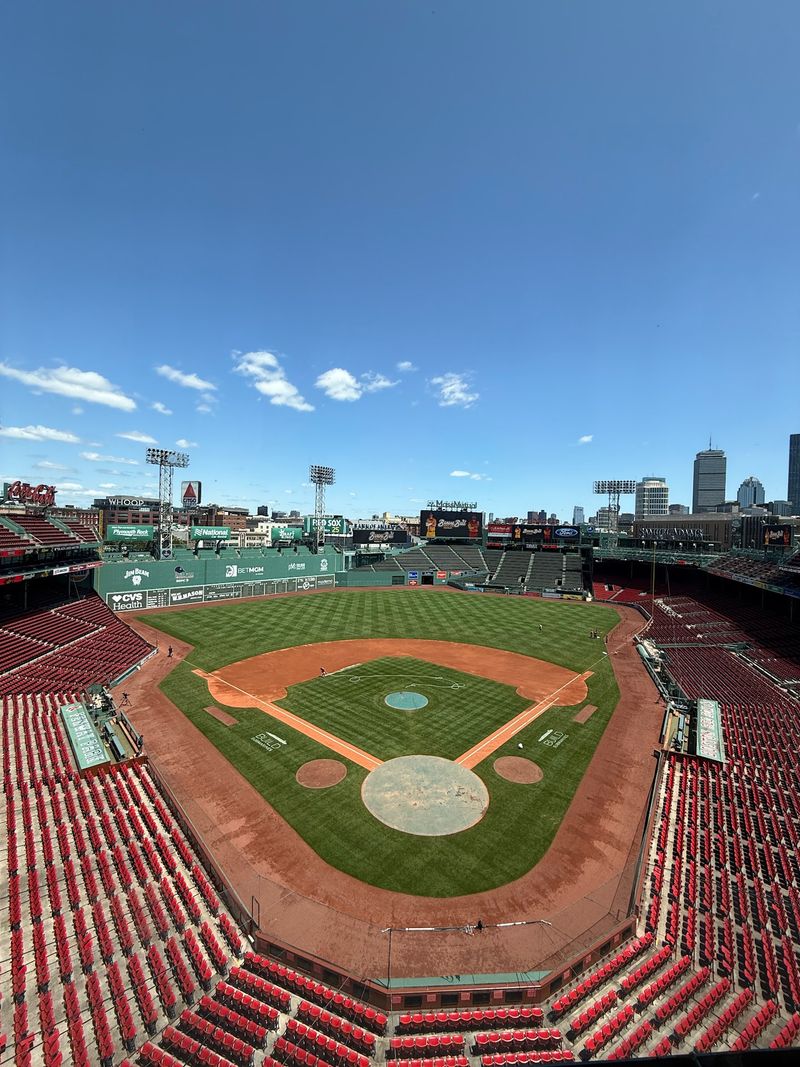
A baseball cap is not a statewide personality test. Plenty of Massachusetts residents follow the Red Sox closely, and Fenway Park is a major landmark.
Plenty of others would rather discuss a hiking route, a new restaurant, or the book they just finished.
Even among sports fans, interests vary. Some follow the Celtics, Bruins, Patriots, Revolution, college teams, or local school sports.
Others enjoy playing soccer or basketball themselves but have little interest in watching a professional game on television.
Then there are people who simply do not follow sports. Their weekends may revolve around theater, fishing, gardening, music, or family errands.
Living near a famous ballpark does not require memorizing its history any more than living near a museum requires studying every painting.
The easy fix is to ask rather than assume. A casual question about whether someone follows baseball works better than launching into a rivalry joke.
If they are interested, you have a conversation; if not, you can move on without making them defend their local credentials.
Visitors should also separate a city landmark from a personal interest. Touring Fenway may appeal to someone who likes architecture or history, even if they never watch a game.
Meanwhile, a lifelong fan may prefer listening at home to dealing with crowds around the park.
If you plan to attend a game, check current ticket rules, transportation options, and bag policies. Nearby streets and restaurants can be busy when events are scheduled, so factor that into other plans in the area.
Outside that setting, let sports be one possible topic rather than the default introduction. Ask what someone recommends doing this weekend, and you might hear about a concert, a skating rink, or a farm market instead.
Massachusetts has room for loyal fans and complete indifference, sometimes within the same household and certainly on the same block.
9. Massachusetts Is Basically Just Boston.
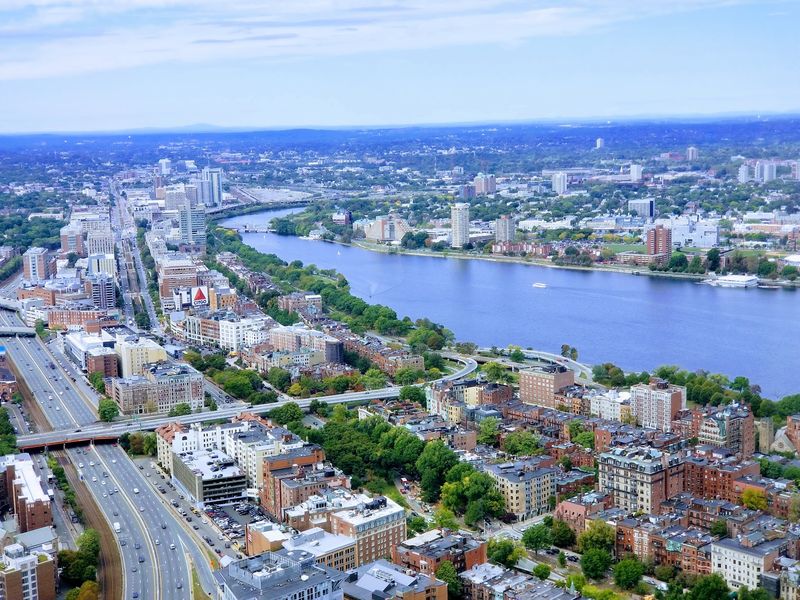
Boston takes up a lot of space in travel conversations, but it takes up only part of the map. Massachusetts includes inland cities, coastal ports, farm towns, islands, and hill country.
Calling all of that Boston makes directions confusing and leaves whole communities out.
Worcester has its own neighborhoods, restaurants, colleges, and cultural stops, including the Worcester Art Museum. Springfield sits in the Connecticut River Valley and is home to the Naismith Basketball Hall of Fame.
Neither city is simply a smaller version of the state capital.
Lowell tells a different story through its canals, mill buildings, and national historical park. New Bedford has a working waterfront and a deep connection to maritime history.
Salem mixes museums, neighborhood life, and a tourism calendar that can greatly affect how crowded a visit becomes.
Small communities add another layer. A town in the Berkshires may have more in common with nearby rural places than with downtown Boston.
Cape communities and island towns also face their own seasonal patterns, transportation needs, and questions about housing and local business.
For planning purposes, use actual place names. A hotel described as being in the Boston area may still be far from the activities you want.
Check the address, travel time, and transit connections instead of trusting a broad regional label.
The same care helps in conversation. Ask someone which part of Massachusetts they call home, then let that answer shape your next question.
They may know more about river walks in Lowell than subway stops in Boston, and that is perfectly normal. A stronger itinerary chooses a region rather than trying to squeeze the entire state into one city stay.
Give Worcester a day, explore the South Coast, or base yourself in a western town. Boston deserves attention, but it does not speak for every main street, shoreline, and hillside in Massachusetts.
10. There’s Nothing to Do Except Visit Historical Sites.
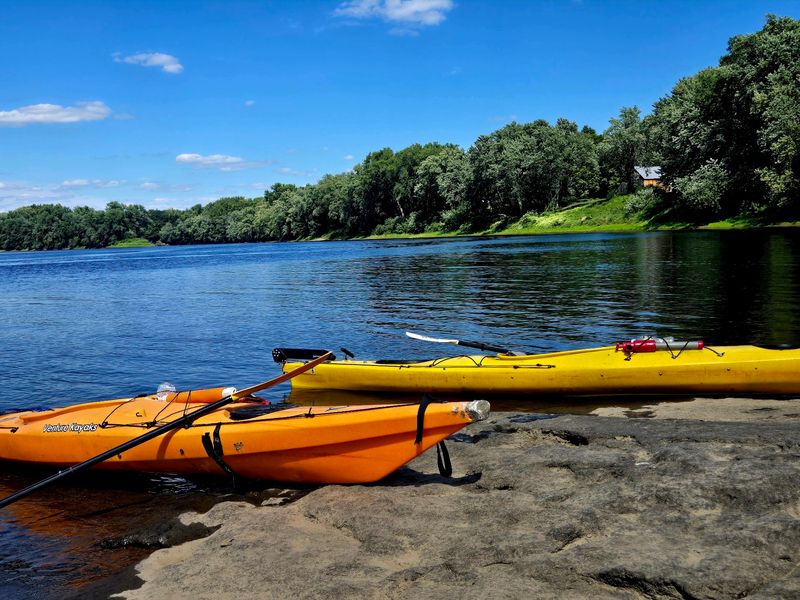
Your vacation does not need to turn into a homework assignment. Massachusetts offers plenty of history, but you can also spend the day paddling, hearing live music, browsing art, or watching a performance.
Nobody checks whether you completed a colonial walking tour before having fun.
Outdoor choices depend on the season. Warmer months can bring kayaking, cycling, swimming, and walks through parks or conservation land.
In colder weather, some areas offer skiing or snowshoeing when conditions allow, while indoor activities provide a reliable backup.
For art, consider the Worcester Art Museum, the Clark in Williamstown, or contemporary exhibitions at MASS MoCA. Boston and nearby communities add theater, comedy, and music venues.
Check current listings because a place’s event schedule matters more than a general promise of entertainment.
Families have options beyond preserved houses and battlefield stories. The New England Aquarium, Museum of Science, and other hands-on attractions can fill a busy day.
Match the stop to your group’s ages and interests, then leave time for food and a break.
You can also build a satisfying visit around simple pleasures. Browse a bookstore, take a harbor walk, visit a seasonal farm stand, or sit down for a long lunch.
Those plans cost different amounts, so check fees and opening hours before setting your budget.
History may still slip into the background, and that is part of the place. A concert hall might occupy an older building, or a bike route might follow a former rail line.
You can enjoy the current activity without treating every detail as a lesson. Tell locals what you actually want to do, whether that means an easy outdoor afternoon or a lively night out.
Their recommendations will be more useful than a standard list of monuments. Leave an open slot in your schedule for a performance, a class, or an unexpected stop nearby.
11. Everyone In Massachusetts Has The Same Political Opinions.
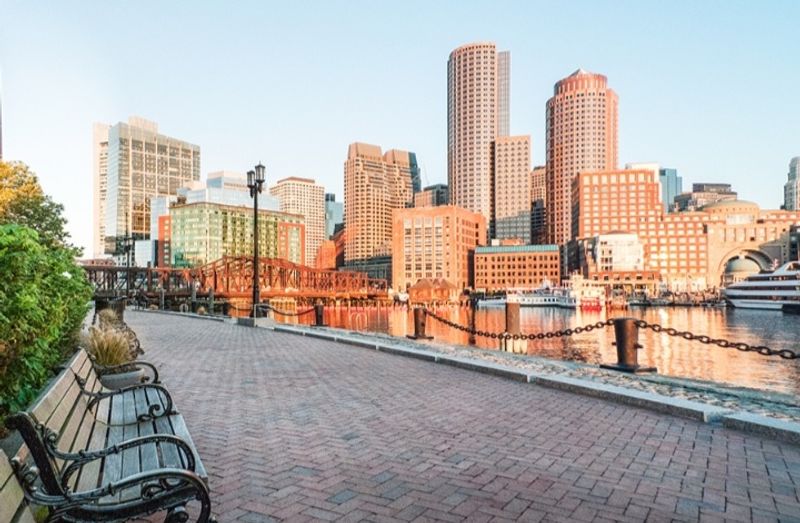
Massachusetts has a recognizable political reputation, but assuming everyone shares the same views is a quick way to misunderstand the people who live here. Residents may agree on certain broad issues while disagreeing strongly about taxes, housing, education, or how their communities should develop.
Political opinions aren’t always divided neatly along party lines. Two neighbors who support the same candidates might have very different ideas about a proposed apartment building, school budget, or transportation project.
One may welcome change, while the other worries about costs or the character of their neighborhood.
Location can influence which concerns come up most often. In Boston, affordable housing and public transportation are frequent topics.
Smaller towns may spend more time discussing property taxes, school funding, and preserving open space. Coastal communities have their own concerns about tourism, fishing, and environmental protection.
Personal circumstances matter just as much as geography. A college student, retired homeowner, and small-business owner can look at the same proposal and see completely different consequences.
Their priorities often come from everyday experiences rather than a predictable political identity.
Local politics can also surprise visitors who expect everyone to agree. Town meetings, school committee decisions, and neighborhood debates regularly bring out competing opinions.
Even people who share similar values may disagree about the best way to solve a problem.
Avoid assuming someone’s political beliefs based on a Massachusetts address, a bumper sticker, or a passing comment. If politics comes up naturally, listen before making conclusions.
You might discover more common ground than expected, or hear a perspective you hadn’t considered.
Massachusetts has a distinct political history, but its residents don’t follow one script. Understanding the state means recognizing that disagreement is part of community life, not an exception to it.
12. Nobody Moves to Massachusetts Anymore.
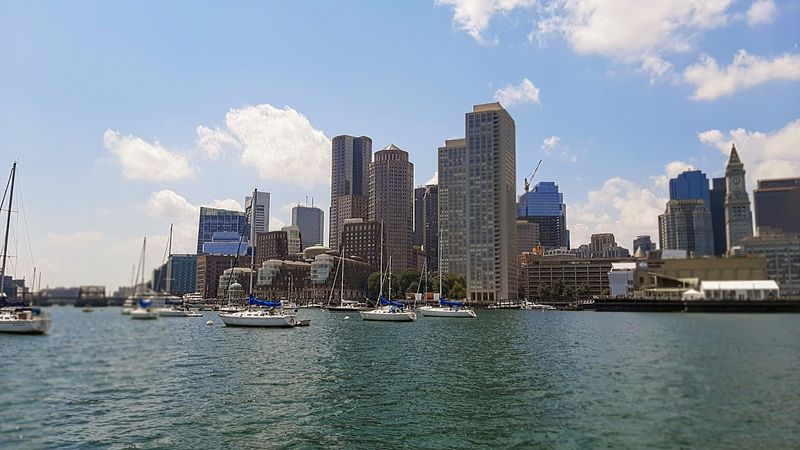
A moving truck on a neighborhood street tells a more useful story than a sweeping claim about nobody arriving. People still come to Massachusetts for jobs, school, family, and other reasons.
Whether the state gains or loses residents overall is a separate question that requires current data.
That distinction matters. A place can welcome newcomers while other residents move away, and those patterns can differ by town or year.
One friend’s decision to leave does not prove that everyone else has reached the same conclusion.
There are real challenges for anyone considering a move. Housing can be expensive, especially in sought-after parts of greater Boston.
Child care, transportation, and other daily costs also deserve a careful look before you decide that a higher salary will cover everything.
At the same time, universities, health care employers, research organizations, and other workplaces give people reasons to relocate. Family ties can matter just as much as a job offer.
Some newcomers choose a smaller city or town rather than the location outsiders first picture.
If you are thinking about moving, compare specific communities instead of judging the whole state by one rent listing. Check realistic commute times, available housing, and the services you need.
Visit during an ordinary weekday, when school traffic and daily errands show you more than a weekend sightseeing trip.
Locals are more likely to offer useful advice when the question is practical. Ask about winter parking rules, neighborhood grocery options, or how a commute works in bad weather.
Avoid opening with a declaration that their state is finished or that everyone is leaving. Population trends deserve careful numbers, not guesswork, and an individual move deserves its own explanation.
Massachusetts is neither an effortless place to settle nor a place nobody considers. Your decision will depend on the match between your budget, your needs, and the community you choose.
13. Massachusetts Has Nothing but Old Colonial Buildings.
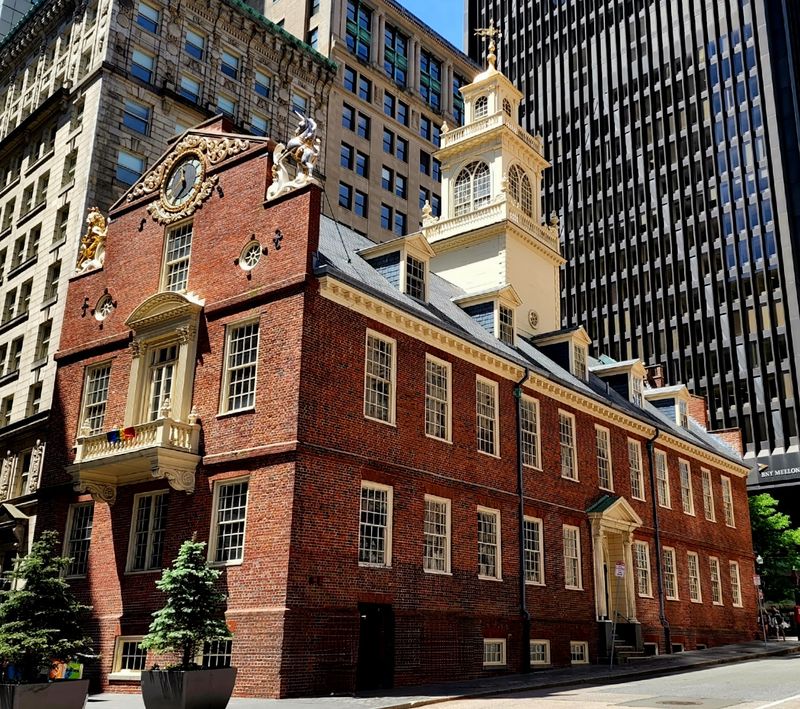
Look up from the postcard, and the buildings get more interesting. Massachusetts has colonial structures, but it also has Victorian houses, triple-deckers, brick mills, contemporary towers, and plenty of ordinary homes.
The state’s architecture records many periods, not just the one taught first in history class.
Triple-deckers are a familiar sight in several cities. These stacked residential buildings help explain how neighborhoods grew and housed working families.
They are different from the neat colonial homes often used to illustrate the entire state.
Former industrial areas tell another chapter. Lowell and Lawrence have large mill buildings, while other communities have factories adapted for new uses.
Some now contain apartments, offices, or arts spaces, though each building has its own history and current purpose.
Boston offers an especially clear mix. Back Bay has rows of older urban houses, while downtown and the Seaport include much newer construction.
You can see changing building styles on a single walk without pretending every block belongs to the same century.
Outside the cities, the range continues. Ranch houses, modest cottages, farm buildings, and newer subdivisions all appear across Massachusetts.
A useful visit notices where people live and work today, not only the structures with plaques or guided tours.
Try turning a neighborhood walk into a simple observation game. Look at roof shapes, building materials, entrances, and how close homes sit to the sidewalk.
You do not need technical terms to notice that a mill, a triple-decker, and a glass office tower were built for different needs. Respect private property, avoid blocking doorways for photographs, and use public tours when you want to see inside.
Colonial buildings remain an important part of the landscape, but they are one layer among many. A wider view helps you understand how towns changed as industries, transportation, and housing needs changed around them over time.
14. Everyone in Massachusetts Has a Thick Boston Accent.
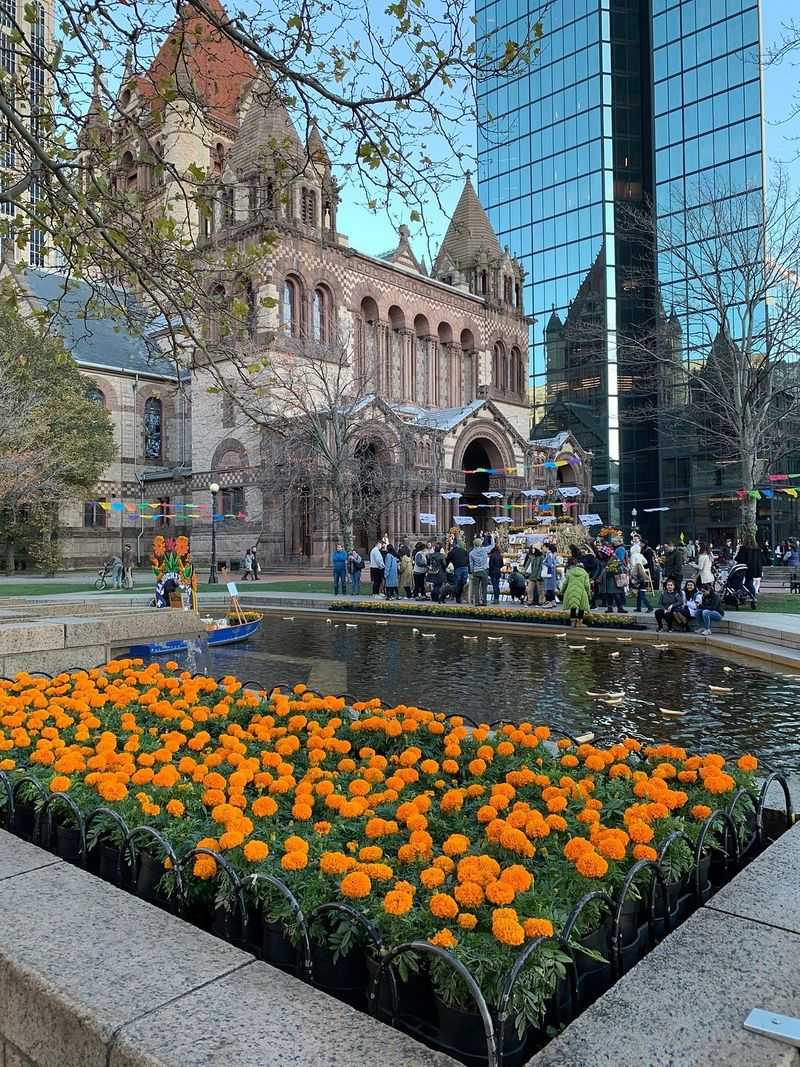
Please do not make someone say a sentence just to inspect their vowels. The famous Boston accent is real, but it is not shared equally by everyone in Massachusetts.
Some residents have a strong regional accent, some have a subtle one, and others sound quite different.
Speech changes across places and families. Western Massachusetts is not Boston, and even neighboring communities can have differences.
A person’s age, social circles, and experience living elsewhere may also influence how they speak.
Massachusetts residents have many backgrounds, including families who arrived from other states and countries. Some grow up using more than one language.
Expecting a single accent erases those experiences and makes a varied population sound far more uniform than it is.
Movies tend to choose the most noticeable version because it quickly signals a setting. That can be entertaining on screen, but copying it loudly during a normal conversation may come across as mockery.
An exaggerated imitation is especially awkward when the person you are addressing does not speak that way.
There is nothing wrong with being curious about language. If an accent comes up naturally, ask a respectful question and accept a short answer.
Do not correct someone’s pronunciation or treat their voice as a souvenir you are entitled to collect.
For everyday travel, clear communication matters more than identifying an accent. Listen carefully to directions, confirm unfamiliar place names, and ask someone to repeat a word when needed.
Residents also appreciate visitors who check local pronunciations rather than insisting that every name should sound exactly as it looks. You may hear a recognizable Boston sound during your visit, or you may not.
Either outcome is normal. Let people speak without turning each exchange into an audition for a film role, and you can get back to the actual conversation about dinner, directions, or tomorrow’s plans.
15. Massachusetts Is Just Crowded Cities and Busy Highways.
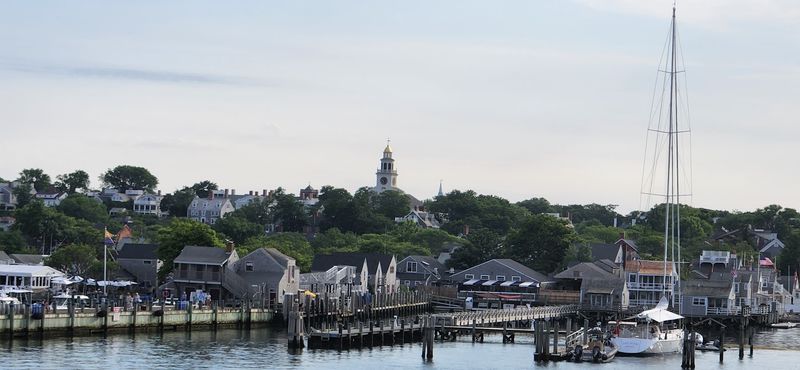
Leave the highway, and the view can change quickly. Massachusetts has forests, farms, reservoirs, wetlands, and towns where the busiest sound may be a passing tractor.
Traffic is part of life in some areas, but it is not the state’s only setting.
The Quabbin Reservoir offers a striking example of open water and wooded land. It also supplies drinking water, so recreation comes with rules that protect the watershed.
Check permitted activities and access points before visiting rather than treating every shoreline as a public swimming beach.
Western Massachusetts has rural roads, forest trails, and hill towns that require a different pace from city sightseeing. Parts of central Massachusetts offer quiet outdoor settings as well.
Plan fuel, food stops, and directions ahead when services are farther apart.
Even near built-up areas, you can find space to walk. The Blue Hills Reservation sits close to Boston, while other parks and conservation areas serve communities across the state.
A trail may still be busy on a sunny weekend, so choose timing and routes with care.
Quiet does not mean empty or available for any use. Farms may be private, trails may cross protected habitat, and roadside parking can create problems for residents.
Follow signs, stay on marked routes, and carry out what you bring in.
Match the outing to your comfort level. A short path near a visitor area may suit you better than a long hike with limited services, especially if weather is uncertain.
Bring water, suitable shoes, and a map, and do not rely entirely on mobile reception. You can also explore a rural town through its library, village center, or seasonal farm stand without heading deep into the woods.
Massachusetts traffic deserves practical planning, but it should not define the whole trip. Set aside time beyond the major roads, and the map starts showing a much wider landscape.