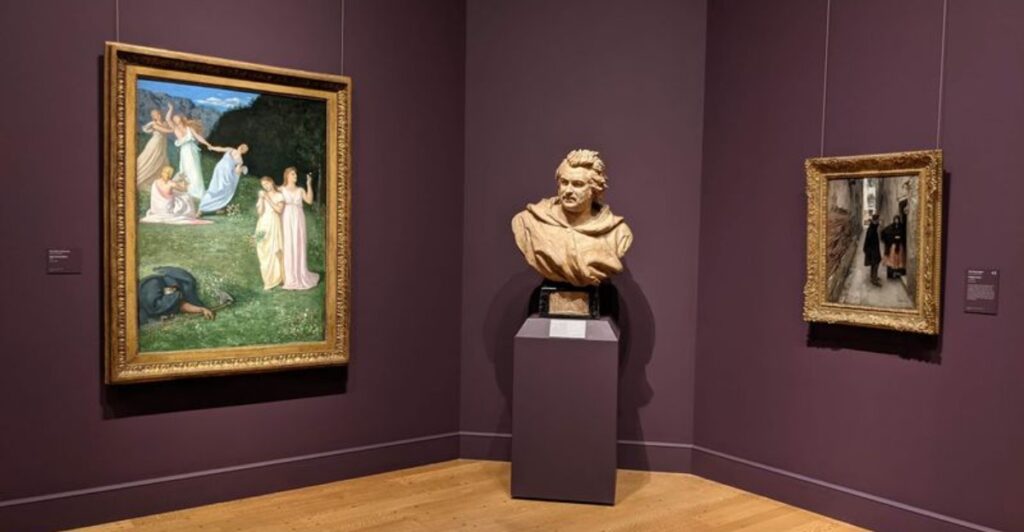
World-class art, mountain scenery, and a college-town setting can sound like the start of an expensive weekend. In Williamstown, Massachusetts, the Clark Art Institute makes that kind of escape feel much more approachable with major works of art, striking architecture, and grounds that are free to explore. The appeal comes from being able to mix museum time with walking trails and open scenery without building the whole day around costly attractions.
Calling Williamstown the state’s most affordable town would take broader price comparisons, but the Clark gives budget-minded visitors plenty to work with. For anyone planning a Berkshires outing with art, fresh air, and room to watch spending, this stop makes an easy place to start.
Massachusetts Hills Meet Mirror-Still Water
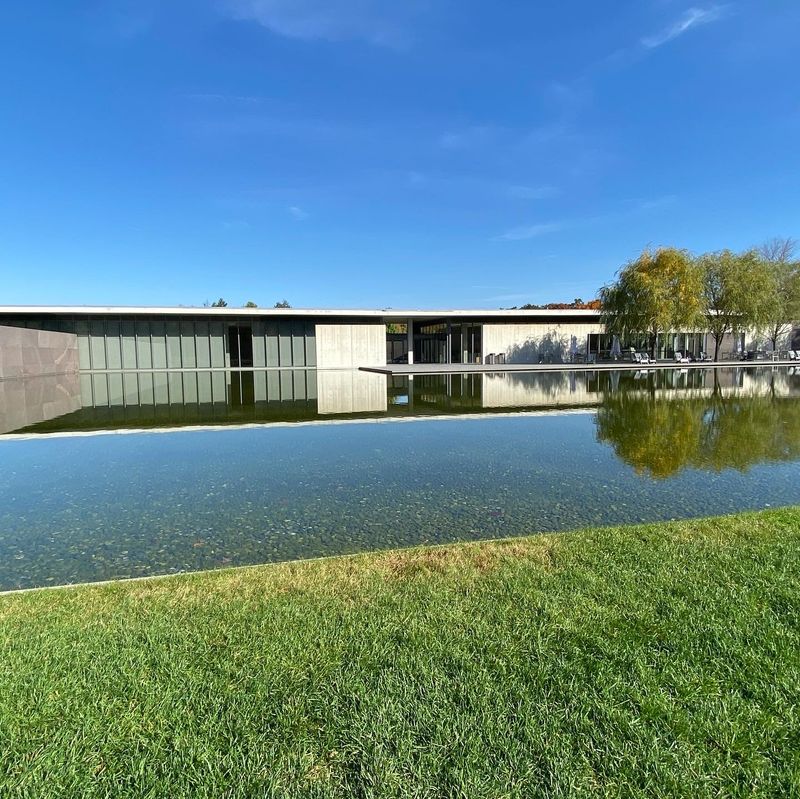
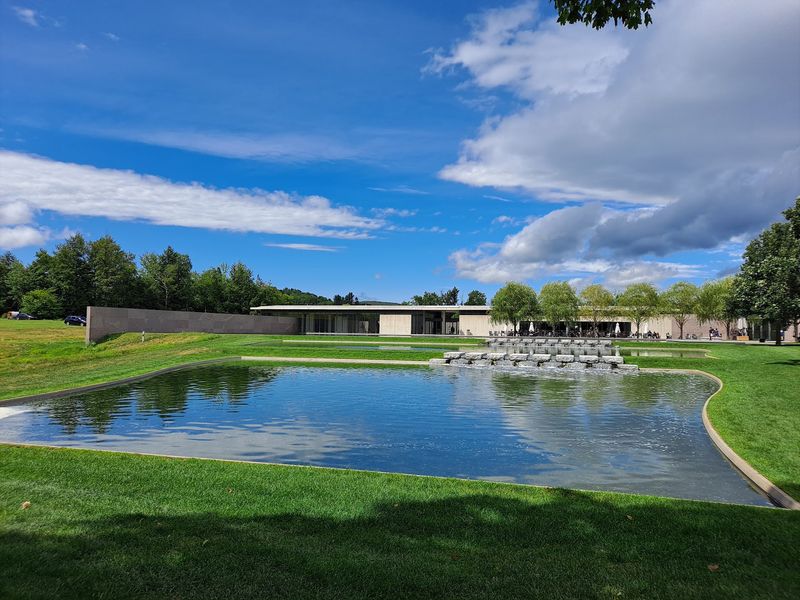
Before you meet a single painted face, the water outside the Clark Center gives you a reason to stop. Broad reflecting pools sit beside low buildings, with the Berkshire landscape stretching beyond their clean edges.
The contrast is the point: straight lines and smooth surfaces sit against grass, trees, and rounded hills. You can watch the setting change as clouds pass overhead, turning the water from bright silver to darker gray.
Japanese architect Tadao Ando designed the Clark Center, which opened in 2014 as part of a major campus expansion. His use of concrete, glass, and water gives the entrance a clear identity without trying to copy the older museum building.
Rather than racing toward the galleries, spend a few minutes outside looking at how the buildings meet the land. Step back for a wider view, then move closer to notice reflections and the sharp edges around the pools.
Photography here rewards patience more than fancy equipment. Keep your camera level, leave room for the hills, and try a second picture after the breeze settles; the reflection can change within seconds.
The outdoor setting also helps explain the museum’s unusual scale. At the Clark, the space between buildings is part of the visit, not simply a route from the parking area to a ticket desk.
If you arrive on a wet day, the architecture still offers plenty to study, though outdoor surfaces deserve careful footing. Gray skies can make the concrete and water look especially crisp, while the galleries provide a comfortable next stop.
Save another look for the end of your visit, when the light may have shifted across the pools. You do not need an architecture background to appreciate the scene: watch where the building ends, where its reflection begins, and how easily the hillside fits into the frame beside it.
Meet Renoir and Monet Without Rushing Past
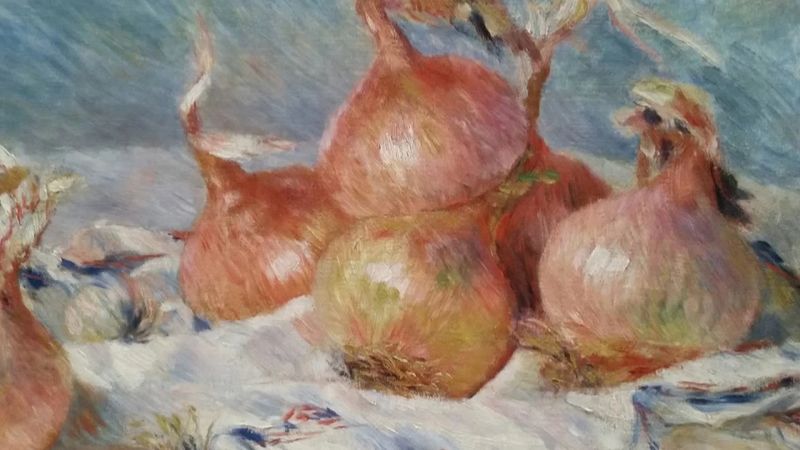
A famous name on a museum label is only the beginning. Stand in front of a painting long enough, and the small choices become more interesting than the name: a bright sleeve, a loose brushstroke, or sunlight caught on grass.
The Clark is especially known for its French Impressionist paintings, including works by Pierre-Auguste Renoir and Claude Monet. Its holdings also include European and American art that gives those familiar names a much wider setting.
Renoir’s paintings reward attention to faces, fabric, and the space between figures. Monet invites a different kind of looking, with color and light often doing more work than sharply drawn outlines.
Give yourself permission to choose favorites instead of trying to admire everything equally. Pick one painting that pulls you closer and another that leaves you puzzled, then compare how each artist guides your eye.
A useful trick is to look before reading the wall label. Notice the subject, colors, and mood first, then read the explanation to see whether it adds a detail you missed.
American artists such as Winslow Homer and George Inness broaden the experience beyond French painting. Their work can turn your attention toward water, weather, working lives, and landscapes rather than fashionable rooms or garden gatherings.
Because displays can change and works may be loaned elsewhere, avoid building your entire visit around one specific canvas without checking its status. A collection is more flexible than a greatest-hits playlist, and a less familiar painting may become your best discovery.
You do not need to know art terms to enjoy these rooms. Try describing a painting in everyday words, then step back and see whether your description changes with distance.
Allow extra time for this part of the museum if painting is your main interest. A few carefully chosen works can fill an hour without feeling like homework.
The Small Objects Deserve a Bigger Look
Silver can steal your attention just as quickly as a large painting. A curved handle, a patterned rim, or a polished surface catches the light and turns an everyday object into a lesson in careful design.
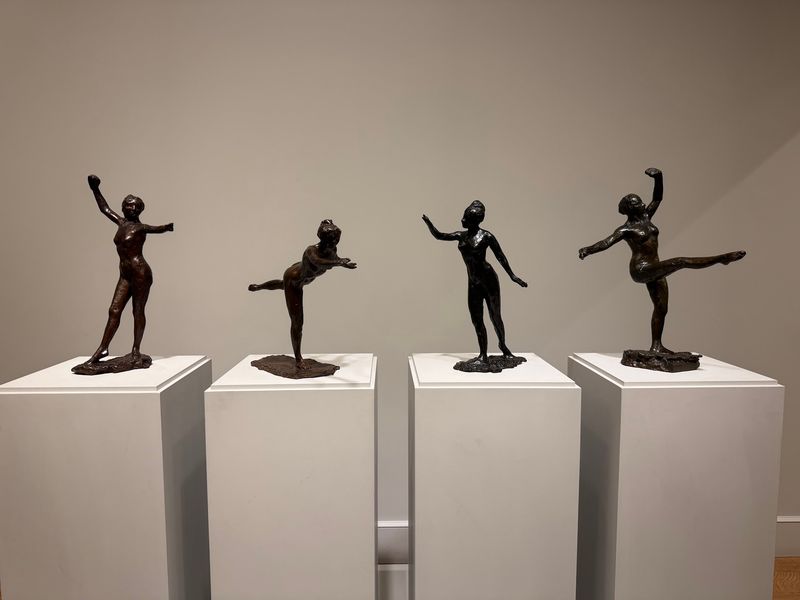
Beyond its celebrated paintings, the Clark holds decorative arts, sculpture, prints, drawings, and other works. These collections offer a change of pace when your eyes need a break from rows of framed pictures.
Decorative objects are especially approachable because their shapes often connect to things you already know. You can imagine holding a cup or lifting a lid, even when the craftsmanship belongs to a very different time.
Look closely at the places where beauty and use meet. A handle must work for a hand, a base must support weight, and a lid must fit; skilled makers solve those problems while adding details worth studying.
Sculpture asks you to move rather than stay fixed in one position. Where the gallery layout allows, change your angle and notice how a face, fold, or shadow looks different from the side.
Works on paper need their own kind of patience. Fine lines and light shading can disappear at a quick glance, so slow down and let your eyes adjust before deciding that a drawing looks simple.
Not every part of the collection is displayed at all times. Light-sensitive materials, changing installations, and loans affect what you can see, which makes checking the current gallery information useful before you arrive.
If you are visiting with children, give them a small looking task rather than a long explanation. Ask them to find an object with an unusual shape or decide which piece would be hardest to make by hand.
Finish this stretch by comparing one object with one painting. Notice how both makers use shape, shine, texture, or contrast to hold your attention without using words.
A Private Collection Became a Public Classroom
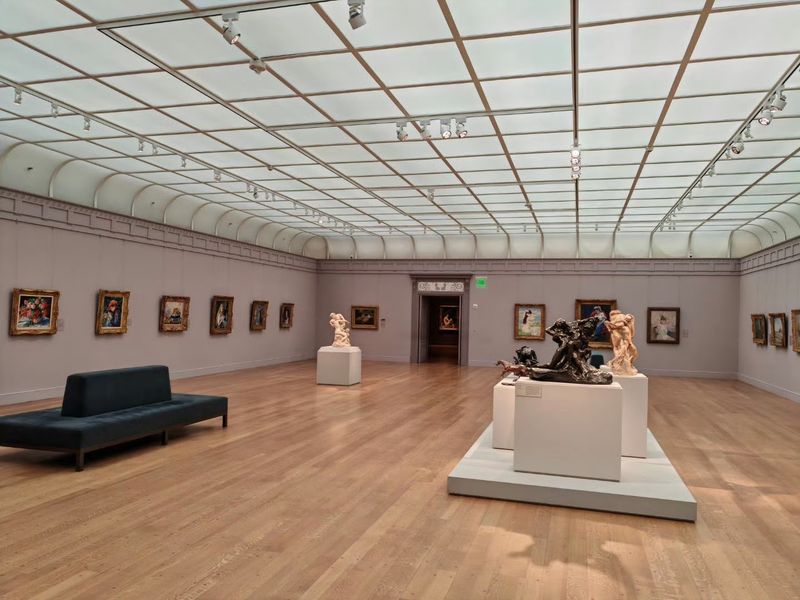
The Clark began with two collectors and a decision to share. Sterling and Francine Clark built the collection that became the foundation of the museum, which opened to the public in Williamstown in 1955.
That origin helps explain why the galleries contain strong personal interests rather than a perfectly even survey of every art movement. Collecting involves choices, and the Clarks’ choices still shape the museum you explore today.
Sterling Clark was an heir to the Singer sewing machine fortune. He and Francine developed a collection with particular strengths in European painting, including the Renoirs that remain central to the Clark’s identity.
Yet the institution grew beyond the idea of a private treasure house. The Clark is both an art museum and a center for research, bringing public exhibitions together with serious study of art and its history.
Its connection with nearby Williams College adds another layer to that mission. The Williams Graduate Program in the History of Art is offered in collaboration with the Clark, linking the collection to the training of future scholars and museum professionals.
For you, that academic role shows up most clearly in the care given to exhibitions and interpretation. Objects are presented as things to investigate, with histories, questions, and connections that extend beyond their appearance.
The original museum building and later additions also make the institution’s growth visible. Walking between them gives you a simple way to read its timeline without memorizing a list of dates.
Keep this background in mind when a label introduces an unfamiliar artist or explains how a work was made. The museum’s job includes opening new paths into art, not only placing famous pictures on walls.
You can enjoy the galleries without studying their history first. Still, knowing that a couple’s collecting choices became a public learning place gives the visit a useful human thread.
Trade Gallery Floors for Meadow Paths
Your next stop can be a hillside instead of another room. The Clark’s roughly 140-acre campus includes meadows, woods, and walking trails, giving you a chance to stretch your legs after time inside.
The shift is more than a change of scenery. After studying painted skies and carefully shaped landscapes, you can step outside and look at real clouds, changing shadows, and the uneven edges of the Berkshire hills.
Choose your route based on your energy, shoes, and the weather rather than simply picking the longest path. Some walks are easier than others, and slopes or uneven ground can make a short distance more demanding than expected.
Ask for a current campus map before heading uphill. Trail conditions and closures can change, especially after rain or during colder months, so an old description should not replace the information available that day.
Bring water if you plan to walk beyond the immediate buildings. Shoes with a useful grip are a better choice than slick soles, particularly where grass, leaves, or damp ground cover the route.
Outdoor art has also been part of the Clark’s landscape programming. Installations change, so check what is currently on view rather than assuming a sculpture pictured in an older article will still be there.
If livestock are present in the surrounding fields, enjoy the scene from the public route. Keep your distance, respect fences, and treat the working landscape as more than a backdrop for a photograph.
You can keep this portion brief with a nearby stroll or give it a larger place in your day. Either choice lets the campus serve a different purpose from the galleries: movement, fresh air, and room to look farther away.
Before setting out, decide when you need to return. Leave enough time for the walk back, particularly if you still want to visit another gallery.
Keep the Museum Day Friendly to Your Budget
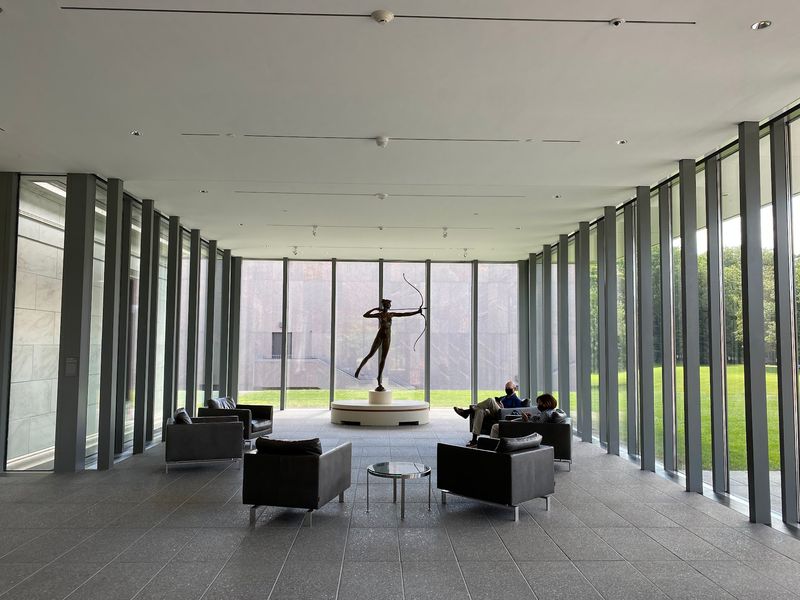
A lower-cost museum day starts before you buy a ticket. Separate the paid gallery visit from the free outdoor experience, then decide which parts of the Clark matter most to your plans.
The grounds are free to explore, making them a useful option if you want architecture, a walk, and time beside the reflecting pools without paying museum admission. Gallery entry follows a separate admission policy.
The Clark has offered free admission for children and young adults age twenty-one and under, as well as students with valid identification. Confirm the current rules before traveling, especially if your budget depends on a particular discount.
Seasonal free admission programs can also help. The museum has offered free first Sundays from October through May, but check the current calendar rather than assuming every first Sunday throughout the year is included.
Membership benefits and reciprocal museum programs may provide another route to reduced costs. If you already belong to a participating institution, check eligibility and bring the required membership card or other proof.
Food deserves a place in your budget, too. The campus has a café, but availability, hours, and prices can change, so decide ahead of time whether you want a meal, a snack, or simply a drink.
Keep optional shopping separate from the essentials. A museum shop can be fun to browse, but your visit does not need a book, print, or souvenir to feel complete.
None of these savings proves that Williamstown is Massachusetts’ cheapest college town. Housing costs and travel expenses require their own comparisons; the clearer claim is that the Clark offers meaningful choices for different visitor budgets.
Build your spending around what you will actually use. A full gallery ticket makes sense for an art-focused day, while a free campus walk can stand on its own when your time or funds are more limited that week.
Plan One Good Day, Not a Museum Marathon
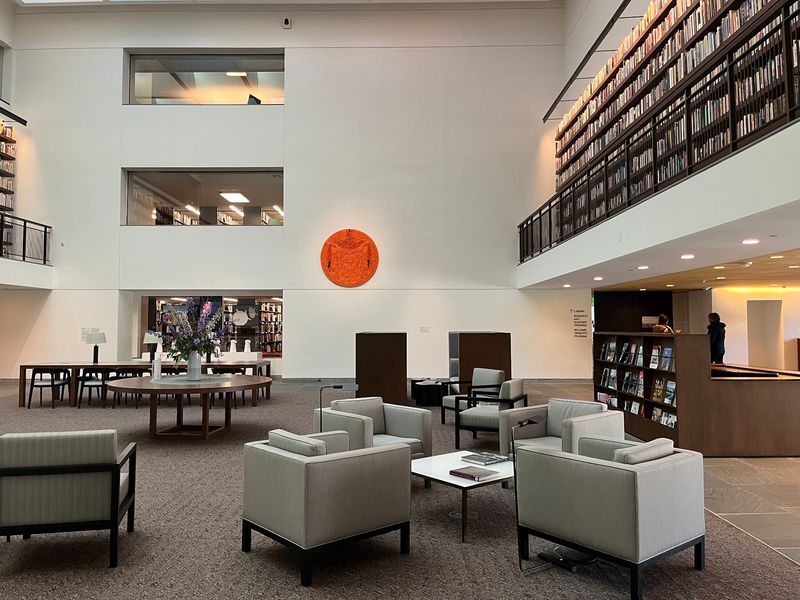
Trying to see everything can turn a pleasant visit into a counting exercise. A better plan gives you a few priorities, enough time to follow your curiosity, and a clear idea of when to stop.
The Clark is at 225 South Street in Williamstown, Massachusetts. Plan your arrival around the museum’s posted hours, generally 10 a.m. to 5 p.m., while checking for seasonal schedules or holiday changes before departure.
For a first visit, reserve roughly three hours if you want the permanent collection, a special exhibition, and a short outdoor break. Add more time for lunch or a longer walk, rather than squeezing those activities between galleries.
Start with whichever exhibition matters most to you. Temporary shows have limited runs, and the current program may affect your route through the buildings or how much time you want to spend in each space.
Then choose a manageable stretch of the permanent collection. Looking carefully at selected works usually gives you more than passing every wall at the same speed, especially once your concentration begins to fade.
Use the café or a seating area as a planned pause, not only an emergency stop when everyone is tired. A short break can make the next gallery easier to enjoy and help children reset their attention.
If access needs affect your visit, ask about elevators, suitable routes, and assistance between campus buildings. Indoor access and outdoor trail conditions are different questions, so explain which parts of the property you hope to explore.
Check photography rules in each exhibition, since restrictions may vary. Keep bags and belongings clear of artwork, and follow staff guidance about where food, drinks, or other items are allowed.
End with the experience you still have energy for, whether that means a hillside walk or one final painting. Leave the unfinished rooms for a future visit instead of rushing.