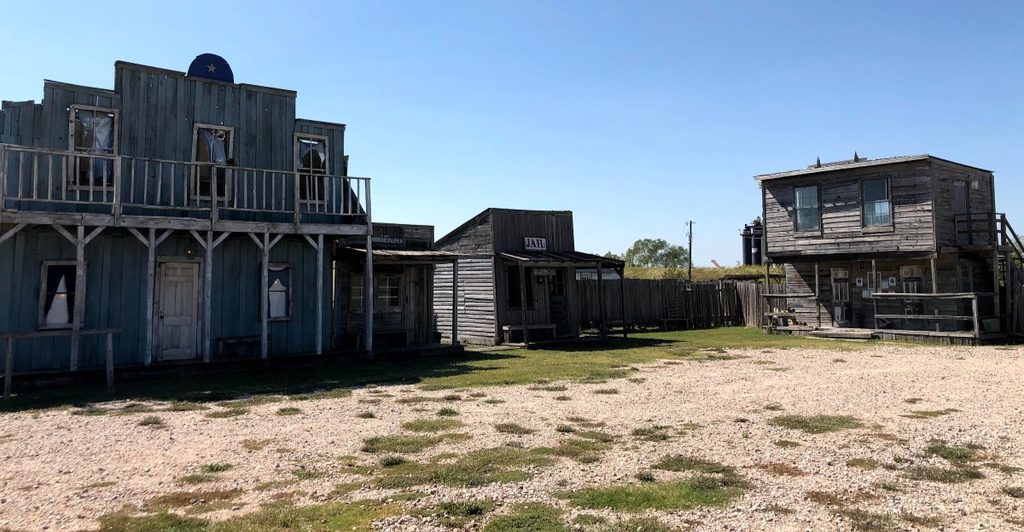
Somewhere between the cattle guards and the courthouse squares, Texas still keeps a little frontier alive. Some towns hold onto dusty main streets, rodeo nights, and wide open skies. Others show off old forts, dance halls, and ranch history.
Saddle up and see which spots can make you feel like you rode into another century.
1. Fort Davis
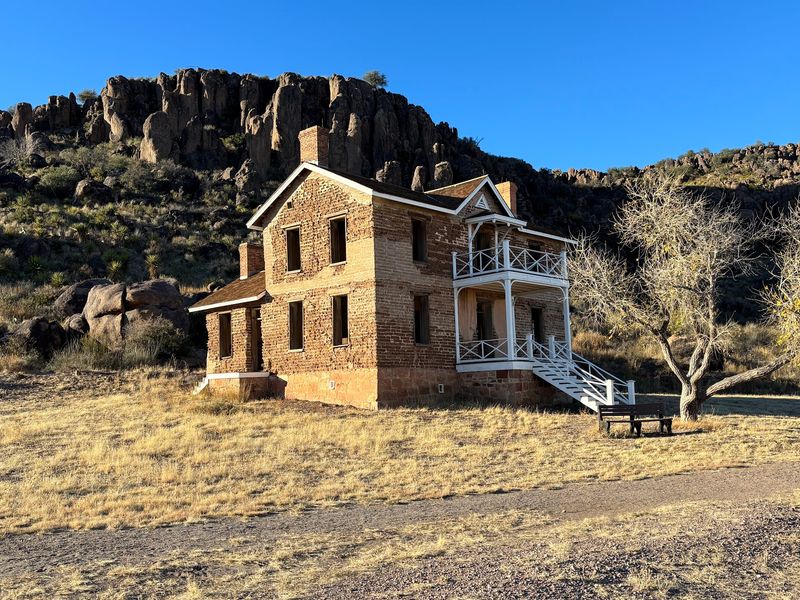
Picture a cavalry bugle echoing off volcanic cliffs, and you have a pretty good sense of this mountain town. Fort Davis sits high in the Davis Mountains, where the air stays cooler and the grass turns gold in late summer. The old military post here once guarded travelers on the road between San Antonio and El Paso.
Today the fort is one of the best preserved frontier posts in the Southwest. You can wander through officers’ homes, peek into the barracks, and stand on the parade ground where soldiers once drilled. Rangers sometimes run living history programs, so keep an eye on the calendar before you go.
Downtown is just as easy to enjoy. Old stone and adobe buildings line the main road, and the historic Hotel Limpia has welcomed guests for generations. Grab a seat on the porch, order something cold, and watch the pickups roll by at a gentle pace.
Nature adds to the Old West mood. Fort Davis State Park sits right beside the fort, with short trails that wind past rock walls and wildflowers. Drive the scenic loop nearby and you will see ranch land stretching toward blue ridgelines, with pronghorn and hawks often in view.
Here is a fun bit of history: the fort was home to the Buffalo Soldiers, Black cavalry and infantry regiments who served on the frontier after the Civil War. Their story gives the place real depth beyond the usual cowboy tales.
Plan on staying overnight if you can. After dark, the stars are so thick that the Milky Way looks like spilled flour. The nearby McDonald Observatory hosts star parties that make the night sky feel close enough to touch.
Pack a jacket, because even summer evenings can turn crisp once the sun slips behind the peaks.
2. Bandera
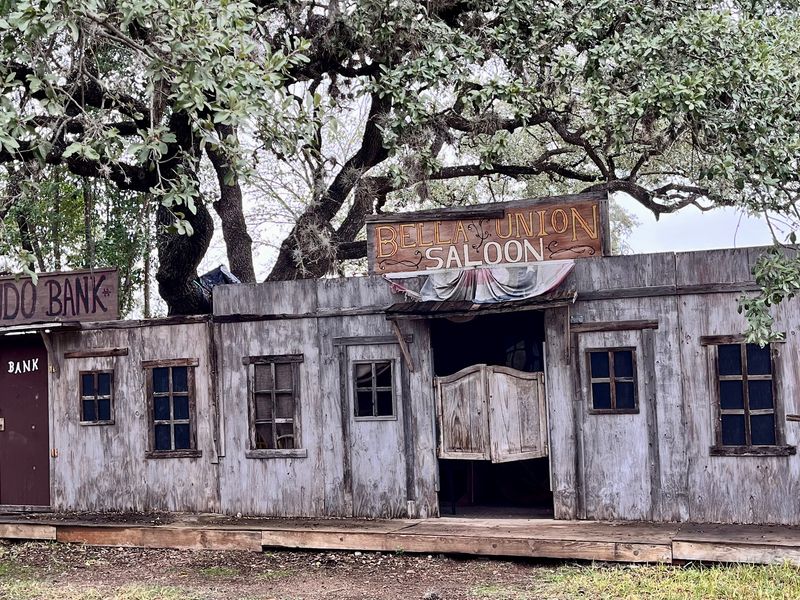
Boots outnumber sneakers here, and nobody blinks. Bandera proudly wears the title of Cowboy Capital of the World, and the Hill Country town backs it up with rodeos, dude ranches, and live music that spills out of old wooden buildings.
Start on Main Street, where saloons and shops keep their western character. Some of the bars have dance floors that have seen decades of two-stepping. On many nights, a local band plays country tunes while folks in hats spin around the room like they were born to it.
If you want a true ranch feel, book a stay at one of the nearby guest ranches. Many offer trail rides through cedar and live oak country, campfire cookouts, and early morning coffee on a porch. Even a short ride gives you a fresh respect for how much work horses and riders once did together.
The town also leans into its roots with a rodeo scene that runs through the warmer months. Watching a rider hang on to a bucking bronc is a lot more thrilling in person than on a screen. Kids can often join in the fun with mutton busting events.
Curious about the past? Polish settlers helped build Bandera in the 1850s, cutting cypress from the Medina River. That story adds a surprising twist to a town you might expect to be all spurs and saddles.
Outdoor lovers can float, hike, or fish nearby, especially at Hill Country State Natural Area. Come in spring when bluebonnets color the roadsides, and the whole region looks like a postcard from a simpler time.
3. Terlingua
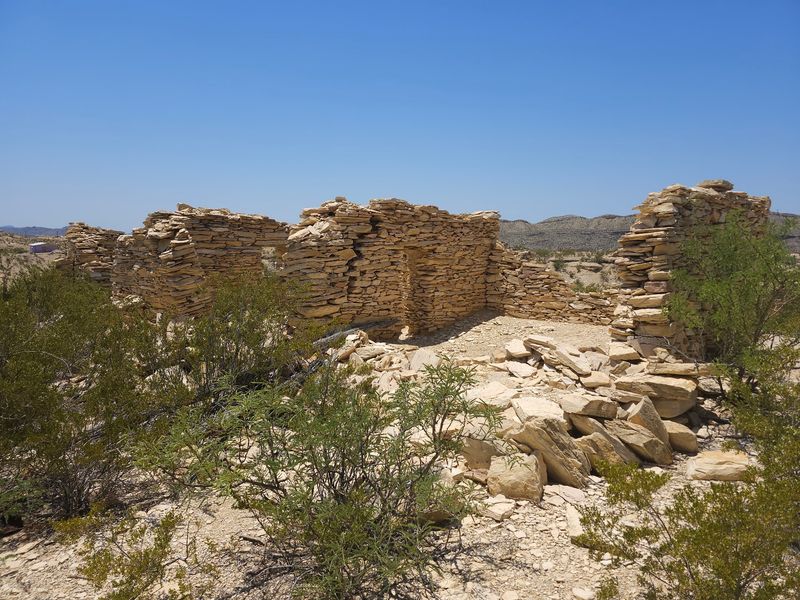
Dust, desert wind, and a porch full of storytellers set the scene in this former mining camp. Terlingua boomed in the early 1900s thanks to quicksilver, then faded when the mines closed. What remains is a ghost town with a pulse.
Crumbling stone houses stand beside rusty equipment, and a hillside cemetery tells stories with hand-built grave markers. Walk slowly and you will spot details like old doorways and weathered signs that hint at the miners who once lived here.
The porch at the Terlingua Trading Company is a classic gathering spot. Locals and visitors sit side by side, watching the sun go down over the Chisos Mountains while someone strums a guitar. It feels less like a tourist stop and more like a front yard party.
Food is another reason to linger. Chili is a big deal here, and the town hosts a famous chili cookoff each fall that draws crowds from all over. Even outside that weekend, you can find hearty plates of Tex-Mex and smoky meats to fuel a long day.
Big Bend National Park is just down the road, so this makes a perfect base. Pack lots of water, a hat, and a sense of humor about the heat. Desert distances are bigger than they look, and cell service can vanish without warning.
Stay overnight in a rustic cabin or a restored stone cottage, and you will wake to a sky that glows pink over the badlands. It is rough around the edges in the best possible way.
4. Pecos
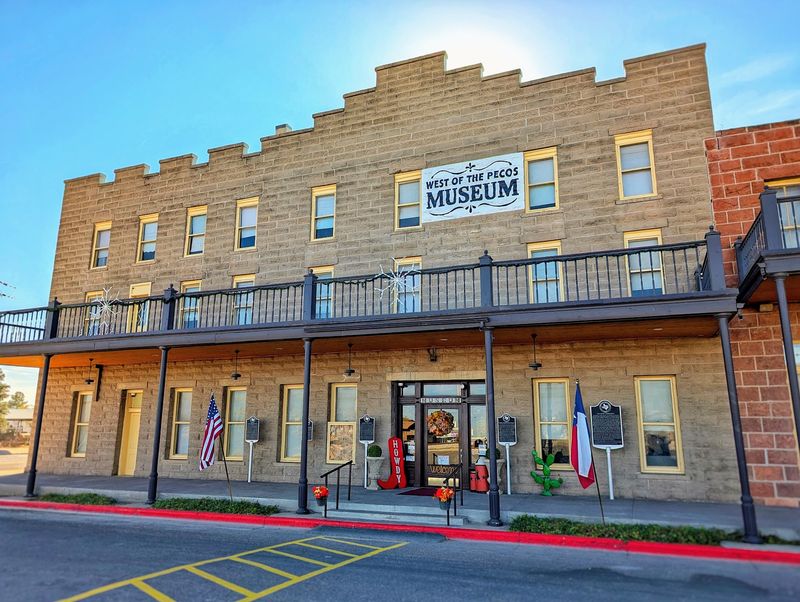
Rodeo fans, take note: Pecos claims to have hosted one of the first rodeos ever held, back in 1883. That bold bit of local pride sets the tone for a town that treats its cowboy past like a family heirloom.
Your first stop should be the West of the Pecos Museum. It sits in a building that once held a saloon and hotel, and the walls still carry a famous bullet hole story. Exhibits include old saddles, photographs, and period rooms that make the frontier feel real.
Next door, you may spot the grave of a notorious gunman, tied to the legend of Judge Roy Bean, who held court in a saloon down the river. His story is a favorite around here, full of tall tales and rough justice.
The town also celebrates its ranching roots each summer with the West of the Pecos Rodeo. Folks come from miles around to watch events under the lights, eat barbecue, and cheer for neighbors. It feels like a family reunion with livestock.
Do not leave without trying a Pecos cantaloupe in season. Farmers here grow them in the sandy soil, and locals will happily tell you why theirs taste better. Roadside stands and local shops are good places to ask around.
The landscape is flat, wide, and honest. Drive just outside town and you will see pump jacks, cattle, and horizons that go on forever. It is not flashy, but that is exactly why it feels so authentic.
5. Alpine
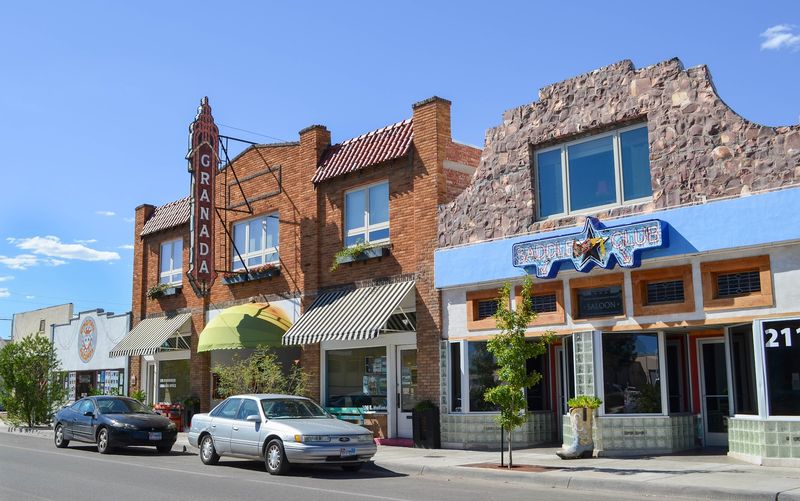
Ranchers, artists, and college students share the sidewalks in this high desert town, and somehow it all works. Alpine sits in a bowl of mountains in the Big Bend region, with a downtown that still has the bones of a railroad and cattle hub.
Start with a stroll along Holland Avenue. Brick buildings hold boutiques, galleries, and cafes, while the train still rumbles through now and then. The old depot reminds you that this town grew up around cattle shipping and travel.
Culture lovers should visit the Museum of the Big Bend on the Sul Ross State University campus. Exhibits cover cowboy life, Native history, and the region’s rugged character. It is a smart place to learn the story before you head out to the open range.
Every year, the Cowboy Poetry Gathering fills nearby venues with rhyme, music, and stories told in a drawl. It might sound old-fashioned, but the humor and heart are pure fun. Even skeptics usually leave grinning.
Evenings here are made for patios and sunsets. Pick a spot with a view, order a plate of something hearty, and watch the mountains turn purple. Local bands often play, and the crowd tends to be friendly and curious.
Alpine also makes a handy launch point for road trips. Marfa, Fort Davis, and Big Bend are all within reach, so you can mix cowboy history with big sky adventure. Keep your gas tank full, because the stretches between towns are long.
6. Fort Worth
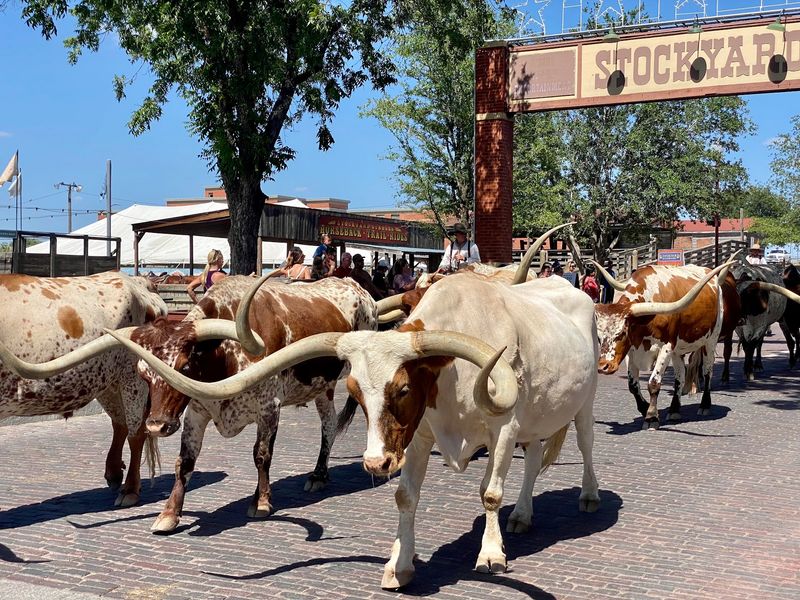
Twice a day, longhorns stroll down a brick street while cowboys on horseback keep them moving. That is not a movie set. It is the Fort Worth Stockyards, and it is as close to a living cattle town as a big city gets.
Once a major meatpacking and livestock center, the Stockyards now blends history with entertainment. Wooden boardwalks, saloons, and bootmakers line the streets. Pop into a shop and you may see craftspeople stitching leather by hand.
Billy Bob’s Texas, often called the world’s largest honky-tonk, sits nearby and offers live music and even bull riding. On weekends, the energy buzzes like a county fair. If you have never tried line dancing, this is a friendly place to start.
Rodeo fans can catch weekly action at the Cowtown Coliseum, which hosted the first indoor rodeo. Seats are close to the dirt, so you feel every hoof beat. Arrive early to explore the exhibits and snap photos with the longhorns.
Beyond the Stockyards, the Fort Worth Museum of Science and History and the Cattle Raisers Museum add depth to the story. They explain how ranching shaped the region and why it still matters. Kids tend to love the hands-on displays.
Parking can fill up fast on busy days, so try a weekday visit or come in the morning. Wear comfortable shoes, because brick streets and long walks add up. By the end, you will probably be hunting for a hat of your own.
7. Glen Rose
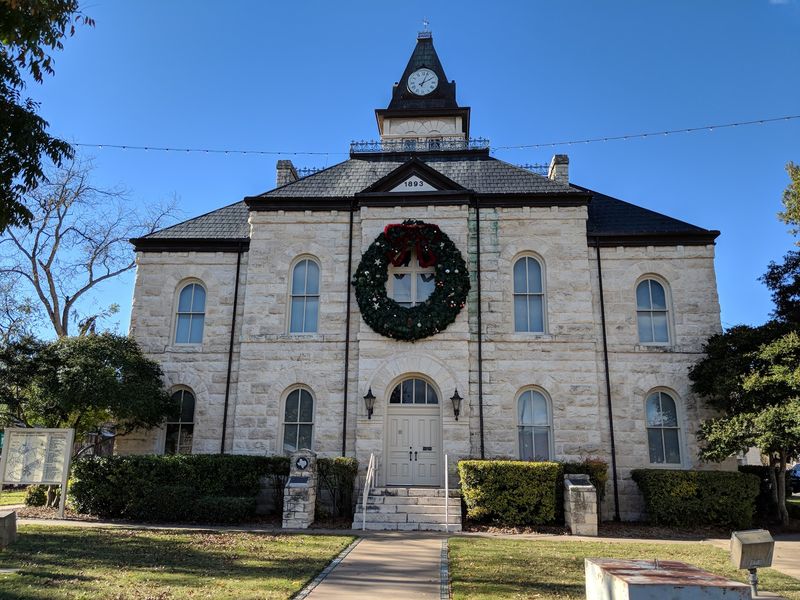
Dinosaur tracks and cowboy boots in the same town? Only in Texas. Glen Rose offers a mix of prehistoric wonders and small-town charm, all wrapped in limestone and live oaks.
The courthouse square is the heart of the place. Old stone buildings house antique shops, cafes, and boutiques, and there is always a rocking chair waiting somewhere. Folks greet strangers like neighbors, which adds to the old-time feeling.
Just outside town, Dinosaur Valley State Park lets you walk in the footsteps of giants. Real tracks are preserved in the Paluxy riverbed, left millions of years ago. When the water is low, you can spot them and imagine the scene.
For a taste of ranch life with a twist, visit Fossil Rim Wildlife Center. You can drive through open pastures and see giraffes, zebras, and rhinos grazing among Texas cedar. It is a strange and wonderful sight that kids tend to remember for years.
Evenings are made for live music. The Opry-style shows at the Texas Amphitheatre have a long history of country and gospel performances. Bring a blanket or lawn chair and settle in.
Fun fact: the Brazos River region nearby has long drawn ranchers, settlers, and travelers because of its fresh water. That steady supply helped the community grow, and the waterways still shape local life. Visit in spring or fall for comfortable weather.
8. Luckenbach
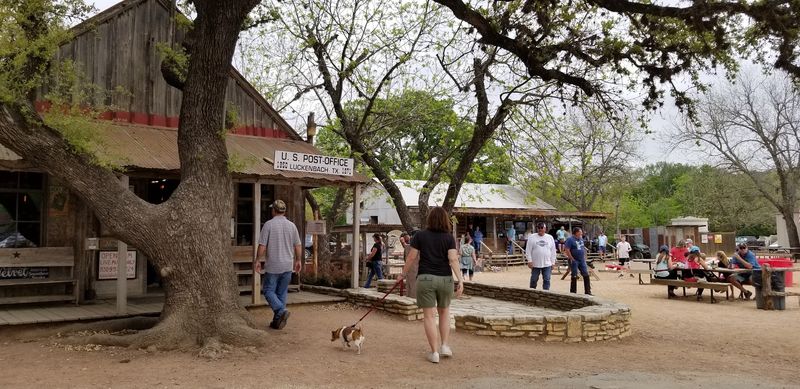
It has a population that barely reaches double digits, and yet the whole world knows the name. Luckenbach is a tiny Hill Country spot where music matters more than money, and the pace slows to a porch-swing sway.
The old general store doubles as a bar and post office, and the walls are covered with signs and photos. Order a cold drink, find a spot under the oaks, and wait. Sooner or later, someone will pull out a guitar.
Pickin’ circles happen most days, and anyone is welcome to listen. You might hear a seasoned songwriter or a teenager trying out a first verse. The crowd is relaxed and kind, and there is no pressure to perform.
The nearby dance hall hosts bigger shows, with wooden floors that have held generations of dancers. If you are nervous about two-stepping, just watch for a song or two. Someone will probably offer a quick lesson.
A bit of history gives the place extra flavor. The community began in the 1800s as a trading post, and it later became famous when a country song put its name on the map. Locals still tease that the fame was a happy accident.
Bring cash, bug spray, and a taste for slow afternoons. Weekends can get busy, so aim for a weekday if you want a quieter visit. Either way, you will leave humming something.
9. Albany
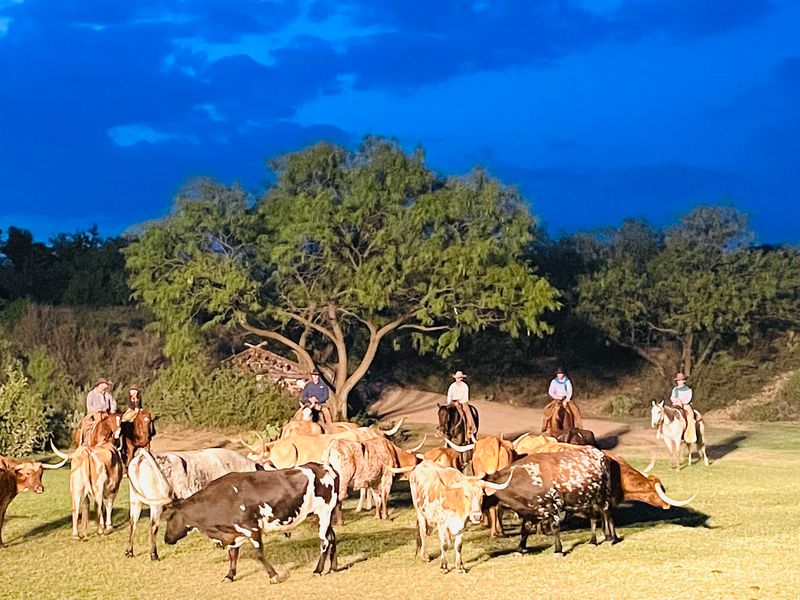
Out where the rolling prairie meets mesquite country, a limestone courthouse stands proud over a quiet square. Albany is a small ranching community with a big love for its heritage, and it shows in nearly every corner.
The Old Jail Art Center is a surprise highlight. Housed in a former jail built in the 1800s, it displays impressive art collections that range from ancient pieces to modern works. Seeing such treasures in a rustic stone building feels delightfully unexpected.
Each summer, the town hosts the Fandangle, an outdoor musical that tells the story of the region’s history. Local cast members perform on a huge stage under the stars, with horses, wagons, and songs. It has been going strong for generations, and the community pride is contagious.
History buffs can also explore nearby Fort Griffin, where a state historic site preserves the remains of a frontier army post. Longhorns graze on the grounds, which makes for a great photo. Walk the ruins and imagine the busy settlement that once stood near the fort.
Albany itself is a gentle, no-rush place. Park on the square, wander past the shops, and chat with whoever is sitting outside. Folks tend to share ranch stories if you ask the right question.
Plan an overnight stay if you can. The night sky is dark and quiet, and the ranch roads beg for a slow drive. It is the kind of town that reminds you how much space Texas really has.
10. Kingsville
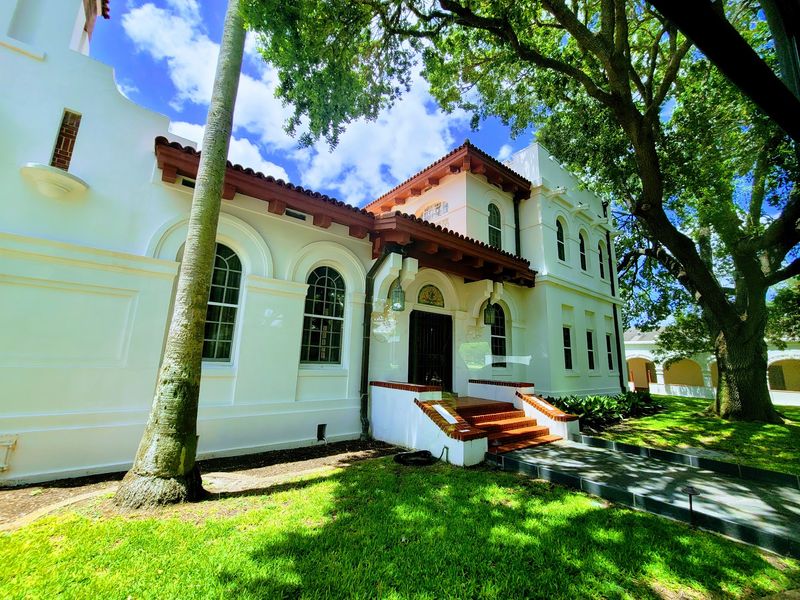
Ask a South Texas rancher about legends, and the King Ranch will come up fast. Kingsville grew up beside one of the most famous ranches in the country, and the cowboy culture here runs deep, with a flavor all its own.
Many of the first ranch hands were Tejano vaqueros, whose skills shaped Texas cattle work. Their techniques, gear, and words still echo in cowboy life today. Learning that history makes the landscape feel even richer.
Take a tour of the ranch to see the working side of things. Guides explain how cattle, horses, and wildlife share the land, and you may spot birds that bring visitors from far away. The vast pastures look like a green and gold sea.
Back in town, the King Ranch Museum displays vintage carriages, saddles, and family treasures. It is a handy way to see how ranching grew from a rugged beginning into a major enterprise. Kids can often enjoy the exhibits too.
Kingsville has a laid-back college town feel, thanks to Texas A&M University-Kingsville. Cafes, murals, and a historic downtown add personality. After exploring, try a plate of barbacoa or fajitas, which suits the setting perfectly.
The climate is warm, so pack sunscreen and plenty of water. Spring and fall give the best weather for a visit. Whenever you go, bring binoculars, because the brush country hides many surprises.
Share this story