Missouri has always known how to put its old workplaces to good use. Mines, mills, depots, factories, and train stations once helped people earn a living, move goods, build towns, and connect one part of the state to another. Today, many of those same places welcome families, history fans, art lovers, and curious travelers who want a day trip with a real story behind it.
From the brick streets of St. Charles to the clear rivers of the Ozarks, these stops show how Missouri keeps its past alive without making it feel dusty or hard to understand. Each place on this list began with a job to do, whether that meant grinding grain, moving passengers, storing minerals, making wool, or serving a growing city. Now they offer museums, tours, trails, exhibits, shops, photo spots, and hands-on moments that make learning feel natural.
A visit can be simple, affordable, and full of small surprises, like standing inside a former mine, walking through a grand train hall, or hearing water move beside an old red mill. These day trips are also a reminder that history is not only found in textbooks. It lives in buildings, machines, rail tracks, stone walls, and the people who cared enough to save them. Pack comfortable shoes, check hours before you go, and give yourself time to notice the details.
1. Foundry Art Centre, St. Charles
Paint once mixed with factory grit here, and that mix still gives the place its spark.
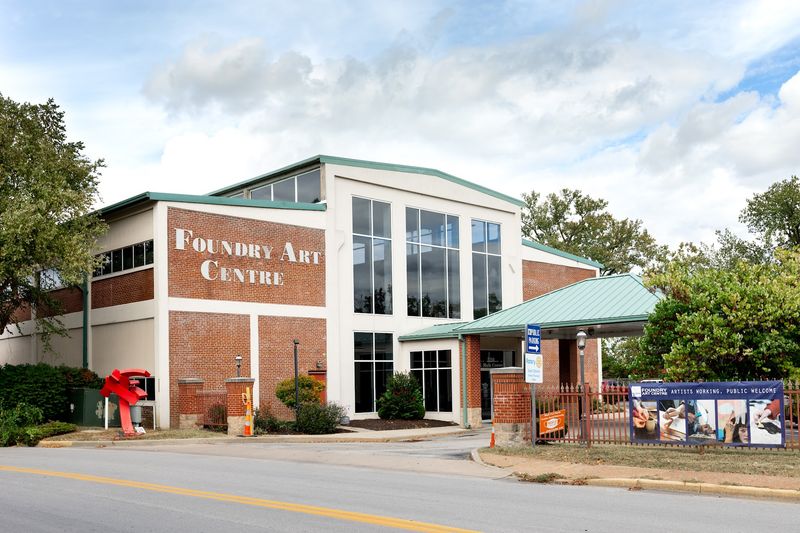
The Foundry Art Centre sits in historic St. Charles, where an old railroad car factory became a lively home for artists, classes, and changing exhibits.
For a day trip, it works well because it is easy to pair with the nearby riverfront and Main Street.
You can look at art, talk with working artists if studios are open, then stroll past brick buildings, shops, and places to eat.
The building itself is part of the fun.
Its high ceilings, open spaces, and industrial bones remind visitors that Missouri towns often reused old work sites instead of letting them fade away.
Inside, the mood feels welcoming rather than stiff.
Families can move at their own pace, and kids often enjoy seeing art that uses color, texture, metal, clay, glass, or odd recycled pieces.
Check the calendar before visiting, because workshops, performances, markets, and special exhibits can change the whole feel of the stop.
A quiet weekday may be best for slow looking, while an event day adds energy and people-watching.
Give yourself at least an hour for the galleries, more if you plan to walk nearby.
Parking and meal plans are easier if you arrive earlier in the day, especially during festival weekends in St. Charles.
The center also makes a smart rainy-day choice.
Instead of canceling plans, you can duck inside, learn something new, and still feel like you visited a place with a strong local story.
What makes this stop special is how clearly it shows work turning into creativity.
The Foundry Art Centre did not erase its past.
It built on it, giving Missouri travelers a colorful reason to admire both hard labor and imagination.
2. City Museum, St. Louis
A former shoe warehouse should not feel like a giant playground, yet St. Louis somehow made it happen.
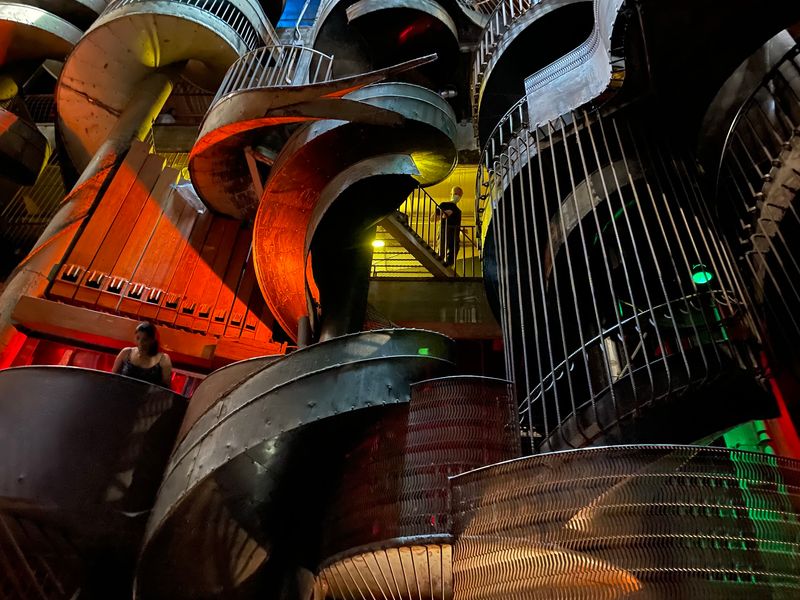
City Museum is loud, strange, clever, and unforgettable, with tunnels, slides, mosaics, metal sculptures, and rescued building pieces packed into one wild place.
The best way to visit is to dress for movement.
Closed-toe shoes, comfortable clothes, and a small bag are smart because you may climb, crawl, slide, and squeeze through spaces that feel part art project and part adventure course.
Its hard-working roots matter because the building once belonged to the International Shoe Company.
Instead of turning that history into a quiet display, the museum filled the old industrial shell with new life, using salvaged materials from around the city.
Kids love the freedom, but adults often have just as much fun.
There are surprises around corners, above your head, and under your feet, so slow down and look closely at the details.
Plan ahead if you want to visit the roof, because access can depend on weather and season.
The rooftop adds views, more climbing, and the famous school bus hanging near the edge, which is thrilling even if you only photograph it.
Families should set a meeting spot before splitting up.
The building can feel like a maze, and older kids may move faster than grown-ups through the climbing areas.
Food is available, but nearby downtown St. Louis also offers many choices if you want to turn the outing into a full day.
Buying tickets early can save time during busy weekends and school breaks.
The magic of City Museum is that it never feels perfectly polished.
It feels built, welded, imagined, and rebuilt, just like a city that keeps finding new uses for old things.
For Missouri day-trippers, it is proof that workspaces can become wonder spaces.
3. Bonne Terre Mine, Bonne Terre
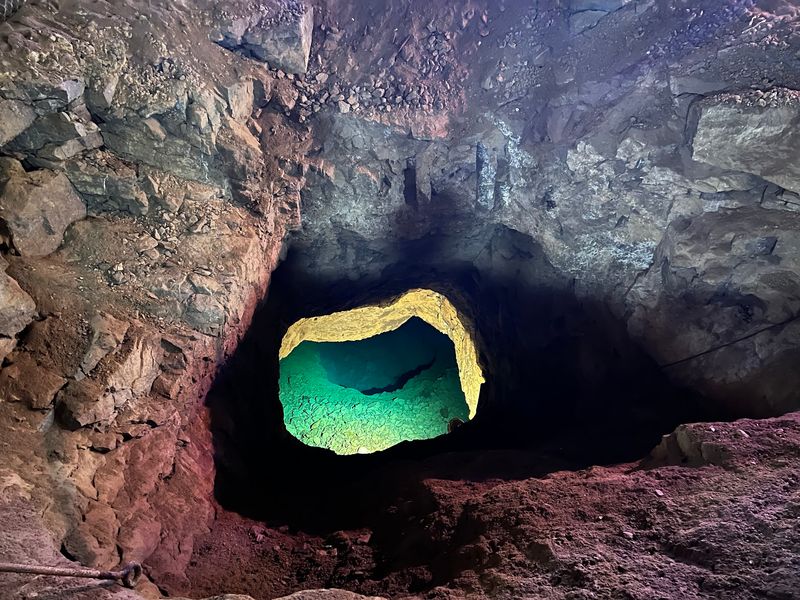
Deep below a small Missouri town, a hidden lake shines where miners once chased lead through stone.
Bonne Terre Mine turns an old working mine into one of the state’s most unusual day trips, with underground walking tours and boat rides on clear water.
The first surprise is the size.
Visitors descend into a vast space supported by huge rock pillars, and the cool air quickly reminds you that this was no ordinary workplace.
Guided tours help the story make sense.
You learn how miners worked underground, what tools they used, and how lead mining shaped communities in this part of Missouri.
Bring a light jacket, even in summer, because the temperature underground stays cool.
Comfortable shoes are also helpful since stairs and damp areas can be part of the experience.
The boat ride is a highlight for many visitors.
Floating across the flooded mine feels calm and slightly mysterious, especially when lights reveal walls, water, and old mining features beneath the surface.
For families, this stop works best with kids who can handle stairs and listen during a guided tour.
Younger children may be amazed, but adults should prepare them for darker spaces and echoing sounds.
Bonne Terre Mine also attracts scuba divers, though that requires training and planning beyond a simple visit.
Even if you never dive, knowing people explore its underwater passages adds to the sense of adventure.
Check tour times before driving, because this is not the kind of place where you want to arrive just after a group leaves.
Nearby small-town restaurants can round out the trip without making the day feel rushed.
What stays with you is the contrast between hard labor and quiet beauty.
Bonne Terre Mine began as a place of danger, effort, and industry, but Missouri turned it into a safe way to understand underground work while seeing something truly rare.
4. Missouri Mines State Historic Site, Park Hills
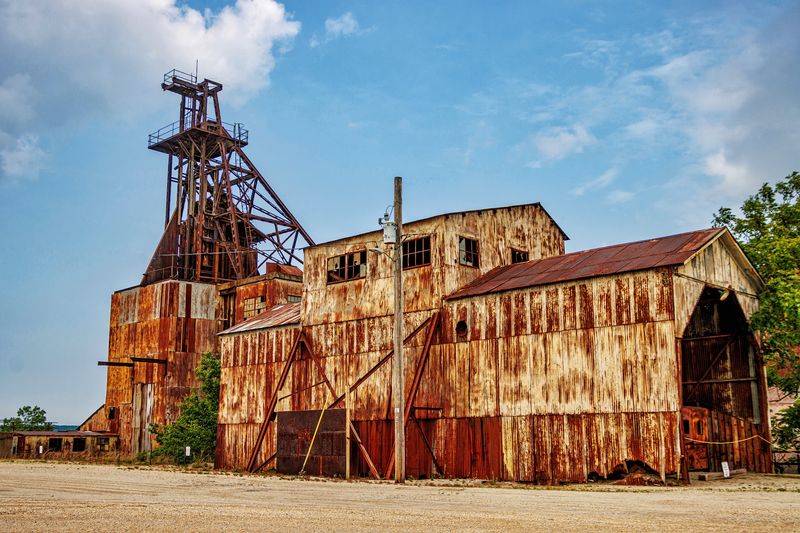
Minerals can look like plain rocks until someone shows you their colors, shapes, and hidden value.
At Missouri Mines State Historic Site in Park Hills, the story of the Old Lead Belt becomes easier to picture through machines, buildings, maps, and sparkling mineral displays.
This site is a strong choice for travelers who like history with real objects in front of them.
Instead of only reading dates, you can see equipment that helped workers dig, crush, move, and process ore.
The museum sits on land tied to the St. Joe Minerals Corporation, once a major force in Missouri mining.
That background gives the place a serious, practical feel, but the exhibits are still approachable for families.
One favorite part is the mineral collection.
Bright crystals and unusual specimens show that geology is not boring, especially when labels explain where materials came from and why people cared about them.
Give yourself time to walk slowly through the displays.
Mining history includes technology, labor, safety risks, company towns, and the land itself, so it helps to pause and connect the pieces.
For students, rock collectors, or curious kids, this stop can turn a science lesson into something memorable.
Parents can ask simple questions, such as which machine looks hardest to use or which mineral catches the most light.
Check operating days and visitor center hours before going, because historic sites may change schedules by season.
Combining the stop with another nearby attraction can make a fuller day in southeast Missouri.
Practical comforts matter here too.
Wear comfortable shoes, bring water, and remember that some areas may be better enjoyed at a slow pace rather than rushed between photos.
Missouri Mines State Historic Site honors the people who did difficult work underground and above ground.
It does not make mining seem easy, but it does make the story clear, showing how a hard-working industry helped shape Missouri towns, jobs, and landscapes.
5. St. Louis Union Station, St. Louis
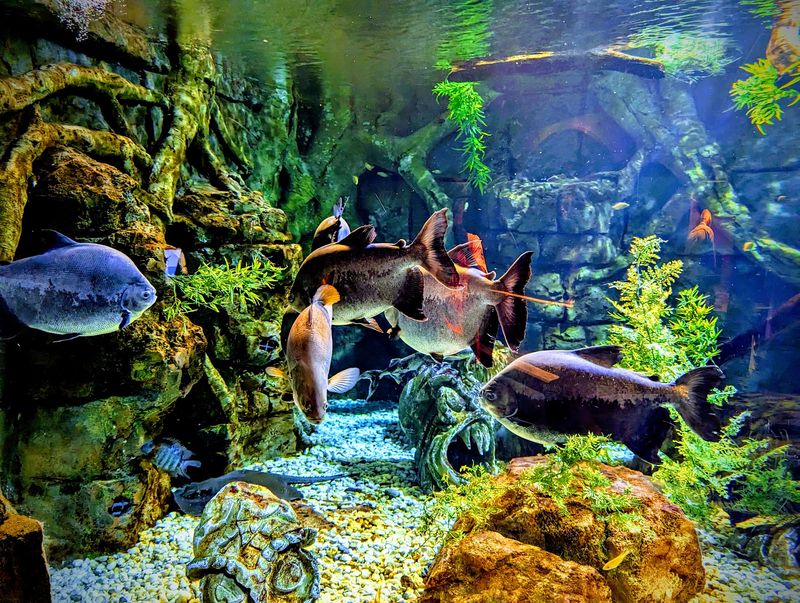
Train whistles no longer rule the day here, but the building still knows how to make an entrance.
St. Louis Union Station began as one of the busiest passenger rail terminals in the country, and now it welcomes visitors with food, lights, history, and family attractions.
The Grand Hall is the place to slow down first.
Its tall ceiling, rich details, and dramatic space help you imagine travelers arriving with suitcases, tickets, and big plans.
Today, the station includes attractions such as the St. Louis Aquarium, a ropes course, a mirror maze, restaurants, and the outdoor Wheel.
That mix makes it easy to plan a full day without driving from stop to stop.
History lovers should look past the modern fun and study the architecture.
Arches, stonework, windows, and old rail features show how important train travel once was to Missouri and the nation.
Families can choose their pace.
Some may spend hours at the aquarium, while others might ride the Wheel, grab lunch, take photos, and enjoy the light show in the Grand Hall.
Buying tickets ahead can help on busy weekends.
It is also smart to check attraction hours, since restaurants, shows, and ticketed experiences may not all follow the same schedule.
Parking in downtown St. Louis can take a little planning, so read signs and allow extra time.
If you are visiting with small children, keep the group together because the complex has many entrances, paths, and gathering spots.
The best part is how the station balances old and new.
It does not ask visitors to choose between history and entertainment.
You can admire a landmark, learn about the rail era, and still enjoy a bright, easygoing day.
St. Louis Union Station proves that a building made for movement can keep moving with the times.
Missouri saved a hardworking rail hub and turned it into a place where memories are still arriving.
6. Union Station Kansas City, Kansas City
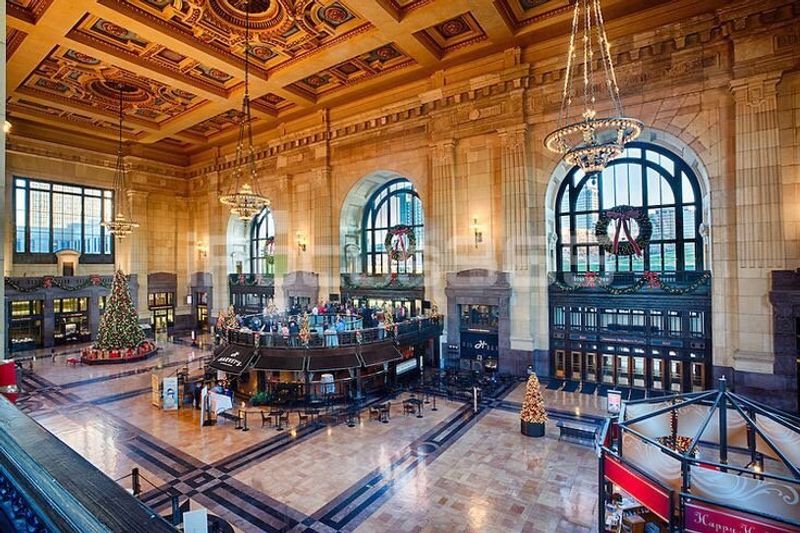
Some buildings seem to stand taller because they remember so much.
Union Station Kansas City opened in 1914, served crowds of rail passengers for decades, and now gives Missouri visitors a proud mix of science, history, exhibits, dining, and grand architecture.
Walk into the main hall and look up before doing anything else.
The huge ceiling, chandeliers, and historic clock create a feeling of arrival that modern buildings rarely match.
For families, Science City is a major reason to go.
Its hands-on exhibits let children experiment, build, test, and explore, which makes the station more than a place to look around.
Adults may enjoy the traveling exhibits, theater options, restaurants, and the simple pleasure of wandering through a restored landmark.
The station also sits near Crown Center and other Kansas City attractions, so planning a bigger day is easy.
Rail history is still part of the visit.
Displays and preserved spaces help explain how trains connected Kansas City to farms, factories, soldiers, travelers, and businesses across Missouri and beyond.
Check the events calendar before choosing a date.
Seasonal displays, major exhibits, holiday decorations, and special programs can change the mood of the station in a big way.
If you enjoy photography, bring a camera or charge your phone.
The wide halls, windows, stairways, and old details offer plenty of strong photo spots without needing to leave the building.
Plan meals around your schedule, especially if you are visiting with kids.
A snack break can keep everyone cheerful between exhibits, and nearby dining choices make the outing flexible.
Union Station Kansas City feels polished, but not cold.
It keeps the dignity of its rail past while giving people active reasons to return.
That is what makes it such a rewarding Missouri day trip.
A place built for workers, passengers, and baggage now carries curiosity, play, and community pride.
The tracks may be quieter, but the building still feels busy in the best way.
7. Patee House Museum, St. Joseph
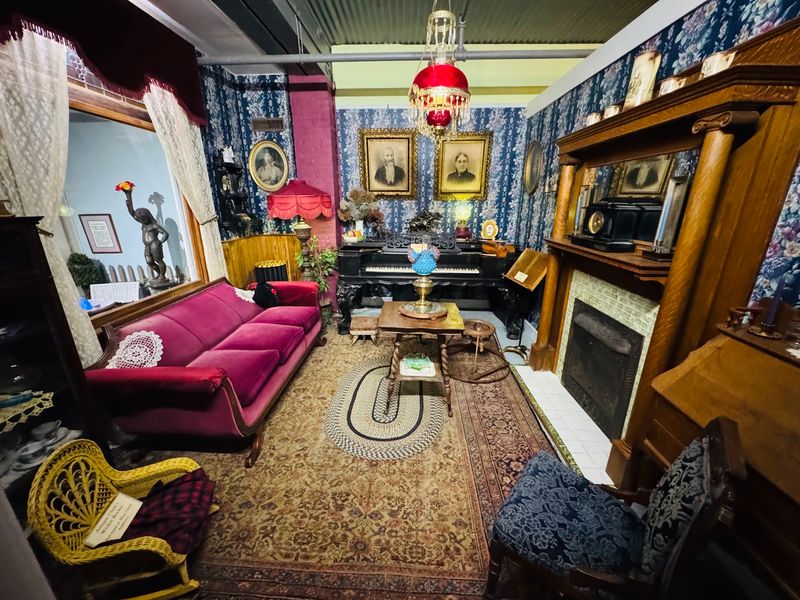
Before road trips had gas stations and playlists, travelers needed hotels, stagecoaches, rail links, and a lot of patience.
Patee House Museum in St. Joseph brings that busy world back inside a grand old building tied to the Pony Express era.
The building started as a luxury hotel in the 1850s.
Over time, it served many purposes, and that layered past helps the museum feel full of stories rather than focused on only one topic.
Visitors can see exhibits about transportation, frontier life, businesses, toys, trains, and local history.
The variety is part of the charm because every room seems to hold a different piece of Missouri life.
One reason this stop works well for families is that the displays are easy to talk about.
A child may notice an old carriage, a vintage shop setup, or a model train before asking how people lived without modern comforts.
St. Joseph was a key jumping-off point for westward travel, and Patee House helps explain why.
It connects Missouri to bigger national stories, including mail routes, migration, trade, and the growth of towns along major travel paths.
Give yourself more time than you think you need.
The museum has many rooms, and rushing through can make the details blur together.
Pairing the visit with other St. Joseph history sites can create a strong day trip.
Still, Patee House has enough material to stand on its own, especially for travelers who enjoy old buildings and everyday objects.
Comfortable shoes are useful because you will do plenty of walking indoors.
Also check hours before leaving home, since museum schedules can vary with seasons or special events.
The best feeling here is a sense of stepping into a town that once bustled with travelers, workers, and dreamers.
Patee House Museum saves more than antiques.
It saves the noise, motion, and ambition of a Missouri city that helped people move toward new lives.
8. Sikeston Depot Museum And Cultural Center, Sikeston
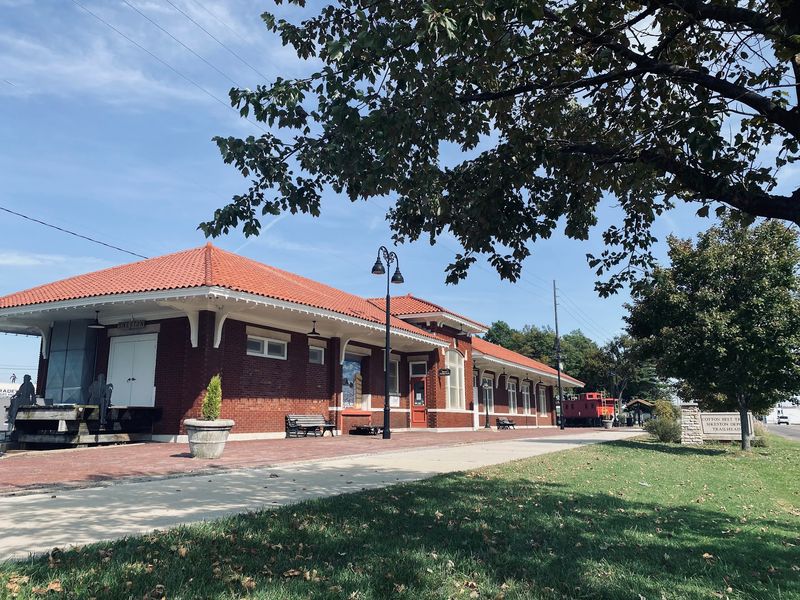
Small depots once acted like front doors for entire towns.
The Sikeston Depot Museum and Cultural Center keeps that feeling alive by turning a former rail stop into a friendly space for local history, art, and community events.
The building is not as huge as Missouri’s big-city stations, and that is part of its appeal.
It feels personal, the kind of place where you can imagine neighbors meeting trains, sending goods, and waiting for news.
Inside, exhibits often highlight Sikeston, regional culture, railroad history, and rotating art displays.
Because the center changes programs, repeat visits can offer something different from the last trip.
This stop is especially good for travelers who like quieter places with local character.
You do not need a whole day inside, but it makes a meaningful anchor for exploring Sikeston and the surrounding area.
Before visiting, check current hours and exhibit information.
Smaller museums may have limited schedules, and knowing what is on display helps you plan the rest of your day.
Railroad depots mattered because they connected farm towns to larger markets.
In southeast Missouri, that meant people, crops, mail, supplies, and ideas could move more quickly than before.
The museum helps visitors see how transportation shaped daily life.
A depot was not just a place to board a train.
It was a workplace, a meeting point, and sometimes the most exciting spot in town.
Families can use the visit as a simple history lesson.
Ask kids what they would pack for a long train trip, or how a town might change when trains begin stopping there.
Afterward, enjoy local food or take a short drive around Sikeston to make the trip feel complete.
The depot’s charm lies in its honest scale and community pride.
Missouri did something thoughtful here.
It kept a hardworking railroad building from becoming forgotten and gave it a second life as a place where art, memory, and small-town identity share the same platform.
9. Alley Mill, Eminence
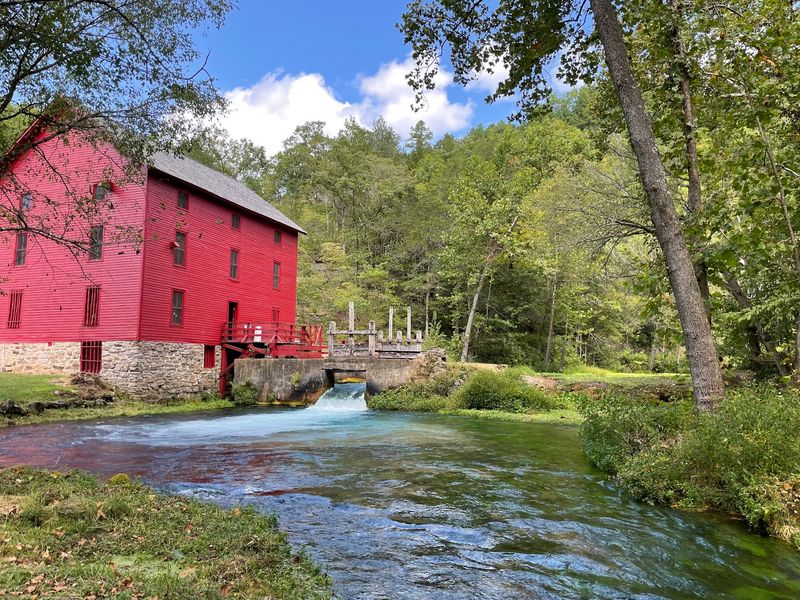
A red mill beside blue-green spring water looks almost too pretty to be real.
Alley Mill near Eminence is one of Missouri’s most photographed historic places, but its beauty comes from a practical past tied to grain, water power, and Ozark farm life.
The mill stands in the Ozark National Scenic Riverways, where clear water and wooded hills make the trip feel peaceful before you even reach the building.
It is a wonderful stop for people who enjoy nature and history together.
Years ago, mills like this helped local families grind grain into flour or meal.
That service mattered because farming communities needed reliable places to process food close to home.
Today, visitors come for the view, the short walks, the historic setting, and the sound of water moving nearby.
The bright red building against the spring is a classic Missouri scene.
Bring a camera, but also give yourself time to simply stand still.
The spring, mill, trees, and reflections change with light, weather, and season.
Comfortable walking shoes are a smart choice, especially if you want to explore paths around the site.
In warmer months, bring water and insect repellent, since the Ozarks can be humid and buggy.
Check access and seasonal information before going.
Flooding, maintenance, or changing hours can affect what parts of the site are open.
Alley Mill pairs well with other outdoor stops near Eminence, including scenic drives, river views, and picnic areas.
Still, it deserves more than a quick photo stop if you want to understand its role.
For children, the simple idea of water turning machinery can be fascinating.
Adults may enjoy thinking about how much work once depended on the steady force of a spring-fed stream.
The site feels calm now, but it once supported daily labor and local needs.
Missouri turned that hardworking mill into a day trip that feels quiet, beautiful, and deeply tied to the land around it.
10. Watkins Woolen Mill State Historic Site, Lawson
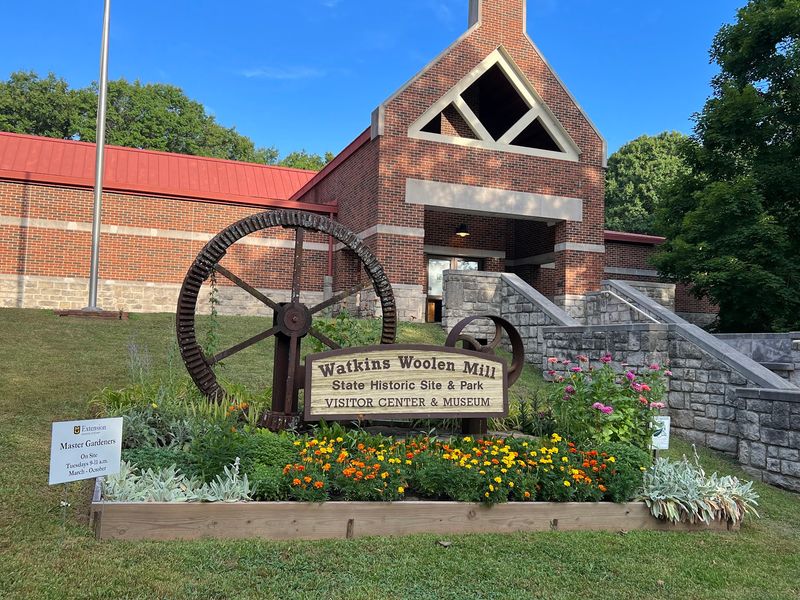
The looms are quiet now, but this place still feels ready for a workday.
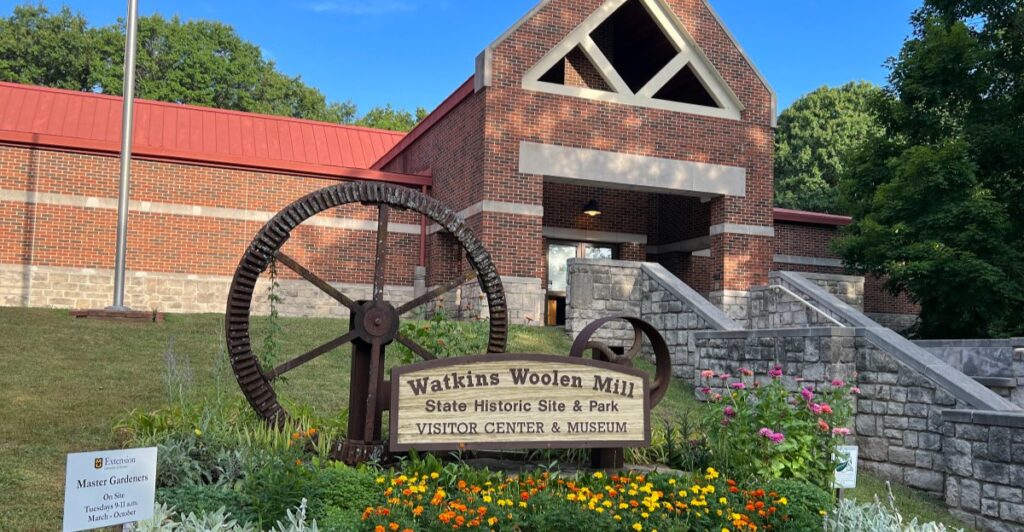
Watkins Woolen Mill State Historic Site near Lawson preserves a 19th-century woolen mill and family estate where visitors can learn how cloth, farming, and business fit together.
Unlike many historic sites, the mill still holds much of its original machinery.
That makes the experience feel direct, as if workers just stepped away and might return at any moment.
The Watkins family built a large operation that included the mill, home, farm buildings, and land.
Together, these pieces show how one Missouri enterprise depended on planning, labor, animals, tools, and steady markets.
Guided tours are the best way to understand the site.
A guide can explain how wool became fabric, why the machines mattered, and what daily life looked like for people connected to the property.
The surrounding state park adds another reason to visit.
Trails, a lake, picnic spots, and open space make it easy to mix history with outdoor time.
Families can split the day between learning and relaxing.
Tour the mill first, then let kids stretch their legs on a trail or enjoy lunch outside.
Check tour schedules before arriving because access to some historic buildings may depend on staff and season.
If the weather is nice, plan extra time for walking beyond the main historic area.
This stop is especially useful for explaining how clothing was made before modern factories and online shopping.
Seeing the machines helps visitors understand that every blanket, coat, or piece of fabric once took many steps.
Photographers will enjoy the brick buildings, fences, fields, and quiet country setting.
History fans will appreciate how carefully the site has been saved.
Watkins Woolen Mill State Historic Site turns Missouri’s working past into something clear and touchable.
It is not only about machines or one family.
It is about the patience, skill, and effort behind everyday items people often take for granted.
Share this story