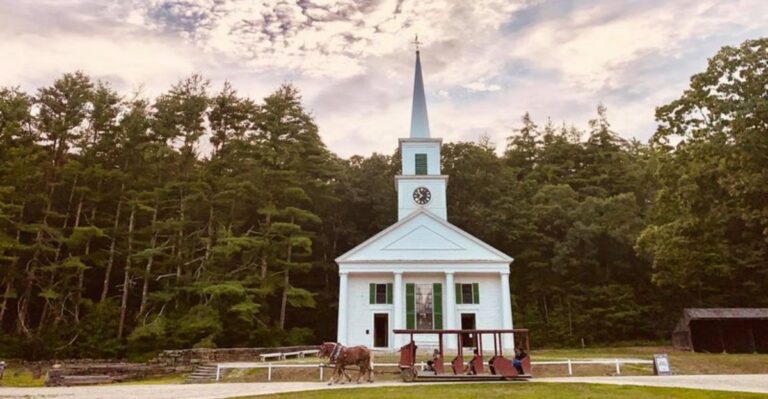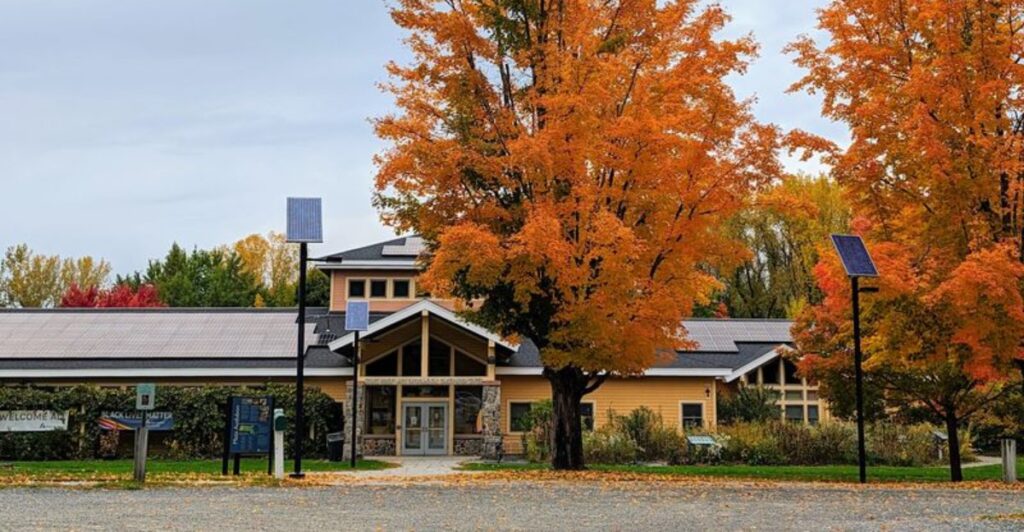
Boston has a wilder side than busy streets and brick buildings might suggest. In Mattapan, Mass Audubon’s Boston Nature Center and Wildlife Sanctuary brings cattail wetlands, wooded paths, birds, and even wild turkeys into the city, giving visitors a nature break without a long drive. The appeal comes from how quickly the scenery changes once you step onto the trails, where short walks can lead to wildlife sightings and quiet corners that feel surprisingly removed from urban life.
It is an easy place to slow down, look closely, and see why small habitats matter. For anyone craving a Boston outing with more feathers and fewer crowds, this sanctuary is worth a closer look.
A Massachusetts Nature Escape Inside Boston’s City Limits
Boston does not stop at the sanctuary gate, but your view changes quickly. At 500 Walk Hill Street, paths lead into a mix of trees, meadow growth, and wetlands rather than another block of buildings. The contrast gives this Mattapan destination its strongest opening surprise: wildlife habitat sits within the city itself.
Expect a nature preserve, not a neatly arranged public garden. Plants grow in uneven layers, fallen leaves collect beside paths, and seasonal changes reshape the scene. Those rough edges are useful shelter and feeding places for animals, not details that need tidying before someone takes a photograph of the landscape.
The surrounding city may still reach your ears. Traffic sounds do not cancel out birdsong, and complete silence should not be the goal. Instead, notice how different sounds overlap: a passing vehicle beyond the trees, wind moving through leaves, and a bird calling from somewhere you cannot immediately see nearby.
Start by studying the trail map near the parking area. A quick photo gives you a reference when paths divide and helps you choose a route that matches your time. Shorter walks can be satisfying here because the interest lies in looking closely, rather than covering a large distance quickly.
Give yourself permission to move slowly during the first few minutes. Scan the lawn, check the edges of shrubs, and pause where the habitat changes. You may spot movement before you recognize an animal, especially when brown feathers or gray fur blend into the ground and surrounding leaves around you.
For Massachusetts locals who usually picture nature outings as a drive away from Boston, this address offers a different starting point. You can build an outdoor break around observation instead of travel. Begin with one nearby path, then let the map and the conditions guide the rest of your visit.
The Turkeys Have Their Own Walking Schedule
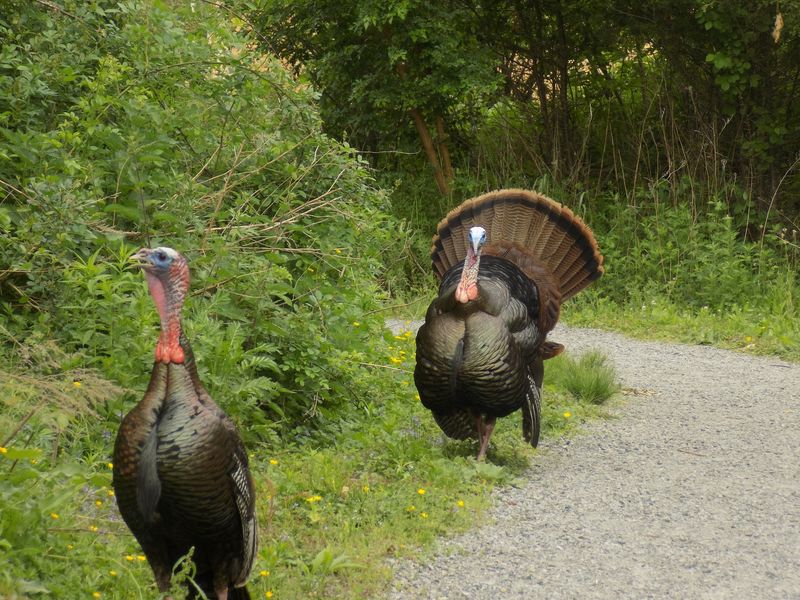
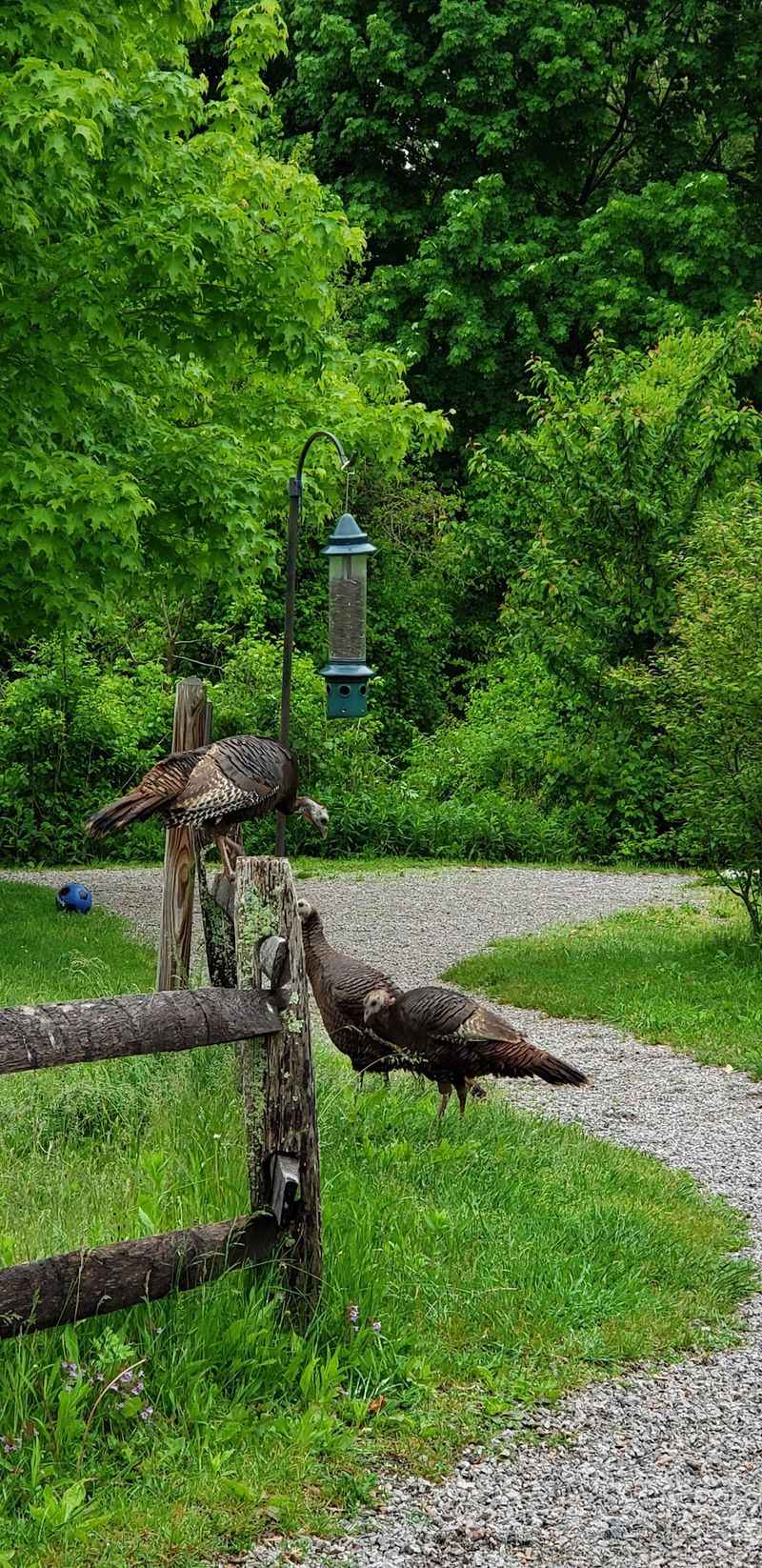
A turkey crossing the path can turn an ordinary walk into an unexpected wildlife lesson. Wild turkeys have been observed at the Boston Nature Center, including around the lawn near the building. Their size makes them easy to notice, but their arrival is never something a visitor can count on.
Watch how they move rather than rushing toward them. A flock may spread out while searching the ground, with individual birds stopping and starting at different moments. Their feathers can look plain brown at first, then reveal layered patterns when the light catches their backs and folded wings just right.
Keep a comfortable distance and leave their route open. If a bird changes direction because you are approaching, stop and give it more room. Feeding wildlife is not a shortcut to a better sighting; it can encourage animals to approach people and interfere with their normal search for suitable food.
Children may want to follow the flock, so explain the rule before an encounter happens. Watching quietly is the activity. A simple challenge, such as counting birds without stepping closer, gives younger walkers something to do while keeping the animals in charge of where they go next along the ground.
Use binoculars or your camera’s zoom instead of closing the gap. Avoid surrounding a bird with several people, and do not block a trail while trying to photograph it. If turkeys are near the building, secure your snacks and give them space just as you would farther along a path.
No sighting does not mean the visit has failed. Look for other birds, study the wetland plants, or ask staff about recent wildlife activity without expecting a guaranteed location. The sanctuary protects living animals with changing routines, and the best turkey encounter is one that leaves their day largely undisturbed.
Cattails Give the Wetland Trails Their Close-Up Moment
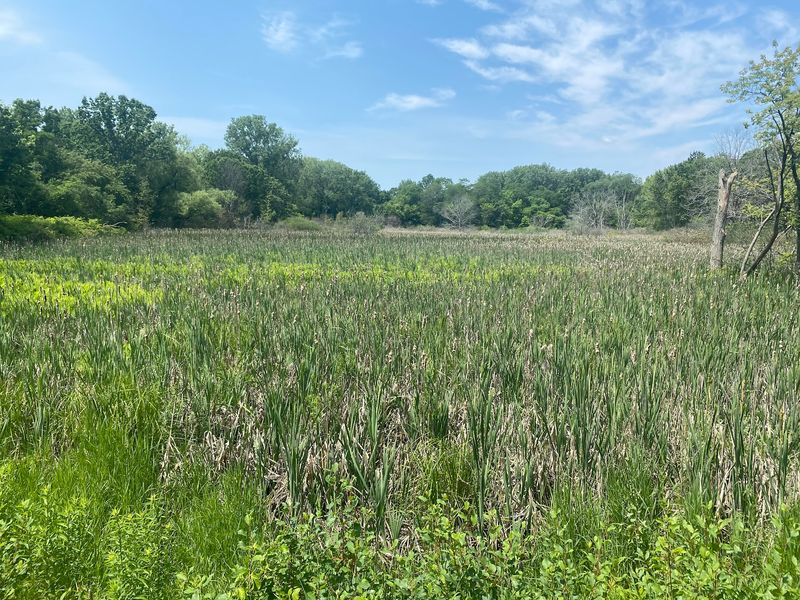
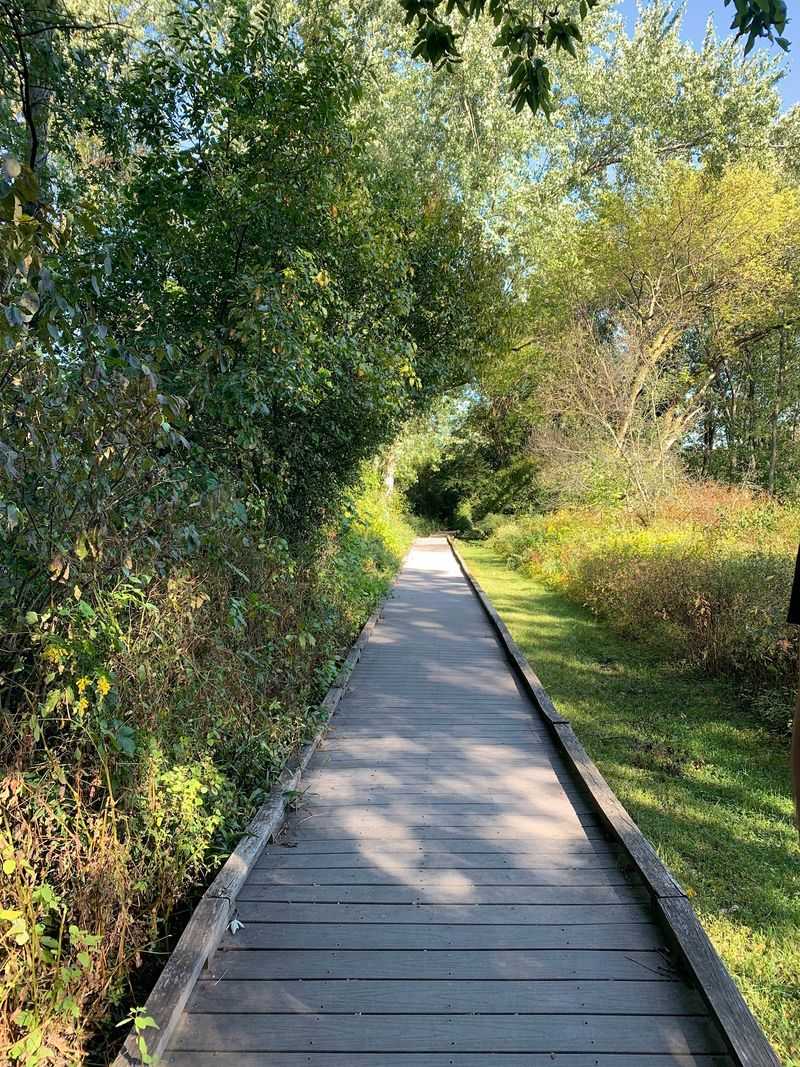
Look beyond the path edge and the ground tells a different story. Wet areas support plants that would struggle on a dry lawn, including the cattails associated with the sanctuary’s wetland scenery. A boardwalk offers a closer view without requiring you to step into soft soil or disturb plant growth.
Cattails are easy to recognize when their brown seed heads are visible. Their long leaves create vertical lines above the lower vegetation, and wind can send a ripple through the stand. Spend a minute watching that motion before moving on; the wetland is easier to understand when you stop rushing.
Water levels and plant cover change with weather and season. After rain, parts of the surrounding trail may be muddy, while summer growth can hide water beneath leaves. Do not expect every wetland view to look like an open pond, and never leave the marked route to find clearer water.
The useful question here is not simply whether the scenery is pretty. Wetlands provide habitat and help hold and filter water as it moves through the landscape. At this sanctuary, seeing them beside walking trails makes those roles easier to picture than a diagram or a classroom explanation ever could.
For children, turn the stop into a small comparison. Ask them to notice which plants grow beside the wet area and which appear farther back on drier ground. Keep hands away from unfamiliar leaves, and use eyes rather than picking plants to bring a sample home for closer study later.
Wear shoes that can handle damp patches, especially after recent rain. Stay centered on the boardwalk, follow any posted restrictions, and leave room for others to pass. If your schedule is tight, make this a deliberate pause rather than a quick crossing: look down, look across, then listen before continuing.
Birdwatching Starts Before You Know the Bird Names
You can hear a busy patch of habitat before spotting a single bird. The sanctuary’s mix of trees, open areas, and wetlands gives you several places to practice watching. Robins, blue jays, crows, and woodpeckers are among the birds documented here, though the species present will vary with the season.
Begin with movement, not names. Look for a bird hopping across the ground, shifting along a branch, or flying between shrubs. Once you find it, notice its size, shape, and behavior before reaching for a guide, since a brief sighting can end while you are looking at a phone screen.
Listening adds another layer. A repeated call can help you locate a bird hidden by leaves, while tapping may draw your attention toward a trunk. Stand still for a short stretch and let the sounds settle around you, rather than walking continuously and expecting every bird to appear in front.
Binoculars are helpful but not required for getting started. Practice focusing on a fixed branch first, then bring the binoculars to your eyes without losing your target. If you have children along, choose a bird that is easy to see and give everyone time to find it before moving away.
Early visits can be useful for birdwatching, but do not assume building hours match every trail or program schedule. Guided bird walks have been offered here, and current availability should be checked before planning around one. Staff can also help you understand what kinds of sightings fit the current season.
Keep calls and music off your speaker, and avoid trying to draw birds out for a photograph. A short notebook entry is often enough: location, colors, movement, and sound. By the end of a walk, you may have fewer names than expected but a much sharper eye for the next outing.
Gardens and Learning Spaces Connect the Sanctuary to Mattapan
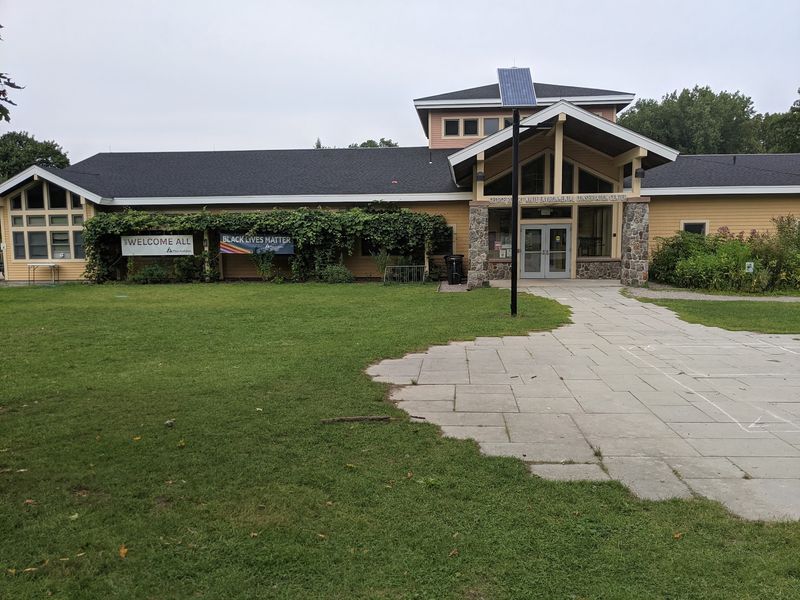
Not every useful stop here involves searching for an animal. The nature center and community garden show how the sanctuary serves people as well as wildlife. Garden plots bring cultivated plants into the picture, while learning spaces help turn an outdoor visit into a clearer understanding of the surrounding habitat.
A community garden has a different rhythm from a trail. Plants are grown and cared for by people, and beds may change through the growing season. Look from permitted paths, respect individual plots, and remember that a tomato or flower is not available to pick simply because you can reach it.
Flowering areas offer another kind of observation. When blooms and insects are active, you can watch how pollinators move among plants without handling either one. Their work is easier to notice if you select a small patch and remain still instead of scanning the entire garden at once for activity.
Inside the center, ask what exhibits or learning activities are currently available. Educational programs have included nature walks and hands-on exploration, but specific displays, animals, and sessions can change. Treat the building as a place to ask questions, not as a promise that every past activity will happen that day.
Families should plan around the experience they actually want. A self-guided walk is different from an organized class, and a nature learning area is different from a conventional playground. If your child needs a structured activity, confirm the current program, age range, registration requirements, and schedule before you set out.
The local connection becomes clear when you consider these spaces together. Conservation is not limited to leaving land untouched; it also involves teaching, growing, and helping neighbors use outdoor places responsibly. Finish this part of the visit with a practical question for staff, perhaps about seasonal programs or garden participation opportunities.
Build a Short Walk Around Your Group’s Real Pace
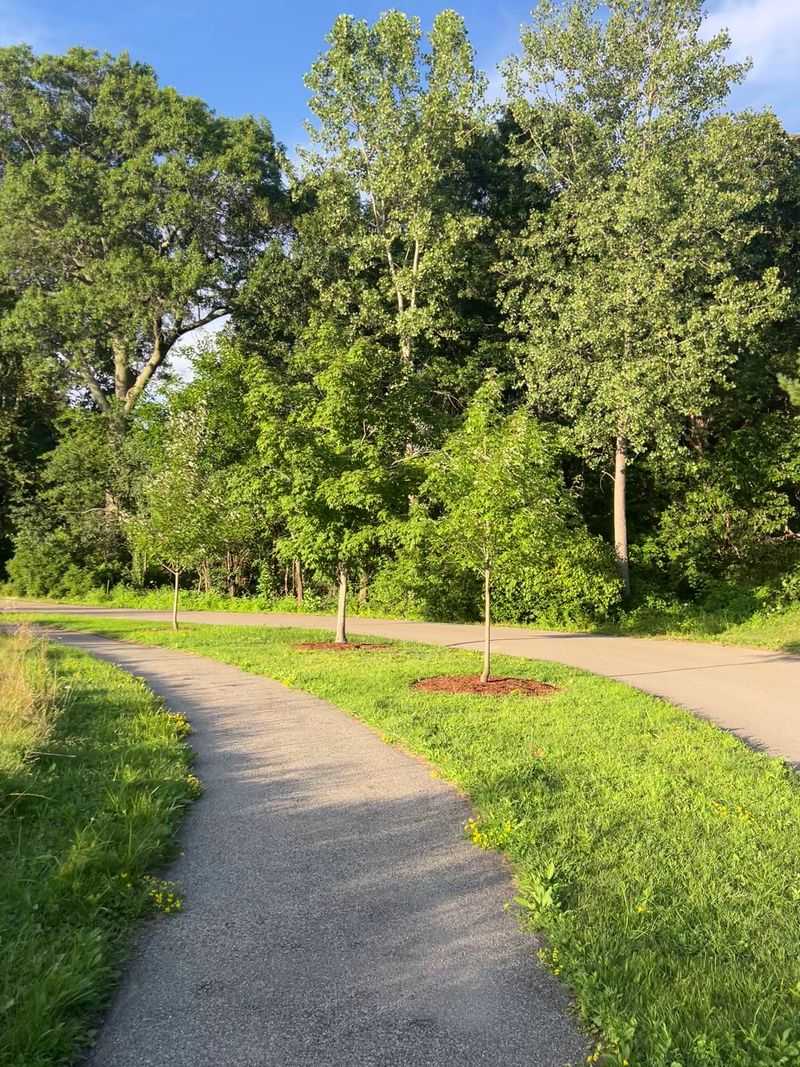
A satisfying outing does not need a long route. Short trails and relatively level gravel sections make the Boston Nature Center a useful choice when your group includes different walking speeds. The smartest plan begins with the person who needs the easiest pace, rather than whoever wants to cover the most ground.
Study the map before choosing your loop, and ask staff about current conditions if anyone uses a wheelchair, walker, or stroller. Accessible trail options have been identified here, but surfaces can change after weather or maintenance. A route description alone cannot tell you whether every section will suit your equipment.
Build stops into the plan instead of treating them as delays. One person can watch a bird while another takes a breather, and children can examine fallen leaves without collecting them. A shared destination, such as a wetland overlook, gives the walk direction without requiring everyone to maintain the same pace.
For younger children, choose one manageable task. They might look for three leaf shapes, listen for two different calls, or compare shaded and sunny stretches. Avoid turning every sight into a lesson; time to stare at an insect or follow a moving shadow can be the most useful part of exploration.
Picnic tables can provide a break, but bring only what you can carry comfortably and take all waste away. Keep food contained, especially if birds are nearby. Restroom access depends on facilities being open, so check before beginning a loop rather than waiting until someone urgently needs to head back.
Set a turnaround time if your schedule is limited. You can return for another route later, and there is no benefit in pushing through tired legs just to finish a plan. End with enough energy for the walk back to your transportation, not only enough to reach the final trail marker.
Know the Hours, Leave the Dog Home, and Pack for Wet Ground
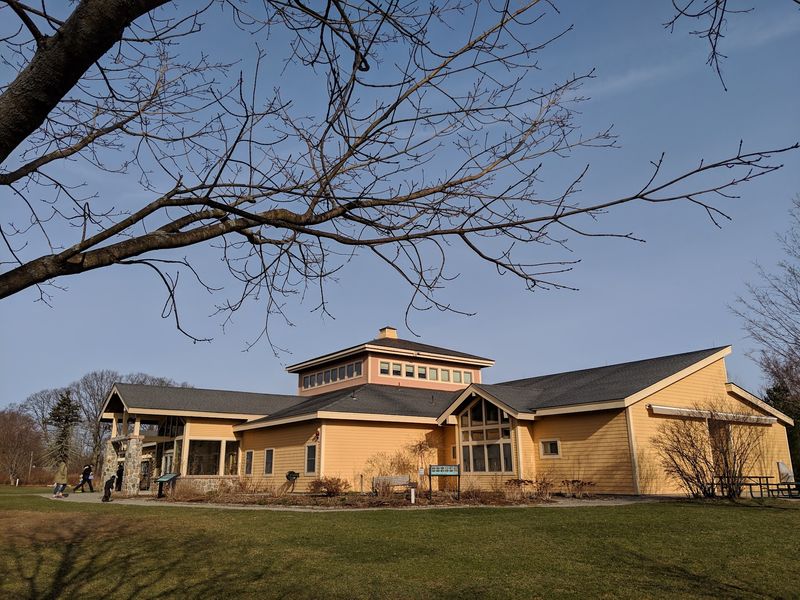
A little preparation prevents most avoidable problems here. Set your destination to 500 Walk Hill Street, Mattapan, and check current visitor information before leaving. The supplied listing shows the nature center open daily from 10 AM to 4 PM, but schedules can change, and trail access may follow separate rules.
Pets are not allowed, so arrange a different outing for your dog. Older accounts can be inconsistent, but the sanctuary’s stated rule is clear. Leaving pets home protects wildlife and avoids the frustrating discovery that a planned family walk cannot begin with everyone who arrived in the car that morning.
Dress for the ground rather than the city forecast alone. Shoes with grip are useful on gravel and damp sections, and layers help when shade or wind changes your comfort. Bring water, sun protection, and insect repellent when appropriate, especially if you plan to linger beside wetlands during warmer weather.
Stay on marked paths and avoid brushing against unfamiliar plants. Poison ivy has been noted along trails, and muddy edges can tempt walkers into vegetation while trying to keep shoes dry. If a section looks difficult, turn back or choose another route instead of creating a new path around it.
Check your approach if you are walking or cycling to the sanctuary. Sidewalk conditions along Walk Hill Street deserve attention, and a map preview is not a substitute for checking crossings and access. Drivers should use the designated parking area and avoid assuming extra space will be available during programs.
Finally, make the outing flexible. Confirm any program booking, ask about current fees or access rules, and allow time for an unhurried return. You do not need a packed agenda here: a suitable route, weather-ready clothing, and respectful wildlife watching provide the essentials for exploring this particular corner of Boston.
📍 500 Walk Hill St, Mattapan, MA 02126
📞 +1 617-983-8500
Share this story