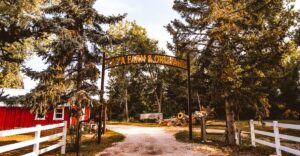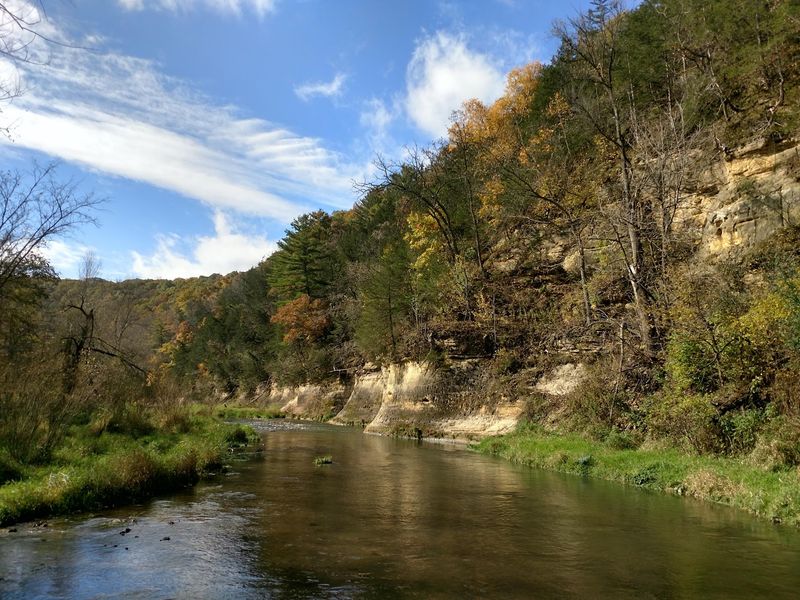
Southeast Minnesota hides a valley where trout streams curl between tall limestone bluffs and cell service quietly gives up. Plenty of hikers in the Twin Cities have never made the drive, and that is a shame.
The trails here climb hundreds of wooden steps to overlooks, while flat paths follow a river where families wade, fish, and even float on tubes. Campers talk about clean showers, shady sites, and a famous lack of mosquitoes.
Keep reading for the trails worth the climb, the fishing tips, the raccoon warnings, and the simple details that make a first trip go smoothly.
A Bluff Country Valley Near Altura
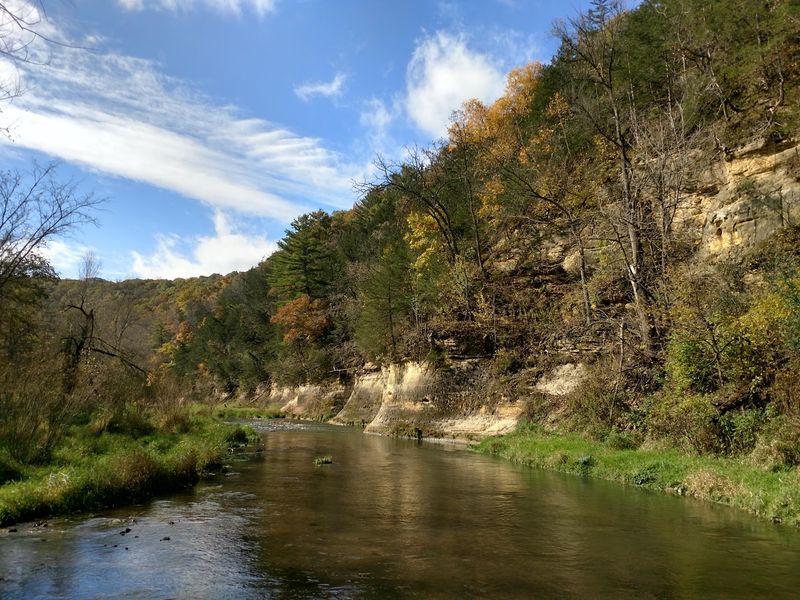
Tucked into the Driftless Area of southeastern Minnesota, Whitewater State Park sits at 19041 MN-74, Altura, MN 55910, United States. It covers roughly 2,700 acres of river valley and rugged high ground.
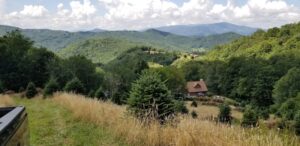
The Driftless label matters here. It describes a region of steep bluffs and deep valleys, and this park is one of the best places in the state to see it up close.
Trout streams run through the bottomland, while limestone bluffs rise above the campgrounds and trails. The mix gives the park two personalities in one visit.
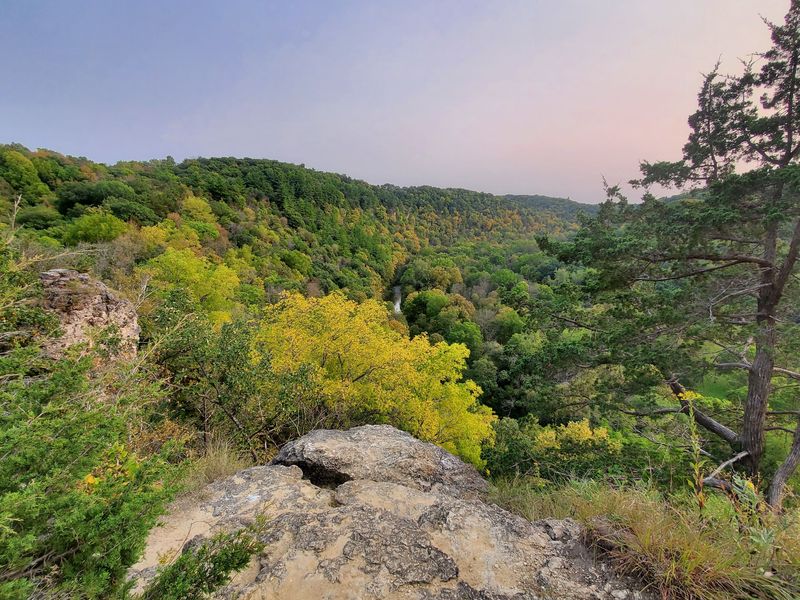
Down low, there is water, meadow, and easy walking. Up high, there are stairs, switchbacks, and wide overlooks that reward the effort.
Camping areas and cabins make it more than a quick stop. Plenty of people come for a weekend and leave already planning a return trip to cover the trails they missed.
One quick heads-up before arriving: the speed limit inside the park is 40 mph. Rangers notice, so ease off the pedal once the bluffs come into view.
Stairs Up Coyote Point
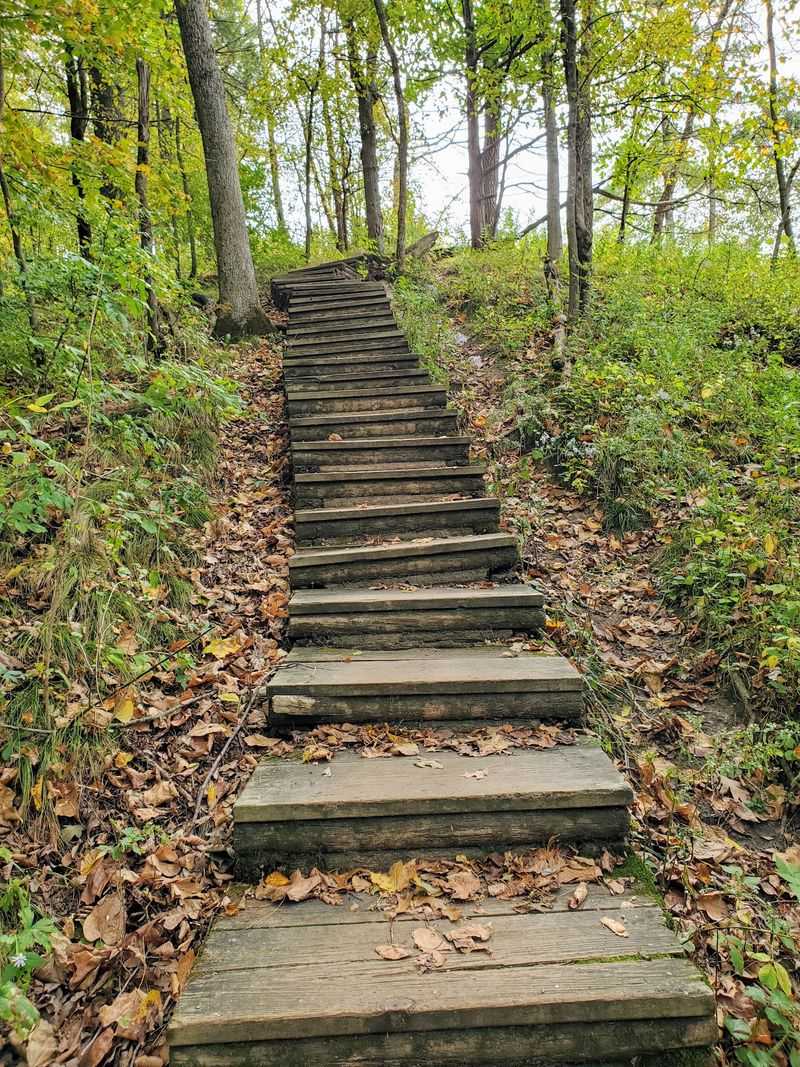
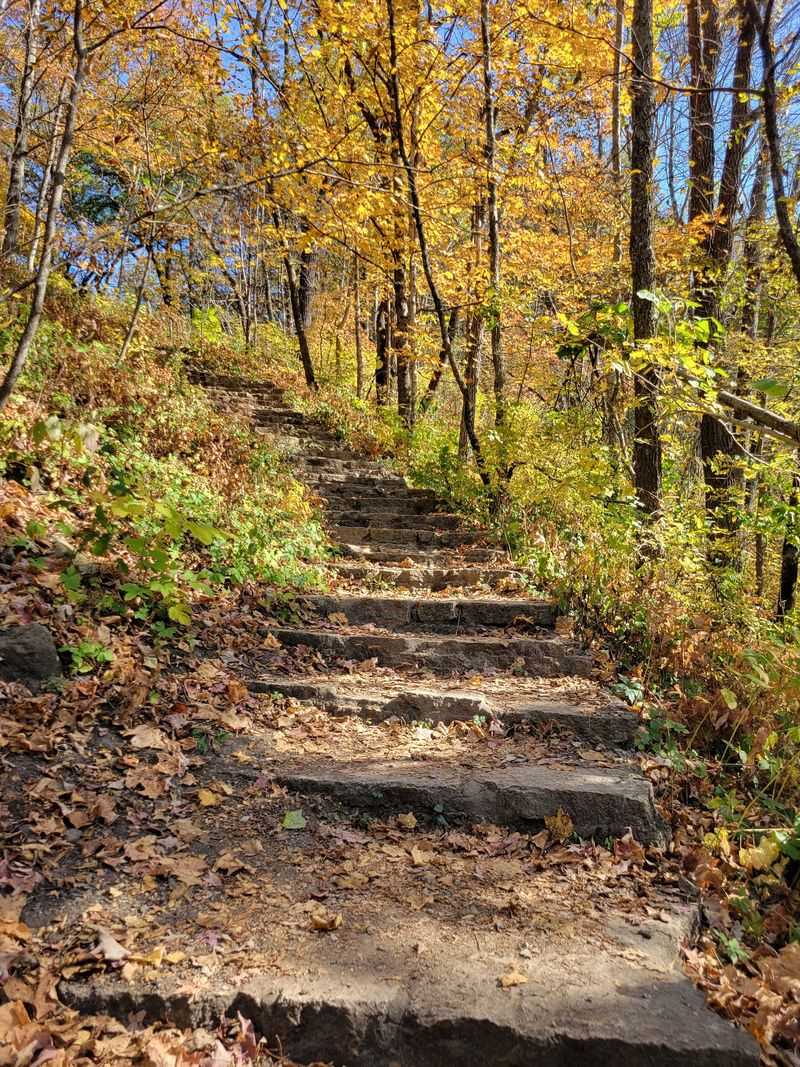
Count on climbing. The bluff trails here are known for long runs of wooden steps, and one round trip to an overlook can top 594 stairs.
Coyote Point is the headliner for many hikers. The smart move is to go up the stairs side and come down the switchback side, which makes the descent far easier on the knees.
Breaks are perfectly fine on the way up. A steady hiker can finish the loop in about an hour and a half.
The view from the top is often called the finest overlook in the park. It looks out across the valley and the surrounding bluff country.
Inspiration Point is another favorite. It is known as an overlook left largely unchanged by people for a very long time, which gives it a special appeal.
Some wooden staircases are newer than others, and a few sections feel worn. Good shoes and a careful pace go a long way.
Call it leg day with a scenic payoff.
Chimney Rock and the Dakota Trail
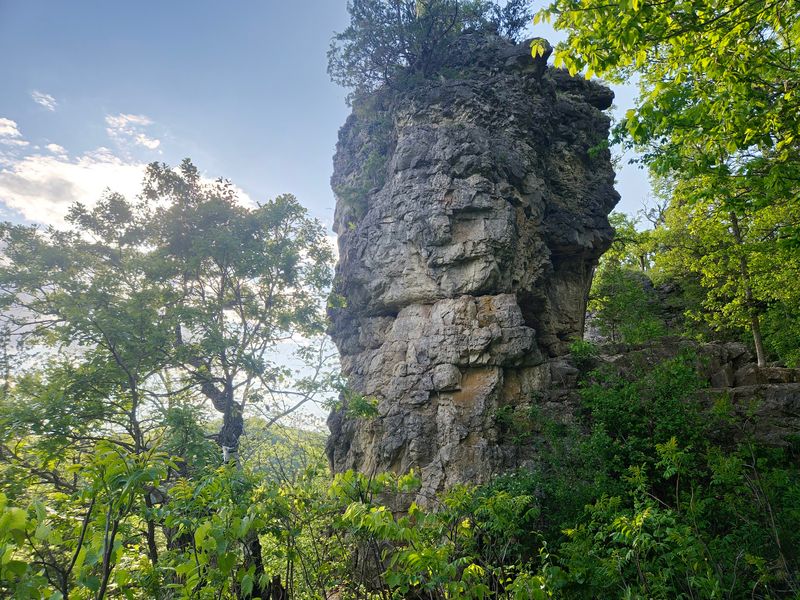
Rugged and short on hand-holding, the Chimney Rock Trail ranks among the most talked-about routes in the park. It delivers a sweeping look over the area for those willing to scramble a bit.
It is not for everyone. Still, hikers who can handle uneven ground tend to call it a must.
The Dakota Trail is the other big name. Many find it longer than expected, so pack water and plan extra time.
For a reasonably active hiker, the Dakota Trail feels moderate. Plenty of stairs help on the steeper stretches.
Difficulty labels can be slippery here. A trail marked difficult may feel moderate to some, so it pays to research and talk with rangers before setting out.
Spring brings wildflowers along these paths. Many hikers also suspect the park would be extra striking in fall, though rangers note oak trees dominate, so autumn color may be more muted than in other places.
Either way, these two trails hand out bragging rights generously.
Easy Paths Along the River
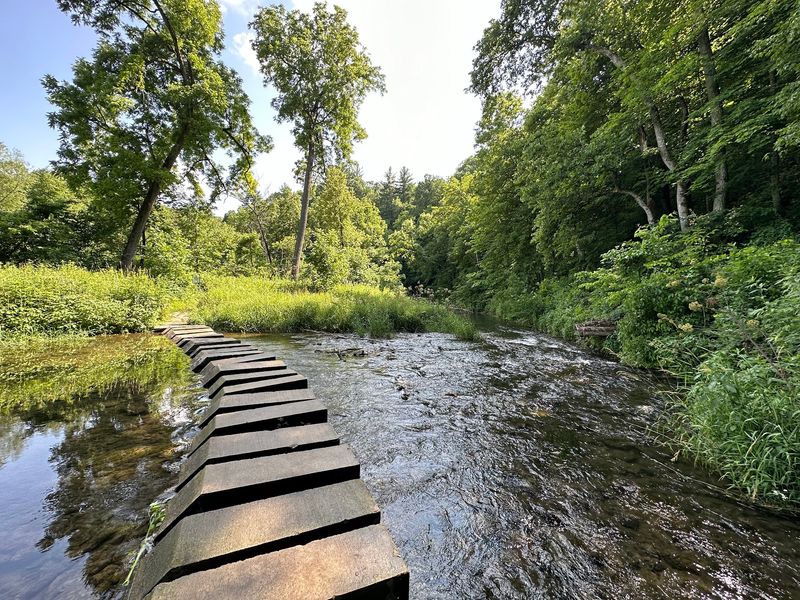
Not every great hike needs a staircase. The Meadow, Valley, and Trout Run Creek trails offer little to no elevation change.
That makes them a smart pick for kids, casual walkers, or anyone resting tired legs after a bluff climb the day before.
Several paths follow the river closely. Along the way, there are many spots to step in and wade, swim, or let dogs play in the water.
Tubing is another summer sight. People float down the river on warm days, adding a laid-back mood to the valley.
Maps are available at the visitor center, and downloading one ahead of time is wise. Cell service is spotty to nonexistent because of the bluffs.
Trail markings get mixed marks. Some find them excellent, while others end up a little lost.
A wrong turn here usually just means a longer stroll by the water, which is hardly the worst outcome on a summer afternoon.
Trout Water and Birding Kits
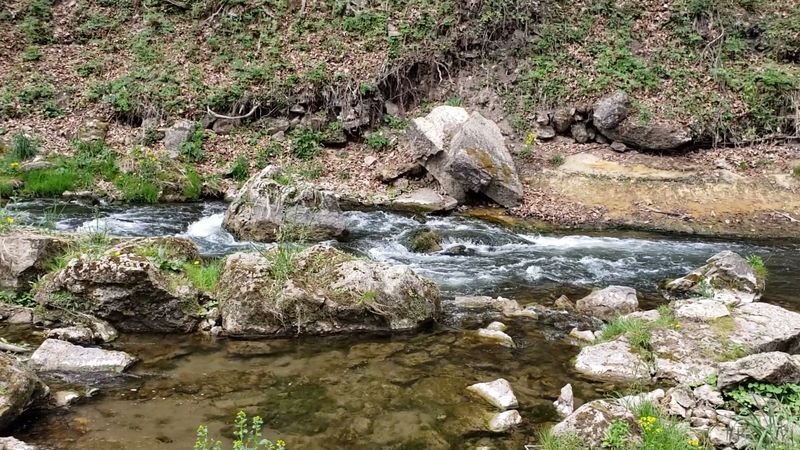
Trout fishing is a major draw, and the Whitewater River has spots ranging from busy to blissfully quiet. Dedicated anglers drive hours just to cast a line here.
Rangers are known for sharing fishing tips and suggesting spots. That help is valuable for newcomers to stream fishing.
Results can vary week to week. Even regulars have days when the trout simply refuse to cooperate.
Families fishing together are a common sight along the banks. It is the kind of scene that makes the valley feel welcoming.
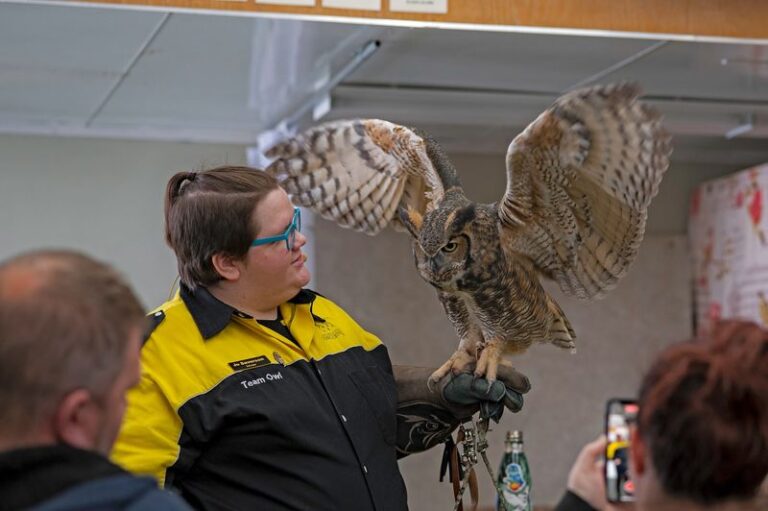
Bird lovers get a treat too. The visitor center lends birding kits that come in a bag with binoculars and field guides.
Birdwatching here is excellent, with colorful species that surprise even well-traveled guests. Crafters and nature journalers could fill a sketchbook in an afternoon.
Between the fish and the feathers, there is always something worth waiting quietly for.
Campsites Built for Beginners
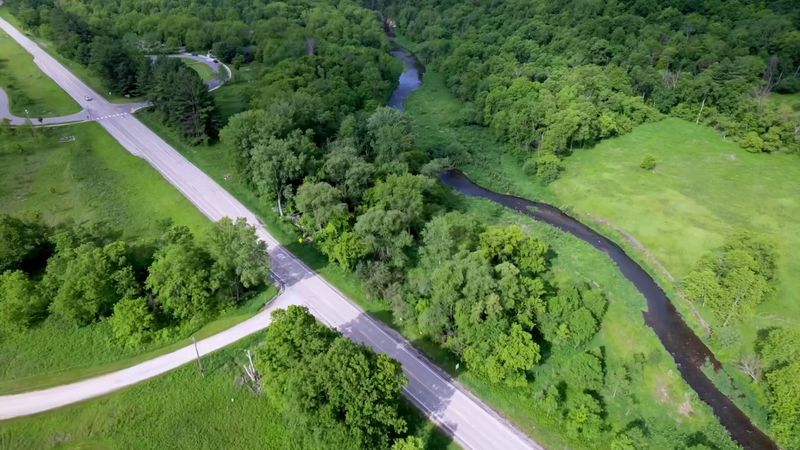
Camping is the heart of the park for many people. The sites suit tents, campers, and RVs of all sizes, and some include electric hookups.
Spaciousness is a recurring theme. Two tents fit comfortably on many sites, and plenty of shade helps each one feel private.
The bathrooms and showers are often described as clean and nearly brand new. A large RV pump-out station keeps things simple for bigger rigs.
Cabins are another option for those skipping the tent. Cabin areas can sit near a group camp, though, so some noise is possible.
Firewood and ice are sold on site, even later in the day on busy weekends. Rangers make regular rounds, which helps keep the campground quiet.
Sites need a reservation, so booking ahead is wise. Hammock users should know trees must be at least 12 inches across.
For first-time campers, this spot earns a reputation as a friendly training ground.
Raccoons, Bugs, and Other Fine Print
Few mosquitoes, plenty of raccoons. That sums up the wildlife situation for many campers.
The low mosquito count is noticed and appreciated. Gnats and flies can still show up, so bug spray is not a bad idea, especially for dogs.
Raccoons are the true night shift. They start making rounds soon after dark, and even tidy campsites get visits.
Locking food and garbage in the car is the best defense. Those masked bandits are persistent.
The swimming beach gets mixed feedback. Geese gather there, and the water can look brown and still, so it is not a reason to visit on its own.
Trails also vary in upkeep. Some are in great shape while others need work.
Wifi at the visitor center offers a lifeline in a zone with little cell signal. Consider it a semi-off-grid getaway with a backup plan.
Hours, Passes, and a Gentle Verdict
Planning is refreshingly simple. The park is open daily from 8 am to 10 pm.
A day pass runs $8 per vehicle. Annual state park passes can also be purchased on site.
The visitor center offers maps, a nature store, and staff who enjoy talking trails. A robust program schedule adds even more to do.
For more details, the Minnesota DNR website lists updates for the park. Nearby, the Elba fire tower is a short drive away and worth adding to the day.
So does this place deserve more attention? With 4.8 stars across more than 2,000 opinions, the answer leans strongly yes.
It has quirks, from raccoons to a so-so beach. Yet the bluffs, trout streams, and climbing trails make a convincing case.
Bring sturdy shoes, a downloaded map, and a little patience for the stairs. The valley handles the rest.
Share this story