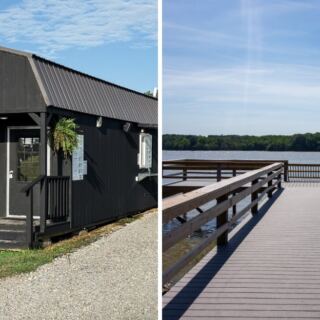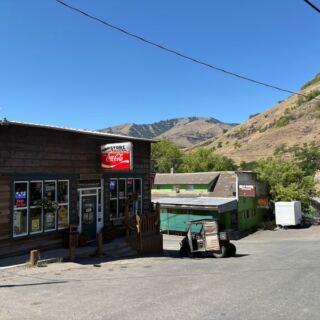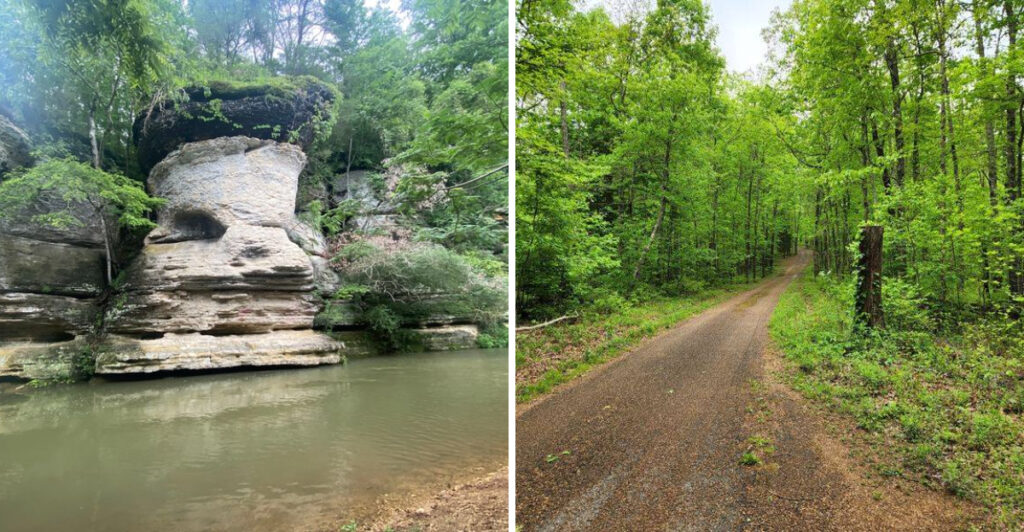
Southern Tennessee has plenty of places that never make the usual tourist itineraries, and Lawrence County is one of those destinations that rewards travelers willing to wander beyond the familiar routes. Set along the Alabama border, the county blends rolling countryside, small-town character, outdoor recreation, and fascinating history into an easygoing getaway. Lawrenceburg serves as the county seat and a natural starting point.
The area is closely connected to frontiersman David Crockett, who lived in this part of Tennessee during the early 1800s. Today, David Crockett State Park preserves that connection while offering trails, water views, picnic areas, camping, and plenty of space for a peaceful afternoon outdoors. Beyond the park, much of Lawrence County’s appeal comes from simply exploring.
Country roads pass farmland, wooded stretches, creeks, and communities where life moves at a noticeably slower pace. Small local restaurants, shops, historic sites, and seasonal events provide reasons to stop rather than simply drive through. The region also works especially well for travelers who prefer relaxed weekends over packed sightseeing schedules.
You can spend the morning hiking, grab lunch in Lawrenceburg, follow quiet backroads through the countryside, and finish the day without battling the crowds found in Tennessee’s biggest vacation destinations. For anyone searching for a less obvious Southern Tennessee escape, Lawrence County delivers history, scenery, and small-town atmosphere without needing flashy attractions. It is exactly the kind of place travelers can overlook for years—then wonder why they hadn’t visited sooner.
David Crockett State Park
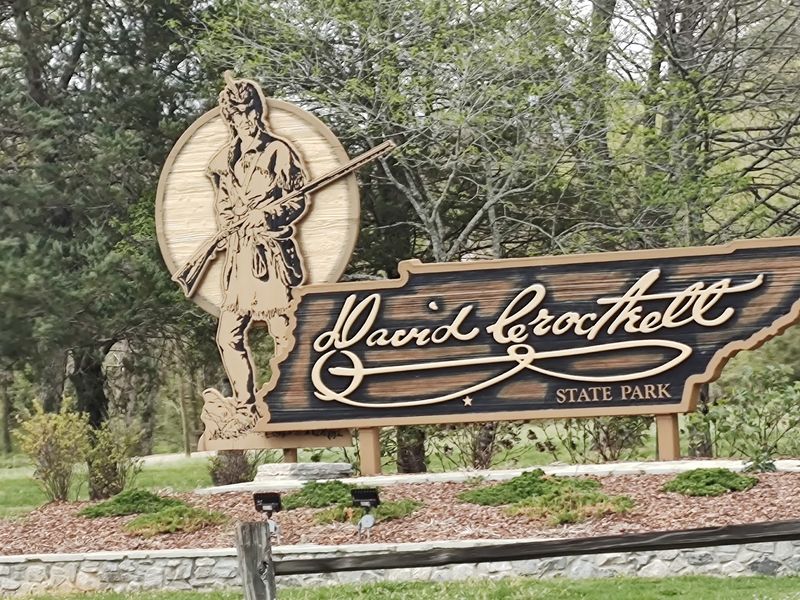
Named after Tennessee’s most famous frontiersman, this state park sits on 1,100 acres of natural beauty that’ll make you forget the outside world exists. The park wraps around Lindsey Lake, a 40-acre fishing paradise where bass and bluegill practically jump into your boat. Families spread blankets under towering oak trees while kids race along trails that wind through forests Davy Crockett himself might have explored.
The park’s restaurant serves up home-cooked Southern meals that taste like your grandmother made them, assuming your grandmother knew her way around fried catfish and cornbread. After lunch, you can rent a paddleboat and glide across the glassy water, watching turtles sunbathe on half-submerged logs. The swimming pool opens during summer months, giving overheated adventurers a chance to cool off between hikes.
History buffs appreciate the museum dedicated to Crockett’s early years in the area, filled with artifacts and stories from the 1800s. The park also features a working gristmill that demonstrates how pioneers ground their corn into meal. You can actually buy stone-ground cornmeal to take home, which makes the best cornbread you’ll ever taste.
Campgrounds offer everything from primitive sites for hardcore outdoors enthusiasts to RV hookups for folks who prefer their nature with air conditioning nearby. The cabins provide a middle ground, with modern amenities wrapped in rustic charm. Each cabin overlooks the lake or forest, guaranteeing you’ll wake up to views that belong on a postcard.
Spring brings wildflowers that carpet the forest floor in purples, yellows, and whites. Fall transforms the park into a kaleidoscope of reds and golds that photographers dream about. Winter offers peaceful solitude, with bare trees revealing wildlife you’d miss during leafier seasons.
No matter when you visit, David Crockett State Park proves that Lawrence County’s natural beauty deserves way more attention than it gets.
The Square in Lawrenceburg
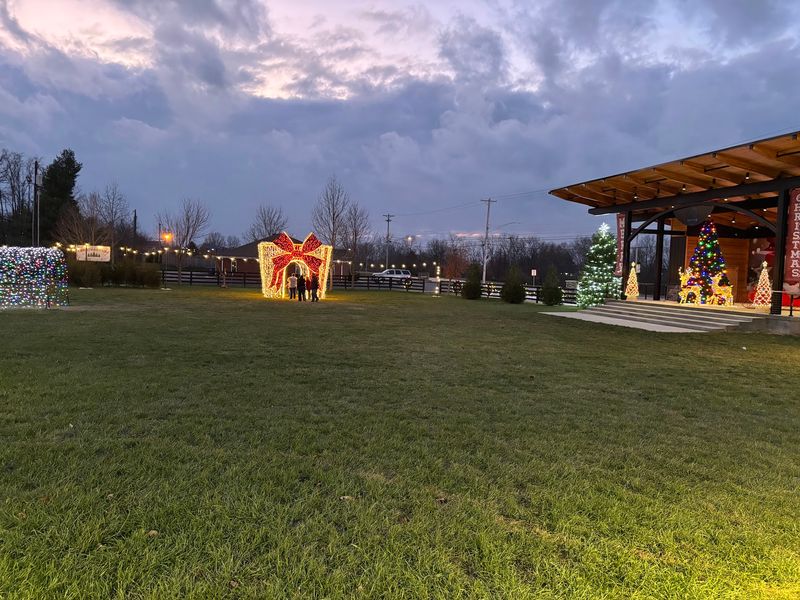
Downtown Lawrenceburg centers around a classic Southern courthouse square that looks like it stepped out of a 1950s postcard and decided to stay. The limestone courthouse dominates the scene, its clock tower watching over local businesses that have served generations of families. Unlike those fake historic districts some towns create for tourists, this square represents real community life that’s been happening for over 200 years.
Local shops line the square, offering everything from antiques to hardware to homemade fudge. You won’t find corporate chains here, just family-owned businesses where the owners actually know their customers’ names. The bookstore still orders special titles for regulars, and the pharmacy’s soda fountain serves ice cream floats the old-fashioned way.
Several restaurants around the square dish out Southern cooking that’ll ruin chain restaurants for you forever. Meat-and-three plates come loaded with fried chicken, mashed potatoes, green beans, and cornbread that arrives hot enough to melt butter on contact. The coffee shop roasts its own beans and serves pastries baked fresh each morning, creating aromas that drift across the square and lure in anyone within smelling distance.
Events happen on the square throughout the year, from farmers markets overflowing with locally grown produce to festivals celebrating everything from bluegrass music to Christmas. During these gatherings, the whole community shows up, creating the kind of neighborly atmosphere that’s becoming rare in modern America. Kids run freely while adults catch up on gossip and news, just like their grandparents did decades ago.
The square also serves as Lawrence County’s unofficial living room, where people gather to chat, conduct business, or simply watch the world go by. Benches invite you to sit and people-watch, a surprisingly entertaining activity in a town where everyone seems connected somehow. This isn’t a tourist attraction trying to be charming.
It’s an authentic slice of small-town Tennessee life that most travelers never stumble upon.
Lawrence County Museum of Natural History
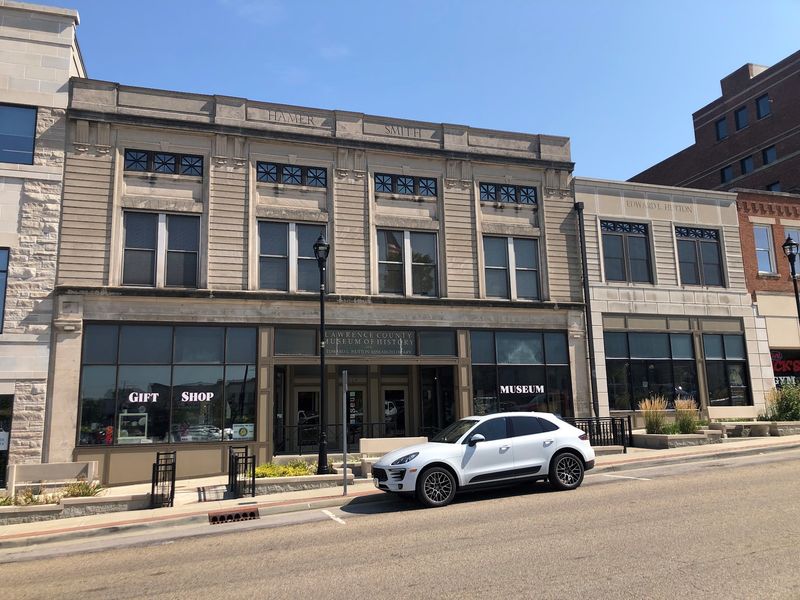
Housed in what used to be the county jail, this museum packs more surprises than you’d expect from a small-town collection. The building itself tells stories, with original jail cells still visible behind exhibits showcasing Lawrence County’s geological treasures. Fossils found in local creek beds prove that this area once lay underwater, teeming with ancient sea creatures whose remains now rest in carefully labeled displays.
The mineral collection sparkles with specimens pulled from Lawrence County soil, including crystals and geodes that look like nature’s jewelry boxes. Local rockhounds donate their finest finds, creating a growing collection that rivals some big-city museums. Kids press their noses against cases containing prehistoric shark teeth, arrowheads crafted by Native Americans, and Civil War relics discovered in nearby fields.
One section focuses on the county’s industrial heritage, particularly the iron furnaces that once powered the local economy. Photographs show workers from the 1800s standing beside massive stone structures, their faces serious as they posed for cameras that required several seconds of absolute stillness. Tools, ledgers, and personal items bring these historical figures back to life, reminding visitors that real families built their lives around these now-silent furnaces.
The taxidermy collection features animals native to Lawrence County, from white-tailed deer to wild turkeys to the occasional black bear. Each specimen is positioned in a lifelike pose, helping visitors understand the wildlife that still roams the county’s forests and fields. Information placards explain each animal’s role in the local ecosystem, turning the displays into educational opportunities rather than just curiosities.
Admission costs less than a movie ticket, and the volunteer staff members love sharing stories about the exhibits. Many grew up in Lawrence County and can add personal anecdotes to the official information. They’ll point out which fossils came from their own property or explain how their grandfather worked at one of the iron furnaces, adding layers of authenticity that guidebooks can’t capture.
Shoal Creek
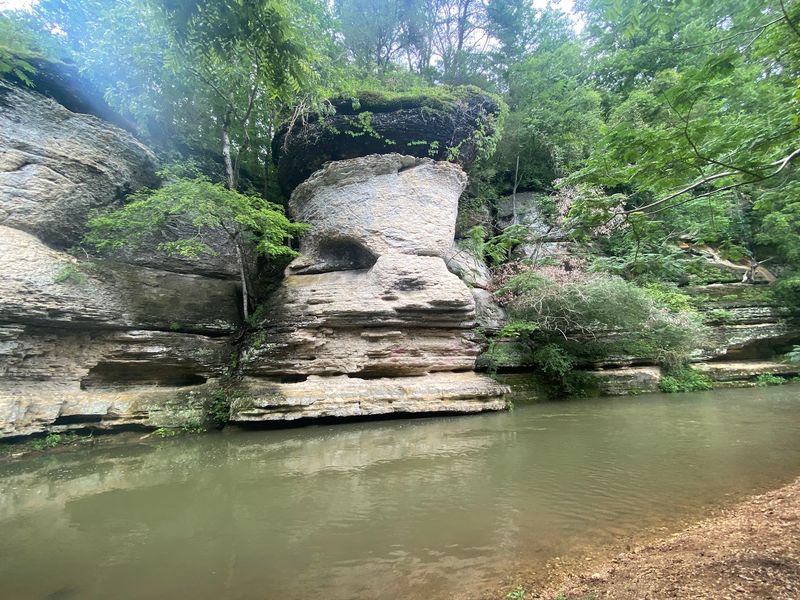
This waterway meanders through Lawrence County like a liquid highway, connecting communities and creating natural beauty that changes with every bend. Unlike some Tennessee creeks that dry to a trickle by August, Shoal Creek maintains its flow year-round, fed by springs and tributaries that keep the water moving. The creek earned its name honestly, with rocky shoals creating small rapids that sound like nature’s white noise machine.
Anglers wade into the cool water, casting lines for smallmouth bass that fight like fish twice their size. The creek also holds rock bass, sunfish, and the occasional catfish lurking in deeper pools. Local fishing experts know exactly which holes produce the biggest catches, though they guard these secrets like family recipes.
Canoeists and kayakers appreciate the creek’s gentle current, which provides enough movement to feel adventurous without requiring expert skills. Several access points allow for trips ranging from quick afternoon paddles to all-day expeditions. Along the way, limestone bluffs rise from the banks, creating dramatic backdrops for wildlife photography.
Herons stand motionless in shallow water, waiting to spear unsuspecting minnows, while kingfishers dive-bomb from overhanging branches.
The creek’s ecosystem supports an impressive variety of life, from crayfish scuttling across the rocky bottom to turtles sunbathing on fallen logs. Wildflowers bloom along the banks in spring, attracting butterflies and bees that add splashes of color to the green landscape. In fall, trees lining the creek transform into flames of orange and red, reflected in the water’s surface like a mirror.
Several parks and informal access points make Shoal Creek available to everyone, not just property owners. Families pack picnic lunches and spend entire days wading, skipping rocks, and searching for interesting stones smoothed by centuries of flowing water. The creek represents the kind of simple, free entertainment that builds childhood memories, the sort of place kids remember decades later when they’re explaining what growing up in Lawrence County felt like.
Historic Iron Furnaces
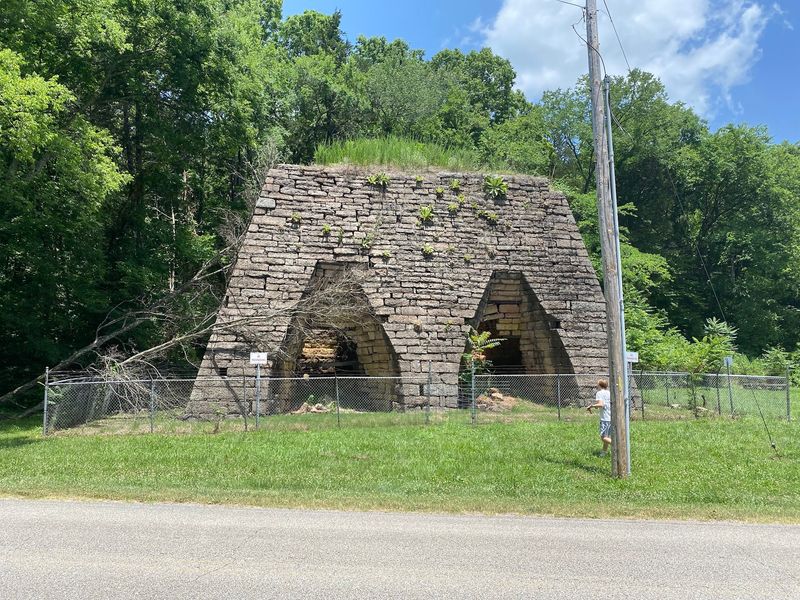
Scattered across Lawrence County stand massive stone structures that once roared with fire and industry, now silent monuments to a bygone era. These iron furnaces transformed the county during the 1800s, when Tennessee iron fueled America’s industrial revolution. The furnaces operated around the clock, their glowing fires visible for miles as workers fed them limestone, iron ore, and charcoal to produce pig iron.
Napier Furnace stands as one of the best-preserved examples, its stone walls still towering despite decades of abandonment. Walking up to these structures feels like discovering ancient ruins, except these ruins are only about 150 years old. The engineering impresses modern visitors who realize these furnaces were built without power tools or machinery, just human muscle, determination, and mathematical precision.
Each furnace required a small army of workers, from miners extracting ore to colliers making charcoal to skilled furnace keepers who understood the delicate balance of heat and materials. Entire communities grew around the furnaces, with company stores, housing, and schools serving the workers and their families. When the iron industry collapsed, these communities often vanished, leaving only the indestructible stone furnaces as evidence they ever existed.
The furnaces now provide habitat for various wildlife, with birds nesting in crevices and small mammals sheltering in the ruins. Trees grow from the tops of some structures, their roots slowly prying apart stones that human hands carefully stacked generations ago. Nature is reclaiming these industrial sites, creating an interesting blend of human history and natural succession.
Visiting the furnaces requires a bit of adventure since most aren’t developed tourist sites with parking lots and gift shops. You’ll need to ask locals for directions, follow rough roads, and sometimes hike to reach them. But that’s part of their charm.
These aren’t sanitized historical attractions. They’re authentic remnants of Lawrence County’s past, waiting in the woods for curious explorers willing to seek them out. Bring a camera, wear sturdy shoes, and prepare to touch history that most travelers never even know exists.
Amish Community
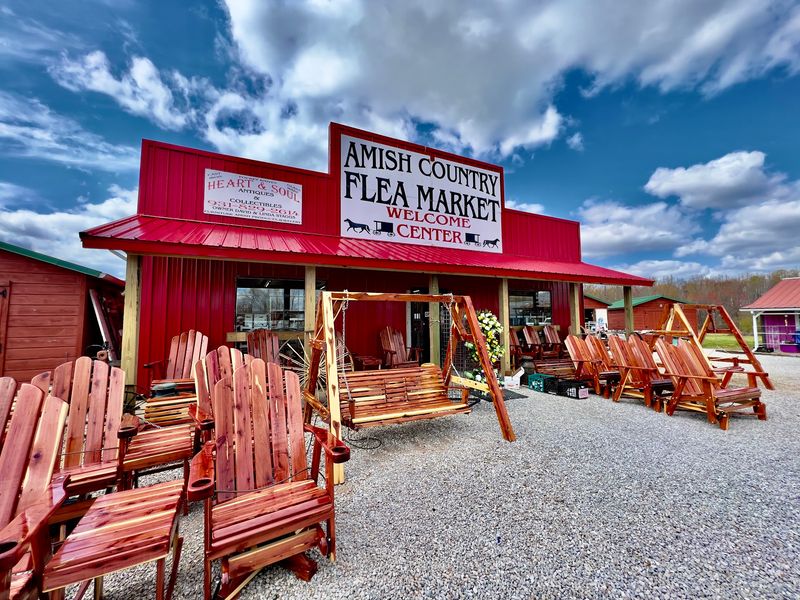
Lawrence County hosts a thriving Amish settlement that adds unexpected cultural richness to this corner of Tennessee. Unlike the massive Amish communities in Pennsylvania or Ohio, this group maintains a quieter presence, living according to their traditions while peacefully coexisting with their non-Amish neighbors. You’ll spot their black buggies traveling country roads, horses clip-clopping at a pace that forces modern drivers to slow down and reconsider their hurry.
Several Amish-owned businesses welcome visitors, offering handcrafted furniture built to last generations rather than years. The woodworking quality rivals anything you’d find in high-end stores, except these pieces cost less and come with the satisfaction of supporting local craftspeople. Amish women sell quilts, baked goods, and preserves at roadside stands, their products made from scratch using methods passed down through generations.
The Amish farms themselves present a striking contrast to modern agriculture, with horses pulling plows through fields instead of tractors. Laundry flaps on clotheslines, gardens grow in neat rows, and children play games that don’t require batteries or screens. Visiting isn’t about gawking at people living differently.
It’s about appreciating an alternative approach to life that prioritizes community, simplicity, and faith over consumption and technology.
Some Amish families operate produce stands during growing season, selling vegetables so fresh they were probably picked that morning. The tomatoes actually taste like tomatoes, the corn is sweet enough to eat raw, and the melons are chosen by people who know exactly when they’ve reached peak ripeness. Prices are fair, the quality is exceptional, and the transaction happens with a handshake and a smile.
Respect is crucial when interacting with the Amish community. They generally don’t appreciate being photographed, especially close-up shots of faces. Their buggies need extra space on roads, and their businesses operate on their schedule, which doesn’t include Sundays.
But if you approach with courtesy and genuine interest, you’ll find friendly people who take pride in their work and their way of life, adding yet another layer to Lawrence County’s surprising diversity.
Scenic Rural Landscapes
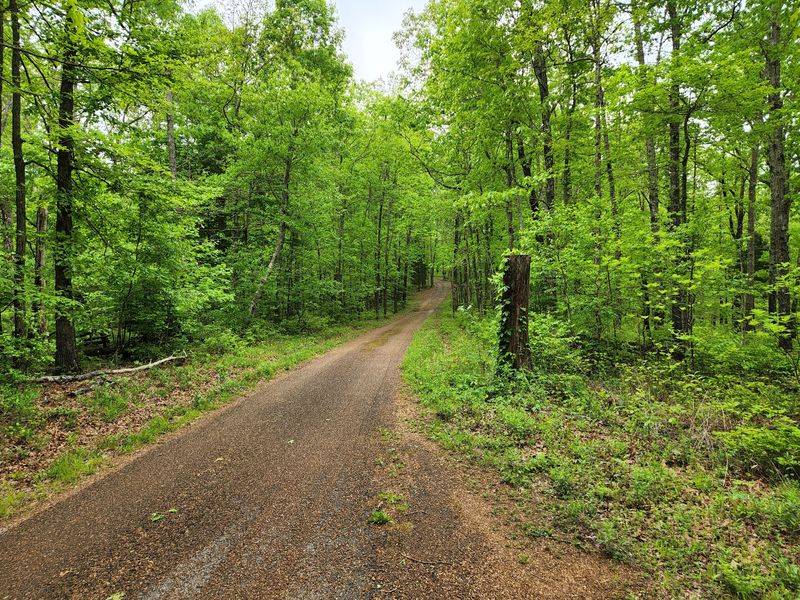
Lawrence County’s countryside unfolds like a patchwork quilt stitched together with fence lines, tree rows, and winding roads that lead somewhere interesting. The landscape rolls rather than flattens, creating gentle hills that provide long views without requiring mountain-climbing effort. Cattle graze in pastures dotted with century-old oak trees, their massive branches spreading shade across animals that barely acknowledge passing cars.
Red barns, some weathered to a soft rust color and others freshly painted, punctuate the green fields. Many date back decades, their hand-hewn beams and stone foundations testifying to craftsmanship that modern construction rarely matches. Some barns still serve their original purposes, sheltering hay and equipment, while others lean slightly, slowly surrendering to gravity and time.
Country roads invite exploration, with names like Pleasant Grove Road and Beech Creek Highway promising exactly what they deliver. Unlike interstate highways where every mile looks identical, these roads constantly change, curving past creeks, climbing gentle ridges, and dipping into valleys where fog settles on cool mornings. Driving them requires no particular destination, just a willingness to see where they lead.
Wildflowers bloom along roadsides in spring and summer, creating natural gardens that nobody planted or maintains. Black-eyed Susans, Queen Anne’s lace, and purple coneflowers attract butterflies and bees, adding movement and life to the static landscape. In fall, the same roadsides explode with goldenrod and asters, proving that beauty doesn’t need a gardener, just the right conditions.
Photographers find endless subjects in Lawrence County’s rural areas, from sunrise mist rising off farm ponds to storm clouds building over distant hills. The light changes throughout the day, painting the same scene in different colors depending on the hour. Early morning delivers soft golden light, midday brings harsh shadows and vivid colors, and evening wraps everything in warm amber tones.
This isn’t dramatic mountain scenery or exotic desert landscape. It’s the quiet beauty of working farmland, the kind of place where people still wave at passing cars and life moves according to seasons rather than schedules. Most travelers speed past on highways, never realizing what they’re missing just a few miles off the main route.
Share this story