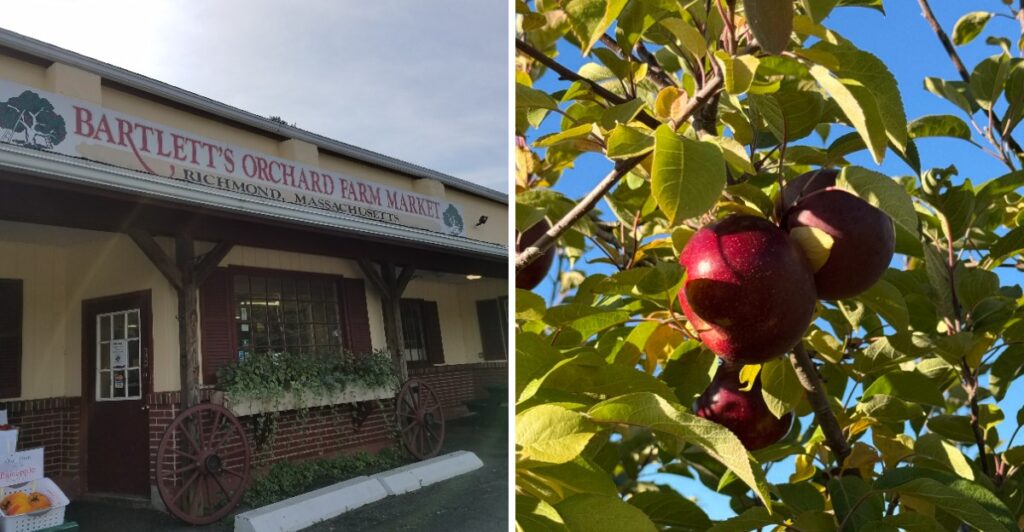
Crisp Berkshire air, sloping orchard rows, and the smell of cider doughnuts can make it hard to treat Bartlett’s Orchard like a quick stop. In Richmond, Massachusetts, this longtime farm has nearly 80 years of apple-growing history behind it, with hillside picking and a market full of seasonal treats giving visitors plenty of reasons to linger.
The orchard setting makes the trip feel like a true fall outing instead of a simple fruit run. You can wander the rows, grab something warm from the bakery, and still find a few extras to take home.
For anyone ready to turn apple picking into a full afternoon, Bartlett’s Orchard makes it easy to stay awhile.
A Massachusetts Hillside With More Than Apples in View
Look beyond the apple branches, and the Berkshire landscape becomes part of the outing. Bartlett’s Orchard has a hillside picking area where rows of trees share the scene with views of the surrounding countryside.
That setting gives your visit two different scales. Up close, you can study the fruit, leaves, and branches; farther out, the hills provide a broader picture of fall in western Massachusetts.
During foliage season, the surrounding colors add another reason to pause between rows. Leaf color and apple availability follow different schedules, though, so a colorful hillside does not guarantee that every variety is ready to pick.
Bring shoes with good grip rather than footwear chosen only for photographs. Grass can be damp, and an orchard hillside calls for more attention underfoot than a paved shopping area.
If you want pictures, take them before your apple bag becomes heavy. Keep other pickers’ paths clear, and avoid pulling branches into position or stepping into areas that staff have not opened.
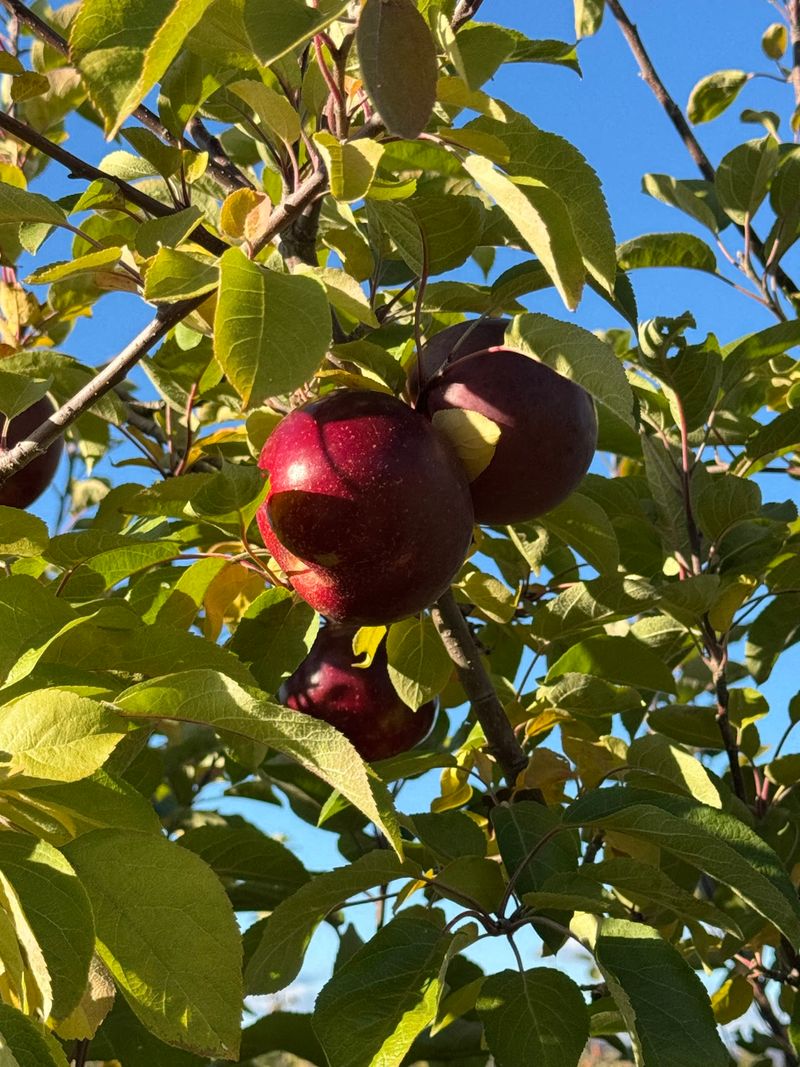
A useful photo can be simple: apples in the foreground, a row of trees behind them, and the hills beyond. You do not need props when the working landscape already supplies the details.
Children can enjoy looking for differences between trees, provided an adult keeps them close and explains the picking rules. Treat the orchard as a place where food grows, not as a playground with fruit attached.
Allow a little extra time for the uphill portion of your visit instead of squeezing it between rushed errands. The view is best enjoyed when you can stop safely, set down your bag, and look around.
Before heading toward the trees, ask which picking areas are open that day. Then follow the current directions uphill, where the market visit turns into a walk among the crop itself, with the Berkshire hills stretching beyond the rows.
Nearly Eight Decades Behind the Harvest
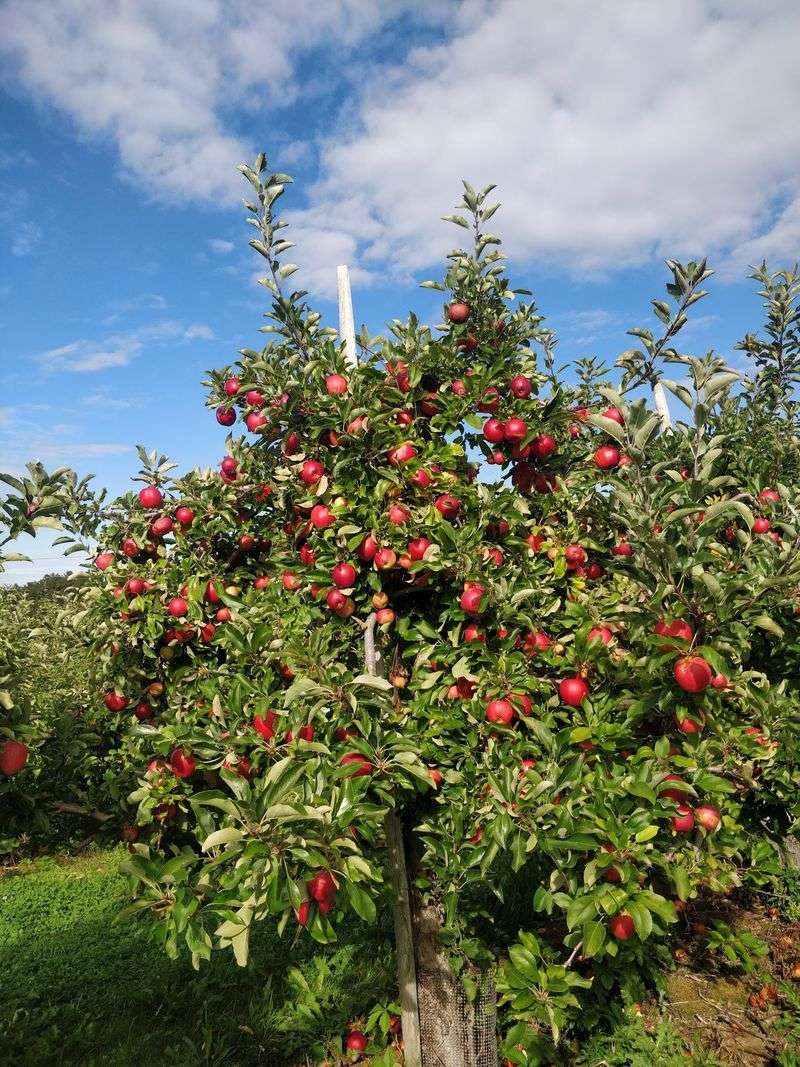
An apple harvest lasts a season; an orchard takes years of care. The nearly eighty years of growing behind Bartlett’s Orchard give the title’s promise substance beyond a pretty fall photograph.
Long orchard histories are built through repeated work: tending trees, watching weather, managing fruit, and bringing a crop to market. A visitor sees the apples at their most inviting stage, after much of that work has already happened.
That distinction helps explain why a working orchard deserves a different kind of attention than a seasonal backdrop. The branches are carrying a product that must be grown, handled, sold, and used.
At Bartlett’s, you can connect that farming purpose with the market and the picking experience. Apples move from something hanging overhead to something you choose for a lunchbox, a pie, or a kitchen counter.
The long timeline also puts changing tastes into perspective. One household may want a familiar apple for baking, while another comes looking for a sweeter fruit to eat on the drive home.
Rather than assuming age alone guarantees quality, look at the practical details available during your visit. Clear variety information, current picking guidance, and help choosing fruit make that growing background useful to you.
If you are curious about the orchard’s past, ask staff when they have time to talk. Specific questions about how the apple selection has changed are more useful than expecting a full history lesson during a busy checkout.
You can carry that connection home without buying an enormous bag. Choosing fruit you will actually use respects both your budget and the work behind the harvest.
The strongest way to appreciate this long apple growing story is straightforward: pay attention to the crop. Read the variety descriptions, handle the fruit carefully, and give those apples a clear purpose once they reach your kitchen at home.
Pick a Variety, Not Just a Pretty Apple
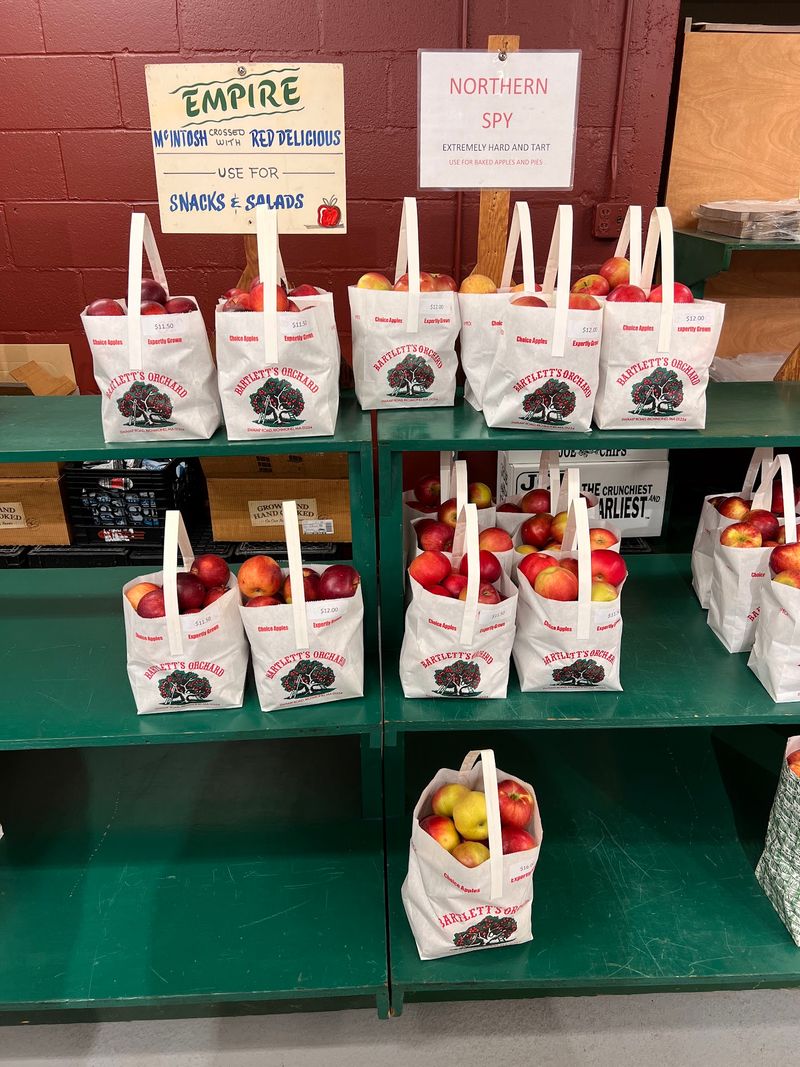
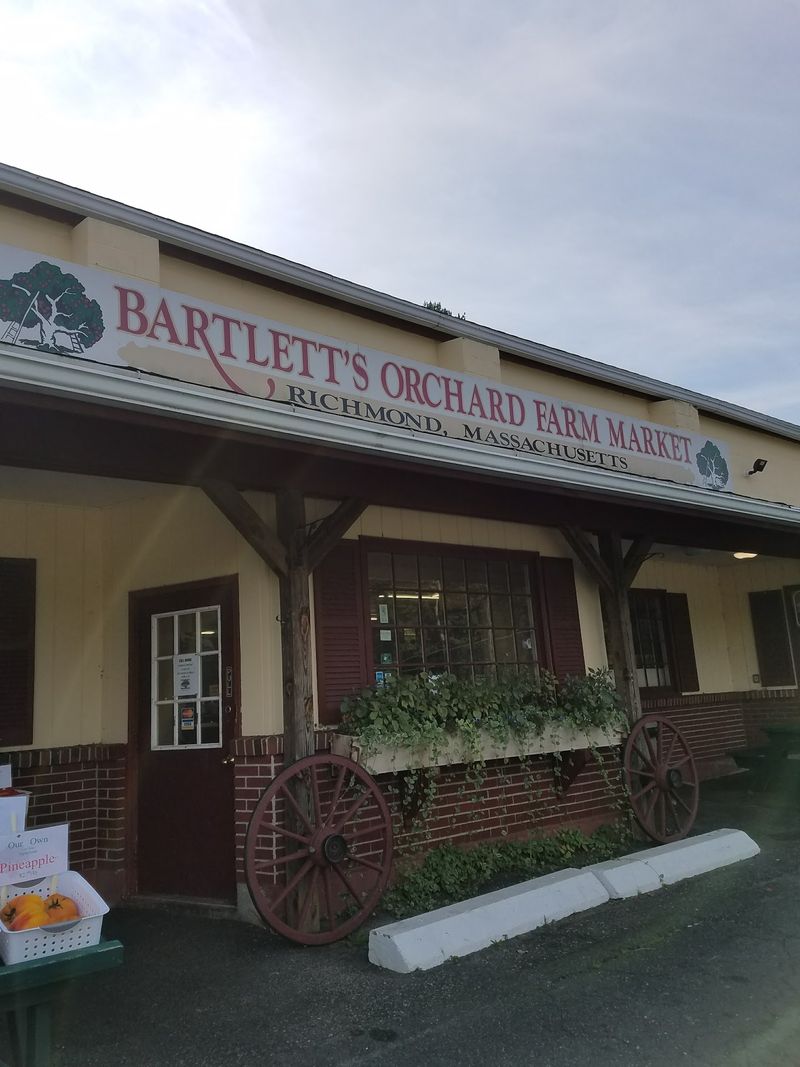
A bright red apple can catch your eye before its flavor ever gets a chance. At Bartlett’s Orchard, variety descriptions and marked picking rows help you choose with more than color in mind.
McIntosh, Jonagold, and Idared have been available during past picking seasons. Treat those names as examples, not a promise that all three will be ready or plentiful on the day you arrive.
Start by deciding what your apples need to do. Eating them fresh, baking a pie, and cooking applesauce are different jobs, and the best choice for one may not be your favorite for another.
For snacks, ask about sweetness, tartness, and texture. For baking, ask which available apples hold their shape and whether mixing varieties would suit the recipe you have planned.
Row markers make the picking area easier to navigate, especially when several apple types look similar from a distance. Read them before filling your bag, because sorting an unidentified mix afterward is a much less enjoyable puzzle.
Ask staff to explain the approved picking method before you head out. Handle each apple gently, avoid tugging branches, and leave damaged fruit or uncertain choices for staff guidance rather than making assumptions.
A smaller, well chosen bag can be more useful than a large bag filled in a rush. Think about how many apples your household will eat and whether you have time for the baking you imagine.
If you want several varieties, ask how to keep them identified and how pricing works. Taking a quick note on your phone can help you remember which apple made the best snack later.
Back home, taste the varieties separately before combining them in a recipe. You may find that the apple you overlooked for its plain appearance has exactly the crisp bite or tart edge you wanted for your next kitchen project.
The Cider Doughnut Detour Is Part of the Plan
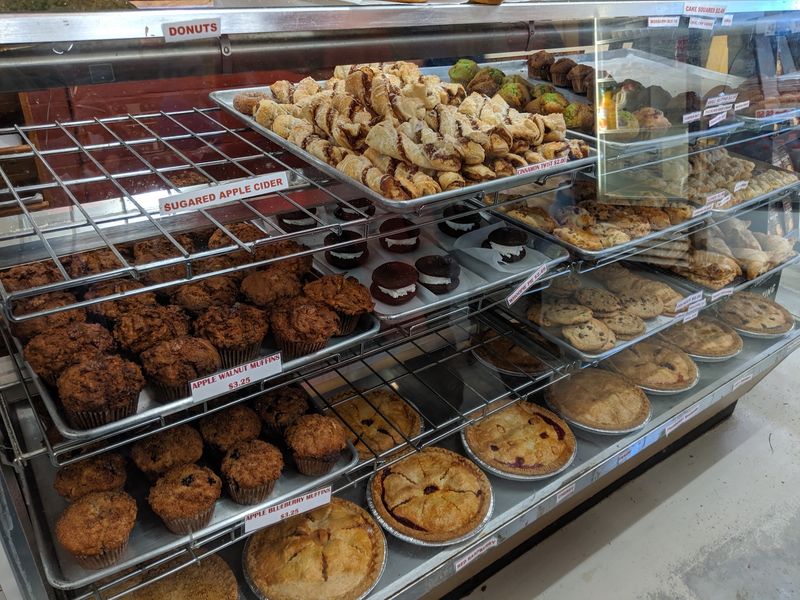
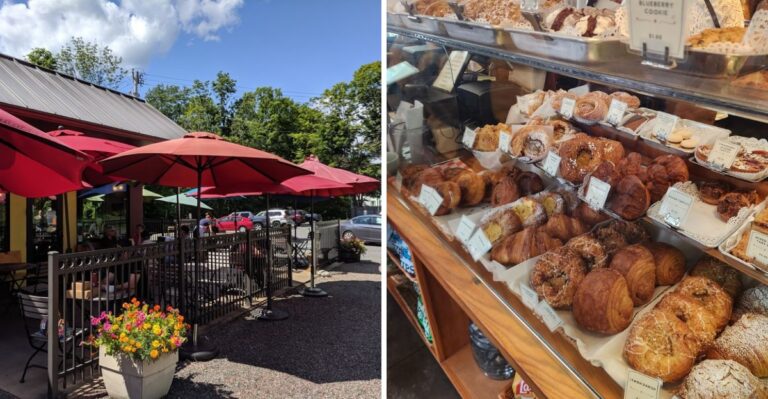
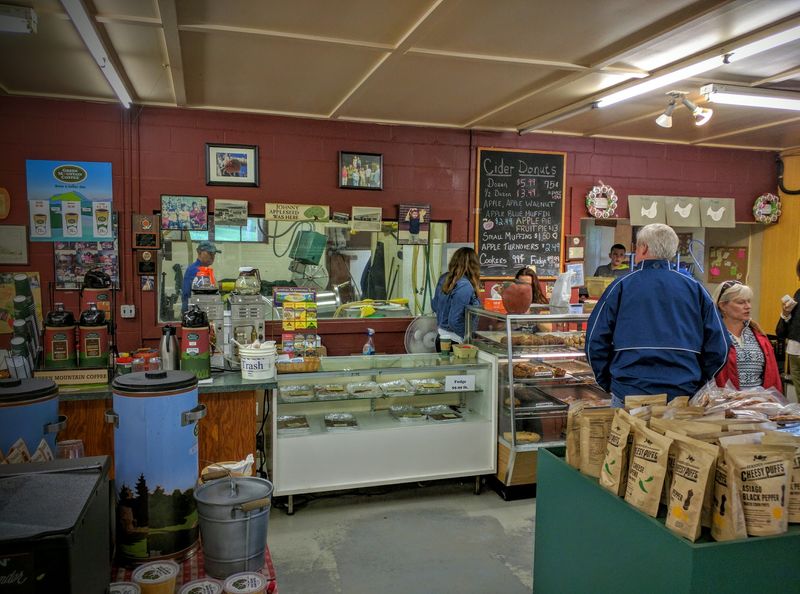
Sugar on your fingers is a fairly good sign that the bakery stop has begun. Cider doughnuts are one of Bartlett’s Orchard’s signature treats, with plain and sugar coated versions among the choices.
The decision is pleasantly small but worth making on purpose. Choose plain if you prefer less sugar on the outside, or pick the coated version when you want that extra sweet finish.
Cider makes a natural partner, but ask what is available before building your snack around it. Hot cider is not guaranteed throughout the day, and a particular drink can sell out during a busy fall visit.
There is more to the bakery than doughnuts. Pies and other baked goods give you options for a quick treat, a dessert to take home, or something to share after dinner.
Apple strudel has also appeared among the offerings, though daily selection can change. Look over the case before ordering instead of assuming every pastry will be waiting whenever you arrive.
If you are buying for a group, settle the plain versus sugar question before reaching the counter. It is a tiny bit of planning that keeps the line moving and prevents a box full of everyone’s second choice.
Ask about ingredients if anyone in your party has a food allergy. An apple orchard setting does not tell you whether a baked item contains dairy, eggs, nuts, or other ingredients you need to avoid.
Keep take home pastries level in the car, and do not let a heavy apple bag crush the box. A pie deserves its own secure space rather than a balancing act on someone’s lap.
For the easiest outing, decide whether the bakery is your first stop or your reward after picking. Either order works, but leaving a little time for the market means you can choose dessert without watching the clock.
A Farm Market for More Than Dessert
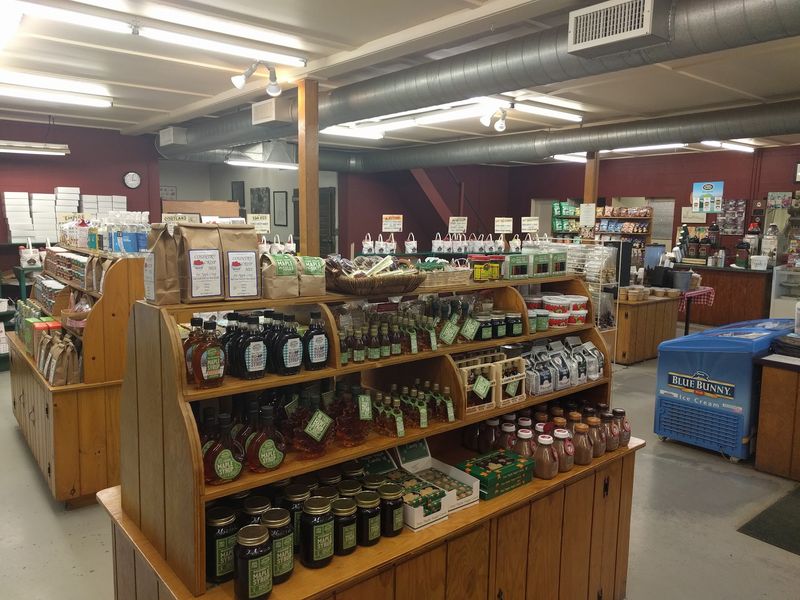
Not every stop at Bartlett’s needs to end with a trip through the trees. The farm market gives you a way to bring home orchard apples even when picking is unavailable or your schedule is short.
That makes the address useful for more than a full fall outing. You can focus on groceries, choose a few treats, and leave with food that fits the rest of your day.
Fresh produce is part of the selection, including vegetables alongside apples. Availability changes, so let the day’s displays guide your shopping rather than arriving with a fixed list of seasonal items.
Apple butter offers a different way to enjoy the main crop. Unlike a bag of fresh apples, a jar can fit neatly into a breakfast plan, though you should follow its label for storage after opening.
Fudge and other specialty treats add choices for anyone who would rather skip another apple pastry. Check the current shelves, since a farm market’s smaller extras can vary over time.
Sandwiches have also been among the offerings. Ask what is available that day if you need something more substantial, rather than counting on the bakery case to serve as lunch.
A useful shopping approach is to choose fresh fruit first, then decide which extras have a clear place at home. That keeps a tempting market visit from turning into several bags of food without a plan.
For a small gift, combine apples with one packaged item that travels well. Read ingredient and storage information, especially if the recipient has allergies or you will spend several hours on the road.
Keep produce separate from delicate baked goods when loading the car. The market’s real strength is choice: you can make a practical grocery stop, assemble a modest gift, or collect the ingredients for a simple apple centered meal without entering the orchard.
Get the Bag First, Then Head Uphill
The smartest first stop is the market, not whichever apple tree catches your eye. Bartlett’s picking setup has involved collecting bags at the farm store before driving uphill to the orchard area.
Check the current process with staff when you arrive. Picking procedures, payment arrangements, and open sections can change, so older directions should never replace the instructions given for your visit.
The uphill picking area has included grassy parking and marked rows. That layout lets you move between varieties without guessing which trees hold the apples you came to find.
Before leaving the store, confirm your bag size and the price. Ask whether payment happens before or after picking, and whether there are any limits or rules that affect how you fill the bag.
It also helps to ask which varieties are ready right now. An orchard can contain several kinds of apples while only certain rows are open for picking that day.
Give each person a simple role if you are visiting with children. One can watch the row markers, another can help carry the bag, and an adult can guide fruit selection and handling.
Do not judge the right bag size by excitement alone. Apples become surprisingly heavy when you carry enough of them, especially if your group includes young children or someone who needs an easier walk.
Keep the bag secure during the drive back down, and follow the checkout instructions you received. Leave enough time to return to the market without rushing the final part of your visit.
If anyone in your group has mobility needs, ask about the terrain and access before committing to picking. Buying apples at the store remains an option when the hillside is not a good fit, and you can still choose fruit for the same recipes, snacks, and meals you had planned to make at home afterward.
Time Your Visit Around the Crop, Not Just the Clock
A store can be open while apple picking is finished for the day or season. Keep that difference in mind when planning a visit to Bartlett’s Orchard at 575 Swamp Road in Richmond.
The listed market hours are 7 a.m. to 5 p.m. Monday through Friday and 8 a.m. to 5 p.m. on Saturday and Sunday.
Confirm current hours before traveling, particularly around holidays or seasonal changes.
Those hours should not be treated as a separate picking schedule. Ask whether picking is operating, when the last entry is allowed, and which varieties remain available before you organize your afternoon around the trees.
Fall harvest timing depends on the fruit, and individual varieties do not all ripen together. A visit early in the season can offer a different selection from one made near the end.
Weather deserves equal attention. Rain can make grassy areas slippery, while a cool morning may turn into a warmer afternoon, so practical shoes and removable layers are sensible choices.
If your schedule allows, consider a weekday visit for a less compressed outing. Crowds still vary, and no particular day guarantees empty rows, quick checkout, or a full bakery case.
Arrive with enough time for the version of the visit you want. Picking, returning to the store, choosing baked goods, and paying take longer than simply stopping for a bag of apples.
A firm departure time can help you avoid overfilling the day. Decide in advance whether your priority is the hillside, a specific apple variety, or market shopping, then give that part the largest share of your time.
Bartlett’s stands out because the crop and the store support several different visits at one address. Plan around what is actually available, carry home only what you can use, and leave with apples and treats chosen for your table rather than a rushed seasonal checklist.
Share this story