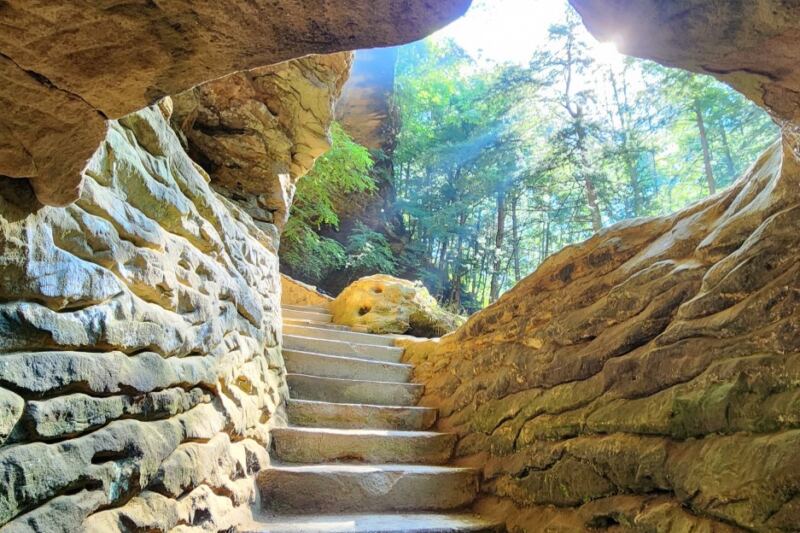
Tucked away in the hills of southeastern Ohio, Wayne National Forest stretches across nearly 240,000 acres of wild, beautiful land. With ancient forests, winding trails, and peaceful waterways, this place feels like a world far removed from busy city life.
Whether you love hiking, camping, ATV riding, or just breathing fresh air surrounded by nature, Wayne National Forest has something special waiting for you. Explore what makes Ohio’s only national forest one of the most remarkable outdoor destinations in the entire Midwest.
1. A Forest That Has Been Around Longer Than You Think
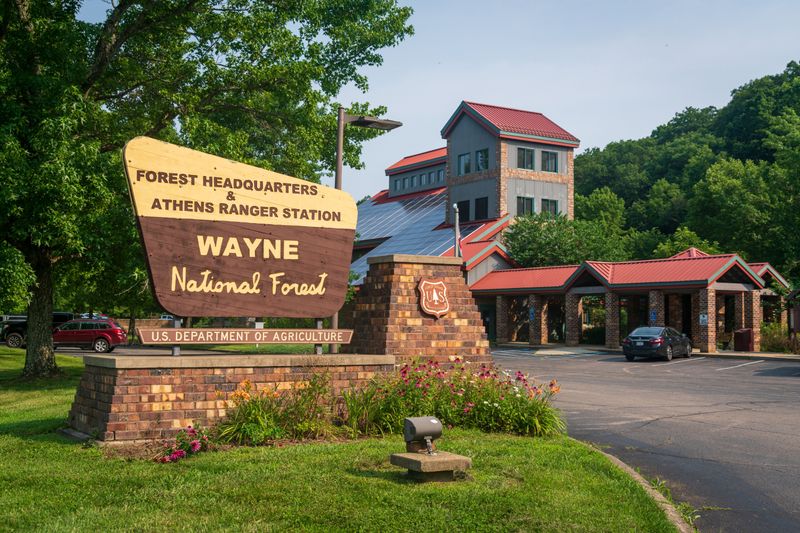
Long before Ohio became a state, the land that is now Wayne National Forest was already teeming with life. Established in 1935 during the Great Depression, the forest was created to restore land that had been stripped by logging and coal mining.
Today, it covers parts of Athens, Hocking, Lawrence, Scioto, Gallia, and Vinton counties, making it the largest national forest in Ohio.
The forest is named after General Anthony Wayne, a Revolutionary War hero who helped open the Northwest Territory to American settlement. That rich history adds another layer of meaning to every trail you walk.
Visiting Wayne National Forest is not just a nature trip; it is a chance to connect with centuries of American history hidden beneath towering oaks and hickories.
2. Trails That Take You Somewhere Truly Unforgettable
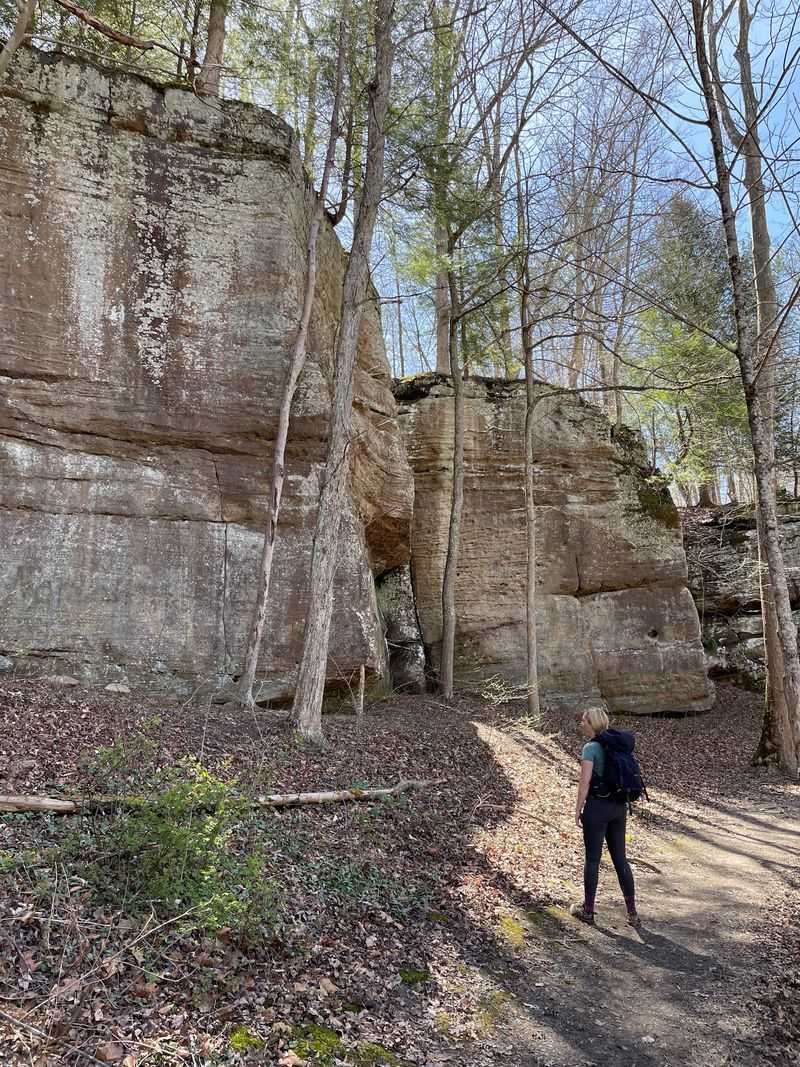
Ask any regular visitor and they will tell you the trails here are something else entirely. From easy nature walks to rugged multi-day backpacking routes, Wayne National Forest offers a trail experience for every skill level.
The Vesuvius Recreation Area near Lake Vesuvius is a fan favorite, offering scenic loops through hardwood forests with stunning lake views along the way.
Hikers love how the terrain shifts from gentle ridgelines to steep hollows, keeping every outing fresh and surprising. One reviewer called the trails “the best groomed and most scenic” they had ever experienced.
With over 300 miles of trails spread across three ranger districts, you could spend weeks exploring and still discover something new. Grab a trail map before heading out, since signage can be limited in some sections, and always let someone know your plans before a longer trek.
3. Camping Under a Sky Full of Stars
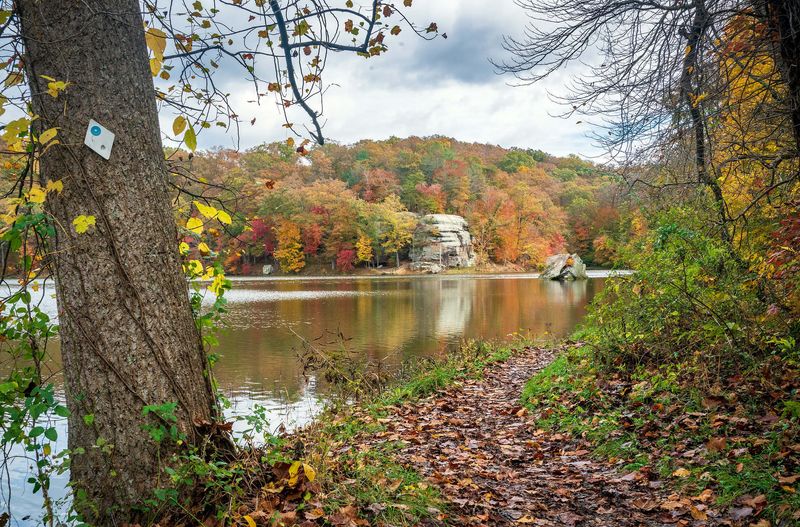
Camping at Wayne National Forest is the kind of experience that makes you forget your phone even exists. The forest allows dispersed camping throughout most of its land, meaning you can set up a tent almost anywhere that is not posted otherwise.
That kind of freedom is rare, and outdoor enthusiasts absolutely treasure it.
Developed campgrounds like Iron Ridge and Leith Run offer amenities like restrooms and fire rings, making them great for families or first-time campers. For those who want real solitude, heading deeper into the Ironton section and pitching a tent off an old ATV trail is pure magic.
One visitor described it perfectly: “Plenty of places to hike and not see another person for days.” Permits for camping are reasonably priced, and the experience you get in return is worth every penny and then some.
4. ATV Riding Through Some of Ohio’s Most Rugged Terrain
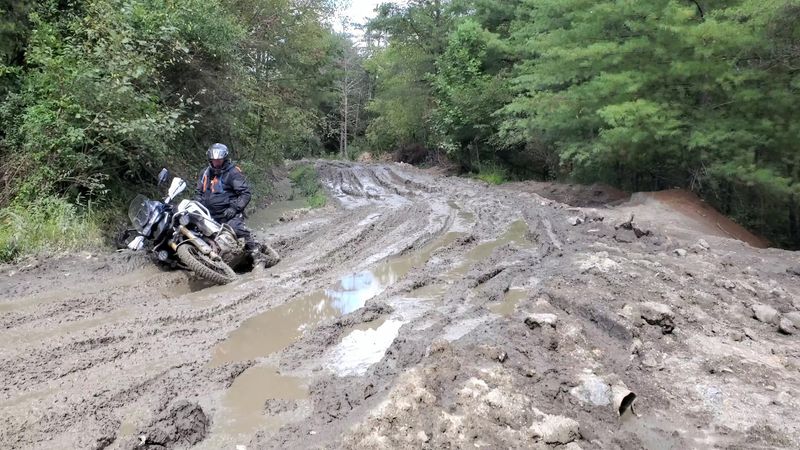
Wayne National Forest is one of the best places in the entire state to take your ATV out for a serious adventure. With hundreds of miles of designated off-road vehicle trails weaving through hills, hollows, and creek crossings, riders of all experience levels find exactly what they are looking for.
Seasonal passes are affordable and easy to obtain, making it a go-to destination for Ohio’s ATV community.
The Ironton ATV trail system is especially popular, drawing riders from across the region every weekend during riding season. Campgrounds like Begley’s have earned loyal fans thanks to their friendly staff, clean facilities, and perfect trail access.
Whether you are hitting fast straightaways or navigating technical hill climbs, the forest delivers. Just remember to stay on designated trails, pack out your trash, and respect the land so future riders can enjoy it just as much.
5. Wildlife That Will Stop You Right in Your Tracks
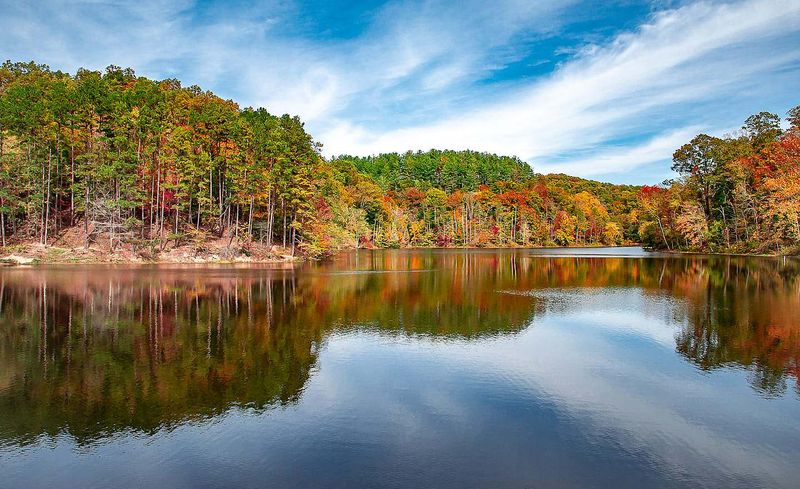
You never quite know what you will encounter around the next bend in Wayne National Forest. White-tailed deer, wild turkey, red foxes, and even black bears have been spotted throughout the forest’s vast acreage.
Birdwatchers will be thrilled by the variety of songbirds, hawks, and owls that call this place home through every season of the year.
Spring is especially magical, when wildflowers carpet the forest floor and migratory birds fill the treetops with sound. The forest also supports healthy populations of reptiles, amphibians, and aquatic life in its many streams and ponds.
One owner of property near the forest boundary put it simply: “Beware of beautiful wildlife and enjoy your visit.” Wildlife viewing here does not require a guide or special gear. Just slow down, stay quiet, and let the forest reveal itself at its own unhurried pace.
6. Lake Vesuvius: A Hidden Gem Worth Every Step
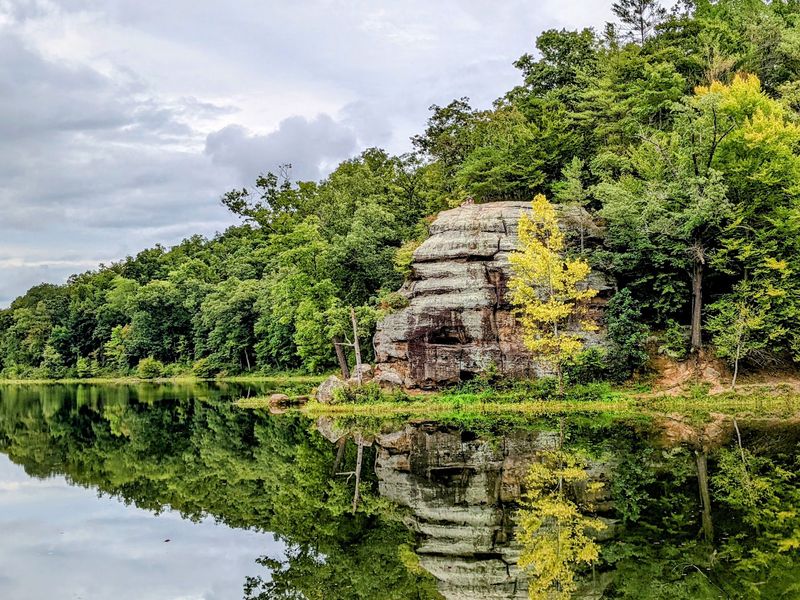
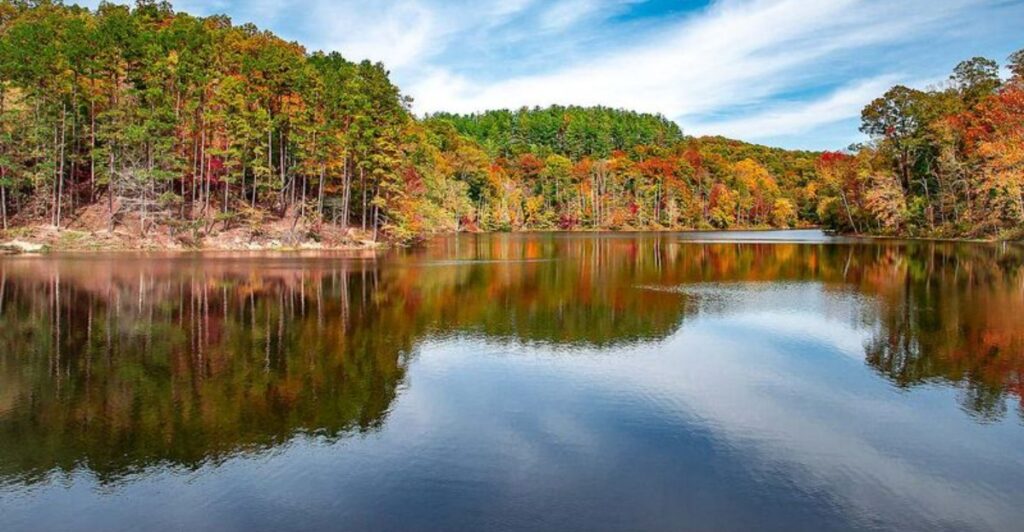
Nestled inside the Athens Ranger District, Lake Vesuvius is one of the most beloved spots in all of Wayne National Forest. Built by the Civilian Conservation Corps in the 1930s, this 143-acre lake sits surrounded by forested ridges that reflect beautifully on its calm surface.
Day hikers frequently rate it among the top outdoor experiences in southeastern Ohio.
The recreation area around the lake offers swimming, fishing, boating, and several well-maintained hiking loops. Trails range from easy shoreline walks to more challenging ridge routes that reward climbers with sweeping views of the water below.
Fishing enthusiasts will find bass, bluegill, and catfish ready to bite. Whether you spend an hour or an entire weekend, Lake Vesuvius has a relaxed, timeless quality that keeps visitors coming back year after year.
Pack a picnic lunch and settle in because leaving early will feel like a mistake.
7. A Living Record of Ohio’s Coal Mining Past
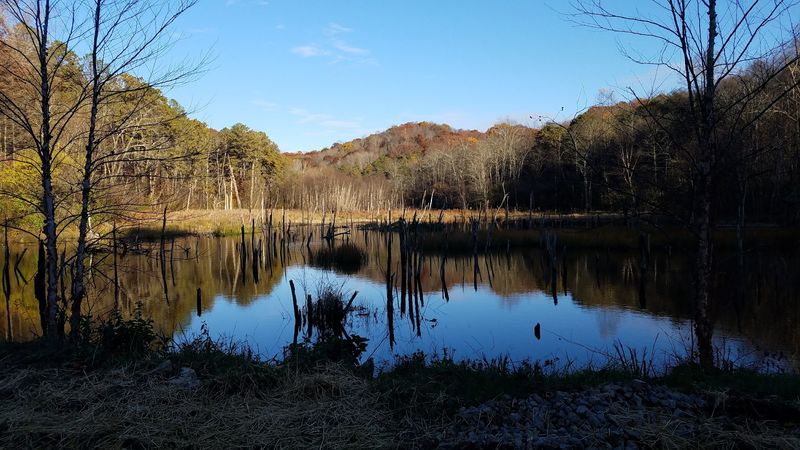
Wayne National Forest carries a complicated and fascinating history written right into its landscape. Much of the land was once heavily mined for coal during the late 1800s and early 1900s, leaving behind scarred earth and eroded hillsides.
The federal government purchased the land and began a long restoration process that continues to this day, slowly returning the forest to its natural state.
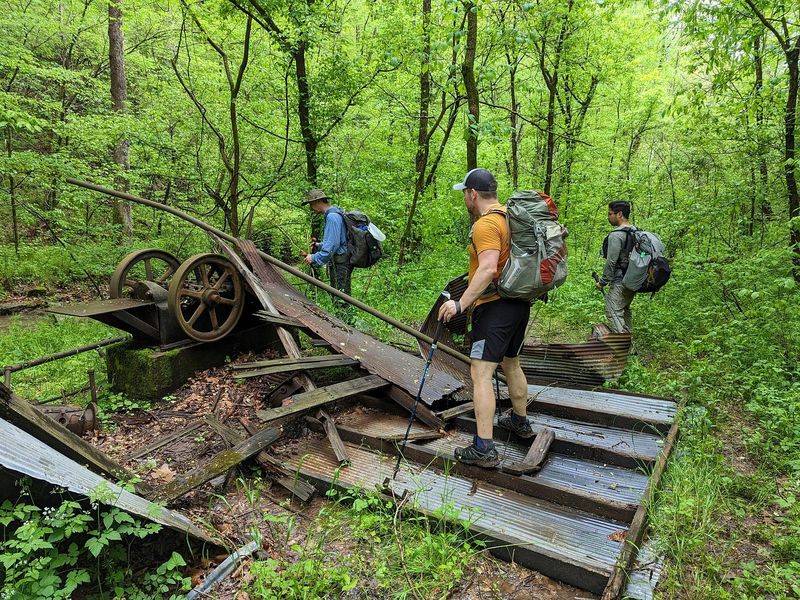
Old mine entrances, rusted equipment, and reclaimed strip mine areas are scattered throughout the forest, serving as quiet reminders of a harder industrial era. Some trails pass directly through these areas, offering a striking contrast between past damage and present-day recovery.
Learning about this history adds real depth to a visit here. The forest’s comeback story is genuinely inspiring, showing what patience, conservation effort, and time can accomplish when humans commit to healing the land they once harmed.
8. Planning Your Visit: Tips to Make the Most of It
A little preparation goes a long way when visiting Wayne National Forest. The forest is split into three ranger districts: Athens, Ironton, and Marietta.
Each district has its own character, trail systems, and access points, so deciding which area fits your plans before you arrive saves a lot of time and confusion on the road.
Download trail maps in advance or pick them up at a ranger station, since some areas have limited cell service and signage can be sparse in remote sections. Always carry water, a first aid kit, and a fully charged phone or GPS device.
Checking seasonal closures and road conditions beforehand is also smart, since some access roads are unpaved and can become difficult after heavy rain. The forest is open year-round, with spring and fall being the most popular seasons for hiking.
Summer is ideal for lake activities, and winter brings a quiet, frosty beauty all its own.
Share this story