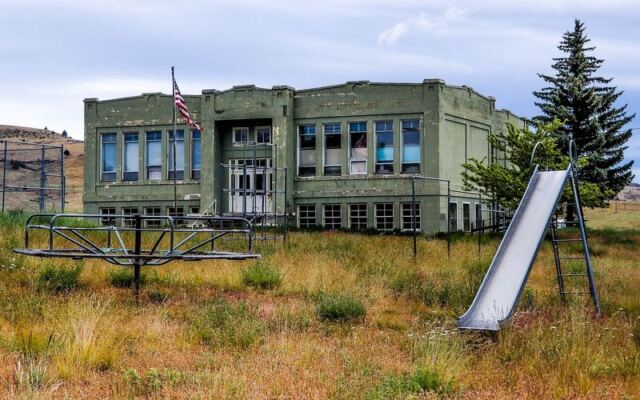
Some Oregon towns count their residents in the thousands. One counts them on a single page, with room to spare. Out in the open country of north-central Oregon sits a community so small that the 2020 census found just 37 people living there.
With so few porch lights and no city glow on the horizon, the night sky gets a rare chance to take center stage. This place started as a stop for stagecoaches and freight wagons more than 150 years ago, and it has held on ever since. Familiar places like this one are worth knowing about, and worth protecting.
Keep reading to learn where it is, how it began, why its skies stay so dark, and how to plan a respectful night under the stars.
A Dot on the Wasco County Map
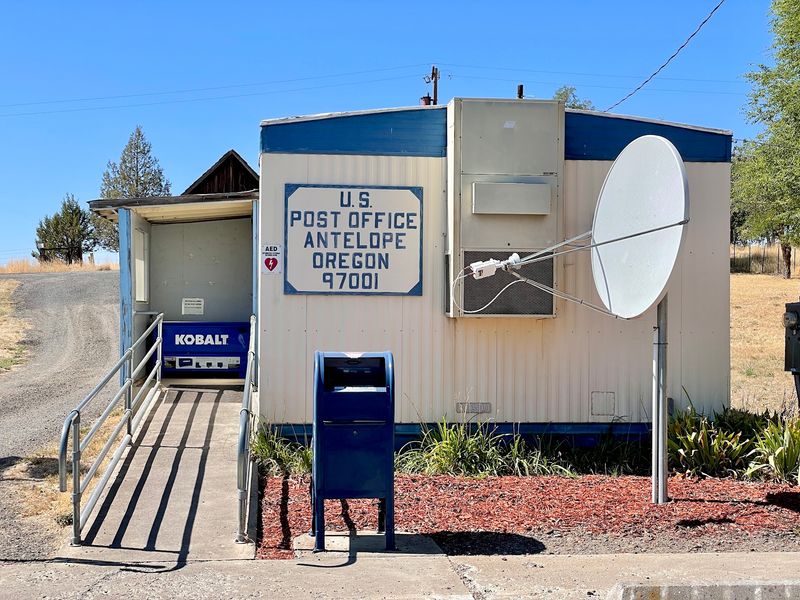
Finding it takes a little intention. The town of Antelope sits in rural Wasco County, with the mailing address Oregon 97001, USA.
That short address says a lot. There is no long street number to memorize, because the town itself is the landmark.
Antelope is an official city, not just a cluster of houses. It carries the full title of the City of Antelope, which makes it one of the smaller incorporated places in the state.
Wasco County covers a large stretch of north-central Oregon. Much of it is open, lightly settled land, and Antelope fits right into that pattern.
The location matters for anyone chasing dark skies. Big cities produce a dome of artificial light that can wash out faint stars for many miles in every direction.
A remote town with only a few dozen residents produces very little of that glow. Fewer lights on the ground means more stars overhead, which is the whole reason a trip out here can pay off after sunset.
Before any of that stargazing talk, though, it helps to know how this tiny place ended up on the map at all. The answer begins with wagons.
Born at a Stagecoach Stop
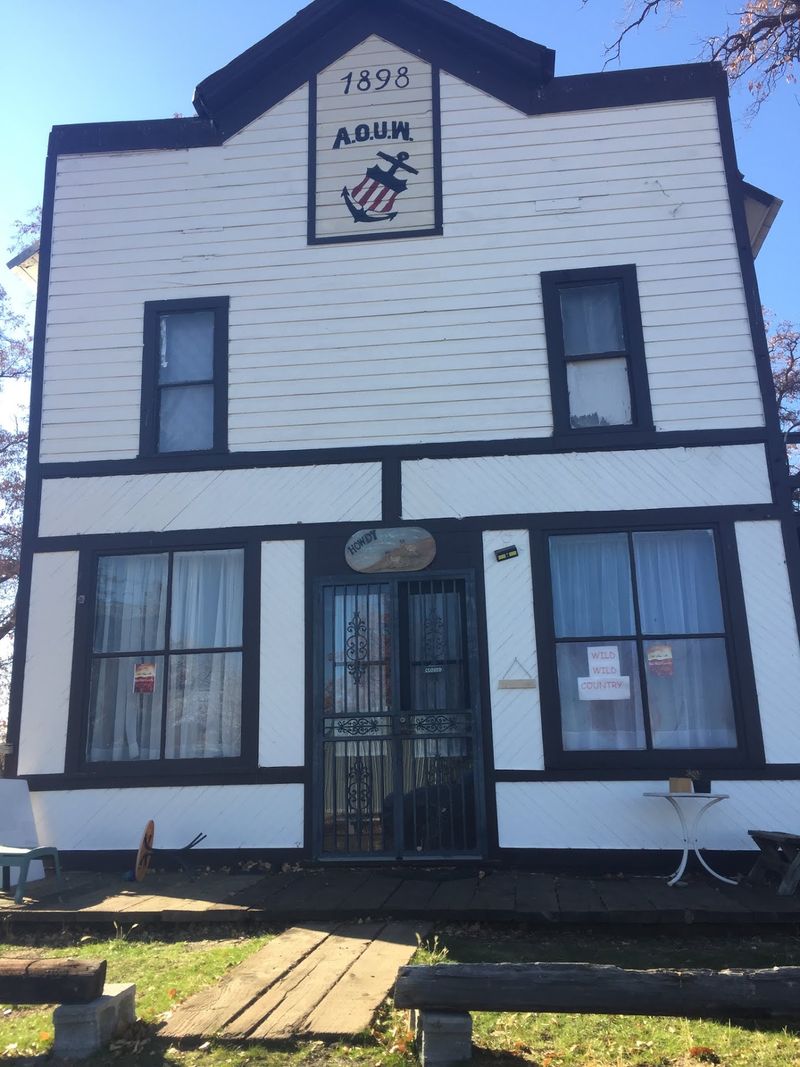
Back in 1872, travel in this part of Oregon moved at the speed of horses. Antelope was established that year as a stop on a stage and freight wagon road.
The route was known as the old Dalles to Canyon City Trail. It linked The Dalles, near the Columbia River, with Canyon City farther to the southeast.
Stops along routes like this served a practical purpose. Travelers, drivers, and teams needed places to rest, and freight needed places to pause along the way.
Antelope grew out of that need. It was not planned as a grand destination, but as a useful point on a long road.
That origin story still shapes the town today. Its existence was tied to movement and connection, even though it now feels wonderfully far from everything.
There is a quiet irony in that. A place founded to help people pass through has become a place worth driving out to on purpose.
Wagons gave Antelope its start. A legal milestone nearly three decades later gave it staying power.
The 1901 Promotion to City Status
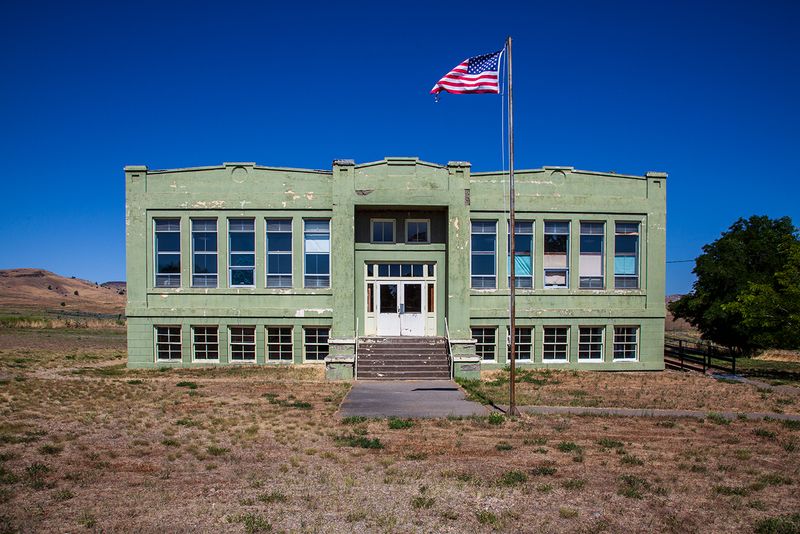
Twenty-nine years after the first wagons stopped here, the settlement made things official. In 1901, it was incorporated as the City of Antelope.
Incorporation is a big step for any community. It means local residents can form their own government and handle certain matters for themselves.
For a place this size, that status is a point of pride. Many rural spots across Oregon remained unincorporated, but Antelope earned its city title early in the twentieth century.
That title has outlasted a lot of change. Transportation shifted away from stagecoaches, roads changed, and the region kept its open, sparsely settled character.
Through all of it, Antelope stayed on the books as a city. More than 120 years later, it still holds that designation with only a few dozen residents.
It is a good reminder that city does not have to mean crowded. Here, the word comes with wide horizons, long quiet nights, and a population that would fit comfortably in a single classroom.
Speaking of that population, the latest count tells a story of its own.
Thirty-Seven Neighbors and Counting
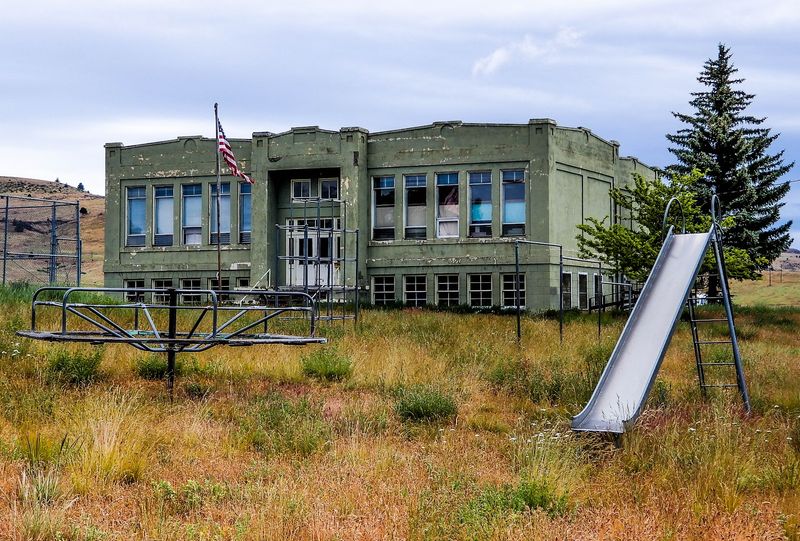
Numbers do not get much more personal than this. As of the 2020 census, Antelope had a population of 37.
That figure puts the town in rare company. Plenty of apartment buildings hold more people than this entire city.
For Oregonians who care about small communities holding on, Antelope is a striking example. A city founded in the 1870s still exists, still has residents, and still keeps its name on the map.
A population this small also explains the darkness the town is known for. Every home, streetlight, and business adds a little light to the night, and Antelope simply does not have many of them.
The result is a nighttime setting that larger towns cannot match. When the sun goes down, there is little standing between the ground and the stars.
It also means the town is a home first and an attraction second. The people who live here are the ones who keep it going, which is worth remembering on any visit.
So what exactly does all that missing light make possible? The answer is overhead.
Why Fewer Lights Mean More Stars
Light pollution is the main enemy of a good night sky. It is the glow created when artificial light spills upward and scatters through the atmosphere.
In and around large cities, that glow can hide all but the brightest stars. Many people living in urban areas rarely see the Milky Way at all.
Remote places flip that situation around. With few artificial lights nearby, faint stars and the band of the Milky Way become far easier to spot.
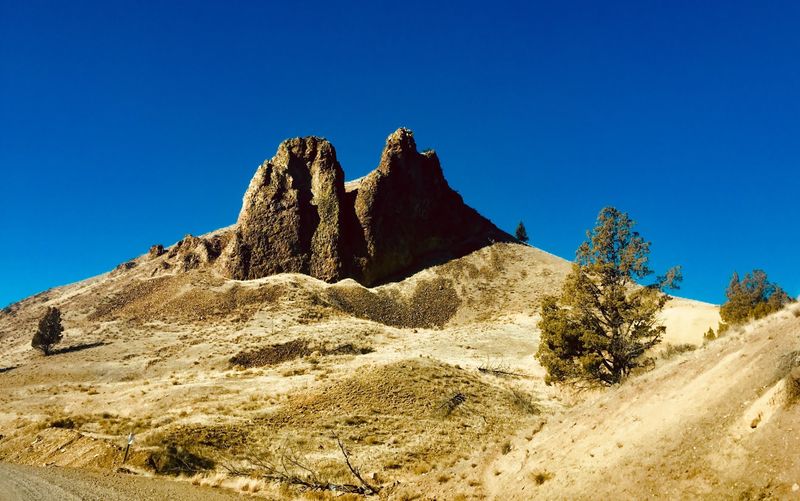
Antelope benefits from two things at once. It has very few residents, and it sits in a rural county where much of the surrounding land is lightly settled.
That combination keeps local light low. Distance from major cities helps keep the larger glow on the horizon in check too.
None of this requires special equipment to appreciate. A clear night and a little patience are often enough to see a sky packed with far more stars than most people are used to.
Of everything that darkness reveals, one feature stands out above the rest.
The Milky Way Over Main Street
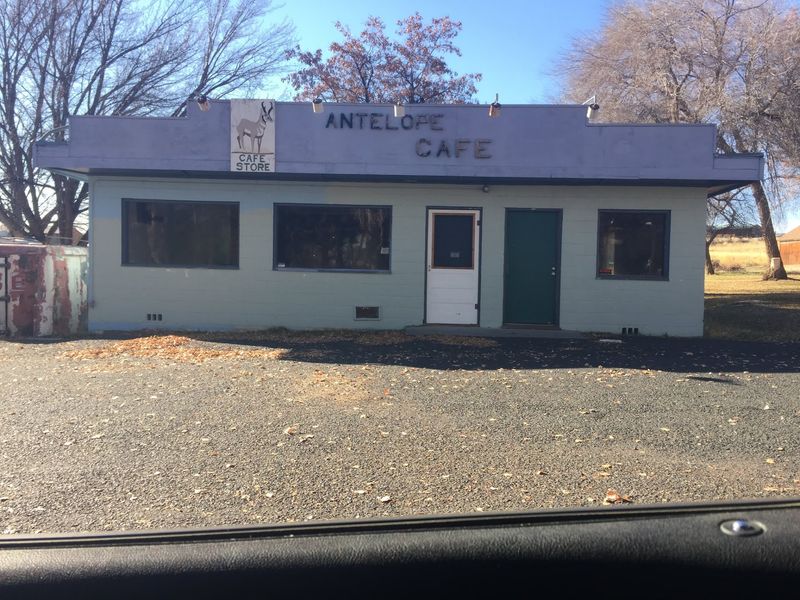
Most main streets are lit by signs and storefronts. In a town of 37, the brightest thing above the road on a clear, moonless night can be our own galaxy.
The Milky Way appears as a long, pale band stretching across the sky. It is made of the combined light of countless distant stars within our galaxy.
Seeing it clearly depends almost entirely on darkness. Even moderate light pollution can make it fade or vanish.
That is what makes a place like Antelope special. With so little artificial light, the band has a real chance to show up right above the town itself.
There is something fitting about it. A town that began as a stop on a long road now sits beneath one of the longest features in the sky.
For photographers, a few buildings in the foreground can add a sense of place to a night sky shot. For everyone else, simply looking up is the main event.
Getting the best view, however, takes a bit of planning around the calendar.
Timing the Darkest Nights
Even the darkest town has a natural rival. The moon can brighten the sky enough to hide faint stars, especially when it is full.
For the best Milky Way views, many stargazers aim for nights close to the new moon. During that phase, the moon gives off little or no light in the night sky.
Another good option is planning for hours when the moon has already set or has not yet risen. A quick check of a moon phase calendar makes this easy.
Season matters too. In the Northern Hemisphere, the brightest central part of the Milky Way is generally best seen from late spring through early fall.
Weather plays the final role. Clouds can block the view no matter how dark the location is, so checking the forecast before heading out is smart.
Arriving well before full darkness has its own benefit. It allows time to find a safe, legal spot to stop while there is still enough daylight to see the area.
Once the timing is right, there is one more step that many first-timers skip.
Giving Your Eyes Time to Catch Up
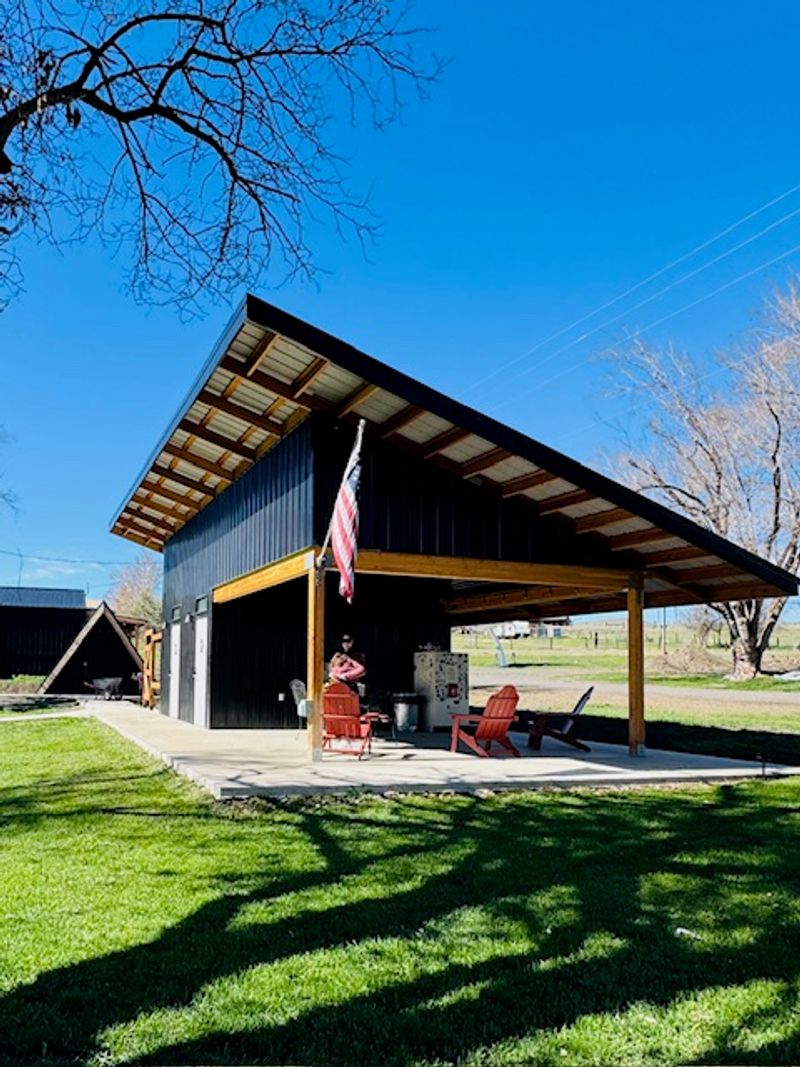
Patience pays off under a dark sky. Human eyes need time to adjust to darkness, and full adjustment can take around 20 to 30 minutes.
During that period, more and more stars become visible. Someone who looks up for only a minute or two may miss much of what the sky has to offer.
Bright screens can undo that progress quickly. A glance at a phone at full brightness can reset much of the adjustment.
Many stargazers use red flashlights for this reason. Red light helps people see what they are doing while having less impact on night vision.
Turning phone screens to their lowest brightness or using a night mode can also help. Keeping car headlights off while parked, when it is safe and legal, makes a difference for everyone nearby.
These small habits matter even more in a place as dark as Antelope. The less light added, the more of the sky stays visible.
Of course, the town is only one part of the setting. The land around it plays a role as well.
Open Country in Every Direction
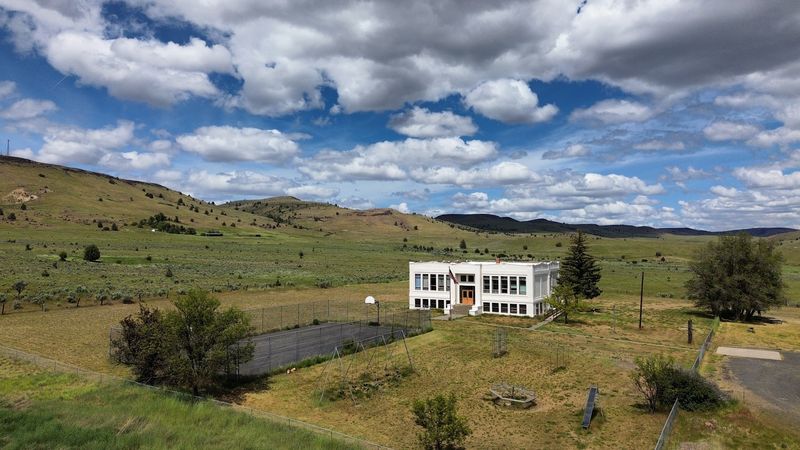
Antelope is surrounded by the kind of space that has become rare in much of the country. Rural Wasco County offers wide stretches of lightly settled land.
That openness is part of what makes the town feel so far removed. It also helps explain why the night sky stays so dark here.
Daytime travel through the region has its own appeal. Long drives through rural Oregon give a clear sense of how the old wagon routes once connected distant communities.
The historic Dalles to Canyon City Trail is a useful lens for this. Thinking about the distances those freight wagons covered makes a modern drive feel quite comfortable by comparison.
Much of the surrounding land is private property. Travelers should stick to public roads and areas where stopping is clearly allowed.
That respect for the land goes hand in hand with respect for the people who live here. In a town of 37, every visitor makes an impression.
Which brings up a few simple ways to be a good guest.
Good Manners for a Very Small Town
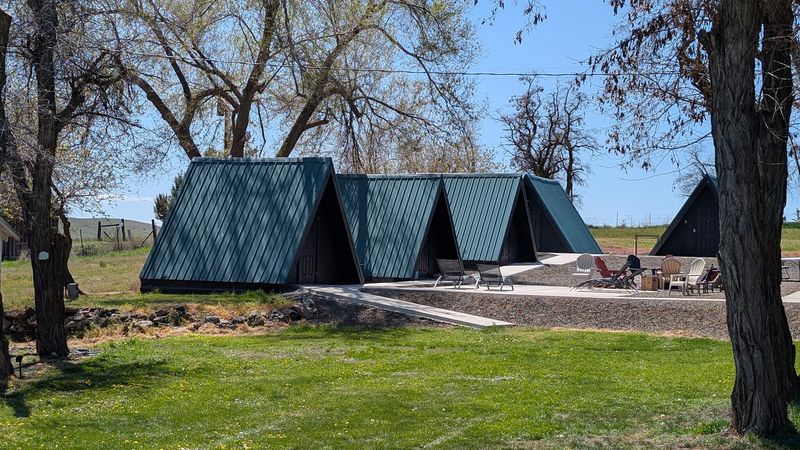
Small towns run on trust. When a community has only a few dozen residents, each car that pulls in after dark gets noticed.
The kindest approach is to stay quiet and keep a low profile. Late-night conversations, slamming doors, and loud music can carry in a place with so little background activity.
Parking only in legal, public spots is essential. Driveways, private land, and anywhere that blocks traffic are off limits.
Light courtesy matters too. Shining flashlights or headlights toward homes is a quick way to disturb residents and ruin the darkness for others.
Leaving no trace is the final piece. Everything brought in should leave again, including all trash.
Following these habits helps protect what makes Antelope worth visiting. A town that has lasted since 1872 deserves guests who help it stay just the way it is.
With manners covered, the next question is practical: what should a trip out here actually look like?
Planning the Drive Out
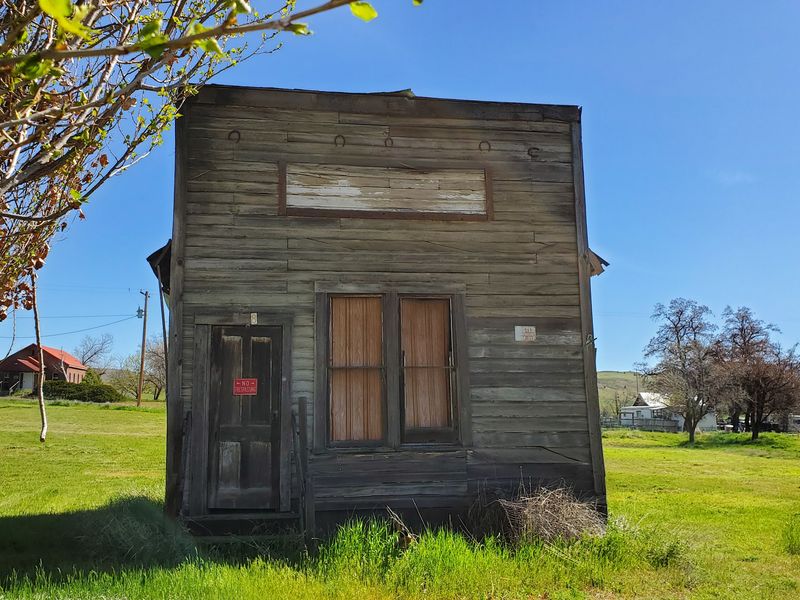
A little preparation goes a long way in rural Oregon. Antelope is a small city, not a staffed attraction, so there are no posted hours or admission prices for simply visiting the town.
That freedom comes with responsibility. Travelers should plan for the fact that services in a town of 37 are limited.
Filling up on fuel before leaving a larger town is wise. Packing water, snacks, and any other supplies needed for the evening is equally smart.
Cell service can be unreliable in remote areas. Downloading maps ahead of time and letting someone know the travel plan adds peace of mind.
Nights in open country can get chilly, even after warm days. Bringing extra layers makes a long stretch of stargazing much more comfortable.
A folding chair, a blanket, and a red flashlight round out a simple kit. Binoculars are a nice bonus for scanning the Milky Way.
Checking road conditions and weather before departure is the last step. Then all that remains is to head out and wait for dark.
A Quiet Case for Keeping Antelope Dark
Some places earn attention by growing bigger. Antelope has earned it by staying small.
Founded in 1872 at a stop on the old Dalles to Canyon City Trail and incorporated in 1901, it has held its place on the map for generations. Today, 37 residents keep that story going.
That small size is exactly what gives the town its extraordinary nights. With very little artificial light, the Milky Way has a real chance to stretch across the sky above its streets.
Places like this are part of what makes Oregon feel like Oregon. They are familiar, rooted, and worth caring about.
A respectful visit can be a way to appreciate that. Planning around the moon, keeping lights low, staying quiet, and leaving nothing behind all help protect both the town and its sky.
Antelope is not a theme park or a resort. It is a real community under a remarkably dark sky.
For anyone willing to make the drive and wait patiently for nightfall, the reward is simple and lasting: a few dozen neighbors, a historic name, and a whole galaxy overhead.
Share this story