Tennessee’s lakes and rivers create some of the most peaceful spots for spreading out a blanket and enjoying a meal outdoors. State parks across the region protect miles of shoreline where families can relax beside calm waters, watch boats drift past, or simply listen to waves lap against the rocks.
Whether you’re looking for a quiet cove surrounded by forest or a sunny spot near a beach, these parks offer the perfect combination of natural beauty and easy access to waterfront dining areas that make packing a picnic basket worthwhile.
1. Harrison Bay State Park, Harrison
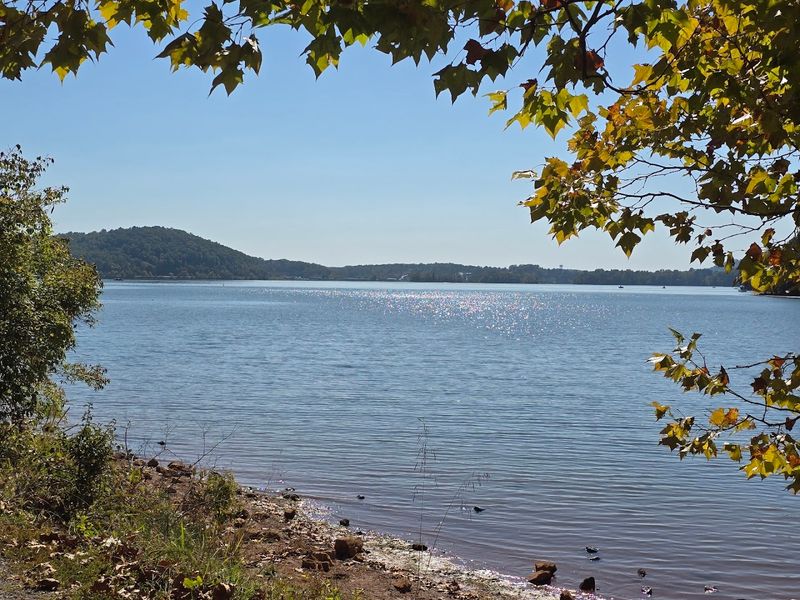
Chickamauga Lake stretches out before you at Harrison Bay, offering over 1,200 acres of water to admire while you unpack sandwiches and cold drinks. The park sits on a peninsula that juts into the lake, giving you water views from almost every angle. Tall trees provide plenty of shade on hot summer days, and the breeze coming off the lake keeps things comfortable even when temperatures climb.
Several designated picnic areas are scattered throughout the park, many positioned right along the shoreline. You can choose a table close to the swimming beach if you want to combine your meal with a quick dip, or find a more secluded spot farther down the trail. The park also features a marina where sailboats and fishing vessels come and go, adding a bit of movement to the peaceful water scenery.
Families appreciate the playground equipment near one of the main picnic zones, which means kids can burn off energy before settling down to eat. Grills are available if you want to cook hot dogs or burgers on-site. The fishing pier extends out over the water, offering another vantage point for those who want to enjoy their meal with a fishing rod in hand.
Wildlife sightings are common here—herons and egrets wade in the shallows, and turtles sun themselves on logs near the shore. The park’s relatively flat terrain makes it easy to haul a cooler from your car to your chosen spot.
2. Paris Landing State Park, Buchanan
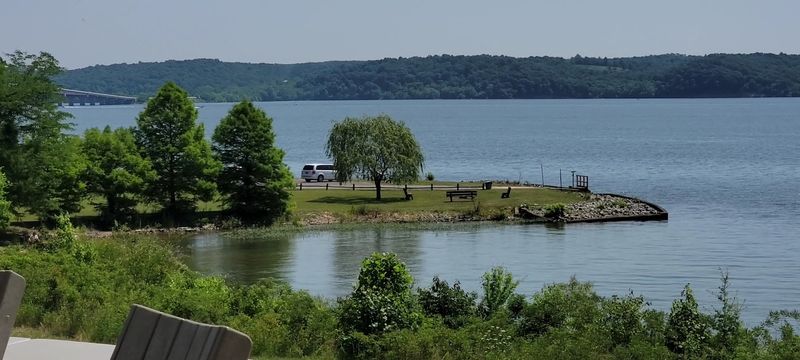
Kentucky Lake dominates the landscape at Paris Landing, creating one of the largest and most impressive water views you’ll find at any Tennessee state park. This massive reservoir stretches for miles in every direction, and the park’s picnic areas take full advantage of that expansive scenery. Open lawns slope gently down toward the water, giving you unobstructed sightlines while you enjoy your meal.
The park maintains several pavilions that can be reserved for larger gatherings, but plenty of individual tables are available on a first-come basis. Many visitors prefer the tables positioned near the inn, where manicured grounds meet the natural shoreline. The combination of maintained grass and wild lake edge creates an appealing contrast that makes for great photos.
Boaters frequently pass by just offshore, and you might see water skiers cutting across the lake’s surface or fishermen trolling for bass. Walking trails connect different sections of the park, so you can take a post-meal stroll along the water’s edge to aid digestion.
Spring brings wildflowers to the surrounding woods, while fall transforms the hillsides into a patchwork of red and gold. The park’s golf course borders some picnic areas, adding another layer of green space to the already scenic setting.
3. Reelfoot Lake State Park, Tiptonville
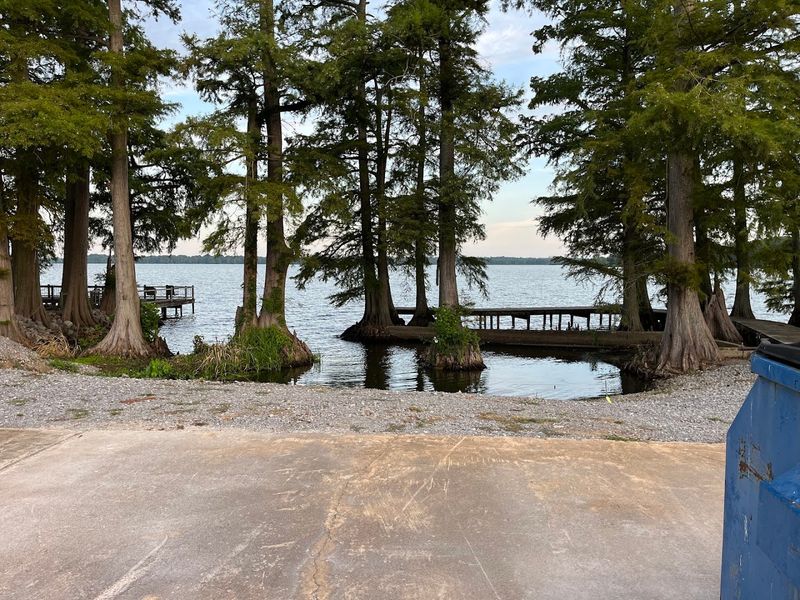
Reelfoot Lake looks like no other body of water in Tennessee—cypress trees rise directly from the shallow water, their knobby knees breaking the surface and creating an otherworldly landscape. Formed by earthquakes in the early 1800s, this natural lake attracts thousands of migratory birds and supports a unique ecosystem that makes every picnic feel like an adventure into wilderness.
The park’s picnic areas overlook sections of the lake where bald eagles nest in winter and pelicans gather in summer.
Spanish moss drapes from tree branches, adding a touch of the Deep South to Northwest Tennessee. The water itself is calm and murky, stained dark by tannins from decaying vegetation. This might sound unappealing, but it creates a mysterious atmosphere that’s completely different from the clear blue lakes elsewhere in the state.
Picnic tables are positioned on higher ground overlooking the flooded forest, giving you a bird’s-eye view of the action below. Bring binoculars if you’re a wildlife enthusiast—the bird-watching opportunities here are unmatched anywhere else in Tennessee. Great blue herons stalk through the shallows, and you might spot an alligator snapping turtle surfacing for air.
Evening picnics are magical when the setting sun filters through the cypress branches and reflects off the still water.
4. Rock Island State Park, Rock Island
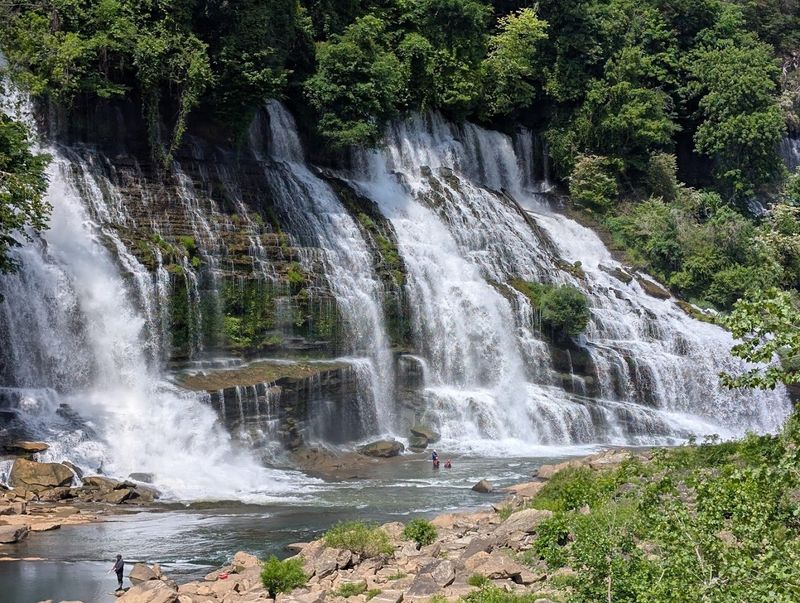
Waterfalls thunder into the Caney Fork River at Rock Island, creating a dramatic backdrop for picnicking that you won’t find at flatter lakeside parks. The Caney Fork Gorge cuts deep through limestone bedrock here, forming cliffs and rapids that make this one of the most visually striking state parks in Tennessee.
Your picnic comes with a soundtrack of rushing water and the occasional whoop from swimmers jumping into the river’s deep pools below the falls.
The Great Falls Dam towers above one section of the park, a reminder of the river’s power and the engineering required to harness it. Picnic areas are spread across different elevations, so you can choose between riverside tables near the swimming area or higher spots that offer panoramic views of the gorge. Stone walls and staircases built by the Civilian Conservation Corps in the 1930s add historical character to the landscape.
Twin Falls creates a natural water slide that’s become legendary among locals, and watching people ride the current provides free entertainment during your meal. The Collins River joins the Caney Fork within the park boundaries, doubling the amount of moving water and creating even more scenic interest.
Hiking trails lead to overlooks where you can see multiple waterfalls at once, making this a good destination for active families who want to work up an appetite before eating. The combination of vertical rock faces, white water, and deep green pools creates a color palette that changes throughout the day as sunlight shifts across the gorge.
5. Fall Creek Falls State Park, Spencer
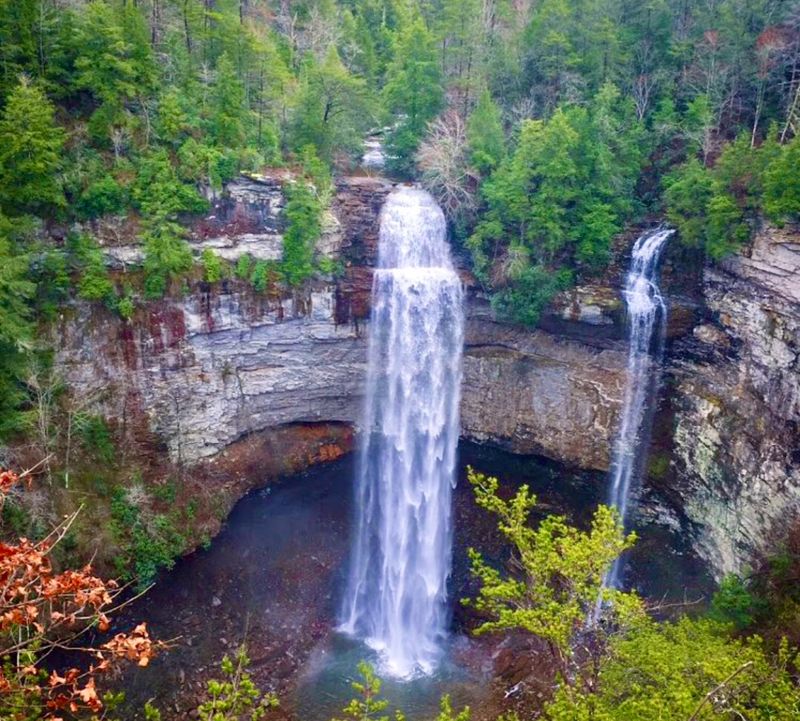
At 256 feet, Fall Creek Falls ranks among the tallest waterfalls east of the Mississippi River, and the park surrounding it spans more than 26,000 acres of Cumberland Plateau wilderness. Multiple lakes are scattered throughout this massive park, giving you choices between dramatic gorge overlooks and peaceful lakeside picnic spots.
The scale of everything here is impressive—the waterfalls are taller, the gorges deeper, and the forests more extensive than at most other Tennessee parks.
Fall Creek Lake offers the most traditional picnic experience, with tables positioned along the shoreline and a swimming beach nearby. Rental boats and paddleboards are available if you want to explore the lake after eating. But the real draw is the waterfall overlooks, where you can spread a blanket on flat rocks and eat lunch while watching thousands of gallons of water plunge into the misty gorge below.
Four other significant waterfalls are accessible via hiking trails that range from easy to challenging. Piney Falls and Cane Creek Falls each have their own character and viewing areas. The park’s Nature Center sits near one picnic zone and offers exhibits about the area’s geology and ecology if you want to learn while you’re here.
Overnight camping options mean you can extend your picnic into a weekend adventure. The park village includes a restaurant and inn, but most visitors prefer packing their own food to enjoy at the numerous scenic spots.
6. Panther Creek State Park, Morristown
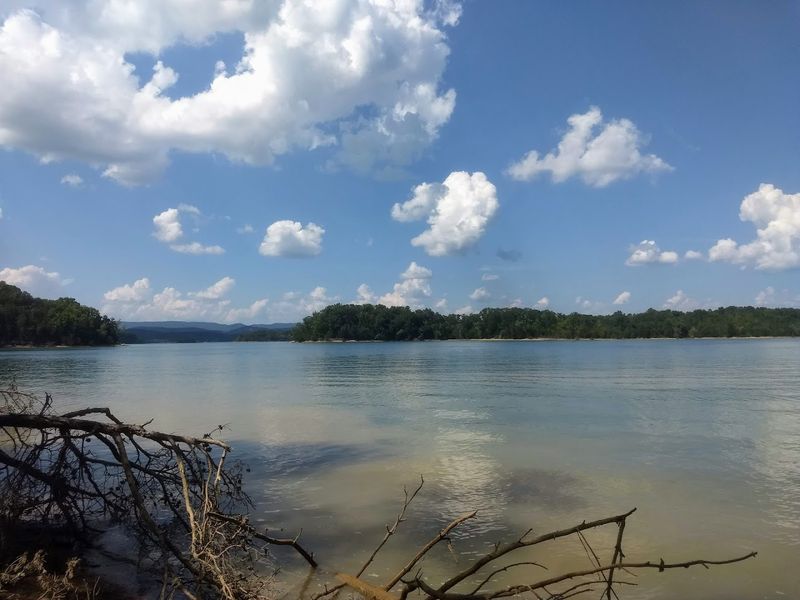
Cherokee Lake’s 30 miles of shoreline wind through East Tennessee hill country, and Panther Creek State Park protects some of the prettiest stretches. The park’s name comes from the creek that flows into the lake, creating coves and inlets that are ideal for quiet picnicking away from the main beach area. Mountains rise in the distance across the water, giving you a sense of the broader landscape beyond the immediate shoreline.
The park maintains an extensive network of picnic facilities, from single tables tucked into wooded spots to large pavilions that can accommodate family reunions. Many tables sit directly on the lake’s edge, where you can watch the water lap against the shore between bites of your sandwich. The park’s relatively remote location means it’s less crowded than state parks closer to major cities, even on summer weekends.
A marina and boat ramp attract fishing enthusiasts who come for the lake’s bass, crappie, and catfish populations. You might see tournament fishermen zipping past in bass boats or families drifting along in pontoons. The park also features an Olympic-sized swimming pool in addition to lake swimming, giving you options depending on your comfort level with natural water.
Hiking and mountain biking trails crisscross the park’s 1,435 acres, offering opportunities to explore beyond the immediate picnic area. Some trails lead to secluded coves where you could have an entire section of shoreline to yourself. Wildlife is abundant—deer, wild turkeys, and various waterfowl are commonly spotted.
7. Big Ridge State Park, Maynardville
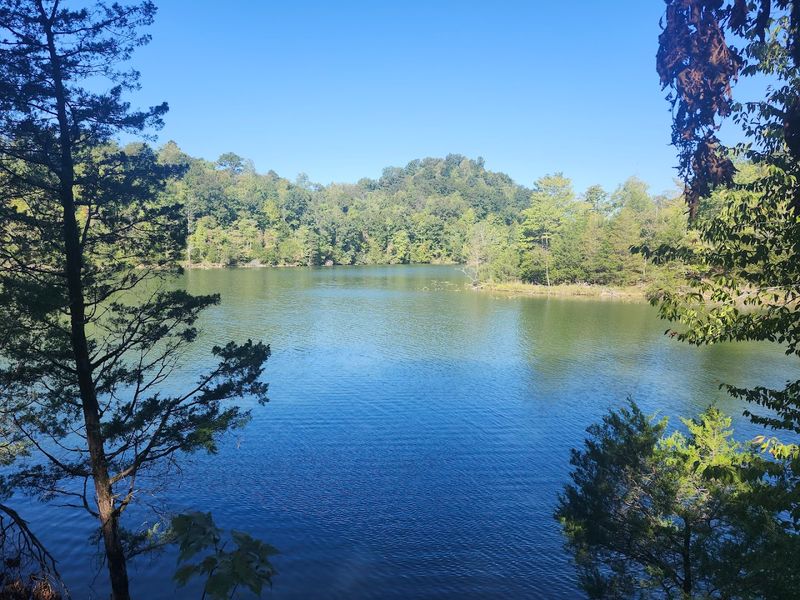
Norris Lake’s clear, deep water fills the valleys around Big Ridge State Park, creating a landscape of forested ridges and protected coves. This park offers a quieter, more intimate experience than some of the larger state parks—it’s the kind of place where you can hear birds singing over the water and watch dragonflies skim the lake’s surface.
The picnic areas feel tucked away, surrounded by mature hardwood forest that provides natural air conditioning on hot days.
The lake’s water quality is excellent thanks to TVA management, making it popular with swimmers and paddlers. Several small beaches dot the shoreline, and picnic tables are positioned to take advantage of these natural gathering spots. The park’s relatively small size means you’re never far from the water, no matter which trail or road you follow.
Big Ridge Lake, a separate smaller impoundment within the park, offers an alternative to the main reservoir. This quieter body of water attracts fewer motorboats and more wildlife, making it ideal for peaceful picnics where conversation isn’t drowned out by engine noise.
The park’s history dates back to the 1930s when the Civilian Conservation Corps built many of the stone structures and facilities still in use today. These historical elements add character that modern parks lack. Hiking trails range from short nature walks to longer ridge-top routes that offer occasional glimpses of the lake through the trees.
8. Natchez Trace State Park, Wildersville
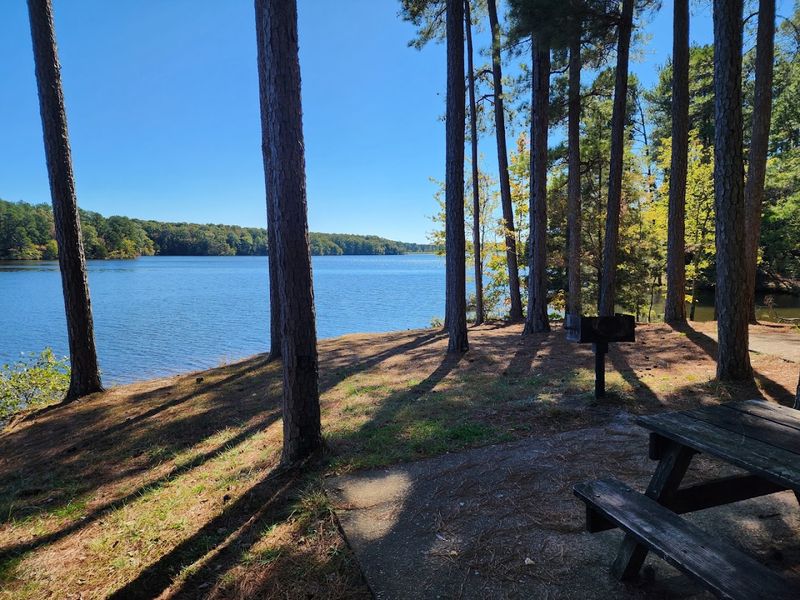
Four lakes spread across Natchez Trace State Park’s 48,000 acres, making this the largest state park in Tennessee and giving you multiple options for waterside picnicking. Pin Oak Lake serves as the centerpiece, surrounded by the park’s lodge, restaurant, and main recreational facilities. But Cub Lake, Brown’s Creek Lake, and Maple Creek Lake offer more secluded alternatives where you might have an entire shoreline to yourself on weekdays.
The park’s location in West Tennessee gives it a different character from mountain or plateau parks—the terrain rolls gently, and the forests include more oak and hickory. Pin Oak Lodge overlooks its namesake lake from a hillside, and the picnic areas below offer views back up toward the rustic stone and timber building.
Each of the four lakes has its own personality and ecosystem. Pin Oak is the most developed, with rental boats and a swimming beach. The other three are quieter, accessed by gravel roads that wind through the forest.
Cub Lake’s dam creates a waterfall effect that’s particularly photogenic after heavy rains.
The park’s name references the historic Natchez Trace, an ancient trail that once passed through this region, connecting Nashville to Natchez, Mississippi. Interpretive signs explain the area’s role in frontier history. Modern amenities include well-maintained restrooms, grills at most picnic sites, and trash collection that keeps the areas clean.
The park’s size means you can visit multiple times and picnic at a different lake each visit, experiencing varied scenery without leaving the park boundaries.
9. Edgar Evins State Park, Silver Point
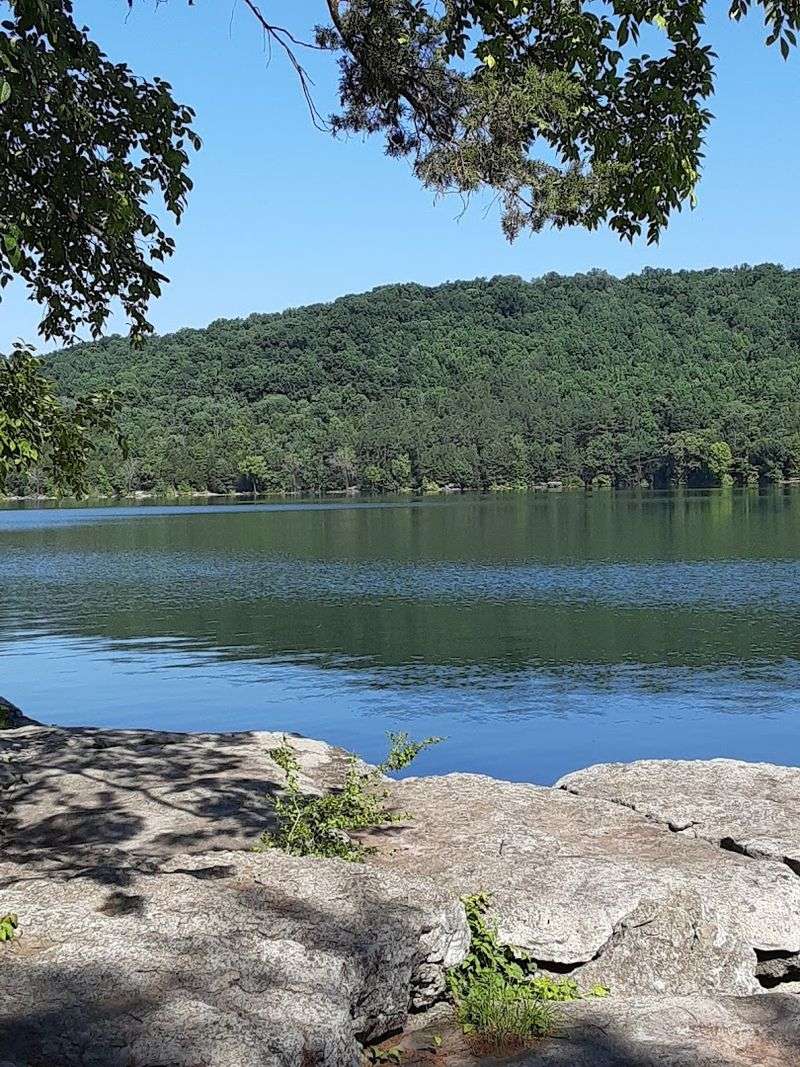
Center Hill Lake’s deep, clear water fills a valley carved by the Caney Fork River, creating steep, wooded hillsides that plunge down to the water’s edge. Edgar Evins State Park occupies a peninsula that extends into the lake, surrounded by water on three sides and offering constantly changing views as you move through the picnic areas.
A full-service marina anchors one end of the park, where cabin cruisers and houseboats dock alongside smaller fishing vessels. The picnic areas overlook this activity, giving you something to watch between courses of your meal.
The park’s campground and cabin areas are separated from the day-use zones, so picnickers get plenty of space without feeling crowded by overnight guests. Several pavilions can be reserved for group events, but numerous individual tables are scattered along the shoreline on a first-come basis. The hillside location means some picnic spots require a short walk from parking areas, but the views are worth the extra effort.
Hiking trails loop through the surrounding forest, offering opportunities to work off your meal while enjoying more lake vistas from different angles. The park’s location in Middle Tennessee makes it easily accessible from Nashville, yet it retains a remote feel once you’re inside the boundaries.
10. Pickwick Landing State Park, Counce
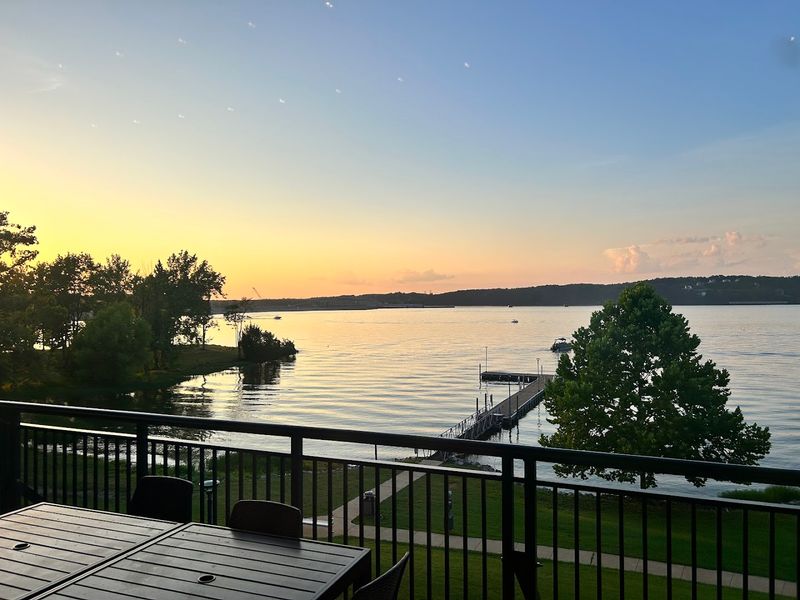
The Tennessee River widens into Pickwick Lake at the state’s southwestern corner, creating a water playground that’s popular with boaters from three states. Pickwick Landing State Park sits right on the main channel, where you can watch everything from kayakers to massive houseboats cruise past your picnic table.
The park’s beach area is one of the finest in the state park system, with actual sand imported to create a genuine beach experience rather than the rocky shores common at other Tennessee lakes.
The inn and conference center occupy the high ground overlooking the lake, and the picnic areas spread out below along the shoreline. A championship golf course adds another recreational dimension, and you might see golfers teeing off on lakeside holes while you’re eating lunch. The park’s southern location means longer summers and milder winters, extending the picnic season compared to parks in the mountains.
Pickwick Dam is visible from some vantage points, a massive concrete structure that creates the lake and generates hydroelectric power. Below the dam, the tailwaters are famous for smallmouth bass fishing, and you’ll often see anglers wading the current or drifting in boats.
The park maintains extensive facilities including multiple pavilions, dozens of individual tables, and numerous grills. The beach’s bathhouse provides showers and changing rooms, making this a good destination for combining swimming with picnicking.
The park’s proximity to Shiloh National Military Park makes it possible to combine a history lesson with your outdoor meal.
11. Cove Lake State Park, Caryville
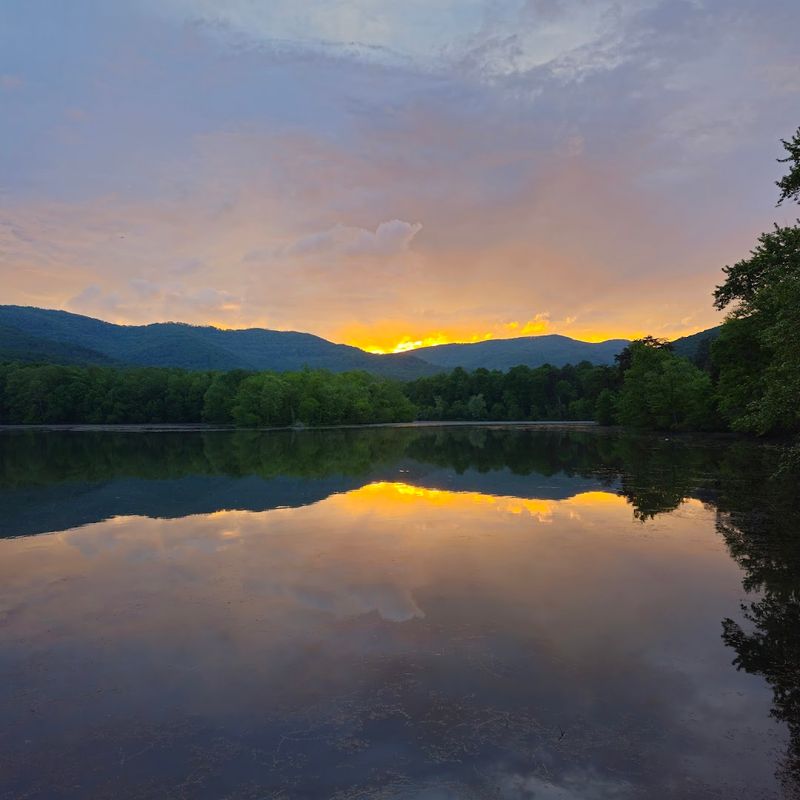
Cove Lake sits in a narrow valley between mountain ridges in the Cumberland Mountains, creating an intimate setting that feels more like a mountain pond than a typical state park lake. The water is calm and often mirror-smooth, reflecting the surrounding peaks and whatever clouds happen to be drifting overhead. This small park packs impressive scenery into a compact area—you can walk the entire lake perimeter in under an hour, passing multiple picnic spots along the way.
The park was created around a lake that originally served as a water source for the nearby railroad town of Caryville. That industrial heritage is long gone, replaced by a peaceful natural area that attracts migrating waterfowl and nesting songbirds. A boardwalk extends over a marshy section of the lake, offering a different perspective and access to areas that would otherwise be unreachable.
Picnic tables are positioned at regular intervals around the lake, most with views across the water to the mountains beyond. The park’s compact size means you’re never far from your car, which is convenient when you realize you forgot the mustard or need to grab a sweater. A small restaurant operates near the park entrance, providing a backup option if your packed lunch doesn’t work out.
The lake supports a healthy population of fish, and you’ll often see anglers casting from the shore or from small boats. Turtles sun themselves on logs, and great blue herons stalk the shallows hunting for minnows.
12. Tims Ford State Park, Winchester
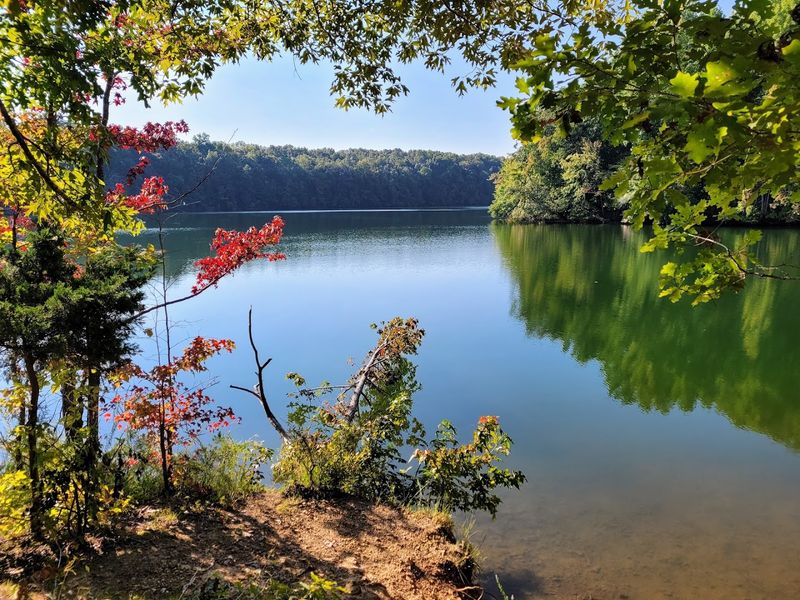
Tims Ford Lake’s reputation for clarity and beauty draws visitors from across the region, and the state park protects some of the reservoir’s most scenic shoreline. The Elk River was dammed to create this lake in the 1970s, flooding valleys and creating a complex shoreline of coves and points that total more than 250 miles. The state park occupies a prime section where multiple coves provide sheltered picnic spots with calmer water than the main lake channel.
A modern marina serves as the activity hub, with a ship’s store, boat rentals, and fuel dock. The picnic areas spread out from this central point, offering options from busy, social spots near the marina to quieter tables tucked into wooded areas farther along the shore. The water’s exceptional clarity comes from the reservoir’s depth and the relatively undeveloped watershed upstream, making swimming particularly appealing.
The park’s campground and cabin areas are substantial, but day-use facilities receive equal attention from park managers. Multiple pavilions with electricity can be reserved for group gatherings, and each features nearby playground equipment for children. The combination of facilities makes this a popular destination for family reunions and company picnics.
Hiking trails connect different sections of the park, and mountain biking is permitted on designated routes. The terrain rolls pleasantly without the steep climbs found in mountain parks, making this accessible for casual hikers. Wildlife viewing opportunities abound—white-tailed deer are common, and the lake attracts various waterfowl depending on the season.
The park’s location near Winchester provides easy access to small-town dining and supplies if you need to supplement your packed provisions.
13. Pickett CCC Memorial State Park, Jamestown
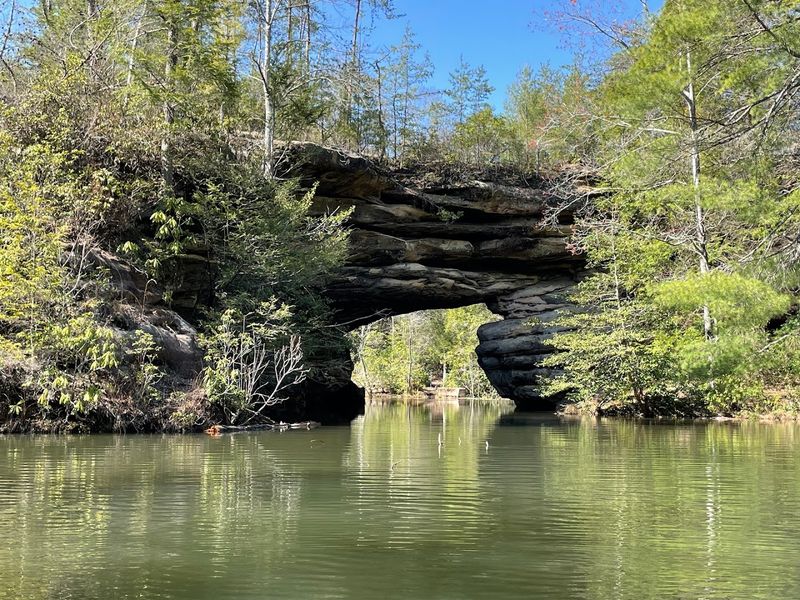
Rock formations and waterfalls dominate the landscape at Pickett State Park, where the terrain is more dramatic than the park’s small lake might suggest. The park sits on the Cumberland Plateau near the Kentucky border, where centuries of erosion have carved natural bridges, arches, and caves from the sandstone bedrock.
While Arch Lake provides the official water view for picnicking, the real aquatic attractions are the numerous streams and waterfalls that tumble through the park’s gorges and hollows.
The Civilian Conservation Corps built much of the park’s infrastructure during the 1930s, and the park’s official name honors that legacy. Stone walls, bridges, and shelters constructed by the CCC remain in use today, adding historical character that modern parks lack. Picnic areas are scattered throughout the park’s 19,000 acres, some near the lake and others positioned along streams or beside natural rock formations.
Hazard Cave and Indian Rockhouse are two of the park’s most impressive geological features, both accessible via short hikes from picnic areas. These massive rock overhangs create natural shelters where Native Americans once camped, and they’re equally appealing to modern picnickers seeking shade on hot days. The sound of water dripping from the rock faces adds a cooling effect even when temperatures soar.
The park’s remote location means fewer visitors than more accessible state parks, giving you a better chance of finding solitude. Night skies are exceptionally dark here, making this a good destination for evening picnics followed by stargazing. The surrounding forest is mature and diverse, supporting populations of wild turkeys, black bears, and dozens of bird species.
Share this story