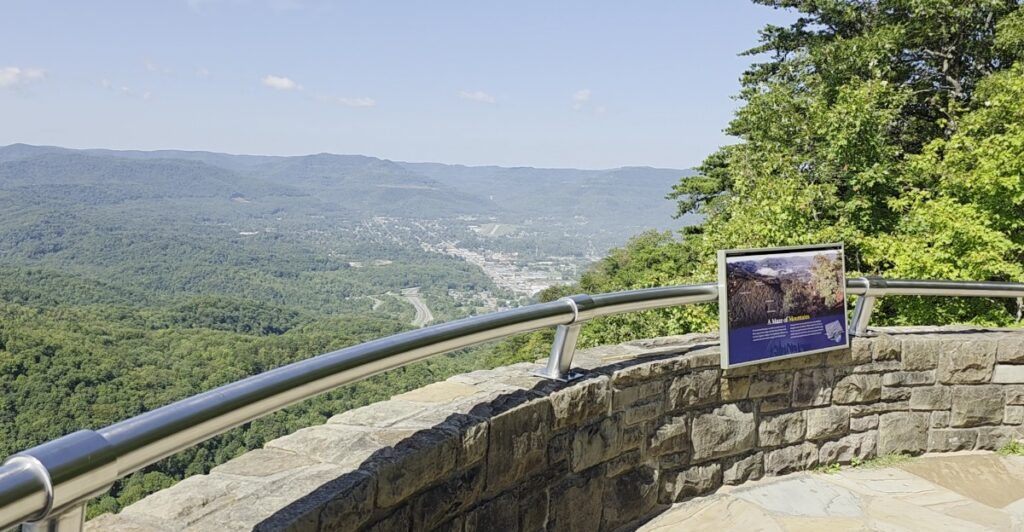
Knoxville sits perfectly positioned for exploring some of Tennessee’s most fascinating historic towns and natural treasures, all within easy driving distance. The best part? Once you arrive at each destination, you can leave your car behind and wander freely on foot through charming streets, heritage sites, and scenic trails.
These walkable adventures offer everything from Revolutionary War history to world-class storytelling, making them ideal for anyone who prefers exploring at a leisurely pace without constant driving.
1. Historic Downtown Dandridge
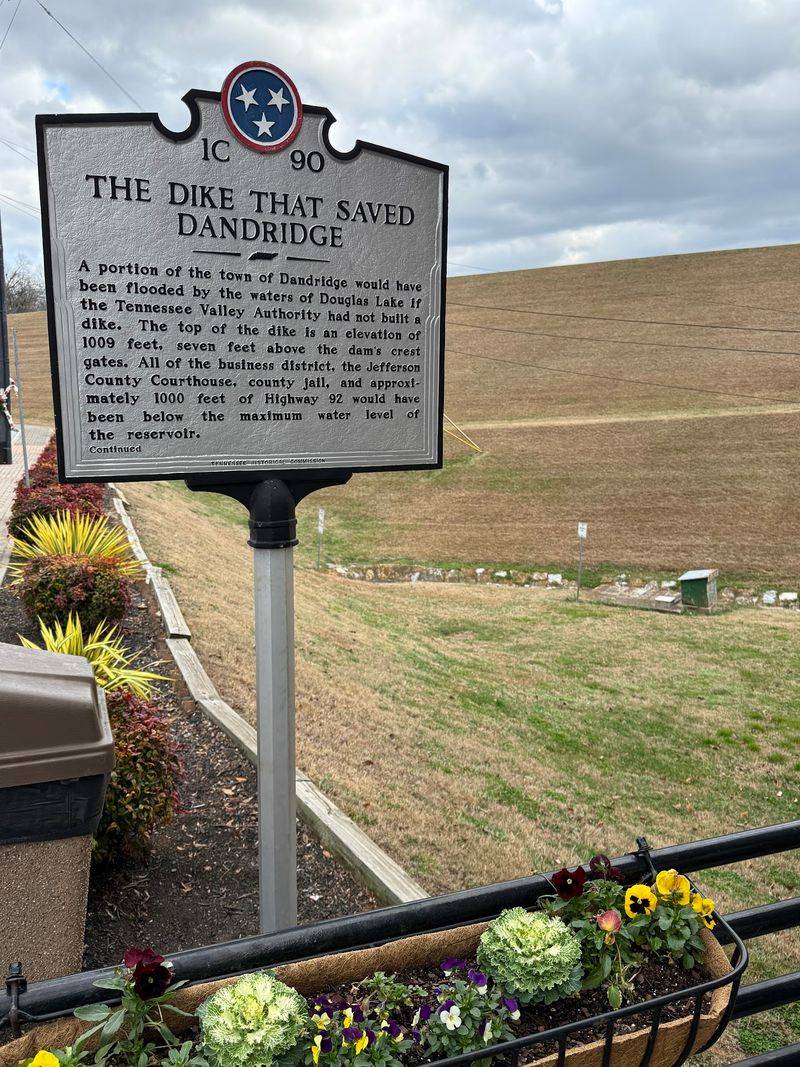
Tennessee’s second-oldest town wraps you in Southern charm the moment you step onto its brick sidewalks. Dandridge earned its place on the National Register of Historic Places thanks to beautifully preserved 19th-century architecture that tells stories of a bygone era. You can easily spend hours wandering past antique shops, local boutiques, and inviting cafes housed in buildings that have stood for generations.
The compact downtown district makes exploring effortless since everything clusters within a few blocks. Historic markers throughout the area explain the town’s fascinating past, including its role as an early Tennessee settlement and its connection to several notable historical figures. The courthouse square serves as the heart of downtown, where locals still gather much like they did two centuries ago.
Douglas Lake sits just minutes away, adding natural beauty to your cultural exploration. Many visitors enjoy combining their downtown stroll with lakeside views, creating a perfect blend of history and scenery. The town’s restaurants serve up authentic Southern cooking that tastes like it came straight from a family recipe book passed down through generations.
Spring and fall bring particularly pleasant weather for walking tours, though the town’s tree-canopied streets provide welcome shade during summer months. Special events throughout the year, including festivals and farmers markets, add extra energy to the historic streets. Photography enthusiasts find endless inspiration in the well-maintained storefronts and period details that transport you back in time without requiring a single car trip once you arrive.
2. Great Smoky Mountains Heritage Center
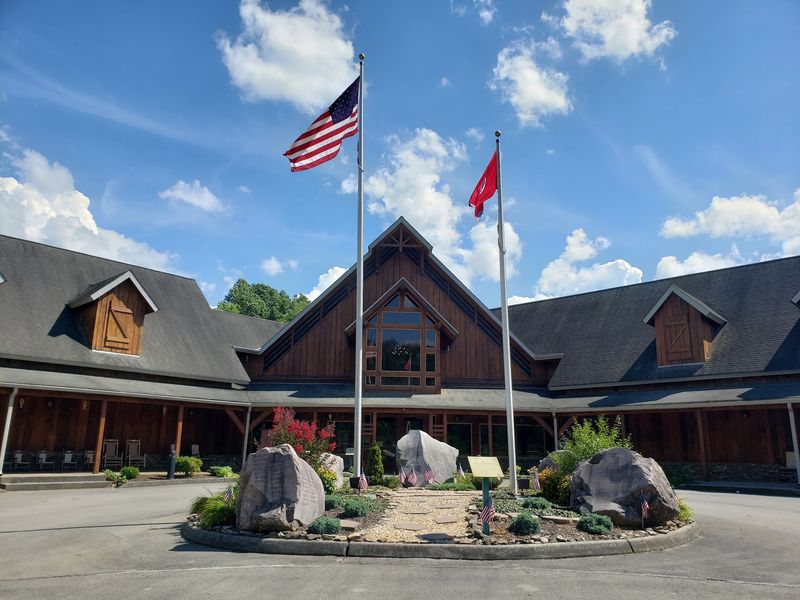
Townsend’s living history museum brings Appalachian culture to life across 14 acres of carefully curated exhibits and authentic structures. Walking paths connect restored buildings, each telling different chapters of mountain life before modern conveniences changed everything. The self-guided tour format lets you set your own pace, spending extra time wherever curiosity strikes strongest.
Original log cabins transported from various locations showcase how families lived, worked, and survived in these mountains. Inside each structure, period furnishings and tools demonstrate daily routines that required incredible resourcefulness and physical stamina. Interpretive signs provide context without overwhelming you with information, striking just the right balance between education and entertainment.
The cantilever barn stands as an architectural marvel, built without nails using techniques passed down through generations of mountain craftsmen. Seasonal demonstrations often feature traditional skills like blacksmithing, weaving, and woodworking performed by knowledgeable volunteers who genuinely love sharing these disappearing arts. Their enthusiasm makes history feel personal rather than academic.
Gardens planted with heritage varieties show which crops sustained mountain families through harsh winters and lean times. The museum grounds connect to nearby trails if you want to extend your walking adventure into the surrounding landscape. Special exhibits rotate throughout the year, focusing on specific aspects of Appalachian heritage from music traditions to medicinal plants.
Admission fees remain remarkably reasonable considering the quality and breadth of what you experience. The peaceful setting provides a refreshing contrast to more crowded tourist attractions, letting you genuinely absorb the stories these buildings and artifacts tell.
3. Museum of Appalachia
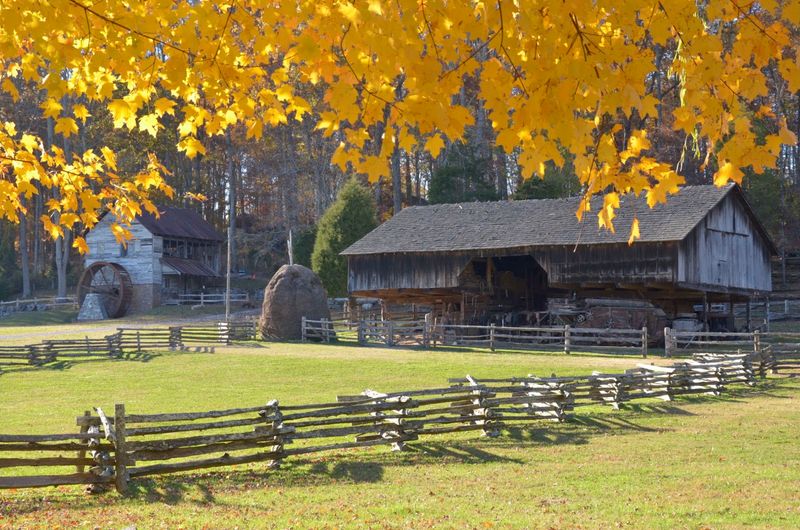
This sprawling 65-acre complex preserves more than just buildings; it captures the spirit of Appalachian mountain people through an astonishing collection of everyday objects and structures. Founder John Rice Irwin spent decades gathering authentic artifacts and relocating entire buildings to create what feels less like a museum and more like stepping through a portal into the past. Each cabin, barn, and outbuilding came from real families with documented histories that docents love sharing.
The sheer variety keeps your attention throughout the entire visit. One moment you’re examining hand-carved dulcimers in the music hall, the next you’re standing inside a one-room schoolhouse imagining lessons conducted by candlelight. The main exhibit hall houses thousands of items ranging from quilts to farm implements, all arranged with attention to storytelling rather than sterile display cases.
Live animals including heritage breed chickens, sheep, and mules roam the grounds, adding authentic sounds and movement to the historical setting. The barnyard atmosphere feels genuine because these animals represent breeds that actually worked these mountain farms generations ago. Children particularly enjoy seeing livestock up close while learning their historical purposes.
Walking paths wind naturally between buildings, creating a rhythm that prevents fatigue despite the site’s size. Benches positioned strategically let you rest while soaking in views across the property. The museum hosts special events including the famous Tennessee Fall Homecoming, when traditional musicians and craftspeople gather for demonstrations and performances that bring the past roaring to life with fiddle music and storytelling.
4. Historic Rugby
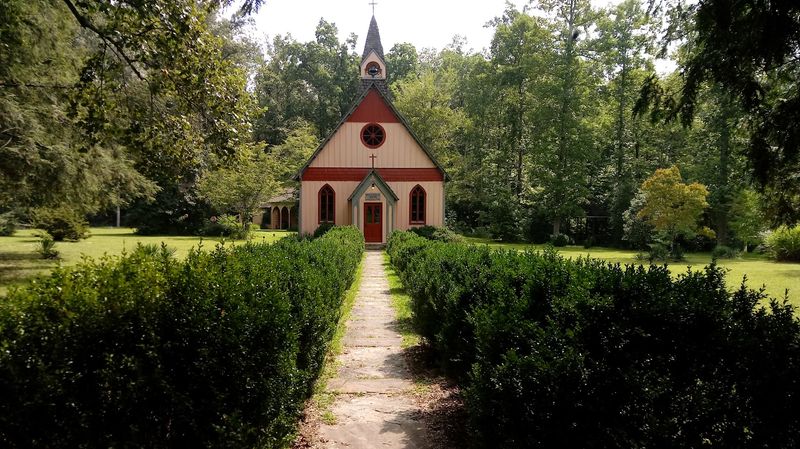
An English gentleman’s utopian dream from the 1880s still stands remarkably intact in this remote corner of Tennessee. Thomas Hughes founded Rugby as an experimental community where younger sons of British gentry could build new lives without the rigid class restrictions of Victorian England. The settlement attracted intellectuals, artists, and adventurous souls seeking something different from industrial society’s growing pains.
Twenty original Victorian buildings survive today, their architecture distinctly English amid Tennessee’s rolling hills. You can tour the Board of Aid building, which served as Rugby’s general store and social hub, still stocked with period goods and furnishings. Christ Church Episcopal, built with materials shipped from England, maintains its original stained glass and hand-carved woodwork that craftsmen created specifically for this wilderness chapel.
The Hughes Public Library holds an impressive collection of 7,000 Victorian-era volumes, many brought by original settlers who valued literature and learning above material wealth. Seeing these leather-bound books lining the shelves drives home how seriously these colonists took their cultural mission. Walking through the reading room, you can almost hear philosophical debates that once echoed off these walls.
Gentle trails connect the village buildings, winding through forests that haven’t changed much since Rugby’s founding. The quiet setting amplifies the sense of stepping back in time, especially on weekdays when fewer visitors share the experience. Guides dressed in period clothing offer tours that balance historical facts with entertaining anecdotes about the colorful characters who attempted this social experiment in the American wilderness.
5. Cumberland Gap National Historical Park
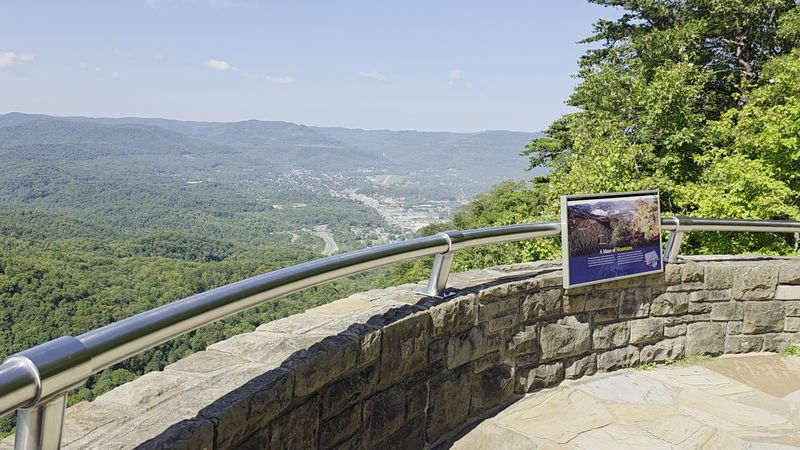
Where three states meet at a natural mountain pass, centuries of American history converge in dramatic fashion. Native Americans first used this gap as a migration route, followed by pioneer families pushing westward through the only practical passage in the Cumberland Mountain chain. Daniel Boone blazed his famous Wilderness Road through here, opening Kentucky and beyond to settlement that shaped the nation’s westward expansion.
The visitor center sits right at the gap, making it your perfect starting point for exploring on foot. Multiple trails range from easy walks to challenging climbs, but even short paths deliver stunning mountain views and historical insights. Interpretive signs along the routes explain military strategies during the Civil War when both Union and Confederate forces recognized the gap’s strategic importance.
Hensley Settlement, accessible via a moderate hike or shuttle during summer months, preserves an early 20th-century mountain community frozen in time. Original cabins and outbuildings show how isolated families sustained themselves through farming and resourcefulness well into the 1900s. The settlement’s location atop Brush Mountain provides panoramic views that reward your hiking effort with spectacular scenery.
The park’s extensive trail network connects various historical sites and natural features without requiring you to drive between them. Wildflowers blanket the hillsides in spring while fall foliage creates a photographer’s paradise. Rangers lead guided walks that bring historical events to life through storytelling that makes you feel the weight of decisions made at this crucial crossroads.
Pack water and snacks since facilities remain limited once you leave the visitor center area, but the authentic wilderness experience makes any minor inconvenience worthwhile.
6. Andrew Johnson National Historic Site
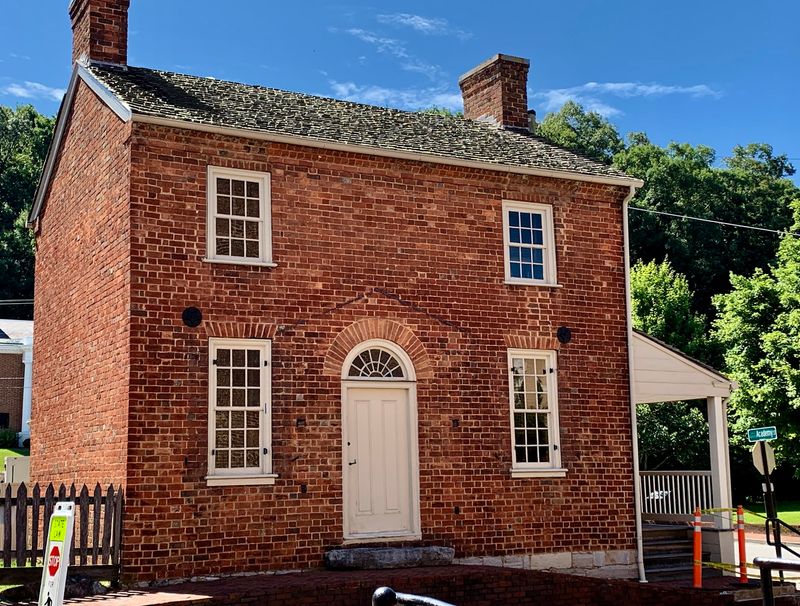
America’s 17th president lived most of his life in Greeneville, and this national historic site preserves buildings central to his remarkable journey from poverty to the presidency. Johnson never attended school, teaching himself to read with his wife’s help while working as a tailor. His story embodies the American dream’s promise that anyone can rise through determination and hard work, regardless of humble beginnings.
The visitor center provides essential context before you explore the actual sites scattered around downtown Greeneville. Johnson’s tailor shop stands where he built his business and reputation, the modest building contrasting sharply with the grand homestead he later purchased as his fortunes improved. Walking between these structures, you trace his upward mobility in physical space.
His early home reflects middle-class comfort rather than wealth, showing that even successful politicians lived relatively simply in the 19th century. Period furnishings and personal belongings help you understand the man beyond political controversies that marked his presidency. The site doesn’t shy away from difficult topics, including Johnson’s complicated relationship with Reconstruction and civil rights.
The Andrew Johnson National Cemetery, where he and his family rest, occupies a peaceful hillside within walking distance of downtown. A massive marble monument marks his grave, paid for by citizens who remembered his service despite political battles that nearly cost him the presidency through impeachment.
Rangers offer talks that contextualize Johnson’s era and decisions without making excuses or judgments. Their balanced approach helps modern visitors understand the complexities of governing during one of America’s most turbulent periods, making history feel relevant rather than distant.
7. International Storytelling Center
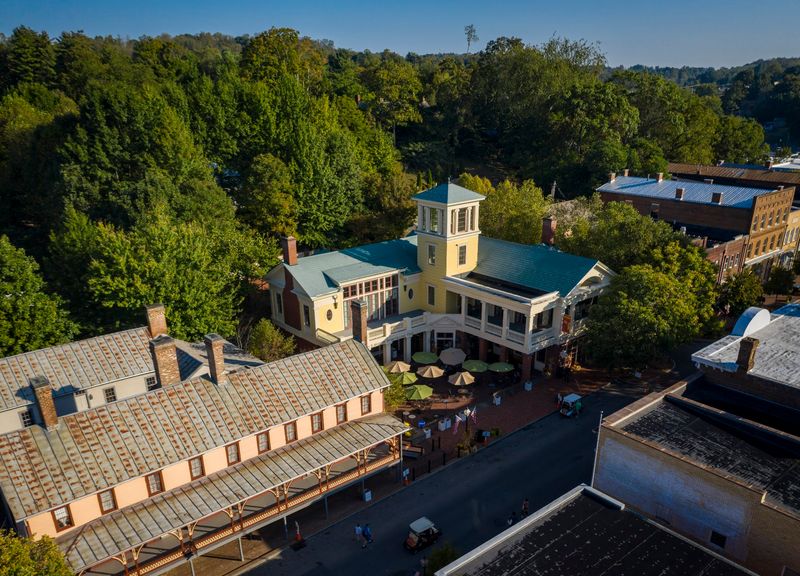
Jonesborough takes storytelling seriously, having built an entire cultural institution around the ancient art of sharing tales. The International Storytelling Center anchors Tennessee’s oldest town, hosting performances, workshops, and festivals that celebrate oral tradition from cultures worldwide. Unlike reading stories silently, hearing skilled tellers perform transforms narratives into living, breathing experiences that engage audiences in ways no screen can match.
The center’s intimate theater creates perfect conditions for storytelling magic. Performers use only their voices, gestures, and expressions to transport listeners to different times and places without elaborate sets or costumes. This stripped-down approach highlights the storyteller’s craft, proving that compelling narratives need nothing beyond human connection and imagination.
Between scheduled performances, you can explore exhibits documenting storytelling traditions across continents and centuries. Interactive displays let visitors try their own hand at tale-telling, discovering how challenging it is to hold an audience through words alone. The center’s archives preserve recordings of master storytellers, creating an invaluable resource for studying this ephemeral art form.
Downtown Jonesborough itself feels like stepping into a storybook, with brick sidewalks, historic buildings, and local shops that encourage leisurely exploration. The town’s commitment to preservation and arts creates an atmosphere where creativity flourishes. Cafes and restaurants within walking distance provide perfect spots for discussing performances over coffee or lunch.
The annual National Storytelling Festival in October draws thousands of visitors and hundreds of performers, transforming the entire town into a celebration of narrative arts. Even outside festival times, the center schedules regular performances that showcase both traditional folktales and contemporary stories addressing modern themes through timeless techniques.
8. Seven Islands State Birding Park
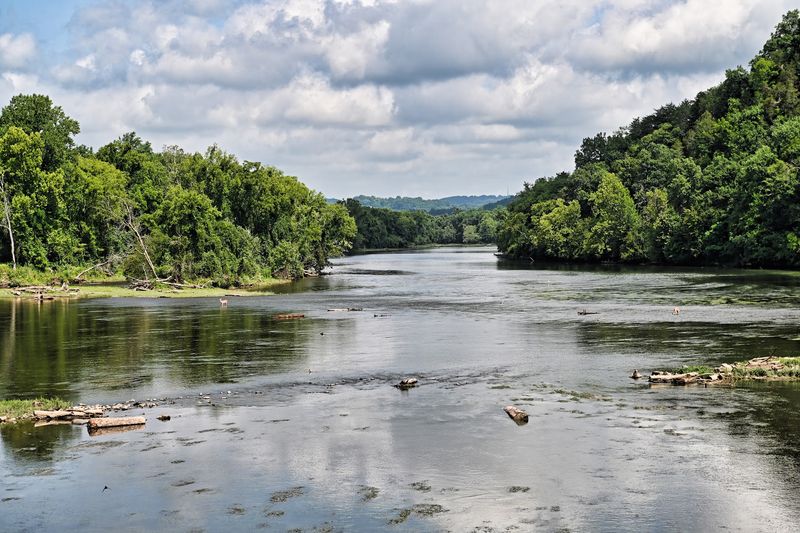
Where the French Broad River winds through floodplain forests and wetlands, over 190 bird species find habitat throughout the year. This 416-acre park prioritizes wildlife over development, maintaining natural conditions that attract both resident and migrating birds in impressive numbers. Even visitors who’ve never considered themselves birdwatchers find themselves captivated by the diversity and beauty on display.
Eight miles of trails meander through varied habitats, each supporting different bird communities. River bottomland trails pass through mature forests where woodpeckers hammer dead trees and warblers flit through the canopy. Open meadow paths offer chances to spot grassland species while wetland boardwalks bring you eye-level with herons and egrets fishing in shallow waters.
The park’s design encourages slow, quiet walking that rewards patient observation. Benches and viewing platforms positioned at strategic locations let you settle in and wait for birds to reveal themselves. Early morning visits typically yield the most sightings as birds actively feed and call, but each season brings different species and behaviors worth witnessing.
You don’t need expensive equipment or expert knowledge to enjoy the experience. Simple binoculars enhance viewing, but many birds approach close enough to observe with naked eyes. Interpretive signs help identify common species while explaining their ecological roles and seasonal patterns.
The French Broad River itself adds scenic beauty beyond just bird habitat. Its lazy current and tree-lined banks create postcard-worthy views at every turn. The park’s location near Kodak makes it easily accessible from Knoxville while feeling remote enough to provide genuine nature immersion.
Photography enthusiasts particularly appreciate the combination of wildlife subjects and beautiful natural settings that change dramatically with seasons and lighting conditions.
9. Tennessee Riverwalk
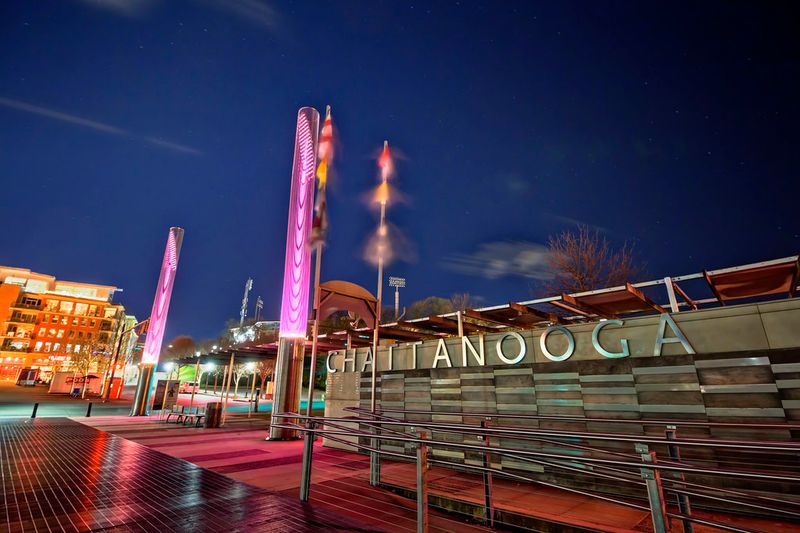
Chattanooga transformed its riverfront from industrial wasteland into one of America’s finest urban trails, creating 13 miles of paved pathways that showcase the Tennessee River’s beauty. The Riverwalk connects parks, attractions, and neighborhoods while providing recreational space that locals and visitors use daily for walking, jogging, and cycling. Its success proves that cities can reclaim waterfronts for public enjoyment rather than private development.
Starting from downtown, the walk passes beneath historic bridges and alongside renovated warehouses that now house restaurants and shops. Public art installations dot the route, adding cultural interest beyond just natural scenery. The trail’s smooth surface and gentle grade make it accessible to people of all fitness levels, including those using wheelchairs or pushing strollers.
Coolidge Park offers a perfect midpoint rest stop with its antique carousel, interactive fountains, and expansive lawns for picnicking. From here, views stretch across the river to the Tennessee Aquarium and downtown’s revitalized core. The park’s climbing sculpture and playground equipment provide entertainment for families traveling with energetic children who need activity breaks.
Continuing north, the Riverwalk enters quieter stretches where natural riverbank vegetation replaces urban development. Wildlife sightings increase as you move away from downtown, with turtles sunning on logs and various waterfowl paddling near shore. The changing scenery prevents monotony even on longer walks.
Numerous access points along the route let you customize your walking distance based on time and energy. Benches appear frequently enough for rest stops without cluttering the trail. The Riverwalk demonstrates thoughtful urban planning that prioritizes pedestrians and green space, creating a legacy that will serve Chattanooga for generations while inspiring other cities to follow its example.
10. American Museum of Science and Energy

Oak Ridge’s secret history as the birthplace of atomic energy unfolds through interactive exhibits that make complex science surprisingly accessible. During World War II, this entire city appeared seemingly overnight as part of the Manhattan Project, with 75,000 workers laboring on uranium enrichment without knowing their work’s ultimate purpose. The museum explores this fascinating chapter while examining nuclear science’s ongoing roles in medicine, energy, and research.
Hands-on exhibits let you manipulate controls, conduct experiments, and observe scientific principles in action rather than just reading about them. Robotics demonstrations, energy-generation displays, and atomic structure models turn abstract concepts into tangible experiences. The interactive approach makes the museum particularly effective for families with curious kids who learn best through doing rather than passive observation.
The Oak Ridge story section documents how the secret city functioned, showing photographs of hastily constructed housing, primitive working conditions, and the intense security measures that kept the project hidden from enemies and workers alike. Personal accounts from residents and scientists humanize the history, revealing both the excitement and anxiety of participating in something world-changing without understanding exactly what.
Modern nuclear science exhibits address current applications and safety considerations, acknowledging both benefits and concerns surrounding atomic energy. The balanced presentation respects visitors’ intelligence while providing factual information for forming educated opinions. Special programs and demonstrations scheduled throughout the day add depth to self-guided exploration.
The museum’s location in Oak Ridge itself adds authenticity, as you’re literally standing where history happened. Walking the town afterward, you can spot remaining Manhattan Project-era buildings and imagine the secret city at its wartime peak when thousands lived and worked behind fences and security checkpoints.
Share this story