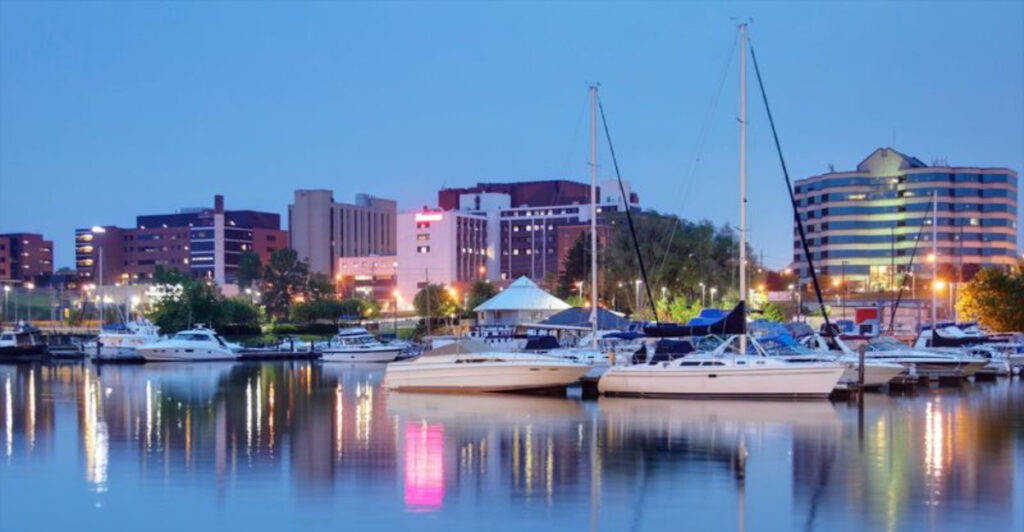
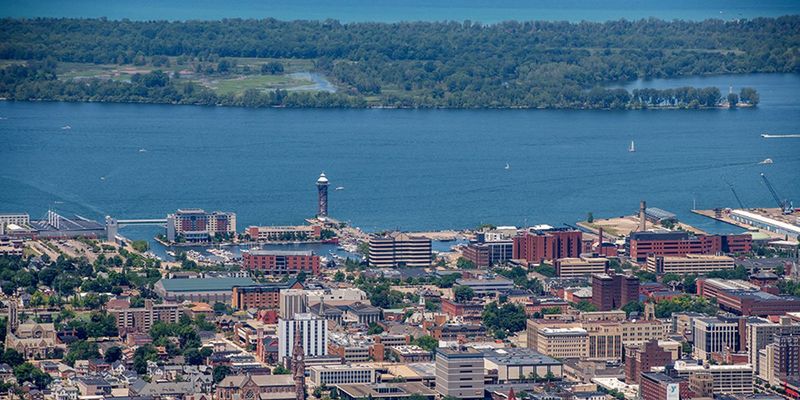
Erie, Pennsylvania, is a harbor city where Lake Erie views, old industry, family beaches, and working docks all meet. Today, the city’s waterfront is at the center of an important conversation about what kind of future Erie wants to build along the bay. Several major projects are moving forward, while residents and local leaders are also taking a closer look at public access, recreation, economic growth, and how new development should fit into the character of the waterfront. A proposed bayfront hotel, the Erie Events Market House, and the broader One Bayfront planning effort have all brought renewed attention to the area and how it should evolve.
The conversation matters because Erie’s waterfront is one of the city’s defining assets, with the potential to support tourism, businesses, recreation, and public spaces while still reflecting the needs of the people who live there. The city and its partners are now gathering community input as they work toward a long-term blueprint for the bayfront. Here is a closer look at the major developments, the questions surrounding them, and why Erie residents are paying close attention to what happens next.
1. A Waterfront With More Than Pretty Views
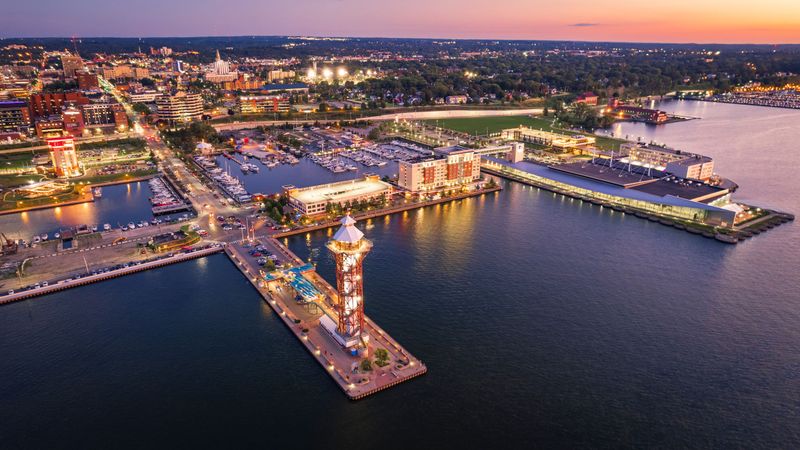
Erie’s bayfront has always been more than a nice place to take photos.
For many families, it is where summer walks, fishing trips, boat rides, festivals, and lakefront memories are made, all with Presque Isle Bay in the background.
It is also an important part of the city’s history, economy, and identity.
That is why new development along the waterfront gets people talking.
Residents are not only considering buildings, parking areas, or business plans.
They are also thinking about how one of Erie’s most recognizable public spaces should look and feel in the future.
Recent projects, including a proposed bayfront hotel and the Erie Events Market House, have brought those questions into sharper focus.
The city grew around Lake Erie, and the harbor still plays an important role in daily life.
Ships, marinas, museums, restaurants, hotels, parks, and other attractions share the shoreline.
At the same time, Erie is investing in projects designed to improve connections, encourage visitors, and make the waterfront more active.
Supporters of new development point to tourism, business activity, jobs, and investment.
The planned Erie Events Market House, for example, is expected to offer space for vendors, farmers markets, performances, and other events.
Projects like this could give residents and visitors more reasons to spend time along the bayfront.
But public access remains an important part of the conversation.
During discussions about the proposed hotel, some residents expressed concerns about private development changing access to the waterfront.
Erie’s planning rules also place an emphasis on maintaining public access in waterfront areas, making that issue especially relevant.
The broader One Bayfront planning effort is now giving residents a chance to weigh in on what should happen next.
Community members are being asked what they value about the waterfront, what needs improvement, and what should be protected.
The goal is to create a long-term vision rather than focus on just one project.
Erie’s waterfront will likely continue to include a mix of public spaces, businesses, recreation, and new development.
The challenge is finding the right balance—encouraging investment while keeping the bayfront welcoming and accessible to the people who already call Erie home.
2. Why Big Promises Can Make Neighbors Nervous
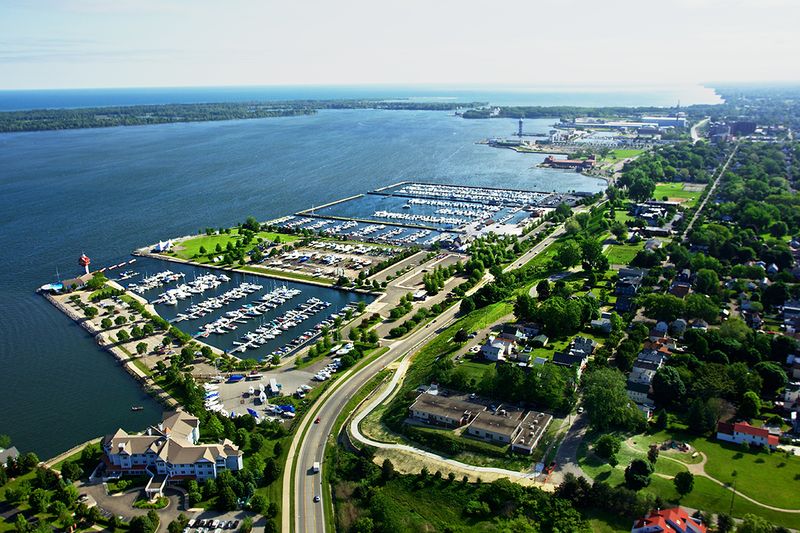
A shiny proposal can sound exciting at first.
New buildings, restaurants, visitors, and investment can make a waterfront feel as if a long-awaited opportunity has arrived.
Erie’s recent bayfront projects have brought that sense of possibility, while also prompting questions about how new development should fit into the city’s long-term plans.
Still, residents have good reasons to look closely at what is being proposed.
Large projects can affect traffic, public access, nearby streets, and the overall character of the waterfront.
Progress is not only about adding something new.
It is also about making sure existing public spaces remain useful and welcoming.
Public access is one important consideration.
During discussions surrounding the proposed bayfront hotel, some residents raised concerns about whether private development could affect access to the water.
Erie’s waterfront planning rules also emphasize public access, making it a key issue as additional projects move forward.
The scale and location of new buildings can matter, too.
Erie’s waterfront includes open views, parks, paths, marinas, and historic areas.
A successful project needs to work with that existing landscape rather than overwhelm it.
Questions about parking, traffic flow, pedestrian access, and how a project connects to nearby public spaces are all worth asking.
That does not mean residents are opposed to change.
Thoughtful public discussion can actually help shape better projects.
Developers and city officials can respond to community concerns by improving designs, strengthening pedestrian connections, protecting access, or adding spaces that benefit both visitors and residents.
For anyone following Erie’s waterfront plans, it helps to focus on specific details rather than broad arguments.
Look at where projects will be located, how they connect to surrounding streets and parks, what public access will remain, and what role each development plays in the larger waterfront plan.
That broader perspective is especially important as Erie moves forward with the One Bayfront planning process.
The goal is to create a long-term vision for the waterfront with community input, rather than letting individual projects determine its future one at a time.
3. Presque Isle Bay Sits At The Heart Of The Argument
Stand near the water on a clear Erie evening, and it is easy to see why people care so much about the bayfront.
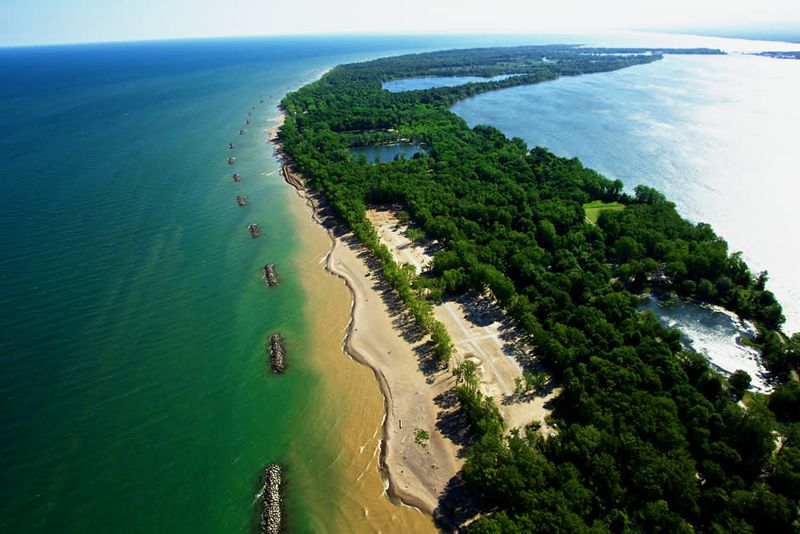
Presque Isle Bay is calm and sheltered, with the long curve of Presque Isle protecting it from the open waters of Lake Erie.
The bay is one of Erie’s greatest assets.
It supports boating, fishing, bird watching, festivals, museums, and quiet walks while connecting the city to its history as a working Great Lakes port.
That mix of recreation, nature, and industry gives the waterfront much of its character.
Because the bay is special, development nearby naturally draws attention.
A new project can bring investment and activity, but residents may also wonder how it will affect views, public access, traffic, and the overall experience of the shoreline.
Presque Isle State Park adds another important piece.
The park is known for its beaches, trails, lagoons, and sunsets, drawing visitors from across Pennsylvania and beyond.
That gives Erie plenty of reason to strengthen nearby hotels, restaurants, attractions, and other visitor amenities.
At the same time, the natural setting is part of what makes the area appealing.
The goal is not simply to add as much development as possible, but to create a waterfront that remains enjoyable and accessible for residents as well as visitors.
Environmental considerations are part of that balance, too.
New construction can bring more pavement, stormwater runoff, lighting, and activity near sensitive areas.
Those concerns do not automatically rule out development, but they are worth considering during the planning process.
Thoughtful design can help.
Native landscaping, effective stormwater management, pedestrian connections, and well-planned public spaces can allow new projects to fit more comfortably into the waterfront environment.
Keeping public access and views in mind can also help ensure that development complements rather than overwhelms the shoreline.
A fun Erie fact helps explain why the landscape deserves attention. “Presque Isle” is French for “almost island,” and the peninsula itself has been shaped over time by waves, sand, and changing lake conditions.
The bayfront is therefore more than valuable real estate.
It is a living meeting point between the city and the water, making careful long-term planning especially important.
4. Public Access Becomes The Big Test
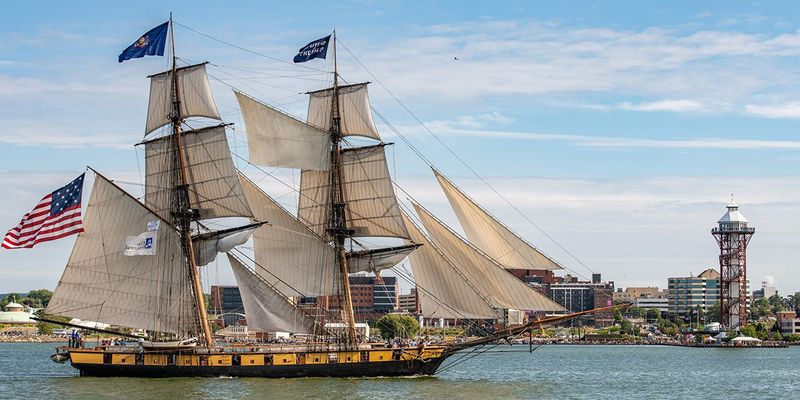
Nothing sparks a waterfront debate faster than the fear of being shut out.
In Erie, the bayfront is deeply important to residents, even as some waterfront parcels are privately owned or managed by different organizations and agencies.
Public access can mean many things.
It may include sidewalks, fishing areas, benches, boat launches, picnic spaces, bike paths, street crossings, and clear signs showing where people can go.
A project may technically provide access while still making visitors feel as though they are in the way.
Design choices matter.
A wide, welcoming path with views of the bay creates a very different experience from a narrow walkway tucked behind a building.
Public spaces should feel usable and inviting to residents, not simply satisfy a technical requirement.
Erie has spent years working to strengthen connections between downtown and the waterfront.
That goal is important because industrial development historically shaped how many Great Lakes cities interacted with their shorelines.
Improving those connections gives residents more opportunities to walk, gather, and enjoy the water.
Private investment can also play a role in creating better waterfront spaces.
New development can bring landscaping, lighting, sidewalks, businesses, and activity to areas that may otherwise be underused.
The important question is how public benefits are incorporated into the planning and approval process.
Clear expectations can help reduce future conflicts.
Public access, pedestrian connections, maintenance responsibilities, and accessibility should be addressed early rather than left vague.
When responsibilities are clear, both residents and developers have a better understanding of what a project is expected to provide.
Families can also look at practical details.
Can people comfortably walk through the area?
Are paths accessible to strollers and wheelchairs?
Are there places to sit?
Can visitors move safely between attractions and the shoreline?
Small design choices can determine whether a waterfront feels genuinely welcoming.
Erie’s waterfront does not have to choose between growth and public access.
New investment can coexist with spaces for walkers, anglers, families, and visitors.
If public access remains a central consideration as projects and long-term plans move forward, development can help create a bayfront that more people can enjoy.
5. Jobs, Tourism, And The Hope For A Stronger Local Economy
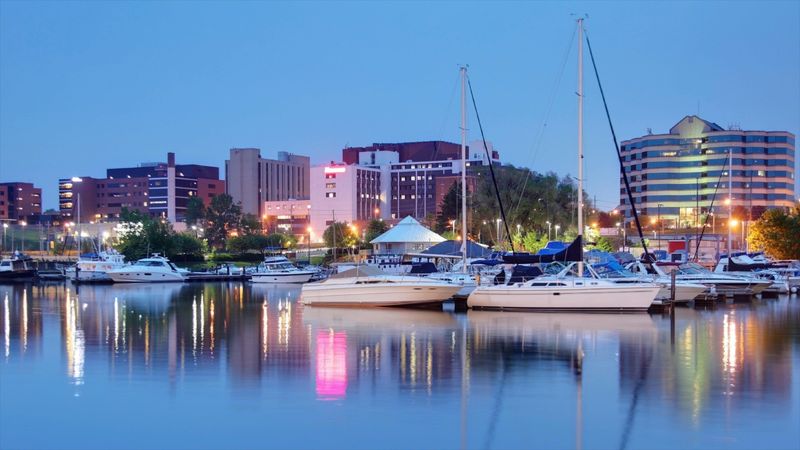
Many people hear the word development and immediately think of jobs and economic growth.
That reaction makes sense in Erie, a city that has spent decades adapting as manufacturing changed and traditional industrial employment declined.
New waterfront projects can bring construction work, hospitality positions, restaurant jobs, maintenance roles, and additional customers for nearby businesses.
Visitors already come to Erie for Presque Isle State Park, Waldameer & Water World, the Erie Maritime Museum, and seasonal events.
A more active bayfront could give some of those visitors additional reasons to spend time and money in the city.
Tourism is already an important part of Erie’s identity.
Families come for beaches, fishing, sunsets, attractions, and the lake.
More restaurants, businesses, and activities near the waterfront could encourage some visitors to stay longer, potentially benefiting hotels, shops, and local restaurants.
Still, job and economic-impact numbers deserve careful reading.
A project may include temporary construction positions alongside permanent jobs, while broad economic-impact figures can represent spending throughout the region rather than direct income for Erie residents.
Looking at the details can provide a clearer picture of who is likely to benefit.
Local businesses are another important part of the conversation.
New development can bring more foot traffic and customers, but it can also create competition or increase costs for smaller businesses.
A strong waterfront economy should leave room for local restaurants, vendors, artists, outfitters, and other independent businesses alongside larger projects.
Tourism growth should also work for residents.
A waterfront designed entirely around visitors could feel disconnected from everyday Erie life.
Public spaces, free events, accessible paths, and places where residents can simply sit by the water can help keep the bayfront useful to the community.
The strongest economic case for development is not simply about making the waterfront bigger or busier.
It is about creating lasting value for Erie.
If new investment brings jobs, supports local businesses, attracts visitors, and preserves enjoyable public spaces, it can become part of a broader effort to strengthen the city’s economy while keeping the waterfront connected to the people who live there.
6. Traffic, Parking, And Everyday Frustrations
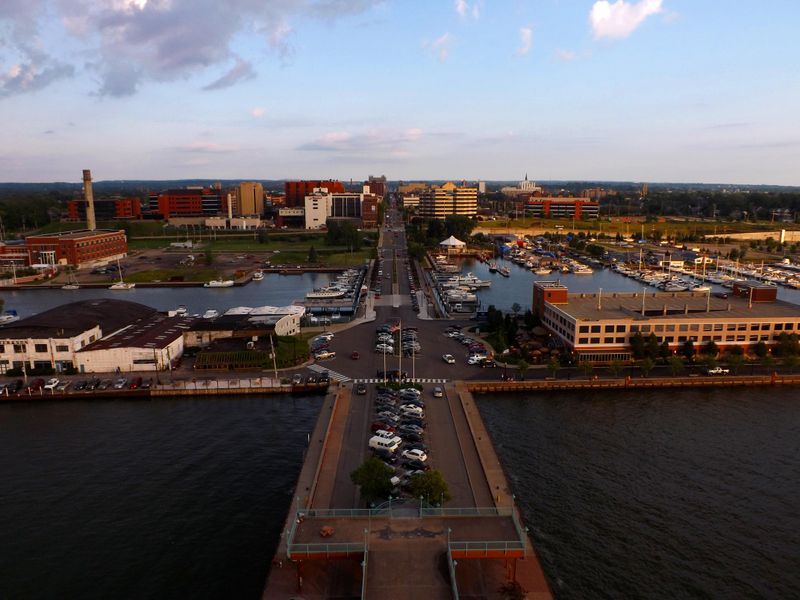
Sometimes the biggest concerns about waterfront development come from the most ordinary headaches.
Traffic lights, parking spaces, crossings, and turn lanes can matter just as much as architecture when a new project is being considered.
Erie’s bayfront already draws visitors during warm-weather weekends, festivals, fishing trips, and sunset hours.
Adding new attractions or businesses naturally raises questions about how people will get there and where they will park.
A promising project can quickly become frustrating if nearby streets and lots cannot handle additional activity.
Parking is especially important near the water.
Too much surface parking can take up valuable space, while too little can push vehicles into nearby neighborhoods or make visits less convenient.
The best approach is to consider parking as part of the larger waterfront plan rather than treating it as an afterthought.
Seasonal traffic should matter, too.
Erie in February is very different from Erie in July.
Summer weekends, beach trips, downtown events, and festivals can all change how busy streets and parking areas become.
Planning for those peak periods can help prevent problems before they appear.
Pedestrian safety belongs in the conversation as well.
A successful waterfront should make it comfortable to walk between parks, businesses, attractions, and the shoreline.
Crosswalks, lighting, signals, accessible paths, and thoughtful street design can make a major difference for families, older adults, and visitors.
Other transportation options can help reduce pressure on roads.
Convenient transit connections, bike facilities, and clear walking routes between downtown and the waterfront can give visitors alternatives to driving, especially when the area is busy.
Residents following new projects should pay attention to how transportation and access are addressed in planning documents.
Questions about traffic, parking, pedestrian connections, and emergency access can reveal how well a proposal fits into the surrounding area.
Good waterfront planning has to work for everyday life, not just special occasions.
People still need to get to work, run errands, visit family, and enjoy the bay without unnecessary frustration.
If transportation and access are considered alongside new development, Erie can make its waterfront more active without making it harder to navigate.
7. Erie’s History Adds Weight To The Decision
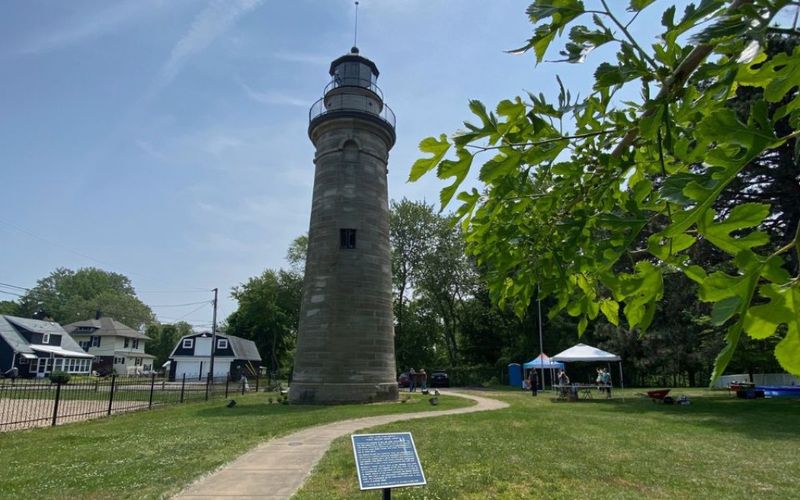
Erie is not a blank page waiting for someone else to write on it.
The city has a deep history tied to ships, industry, immigration, manufacturing, railroads, and Great Lakes trade.
That history still shapes how people see the waterfront today.
That matters when residents discuss new harbor development.
The bayfront is not simply land with a beautiful view.
It is part of the place where Erie’s identity was built over generations, making questions about its future about more than buildings and businesses.
The Erie Maritime Museum and the U.S. Brig Niagara help tell that story.
The Niagara is a reconstruction of the flagship associated with Commodore Oliver Hazard Perry’s victory in the Battle of Lake Erie during the War of 1812, and it remains one of the city’s most recognizable maritime symbols.
Erie’s industrial past is visible in other ways, too.
Docks, warehouses, rail connections, and working waterfront spaces reflect the labor and manufacturing that helped shape the city.
Some residents may hope that new development acknowledges that history rather than replacing it with designs that could belong anywhere.
Historic character can be an asset rather than an obstacle.
New projects can incorporate local materials, maritime themes, public art, historical markers, or connections to nearby museums and attractions.
Thoughtful design can give visitors more context while making the waterfront more distinctive.
There is also a community story to consider.
Erie has experienced economic growth, decline, and redevelopment over the decades, and different neighborhoods have experienced those changes in different ways.
A strong planning process should give residents from across the city opportunities to share what they want from the waterfront’s future.
Preserving history does not mean freezing the harbor in time.
Cities need to change, and Erie’s waterfront can welcome new businesses, public spaces, and attractions.
The bigger question is whether those changes respect the character and history that already make the area meaningful.
Erie’s past gives the waterfront much of its identity.
If future planning balances development with public access, community input, and local character, the city can create a bayfront that feels new without feeling disconnected from the place it grew from.
8. How Residents Can Stay Involved Without Feeling Overwhelmed
A waterfront planning process can feel confusing when meetings, maps, legal terms, and project details start piling up.
The good news is that Erie residents do not need to be planning experts to follow along or share their views.
Start with the basics.
Find out what project or planning effort is being discussed, who is involved, which public bodies have a role, and when opportunities for public input are available.
The City of Erie, project websites, public meeting information, and local news reports are useful places to begin.
Next, focus on the plain facts.
What is being proposed?
Where would it go?
How large would it be?
How would it connect to nearby roads, parks, paths, businesses, and the waterfront?
These details often provide a clearer picture than broad arguments about whether development is good or bad.
The One Bayfront planning process is especially worth watching because it is designed to gather community input about the waterfront’s future.
Residents can share what they value, what they would like to see improved, and what they believe should be protected as the city develops a longer-term vision.
Attending a public meeting can also be helpful.
Even if you do not speak, listening can give you a better sense of the main concerns and the decisions being considered.
Take notes, save questions, and look up unfamiliar terms later.
If you do participate, a short and specific comment can be effective.
You might focus on pedestrian access, public views, recreation, traffic, business activity, or another issue that matters to you.
Different priorities are normal, and hearing several perspectives can lead to a stronger plan.
It is also worth watching for changes.
Waterfront plans can evolve as residents provide feedback and designers develop new ideas.
The One Bayfront process is expected to move from community input toward design options and additional public discussion.
The most useful mindset is steady attention rather than panic.
Erie’s waterfront future will not be decided in a single conversation.
By staying informed, participating when opportunities arise, and looking at the details, residents can help shape a bayfront that supports new investment while remaining welcoming and accessible to the community.
Share this story