Pennsylvania is full of places that feel special the moment you arrive. Some are famous, but many still surprise visitors with quiet trails, old stories, bright gardens, mountain views, and peaceful lakeshores. From small towns tucked between hills to parks where waterfalls, stars, and history take the spotlight, the state gives travelers far more than a quick map can show. If you like trips that mix beauty, learning, and a little adventure, these Pennsylvania spots are worth adding to your list.
Each one offers something different, whether that means wandering through a historic landscape, taking in a spectacular view, exploring a fascinating landmark, or simply enjoying a slower afternoon outdoors. You do not always need to travel far or plan an elaborate getaway to find something memorable. Sometimes the most rewarding experiences are found in unexpected corners of the state, where a scenic setting and a little curiosity can turn an ordinary day into one you will remember.
1. Jim Thorpe
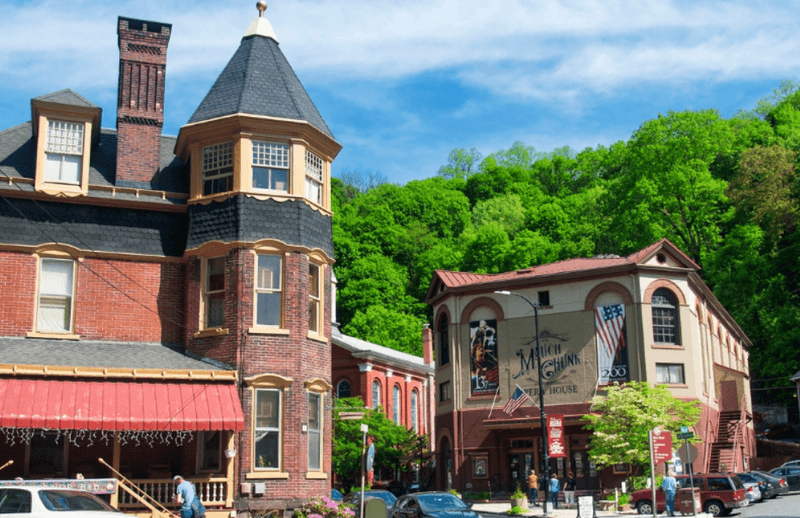
A train whistle echoing between steep hills can make a small town feel like a storybook, and that is part of the magic here.
Jim Thorpe sits in the Lehigh Gorge, wrapped by mountains, brick storefronts, and streets that seem made for wandering.
Many visitors start downtown, where shops, cafes, and old buildings line the sidewalks.
The town was once called Mauch Chunk and grew because of coal, railroads, and canal travel.
Today, its past still shows in the Asa Packer Mansion, the Old Jail Museum, and the grand station near the tracks.
For an easy first visit, park once and explore on foot.
Wear comfortable shoes because some streets climb quickly, and the best views often come after a short uphill walk.
If you enjoy history, book a mansion tour early, especially on busy fall weekends.
Outdoor fun is close by, too.
The Lehigh Gorge Scenic Railway is a relaxed way to see the river and forest without a hard hike.
More active travelers can bike the rail trail, try whitewater rafting, or visit nearby Lehigh Gorge State Park.
Autumn brings bright leaves and big crowds, so weekdays can feel calmer.
Winter is quieter and cozy, with warm drinks and pretty lights adding charm.
Spring and summer are great for river trips and long walks.
Jim Thorpe proves that Pennsylvania history does not have to feel dusty.
Here, it blends with mountain air, small-town food, and scenic adventure in a way that feels easy to enjoy.
2. Gettysburg National Military Park – Gettysburg
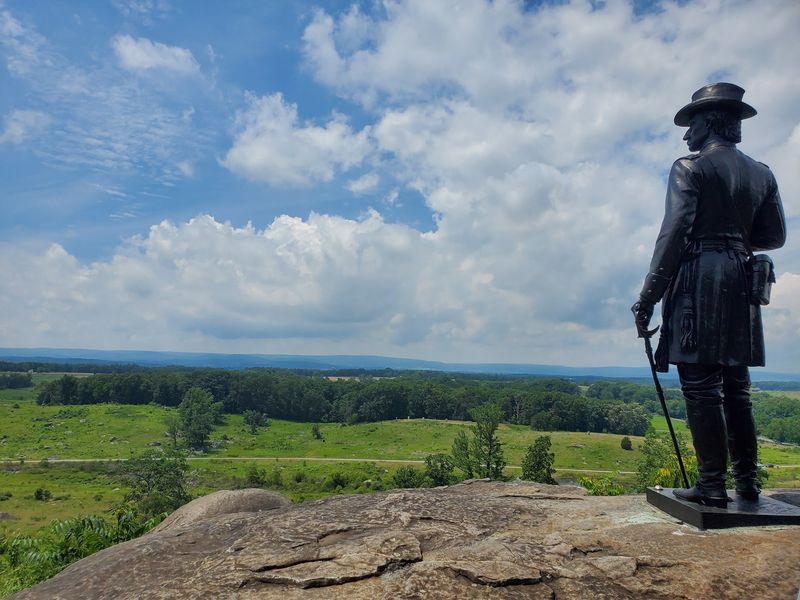
Quiet fields can speak loudly when you know what happened on them.
At Gettysburg National Military Park, wide open land, stone walls, cannons, and monuments help visitors understand one of the most important battles in American history.
The Battle of Gettysburg took place in July 1863 and became a major turning point during the Civil War.
Thousands of soldiers fought across farms, ridges, and roads that visitors can still walk today.
The park also connects to President Abraham Lincoln’s Gettysburg Address, a short speech that still shapes how people think about freedom and sacrifice.
A good visit begins at the museum and visitor center.
The film, exhibits, and cyclorama painting make the battlefield easier to understand before you drive or walk through it.
Families with younger travelers may find the auto tour helpful because it breaks the park into clear stops.
Little Round Top, Devil’s Den, Cemetery Ridge, and the Pennsylvania Memorial are among the most meaningful places to see.
Bring water, sunscreen, and patience, since the park is large and deserves time.
A licensed battlefield guide can add stories that signs alone may not explain.
Even if history is not your strongest subject, Gettysburg can still move you.
The landscape is peaceful now, which makes the events that happened there feel even more powerful.
It is a place to slow down, listen, and think.
For a fuller trip, explore the town of Gettysburg after the park.
Local restaurants, museums, and walking tours keep the story going while giving visitors a friendly place to rest.
3. Longwood Gardens – Kennett Square
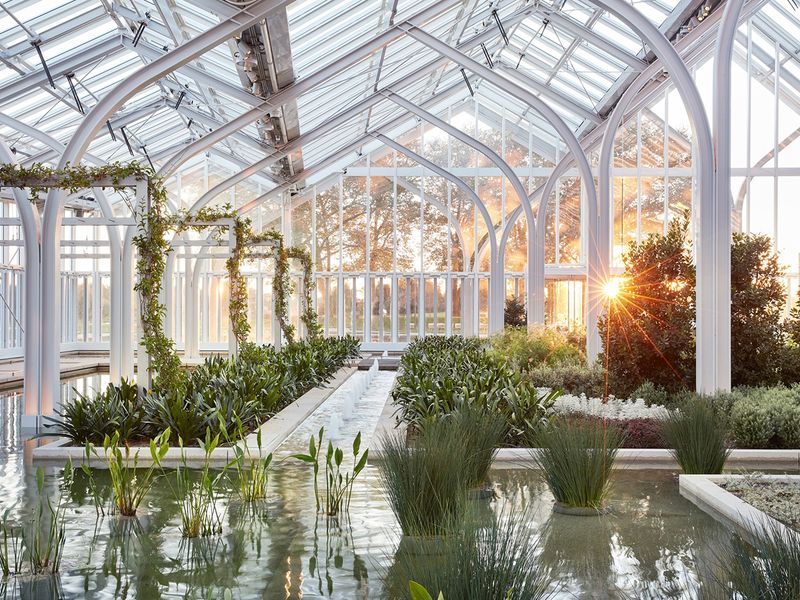
Color seems to have its own calendar at Longwood Gardens.
No matter when you visit, something is blooming, glowing, spraying, climbing, or filling the air with a fresh green scent.
Located near Kennett Square, Longwood Gardens is one of Pennsylvania’s most beautiful public gardens.
It began with land cared for by Pierre S. du Pont, who helped shape it into a place filled with fountains, greenhouses, meadows, and carefully designed paths.
Today, it feels both fancy and welcoming.
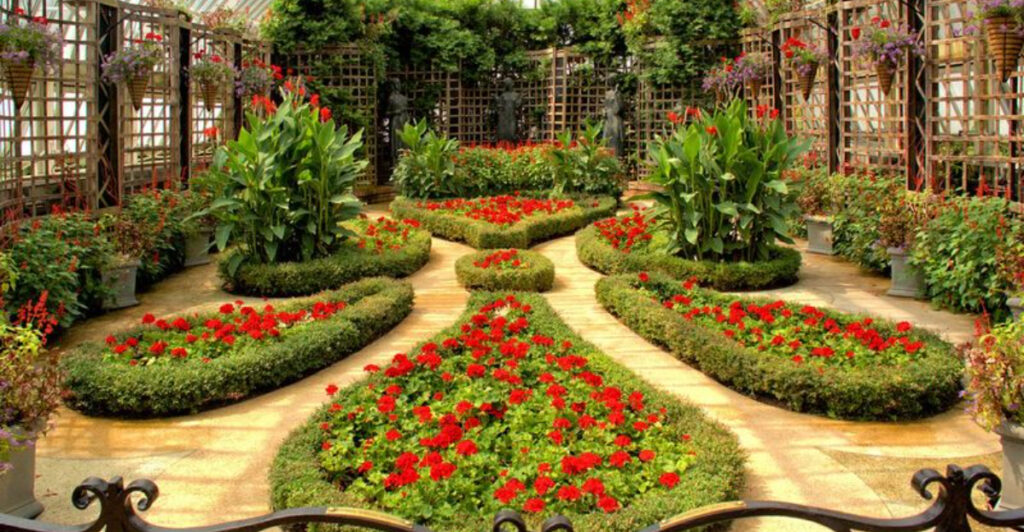
The conservatory is a favorite stop because it lets you enjoy flowers even when the weather is cold or rainy.
Inside, you might see orchids, palms, water lilies, or bright seasonal displays.
Outside, wide lawns and garden rooms give visitors space to stroll without rushing.
Plan ahead because timed tickets are often required.
Comfortable shoes are a smart choice, since the grounds are large and easy to explore for several hours.
If you are bringing kids, leave time for the children’s garden and open spaces where they can move around.
The fountain shows are a highlight, especially in warmer months.
During special evening events, lights and music turn the water into a performance.
Holiday displays are also popular, with decorated trees, glowing paths, and indoor flowers that make winter feel cheerful.
Longwood Gardens works well for couples, families, photographers, and anyone who needs a peaceful break.
It is not just a place to look at plants.
It is a reminder that careful design, patience, and nature can create something unforgettable right in Pennsylvania.
4. Cherry Springs State Park – Coudersport
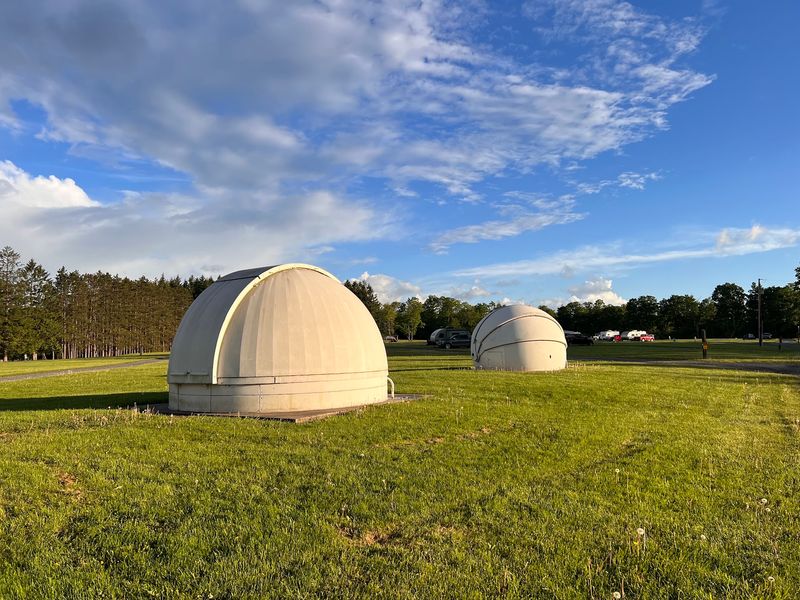
When the lights go out, Cherry Springs State Park puts on its best show.
Far from big cities, this northern Pennsylvania park is known for skies so dark that the Milky Way can stretch overhead like a pale river.
The park sits in Potter County, near Coudersport, on top of a high, forested area.
Its location and careful light rules make it one of the best stargazing spots in the eastern United States.
People come with telescopes, cameras, blankets, and plenty of wonder.
Check the weather and moon phase before you go.
A clear night near a new moon gives you the best chance to see faint stars.
Clouds, haze, or a bright full moon can change the view, so flexibility helps.
Visitors should bring warm layers, even in summer, because nights can feel chilly.
A red flashlight is better than a regular white light because it protects night vision and respects other stargazers.
If you plan to stay late, read the park rules before arriving.
There are areas for short-term viewing and spaces for serious overnight astronomy.
During popular meteor showers, the park can get busy, so arrive early and be patient.
The quiet is part of the experience, and loud music or bright lights can spoil it for others.
Cherry Springs is not packed with rides, shops, or flashy attractions.
That is exactly why it feels rare.
In a world filled with screens and streetlights, this Pennsylvania park gives people a chance to look up and remember how huge the sky really is.
5. Phipps Conservatory and Botanical Gardens – Pittsburgh
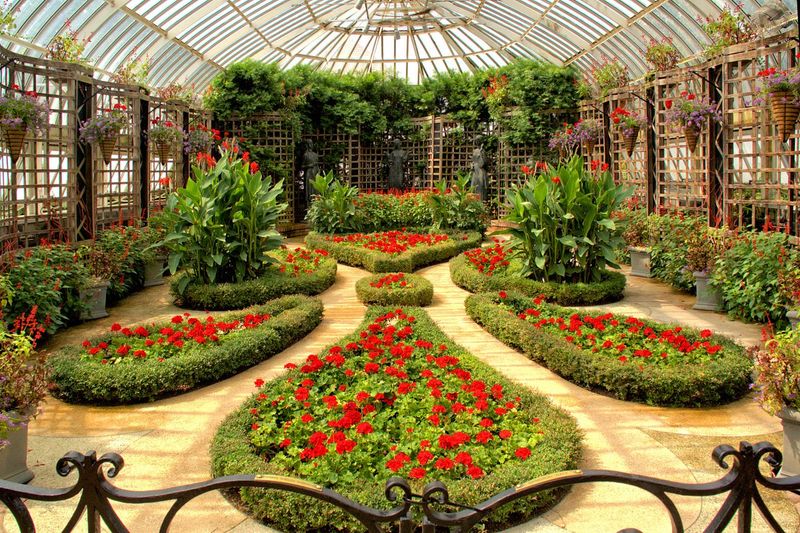
In the middle of Pittsburgh’s busy Oakland neighborhood, a glass palace gives people a leafy escape.
Phipps Conservatory and Botanical Gardens feels like stepping into several climates without leaving Pennsylvania.
The building opened in 1893 and still has a classic charm.
Its glass rooms hold tropical plants, desert gardens, orchids, ferns, seasonal flowers, and creative displays that change through the year.
One room may feel warm and jungle-like, while another feels dry and bright.
Phipps is a great stop when the weather does not cooperate.
Rain, snow, or summer heat matter less once you are inside the conservatory.
Families, students, plant lovers, and casual visitors can all find something interesting without needing expert garden knowledge.
Look for the butterfly forest when it is offered, along with the tropical fruit and spice room.
The outdoor gardens are also worth seeing when flowers are in season.
Art pieces and themed exhibits often add surprises, so slow walking pays off.
Because it sits near Carnegie Mellon University, the University of Pittsburgh, and Schenley Park, it fits well into a larger city day.
You can pair a visit with a museum, a park walk, or lunch nearby.
Buying tickets ahead of time can make entry smoother during weekends or special shows.
What makes Phipps stand out is the mix of beauty and learning.
It teaches visitors about plants, green buildings, and the environment in a way that feels bright instead of boring.
For a calm Pittsburgh break, this garden has plenty of personality under glass.
6. Fallingwater – Mill Run
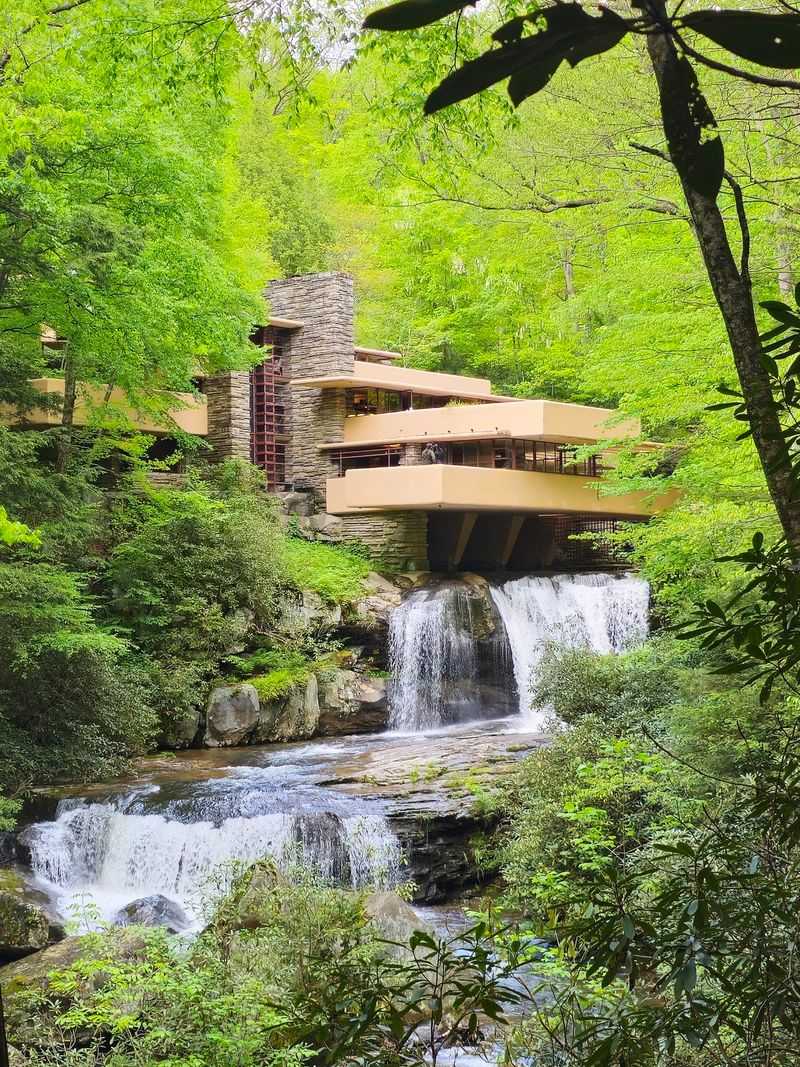
A house built over a waterfall sounds like something from a dream, yet Fallingwater is very real.
Hidden in the woods of southwestern Pennsylvania, it shows how bold design can fit into nature instead of pushing it away.
Architect Frank Lloyd Wright designed Fallingwater in the 1930s for the Kaufmann family of Pittsburgh.
Instead of placing the house beside the waterfall, he placed it directly above the rushing water.
The result is one of the most famous homes in the world.
Visitors need tickets for guided tours, and reservations are strongly recommended.
The tour helps explain details you might miss on your own, like the stone floors, low ceilings, long terraces, and the way rooms open toward the forest.
Photography rules can vary by tour type, so check before you arrive.
The sound of water follows you through much of the visit.
That sound is part of the design, not an accident.
Wright wanted the people inside the home to feel connected to the stream, rocks, trees, and changing seasons.
Wear shoes that can handle uneven paths, since the grounds include outdoor walking areas.
The classic view from below the house is a must, and it is often the photo people remember most.
Fall is especially beautiful, but spring and summer bring lush green scenery.
Fallingwater is more than a pretty building.
It can help visitors see architecture as a conversation with the land.
Even kids who do not usually care about design may be amazed by the idea of living above a waterfall in the Pennsylvania woods.
7. Kinzua Bridge State Park – Mount Jewett
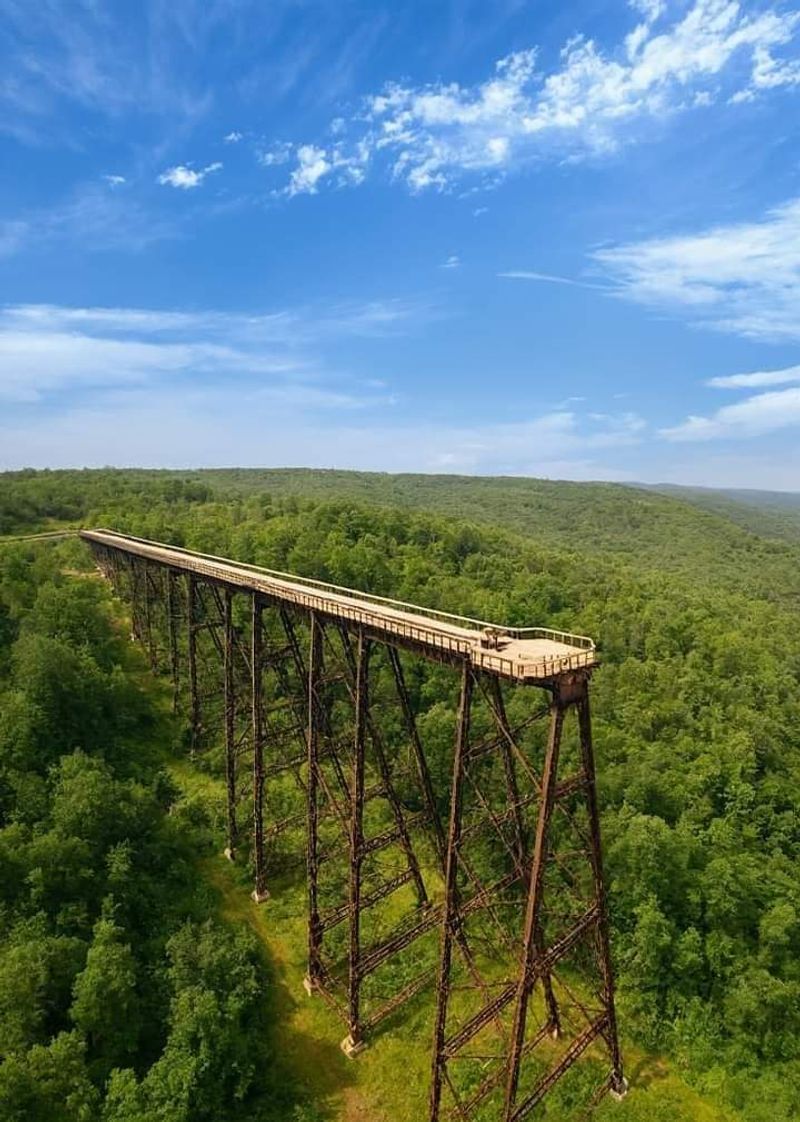
Few overlooks come with a story as dramatic as Kinzua Bridge State Park.
What began as a massive railroad bridge is now a skywalk where visitors can step out over a wide valley and look down through glass.
The original Kinzua Viaduct was built in the 1880s and was once one of the tallest railroad bridges in the world.
In 2003, a tornado damaged much of the structure.
Instead of removing every piece, Pennsylvania turned the remaining towers into a powerful reminder of engineering, weather, and time.
The skywalk is the main attraction.
It stretches out from the surviving part of the bridge and ends with a glass floor area.
Some people walk right onto it with a grin, while others take a deep breath first.
There is a visitor center with exhibits that explain the bridge’s history and collapse.
The displays make the stop more meaningful, especially for travelers who like trains or unusual landmarks.
Restrooms and parking make it an easy family-friendly visit.
Trails lead below the bridge area, where you can see twisted steel left in the valley.
That lower view adds scale and helps visitors understand the force of the storm.
Wear sturdy shoes if you plan to hike down, because the trail can be steep.
Kinzua Bridge State Park feels different from a normal scenic stop.
It is part lookout, part history lesson, and part adventure.
For anyone traveling through northern Pennsylvania, it offers a memorable view and a reminder that even broken places can become something meaningful.
8. Eastern State Penitentiary – Philadelphia
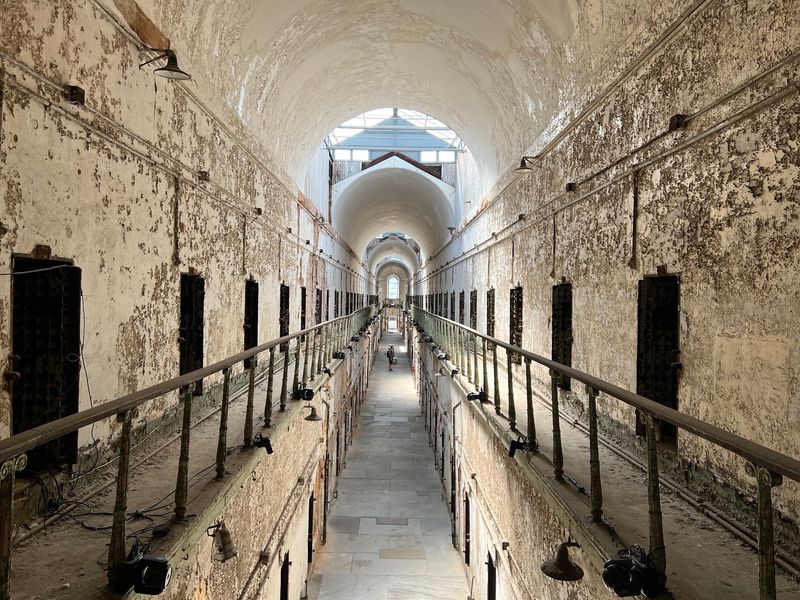
The heavy stone walls in Philadelphia do not feel like an ordinary museum.
Eastern State Penitentiary is haunting, strange, and fascinating, with long cellblocks that make visitors whisper without being told.
Opened in 1829, the prison was once famous for its unusual design and strict system of solitary confinement.
Its wagon-wheel layout became a model for other prisons around the world.
Over time, it held many people, including the well-known gangster Al Capone.
Today, visitors walk through crumbling corridors, empty cells, and exhibit spaces that explain prison life and justice issues.
The audio tour is one of the best ways to explore because it guides you through the site at your own pace.
It includes stories that make the old building feel real rather than just spooky.
Al Capone’s restored cell is a popular stop, partly because it looks so different from the plain cells nearby.
Art installations add another layer, helping people think about punishment, fairness, and the people behind the statistics.
The experience can be serious, so it is wise to prepare younger visitors before going.
Wear comfortable shoes and dress for the weather, since parts of the site can feel chilly or damp.
Some areas are rough and uneven, so watch your step.
Buying tickets online can help during busy travel times.
Eastern State Penitentiary is not hidden in the middle of nowhere, but it still feels like a secret world inside the city.
It gives Pennsylvania visitors a powerful look at history, architecture, fear, reform, and questions that still matter today.
9. Presque Isle State Park – Erie
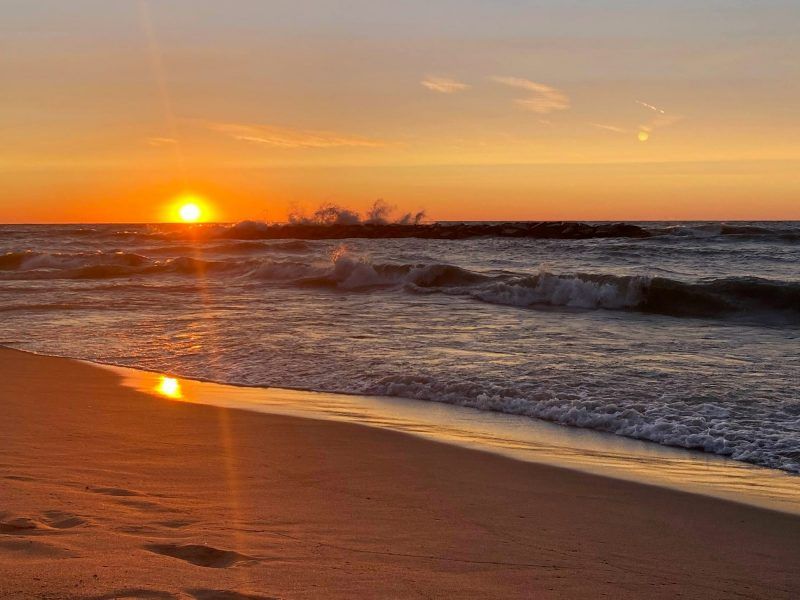
Beach days in Pennsylvania surprise some people, but Presque Isle State Park makes them easy to believe.
This sandy peninsula curves into Lake Erie and offers waves, sunsets, trails, and open sky.
The park is one of the state’s most loved outdoor places, yet it still has quiet corners if you explore beyond the busiest beaches.
Visitors can swim in guarded areas during the season, ride bikes, watch birds, fish, kayak, or simply sit near the water.
The lake can look almost ocean-like on windy days.
A paved multi-use trail loops through much of the park, making it good for biking and walking.
Bring your own bike or check local rental options in Erie.
Families should choose beaches with lifeguards and pay attention to water conditions before swimming.
Presque Isle is also a major birding spot.
Because it reaches into the lake, many migrating birds stop there during spring and fall.
Even casual visitors may spot gulls, herons, warblers, or ducks along the marshes and shoreline.
Sunset is a favorite time to visit.
The light spreads across Lake Erie in orange, pink, and purple shades, and the view feels peaceful after a full day outside.
Pack a light jacket because breezes can cool things quickly near the water.
The nearby city of Erie makes the park even more convenient.
You can spend the day on sand and trails, then head into town for food or museums.
Presque Isle shows that Pennsylvania’s Great Lakes corner has its own kind of coastal charm.
10. Ricketts Glen State Park – Benton
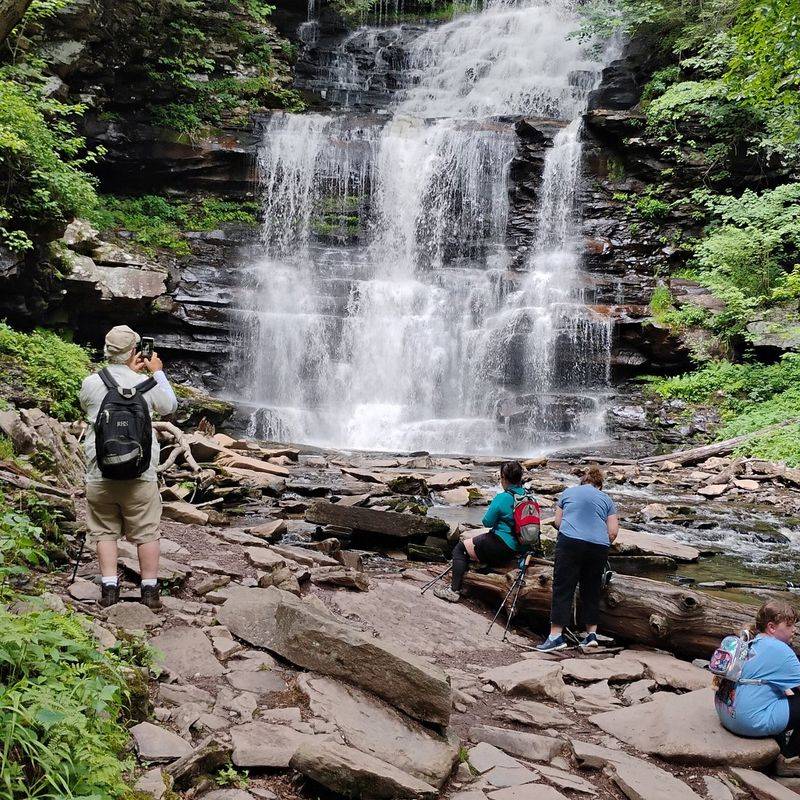
The first waterfall feels exciting, and then another appears, and then another after that.
Ricketts Glen State Park is famous for a trail system where waterfalls seem to keep turning up around every bend.
Located near Benton, the park protects deep woods, rocky streams, and more than twenty named waterfalls.
The Falls Trail is the star, with Ganoga Falls standing as one of the tallest and most photographed cascades.
The setting feels wild, green, and full of movement.
This is not the best place for flip-flops or careless walking.
The main waterfall trail can be steep, slippery, and challenging in spots.
Wear sturdy hiking shoes, bring water, and give yourself more time than you think you need.
Families with young children should choose routes carefully and check trail conditions before starting.
After rain, the waterfalls may be stronger, but rocks can also be slick.
In winter, parts of the trail may require special gear or may not be safe for casual hikers.
For a gentler visit, enjoy Lake Jean, picnic areas, or easier park trails.
Camping is available seasonally, and staying overnight gives you more time to explore without rushing.
Early mornings can be quieter and better for photos.
Ricketts Glen rewards people who like real hiking and natural beauty without a lot of noise.
The waterfalls are the big draw, but the forest itself is part of the experience.
It is a Pennsylvania place where muddy shoes, tired legs, and a camera full of photos all feel completely worth it.
11. Ohiopyle State Park – Ohiopyle
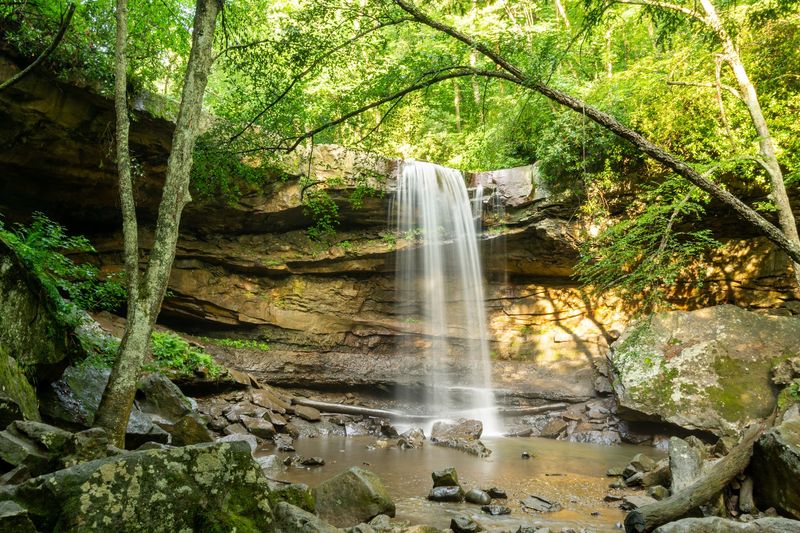
Some parks ask you to sit quietly, but Ohiopyle seems to invite you to move.
Water rushes over rocks, bikes roll along the trail, and hikers head toward waterfalls with snacks tucked in their packs.
Ohiopyle State Park sits in the Laurel Highlands of southwestern Pennsylvania.
The Youghiogheny River, often called the Yough, runs through it and creates some of the best whitewater rafting in the region.
Even if you do not raft, the river gives the park a lively sound and energy.
Beginners can book guided rafting trips with local outfitters, while experienced paddlers often seek bigger rapids.
Always match the trip to your skill level, because river conditions can change.
For a calmer outing, walk near Ohiopyle Falls or visit Cucumber Falls, a beautiful cascade that is easy to reach.
The Great Allegheny Passage trail passes through town and the park, making biking a major draw.
You can ride a short section or plan a longer trip through the mountains.
Rentals and food are available nearby, which makes planning easier.
Good shoes are helpful because rocks near waterfalls can be wet and uneven.
Summer weekends get busy, so arrive early if you want easier parking.
Fall brings cooler air and colorful hills, while spring often means strong water flow.
Ohiopyle blends adventure with small-town convenience in a way that feels welcoming.
You can chase rapids, take a gentle walk, eat ice cream, and watch the river all in one day.
It is a lively Pennsylvania gem with plenty of ways to enjoy the outdoors.
Share this story