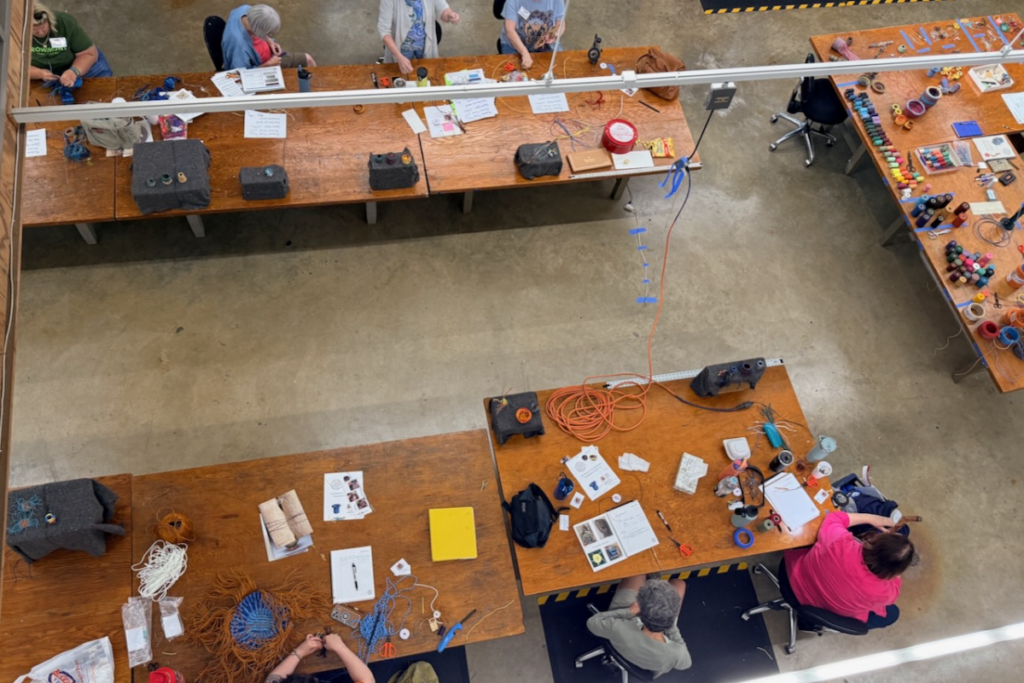
Tucked away on a wooded hillside in Gatlinburg sits a place where quilters from around the world gather to learn, create, and connect. Arrowmont School of Arts and Crafts has been drawing students to its campus for decades, and its quilting workshops have become legendary among fiber artists.
What makes people travel hundreds or even thousands of miles just to spend a few days stitching fabric? The answer goes way beyond thread and needles.
This Isn’t Your Average Quilting Class
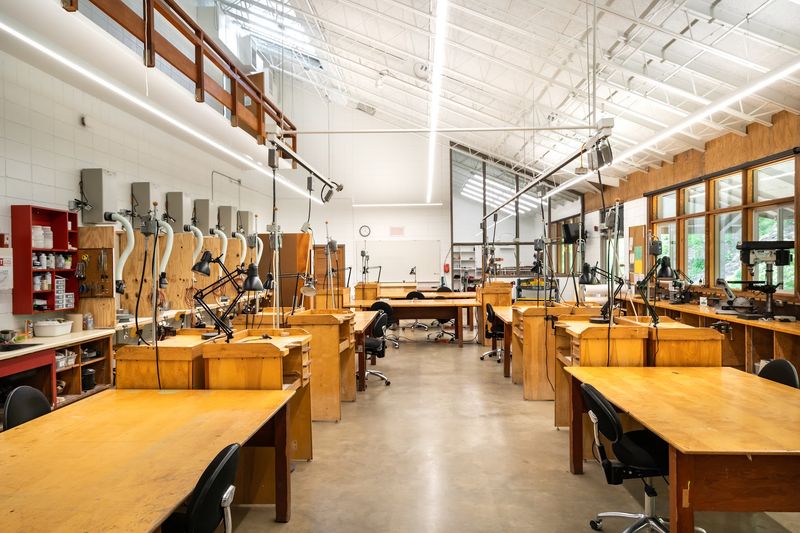
Walk into a quilting workshop at Arrowmont and you’ll immediately notice something different. There are no church basements or cramped community centers here.
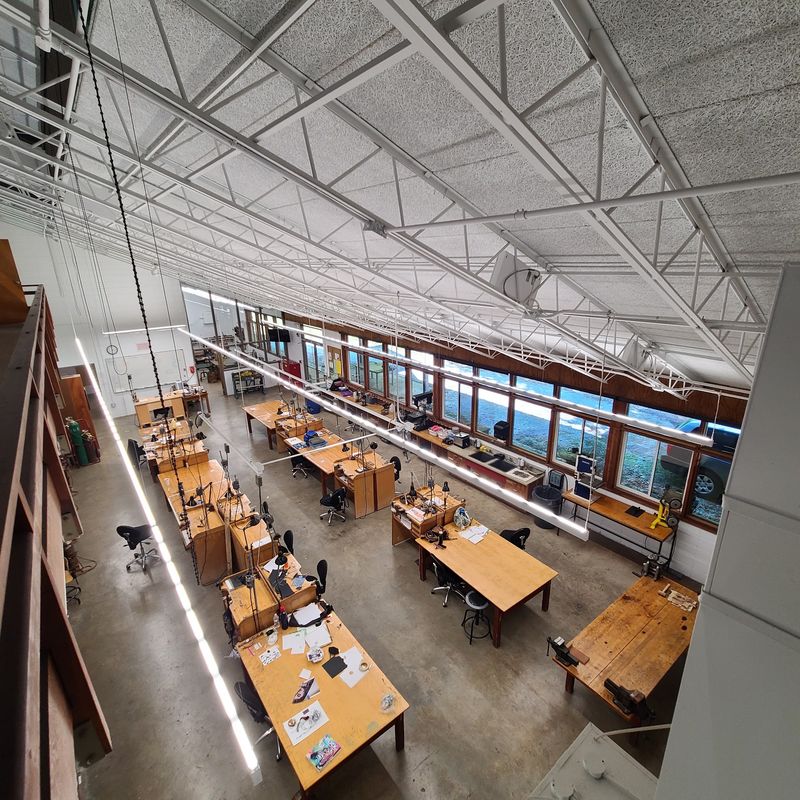
Instead, you’re stepping into a professional studio space designed specifically for serious fabric work, with natural light pouring through oversized windows and enough elbow room to spread out your biggest projects.
The instructors teaching these workshops aren’t just local hobbyists sharing tips. They’re nationally recognized fiber artists who’ve exhibited their work in galleries and museums across the country.
Many have written books, developed innovative techniques, or pioneered entirely new approaches to traditional quilting methods.
Students get access to equipment most quilters only dream about owning. High-quality cutting tables, professional pressing stations, and specialized tools fill the studio. You’re not bringing your own rickety card table and hoping for the best.
The workshops themselves run deeper than basic technique demonstrations. Instructors guide students through design theory, color relationships, and artistic problem-solving.
You might spend mornings learning a specific method, then afternoons applying those skills to your own creative vision.
Class sizes stay intentionally small, which means actual one-on-one instruction time with your teacher. When you’re stuck on a tricky corner or questioning a color choice, someone with decades of experience is right there to help you work through it.
The pace feels different too. These aren’t rushed weekend sessions where you’re frantically trying to finish a project before checkout time.
Multi-day workshops give you room to experiment, make mistakes, and develop skills that actually stick with you long after you’ve packed up your supplies and headed home.
Why Arrowmont Draws Creative People to Gatlinburg
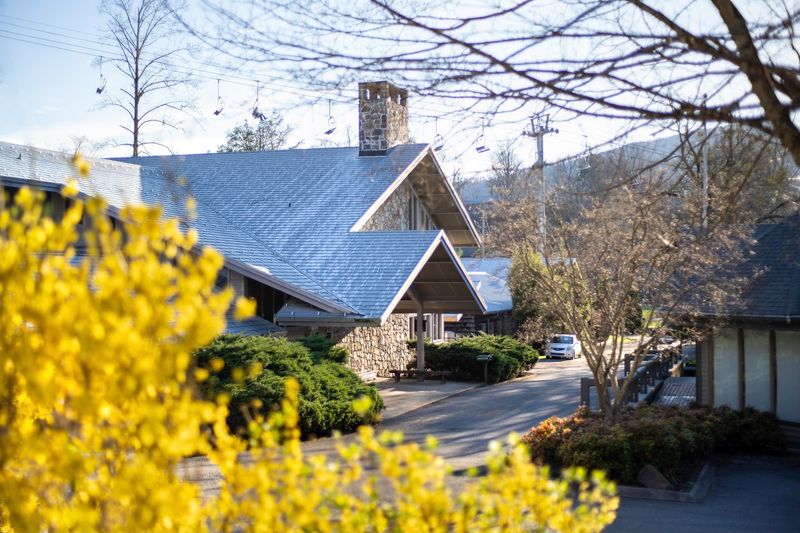
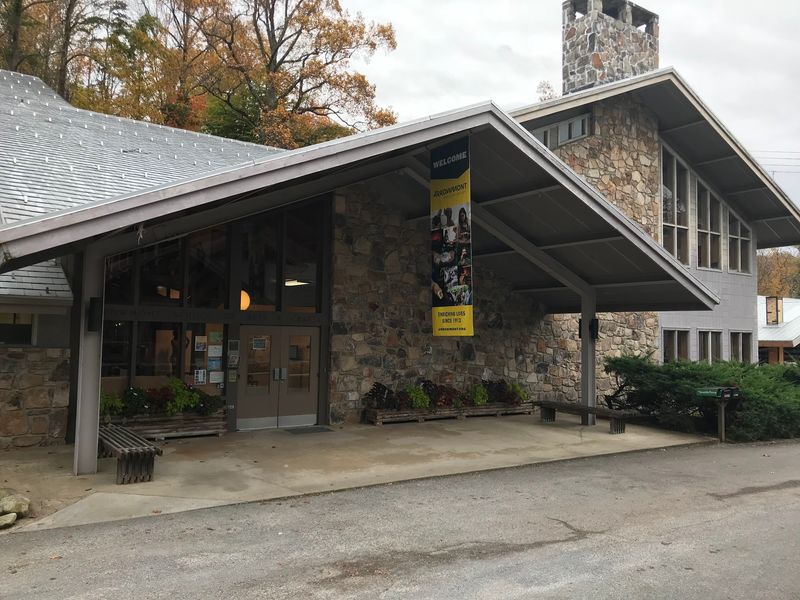
Most people know Gatlinburg for pancake houses and tourist attractions, but hidden right in the middle of all that sits a completely different world. Arrowmont’s 13-acre campus feels miles away from the busy streets just outside its gates.
Tall trees create a natural buffer, and suddenly you’re in a quiet creative sanctuary instead of a tourist town.
The school’s history runs deep in these mountains. What started as an educational initiative by Pi Beta Phi sorority in the early 1900s has grown into a nationally respected arts institution.
That legacy matters to people who care about craft traditions and serious artistic study.
Artists and makers from every corner of the globe choose Arrowmont specifically because of its reputation. Former students from India, Europe, and across the United States return year after year. When a place earns that kind of loyalty, you know something special is happening there.
The campus itself inspires creativity just by existing. Historic buildings mix with modern facilities, all connected by pathways that wind through the wooded hillside.
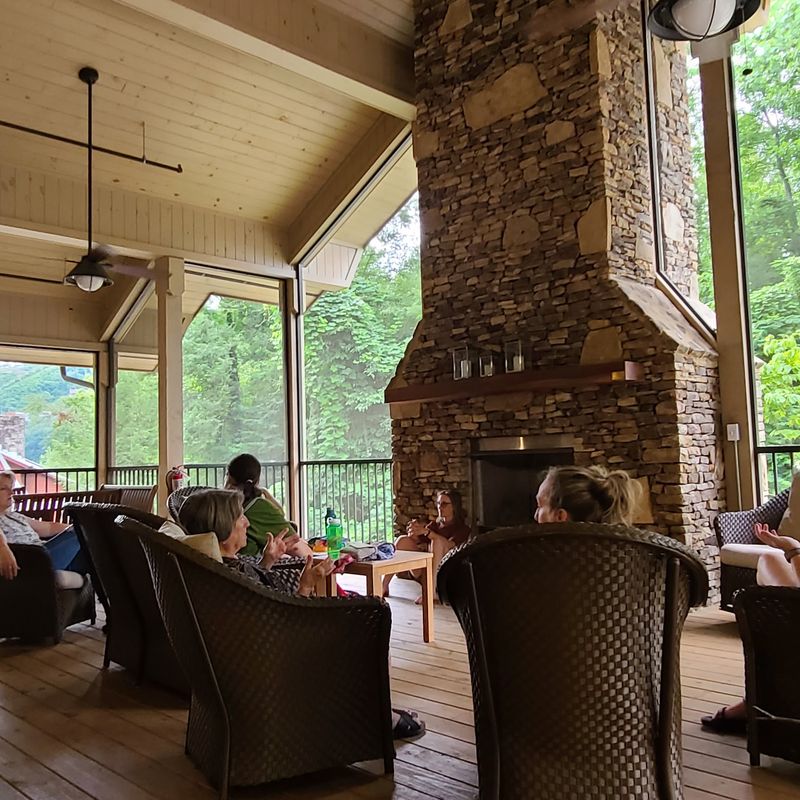
Screened porches with rocking chairs offer quiet spots to sketch ideas or just decompress between studio sessions.
Being surrounded by other serious artists changes the entire experience. You’re not the only person at the dinner table talking about tension in your stitches or debating the merits of hand-dyeing versus commercial fabrics.
Everyone around you gets it.
The location also puts you near Great Smoky Mountains National Park, which doesn’t hurt. Some students arrive early or stay late to hike, finding inspiration in the natural landscapes that have influenced Appalachian craft traditions for generations.
That connection between place and making runs through everything Arrowmont does.
What Actually Happens Inside the Quilting Workshop
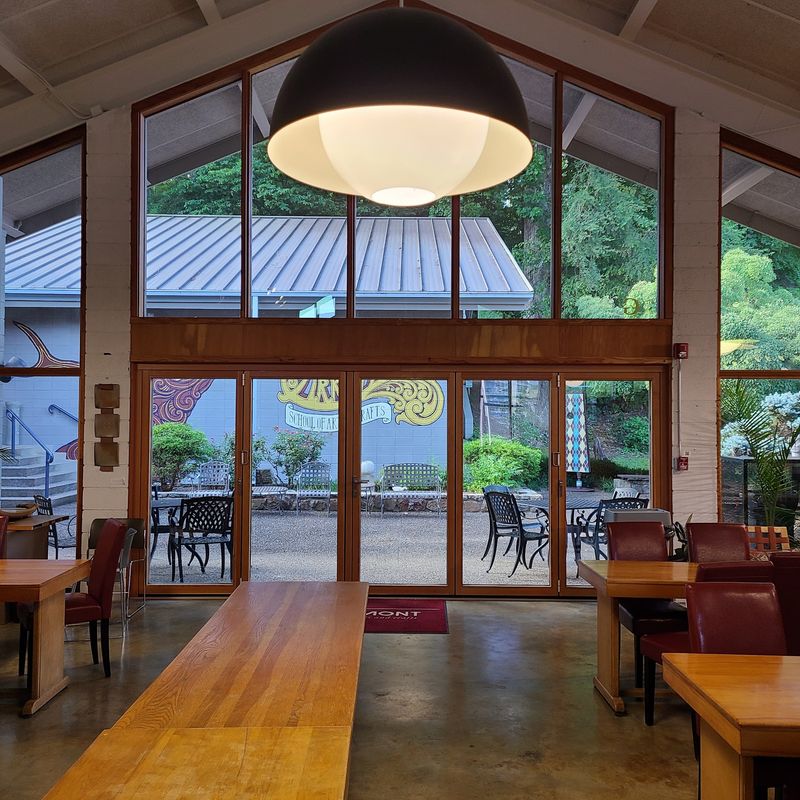
A typical workshop day starts before you even reach the studio. Breakfast brings everyone together in the dining hall, where conversations about last night’s progress and today’s plans flow naturally over surprisingly good food.
Students consistently rave about the meals, which matters more than you’d think when you’re spending intensive days creating.
Morning sessions usually focus on technique instruction and demonstration. Your teacher might walk everyone through a specific method, showing the process step-by-step while explaining the thinking behind each choice.
You’re not just learning what to do, but understanding why it works.
Then comes the hands-on portion where theory meets fabric. Students work at their own pace on individual projects while the instructor circulates, offering guidance and answering questions.
This is where having a small class size really pays off because you get genuine attention when you need it.
Lunch provides a natural break and another chance to connect with classmates. You might find yourself swapping stories with someone who traveled from across the country or comparing notes with a quilter who’s been coming to Arrowmont for twenty years.
Afternoon sessions continue the work, often diving deeper into more complex applications of morning techniques. Some workshops include critiques where students share their progress and receive constructive feedback from both the instructor and peers.
These discussions push your thinking in ways solitary quilting at home never could.
Studios stay open into the evening for students who want extra work time. Many people take advantage of these hours, finding a rhythm and focus that’s hard to achieve in regular life with its constant interruptions and responsibilities pulling you away from your creative practice.
You Don’t Have to Be an Expert to Take Part
One of the biggest misconceptions about Arrowmont keeps talented quilters from even applying. People assume you need advanced skills or an impressive portfolio just to walk through the door.
That couldn’t be further from the truth.
Workshop descriptions clearly indicate skill level requirements, and plenty welcome enthusiastic beginners. If you can operate a sewing machine and follow instructions, you’re qualified for many of the introductory and intermediate sessions.
The key is choosing a workshop that matches your current abilities rather than trying to jump into advanced techniques before you’re ready.
First-time students often worry about keeping up or feeling out of place among more experienced quilters. Those fears typically evaporate within the first few hours.
The community at Arrowmont values learning and growth over showing off. Experienced students remember being beginners themselves and tend to offer encouragement rather than judgment.
Instructors design their workshops with mixed skill levels in mind. They provide foundational instruction that benefits everyone while offering additional challenges for students ready to push further.
You’re not left floundering, but you’re also not held back if you catch on quickly.
The school’s entire philosophy centers on accessible arts education. They want people discovering new skills and developing creative confidence, not creating an exclusive club for only the most accomplished artists.
Even absolute beginners leave these workshops having created something they’re genuinely proud of. More importantly, they gain skills and knowledge they can build on for years.
Starting your quilting education at a place like Arrowmont sets a strong foundation because you’re learning proper techniques from the beginning instead of developing habits you’ll need to unlearn later.
The Setting Makes the Experience Even More Special
Something shifts when you stay on campus for a multi-day workshop instead of commuting from a hotel. You’re not just taking a class; you’re entering a temporary creative community where making art becomes your entire focus for a few precious days.
The newer dormitory spaces at Bill May Hall offer clean, comfortable rooms that feel more like a pleasant college dorm than institutional housing. You get your own space to retreat to between sessions, but you’re steps away from studios if inspiration strikes at odd hours.
Those screened porches students mention in reviews aren’t just charming details. They’re functional creative spaces where people sketch, plan their next steps, or simply sit quietly processing what they’ve learned.
The sound of mountain breezes through trees beats traffic noise any day.
Meals served in the dining hall do more than fuel your body. They create natural gathering points where friendships form and ideas cross-pollinate.
You might sit down next to someone taking a completely different workshop and end up having a conversation that influences your own work.
The campus sits on a hillside, which means you’re getting exercise whether you planned on it or not. Those walks between buildings, studios, and dining areas keep you moving and give your mind time to wander.
Some of the best creative breakthroughs happen during those in-between moments.
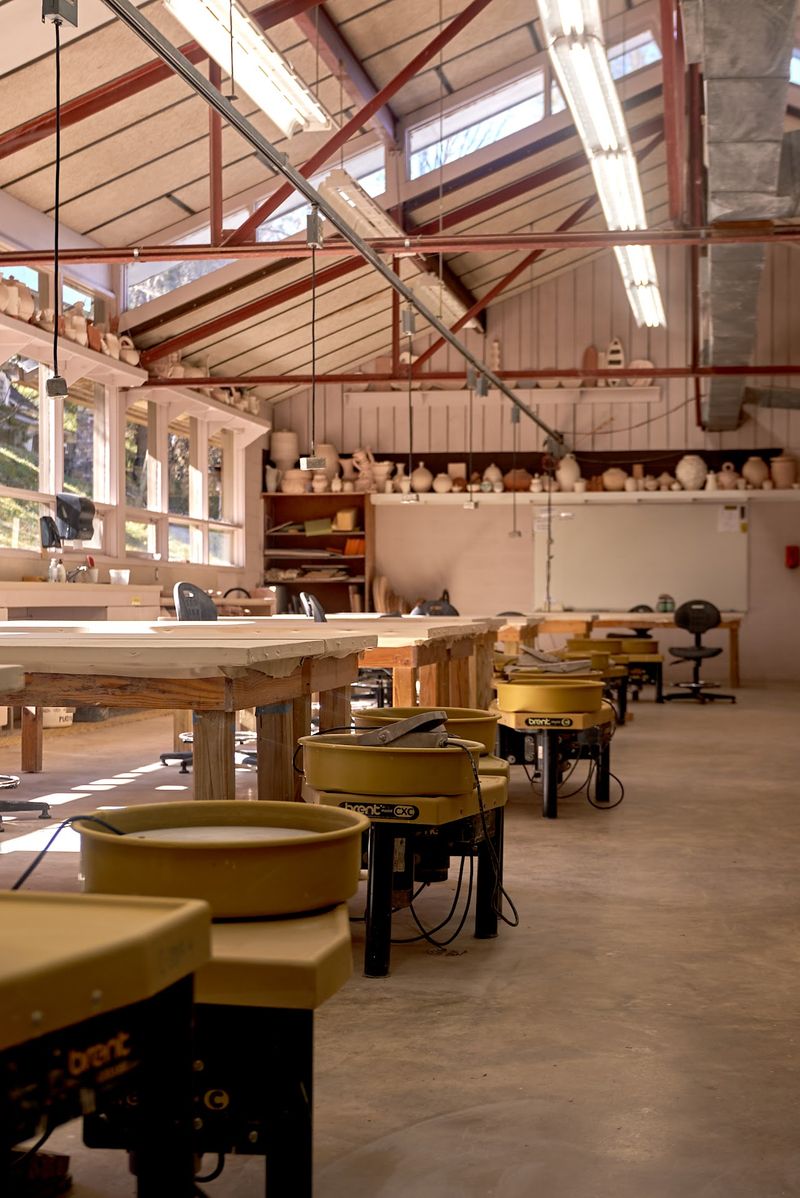
Being surrounded by other artists working in different mediums adds unexpected richness to the experience. You might pass a woodturning studio or metalworking shop on your way to quilting class, catching glimpses of entirely different creative processes.
That exposure broadens your thinking about what’s possible with materials and techniques.
Why People Travel So Far for a Few Days of Making
Students fly in from India, drive ten hours from neighboring states, and plan their vacation time around Arrowmont workshops. That level of commitment might seem extreme for a quilting class until you understand what they’re really seeking.
Regular life doesn’t offer many opportunities for complete creative immersion. Most quilters squeeze their craft into evenings and weekends between work, family obligations, and everything else competing for attention.
A few uninterrupted days focused solely on making represents a rare luxury.
Learning from a master teacher changes your entire approach to the craft. These instructors have spent decades developing their expertise, and a single workshop can compress years of trial-and-error learning into a few intensive days.
You’re gaining knowledge that would take much longer to acquire on your own.
The community aspect matters just as much as the instruction. Finding your people, especially for niche interests and artistic pursuits, gets harder as you get older.
Arrowmont workshops connect you with others who share your passion and understand why you care so deeply about things like thread weight and color gradation.
Many students describe their time at Arrowmont as transformative, not in a dramatic way, but in how it reignites their creative spark. You return home with renewed energy, new skills, and fresh perspectives that influence your work for months or years afterward.
The investment pays dividends beyond the workshop itself. Connections made during these sessions often last for years.
Students stay in touch, share work online, and sometimes coordinate their schedules to attend future workshops together. You’re not just learning quilting techniques; you’re building relationships with people who get why this work matters to you.
What to Know Before Booking an Arrowmont Workshop
Workshops fill up fast, especially popular instructors and summer sessions. If you’re serious about attending, register as soon as the schedule opens.
Waiting until you’ve cleared your calendar and made all your arrangements might mean missing out on your first choice.
The school operates Monday through Friday, with offices closed on weekends. Plan your contact accordingly if you have questions about specific workshops or need help with registration.
Staff members are genuinely helpful and can guide you toward workshops that match your interests and skill level.
Strongly consider adding the meal plan when you register. Former students consistently mention the food quality, but more importantly, meals create community.
Eating together means conversations with classmates and instructors that enhance the entire experience. Skipping meals to save money means missing out on a significant part of what makes Arrowmont special.
Check the workshop description carefully for required supplies versus provided materials. Some classes include everything you need; others ask students to bring specific tools or fabrics.
Knowing this ahead of time prevents last-minute shopping trips or working with less-than-ideal materials.
The campus location in downtown Gatlinburg means you’re close to restaurants, shops, and attractions if you arrive early or stay late. However, once workshops start, most students find they prefer staying on campus and soaking up the peaceful creative atmosphere rather than venturing into the tourist areas.
Recent policy changes mean studios close Friday afternoon and meal service ends earlier for weekend departures. Factor this into your travel plans, especially if you’re driving a long distance. You might need to budget for an extra meal or adjust your departure time accordingly.
Understanding these details upfront prevents disappointing surprises at the end of an otherwise amazing workshop experience.
Share this story