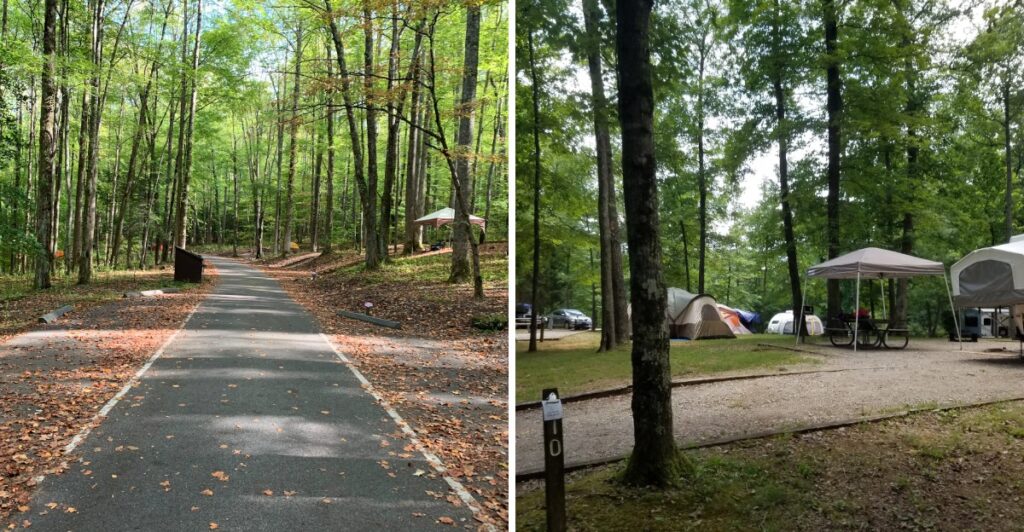
Trade crowded campgrounds and noisy RV rows for star-filled skies, rustling leaves, and the peaceful sounds of the Tennessee wilderness. These nine secluded campgrounds offer tent campers a chance to settle deep into nature, with forested sites, mountain scenery, quiet lakeshores, and trails waiting just beyond the tent flap. Some destinations provide convenient amenities while still feeling wonderfully remote, while others deliver a more rustic experience for campers ready to leave everyday comforts behind.
Days can be spent hiking, paddling, fishing, or simply relaxing beside the fire without a packed schedule. Whether you are planning a family adventure or a quiet weekend away, these Tennessee campgrounds make it easier to unplug, slow down, and rediscover the simple pleasure of sleeping beneath the stars.
1. Frozen Head State Park Campground – Wartburg
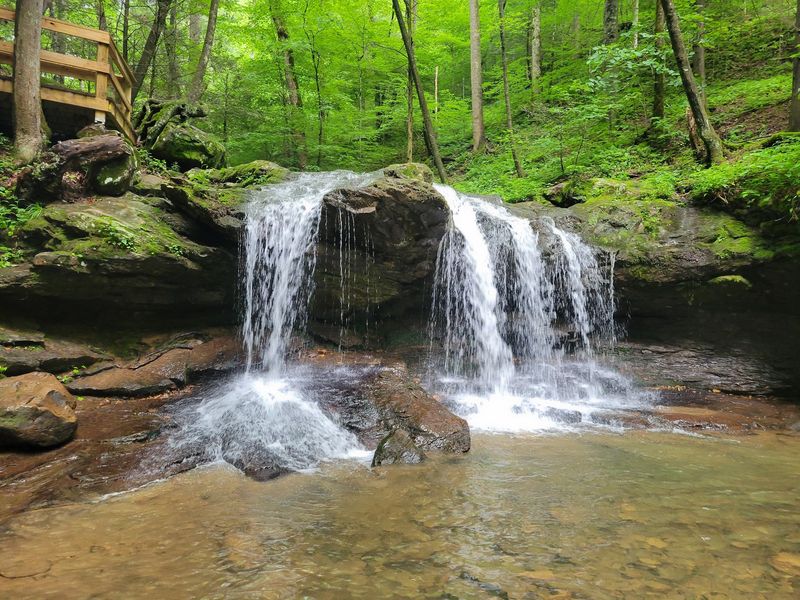
The name sounds chilly, but Frozen Head actually earned it from the frost and snow that often cap its tall peak in winter. Come in spring and you will find the opposite, with wildflowers popping up along nearly every trail. It is a rugged corner of the Cumberland Mountains that still feels wild.
The campground sits near Flat Fork Creek, so the sound of moving water becomes your nighttime soundtrack. Sites are tucked under tall trees, which means shade in summer and a cozy, closed-in feel. You will not find big RV crowds here, and that is part of the charm.
Hikers have lots to love. Trails range from short creek strolls to long, steep climbs toward the summit area, where a fire tower offers views on clear days. Waterfalls hide along several routes, and they look best after a good rain.
A few tips help your trip go smoother. Bring layers, because mountain nights can turn cool even when afternoons are warm. Pack bug spray and a good flashlight, since the forest gets very dark once the sun drops.
Cell service can be weak, so download trail maps before you arrive. Check the park website for current campsite rules and reservation details, since they can change by season.
Fun bit of trivia: the park sits close to the old Brushy Mountain State Penitentiary, which now hosts tours. Pair a spooky afternoon visit with a peaceful night under the trees for a trip with real contrast.
2. Indian Boundary Campground – Tellico Plains
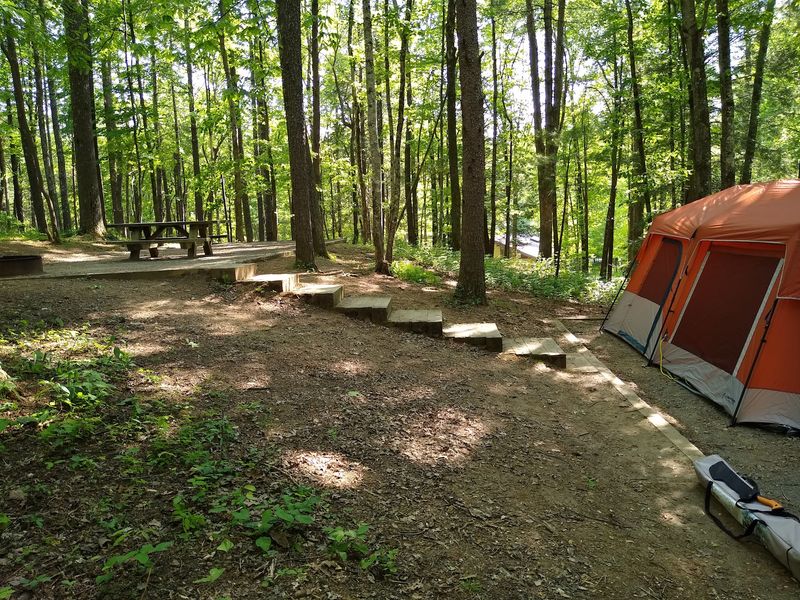
Picture a quiet mountain lake, a loop trail hugging the shore, and a campsite just a short walk away. That is the everyday scene at Indian Boundary, high in the Cherokee National Forest. The elevation keeps summer air noticeably cooler than the valleys below.
Getting there is half the fun. The drive winds along the Cherohala Skyway area, with curvy roads, scenic overlooks, and plenty of reasons to pull over for photos. Once you arrive, the pace slows way down.
The lake is small and calm, which makes it great for paddling, swimming at the beach area in season, or casting a line. Motorboats with big engines are generally not part of the scene, so the water stays peaceful. Kids can splash while adults read in a camp chair nearby.
A flat loop trail circles the lake and works well for bikes, strollers, and evening walks. Watch for turtles sunning on logs and listen for owls after dark. Early mornings often bring mist drifting across the water.
Plan ahead, because this spot is popular with folks who know about it. It usually runs on a seasonal schedule, so check the national forest website for open dates and booking info. Groceries are limited up here, so stock up in Tellico Plains before heading up the mountain.
Bring a hammock, a paperback, and zero plans. This is the kind of campground where doing very little feels like the whole point.
3. Rock Creek Recreation Area – Erwin
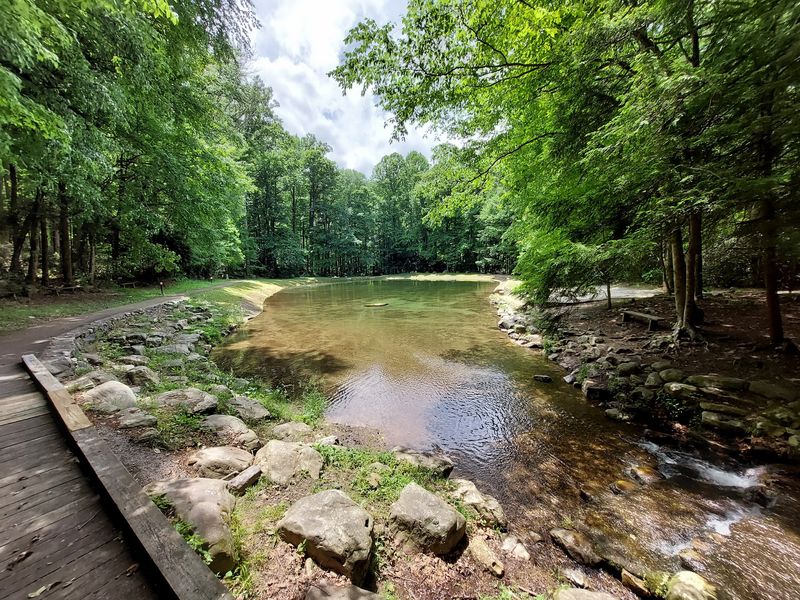
Ask an East Tennessee local where to cool off in July, and Rock Creek might come up fast. Tucked at the base of the mountains outside Erwin, this spot pairs shady campsites with a cold, creek-fed swimming area that feels like a secret. Your toes will thank you.
The campground sits in the Cherokee National Forest, surrounded by thick rhododendron and tall hemlocks. Sites feel private, with plenty of green between neighbors. It is easy to forget you are only a short drive from town.
Hiking options are strong here. Trails climb toward waterfalls and higher ridges, and the famous Appalachian Trail passes through the Erwin area. You might even spot long-distance hikers resupplying in town, which makes for fun campfire stories.
Erwin itself is worth a stop. The Nolichucky River runs nearby, and local outfitters offer rafting and tubing trips in warmer months. Grab a bite downtown, then head back to the woods before dark.
Some quick advice: the swimming water is chilly even in summer, so bring a towel and a warm layer. Rocks can be slippery, so water shoes are a smart packing choice. Check the forest service website for season dates, since the area typically closes in colder months.
Fun fact: Erwin hosts a yearly festival celebrating its apple heritage and small-town spirit. Time your trip right, and you can mix a weekend of camping with some old-fashioned local fun.
4. Bandy Creek Campground – Oneida
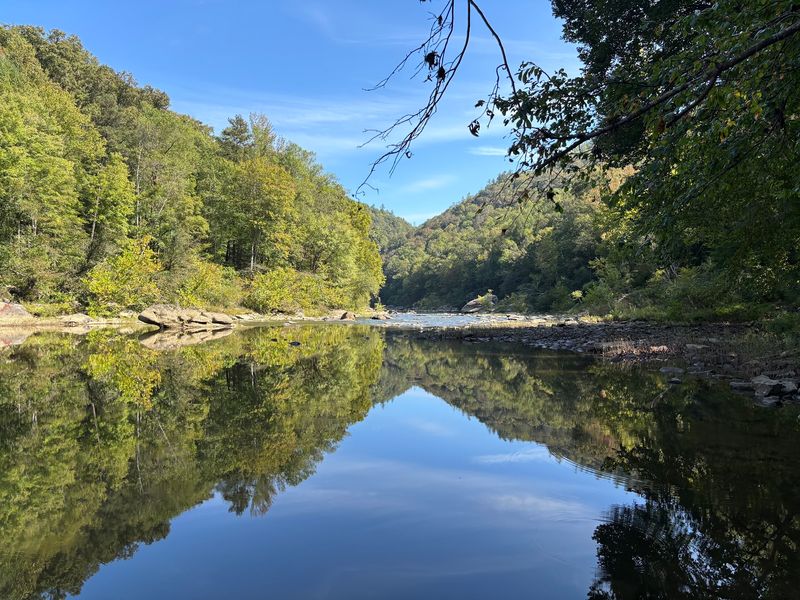
Big South Fork is one of those places people drive past without realizing what they are missing. Bandy Creek serves as the main camping hub for this huge stretch of rugged gorges, sandstone arches, and wild river. Once you see it, you will wonder why nobody told you sooner.
The campground offers a solid home base, with loops for tents and room for horse campers in some areas. Trails fan out in every direction, from easy family walks to all-day treks. Mountain bikers and horseback riders share the backcountry too, so expect a friendly mix of outdoor folks.
Some of the most famous sights include natural stone arches and overlooks that peer deep into the river gorge. The Twin Arches area is a favorite for photographers. Autumn turns the whole region into a patchwork of red and gold.
Night skies are a big bonus. With few towns nearby, stars shine bright on clear evenings, so pack a blanket and look up. Bring a red flashlight if you want to keep your eyes adjusted to the dark.
Practical tip: distances out here are longer than they look on a map, and roads can be winding. Fill your gas tank and grab supplies in Oneida. Check the National Park Service website for current campsite details and trail conditions before you go.
History buffs can visit the nearby Blue Heron area, an old coal mining community with outdoor exhibits that tell stories of the families who lived there.
5. Cosby Campground – Cosby
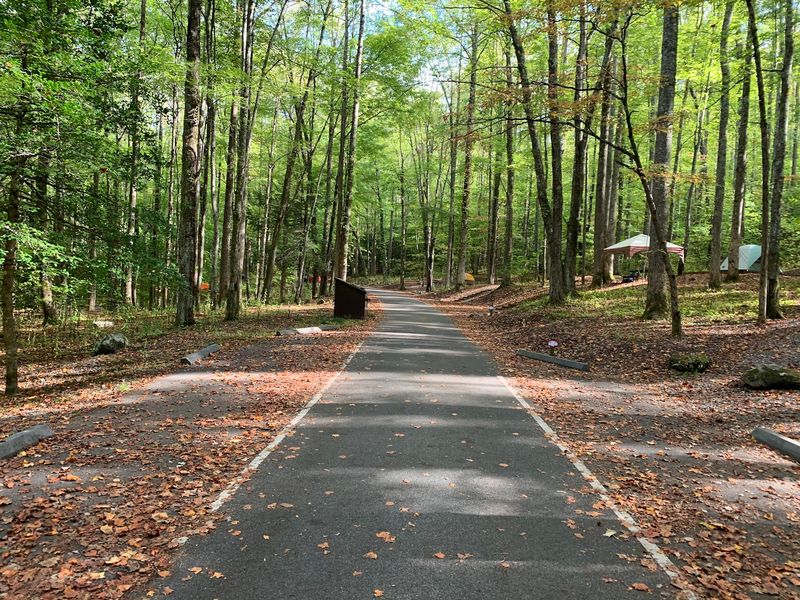
Gatlinburg gets the crowds, but Cosby gets the quiet. This campground sits on the calmer northeast side of Great Smoky Mountains National Park, where the traffic thins and the forest takes over. Think mossy boulders, bubbling streams, and trees so tall you tilt your head back.
Many campers pick Cosby because it feels more relaxed than the park’s busier spots. Sites spread out under a thick canopy, and many have a creek running close by. On a humid summer day, that shade feels like a gift.
Trails start almost at your tent. One popular route leads to Hen Wallow Falls, a tall, lacy waterfall that makes a great half-day hike. Stronger hikers can tackle longer climbs toward ridges and a historic fire tower.
Wildlife is a real part of life here. Black bears live throughout the Smokies, so store food properly and follow every posted rule. Keep a clean camp, and you will enjoy watching from a safe distance if one wanders by.
A little planning goes a long way. The campground usually operates seasonally, and the park now requires a parking tag for vehicles stopping longer than a short visit. Check the National Park Service website for current fees and reservation details.
Fun fact: Cosby was once nicknamed a moonshine capital, thanks to its hidden hollows and mountain stills. Today the only thing brewing is campfire coffee, and honestly, that is a pretty good trade.
6. Foster Falls Campground – Sequatchie
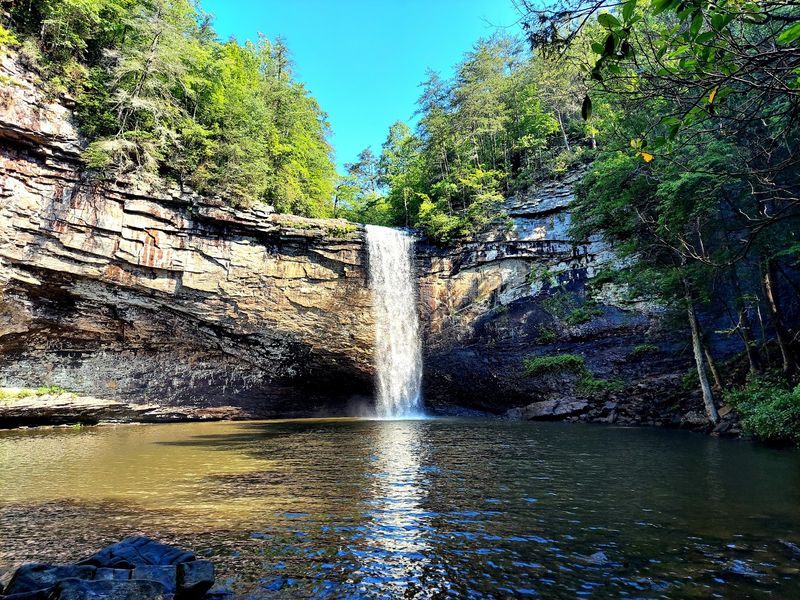
Here is a campground where a 60-foot waterfall is basically your next-door neighbor. Foster Falls drops into a wide pool framed by sandstone cliffs, and the view from the overlook is a jaw-dropper. Stay the night, and you get it all without the day-trip rush.
The campground sits on top of the plateau in the South Cumberland area. Sites are wooded and simple, which suits tent campers who want nature more than fancy extras. It feels peaceful once the daytime visitors head home.
Rock climbers love this place. The cliffs around the gorge are a well-known climbing area, so you may hear friendly shouts of climbing lingo drifting up from below. Even if you never touch a rope, watching them is pretty entertaining.
Hikers have options too. A short trail heads down to the base of the falls, where you can feel the cool spray. Longer routes connect to the Fiery Gizzard Trail, one of the most talked-about hikes in the state.
Some smart tips: the path to the bottom is steep and rocky, so wear real shoes, not flip-flops. Swimming conditions change with the weather, so use good judgment and follow posted signs. Check the state park website for booking details before you go.
Bonus fact: the Fiery Gizzard name has a fun legend attached, involving a hot turkey gizzard and a very surprised early traveler. Ask a ranger, because the story gets better with each telling.
7. Stone Door Campground – Beersheba Springs
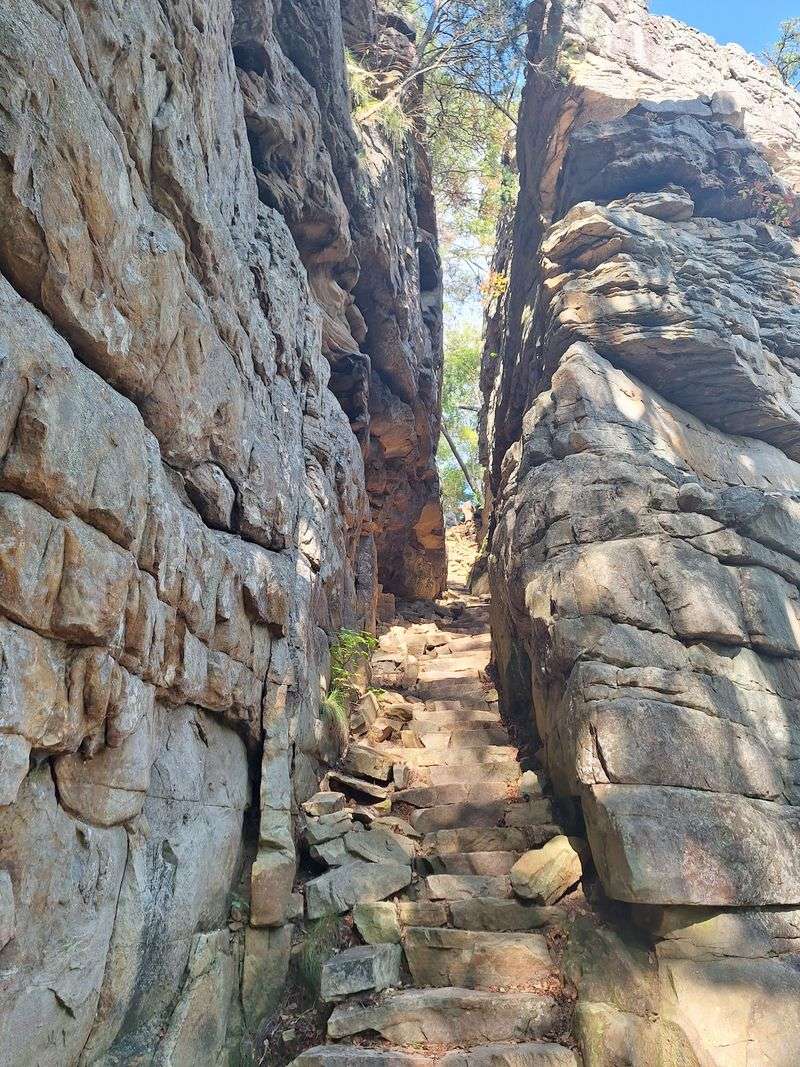
Imagine a crack in the cliff so neat it looks like a doorway carved by giants. That is the Great Stone Door, a narrow gap in the rock that once served as a passage for travelers moving up and down the gorge. Today it is the star of this quiet plateau campground.
The campground sits near the edge of Savage Gulf, a deep and dramatic gorge in the South Cumberland region. Sites are rustic and tucked into the woods. You come here for scenery and silence, not for cable TV.
The walk to the Stone Door overlook is short and fairly easy, which makes it a sunset favorite. From the edge, the gorge stretches out in waves of green, turning fiery shades in fall. Hold onto little ones, because the cliffs are steep and real.
Longer trails drop into the gulf and follow creeks past rock formations and small cascades. Backpackers can link routes for multi-day trips. Plan water carefully, since some streams run low in dry months.
A few friendly reminders: bring a camp stove, because fire rules may change with conditions. Pack out everything you pack in. Check the state park website for campsite reservations and trail updates before heading out.
Beersheba Springs, nearby, has a long history as a mountain resort town where wealthy families once escaped summer heat. Drive through its old streets, and you can still feel a bit of that storybook charm.
8. Meriwether Lewis Campground – Hohenwald
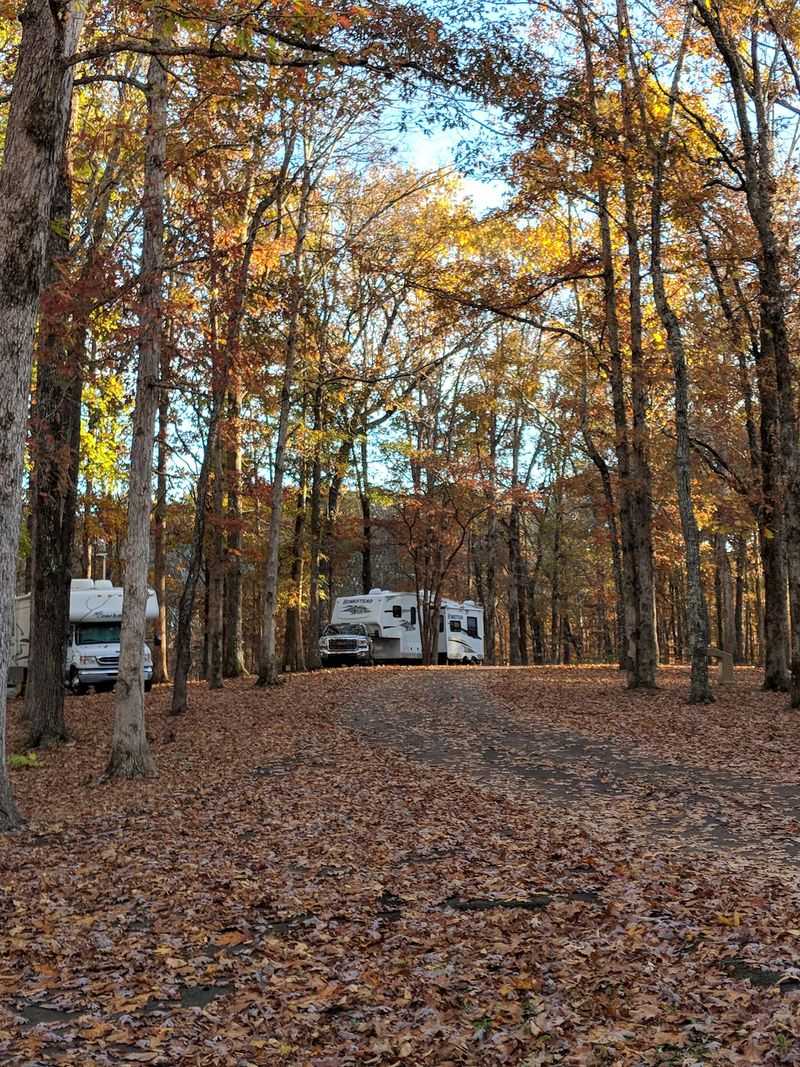
History and hammock time mix nicely at this free-feeling spot along the Natchez Trace Parkway. The campground sits near the site where famous explorer Meriwether Lewis died in 1809, just a few years after his journey west with William Clark. A stone monument marks his grave nearby.
Most visitors love the laid-back mood. The Trace itself is a slow, scenic road with no big trucks or billboards, so the drive in feels calm before you even park. Sites are simple, wooded, and wonderfully quiet.
Spend some time walking the grounds. Short trails wind through the forest and past sections of the Old Trace, a path once used by travelers, traders, and Native American peoples long before cars. Standing there, it is easy to imagine footsteps from centuries ago.
Cyclists often pass through, since the parkway is popular for long bike rides. You might chat with someone pedaling hundreds of miles. Those campfire conversations can be the best part of the trip.
Here is some practical stuff. Services are basic, so bring your own firewood from nearby sources, plenty of water, and snacks. Check the National Park Service website for current details on sites and any changes.
Hohenwald, the closest town, has its own quirky side, including roots as a German and Swiss settlement. Its name even means high forest. Grab supplies there, then head back to your shady site and let history keep you company.
9. Standing Stone State Park Campground – Hilham
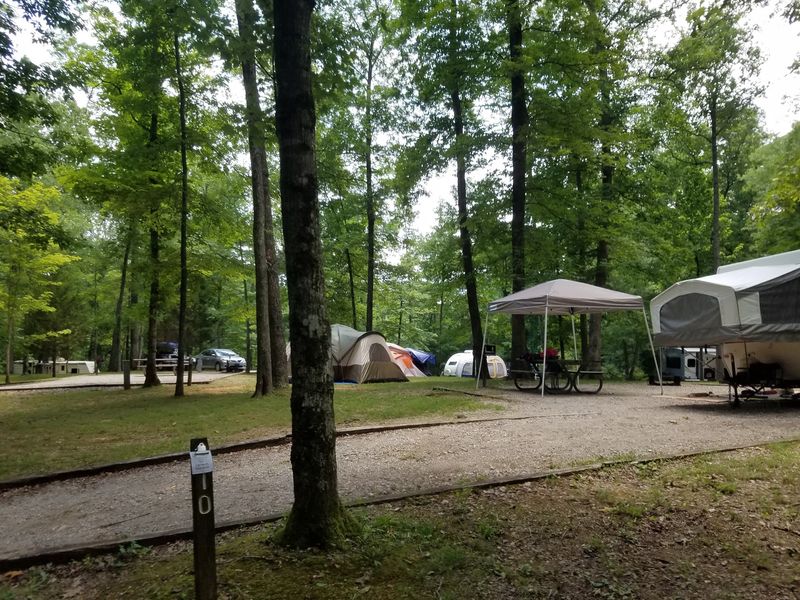
Standing Stone is the kind of place grandparents talk about fondly. Built largely by the Civilian Conservation Corps in the 1930s, the park still shows off stone work and rustic touches from that era. It feels like stepping into an old family photo, in the best way.
The campground sits in the rolling hills of the Upper Cumberland region, near a small, pretty lake. Sites are shaded and relaxed. Weekends bring families, but it rarely feels packed.
Water is the main attraction. Paddling and fishing on the lake are popular, and the calm surface makes it friendly for beginners. Early morning is prime time for spotting herons along the shoreline.
Trails loop through hardwood forests and along creeks, with some routes short enough for young hikers. Fall is especially lovely, when the hills glow orange and red. Spring brings wildflowers and plenty of bird songs.
Quick tips before you go: bring a lightweight rain jacket, since hill country weather can switch fast. Stock up on groceries in a nearby town, because options close by are limited. Check the state park website for campsite availability and current rules.
Here is a fun origin bit. The park name comes from a tall rock that once stood in the area and served as a boundary marker. The original stone is gone, but a piece of it is said to be displayed in nearby Monterey, keeping the legend alive.