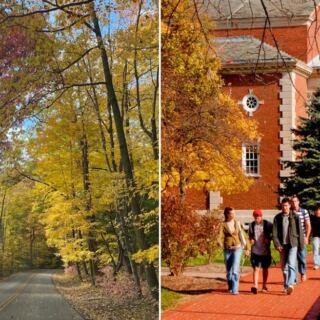
A Saturday morning in the right New Jersey town can cover an impressive amount of family business. There might be a soccer game before breakfast, a library stop before lunch, and an afternoon spent biking to the park—all without crossing a county line.
The Garden State’s best family towns make busy schedules feel more manageable by putting strong schools, recreation programs, walkable downtowns, and useful transit within easy reach.
They also give children something harder to measure: familiar faces, annual traditions, and places where they can gradually claim a little independence.
Naturally, this level of convenience often comes with a competitive housing market and hefty property taxes, so no town is perfect for every budget. Still, the following communities repeatedly stand out for the full package they offer.
From university energy in Princeton to lakeside trails in Montclair, these 11 New Jersey towns provide the schools, spaces, and community connections that help families settle in—and genuinely want to stay.
1. Princeton: Big Ideas, Kid-Sized Fun
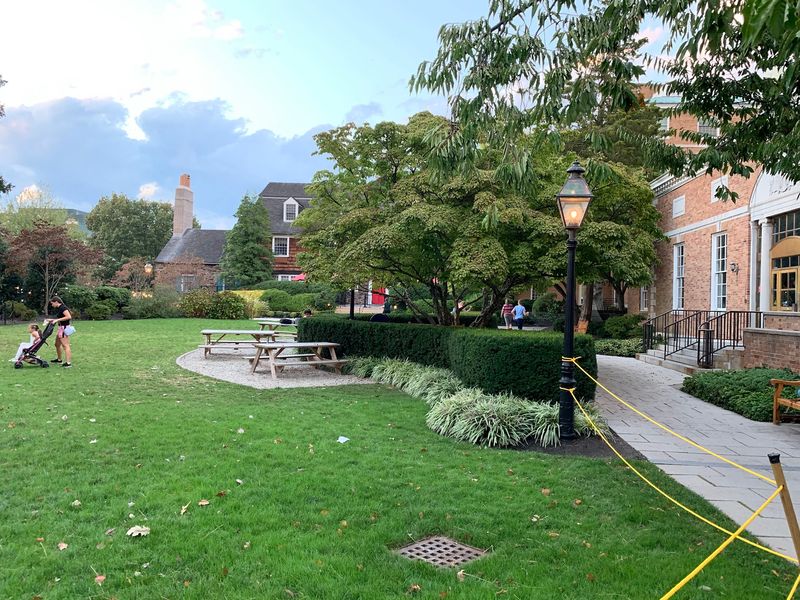
Few children get to grow up treating an Ivy League campus like an extension of the neighborhood. In Princeton, families can wander beneath Gothic arches, attend public lectures and performances, admire art, or watch rowing crews skim across Lake Carnegie.
That intellectual energy reaches well beyond the university gates and helps create a town where curiosity feels like part of everyday life.
Princeton Public Schools have a strong academic reputation, while the public library on Witherspoon Street functions as a genuine community living room with children’s programming, study areas, and events.
Downtown is unusually walkable for a suburban community, placing bookstores, cafés, ice cream, restaurants, and Palmer Square within an easy loop. The recreational options are equally impressive.
More than a quarter of the municipality is designated open space, and families can choose among playgrounds, athletic fields, wooded preserves, the D&R Canal towpath, and the child-friendly paths at Marquand Park. Older kids gain some independence because so much can be reached on foot or by bicycle.
The Princeton “Dinky” also provides a short rail connection to Princeton Junction for trips along the Northeast Corridor.
Housing costs are substantial, and traffic around downtown can test anyone’s patience, but the combination of education, culture, outdoor space, and constant opportunities to learn makes Princeton difficult to match.
2. Ridgewood: Where the Weekend Starts Downtown
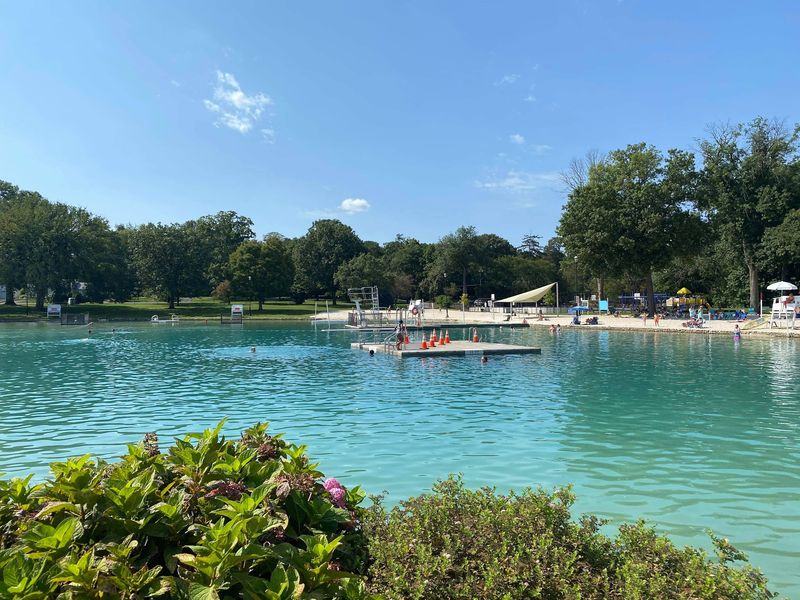
On summer afternoons, Graydon Pool looks less like a municipal facility and more like the town’s shared backyard.
Its sandy shoreline and natural swimming area give families an easy gathering place, while nearby sports fields, playgrounds, tennis courts, and recreation programs keep the calendar full through the rest of the year.
Ridgewood’s appeal rests on that kind of well-developed community infrastructure. Its public schools are highly regarded, and the village offers youth leagues, summer camps, swim lessons, arts activities, and after-school programs for a broad range of ages.
Downtown Ridgewood adds another layer of convenience with restaurants, bakeries, shops, a movie theater, and a train station grouped within a compact center.
Parents commuting toward Manhattan can catch NJ Transit service without driving to another municipality, and teenagers have somewhere to meet friends that is not a mall parking lot.
Outdoor time can be as simple as walking around the duck pond or following the multiuse path through Saddle River County Park, a 577-acre green corridor that passes through the community. Ridgewood is neither inexpensive nor undiscovered, and buyers often face serious competition for homes.
What families receive in return, however, is a place built for participation. School events, concerts, sports, and seasonal celebrations steadily turn acquaintances into neighbors, which is exactly why so many residents remain connected long after their children have grown.
3. Westfield: A Downtown Built for Family Traditions
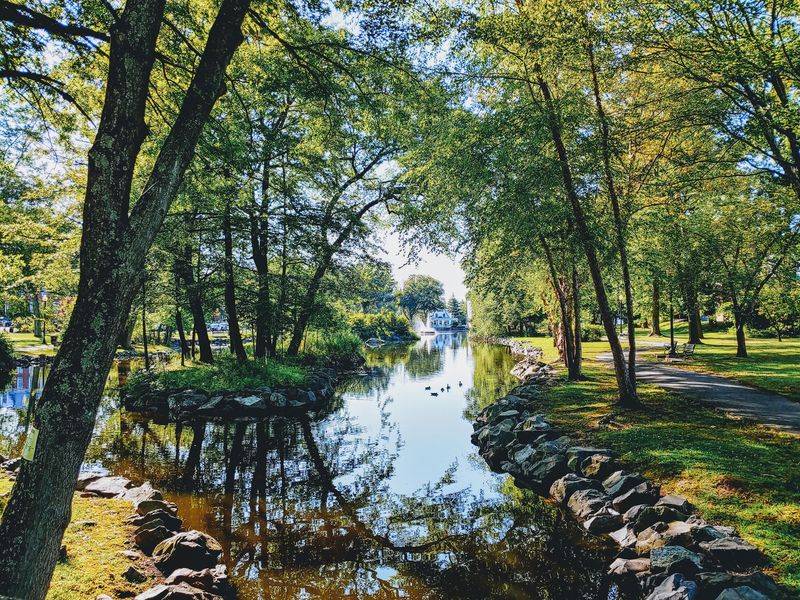
The stroller traffic around Mindowaskin Park tells you plenty about Westfield before anyone mentions test scores. This 12-acre green space sits close to downtown, giving families a pond, playground, gazebo, and walking paths within minutes of restaurants and shops.
It is the sort of layout that makes an ordinary afternoon pleasantly easy: pick up a library book, grab a snack, let the kids burn off energy, and head home without reorganizing the entire day. Westfield’s public schools are a major draw, but the town supports family life well beyond the classroom.
Recreation offerings include youth programs, swim lessons, seasonal playground activities, and access to athletic facilities, while nine municipal parks provide everything from ballfields to woodland paths.
Downtown events add regular reasons to leave the house, including outdoor music, holiday celebrations, street fairs, and October’s AddamsFest, inspired by hometown cartoonist Charles Addams.
The NJ Transit station provides service on the Raritan Valley Line, a practical advantage for households balancing suburban life with jobs in Newark or New York. Westfield’s polished appearance comes at a price: homes can be expensive, taxes deserve careful attention, and desirable properties rarely linger.
Even so, families consistently value the combination of respected schools, neighborhood parks, an active town center, and enough community traditions to make children feel they are growing up somewhere distinctive.
4. Haddonfield: Main Street Magic in South Jersey
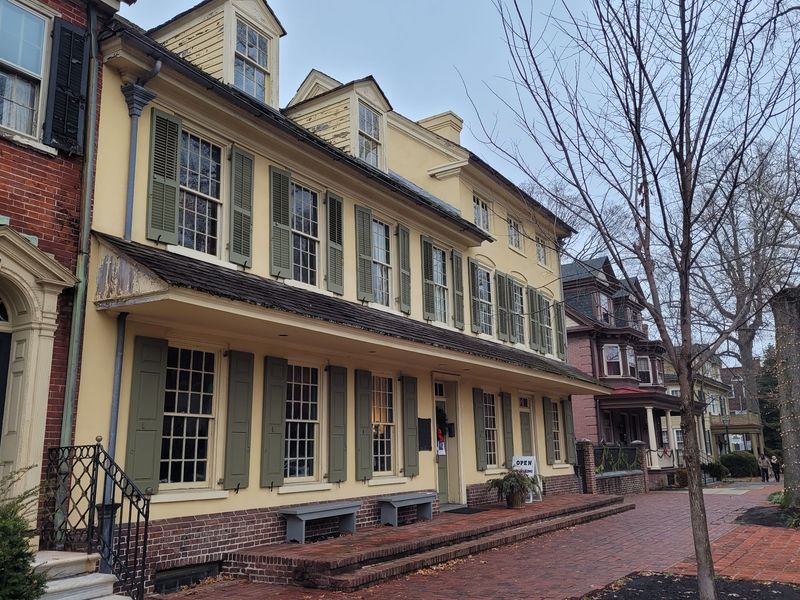
A bronze dinosaur stands in the middle of downtown, which is a fairly unbeatable conversation starter for young residents. Haddonfield proudly celebrates the discovery of Hadrosaurus foulkii nearby, and that playful link to prehistoric history fits a borough where the past never feels sealed behind glass.
Brick sidewalks, colonial buildings, and independent storefronts line Kings Highway, yet the district remains useful rather than ornamental. Families can walk to cafés, restaurants, toy shops, and community events, while older children can begin navigating the compact center on their own.
The local public schools are widely respected, and Haddonfield’s parks, playgrounds, playing fields, youth sports, and seasonal recreation programs provide plenty to do after dismissal.
Crows Woods offers trails and natural space, while Hopkins Pond and the broader Cooper River park system create additional options nearby.
One of the town’s greatest practical advantages is PATCO service. The station puts Philadelphia within easy reach for commuting parents and opens the door to museums, sporting events, and family outings without the usual parking headache.
Haddonfield also knows how to make traditions stick, filling its calendar with parades, festivals, outdoor entertainment, and holiday events that draw neighbors downtown. Houses here can command premium prices, and the historic street plan occasionally means tighter lots and limited parking.
For families wanting South Jersey charm without giving up strong schools, walkability, or city access, those compromises may feel entirely reasonable.
5. Glen Rock: Small Borough, Full Schedule
That enormous glacial boulder near Doremus Avenue is more than an unusual landmark—it is the reason this Bergen County borough has its name. The rock gives children a memorable hometown symbol, but Glen Rock’s strongest family qualities are woven into daily routines.
Its well-regarded school system serves a relatively compact community, helping school concerts, games, and parent events become natural meeting points for neighbors. Recreation is taken seriously here.
Families have access to a municipal pool, playgrounds, summer programs, tennis and pickleball courts, athletic fields, and youth organizations covering sports from soccer to lacrosse.
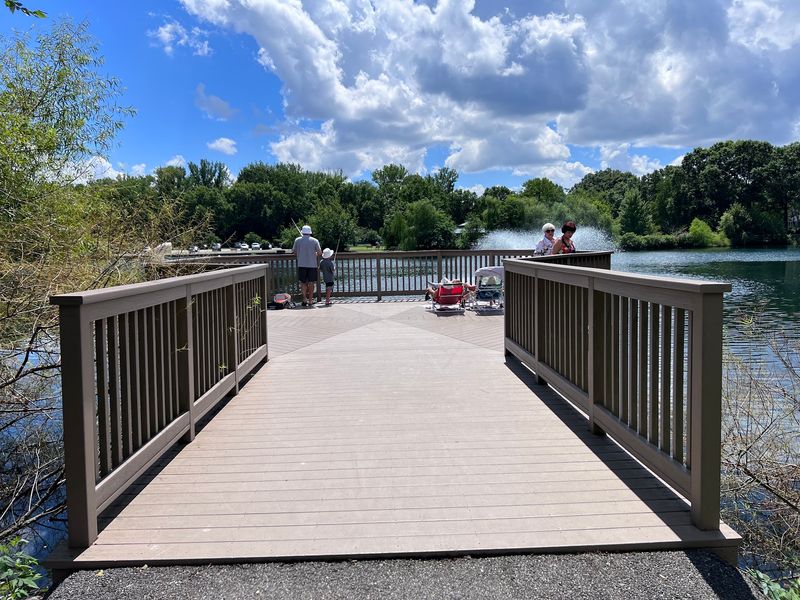
Thielke Arboretum offers shaded walking paths and a peaceful nature break, while the Glen Rock section of Saddle River County Park connects to a roughly six-mile pedestrian and bicycle route.
At the duck pond, families can picnic, fish, use the playground, or simply make another lap with a scooter. Commuters benefit from an especially useful arrangement: Glen Rock has stations on two NJ Transit rail lines, broadening the options for reaching Hoboken or Manhattan.
The small commercial district along Rock Road supplies coffee shops, casual meals, and everyday services without turning the borough into a busy regional destination.
Real estate is competitive, and property taxes can be steep, but many parents see value in the short distances, abundant recreation, respected schools, and close-knit scale.
It is a town where the weekly schedule fills quickly, yet very little feels far away.
6. Chatham Borough: Classic Streets, Modern Family Life
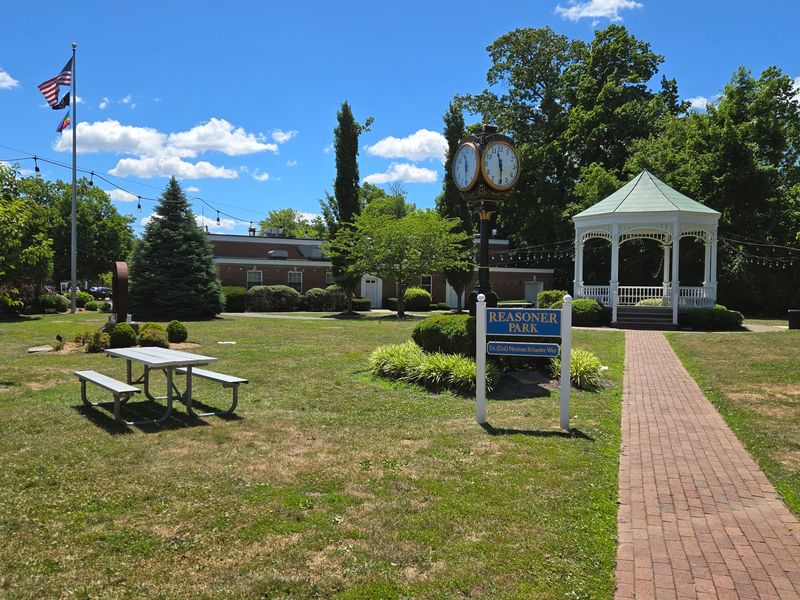
After school, the action often shifts from classrooms to playing fields, and Chatham gives families plenty of places to make that transition.
Memorial Park combines a playground, basketball, ballfields, picnic tables, and a seasonal swimming pool, while Shepard Kollock Park adds a walking trail, boat launch, sports areas, and space beside the Passaic River.
Chatham Borough and neighboring Chatham Township also work together on youth recreation, offering baseball, soccer, basketball, lacrosse, football, field hockey, softball, and cheerleading. That shared programming helps explain why new families tend to meet people quickly.
Education remains one of the borough’s biggest attractions, with the School District of the Chathams enjoying a strong academic reputation. The downtown along Main Street is compact but practical, providing cafés, restaurants, shops, and a train station without losing its residential feel.
NJ Transit service is valuable for New York-bound commuters, particularly those trying to preserve family time instead of spending it behind the wheel.
Annual traditions such as the Fishawack Festival bring music, activities, vendors, and neighbors into the center of town, while the local farmers market turns routine grocery shopping into a Saturday outing.
Chatham is undeniably expensive, from home prices to the tax bill, and its popularity means buyers should expect competition.
In exchange, families get an unusually efficient package: respected schools, recreation close to home, a usable downtown, and direct rail service wrapped into a borough small enough to feel personal.
7. Summit: City Connections With Backyard Energy
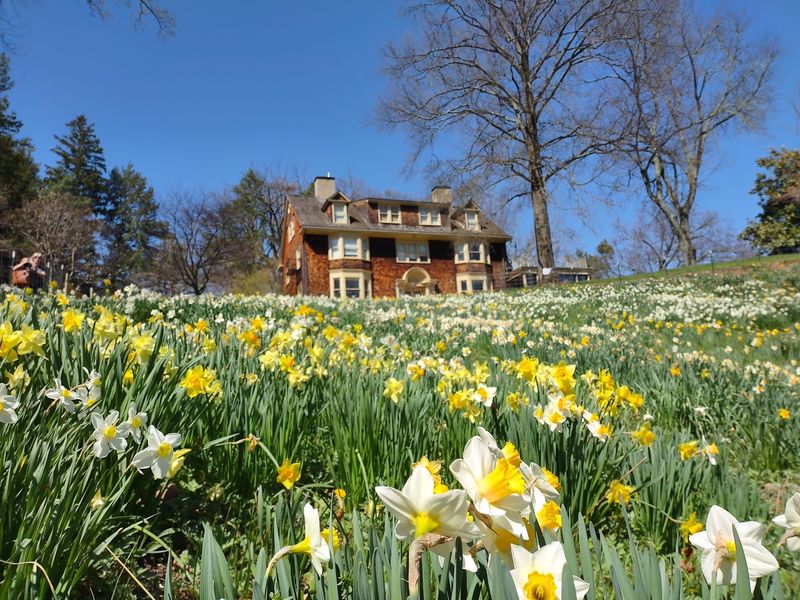
The Village Green earns its keep in Summit. Throughout the year, this central lawn hosts concerts, cultural celebrations, outdoor movies, holiday gatherings, and family events, giving residents a reliable place to come together without needing an elaborate plan.
Just steps away, downtown offers restaurants, bakeries, shops, and the NJ Transit station, so errands and entertainment can often share the same trip. Summit Public Schools are an important reason families target the city, but the support system extends into recreation and culture.
The Summit Family Aquatic Center anchors summer life with pools and programs, while local parks supply playgrounds, sports fields, courts, and walking space. The Reeves-Reed Arboretum adds 13.5 acres of gardens, woodland trails, and family programming in an elegant historic setting.
For indoor culture, the Visual Arts Center of New Jersey offers exhibitions and classes that can engage children who would rather hold a paintbrush than a lacrosse stick. Commuter rail service to New York is a major practical advantage, though many households will still want a car for regional errands.
Summit’s home prices and property taxes place it among New Jersey’s more expensive choices, so families need to arrive with clear-eyed budgets.
Those who can make the numbers work find a community where strong schools, useful transit, green spaces, and a busy public calendar fit together particularly well—and where downtown remains active long after the morning train has departed.
8. Cranbury: A Little Town With Room to Breathe
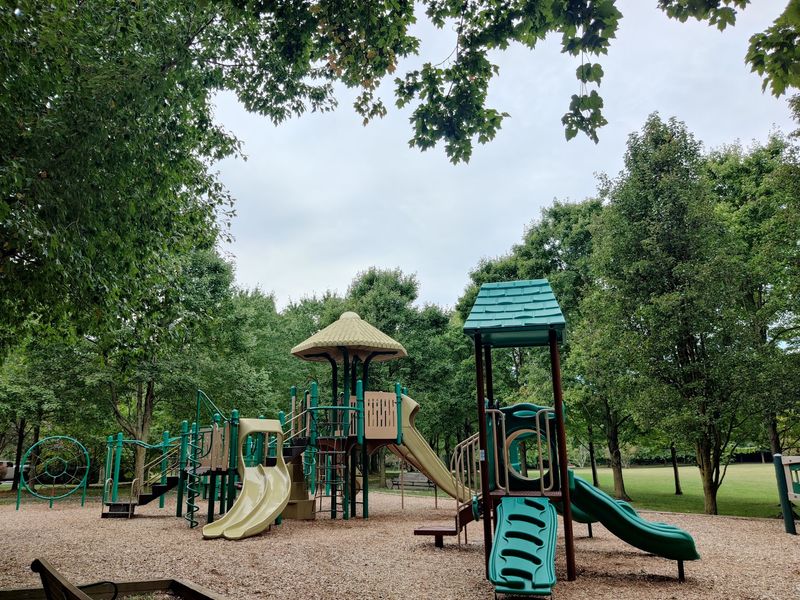
Cranbury’s Main Street seems designed to slow everyone down a notch. Historic houses, mature trees, small businesses, and Brainerd Lake create a village center that feels peaceful without becoming isolated.
Children can grow up recognizing the same storefronts and neighbors, while parents gain the kind of community familiarity that is difficult to manufacture in a larger suburb.
Cranbury School serves local students through eighth grade, and older students attend Princeton High School through a long-standing sending relationship, giving families an unusual educational arrangement.
The town’s library, recreation programs, and community organizations keep the small population connected through classes, sports, concerts, and seasonal gatherings. Cranbury Day is a particularly good snapshot of local life, bringing residents together for food, vendors, activities, and hometown traditions.
Outdoor options include Village Park, Heritage Park, athletic fields, playgrounds, and paths that make a quick walk or bike ride easy to fit into the day. The surrounding farmland preserves a sense of open space, even with the New Jersey Turnpike and Route 130 close enough for commuting.
That contrast is part of the appeal: rural scenery at home, major employment corridors within reach. Cranbury lacks the large restaurant selection and direct passenger rail service found in some towns on this list, and its limited housing supply can make moving there difficult.
Families who prefer a close-knit setting, however, may see that small scale as its greatest strength.
9. Madison: The Rose City Keeps Families Busy
Locals call it the Rose City, and Madison carries that graceful nickname without feeling overly precious. Its downtown is busy enough to support independent restaurants, cafés, shops, and regular community events, but compact enough for families to navigate on foot.
The train station sits right in the center, offering NJ Transit service toward New York and making the borough especially appealing to commuters who do not want their work trip separated from town life by another drive.
Madison’s public schools have a strong reputation, and the presence of Drew University and nearby Fairleigh Dickinson University adds lectures, performances, sports, and youthful energy to the area.
Families also have an unusually broad menu of outdoor spaces. Memorial Park, Dodge Field, Summerhill Park, and other facilities provide playgrounds, courts, ballfields, and room for community recreation, while the Madison Community Pool becomes a social hub when temperatures rise.
The Museum of Early Trades & Crafts, housed in a striking Richardsonian Romanesque building, gives children a local history lesson far more tangible than a worksheet.
Bottle Hill Day takes over the downtown each fall with entertainment, vendors, food, and activities, reinforcing Madison’s knack for turning civic traditions into family rituals.
Housing is costly, and the most walkable neighborhoods attract plenty of attention. Still, the borough’s blend of schools, transit, culture, recreation, and an active downtown makes daily family life feel satisfyingly connected.
10. Moorestown: South Jersey Space and Staying Power
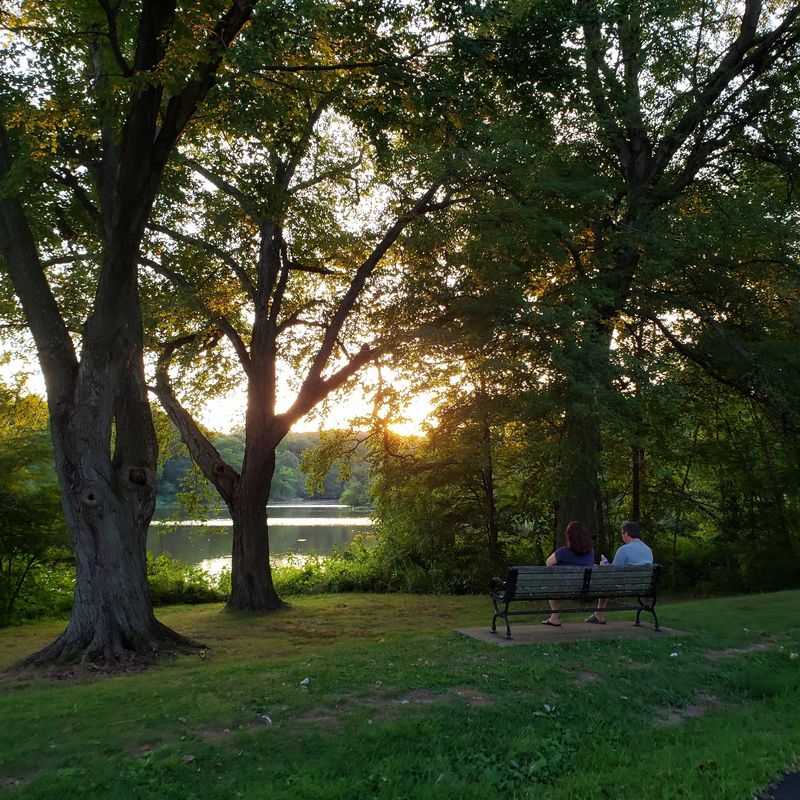
Main Street provides Moorestown with something many sprawling suburbs struggle to create: a recognizable heart. Its shops, restaurants, historic buildings, and library give families a central place for errands and casual outings, while tree-lined residential streets spread outward from the commercial district.
The township’s public schools are a major part of its appeal, serving a community that places visible emphasis on education, youth programs, and recreation.
Athletic families will find fields, courts, leagues, open-gym programs, and seasonal activities, while spaces such as Strawbridge Lake Park offer room for walking, fishing, picnicking, and watching the water.
Full Throttle Playground adds an inclusive play space designed for children with a range of abilities, a thoughtful feature that strengthens the township’s family infrastructure. Community events and volunteer organizations keep the calendar active, but Moorestown rarely feels as congested as the more urbanized suburbs closer to Philadelphia.
The city remains accessible by car, and nearby PATCO stations provide another commuting option, though Moorestown itself does not have direct passenger rail service.
Buyers will encounter high prices in many neighborhoods, especially around the historic center and larger properties, and the township covers enough ground that walkability varies considerably by address.
Yet that range also gives families choices, from older homes near Main Street to quieter streets with more space. Moorestown works especially well for those seeking strong schools and a genuine town center while retaining the breathing room associated with suburban South Jersey.
11. Montclair: Culture, Parks, and Plenty of Personality
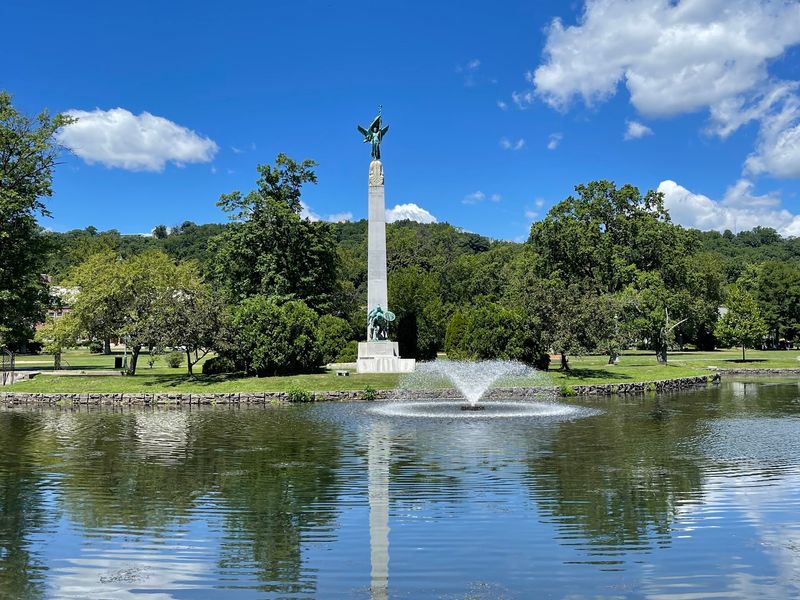
A family could spend years exploring Montclair without agreeing on its best feature.
One child might vote for the dinosaurs and Native American artifacts at the Montclair Art Museum, another for the mountain views from Eagle Rock Reservation, and a parent may simply appreciate having several walkable business districts to choose from.
Montclair offers a more urban, culturally varied version of suburban family life than many towns on this list. Its public school system serves a diverse community and includes a magnet structure intended to give families educational options across the district.
After school, children can move into music lessons, theater, dance, art classes, youth sports, or library programs without leaving town.
Parks such as Edgemont Memorial Park and Nishuane Park provide playgrounds, fields, courts, and open lawns, while the Presby Memorial Iris Gardens deliver a spectacular spring outing for the price of a walk.
Multiple NJ Transit stations connect different parts of Montclair with Newark and New York, though service patterns should be checked carefully when evaluating a commute.
The restaurant scene is deep enough to satisfy picky eaters and adventurous teenagers alike, and venues such as the Wellmont Theater keep live entertainment close to home.
Montclair is busy, expensive, and parking can require patience, particularly around downtown. For families who want strong community identity with serious arts, food, parks, and transit, however, its energy is not a drawback—it is the point.
Share this story