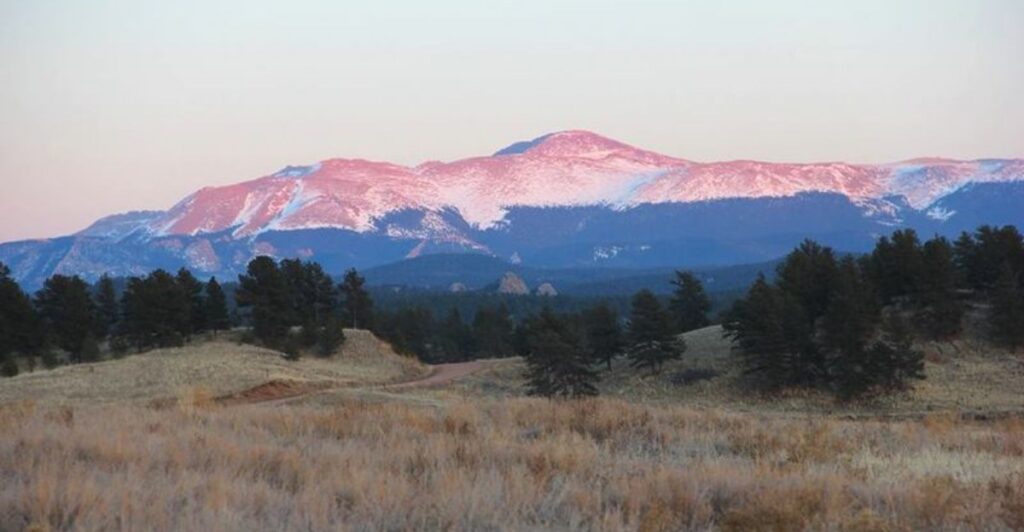
Finding a flash of blue-green amazonite in the Colorado dirt is considerably more exciting when you are the one who uncovered it. Around Florissant, organized rock-club outings can give members a hands-on opportunity to search for this distinctive mineral while exploring the state’s rugged high-country geology.
The experience is not simply about grabbing a shovel and choosing a spot, however. Access rules, club requirements, collecting limits, and respect for the land all matter when planning a successful dig. For rockhounds willing to follow those guidelines, the reward can be more than a memorable day outside—it might be a Colorado treasure worth taking home.
Where the Hunt Begins Near Florissant
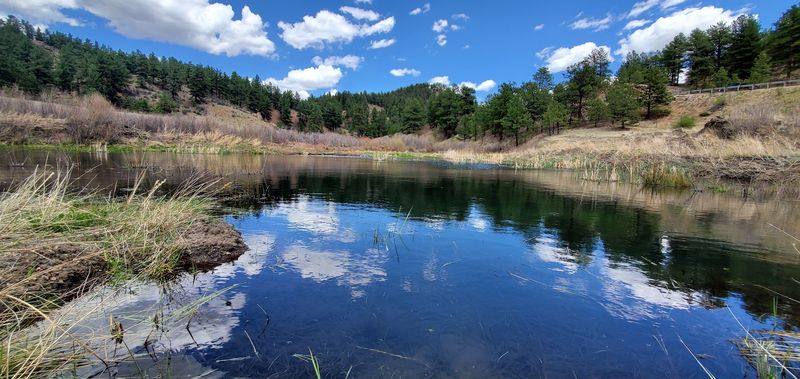
Treasure hunting in Florissant starts with the land itself. The area sits in a part of Colorado known for rugged scenery, granite, and old mining country, which helps explain why green-blue amazonite draws so much attention here.
Instead of walking into a polished tourist attraction, collectors usually enter a more practical landscape of dirt roads, open slopes, pine stands, and rocky ground. That rough setting is part of the appeal because it places the search close to the natural source of the stone, not just a gift shop version of it.
Amazonite is a variety of feldspar, and in central Colorado it is often linked with coarse granite and pegmatite zones. Around Florissant, the broader Pikes Peak region has long been associated with these minerals, so the town works as a strong base for club outings and field days.
Membership matters because organized rock clubs can help connect collectors with legal access, trip rules, and site guidance. That structure lowers confusion, especially for beginners who may not know where collecting is allowed or what kind of material can be kept.
Surface finds are often the first thrill. A flash of pale green or richer blue-green against tan dirt can stop a person mid-step, and even small pieces can feel exciting when they come straight from the ground.
Florissant adds another advantage: the setting is scenic without distracting from the mission. The open sky, changing weather, and mountain air create a field-trip mood that fits mineral collecting perfectly.
For anyone curious about digging, this is the key starting point. Florissant is not about rushing through a checklist.
It is about learning the land, reading the rocks, and understanding why a simple hillside can hold a beautiful surprise.
Why Club Access Changes the Whole Experience
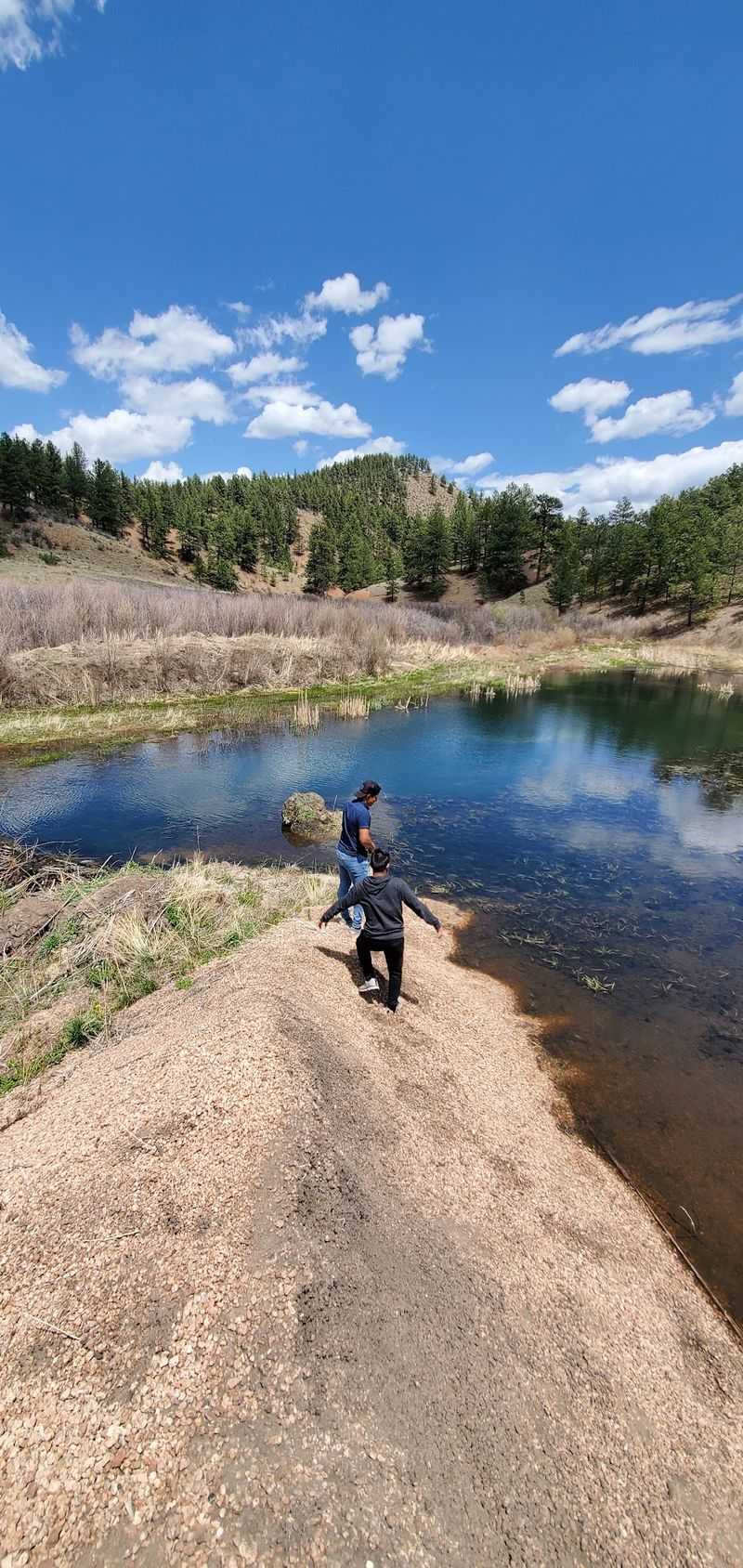
Joining a rock club can turn a confusing hobby into a guided adventure. Around Florissant, that matters a lot because collecting is not only about finding amazonite, but also about knowing where digging is allowed and what can legally leave the site.
Many first-time collectors imagine wandering onto any rocky hillside and taking whatever sparkles. Real life is stricter than that, since land ownership, claims, permits, and collecting limits can all shape what is possible on a given day.
A club helps sort out those details before boots ever hit the ground. Organized outings often include clear instructions on boundaries, safety, acceptable digging methods, and the difference between loose surface material and spots that should not be disturbed.
That guidance makes the day smoother. Instead of wasting energy guessing, members can focus on the search, ask questions, compare finds, and learn how experienced collectors read the ground.
Another benefit is pace. Club digs often blend excitement with patience, which suits amazonite well because the best pieces are not always obvious at first glance.
One patch may look ordinary until someone notices the color in a broken fragment or a crystal face tucked under dirt. Watching that process teaches newcomers that collecting is part observation, part geology lesson, and part outdoor skill.
There is also a social side that improves the trip. People swap tips about tool use, cleaning specimens, and packing fragile pieces so they do not chip on the ride home.
Near Florissant, where access and conditions can vary, that shared know-how becomes especially useful. Club membership does not guarantee a pocket full of perfect crystals, but it often gives something more valuable at first: a legal, informed, and far more enjoyable path into Colorado mineral collecting.
Surface Finds That Still Feel Like a Jackpot
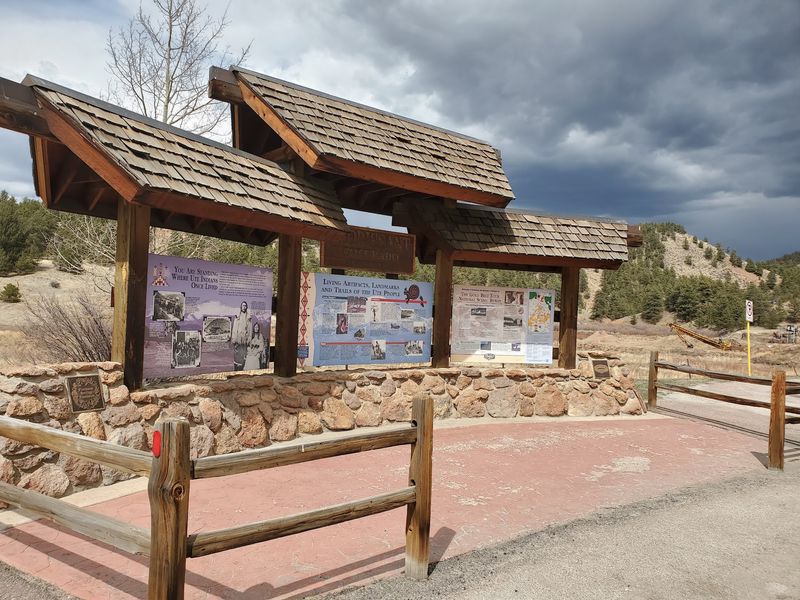
Sometimes the best surprise is lying right on top of the ground. In amazonite country near Florissant, surface collecting can reward sharp eyes with fragments, crystal pieces, and weathered bits that still show the stone’s cool green color.
That possibility changes the mood of a dig right away. Even before any serious tool work begins, members may scan the ground slowly and spot promising material mixed with dirt, granite chips, and broken rock. Surface finds matter for two reasons. First, they give beginners a real chance to succeed without heavy digging.
Second, they offer clues about what may be deeper below, since loose pieces can hint that a richer pocket or seam once broke apart nearby.
The phrase keep most surface finds sounds simple, but it points to one of the big attractions of club collecting in Colorado. When rules allow it, taking home many of the loose pieces gathered during a trip adds a satisfying, hands-on reward to the day.
Even small specimens can be worth saving. A chunk with a bright color patch, a clean crystal face, or an interesting mix of amazonite and surrounding rock can become a favorite memory because it was found by eye, not bought from a case.
Collectors do need self-control. Not every greenish stone is amazonite, and not every piece is sturdy enough to survive a rough ride in a pocket or bucket.
Wrapping better specimens in paper or placing them gently in a padded container can prevent chipped corners. It also helps to brush off dirt lightly rather than scrubbing in the field, since fresh-looking surfaces can scratch more easily than expected.
For many members, surface collecting becomes the hook that keeps the day lively. Every few steps hold a new chance, and the ground itself starts to read like a puzzle waiting to be solved.
Digging Smart in Colorado Granite Country
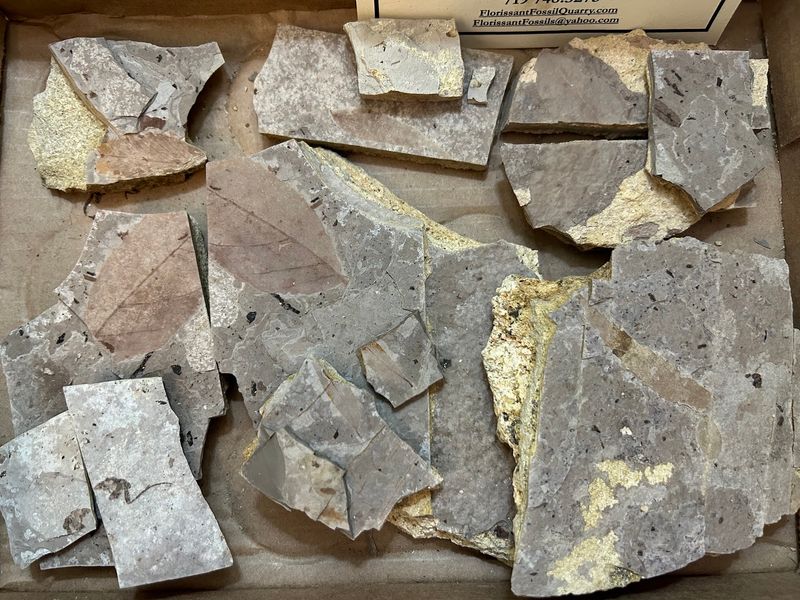
Once the easy surface pieces are picked up, the slower work begins. Digging for amazonite in the Florissant area usually means dealing with hard ground, broken granite, and pockets that reveal themselves a little at a time.
Good technique matters more than brute force. A careful collector watches for color, crystal faces, texture changes, and looser seams in the rock before swinging a tool too hard.
Small hand picks, shovels, rock hammers, and pry bars are common choices, but each tool needs restraint. One careless strike can split a promising specimen, especially if the crystal sits partly hidden in surrounding material.
Patience is the real secret. Digging often involves clearing overburden, scraping through crumbly material, and checking each bucketful for overlooked fragments before moving deeper into one spot.
Colorado weather adds another layer to the job. Morning air near Florissant can be cool, but sun at elevation grows stronger fast, and afternoon clouds can shift conditions in a hurry.
Because of that, smart collectors pack gloves, eye protection, water, snacks, and layers. Knee pads help on rough ground, and sturdy boots make a big difference when walking over sharp granite and uneven slopes.
It also helps to work neatly. Piling loose dirt in one place, keeping tools close, and avoiding scattered debris reduces tripping hazards and makes it easier to check what has already been searched.
For beginners, the most useful habit may be asking before digging deeper or widening a hole. Club leaders or more experienced members often know which areas deserve a gentle approach and which areas are better left alone.
Handled well, digging becomes less like random hard labor and more like a steady search with purpose. Every scrape and careful lift adds information, and sooner or later the stone that looked invisible begins to show itself.
The Color That Keeps Eyes on the Ground
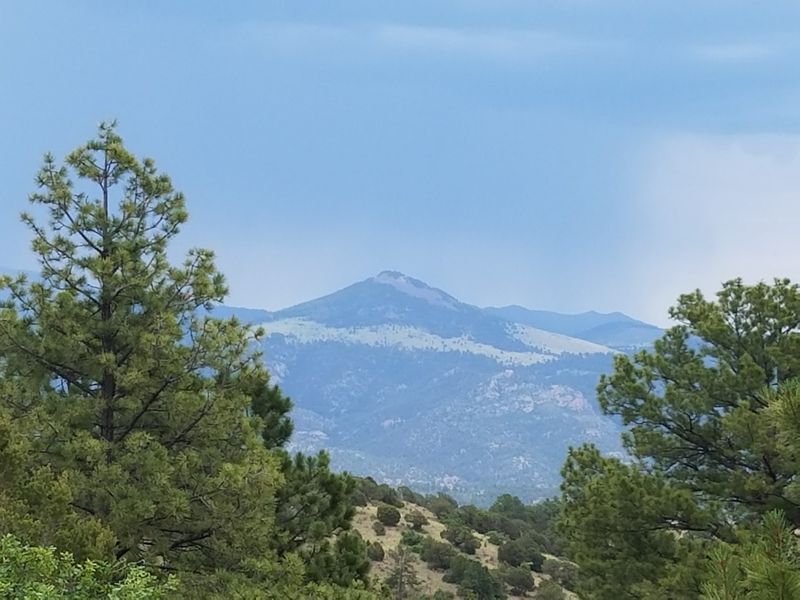
Amazonite has a way of stopping people mid-step. Against the muted browns and grays of rocky ground near Florissant, its blue-green color can look cool, bright, and oddly fresh, almost like a hidden patch of sky tucked into granite.
That visual pop explains a lot of the excitement around collecting it. The stone is attractive even before it is cleaned, polished, or displayed, which gives rough field finds a special kind of instant charm.
Shape matters too. Amazonite often appears in blocky forms rather than long, needle-like crystals, so collectors learn to watch for flat faces, straight edges, and color patches peeking through weathered rock.
Not every specimen is vivid. Some pieces are pale, faded, cracked, or mixed heavily with matrix, yet they can still be useful for learning what the mineral looks like in real conditions rather than in showroom lighting.
That learning curve sharpens attention. New collectors often start by chasing any greenish hint, then gradually notice differences in luster, structure, and the way amazonite contrasts with the surrounding stone.
Finding a stronger piece after that practice feels earned. The eye becomes better at sorting promising fragments from ordinary chips, and the field starts making more sense.
Color alone is not the whole story, though. Good specimens may also show cleaner crystal faces, solid edges, or pleasing combinations with other minerals in the host rock, creating a natural display piece straight from the ground.
Back home, gentle washing usually reveals more than expected. Dust can hide flashes of brighter green, subtle white streaks, or a cleaner crystal outline that was invisible in the field.
Near Florissant, that moment of discovery happens twice: once on the ground and again at the sink or workbench. Few hobbies deliver that kind of second reveal from a stone pulled from ordinary dirt.
Respecting the Ground and the Rules
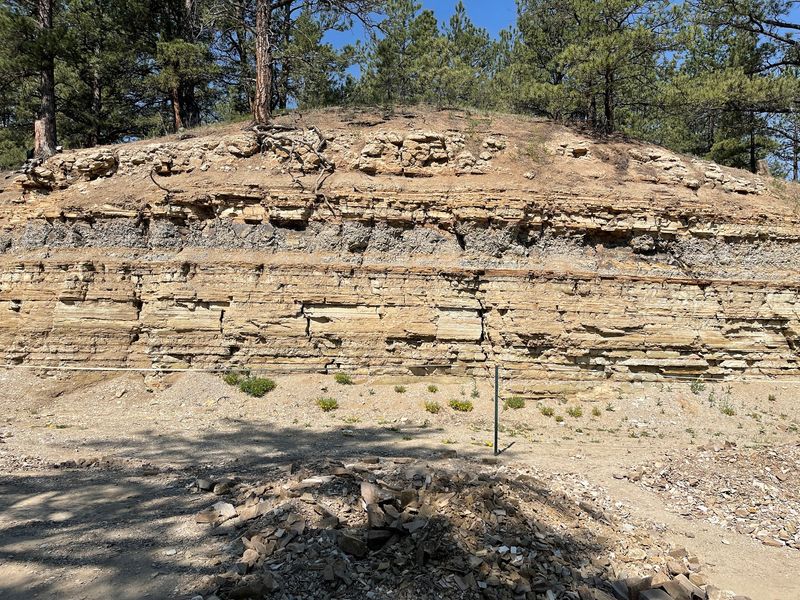
A successful collecting trip is not only measured by what goes home in a bucket. Near Florissant, the best outings also show respect for land rules, safety limits, and the simple idea that a dig site should not look wrecked after a day’s fun.
That starts with understanding access. Public land, private land, active claims, and club-arranged collecting areas can all operate under different rules, so guessing is a bad habit from the start.
Keeping most surface finds does not mean taking everything in sight. Smart collectors leave clearly poor material behind, avoid grabbing more than they can protect, and pay attention if a trip leader explains specific limits for certain zones.
Digging etiquette matters just as much. Shallow holes should be managed carefully, loose rock should not be kicked downhill, and sharp scraps or trash should never be left where the next group might step or kneel.
Kids and beginners learn fast when those habits are modeled early. The message is simple: collecting is a privilege tied to good behavior, not a free-for-all driven by speed.
Respect also applies to the specimens themselves. Smashing every larger rock open just to check for color wastes material and often destroys pieces that could have been more interesting if removed with patience.
Wildlife, plants, and changing mountain weather deserve attention too. Staying alert, packing water, and avoiding unnecessary disturbance keeps the trip focused and lowers the chance of a small mistake turning into a bad afternoon.
Clubs often help by setting expectations before the first tool comes out. That organized tone can seem strict to newcomers, but it protects access and preserves trust with landowners or site managers.
In a place like Florissant, where outdoor recreation shares space with working land and sensitive terrain, that approach makes practical sense. Good collecting leaves behind cleaner ground, safer paths, and a better chance that future members can return.
Planning a Better Day in Florissant
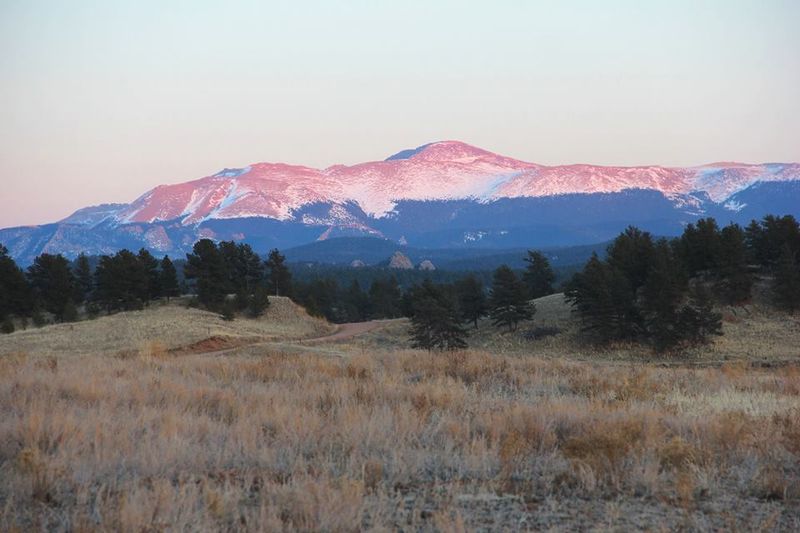
The smartest amazonite trip often looks ordinary before it starts. Around Florissant, success depends on timing, clothing, packing, and realistic expectations long before anyone bends down to inspect a green flash in the dirt.
Morning is usually the easiest place to begin. Cooler temperatures make walking and digging more comfortable, and earlier light can help surface pieces show color before harsh midday glare flattens everything into pale dust and stone.
Weather deserves real attention in this part of Colorado. Florissant sits at elevation, so sunny skies can change quickly, and a calm start does not promise a calm finish.
Layers are the safe choice. A light jacket, hat, gloves, sunscreen, and sturdy boots cover a wide range of conditions without turning a field trip into a burden.
Water matters more than many first-timers expect. Dry air and steady movement at altitude can wear people down fast, especially when they are focused on the ground and forget how much time has passed.
Specimen storage needs planning too. Buckets, small boxes, paper wrapping, and a separate pocket for fragile finds can save the best pieces from getting knocked around by heavier rock.
It helps to keep goals simple. Some days produce only a few small fragments, while other days reward patience with stronger material, so judging the trip only by size can miss the bigger fun of learning the terrain.
Florissant is also a place where roads and access conditions may shape the pace of the outing. A little extra travel time, a full tank of gas, and basic vehicle readiness can remove stress before the hunt even begins.
Handled well, the day gains a nice rhythm: arrive early, move carefully, collect thoughtfully, and leave with protected specimens instead of a jumble of chipped rock. Good planning does not dull the adventure. It gives the adventure room to go right.
Why Florissant Stands Out for Hands-On Rockhounds
Some places are built for looking, and others are built for doing. Florissant belongs in the second group, especially for rock-club members who want a mineral outing that mixes scenery, effort, and the real possibility of carrying home amazonite found with their own hands.
The appeal is not flashy. There are no polished counters in the field, no guaranteed crystal waiting under perfect lighting, and no shortcut around the slow work of scanning, digging, and learning.
That is exactly why the experience stands out. The landscape asks collectors to pay attention to stone, slope, color, and access rules all at once, turning a simple hobby into an outdoor skill.
Keeping most surface finds adds a strong practical reward. Even on a modest day, members can leave with meaningful pieces that connect directly to the place rather than to a store shelf.
Florissant also works well because it sits in a region that makes geological sense for the story being told. Granite country, mountain roads, and mineral history all support the hunt without needing exaggerated claims to make it sound exciting.
For families, beginners, and longtime collectors, the value shifts slightly. One group may enjoy the thrill of spotting first color on the ground, while another may focus on matrix, crystal quality, or the challenge of reading a dig site properly.
That range gives the area lasting interest. A trip can be educational, social, physically active, and visually rewarding without turning into the same experience for every person who shows up.
By the end of the day, the best takeaway is not only the amazonite in a container. It is the confidence that comes from understanding how collecting works in the real world, with rules, patience, and care.
Florissant, Colorado offers that kind of grounded adventure. It gives rockhounds a place where the search itself matters, the setting supports the story, and even a dusty surface find can feel like a small victory.