Grocery shopping does not have to drain your wallet, especially when you know where to look. Across Tennessee, independent markets, family-run supermarkets, and neighborhood co-ops are helping shoppers stretch their budgets without giving up fresh food, local products, or friendly service.
From Memphis and Jackson to Nashville, Knoxville, and smaller communities in between, these stores offer everything from weekly meat specials and store-brand savings to bulk foods, seasonal produce, and locally made favorites.
Many of these grocers have served their communities for decades, giving shoppers an alternative to big national chains while keeping more money close to home. Some focus on low everyday prices, while others stand out for butcher counters, weekly ads, or Tennessee-made goods.
Whether you are planning a full grocery run or just looking for a better deal on your usual staples, these ten Tennessee grocery stores are worth adding to your shopping route.
1. Stepherson’s in Memphis
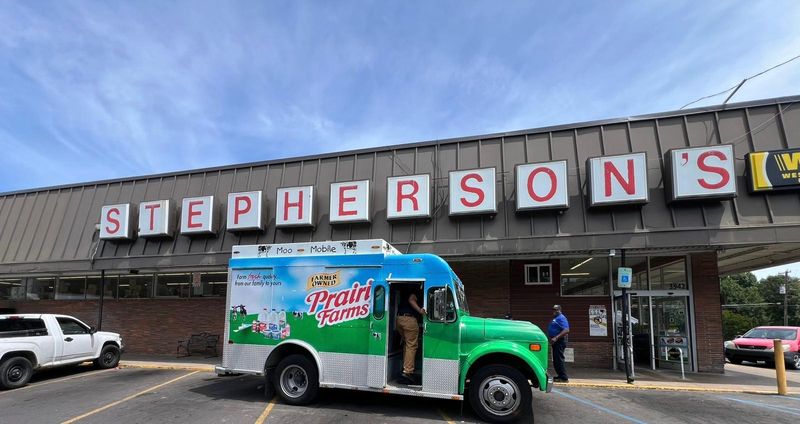
Some grocery stores feel like old friends, and Stepherson’s in Memphis is one of them. Its family roots go back to the middle of the last century, and that long history still shapes the way the place runs.
Stores connected to the Stepherson name, including the Superlo stores, lean on affordable pricing and weekly savings. That means the real trick is checking the ad before you go.
Plan your trip around the sales. If chicken is cheap this week, build dinners around it. If a pantry staple like rice or canned beans is marked down, grab a few extra.
This simple habit can shave real money off a monthly budget.
Bring a list and stick to it. Stores with strong weekly deals can tempt you into buying things you never planned on, and those extras add up fast. A short list keeps you focused on the bargains that matter.
Shopping a longtime Memphis grocer also means supporting a business that has stayed rooted in its neighborhoods. Many shoppers like that familiar feeling when they walk in. Staff often know the community, and the aisles tend to carry the items local families actually cook with.
Try pairing the weekly ad with what you already have at home. Check the fridge and the cabinet first, then circle the sale items that fill the gaps. You will waste less food and spend less cash.
If you are new to the area, make a quick loop through the produce and meat sections to learn what is priced well. Prices change from week to week, so take a minute each visit to compare. Over time you will learn which days and which items give you the biggest savings.
For families stretching every dollar, a store built around everyday value is a welcome sight. Stepherson’s is a solid first stop for a Memphis budget run.
2. Memphis Cash Saver
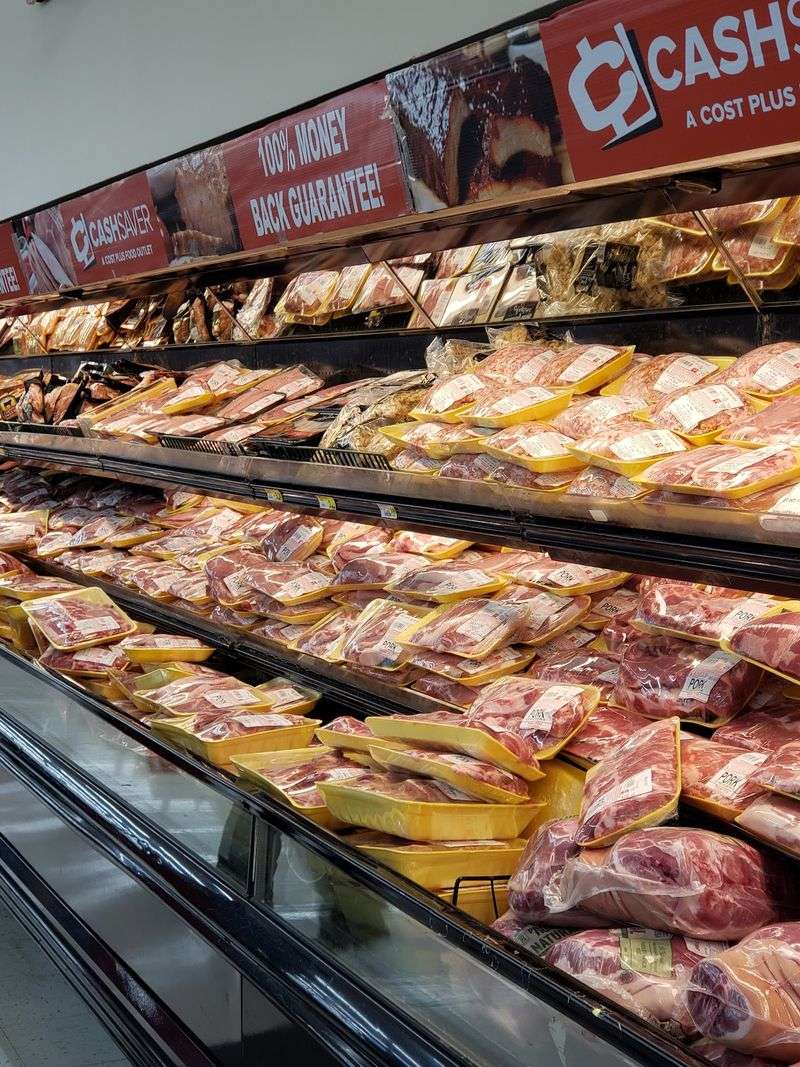
Here is a pricing idea that sounds almost too simple: store cost plus 10 percent. That is the model Cash Saver uses, and it is built around lower everyday grocery prices.
The store is run by Memphis-based Castle Retail Group, so the decisions are made close to home. That local connection matters when a company wants to keep neighborhood families fed without wrecking their budgets.
So how do you get the most from a cost-plus store? Start with the basics. Milk, eggs, bread, canned goods, and frozen vegetables are the foundation of most weekly meals, and everyday pricing helps most on those items.
Compare unit prices on the shelf tags. The small print showing price per ounce or per pound is your best friend. A bigger box is not always the better deal, and the tag will tell you the truth in seconds.
Consider building a rotating menu. Pick five or six meals your family loves, shop for them in bulk when the price is right, and repeat. Meal planning like this cuts down on last-minute drive-thru stops, which quietly drain more money than most people realize.
Do not forget store-brand products. They are often close to name-brand quality at a lower price, and trying one or two new items each trip is a painless way to save.
Shopping at Cash Saver also keeps money circulating with a Memphis-based operator. For anyone who wants predictable prices without playing coupon games, this one deserves a spot on your regular route. Give it a try on your next big shopping day and see how your receipt compares.
3. E.W. James Supermarket in McKenzie
Ask folks in McKenzie where to find a friendly checkout line, and E.W. James tends to come up. This family-owned West Tennessee grocer promotes itself around good service, great prices, and hundreds of weekly specials.
That last part is the real money saver. Hundreds of specials means there is almost always something on your list that is marked down.
Start by browsing the weekly deals before you plan dinner. Let the sales guide the menu instead of the other way around. If pork chops are cheap, that is your Tuesday.
If a certain cereal is discounted, stock up for the month.
Small-town grocers also offer something big chains struggle to match: familiarity. When the people behind the counter know the community, it is easier to ask questions, find what you need, and learn what is fresh that day.
Keep an eye out for Tennessee-made goods as well. Buying local jams, snacks, and other products helps neighbors and often gives you something more interesting than the usual shelf fare.
Here is a quick tip for budgeters. Walk the store once, then shop. A first lap helps you spot deals without filling your cart too early, and a second pass lets you decide what truly earns a spot.
McKenzie sits in the northwestern part of the state, which makes this store a great pick for travelers and residents in that corner of Tennessee. A quick stop can turn into a regular habit once you see how far your dollars stretch. Pack a cooler on road trips and you can stock up without worry.
4. Food Rite in Jackson
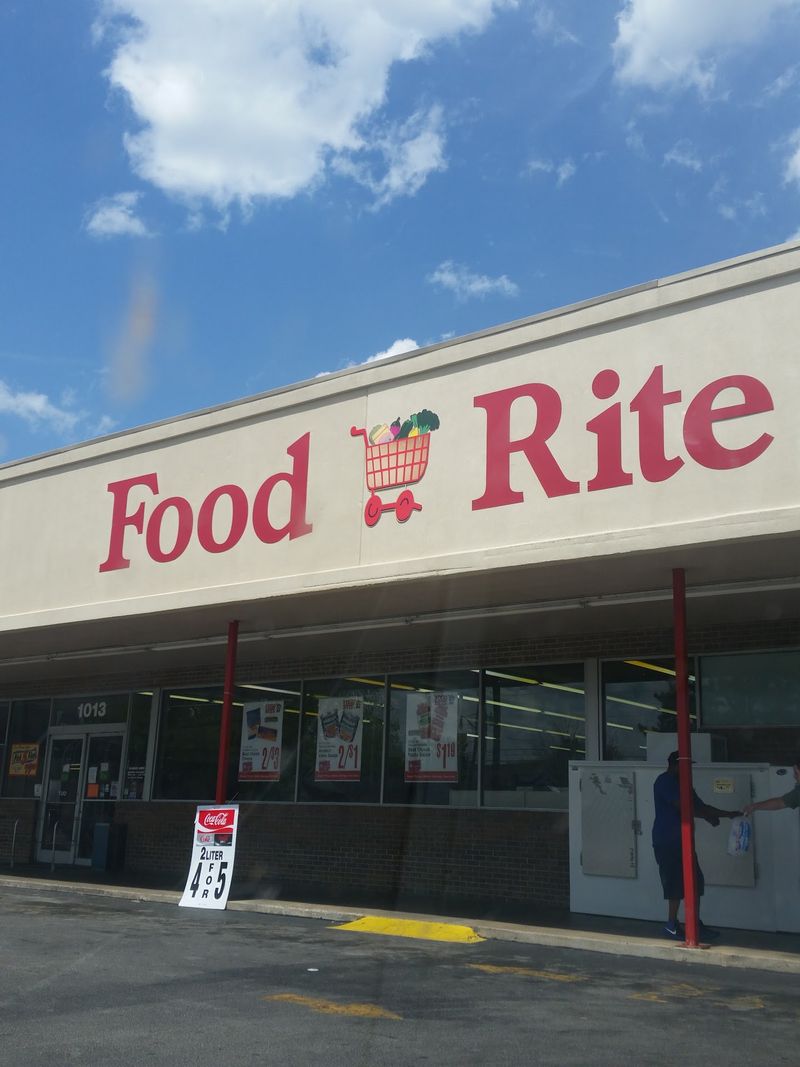
Picture a chain of neighborhood supermarkets that never forgot the small towns. Food Rite fits that description, with stores in West Tennessee communities such as Jackson, Alamo, Dyer, Halls, and Trenton.
The big draw is value. Weekly ads highlight the best deals, and store brands like Always Save and Best Choice give shoppers a cheaper way to fill the pantry.
Store brands deserve a fair shot. Try them on basics first, such as canned vegetables, pasta, baking supplies, and paper goods. If you like the taste and quality, switch for good and watch the savings pile up.
Check the weekly ad on your phone or in the mailbox before you leave home. A two-minute scan can tell you which meat, produce, and snack items are discounted. Then match those items to meals you already enjoy making.
Shopping in a smaller supermarket often means a quicker trip, too. Aisles are easier to navigate, lines tend to be shorter, and you spend less time wandering and less money on impulse buys.
Food Rite is also handy for people who live outside big cities. Having a reliable grocery stop in a smaller town can save gas money and keep errands simple. That is a savings most people forget to count.
If you travel between West Tennessee towns, notice how a familiar store name keeps showing up. That consistency makes it easier to plan your budget and know what to expect. Jackson shoppers especially can use it as a dependable weekly home base.
5. Osborne’s Bi-Rite in Nashville
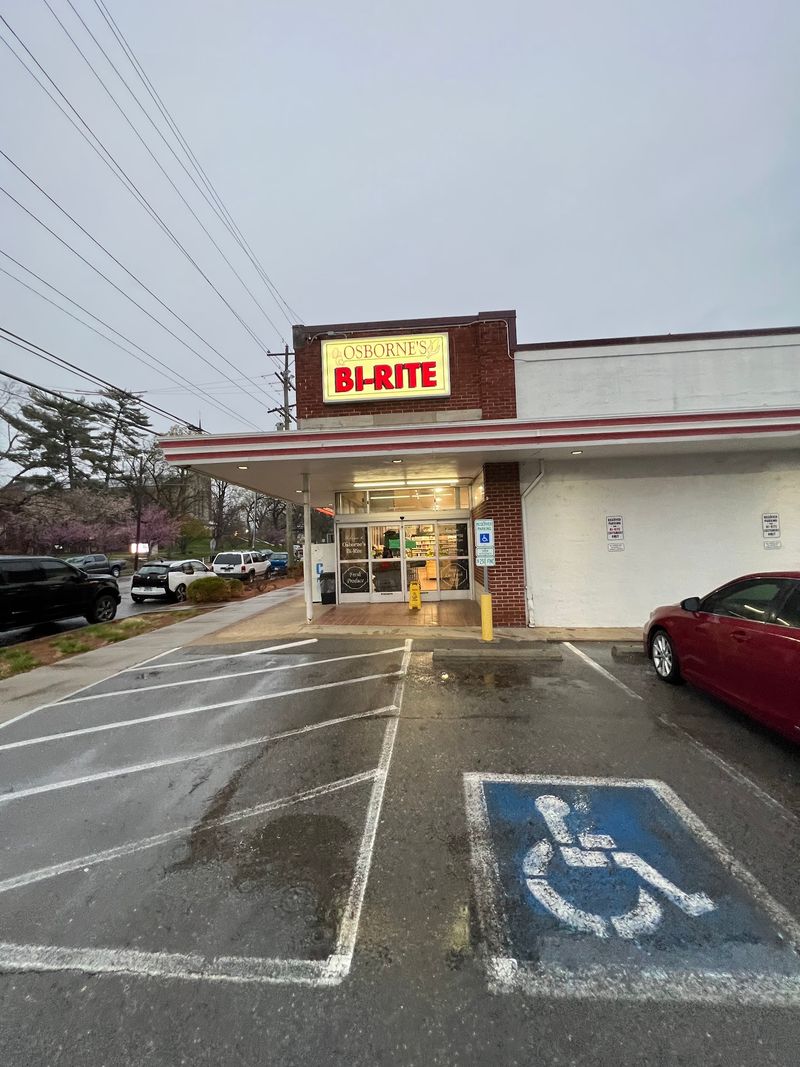
Nashville keeps growing, yet a small Belmont neighborhood grocery is still standing strong. Osborne’s Bi-Rite has outlasted much larger competitors, and that kind of staying power says something.
The store has long been known for meat specials and multi-item value deals. If you like building dinner around a good cut, this is the kind of place that rewards your patience.
Multi-item deals can be a smart trick when used wisely. Buying several of something at a set price works best for things you will actually use, like pasta, canned tomatoes, or frozen meals. Skip the deal if it tempts you into buying food that will spoil.
Meat is often the priciest item in a grocery cart, so a good butcher-style special can change your whole week. Buy extra when the price is low, then portion and freeze it. A little planning means cheap dinners for weeks.
Neighborhood stores also have a charm that giant supermarkets cannot copy. You get a smaller space, a more personal feel, and the sense that the store belongs to the community around it.
Parking and quick trips are another perk. Dash in for what you need, grab the specials, and skip the long walk through a massive building. Less wandering often means fewer extras in the cart.
For students, young families, and longtime residents of the area, a store like this offers a budget-friendly way to keep Nashville feeling like home. Stop in with a short list and an open mind.
6. Harris Family Foodland in Columbia
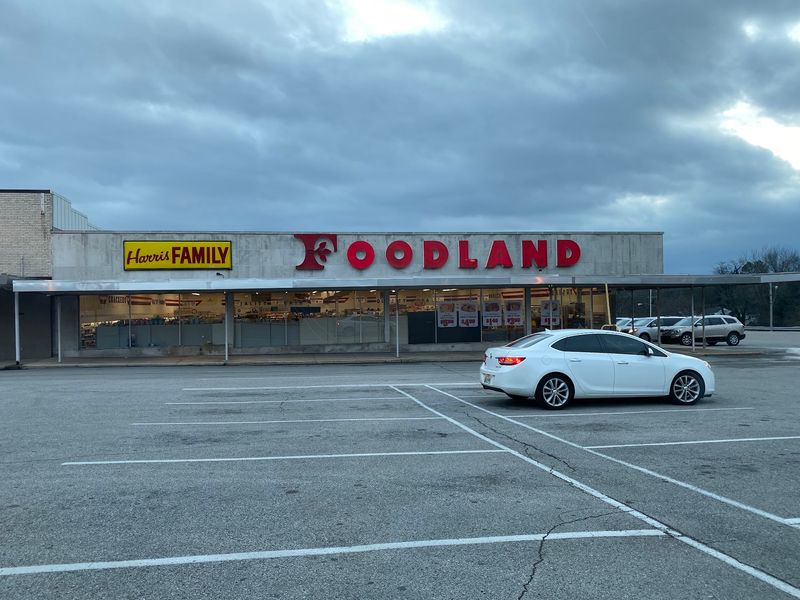
There is a particular smell in an old-school butcher shop, and fans of Harris Family Foodland in Columbia know it well. This independently operated hometown grocery in Middle Tennessee keeps that tradition alive.
The butcher counter is a highlight. Fresh cuts, weekly specials, and a person who can answer questions about cooking make it a smart place to buy meat.
Do not be shy about asking for advice. A butcher can tell you which cut is best for a slow cooker, a skillet, or a grill. Often the cheaper cut is the tastiest when cooked the right way.
Weekly specials are the other reason to stop by. Check what is featured, then plan around it. Pairing a discounted protein with simple sides like potatoes, green beans, or rice makes a filling meal without much cost.
Independent stores like this one are known for affordable everyday groceries, which means you do not have to wait for a sale to feel good about the receipt. That steady value is a gift for busy families.
Shopping at a hometown grocer also keeps dollars close. Many items come from regional suppliers, and the people working there are likely your neighbors.
For a Saturday routine, try this. Visit the butcher first, pick up produce and pantry items next, and finish with anything on special. You will leave with a full cart, a clear plan for the week, and probably some extra cash in your wallet.
7. Walnut Street Market in Cookeville
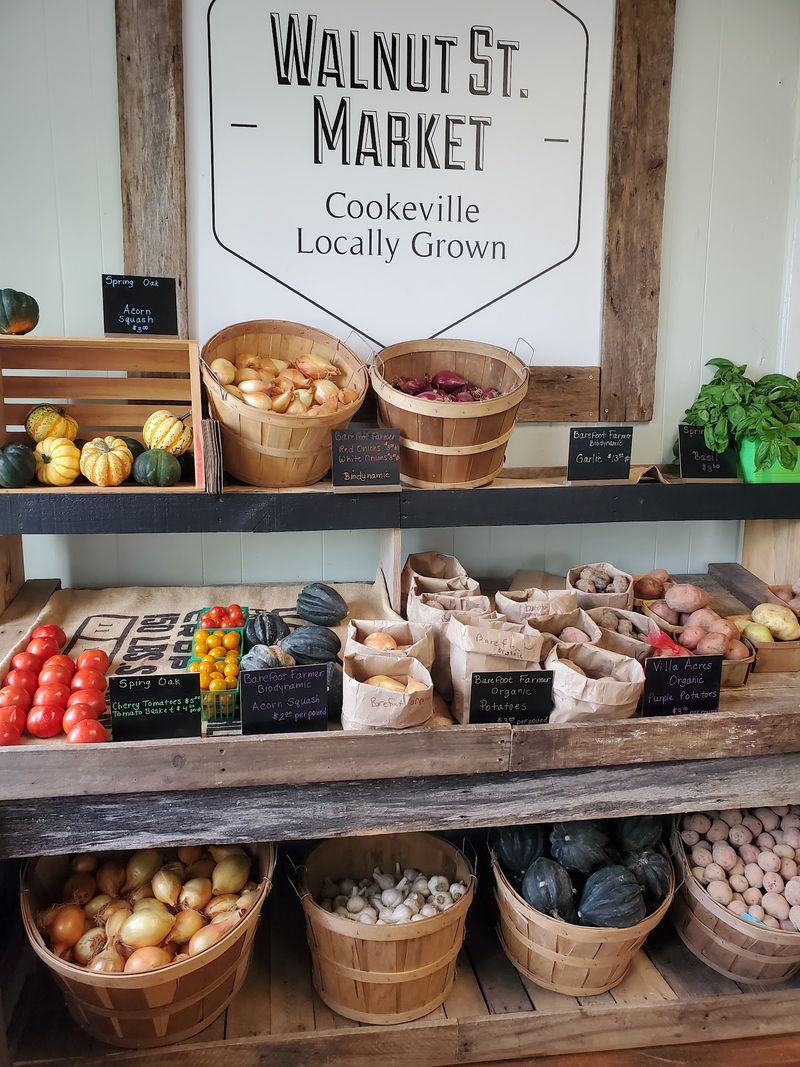
Not every great grocery needs a giant parking lot. Walnut Street Market in Cookeville proves that smaller can be smarter, especially for shoppers who like a neighborhood feel.
This little market brings the Upper Cumberland region into the conversation. It is a nice reminder that good grocery options exist well beyond the big cities.
Shopping at a smaller store changes your habits in helpful ways. You buy what you need, you skip the endless aisles, and you often spend less time and less money per trip.
Try making smaller, more frequent visits. Pick up fresh produce and a few basics every few days instead of one huge haul. Food stays fresher, and you waste less, which counts as savings too.
Compare prices as you go. Since each store is different, take note of what costs less here than at a larger chain. Keep a little list on your phone and you will quickly see where your money goes furthest.
Neighborhood markets also give you a chance to chat. Ask what is new, what is in season, or what neighbors are buying. Those casual conversations lead to recipe ideas and bargain tips you will not find in a flyer.
If you live in Cookeville or are passing through on the way to nearby parks and lakes, this is an easy stop for snacks and picnic supplies. Keep it simple, shop smart, and enjoy the walkable, small-town pace that makes Cookeville special.
8. Pruett’s Market in Signal Mountain
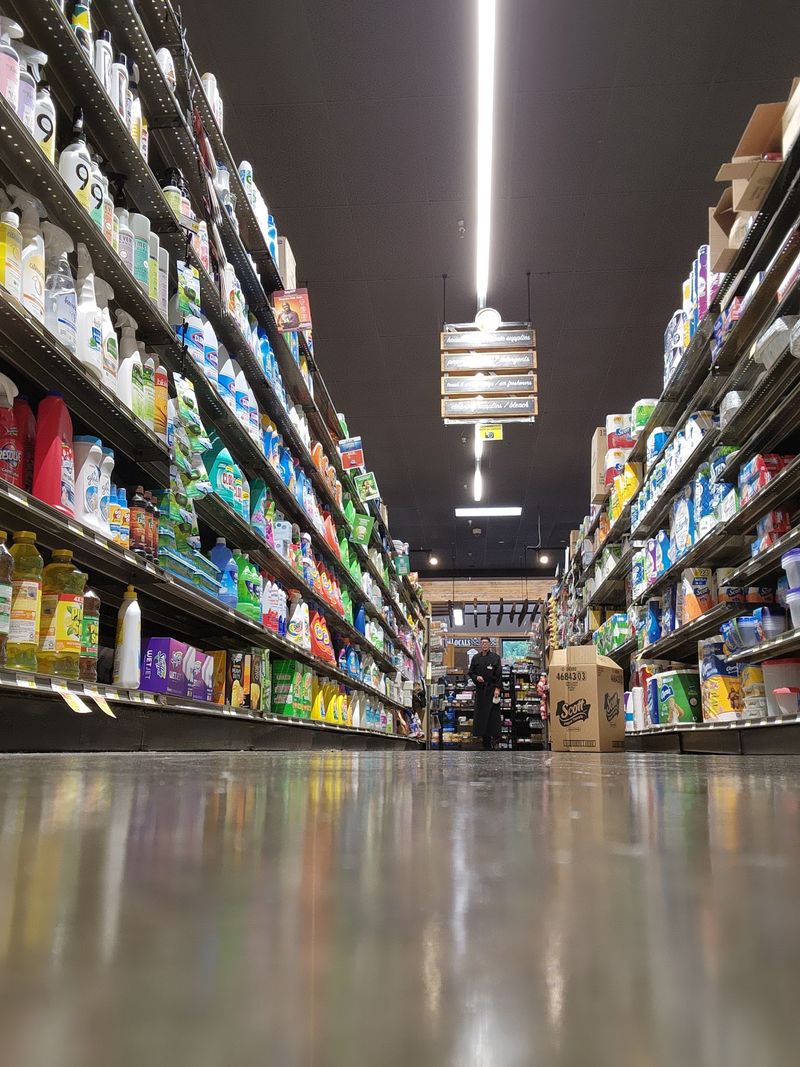
Since 1953, one family has been feeding the folks near Chattanooga. Pruett’s Market, found in Signal Mountain, is still run by the Pruett family, and that kind of continuity is rare.
The store promotes weekly deals on meat, produce, and other groceries. Those three categories make up a big chunk of any grocery budget, so catching a good sale is worth the effort.
Start with produce. Seasonal fruits and vegetables are usually the cheapest and the tastiest. Buy what is plentiful, and build your sides around it.
For meat, look for family packs and weekly features. Divide larger packages into smaller portions at home, wrap them well, and freeze what you will not use within a few days. This easy habit turns one good deal into several easy dinners.
Family-run stores often have loyal customers who return for decades. That loyalty is built on steady service, fair prices, and a store that feels like part of the neighborhood.
If you are heading up the mountain for a hike or a weekend outing, stopping here is a smart move. Pick up sandwich fixings, fruit, and drinks without paying tourist-trap prices.
Check the weekly specials before your visit, and keep a flexible mindset. Maybe the plan was tacos, but a great deal on roasting chicken changes the menu. That kind of flexibility is the secret to saving at any grocery store, and Pruett’s makes it easy to practice.
9. Butler & Bailey Market in Knoxville
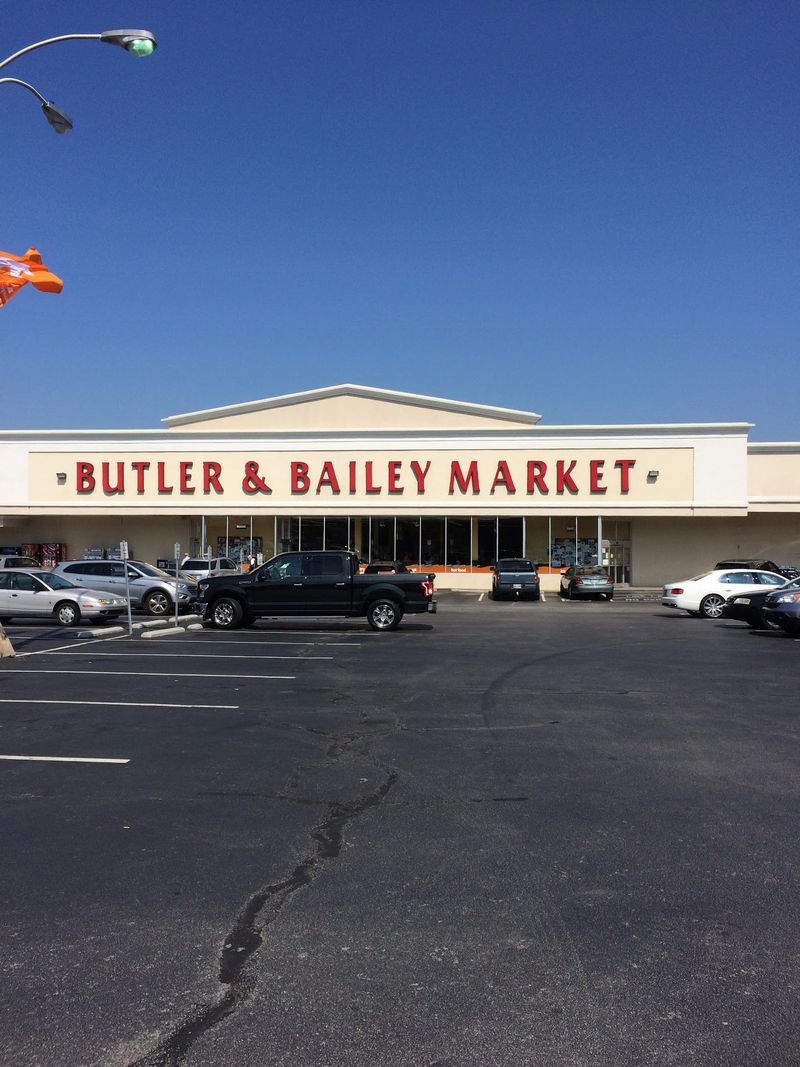
Walk into Butler & Bailey Market and you will notice something right away: a lot of the products come from Tennessee. This family-owned independent grocery in West Knoxville makes local shopping feel easy.
The store has the departments you expect, including meat, produce, deli, and regular groceries. Having it all under one roof means you can finish your list in a single trip.
The deli is a handy budget helper. Grabbing a prepared item on a busy night can cost less than takeout and tastes homemade. Pair it with a bagged salad and you have dinner in minutes.
Explore the Tennessee-made section with curiosity. Local sauces, snacks, and pantry treats make great gifts, and trying them is a fun way to support nearby makers. Pick one new item each visit and you will build a favorite list over time.
Remember that independent stores will not always match big-box prices on every item. The trick is to be selective. Buy meat, produce, and specialty goods here, and fill in a few shelf-stable basics wherever your best deal is.
Shopping at a family-owned market also means better odds of getting a helpful answer. Staff can point you to a good cut or a fresh arrival without a long wait.
For West Knoxville residents, this is a convenient neighborhood option that blends quality with a local touch. Keep your list short, watch for weekly specials, and enjoy the feel of a store that cares where its food comes from.
10. Three Rivers Market in Knoxville
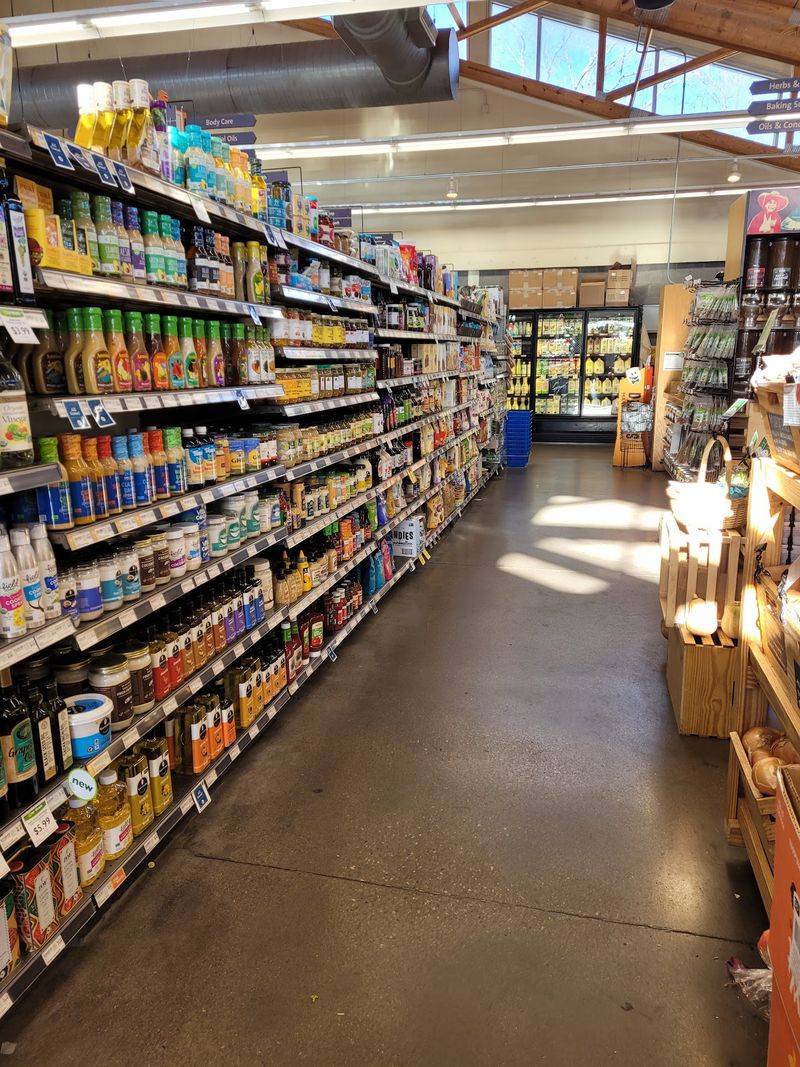
Founded in 1981, Three Rivers Market has fed East Tennessee for over four decades. It is the state’s long-running independent food cooperative, and it has built a loyal community along the way.
A co-op works differently from a typical grocery store. Shoppers can become member-owners, which gives the community a voice in how the store is run.
The shelves lean toward natural and organic foods, so price comparison matters. Some items cost more than at a conventional store, while others are surprisingly competitive. The smart move is to check individual prices rather than assume.
Look for bulk bins, which let you buy just the amount you need. Spices, grains, nuts, and beans are often cheaper this way, and you avoid paying for fancy packaging.
The co-op also carries local groceries, so you can pick up goods from nearby farms and makers. That keeps money in the region and puts fresher food on your table.
Good news for budget shoppers: Three Rivers Market accepts SNAP and EBT. That makes healthy, local food more reachable for families who need extra help.
Try a blended strategy. Buy your fresh produce, bulk staples, and local specialties here, then fill in other basics wherever your prices are lowest. Taking a moment to compare gives you the best of both worlds.
For East Tennessee shoppers who value community and quality, this co-op is a standout stop worth visiting.
Share this story