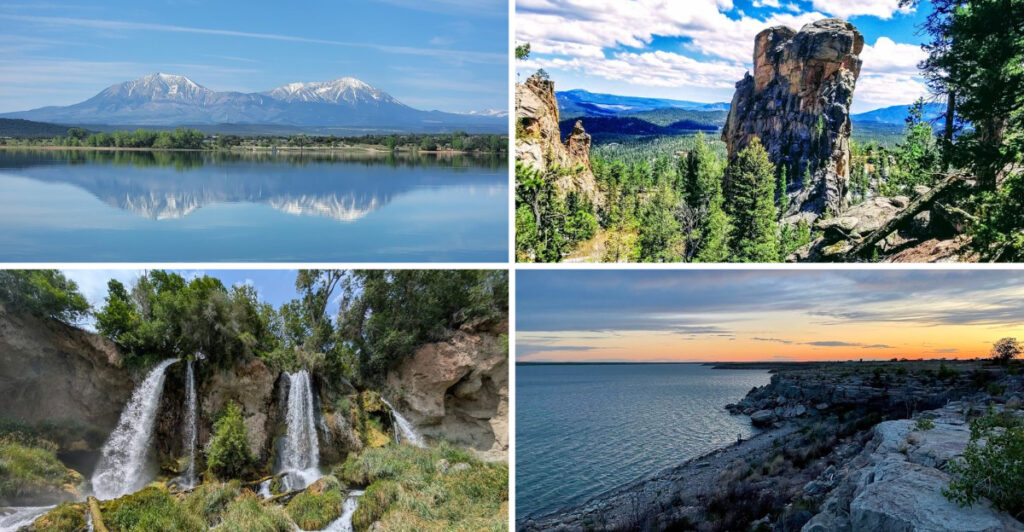
The busiest Colorado parks earn plenty of attention, but they’re far from the only places where the state’s landscapes shine. Venture beyond the headline destinations and you’ll discover peaceful state parks with alpine lakes, dramatic canyons, waterfalls, rolling grasslands, forested trails, and abundant wildlife—all without the shoulder-to-shoulder crowds.
These quieter escapes reward visitors with easier parking, uncrowded hiking, and more opportunities to slow down and appreciate the scenery. Whether you’re planning a weekend road trip or a spontaneous day outdoors, these 11 underrated Colorado state parks offer some of the state’s most rewarding adventures.
1. Lathrop State Park
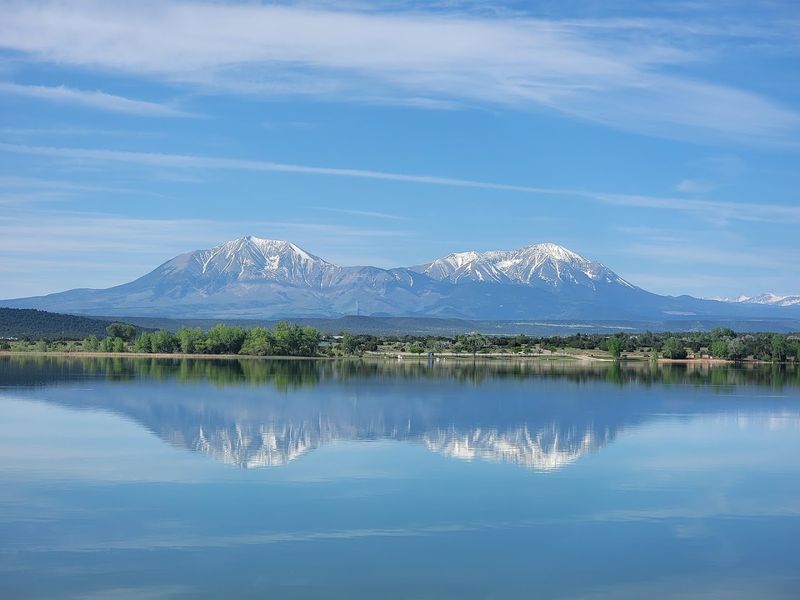
Lathrop State Park does not need a dramatic entrance to win you over. It starts with open water, big sky, and those excellent Spanish Peaks views that quietly steal attention while everyone else is busy chasing busier mountain destinations.
Because it sits so close to I-25, you can reach it without a complicated detour, yet it often stays well outside the usual Colorado crowd circuit.
The layout is refreshingly easy to enjoy. Martin Lake and Horseshoe Lake give you options for fishing, boating, paddling, or simply stretching out near shore with a picnic and a better soundtrack than most city parks can offer.
Birdwatchers have plenty to scan, campers get room to breathe, and casual visitors can settle in fast without treating the day like a logistical puzzle.
That flexibility is the real advantage here. You can bring a paddleboard, cast a line, watch changing light move across the grasslands, or make it an overnight stop that feels much calmer than the interstate miles that brought you in.
Instead of dense forest and steep switchbacks, the scenery works through scale, color, and the kind of horizon that makes a short visit feel longer.
For travelers who assume Colorado fun always means alpine traffic and packed trailheads, Lathrop is a smart reset. It offers water recreation, camping, and solid scenery in one of the state’s more overlooked settings, all without demanding much effort from you to get started.
Skip the obvious names for a day and you may find this first state park is still one of its most satisfying low-key escapes.
2. Arkansas Headwaters Recreation Area
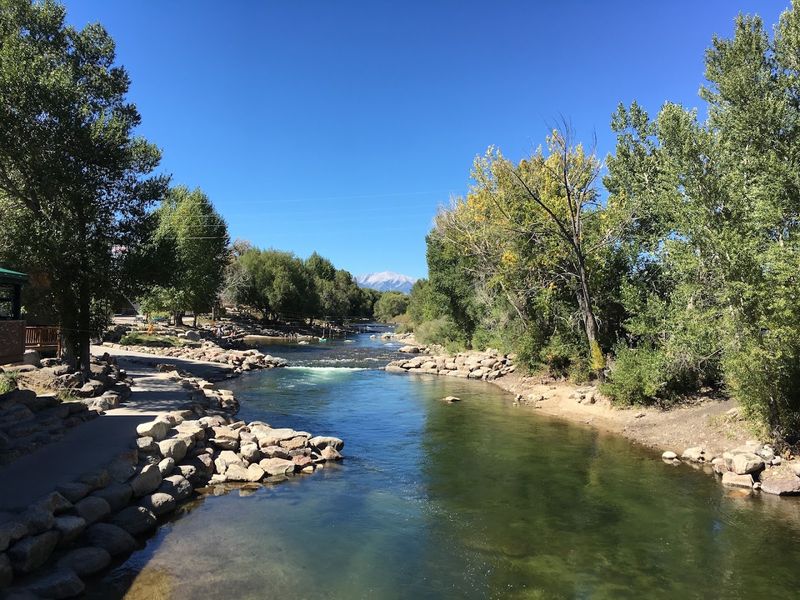
Most people know the Arkansas River for rafting, but far fewer realize the broader corridor is part of Colorado’s state park system.
Arkansas Headwaters Recreation Area stretches for more than 150 miles, which means you are not dealing with one compact park entrance and one crowded focal point.
You are stepping into a long ribbon of river access where the experience can shift from lively rapids to quieter fishing holes and mellow camp spots surprisingly fast.
That range is the draw. One section might deliver the noise and churn of whitewater, while another opens into a scenic bend that invites a slower pace, with wildlife viewing, riverside walking, or a folding chair set up near the current.
Hikers, anglers, climbers, and paddlers can all find their lane here without the area feeling built for only one type of visitor.
It also helps that the scenery changes with the route. Around Salida and Buena Vista, the river runs through broad mountain views and rock-lined stretches that make even a quick stop look impressive, while farther along toward Cañon City the terrain tightens into canyon country with a different kind of edge.
That variety gives this recreation area a road-trip advantage, because you can sample multiple landscapes without leaving the same state-managed destination.
If you have only thought of the Arkansas as a rafting name on a summer itinerary, this is the nudge to widen the plan.
Treat it as a recreation area rather than a single activity zone, and it becomes one of Colorado’s smartest underrated picks for active days, scenic breaks, and camp-friendly overnights. The famous river gets attention, but the state park identity still flies lower than it should.
3. Vega State Park
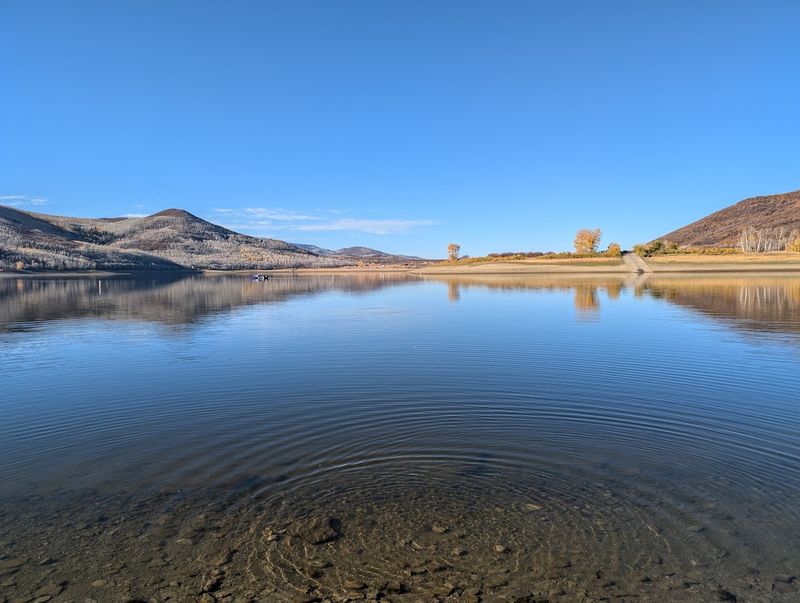
Vega State Park is one of those western Colorado places that looks immediately useful the second you arrive. The reservoir sits below Grand Mesa with forest around the shoreline, so you get cool mountain-water scenery without the high-profile crowds that often tag along with better-known lakes.
It is easy to picture a full day here before you even unload a kayak. On the water, the setup is straightforward and inviting.
Kayaking and boating fit naturally, trout fishing keeps anglers busy, and the open surface often gives the area a calm, uncluttered look that makes even simple paddling feel rewarding.
Around the edges, campsites and nearby trails add just enough variety that you can shape the visit around energy level instead of forcing one big agenda.
That balance is a major reason Vega stands out. Some parks work best for active recreation, others for slow scenic time, but this one handles both without strain.
You can spend the morning moving across the reservoir, then trade that momentum for a shaded walk, a quiet shoreline pause, or an evening at camp with the forest settling down around you.
The western slope has no shortage of outdoor options, which is exactly why a place like Vega can slip past people who are chasing bigger names. That is good news for anyone who values room to breathe and scenery that does not need hype to land well.
Add the mountain reservoir setting, solid recreation mix, and lighter visitor pressure, and Vega State Park earns a spot on any underrated Colorado list without needing to raise its voice about it.
4. Staunton State Park
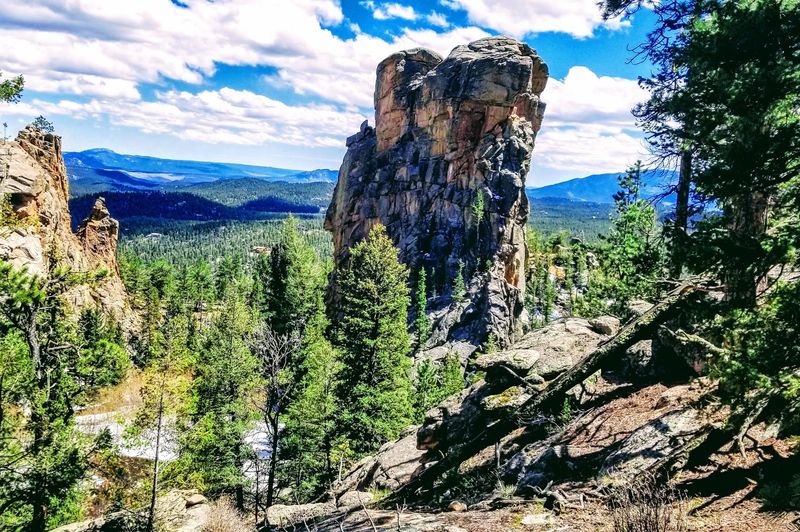
Staunton State Park is proof that proximity to Denver does not automatically mean nonstop crowds. Less than an hour from the city, it still manages to stay a little quieter than the mountain parks that dominate weekend conversations, which makes its trail network even more appealing.
If your ideal Front Range day includes granite cliffs, evergreen forest, scenic overlooks, and a strong chance of earning your lunch, this place has range.
The hiking is the headline here, and deservedly so. More than 40 miles of trails give you room to choose between easier mileage and longer efforts, while the landscape keeps changing enough to hold attention through the climb.
Waterfalls add movement and contrast, rocky features bring that classic Colorado texture, and the higher viewpoints reward the work without making the park feel one-note.
Another reason Staunton lands so well is how polished the experience can be without turning overly busy or precious. The terrain is dramatic, but the park still works for a wide spread of visitors, from people looking for a scenic leg-stretcher to hikers who want a full day with real elevation and distance.
Because the access is relatively simple, you can leave the city and get into a satisfying mountain setting quickly. That convenience should make Staunton more famous than it is, yet it often stays a step outside the most crowded Colorado park conversations. Good.
That leaves more breathing room on the trails and more chances to hear wind in the trees instead of a line of people discussing where to eat later. For a near-Denver park with serious hiking quality, scenic punch, and fewer headlines than it deserves, Staunton is an easy yes.
5. Rifle Falls State Park
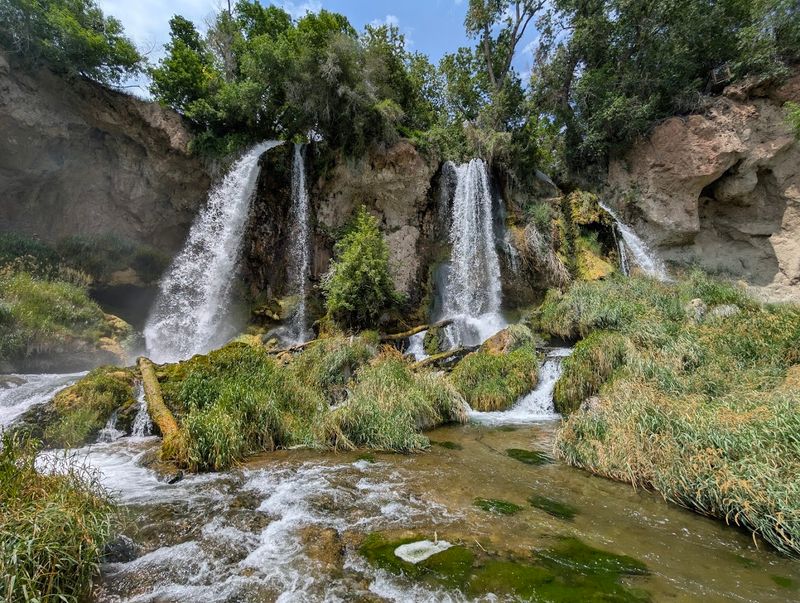
Rifle Falls State Park wastes no time making an impression. The triple waterfall is the star, and it delivers that rare combination of easy access and real visual payoff, with water dropping against limestone and greenery that looks almost too lush for the usual Colorado mental picture.
In a compact footprint, the park packs in enough contrast to keep a short visit from feeling small. The waterfall naturally pulls you in first, but the surrounding details carry the outing.
Short hiking trails let you circle through the area without committing to an all-day trek, and the limestone caves add just enough curiosity to keep the route interesting beyond the main photo stop.
Picnic areas and camping make it practical too, which matters when a scenic place is beautiful but awkward to actually use.
That combination gives Rifle Falls a different rhythm than many state parks. Instead of broad reservoirs or long trail systems, this park leans into concentration, with multiple appealing features gathered close together in a setting that stays green, cool, and surprisingly sheltered.
It is the kind of place where families, road-trippers, and hikers looking for a lighter day can all leave satisfied without needing complicated plans.
Because it is smaller and more specific, some travelers treat Rifle Falls as a quick side stop. That sells it short. When you have waterfalls, caves, camping, and an unusually rich patch of vegetation working together in one location, you are getting more than a roadside pause.
For anyone building a western Colorado itinerary, this park deserves a deliberate stop, especially if your favorite outings prioritize striking scenery and a payoff that starts almost immediately.
6. John Martin Reservoir State Park
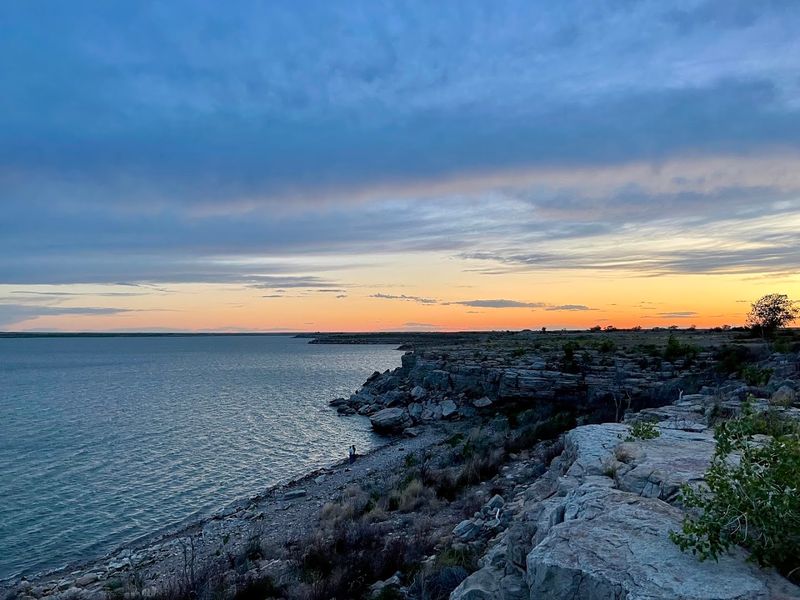
John Martin Reservoir State Park offers a version of Colorado that many travelers barely consider. Instead of alpine lakes and pine-heavy overlooks, you get wide-open plains, a large reservoir, and horizons that seem to stretch longer with every hour of daylight.
That shift alone makes it memorable, especially if your usual mountain trip has started to feel a little predictable. The water is the anchor, and it gives the park broad appeal.
Boating, fishing, swimming, and camping all fit naturally here, while birdwatching adds another layer for visitors who prefer slower observation to constant motion.
Because the setting is spacious, the experience can feel less compressed than in mountain parks where every shoreline, trailhead, and picnic table competes for attention.
Then there is the sky. Southeastern Colorado can produce excellent stargazing conditions, and John Martin’s open landscape helps the evening program feel almost as strong as the daytime one.
A park that starts with reservoir recreation can easily turn into a night-sky destination once the sun drops and the plains quiet down. That mountain-free identity is not a drawback. It is the whole advantage.
John Martin gives you room, light, birdlife, and water-based recreation in a part of the state that too often gets dismissed by people who only chase elevation.
If you want a Colorado state park that breaks the standard template and still supplies plenty to do, this one makes a smart pick. Bring the boat if you have it, bring binoculars either way, and let the open country do the rest.
7. Navajo State Park
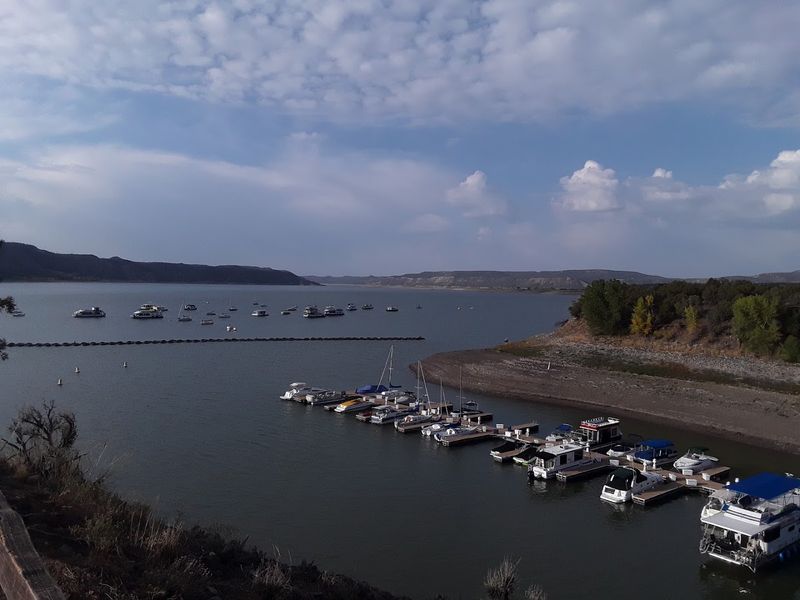
Navajo State Park is easy to overlook if you build Colorado trips around mountain towns and famous national park routes. That is a mistake, because the northern end of Navajo Reservoir delivers the kind of broad-water recreation that can anchor an entire getaway without the noise level of more obvious destinations.
Around Arboles, the park opens into sweeping reservoir views that look built for boats, paddles, and long afternoons outdoors.
This is a strong pick for anyone who wants flexibility on the water. Anglers have plenty of reason to pay attention, boaters get room to move, and paddle sports fit naturally into the quieter corners and shoreline stretches.
Add marinas and camping to the mix, and the park starts to function less like a quick stop and more like a base for a full weekend.
The scenery helps balance the recreational focus. Large reservoirs create a different kind of Colorado beauty, one built on scale, changing light, and long sightlines across open water instead of narrow forest corridors.
Wildlife viewing also adds to the day, especially when you slow down enough to look beyond the boat ramps and obvious shoreline activity.
Because it sits outside the standard state travel script, Navajo State Park often gets less chatter than parks closer to major urban corridors. That lower profile works in your favor.
You can enjoy one of Colorado’s largest reservoirs, spread out a bit, and spend more time doing the things you came for than navigating crowded access points. For travelers who like fishing, boating, paddling, or simply staying near a big body of water, Navajo deserves a much louder reputation than it usually gets.
8. Golden Gate Canyon State Park
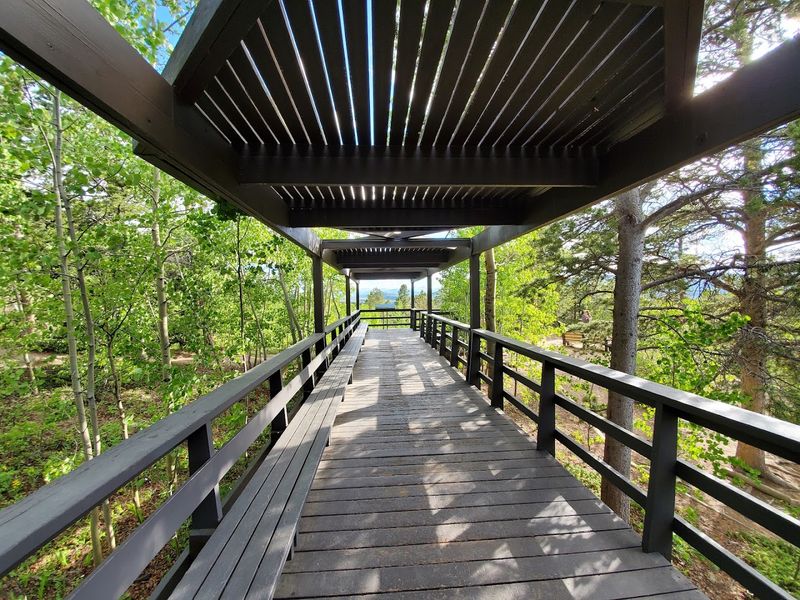
Golden Gate Canyon State Park sits close enough to Denver to be convenient and large enough to avoid feeling hemmed in.
Overshadowed by Rocky Mountain National Park and other bigger-name mountain destinations, it often gets treated like a backup plan, which is excellent news for anyone who prefers extra elbow room. More than 12,000 acres give this park real scope, and the variety shows up quickly once you start exploring.
Forests, meadows, aspen groves, fishing ponds, campgrounds, and more than 35 miles of trails create a park that can adapt to your pace. You can hike, ride horseback, cast a line, or simply pick a scenic corner and let the day unfold without much urgency.
Because the terrain shifts between open and wooded sections, the experience rarely turns visually monotonous, even on longer outings.
That mix makes Golden Gate Canyon especially useful for repeat visits. One day can focus on mileage and overlooks, another on family-friendly wandering and a relaxed picnic, and another on camping close to the Front Range without diving into a more demanding mountain itinerary.
It is accessible enough for spontaneous plans but substantial enough to feel like a proper escape. The park’s lower-key reputation may come from its location near so many headline attractions, yet that comparison misses the point. Golden Gate Canyon is not trying to be a substitute for someplace flashier.
It works because it offers forests, trails, water, and open space within easy reach of the city, while often staying calmer than the destinations that dominate postcards. For a near-Denver park day that can be active, scenic, or pleasantly unhurried depending on your mood, this one is a deeply practical and very underrated choice.
9. Sweitzer Lake State Park
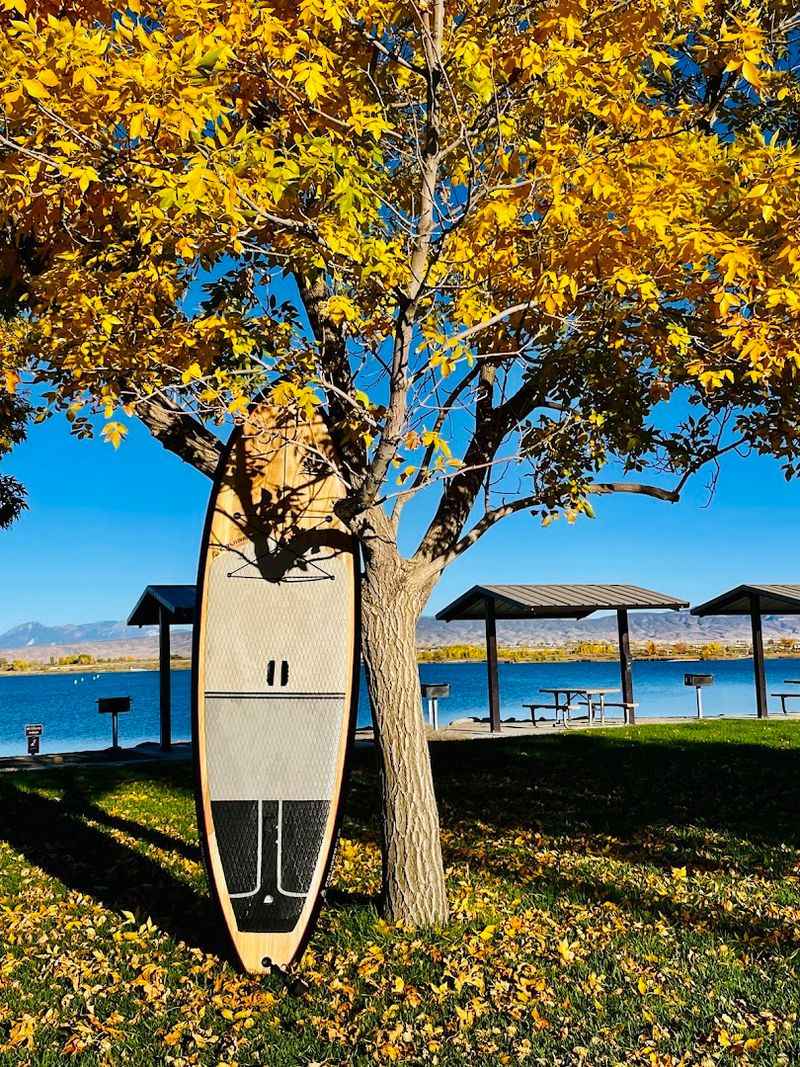
Sweitzer Lake State Park proves that a smaller park can still deliver a very complete day outside. Near Delta in western Colorado, it centers on a warm-water lake that works especially well for swimming, paddleboarding, boating, fishing, and low-stress picnics.
The scale is part of the appeal, because you can settle in quickly and start enjoying the place instead of spending half the visit figuring out where everything is.
The setting adds more character than first-time visitors might expect. Cottonwood trees soften the shoreline, nearby orchards shape the surrounding landscape, and birdwatching gives the park another layer beyond water recreation.
It is an easy place to move between activity and downtime, which matters when not everyone in your group wants the same pace.
That balance makes Sweitzer useful for hot-weather trips, family outings, and western Colorado road days when you want a refreshing stop that still feels intentional. Paddle in the morning, swim when the temperature climbs, linger under shade at midday, and keep an eye out for birds in the quieter stretches.
None of it needs to be complicated for the park to work well. Because it is not trying to compete with giant reservoirs or headline hiking destinations, Sweitzer Lake often stays off broader Colorado must-visit lists. That is a miss.
The park offers a peaceful mix of warm-water recreation, approachable scenery, and a slower rhythm that can be hard to find at bigger-name spots.
If your ideal outing includes easy logistics, calm water, and a setting that invites you to actually relax between activities, Sweitzer Lake State Park deserves far more attention than it usually gets.
10. Highline Lake State Park
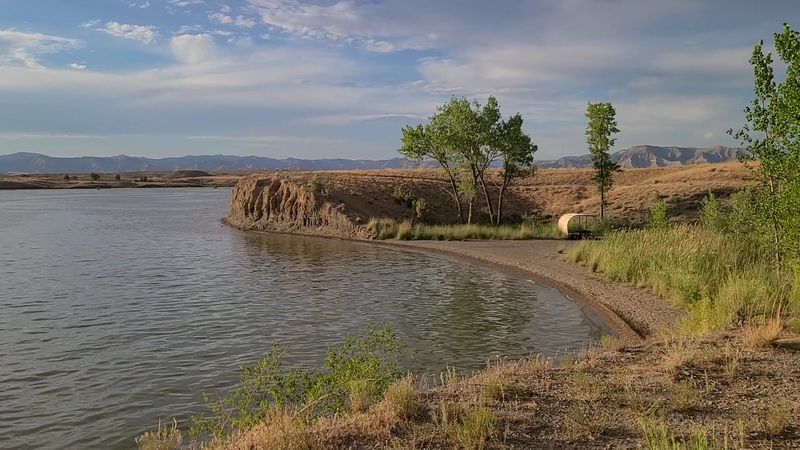
Highline Lake State Park has a strong location advantage right from the start. Near Fruita and close to Colorado National Monument, it gives you a lakeside break in a part of the state better known for red rock, desert trails, and big heat.
That contrast is exactly why it stands out, offering water-based recreation where many visitors are expecting dry landscapes and long scenic drives.
Boating, swimming, paddleboarding, fishing, camping, and hiking all fit neatly into the park’s layout. You can spend part of the day on the lake, then shift to a shoreline walk or a slower evening around camp without feeling like you need to leave for a second destination.
Wildlife adds another reason to keep your eyes up, since the lake environment attracts plenty of activity around the edges.
The desert backdrop is the differentiator. Instead of the usual mountain-lake formula, Highline pairs blue water with western Colorado terrain that looks brighter, broader, and more open.
That makes the park especially appealing after time in nearby canyons or on the road, when a swim or paddle can completely change the rhythm of the trip.
It also works well as a base if you are exploring Fruita and the surrounding region. You get camping, easy recreation, and a setting that complements the area’s more rugged attractions rather than duplicating them.
Too often, travelers pass through on the way to bigger named sights and miss the appeal of stopping here on purpose. For a practical mix of cooling off, staying overnight, and seeing a different side of Colorado’s outdoor scene, Highline Lake is an underrated western slope move.
11. Pearl Lake State Park
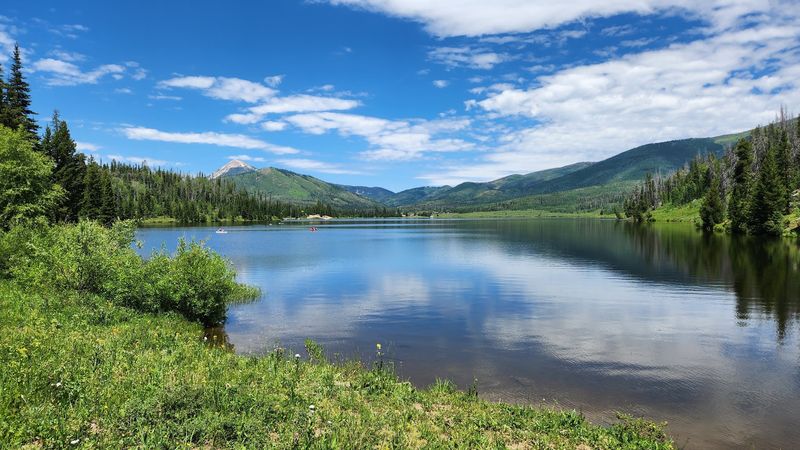
Pearl Lake State Park is the quiet alternative that mountain travelers often say they want, then accidentally skip. North of Steamboat Springs near Clark, it sits in a beautiful setting beneath the Zirkel Mountains, with a small alpine reservoir that keeps the scale intimate and the pace naturally slower.
Compared with busier nearby options, Pearl Lake gives you more room for stillness without asking you to sacrifice scenery.
This is an ideal park for low-noise recreation. Kayaking and canoeing suit the smaller water body perfectly, trout fishing keeps anglers interested, and wildlife viewing can be just as rewarding as anything happening on the lake itself.
Camping rounds out the experience, making it easy to stay long enough to enjoy the area when the light is best and the shoreline is at its calmest.
The surrounding mountain environment does a lot of the work here. Evergreen slopes, open water, and the presence of the Zirkels create a clean, classic northern Colorado look, but the park does not rely on high traffic or oversized infrastructure to make an impression.
Peaceful hikes nearby help extend the visit without turning it into a race to cover miles. That quieter identity is the reason to choose Pearl Lake in the first place. If neighboring Steamboat Lake draws more attention, Pearl benefits by staying a little more understated and a little less busy.
For travelers who want an alpine park day built around paddling, fishing, wildlife, and unhurried mountain views, this one hits the target with remarkable ease. Pack layers, bring a canoe or kayak if you can, and enjoy one of Colorado’s most quietly satisfying state park escapes.
Share this story