Tims Ford Lake may be known for sparkling water, wooded shorelines, and peaceful coves, but its wild setting also creates suitable habitat for snakes. Sightings are more likely during warmer months, when these reptiles may swim across quiet stretches of water or bask on rocks, logs, and vegetation near the shoreline. Although an unexpected snake can startle even an experienced outdoors enthusiast, many encounters involve nonvenomous watersnakes. Visitors should give every snake plenty of room, avoid reaching into rocky crevices or thick brush, and remain alert around the water’s edge.
Most snakes prefer to escape rather than confront people. The possibility of spotting one should not overshadow the lake’s appeal. Tims Ford remains one of Tennessee’s most picturesque recreational lakes, drawing visitors for boating, fishing, paddling, hiking, and camping. Its abundant wildlife is part of the untamed beauty that makes the destination memorable—just watch where you step while enjoying it.
Tims Ford Lake Is One Of Tennessee’s Most Beautiful Outdoor Escapes
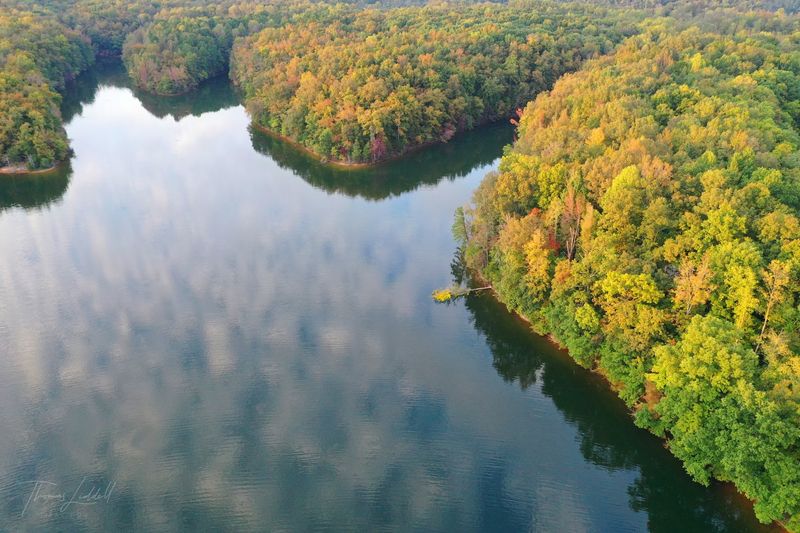
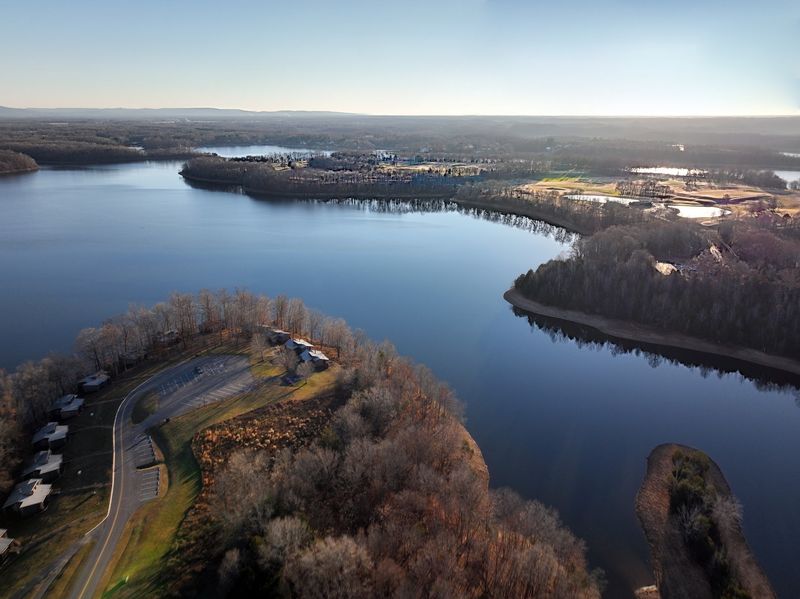
Glassy water so clear you can spot rocks a few feet down, framed by hills covered in thick hardwood forest. That is the first thing most people notice at Tims Ford Lake. Plenty of visitors call it one of the clearest lakes they have ever seen, and it is hard to argue once you are there.
The lake sits in Franklin and Moore counties, not far from Winchester and Tullahoma. It was formed when a dam was built on the Elk River, creating a long, winding body of water with lots of coves and fingers to explore. Online reviewers give it a strong 4.8 star rating, with words like serene, peaceful, and breathtaking showing up again and again.
So what makes it so special? A big part of the charm is the quiet. Cell signal can be weak or missing in spots, which sounds annoying until you realize it forces you to actually look around. One reviewer joked that you will be too busy enjoying nature to miss your phone anyway.
The lake also offers real variety. You will find marinas with waterside dining, boat rentals, fuel docks, walking trails, campgrounds, and Tims Ford State Park right along the shore. Families come for picnics, anglers come for bass and trout, and paddlers come for calm coves at sunrise.
Sunsets here deserve their own fan club. Locals love watching the sky turn orange and pink from a boat in the middle of the water. Bring a camera, but also take a moment to just watch.
Here is a practical tip before you go. Download maps ahead of time, since GPS may not cooperate once you reach the back roads. Pack snacks, water, and sunscreen too, because some areas are a drive from the nearest store.
Of course, a place this wild and green attracts more than just people. The same rocky banks and shady woods that make the lake gorgeous also make it a cozy home for snakes. Do not let that scare you off, though. Stick around and you will learn how to share the space like a pro.
Why Snakes Thrive Around The Lake’s Rocky Shoreline
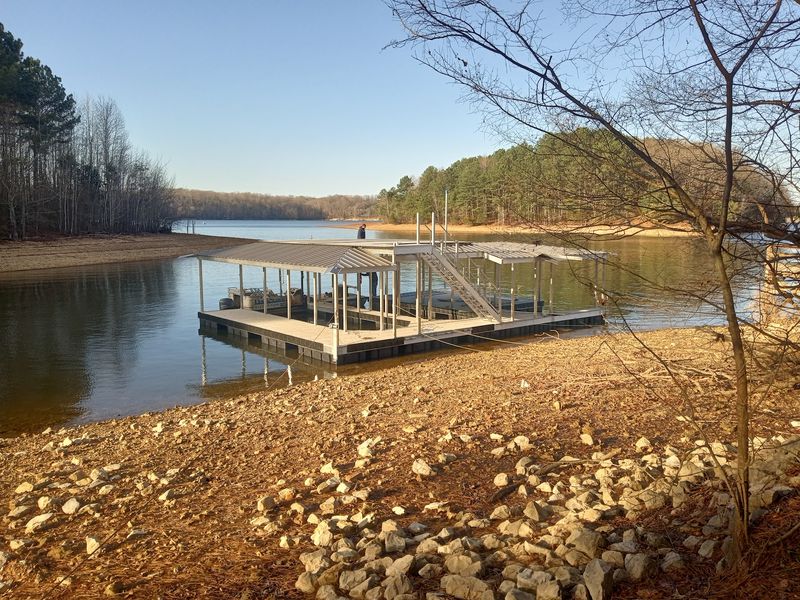
If you were a snake, Tims Ford Lake would feel like a five star resort. Warm rocks, endless hiding spots, and a buffet of food all sit within a few feet of each other. No wonder so many reptiles call these banks home.
Start with the rocks. Much of the shoreline is made of limestone ledges, loose stones, and rocky bluffs rather than sandy beaches. In fact, reviewers point out that the lake does not really have true beaches at all. Those rocks soak up heat from the sun, and snakes, being cold-blooded, need that warmth to get moving each day.
Next comes shelter. Cracks between stones, fallen logs, and tangled roots give snakes a safe place to hide from hawks, herons, and curious kids. When the afternoon gets too hot, they simply slip into a shady gap and wait it out.
Then there is the menu. Lakes are packed with frogs, small fish, salamanders, insects, and mice that come down to drink. For a water snake, the shoreline is basically a drive-through restaurant. Land snakes benefit too, since rodents love the brushy edges around campsites and trails.
Water levels play a role as well. Like many Tennessee reservoirs, the lake rises and falls through the year. When levels drop, more rocks and mudflats get exposed, opening up even more sunning space.
Here is a fun fact to share at the campfire. Snakes do not have ears like ours, but they can feel vibrations through the ground. That means your footsteps on a rocky bank often warn them you are coming long before you see them.
Spring and early summer tend to be the busiest seasons for sightings. Snakes come out of winter hiding, warm up, and start searching for food and mates. Warm mornings after a cool night are prime time for basking.
Understanding why snakes love this habitat takes away some of the mystery. They are not there to bother anyone. They are just living their best reptile lives in a spot built perfectly for them.
The Snake Species Visitors Could Encounter Near The Water
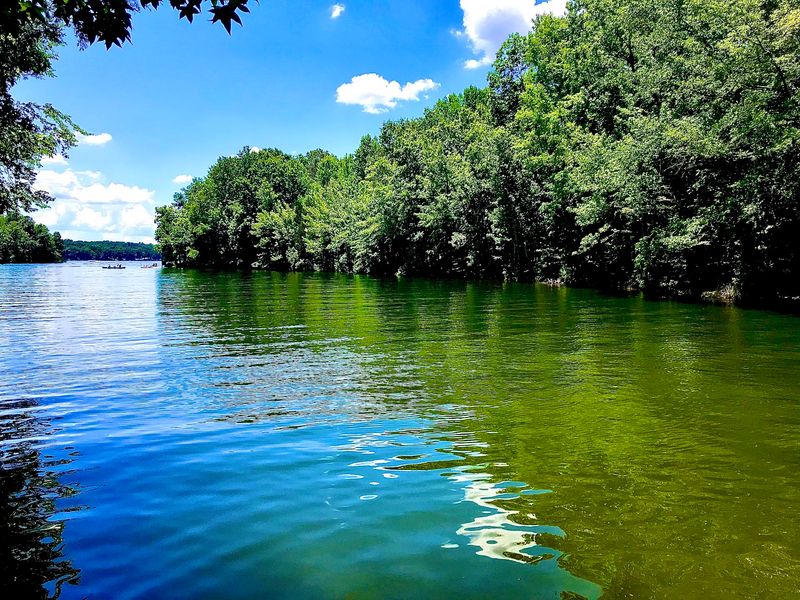
Ask a group of boaters what kind of snake they just saw, and you will probably hear the word cottonmouth shouted at least three times. Here is the twist. Many of those sightings are actually harmless water snakes. Learning the difference is one of the smartest things you can do before visiting.
The northern water snake is likely the most common snake you will meet near the shoreline. It has brown or gray bands, a thick body, and a habit of draping itself over rocks and branches near the water. It is not venomous, but it may bite if grabbed, so leave it be.
Out on land, you might spot a black rat snake stretched across a trail or even climbing a tree. These long, shiny black snakes are excellent at controlling mice. Garter snakes, with their thin stripes, also show up in grassy areas and gardens.
Now for the ones that deserve respect. Middle Tennessee is home to venomous species like the copperhead and the timber rattlesnake. Copperheads have hourglass-shaped bands in copper and tan tones, which blend in perfectly with dead leaves. Timber rattlesnakes are less common and usually prefer rocky, wooded hillsides away from crowds.
What about cottonmouths? They do live in parts of Tennessee, but they are mostly found in the western part of the state and in swampy lowlands. That is why many experts believe most cottonmouth reports around Middle Tennessee lakes are really mistaken water snakes. Still, it is wise to treat any unknown snake with caution.
A simple rule works well here. If you cannot identify it with confidence, do not touch it. Snap a photo from a safe distance and look it up later, or ask a park ranger at Tims Ford State Park.
Want a handy learning tool? The Tennessee Wildlife Resources Agency offers guides on native snakes that are easy to read. Kids especially enjoy turning snake spotting into a game of identification, as long as everyone stays a good distance away from the real thing.
Where Snake Sightings Are Most Likely Around Tims Ford Lake
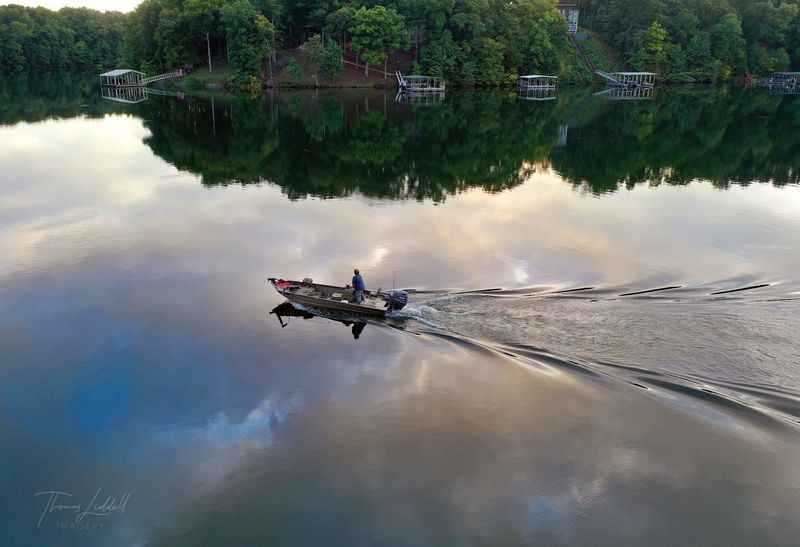
Some spots around the lake practically come with a snake welcome mat. Knowing where they like to hang out helps you keep your eyes open in the right places without spending the whole trip on edge.
Rocky banks top the list. Anywhere stones meet water, especially in quiet coves away from heavy boat traffic, is a favorite basking zone. Paddlers exploring the backwaters, like the areas near Boiling Fork Creek or Dry Creek, often report seeing snakes sunning on rocks or swimming across the surface.
Docks and boat ramps can be surprise hotspots. Snakes sometimes rest in the shade under wooden planks or tuck themselves between rocks near the ramp edges. Before stepping off a dock into shallow water, take a quick look around.
Wooded trails are another common place to cross paths with one. Leaf litter along the path is perfect camouflage for copperheads. Fallen logs, stone piles, and brushy edges also offer hiding places, so watch where you put your hands and feet when stepping over obstacles.
Campgrounds deserve a mention too. Firewood stacks, tall grass, and dark spaces under picnic tables attract mice, and mice attract snakes. Keeping your campsite tidy goes a long way.
Timing matters as much as location. On hot summer days, many snakes stay hidden during the midday heat and come out in the cooler morning or evening hours. Copperheads in particular are known for being active on warm summer nights, so a flashlight is a must after dark.
Overhanging branches near the water can also hold a resting water snake. Kayakers sliding close to the shoreline under low limbs should keep an eye up as well as ahead. A snake dropping into the water near your boat is startling, but it is usually just trying to escape.
Here is a smart habit. When you arrive at a new spot, pause for a few seconds and scan the ground, rocks, and nearby logs. That tiny pause gives you a full picture of your surroundings and almost always prevents an unwanted surprise.
Most Snakes At The Lake Would Rather Avoid People
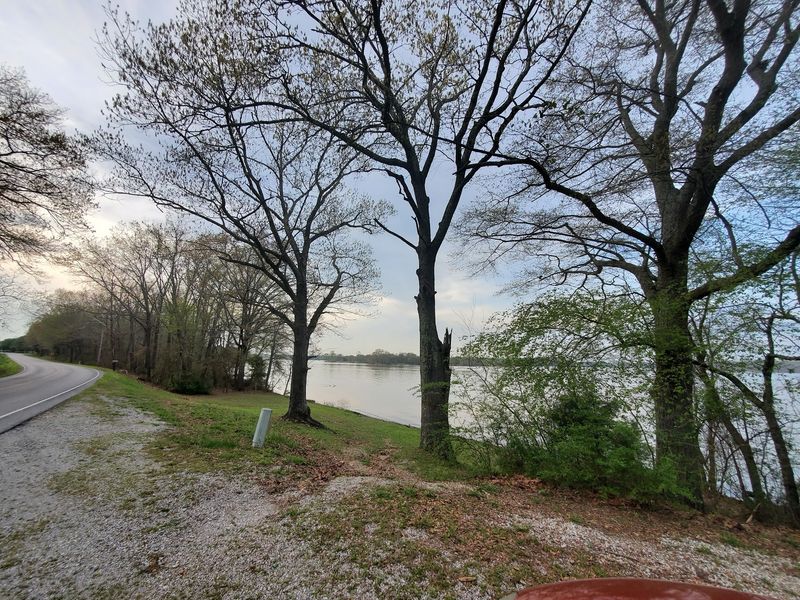
Here is a little secret that might help you sleep better in your tent. That snake you are worried about is probably way more worried about you. To a reptile, a human is a giant, loud, ground-shaking creature best avoided at all costs.
Snakes do not hunt people. They have no reason to. Their meals are small things like frogs, fish, bugs, and rodents, and you are clearly not on the menu. When a snake senses you coming, its first move is almost always to freeze or slip away quietly.
So why do bites happen at all? Most occur when someone accidentally steps on a snake, reaches into a spot without looking, or tries to pick one up or kill it. In other words, bites are usually a defense move, not an attack. Give a snake space, and the problem mostly solves itself.
Copperheads are a good example. They often stay perfectly still and trust their camouflage, hoping you walk right by. Many hikers pass within a few feet of one and never even know it. Rattlesnakes usually give a loud buzzing warning before they would ever strike.
Water snakes may seem bold because they hold their ground or flatten their heads when cornered. That is pure bluffing. They are trying to look bigger and scarier so you will back off.
Did you know snakes play a big part in keeping the lake area healthy? By eating rodents, they help control populations that could spread disease or chew up gear at campsites. Many snakes also become food for hawks, owls, and herons, which keeps the whole food chain working.
A calm mindset is your best tool. If you spot a snake, stop, step back slowly, and let it move along. Most of the time, it will be gone within a minute.
Teaching kids this attitude early can be really helpful. Instead of screaming or throwing rocks, they learn to observe from a distance and respect wildlife. That lesson lasts a lot longer than one weekend at the lake.
Simple Precautions Can Help Visitors Prevent A Close Encounter
Good shoes beat good luck every single time. That might sound like a joke, but it is honestly the number one way to stay safe around snakes at Tims Ford Lake. A few smart habits make a huge difference.
Start with what you wear. Closed-toe shoes or hiking boots protect your feet far better than flip-flops, especially on rocky banks and wooded trails. Long pants add another layer of protection when walking through tall grass or brush.
Watch where you step and where you reach. Before climbing over a log, step onto it first instead of stepping blindly over to the other side. When grabbing a rock, a branch, or a stack of firewood, take a quick look first. Snakes love those hidden spots.
Stay on marked trails whenever possible. Paths at Tims Ford State Park are usually cleared, which makes it easier to see the ground ahead. Wandering through thick undergrowth raises the odds of surprising something.
Night walks call for a flashlight or headlamp. Many snakes, including copperheads, become more active on warm summer evenings. Lighting the path between your campsite and the bathhouse is a simple but powerful habit.
At the campsite, keep things neat. Zip tents closed, store food in sealed containers, and avoid leaving piles of trash or gear on the ground. Shake out shoes, sleeping bags, and towels before using them, just in case.
If you spot a snake, give it at least several feet of space and let it leave. Never try to catch, move, or kill one. That is when many bites happen.
What if someone does get bitten? Stay calm, keep the person still, remove rings or tight items near the bite, and call 911 right away. Skip old tricks like cutting the wound, sucking out venom, or using ice, since those can cause more harm. Remember that cell signal is spotty in parts of the lake, so know where the nearest marina, ranger station, or road is before heading out.
Pets need protection too. Keep dogs on a leash so they do not go sniffing into rock piles.
Boating, Fishing, And Hiking Still Draw Outdoor Lovers
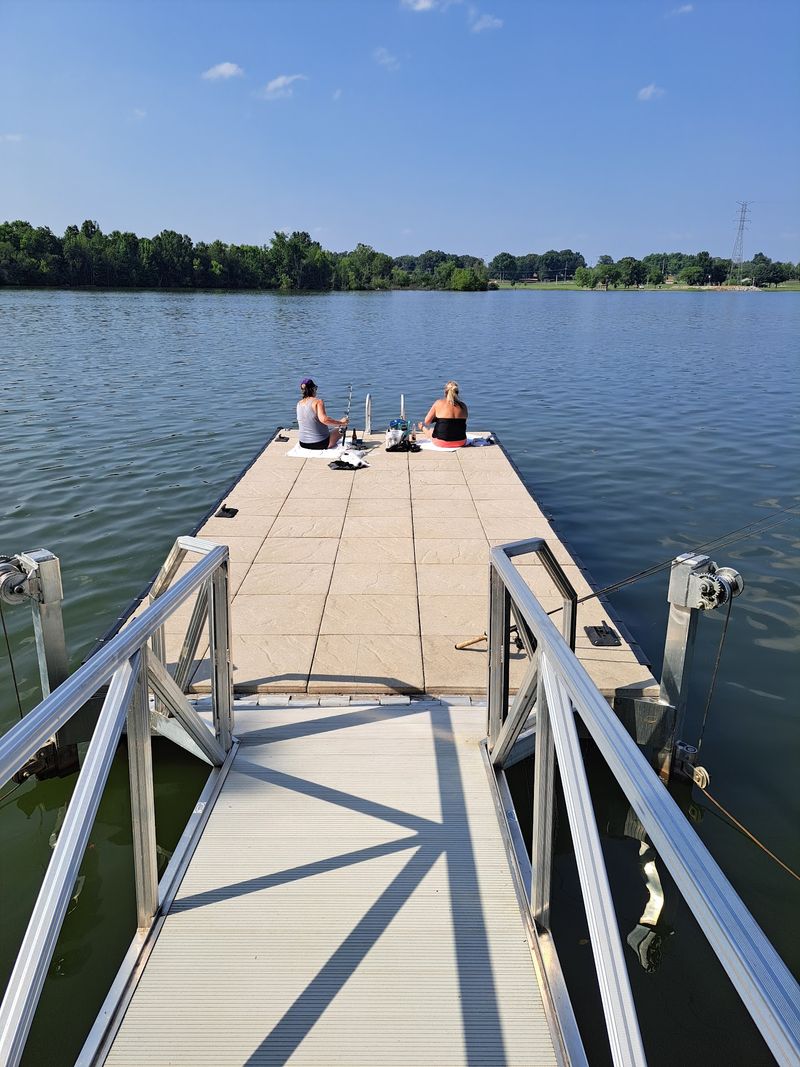
One reviewer caught a channel catfish, a spotted bass, and a black bass in under an hour on a first visit. Stories like that explain why anglers keep coming back to Tims Ford Lake, snakes or not.
Fishing is a huge draw here. Smallmouth bass are a local favorite, and the lake also gets attention for trout, largemouth bass, crappie, and catfish. Clear water means fish can be a bit picky, so lighter line and natural-colored lures often work well.
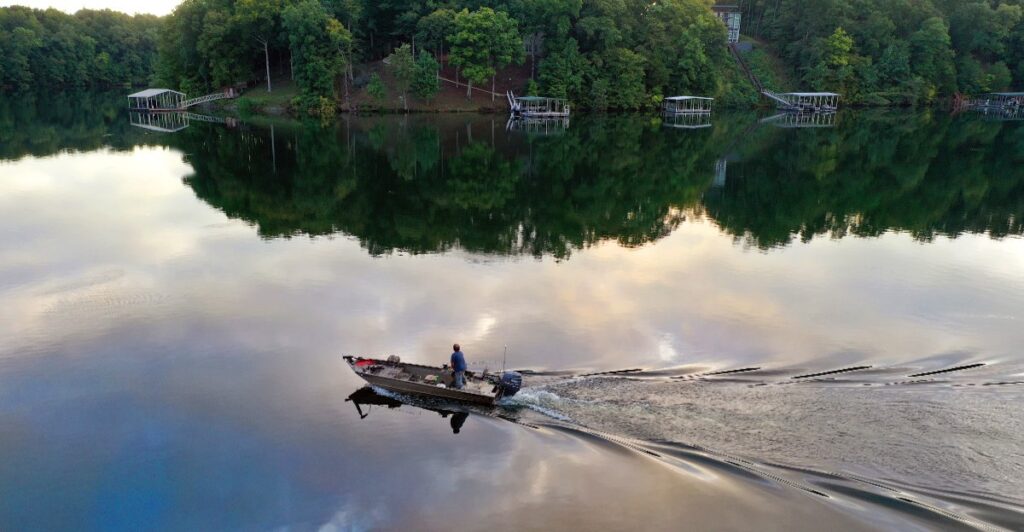
Boaters love the open space. Even on busy days, many people say there is still plenty of room on the water. The lake has multiple marinas with fuel docks, rental boats, and waterside restaurants, so you can spend the whole day on the water and still grab a hot meal.
Keep in mind that swimming from public ramps and docks is not always allowed. Real sandy beaches are rare too, so a boat or dock access makes the experience much easier. Some folks head into Winchester for a designated swim spot instead.
Paddlers have their own kind of fun. Kayaks and canoes can be rented nearby, and calm coves are perfect for slow exploring. Some adventurers launch from Boiling Fork Creek and paddle toward spots like the Devils Step area or the Estill Springs bridge.
Hikers are not left out either. Tims Ford State Park offers walking and biking trails with lake views, shady forest sections, and peaceful overlooks. Fall foliage turns the hills into bright reds and golds, which makes autumn hikes especially rewarding.
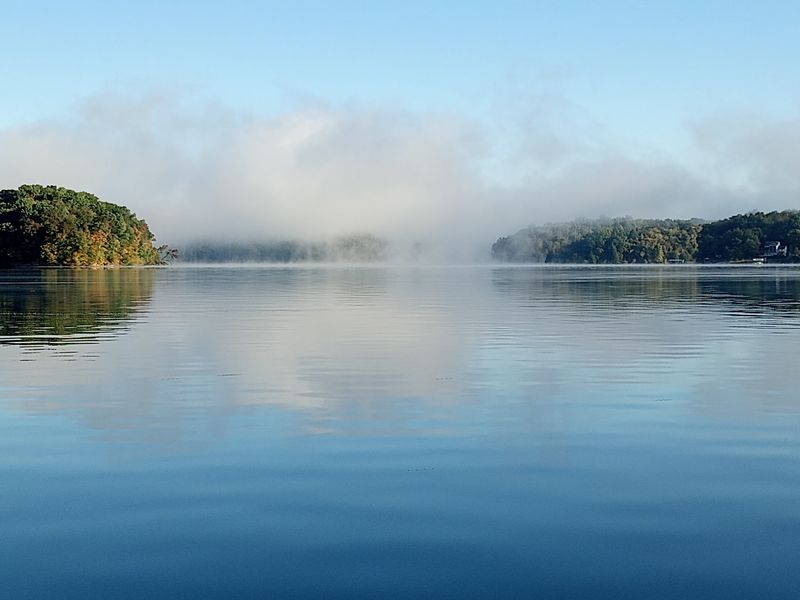
Camping ties it all together. Tent sites, RV spots, and cabins give visitors a chance to stay overnight and catch those famous sunsets. Waking up to mist floating over the water is a memory you will not forget.
Weekends and holidays can get crowded, so try a weekday trip if you want a quieter experience. Early mornings are the sweet spot for both fishing and wildlife watching. Just remember to keep an eye on the rocks as you load your gear.
Tims Ford Lake Remains Worth Visiting Despite Its Slithering Residents
Let’s be honest. Nobody plans a lake vacation hoping to meet a snake. Yet the folks who know Tims Ford best keep coming back year after year, and some even bought homes here decades ago because they fell so hard for the place.
The snakes are simply part of a healthy, wild landscape. Their presence is actually a sign that the lake and surrounding forest are full of life. Where you find snakes, you also find frogs, birds, fish, and all the other creatures that make the outdoors feel alive.
Think of it like living near the ocean. Beach lovers know there are jellyfish and crabs in the water, but they still go swimming. They just learn how to be smart about it. The same goes for Tims Ford.
And what you get in return is pretty amazing. Clear water, quiet coves, great fishing, friendly marinas, and some of the prettiest sunsets in Middle Tennessee. One longtime fan said spending time here is better than yoga for the heart and soul.
There is something for nearly every type of visitor. Thrill seekers can water ski or tube. Quieter types can paddle at dawn or sit on a dock with a good book. Families can picnic, camp, and explore trails together.
Nearby towns like Winchester, Tullahoma, and Lynchburg add even more to the trip. You can grab a meal in town, browse local shops, and still be back at the water before sunset.
Plan wisely and you will barely think about snakes at all. Wear sturdy shoes, bring a flashlight, scan before you step, and give wildlife plenty of room. Those small habits let you relax and enjoy the bigger picture.
So go ahead and book that campsite or rent that pontoon. Pack your cooler, charge your camera, and download your maps before the signal fades. Tims Ford Lake is ready to impress you, and its scaly residents will most likely stay politely out of your way.
Share this story