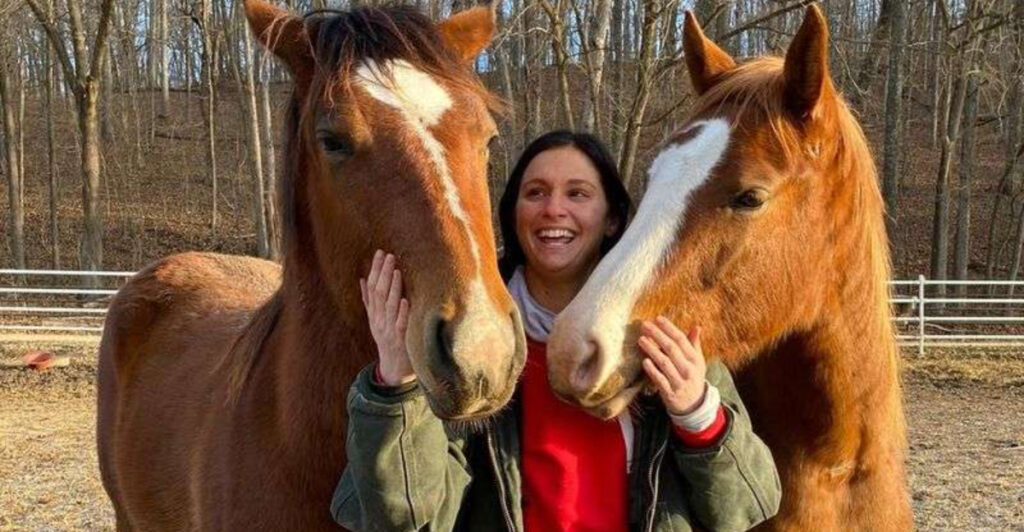
Longmeadow Rescue Ranch in Union, Missouri, is a peaceful place where rescued horses and farm animals get care, safety, and a second chance. The 165-acre ranch is run by the Humane Society of Missouri and welcomes visitors during select public hours.
Families can meet animals, learn rescue stories, and see how kindness can change lives. A visit here feels fun, meaningful, and easy to enjoy at your own pace.
1. Meet the Horses Who Found a Safer Home
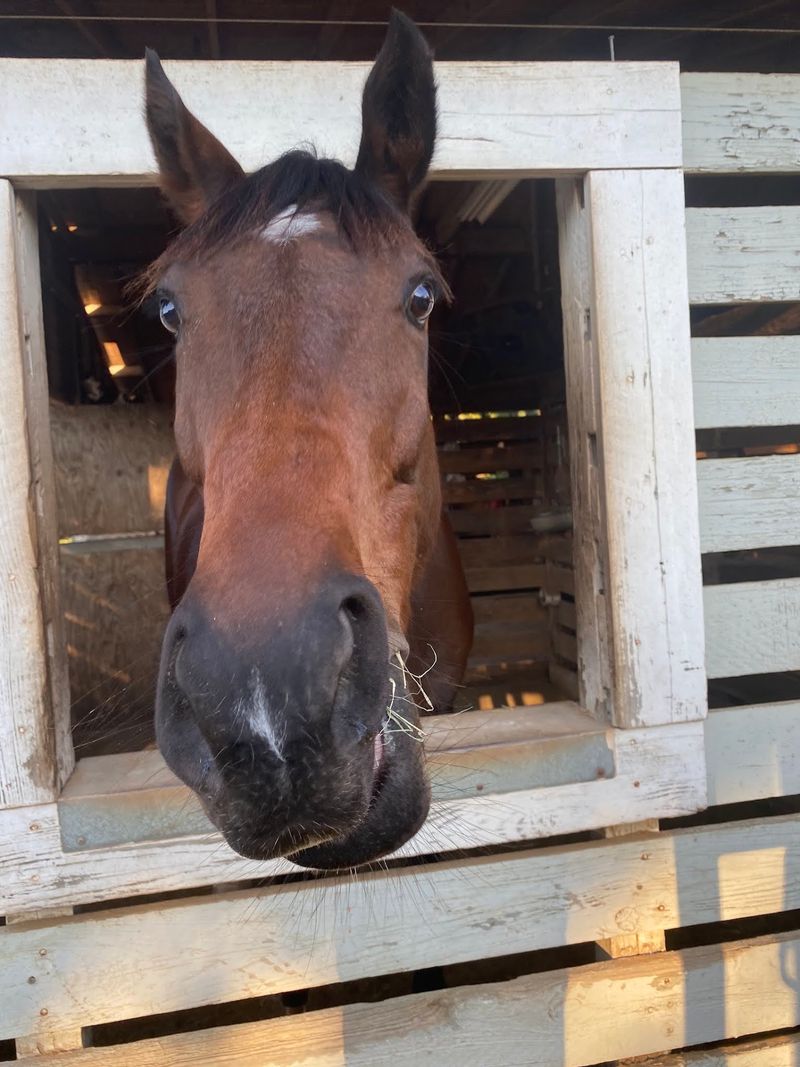
A soft nicker from a nearby stall can make the whole ranch feel calm in seconds.
Horses are one of the biggest reasons visitors come to Longmeadow Rescue Ranch, and many guests leave talking about the animals they met by name.
The ranch cares for horses that may have come from neglect, unsafe situations, accidents, or owners who could no longer provide proper care.
Staff and volunteers work to help each animal recover with food, veterinary care, training, and patient handling.
Some horses may be ready for adoption, while others need more time before they can move to a new home.
Visitors should remember that these horses are not just attractions.
They are living animals with histories, moods, and comfort levels.
Always follow posted rules, listen to staff, and ask before touching any animal, even if it seems friendly.
For kids, seeing rescued horses up close can be a powerful lesson.
It helps them understand that animals need daily care, safe shelter, and people who will speak up for them.
Adults may find the experience just as moving, especially when they learn how much work goes into helping a horse become healthy again.
If horses are your main reason for visiting, check public hours before you go.
Longmeadow is open on limited days, often Friday afternoons and Saturday late mornings through mid-afternoon, so planning ahead will help you enjoy your time without feeling rushed.
2. Wander Through a Working Rescue Ranch
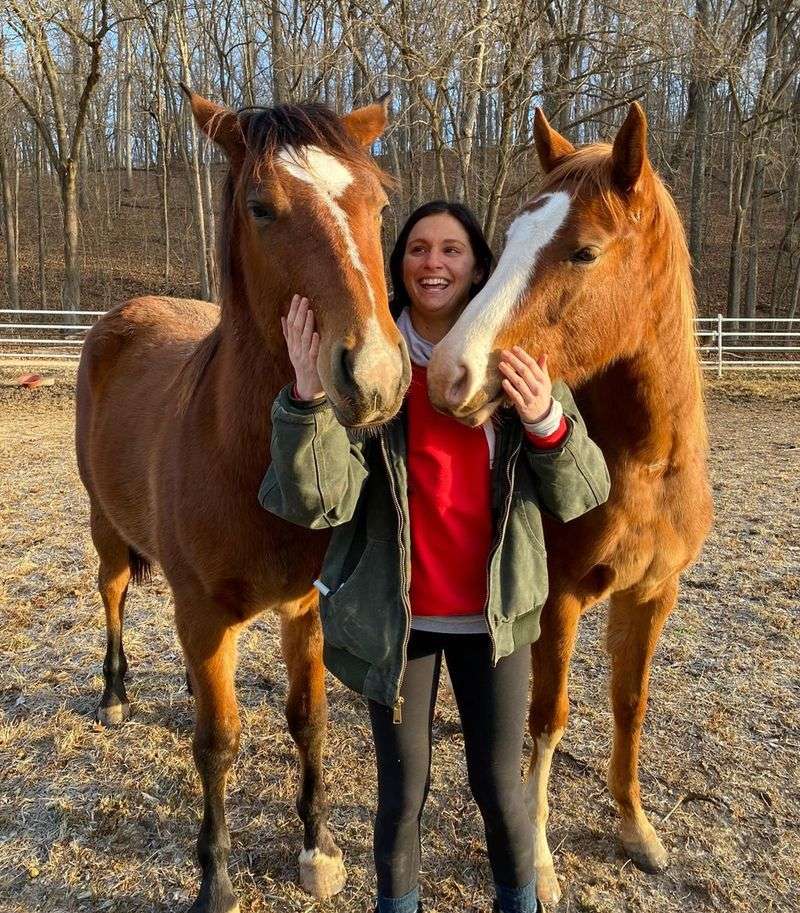
The first thing many people notice is how much space there is to breathe.
Longmeadow Rescue Ranch covers 165 acres in Union, Missouri, giving rescued animals room for barns, paddocks, pastures, and quiet recovery areas.
Unlike a busy petting zoo, the ranch is a working rescue facility.
That means some areas may be open to visitors while others may be closed for animal care, safety, or health reasons.
One review mentioned certain buildings being closed during a quarantine, which is a helpful reminder that animal welfare comes first here.
Plan your visit with that in mind, and you will have a better day.
Wear comfortable shoes because ranch paths can involve walking between animal areas.
Closed-toe shoes are a smart choice, especially around barns, gravel, and fencing.
The setting is part of the charm.
You may see volunteers moving feed, staff checking animals, or horses resting in paddocks.
Those small behind-the-scenes moments show that rescue work is not only sweet photos and happy endings.
It is daily chores, careful planning, and people showing up again and again.
Families should bring water, dress for the weather, and leave plenty of time to move slowly.
A relaxed pace helps kids notice more, from a curious goat watching from a pen to a horse flicking its ears at barn sounds.
Longmeadow is best enjoyed when you treat it as a real place of care, not a quick stop.
3. Say Hello to Farm Animals Big and Small
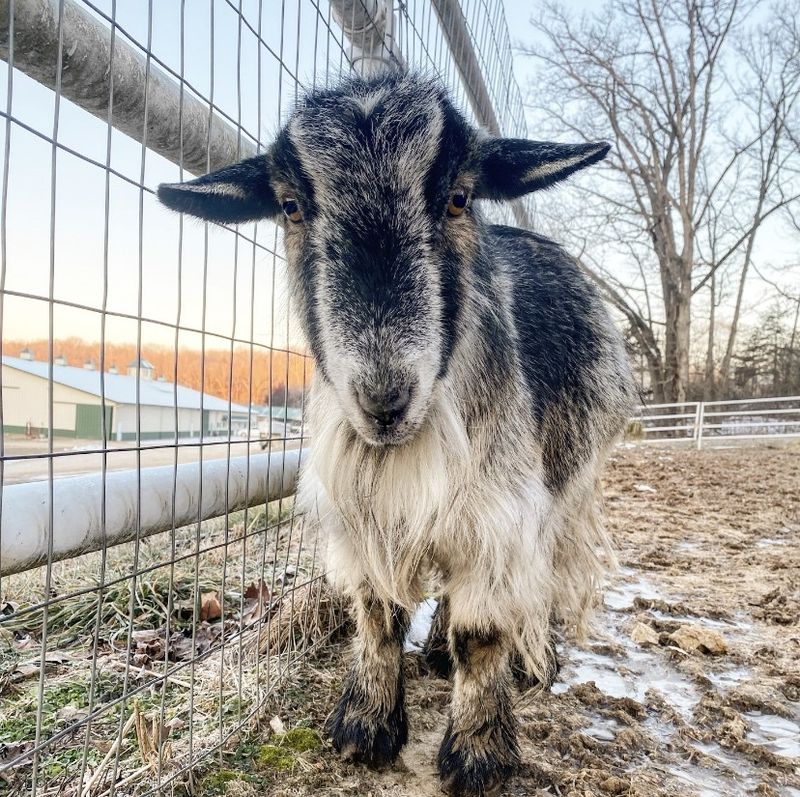
A talkative goose, a curious goat, or a pig enjoying a lazy afternoon can steal the show before you even reach the next barn.
Longmeadow Rescue Ranch is known for horses, but visitors often mention many other farm animals too.
Depending on the day and which areas are open, guests may see donkeys, mini horses, goats, pigs, chickens, ducks, llamas, alpacas, or other rescued animals.
Reviews have also mentioned memorable residents like Pepper the turkey and Bubbles, a retired zebu from the Saint Louis Children’s Zoo.
Those little details make the ranch feel full of personality.
Animal encounters can change from visit to visit.
Some animals may be resting, receiving care, or staying away from public areas.
That is normal at a rescue ranch, where the animals’ needs guide the schedule.
If you visit with children, talk with them before arriving about kind behavior.
Calm voices, slow movements, and listening to volunteers help make the experience safer for everyone.
Petting may be allowed in some situations, but it should never be assumed.
The farm animals also help visitors understand that rescue work is not limited to cats and dogs.
Large animals need feed, farrier care, hoof trimming, bedding, space, and careful handling.
Seeing pigs, goats, and donkeys up close can spark great family conversations about responsibility.
It is fun, but it also teaches respect for animals that many people rarely meet in everyday life.
4. Watch for Twister the Painting Horse
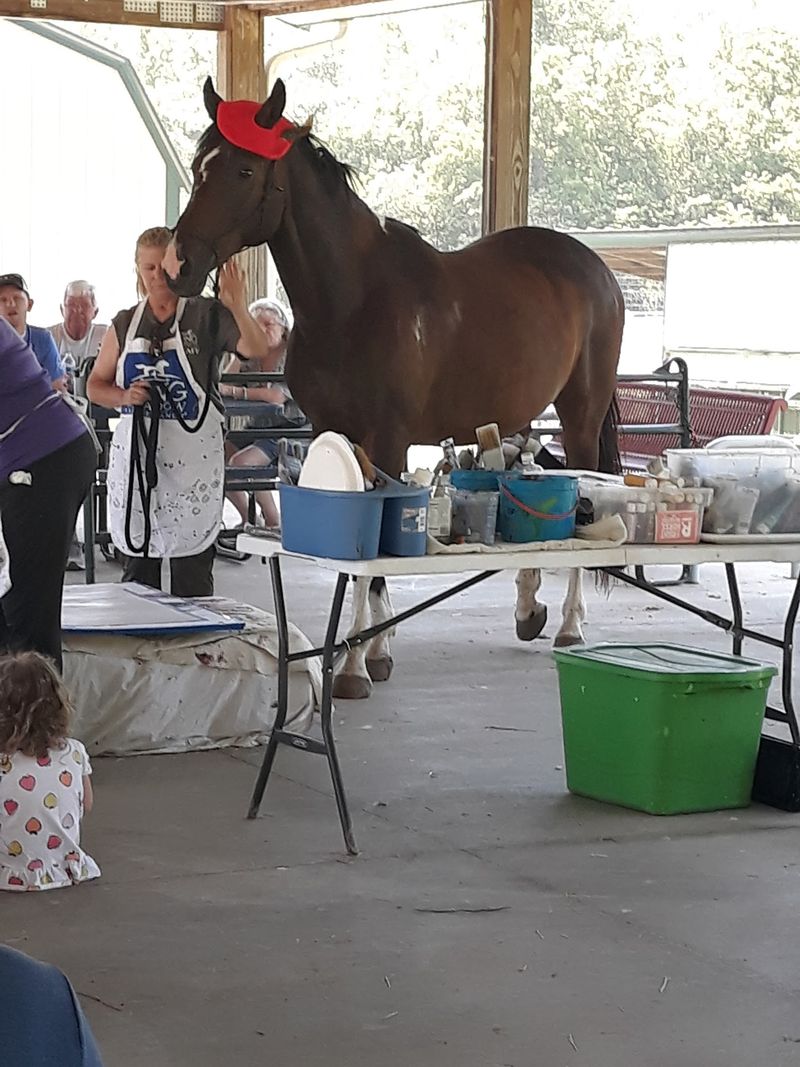
A horse with a paintbrush is not something you see every weekend.
Twister, Longmeadow Rescue Ranch’s well-known resident artist, has become a favorite part of the ranch for visitors who catch one of his painting demonstrations.
Guests have described watching Twister show off his painting style, and some mention a gallery where his artwork has been available for purchase.
It is playful, surprising, and easy for kids to remember long after the visit ends.
More importantly, it gives people a fun way to connect with the ranch’s mission.
Demonstrations may not happen every public day, so check the ranch’s website or call ahead if seeing Twister is high on your list.
Special events, including spring gatherings, may offer better chances to see extra activities.
Since schedules can change due to weather or animal care needs, a quick check can prevent disappointment.
Twister’s artwork is also a reminder that rescued animals are more than their pasts.
With patient care and creative enrichment, animals can show talents, habits, and personalities that people might never expect.
Enrichment activities help animals stay mentally active and can build trust with handlers.
If artwork or gifts are available, buying something can support the nonprofit rescue.
You get a keepsake, and the ranch gets help with feed, medical care, and daily operations.
That makes a colorful horse painting more than a fun souvenir.
It becomes part of a larger rescue story.
5. Learn How Rescue and Adoption Really Work
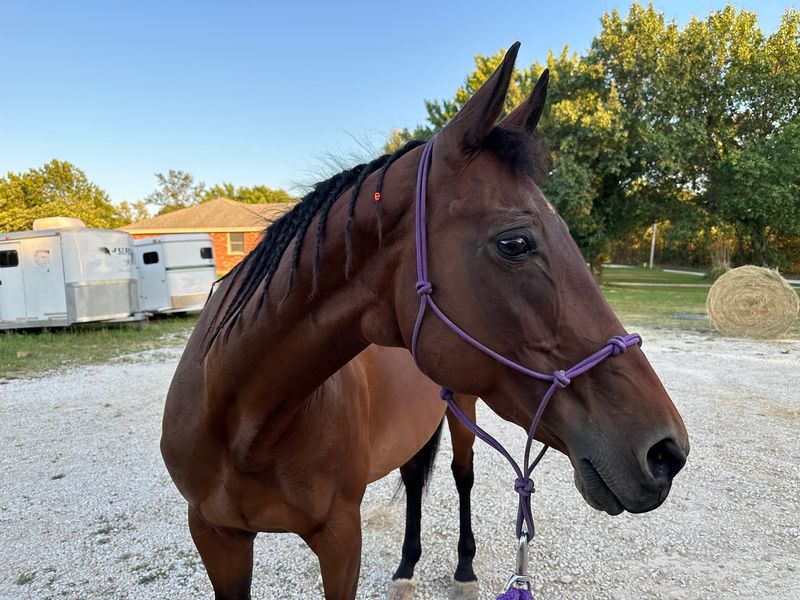
Behind every happy adoption photo is a lot of careful matching.
Longmeadow Rescue Ranch is not only a place to visit animals, it is also a place where horses and other large animals may find new homes.
Reviews from adopters describe a detailed process that includes learning an animal’s history, reviewing veterinary records, test rides when appropriate, and making sure the adopter and animal are a safe fit.
That careful approach matters because horses, donkeys, and farm animals need the right space, knowledge, money, and long-term commitment.
If you are thinking about adoption, visit with an open mind.
The animal you first notice may not be the best match for your experience level or property.
Staff may ask questions about fencing, shelter, feed plans, vet care, and handling skills because they want the placement to work for everyone.
Some people may find the process slower than buying an animal elsewhere, but there is a reason for it.
Rescue animals can have medical needs, training gaps, or emotional stress from past experiences.
A thoughtful adoption helps lower the chance that an animal will need to be returned.
Even if you are not ready to adopt, you can still learn a lot by asking respectful questions.
Families can talk about what forever care really means.
A horse may live for decades, and a goat, pig, or donkey also needs steady care.
Longmeadow makes that responsibility easier to understand in a real, practical way.
6. Support the Mission Through Donations and Sponsorships
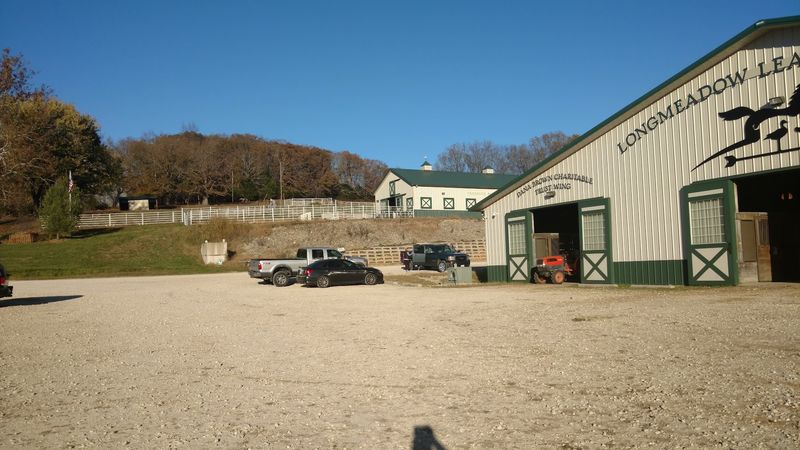
A few dollars in a donation box may look small, but at a rescue ranch it can help buy hay, medicine, bedding, or feed.
Longmeadow Rescue Ranch is a nonprofit effort connected with the Humane Society of Missouri, so visitor support matters.
Guests often notice donation boxes, a gift shop, and programs that help people give back.
One popular option mentioned by visitors is the Barn Buddy sponsorship program, which can make a thoughtful gift for someone who loves animals.
Sponsorships are a nice choice when you want to help but cannot adopt or volunteer.
There are many practical ways to support the ranch.
You can donate money, shop on-site if the gift shop is open, attend events, share accurate information, or encourage others to visit during public hours.
If you have time and the ranch is accepting help, volunteering may also be an option.
Before bringing supplies, check the ranch’s website or call first.
Rescue organizations often have specific needs, and some donated items may not be useful or safe.
Asking ahead helps your gift do the most good.
Supporting Longmeadow is not only about helping one animal.
It helps maintain barns, pay for care, and give staff the tools they need when new rescues arrive.
For children, making a small donation can be a simple lesson in kindness.
They can see that helping animals is not just something adults do.
Everyone can take part in some way.
7. Plan a Family Visit Without Stress
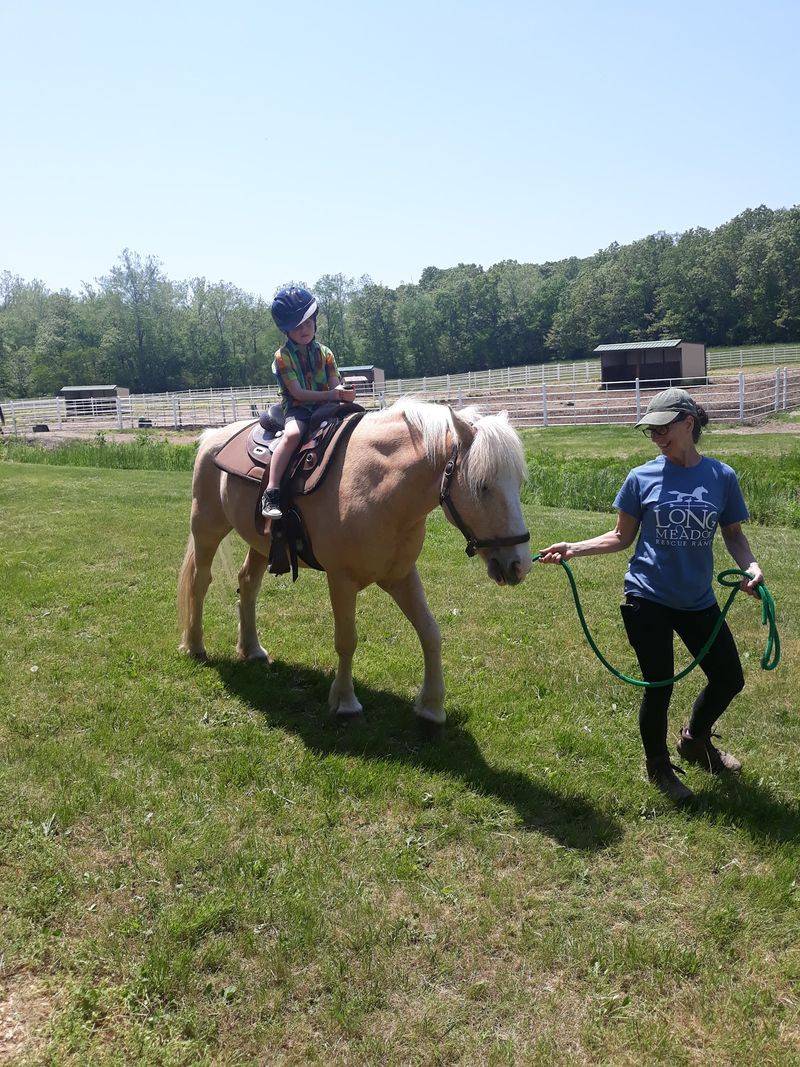
A good ranch day starts before you get in the car.
Longmeadow Rescue Ranch is located at 480 St Josephs Road in Union, Missouri, and its public hours are limited, so checking the schedule is the smartest first step.
According to available place information, the ranch is usually open Friday from 12 PM to 3 PM and Saturday from 11 AM to 3 PM, while other days are closed to the public.
Hours can change for events, weather, holidays, or animal care needs.
Calling 636-583-8759 or visiting longmeadowrescueranch.org before you go is a simple way to confirm details.
Families have described the ranch as clean, peaceful, and worth the drive.
Some visitors even mentioned covered areas where they could rest or eat during past visits.
Still, it is wise to bring water, sunscreen, weather-friendly clothing, and snacks if allowed under current rules.
Keep the day flexible.
You may see horses during one visit and a wider mix of animals another time.
Special events, such as Wagon Days or annual spring activities, can bring more people, more energy, and extra things to watch.
Children will enjoy the animals more if they know the basic rules ahead of time.
No running near pens, no feeding animals without permission, and no reaching through fences unless staff says it is okay.
With a little planning, Longmeadow can become the kind of outing families remember for years.
Share this story