Tucked into the northeastern corner of Tennessee, Shady Valley lives up to its name with some of the coolest summer weather you’ll find anywhere in the state. While the rest of Tennessee swelters through humid 90-degree days, this mountain community keeps things refreshingly mild, with temperatures that rarely climb past the upper 70s. Sitting at a high elevation surrounded by rolling ridges and bordered by Cherokee National Forest, this unincorporated gem in Johnson County offers a natural escape where summer feels more like perpetual spring.
The Valley’s Unique Geography Creates Natural Air Conditioning
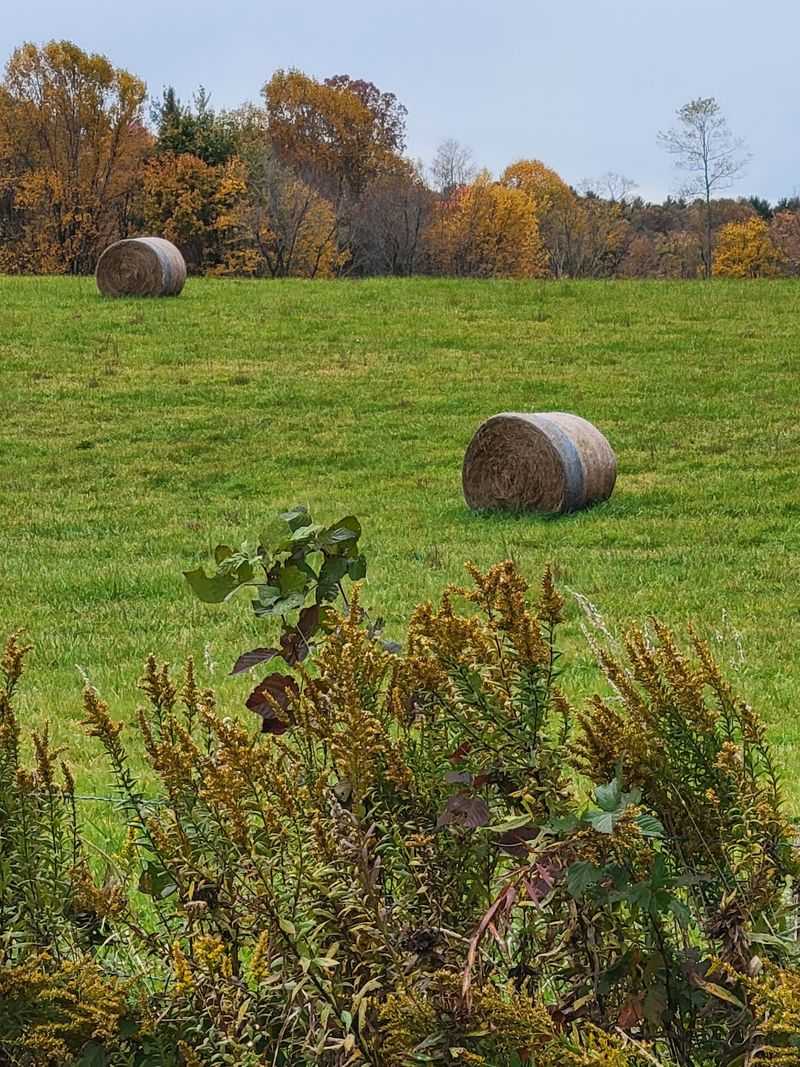
Picture a bowl carved between mountain ridges, and you’ve got Shady Valley. The community sits in a high-elevation basin where cool air settles and lingers, creating temperatures that make locals smile while the rest of the state cranks up their AC units. This isn’t just lucky geography, it’s science at work in the most pleasant way possible.
The surrounding mountains act like natural barriers, trapping cooler air masses and shielding the valley from the intense heat that bakes lower elevations. Morning fog often blankets the farmland here, burning off slowly to reveal crisp, comfortable days. Even when nearby towns hit the mid-80s, Shady Valley residents might need a light jacket in the evening.
Water plays a role too. Beaver Creek winds through the valley floor, and the moisture it releases helps moderate temperatures throughout the growing season. The lush vegetation that thrives in this climate adds another cooling layer, with trees and crops releasing moisture that keeps the air fresher than drier landscapes.
Elevation matters more than most people realize. At over 2,800 feet above sea level, Shady Valley enjoys the kind of altitude that naturally shaves degrees off the thermometer. For every 1,000 feet you climb in elevation, temperatures typically drop about 3 to 5 degrees, which means this valley stays noticeably cooler than communities just a short drive away.
Locals have known this secret for generations. Farmers here grow cool-weather crops that struggle elsewhere in Tennessee during summer months. Lettuce, cabbage, and other vegetables that bolt in the heat thrive in Shady Valley’s mild climate, turning the area into a productive agricultural pocket that feels more like upstate New York than the Tennessee most visitors expect.
The microclimate here is so distinct that weather forecasts for nearby towns often miss the mark completely. When Bristol or Elizabethton report sweltering conditions, Shady Valley might be enjoying a breezy 72-degree afternoon with low humidity and clear mountain air.
Cherokee National Forest Provides Miles of Shaded Hiking Trails
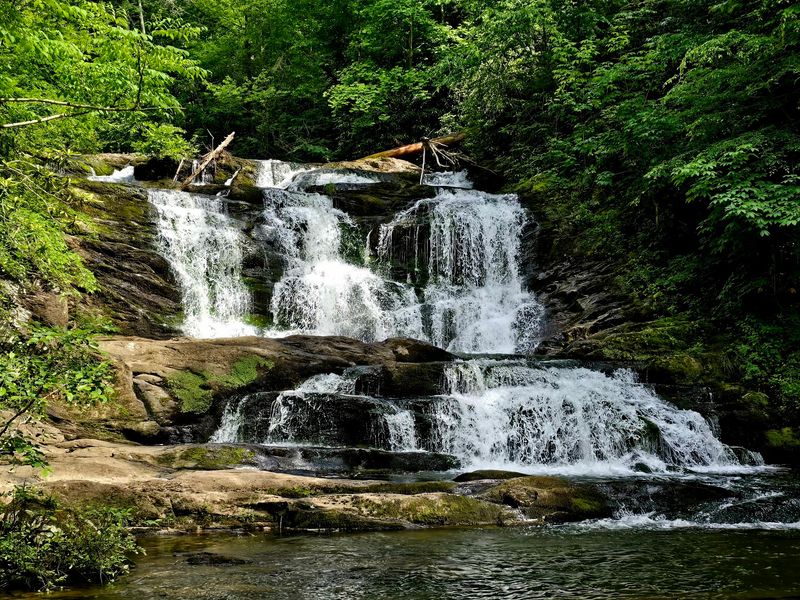
Just outside Shady Valley’s farmland, Cherokee National Forest unfolds in every direction with trails that stay cool even when the calendar says July. The forest canopy here is thick enough to drop temperatures by another 10 degrees compared to open areas, making summer hikes genuinely enjoyable instead of endurance tests. You won’t find yourself rationing water or counting down the minutes until you reach your car.
The Appalachian Trail passes nearby, but you don’t need to tackle that famous footpath to enjoy world-class hiking. Local trails wind through rhododendron thickets, alongside mountain streams, and up to overlooks where the breeze always seems to be blowing. The sounds of rushing water follow you on many routes, adding a soundtrack that somehow makes the air feel even cooler.
Hardwood forests dominate the landscape, with oak, maple, and poplar trees creating a green ceiling that filters sunlight into gentle patterns on the forest floor. Moss grows thick on north-facing slopes, and ferns carpet areas where the shade is deepest. The humidity here feels different than lowland humidity because the air stays moving, pushed along by elevation changes and temperature differences between sunny and shaded spots.
Wildlife sightings are common, especially in the cooler morning and evening hours when deer, wild turkey, and black bears are most active. The comfortable temperatures mean animals don’t need to hide away during the heat of the day like they do in hotter regions. You might spot a black bear foraging for berries along a trail edge or hear the drumming of a ruffed grouse echoing through the trees.
Trail maintenance is solid here, with clear markers and well-kept paths that make navigation straightforward. Whether you’re up for a quick two-mile loop or a full-day adventure, the consistent coolness means you can plan longer outings without worrying about heat exhaustion. Pack layers though because shaded hollows can feel downright chilly even in August.
The forest changes character with the seasons, but summer might be its best-kept secret. While other hikers flee to higher elevations or indoor activities, Shady Valley’s trails stay pleasantly uncrowded and refreshingly cool.
Historic Cranberry Bogs Thrive in the Cool Climate
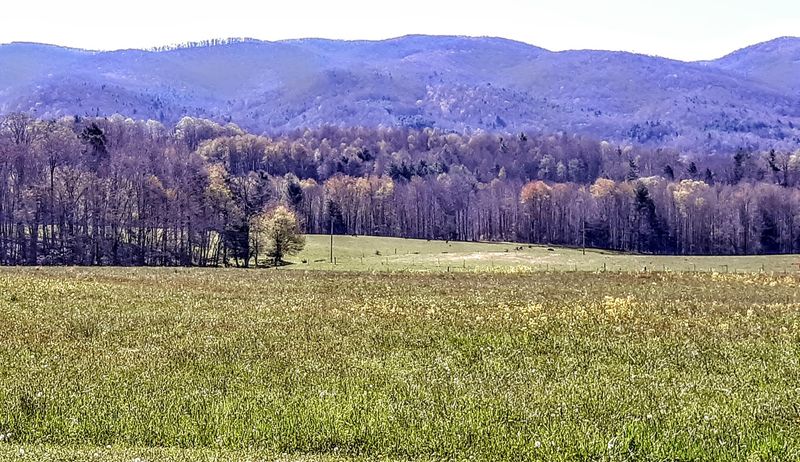
Cranberries growing in Tennessee? It sounds like a mistake until you visit Shady Valley and see the crimson berries floating in flooded bogs each fall. The cool summers here create perfect conditions for these northern plants, making this one of the southernmost commercial cranberry operations in the United States.
The temperature rarely gets hot enough to stress the plants, which need cool roots and moderate air temperatures to produce quality fruit.
The cranberry tradition in Shady Valley stretches back over a century, started by farmers who recognized that their unique climate could support crops that failed everywhere else in the state. These bogs represent agricultural ingenuity, with elaborate irrigation systems that flood the fields for harvest and frost protection. Walking among the bogs on a summer morning, you’ll feel temperatures that would make a Maine farmer feel right at home.
Harvest season brings a festival atmosphere, but summer is when the real magic happens. The plants bloom with delicate pink flowers, and the berries begin their slow development in conditions that never get too hot. Commercial growers in warmer regions struggle with heat stress, but Shady Valley’s cranberries develop their characteristic tartness without the climate fighting against them.
The bogs themselves create an even cooler microclimate. Standing water absorbs heat during the day and releases it slowly, moderating temperature swings that could damage sensitive plants. The result is a farming landscape that looks transplanted from New England, complete with the cool breezes and comfortable working conditions that make summer fieldwork bearable.
Visitors can tour some of the cranberry operations during harvest, but even driving past the bogs in summer offers a glimpse of this unusual agricultural scene. The contrast between the cultivated bogs and the wild mountain landscape creates a patchwork that’s uniquely Shady Valley. Photographers love the geometric patterns of the bog systems set against the organic curves of the surrounding ridges.
Local products made from these cranberries show up in stores across the region. The cool growing season produces berries with concentrated flavors that translate into exceptional jams, sauces, and dried fruit. Each jar represents the specific climate advantages that make Shady Valley special.
Mountain Streams Stay Cold Enough for Trout All Summer
Fly fishers know a secret that the thermometer confirms: Shady Valley’s streams stay cold enough for trout even during the dog days of August. While lower elevation creeks warm up and send trout into hiding, the waters here maintain the crisp temperatures that keep fish active and feeding. Dip your hand in Beaver Creek on a July afternoon, and you’ll pull it back quickly because the water feels like it just melted off a glacier.
Cold-water streams are rare this far south, making Shady Valley a destination for anglers who don’t want to drive all the way to North Carolina or Virginia for quality trout fishing. The combination of high elevation, spring-fed tributaries, and shaded stream banks keeps water temperatures in the sweet spot where brook, brown, and rainbow trout thrive. You can fish comfortably here during months when other Tennessee trout streams are too warm to support healthy populations.
The creek systems wind through pastures and forests, offering varied fishing experiences within a small area. Some stretches flow through open farmland where you can make long casts, while others tunnel through rhododendron thickets that require short, precise presentations. The consistent water temperature means fish distribute themselves throughout the stream system instead of crowding into a few cool pockets.
Hatches happen regularly because aquatic insects thrive in the stable, cool conditions. Mayflies, caddis, and stoneflies emerge throughout the summer, giving fly fishers plenty of opportunities to match the hatch and catch fish on dry flies. There’s something deeply satisfying about watching a trout rise to a well-presented fly while standing in water so cold your feet go numb.
Regulations protect these fisheries, with catch-and-release sections and special rules that keep populations healthy. The Tennessee Wildlife Resources Agency stocks some areas, but wild reproduction happens naturally in many stream sections where water quality and temperature remain ideal year-round. Finding a truly wild trout in Tennessee is special, and Shady Valley offers better odds than most places.
Even if you don’t fish, wading in these streams on a hot day provides instant relief. The cold water, the shade from overhanging trees, and the sound of water tumbling over rocks create a natural spa experience that costs nothing and refreshes completely.
Evening Temperatures Drop to Sweater Weather
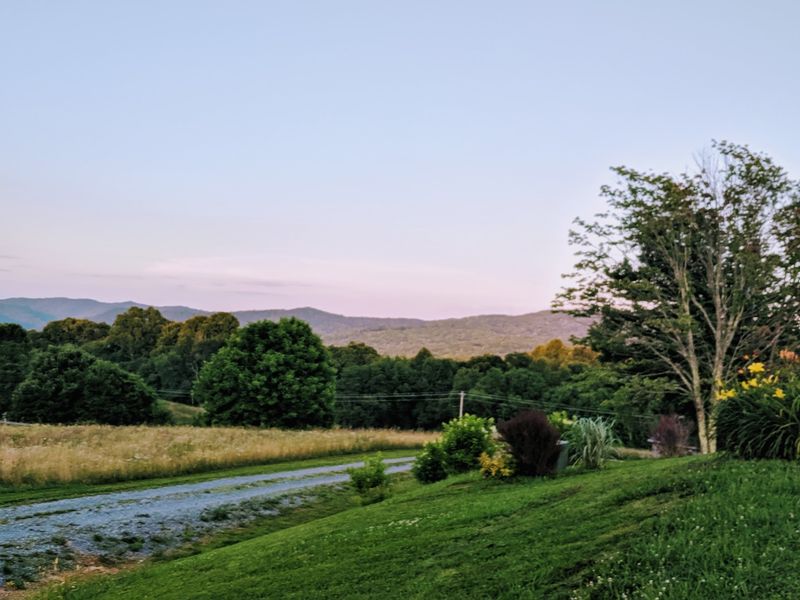
Pack a hoodie even in July because Shady Valley evenings can surprise visitors used to Tennessee’s typical summer nights. When the sun drops behind the western ridges, temperatures follow quickly, often falling into the upper 50s or low 60s by bedtime. This isn’t a slight cooling, it’s a legitimate temperature drop that makes sleeping under a blanket comfortable instead of a sweaty ordeal.
The same geography that keeps days mild accelerates nighttime cooling. Cold air is denser than warm air, so it flows downhill and pools in the valley bottom, creating temperature inversions that can make morning frost possible even in early summer. Locals know to keep a light jacket in the car because outdoor events that start in pleasant afternoon warmth can turn chilly once the sun disappears.
This dramatic diurnal temperature swing is rare in humid climates but common in mountain valleys. The dry air at this elevation doesn’t hold heat the way moisture-laden lowland air does, so temperatures can drop 30 degrees or more between afternoon and pre-dawn hours. It’s the kind of climate where you might run a fan during the day and sleep under a quilt at night.
Outdoor dining becomes genuinely pleasant in the evening, without the oppressive humidity that plagues most Tennessee summer nights. Restaurants with patios stay busy because people actually want to sit outside instead of fleeing to air conditioning. The cool air carries the scent of hay fields and wood smoke from chimneys because yes, some people light fires even in summer.
Stargazing conditions improve with the temperature drop. As the air cools and settles, atmospheric turbulence decreases, making stars appear sharper and steadier. The lack of light pollution in this rural area combines with the clear, cool air to create night skies that reveal the Milky Way in stunning detail.
Meteor showers are spectacular here, watched while wrapped in blankets that feel necessary rather than optional.
Campers love this climate because sleeping in a tent is actually comfortable. No tossing and turning in humid heat, just cool mountain air flowing through the screen windows. Morning coffee tastes better when you can see your breath, even if it’s technically summer.
This is the kind of weather that makes people question why they live anywhere else.
High-Altitude Gardens Grow Cool-Season Vegetables All Summer
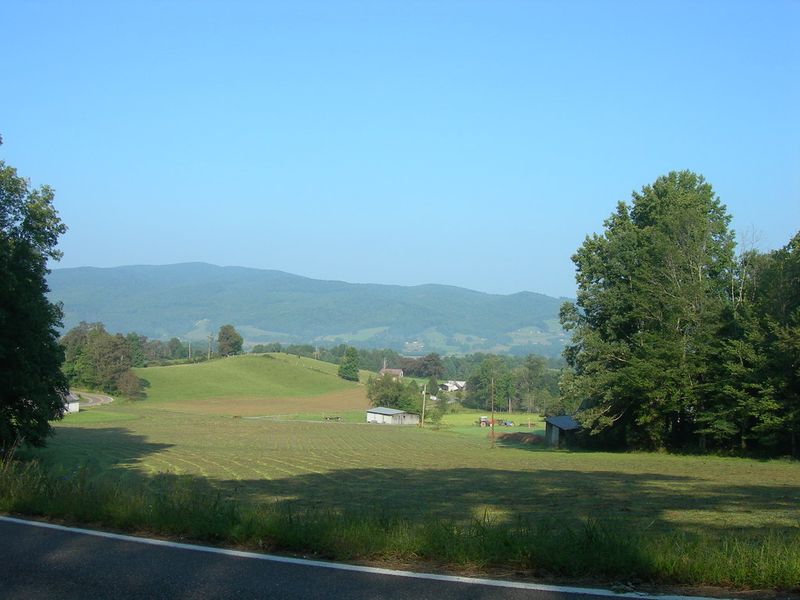
Gardeners in most of Tennessee watch their lettuce bolt and their spinach turn bitter by late May, but Shady Valley growers harvest crisp greens straight through August. The cool temperatures that make this valley comfortable for humans create ideal conditions for vegetables that typically struggle in southern heat. It’s like having a northern growing season transplanted to Tennessee, complete with the extended harvests that make gardening genuinely productive instead of a spring-only hobby.
Farmers markets here overflow with produce you won’t find at lower elevations during summer months. Fresh lettuce, arugula, bok choy, and other salad greens stay sweet and tender because they never experience the heat stress that triggers flowering and bitter flavors. Brassicas like broccoli, cauliflower, and cabbage develop tight heads instead of bolting prematurely, and they do it without the pest pressure that plagues these crops in warmer areas.
The extended cool season means succession planting works differently here. Gardeners can sow new lettuce seeds every two weeks throughout the summer and actually get usable harvests, rather than watching seedlings immediately bolt in the heat. This continuous production turns home gardens into serious food sources rather than supplemental producers.
Root vegetables grow slowly but develop exceptional flavor in the cool soil. Carrots, beets, and turnips take their time maturing, which allows complex sugars to develop that make them taste noticeably sweeter than quick-grown roots from warmer climates. The longer growing season doesn’t mean faster growth, it means better quality and the luxury of harvesting when vegetables reach peak flavor rather than racing against heat waves.
Commercial vegetable operations take advantage of this climate to supply restaurants and markets with premium produce during months when these items command higher prices. A farmer who can deliver fresh lettuce in July has a valuable niche, and Shady Valley growers have built businesses around crops that simply won’t grow elsewhere in the state during summer.
Even flowers behave differently here. Pansies and snapdragons bloom all summer instead of dying back in June. Delphiniums and other cool-climate perennials that struggle in Tennessee actually thrive, creating cottage gardens that look lifted from English countryside rather than the American South.
The gardening possibilities expand dramatically when heat isn’t constantly limiting what you can grow.
Outdoor Activities Remain Comfortable Without Extreme Heat
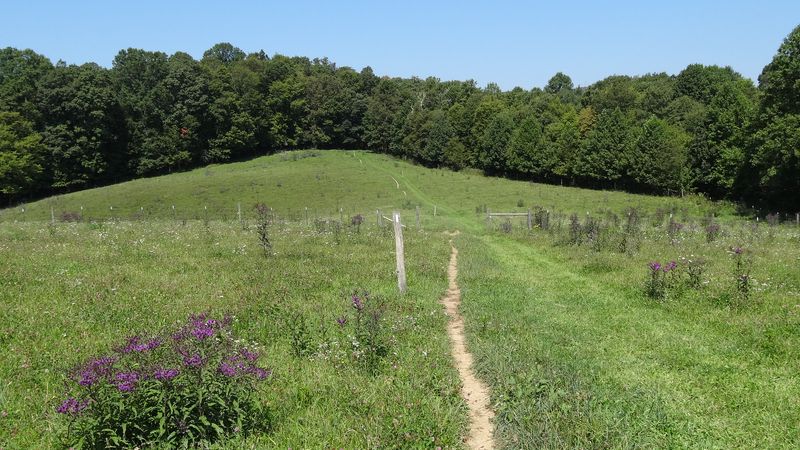
Midday hikes, afternoon bike rides, outdoor work projects that actually get finished instead of postponed until October, these are the realities of summer in Shady Valley. The moderate temperatures mean you can maintain an active outdoor lifestyle all day long instead of hiding indoors during peak heat hours. Visiting families discover that kids can play outside without wilting, and adults can tackle projects without risking heat exhaustion.
Cycling enthusiasts find this area particularly appealing because the rolling terrain combines with comfortable temperatures to create ideal riding conditions. The climbs are challenging enough to be interesting but not so extreme that you’re gasping in thin air, and the descents offer cooling breezes that feel refreshing rather than necessary for survival. Road cyclists and mountain bikers both find routes that keep them engaged without overwhelming them with heat.
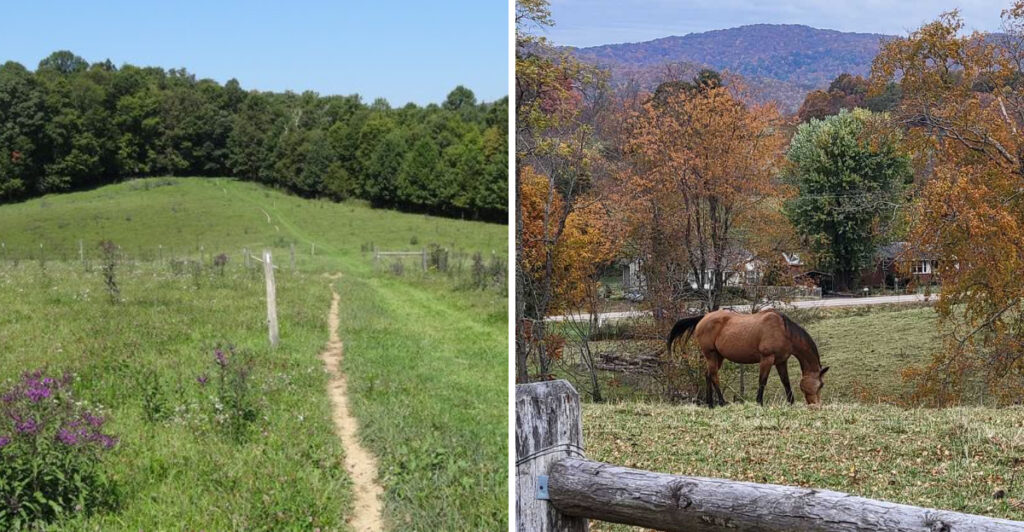
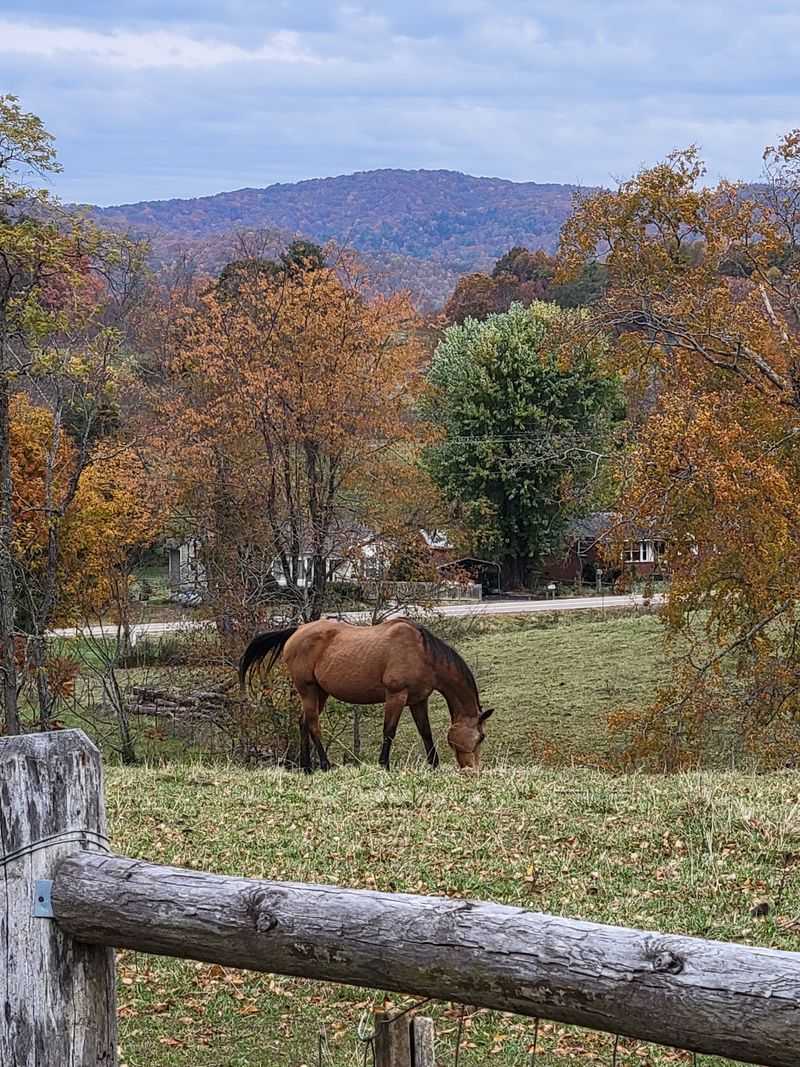
Horseback riding remains pleasant throughout the day, which matters because horses generate significant body heat during exercise. Trails wind through the valley and into surrounding forests, offering varied terrain that stays rideable even during what would be the hottest months elsewhere. Horses that might become lethargic in extreme heat maintain energy and enthusiasm here, making for better riding experiences.
Outdoor festivals and events don’t need to worry about heat emergencies. Community gatherings happen throughout summer without the constant concern about providing enough shade, water, and cooling stations. Craft fairs, music festivals, and farm tours proceed comfortably, with attendance limited only by interest rather than by people’s willingness to endure oppressive temperatures.
Photography conditions improve because you’re not fighting harsh, heat-distorted light. The moderate temperatures often come with interesting cloud formations and clear air that doesn’t shimmer with heat waves. Landscape photographers can hike to viewpoints at any hour without suffering, and the comfortable conditions mean you can wait patiently for the perfect light without counting the minutes until you can retreat to shade.
Simple pleasures like outdoor meals, porch sitting, and evening walks don’t require strategic timing or careful preparation. You can eat lunch on a picnic table without sweat dripping into your food. You can sit outside reading a book in the afternoon without seeking maximum shade and minimum movement.
The freedom to simply be outdoors comfortably, all day and evening, transforms how people experience summer in ways that aren’t obvious until you’ve lived through a season here.
Lower Humidity Makes the Temperature Feel Even Cooler
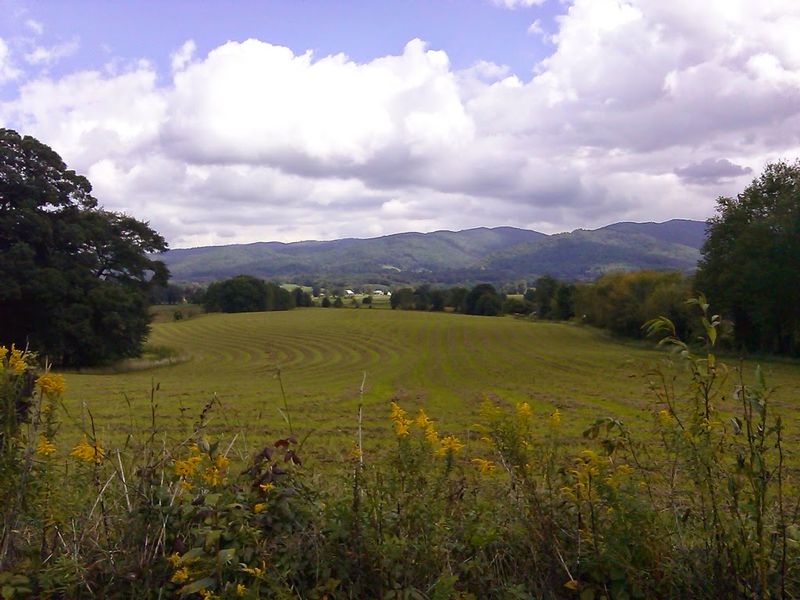
Temperature tells only part of the story because humidity makes all the difference between comfortable and miserable. Shady Valley’s elevation and mountain setting create lower humidity levels than the rest of Tennessee experiences, turning a 75-degree afternoon into genuinely pleasant conditions instead of sticky discomfort. Your clothes don’t cling to your skin, sweat actually evaporates and cools you, and breathing doesn’t feel like you’re inhaling through a wet towel.
Meteorologists use heat index calculations to show what temperature actually feels like when you factor in humidity. In middle and western Tennessee, a 78-degree day might feel like 85 or higher because of moisture in the air. In Shady Valley, that same 78 degrees feels like 78, or even cooler if there’s a breeze.
The difference transforms how your body experiences the temperature and how much energy you have for activities.
Morning dew dries quickly here instead of lingering in heavy moisture that keeps everything damp. Grass that would stay wet until mid-morning elsewhere dries by early morning, making it pleasant to walk barefoot or sit outside without getting soaked. Laundry hung on outdoor lines actually dries instead of mildewing, and outdoor furniture doesn’t develop that perpetual dampness that characterizes humid climates.
The lower humidity also means fewer mosquitoes and other moisture-loving insects. While you’ll still find bugs in wooded areas and near water, the overall insect pressure is noticeably less than in humid lowlands. Evenings outdoors don’t automatically mean getting eaten alive, and you can enjoy sunset without constant swatting and itching.
Sleep quality improves dramatically in low humidity. Your body cools more efficiently, sheets don’t feel clammy, and you can actually use bedding without waking up in a puddle of sweat. Air conditioning becomes optional rather than mandatory, and opening windows at night brings genuinely refreshing air instead of just moving hot, humid air around.
Respiratory comfort matters too, especially for people with asthma or allergies. The drier air is easier to breathe, and the cooler temperatures mean less ozone formation and better overall air quality. Deep breaths of mountain air actually feel refreshing and energizing rather than labored and heavy.
It’s the kind of climate advantage that you might not notice immediately but that affects your daily comfort and health in significant ways over time.
Share this story