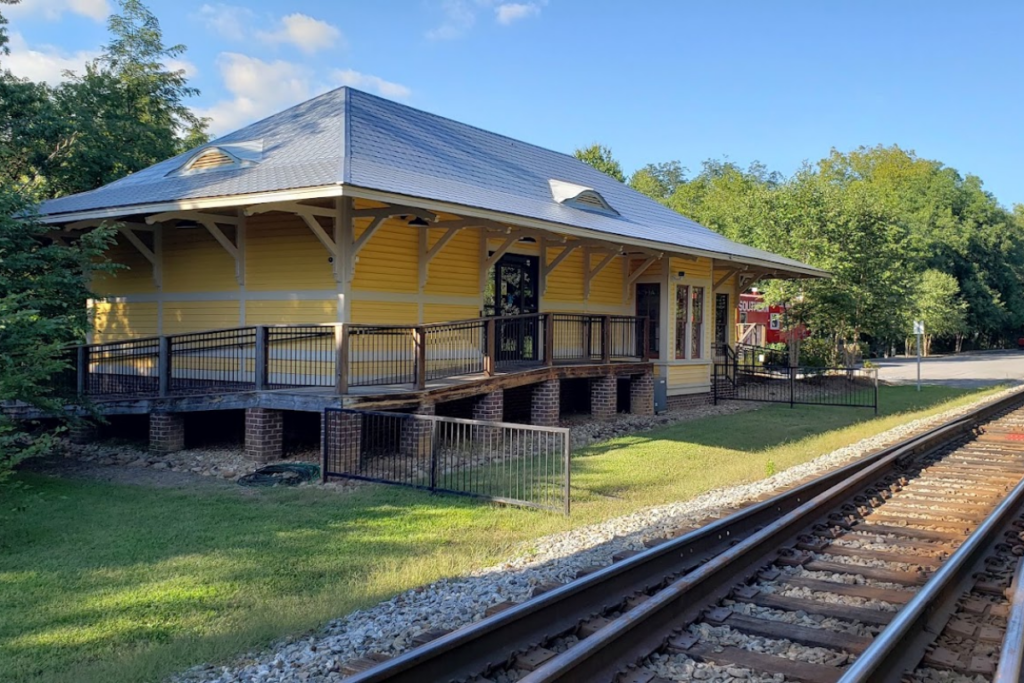
Tennessee’s railroad history runs deeper than most people realize. Scattered across the state, a handful of old train depots still stand as monuments to a time when steam whistles echoed through valleys and entire towns sprang up around steel tracks.
These aren’t just buildings, they’re time capsules that tell the story of how Tennessee grew, traded, and connected to the rest of America.
1. Etowah L&N Depot in Etowah
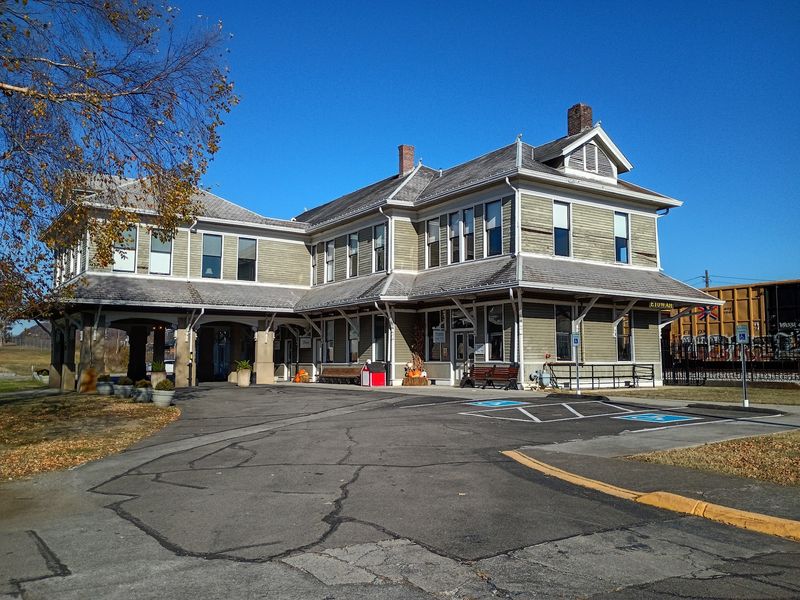
Back in 1906, the Louisville & Nashville Railroad didn’t just build a depot in Etowah. They basically created the town itself.
Workers laid track through what was mostly farmland, and suddenly a community materialized around the station like magic. The building they constructed wasn’t some plain box either.
It’s a gorgeous Victorian structure with details that make you wonder why modern buildings can’t look half as interesting.
Walking through the depot today feels like stepping onto a movie set, except everything here is authentic. The brick exterior has weathered more than a century of Tennessee seasons, and inside, the railroad museum showcases artifacts that railroad workers actually used.
You’ll find old telegraph equipment, vintage luggage, conductor uniforms, and photographs of steam engines that once hissed and rumbled through this very spot.
The museum volunteers really know their stuff. They can tell you stories about how the depot operated during its busiest years, when trains arrived multiple times daily carrying passengers, mail, and freight.
Etowah became a division point for the L&N, which meant crew changes happened here and the town bustled with railroad activity around the clock.
What makes this depot special isn’t just its age or architecture. It’s the fact that Etowah exists because of this building.
The depot came first, then hotels, restaurants, shops, and homes followed. Railroad families settled here, raised kids here, and built a community that still honors its rail heritage today.
The preservation work has been careful and respectful. Original woodwork remains intact where possible, and restorations match the period details.
Outside, you can still see where tracks once crisscrossed the rail yard, though most have been removed. A few vintage rail cars sit nearby, slowly rusting into sculptures of industrial history.
Plan to spend at least an hour here if you appreciate history. The museum isn’t huge, but the stories run deep.
Check their hours before visiting since they operate mainly on volunteer schedules. There’s no admission fee, though donations help keep the lights on and the history alive.
Bring your camera because the Victorian details photograph beautifully, especially in morning light when shadows play across the brickwork.
2. Cookeville Depot Museum in Cookeville
The pagoda roof catches your eye first. It’s not what you expect on a Tennessee train station, but there it sits, a quirky architectural choice from 1909 that makes the Cookeville Depot instantly recognizable.
The Tennessee Central Railway built this station when the railroad was expanding through the Upper Cumberland region, and somebody decided conventional rooflines were boring.
Cookeville’s location made it an important stop on the Tennessee Central line. Trains heading between Nashville and Knoxville needed places to take on water, coal, and passengers.
This depot handled all that business and more, serving as the town’s connection to the wider world for decades.
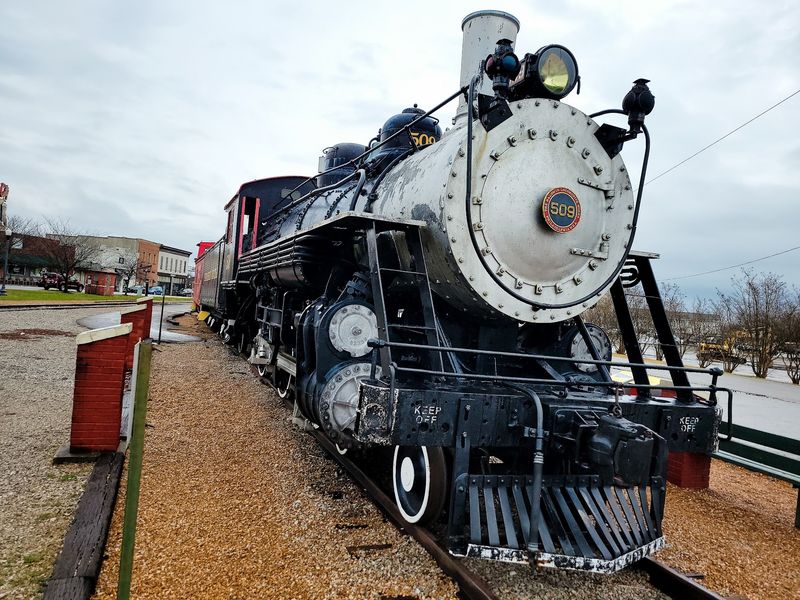
Today the depot operates as a museum that doesn’t just preserve the building, it celebrates the entire era of rail travel. Historic passenger cars sit on tracks outside, and you can climb aboard to see how people traveled before interstate highways existed.
The seats are surprisingly uncomfortable by modern standards, which gives you new appreciation for those long journeys our grandparents made.
Inside, exhibits cover local railroad history with photographs, maps, and equipment. You’ll learn about the Tennessee Central Railway itself, a smaller line that competed with giants like the L&N and NC&StL.
The Tennessee Central struggled financially for years before finally shutting down in 1968, making this depot one of the last physical reminders of that railroad’s existence.
The museum also highlights how railroads shaped Cookeville’s economy. Farmers shipped livestock and crops from here. Timber from surrounding forests rode these rails to lumber mills. Passengers arrived to attend Tennessee Tech, shop downtown, or visit family.
The depot was basically the town’s front door for half a century.
Volunteers maintain the property with obvious pride. They’ve restored the pagoda roof, repainted in period colors, and preserved original features like the ticket window and waiting room benches.
The grounds are tidy, the rail cars are clean, and everything feels cared for rather than abandoned.
Visit during warmer months when you can explore the outdoor rail cars comfortably. The museum hosts occasional events including model train shows that draw enthusiasts from across Tennessee.
Admission is free, though donations keep maintenance and restoration projects moving forward. The depot sits near downtown Cookeville, making it easy to combine with lunch or shopping in the historic district.
3. Nashville Union Station in Nashville
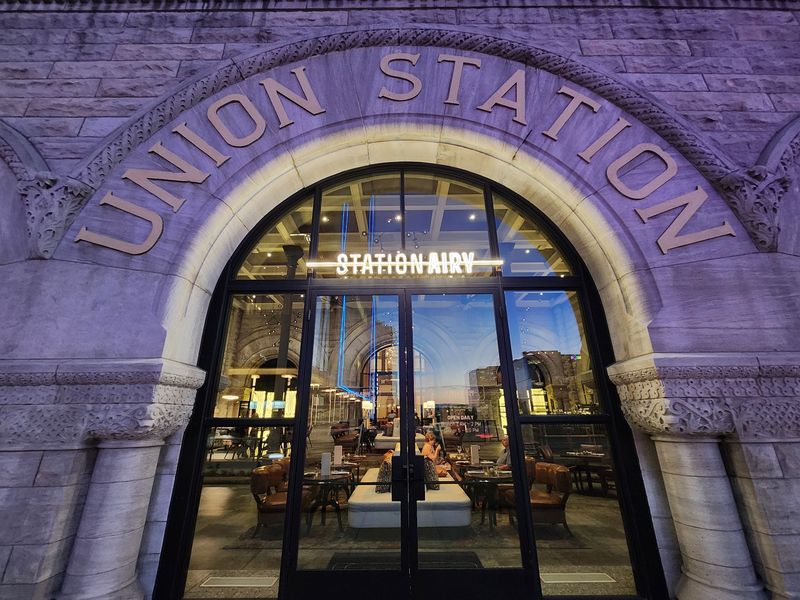
Nashville Union Station makes other train depots look like garden sheds. This massive Romanesque Revival building opened in 1900 during the absolute peak of railroad power in America, and the architects wanted everyone to know it.
Stone walls rise several stories high, punctuated by arched windows that could belong on a medieval castle. A clock tower dominates the skyline, visible from blocks away.
The station was designed to impress, and it succeeded spectacularly. Travelers arriving in Nashville walked through this grand building and immediately understood they’d reached an important city.
The main waiting room featured soaring ceilings, ornate details, and enough space to hold hundreds of passengers during busy periods.
For decades, Union Station served as Nashville’s primary passenger rail hub. Multiple railroad companies used the facility, sending trains north, south, east, and west.
Politicians, musicians, businesspeople, and families all passed through these doors. During World War II, thousands of servicemen caught trains here, heading to training camps or deployment.
When passenger rail declined in the 1960s and 70s, Union Station faced an uncertain future. Many American cities demolished their old stations during this period, replacing them with parking lots or modern buildings.
Nashville came close to losing this landmark, but preservation efforts saved it. The building was converted into a hotel in the 1980s, which kept the structure maintained while adapting it for new purposes.
Today you can walk through the lobby even if you’re not staying overnight. The hotel conversion preserved much of the original grandeur.
The barrel-vaulted ceiling still arches overhead, stained glass windows filter colored light into the space, and original architectural details remain intact. It’s not exactly how the station looked during its railroad days, but enough survives to give you a sense of that era’s ambition and style.
The building sits in downtown Nashville, convenient to reach whether you’re exploring on foot or driving. You won’t find trains pulling up anymore, those tracks are long gone. But the architecture alone makes this worth visiting.
Stand in the main hall and imagine the sounds that once filled this space: steam whistles, conductor calls, the rumble of luggage carts, conversations in a dozen accents as travelers from across the country converged on Tennessee’s capital.
4. Crossville Depot in Crossville
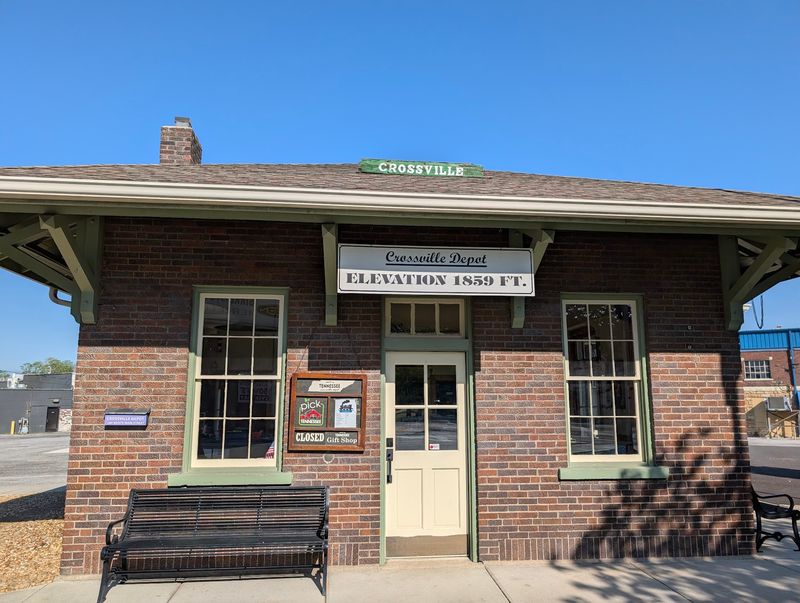
Crossville’s current depot dates to 1926, replacing an earlier station that served the town since the 1890s. Railroad officials built this newer structure during a period when Crossville was growing as a timber and agricultural center on the Cumberland Plateau.
Trains brought equipment in and hauled resources out, connecting this relatively isolated mountain community to markets in Knoxville and Nashville.
The depot’s architecture is simpler than Nashville’s grand station or Cookeville’s pagoda, but that plainness tells its own story. This was a working building in a working town, designed for function rather than show.
Farmers and loggers didn’t need fancy waiting rooms, they needed a place to ship goods and receive supplies.
During Crossville’s busiest decades, the depot operated as the town’s commercial lifeline. Hardware arrived by rail. Farm equipment came by rail. Mail, medicine, manufactured goods, everything flowed through this building.
Local businesses timed their operations around train schedules, and the depot agent knew everyone in town by name.
The building also witnessed Crossville’s transformation during the Great Depression. The federal government established the Cumberland Homesteads project nearby, a New Deal program that relocated struggling families to newly built cooperative farms.
Many homesteaders arrived at this depot, stepping off trains with their belongings and hopes for a fresh start. The station became an entry point for one of Tennessee’s most interesting social experiments.
Today the depot stands as a reminder of those railroad years, though trains no longer stop here. Preservation groups have worked to maintain the structure, recognizing its importance to local history.
The building’s condition varies depending on recent maintenance efforts and available funding, a common challenge for small-town historic sites that lack major tourist traffic.
Crossville itself has grown considerably since 1926, spreading beyond its railroad origins. The depot now sits in an area that blends old and new, with modern businesses nearby but enough historic context remaining to imagine earlier times.
If you visit, take time to walk around the building and notice details like the platform where passengers once boarded, the freight area where cargo was loaded, and the office where the station agent managed daily operations.
The depot isn’t always open for interior tours, so check locally before planning a visit. Even viewing from outside provides value, especially for anyone interested in how railroads shaped small Tennessee towns.
Bring historical photos if you can find them, comparing past and present adds depth to the experience.
5. Baxter Depot Museum in Baxter
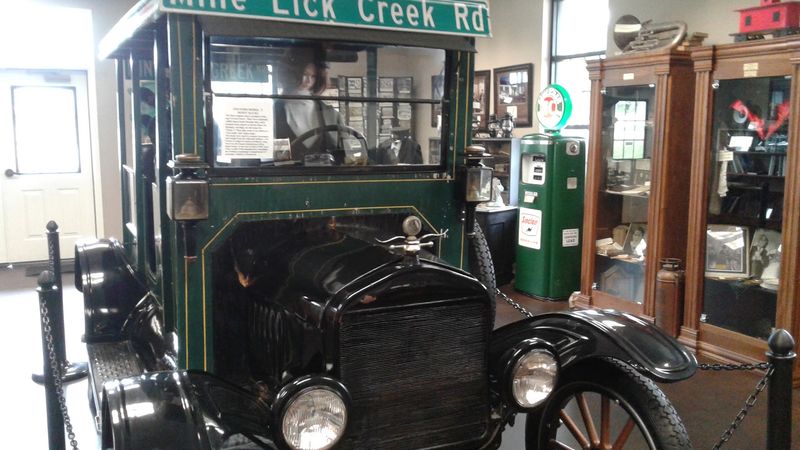
Baxter’s depot sits in a town that barely shows up on most maps, but that’s part of its charm. The Tennessee Central Railway built this station to serve the Upper Cumberland’s rural communities, places where farming and small industry needed railroad connections.
Baxter never became a large town, which means the depot hasn’t been swallowed by modern development or surrounded by strip malls.
The building itself represents the smaller, more modest stations that dotted Tennessee’s rail network. Not every depot could be a grand terminal. Most were simple structures like this one, functional buildings where a single agent handled tickets, freight, and telegraph messages. These small stations kept rural Tennessee connected to the larger world.
What makes Baxter’s depot special today is how it operates as both museum and visitor center. The building hasn’t been frozen as a historical exhibit that you observe from behind velvet ropes. Instead, it remains a working community space that happens to preserve railroad history. You can walk through, examine exhibits, and also pick up local tourism information or chat with volunteers about the area.
The museum collection focuses on Tennessee Central Railway history and local railroad operations. Photographs show the depot during its working years, when trains stopped multiple times daily.
Artifacts include original railroad equipment, ticket stamps, schedules, and personal items donated by families whose relatives worked for the railroad. These objects create an intimate connection to the past, showing the human side of railroad work.
Volunteers who staff the depot often have personal connections to Baxter’s railroad history. Their grandparents might have worked for the Tennessee Central, or they remember riding trains through here as children.
These stories add layers of meaning that no printed exhibit can match. If you visit when volunteers are present, ask questions and you’ll likely hear fascinating recollections.
The depot’s exterior has been maintained to reflect its railroad era appearance. Original architectural elements remain where possible, and restoration work has matched period details.
The grounds are simple but tidy, with enough space to imagine where tracks once ran and trains once stood while loading passengers and freight.
Baxter is definitely off the beaten path, which means you won’t find crowds here. That isolation is actually an advantage if you want a quiet, contemplative visit.
The depot rewards people who appreciate subtle history and small-town stories over flashy attractions. Bring your curiosity and patience, this isn’t a place you rush through in fifteen minutes.
Check ahead for hours since the museum relies on volunteer schedules. Admission is typically free or very inexpensive. The town of Baxter has limited services, so plan accordingly if you need food or fuel.
6. Chuckey Railroad Depot Museum near Jonesborough
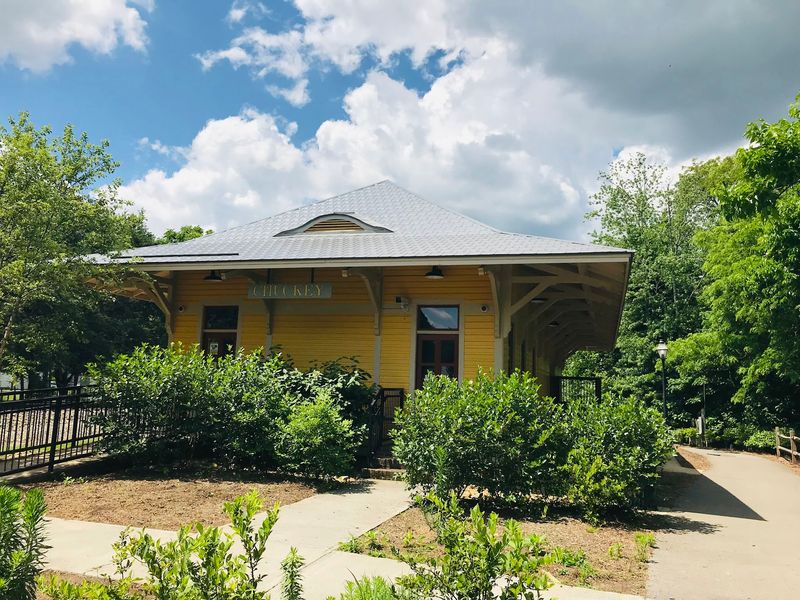
The Chuckey Depot serves an area near Jonesborough, Tennessee’s oldest town, but the depot itself tells a different story than the colonial-era history Jonesborough is famous for. This station represents the late 19th and early 20th centuries when railroads finally reached East Tennessee’s valleys and connected Appalachian communities to the rest of the state.
Building railroads through East Tennessee required serious engineering. The terrain doesn’t cooperate easily, with ridges and rivers creating obstacles that flat-land railroads never faced.
The fact that trains reached Chuckey at all demonstrates the determination and investment railroads poured into expanding their networks. Once completed, the line opened economic opportunities for a region that had been relatively isolated.
The depot handled typical small-station business: passenger tickets, freight shipments, mail delivery, and telegraph communications. Farmers shipped livestock and crops from here. Merchants received manufactured goods. Families traveled to visit relatives or seek medical care in larger towns.
The station agent became a central figure in community life, managing information and logistics that kept the local economy functioning.
Today the depot operates as a museum preserving both railroad history and broader local heritage. Exhibits cover the railroad’s construction and operation, but also explore how trains changed daily life in this part of Tennessee.
You’ll find artifacts ranging from railroad equipment to household items, photographs of the depot during its working years, and displays explaining the region’s economic development.
The museum benefits from its location near Jonesborough, which draws visitors interested in Tennessee history. Many people exploring Jonesborough’s colonial-era sites also make the short trip to see the depot, creating a timeline that spans from frontier settlement through industrial development.
This combination gives you a more complete picture of how Tennessee evolved over centuries.
Preservation efforts have maintained the depot’s character while adapting it for museum use. The building retains its railroad-era appearance from the outside, and interior spaces balance historical authenticity with modern museum needs like lighting and climate control.
It’s a practical approach that keeps the structure useful while respecting its past.
The depot’s setting remains relatively rural, helping visitors imagine what this area looked like when trains were the primary long-distance transportation. Modern development hasn’t completely overtaken the landscape, so you can still sense the isolation that made railroad connections so valuable.
Plan to combine your depot visit with time in Jonesborough itself. The town offers historic sites, local shops, and restaurants worth exploring.
The depot typically maintains regular hours during tourist season, though calling ahead prevents wasted trips. Admission fees are modest, supporting ongoing preservation and educational programs.