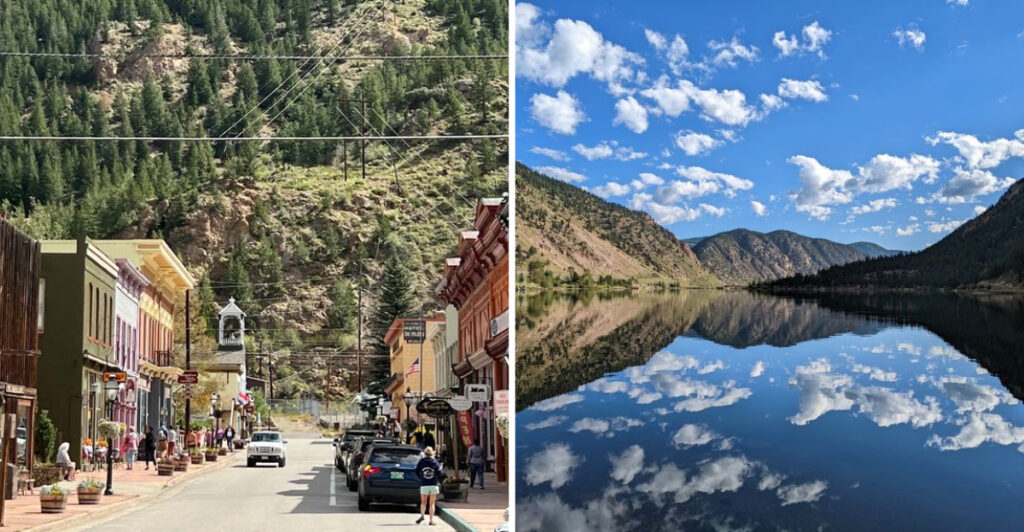
Victorian storefronts framed by soaring Rocky Mountain peaks make Georgetown feel remarkably close to another era. Once a booming silver-mining center, this small Colorado town has preserved much of the architecture and character that shaped its early days.
A stroll through its historic streets reveals colorful buildings, period homes, mountain views, and reminders of the railroads and mining fortunes that transformed the region. Rather than keeping history confined to a museum, Georgetown lets visitors experience it throughout the town itself. For travelers who enjoy beautiful architecture, dramatic scenery, and stories from Colorado’s past, this mountain community makes an unforgettable place to wander.
Mountain Streets Framed by Victorian Detail
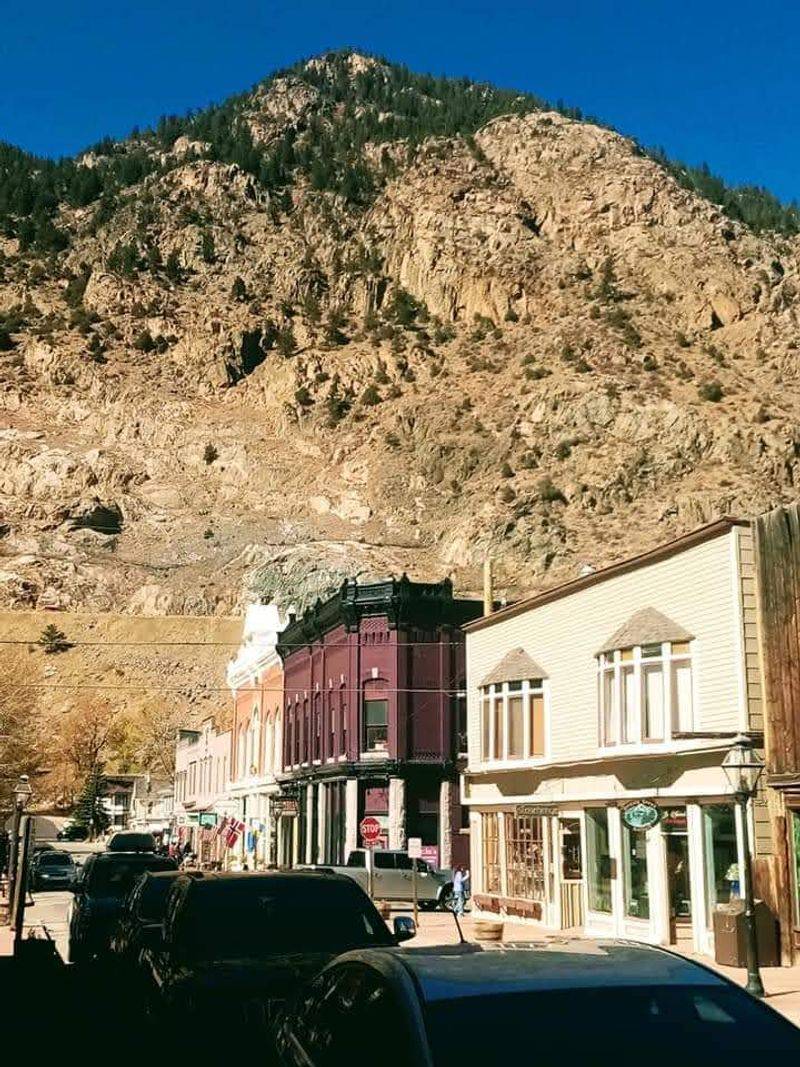
Some towns announce their age with a plaque. Georgetown does it with whole blocks of buildings that still carry the look of the late 1800s.
Along the main streets, brick fronts, tall windows, cornices, and painted trim create a neat line of historic detail, while the mountains rise so close behind town that nearly every view feels framed.
That mix is the first thing to notice on a walk here. Georgetown is compact, so it is easy to slow down and actually look upward instead of rushing past storefronts.
Rooflines, second-floor windows, old lamps, and narrow building fronts reveal how business districts once used every bit of space in a mountain valley.
Even better, the setting keeps history from feeling stuck behind glass. Snowy peaks in colder months, summer flowers, and changing aspen colors all sit beside architecture built during Colorado’s mining years.
The result is a downtown that looks orderly and lively at the same time, not polished into something artificial. Comfortable shoes help because the best discoveries happen at walking speed.
A carved doorway, a sign with old-fashioned lettering, or a side street opening toward the creek can turn a simple stroll into a quiet little search for detail.
Morning light is especially good for photos because it brightens the fronts of buildings without the stronger shadows of later afternoon.
Families, day-trippers, and history fans can all enjoy this part without much planning. Start near the center of town, move slowly for a few blocks, and let the buildings set the pace.
Georgetown makes its strongest first impression not with one giant landmark, but with a full streetscape that still knows exactly what era shaped it.
Ride the Story of the Georgetown Loop
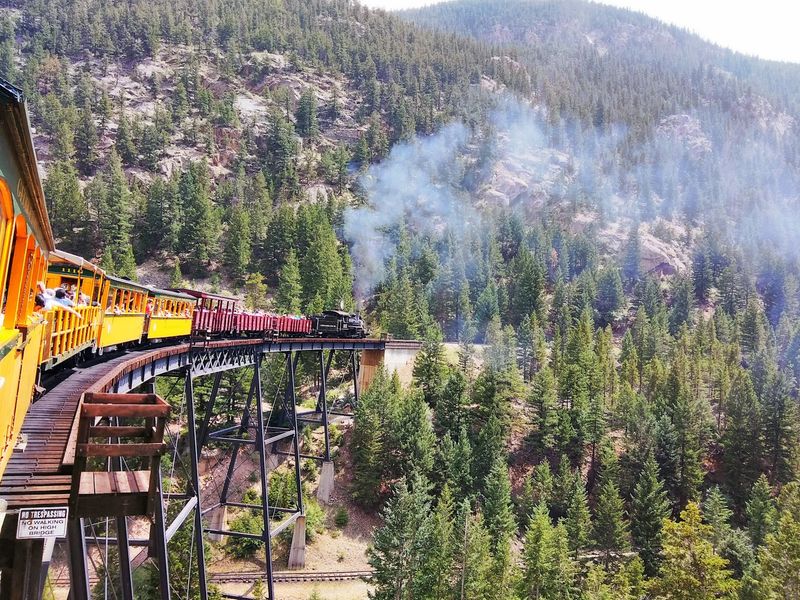
A train whistle changes the mood of a mountain town fast. In Georgetown, the Georgetown Loop Railroad connects visitors to one of the most famous pieces of local transportation history, recalling the era when rail lines were built to serve mining communities tucked into rough terrain.
The line is known for its dramatic route through the mountains between Georgetown and nearby Silver Plume. Curves, grades, and elevated views show why this railroad became such a celebrated engineering story in Colorado.
Instead of reading about rail history in a textbook, passengers get to see how challenging the landscape really was.
The experience works well for children because there is motion, noise, and scenery all at once. Adults often enjoy the construction story just as much, especially once the train begins moving past forests, cuts in the hillsides, and reminders of how much labor mountain rail travel once required.
It adds action to a town visit that might otherwise stay focused on buildings and museums. Planning ahead helps during busy travel seasons, since train rides can be a major draw. If the railroad is operating during your visit, try to pair a ride with time on foot in town rather than treating it as a separate stop.
That combination gives Georgetown a fuller shape, with streets that explain daily life and a railway that explains how the town connected to the wider region.
Weather can change quickly at this elevation, so a light jacket is smart even on warmer days. Sit where views are open if possible, keep a camera ready, and listen to the narration or background information offered with the trip.
The railroad gives Georgetown movement, sound, and a strong sense of scale, turning local history into something that climbs, curves, and rolls through the mountains.
Silver Boom Echoes in the Hills
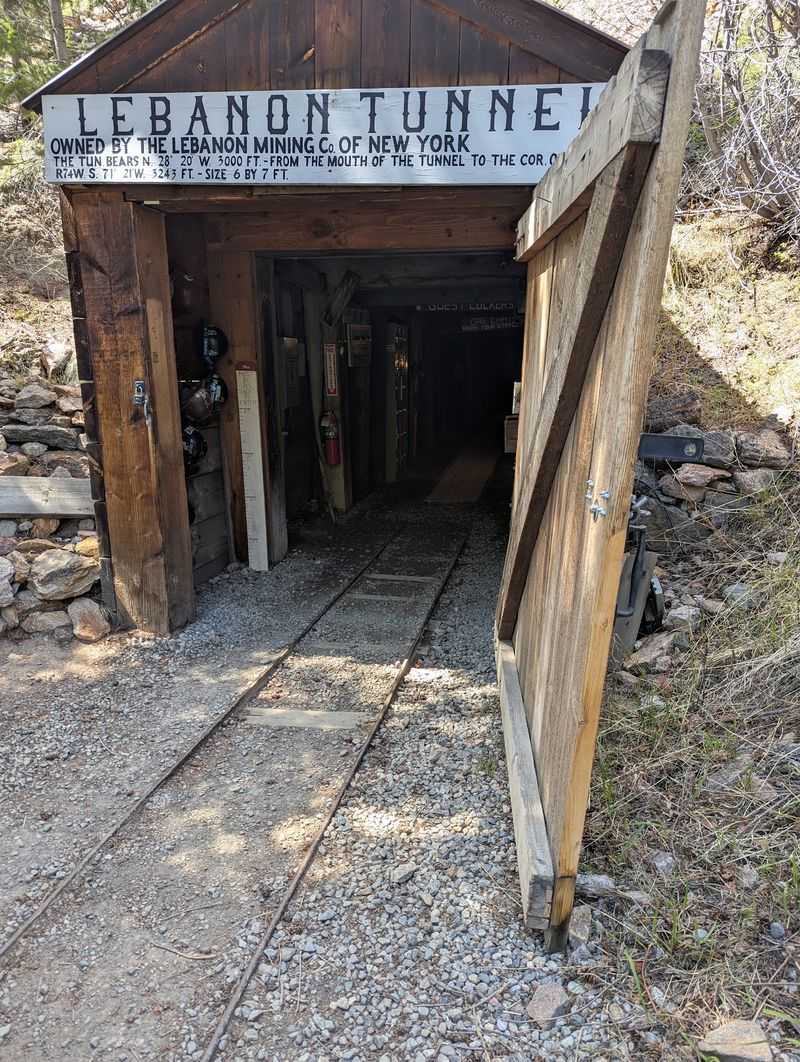
Gold helped shape early Colorado, but Georgetown rose to major importance during the silver mining era. That story still hangs over the town because the mountains surrounding it were not just scenery.
They were working ground, filled with shafts, claims, and the hard business of pulling wealth from steep and often unforgiving slopes.
Understanding that changes the way a walk through town feels. Those sturdy commercial blocks and elegant homes did not appear by accident.
Mining success brought money, people, equipment, and ambition, and the town grew as a center where ore, rail links, supplies, and business decisions all came together.
Georgetown is useful for young learners because the connection between landscape and history is easy to grasp here. Stand on a street corner, look at the buildings, then look at the hills.
The relationship is right in front of you. A mountain community needed routes, labor, trade, and places to live, and the town developed to meet those needs.
Local museums and interpretive sites can help fill in details without forcing anyone to guess. Even when specific mining remains are viewed from a distance, they give shape to the bigger picture of how demanding the work was.
Life in a silver town meant noise, weather, risk, and constant effort, not simply riches and grand architecture. For the best experience, pair reading signs and exhibits with time outdoors.
Georgetown rewards visitors who move back and forth between history indoors and the physical landscape outside. That rhythm keeps the subject grounded. The mining past is not hidden in abstract dates here.
It is built into the valley itself, where the same slopes that once promised fortune now help explain why this small Colorado town mattered so much.
Inside Hamill House, Elegance Meets Mountain Grit
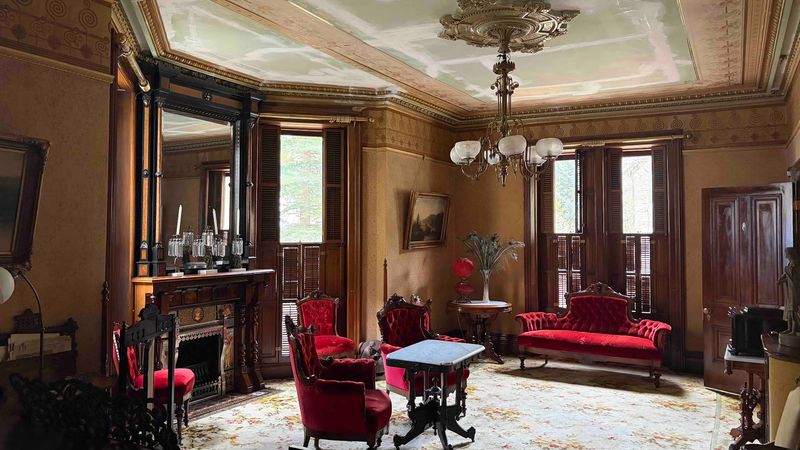
Not every mining town story is dusty and rough. Hamill House adds polish to Georgetown’s past by showing how wealth and taste could appear in a remote mountain setting.
This preserved Victorian home gives a more personal look at local history, moving the story from streets and rail lines into the rooms where daily life unfolded.
Built in the nineteenth century, the house is known for period furnishings and decorative detail that reveal how style traveled into the Rockies along with money and ambition.
Parlors, woodwork, fabrics, and household objects help explain how families of means wanted to live, entertain, and present themselves during Georgetown’s prosperous years.
That indoor view matters because town history can otherwise seem shaped only by industry. A house museum shows another side of the same era.
Behind business success were routines, social customs, and private spaces arranged with care. Visitors get a clearer sense of class, aspiration, and domestic life than a streetscape alone can provide.
Children often respond well when guides connect objects to ordinary activities like eating, dressing, heating rooms, or receiving guests. Adults tend to notice the craftsmanship, the imported look of certain details, and the contrast between refined interiors and the rugged landscape outside.
That contrast is part of what makes Georgetown interesting rather than one-note. Check seasonal hours before building a day around a tour, since access can vary. If the house is open, visit after walking downtown so the rooms make more sense in context.
You will recognize how the commercial district, mining economy, and family life fit together. Hamill House is not simply a pretty old building.
It is one of the clearest places in Georgetown to see how prosperity once translated into furniture, architecture, manners, and the shape of home.
Colorado Lake Views Just Steps from Downtown
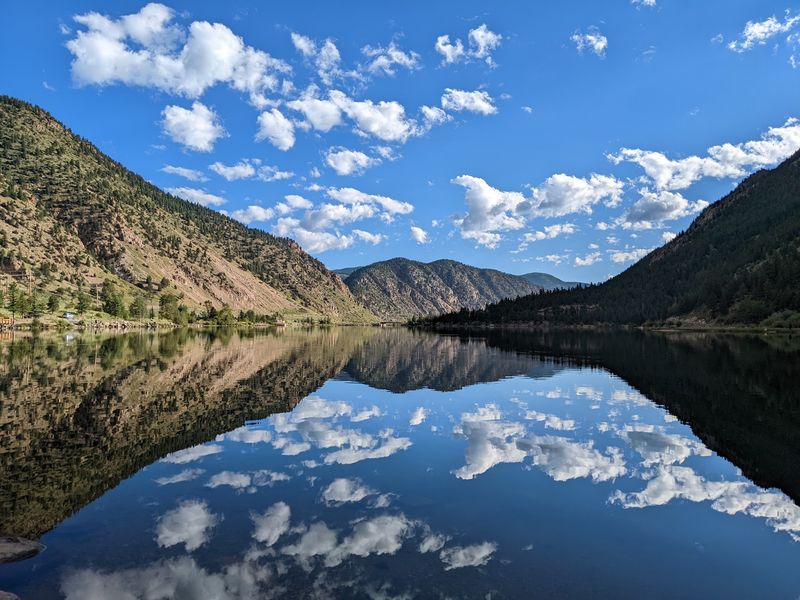
Then the scenery opens up. Georgetown Lake brings a wider, brighter side to town, giving visitors space to look beyond storefronts and into the mountain basin that holds the community.
It is a strong reminder that Georgetown is both a historic destination and a high-country setting with room to breathe.
The lake sits close enough to town that it can easily fit into a walking or driving loop during the same visit. Water, shoreline, and big ridgelines create a very different mood from the close-built downtown blocks.
That contrast helps the day feel balanced. One hour can focus on architecture and local history, while the next can shift toward wind, reflections, and open views.
This is also one of the best places to slow down if younger travelers need a break from museum-style stops. Depending on the season, the area may draw anglers, paddlers, or people simply stretching their legs beside the water.
Even without a planned activity, the setting offers an easy pause and some of the clearest mountain photo angles in the area.
Because weather changes quickly, layers are useful near the lake. Sunshine can be strong, but breezes across the water can make the temperature feel lower than expected.
A short visit works well, though sunset light can be especially striking when the mountains and sky begin to deepen in color.
Pairing Georgetown Lake with downtown makes the town easier to understand as a place, not just a historic exhibit. The settlement did not grow in a vacuum.
It grew in a valley with resources, routes, and dramatic natural features. Standing by the water after exploring old streets helps connect those pieces. Georgetown’s history gains depth when the surrounding Colorado landscape gets equal attention.
A Walkable Downtown with Real Small-Town Rhythm
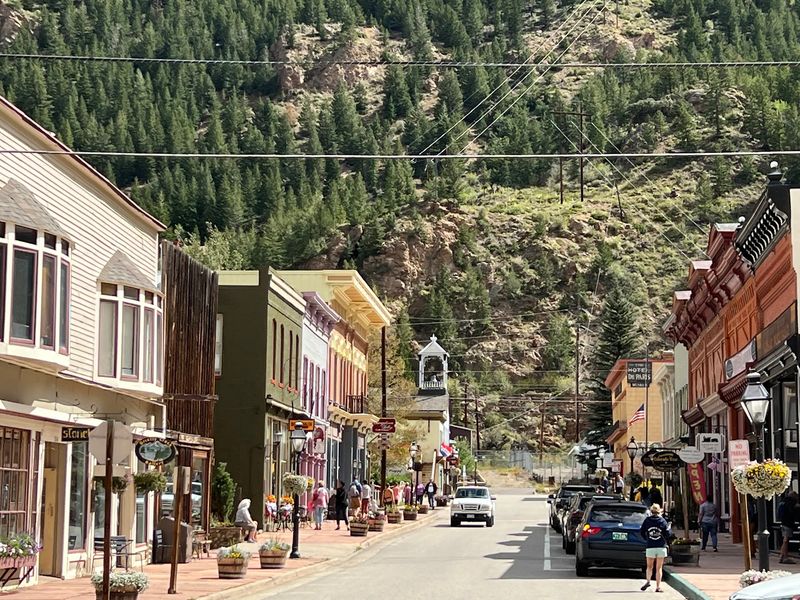
Fast travel does Georgetown no favors. The town works best when there is enough time to wander, pause at windows, read signs, and notice how short distances link one stop to the next.
Because the historic core is compact, visitors can cover a lot without needing a packed itinerary or constant driving. That walkability is more than convenience. It shapes the whole experience.
Instead of jumping between isolated attractions, people move through a connected place where civic buildings, shops, museums, and side streets all belong to the same story. The scale makes history easier to follow, especially for families or anyone who prefers relaxed sightseeing over long, complicated plans.
Side streets can be just as rewarding as the main route. Some offer fresh angles on the mountain slopes, while others reveal quieter building fronts and residential hints that round out the downtown picture.
A careful stroll also makes it easier to spot architectural differences between structures, from ornate trim to simpler facades built for practical use.
Good timing improves the walk. Earlier parts of the day usually bring easier parking and softer light for photos, while midday can be ideal for combining a stroll with food, shopping, or museum hours.
If weather is unsettled, Georgetown still works well because many stops sit close together, making it simple to move indoors and back outside again.
A smart plan is to keep expectations loose. Start with one landmark, then let the streets guide the rest. That approach fits Georgetown better than a strict checklist.
The town’s appeal often appears in the spaces between major stops, where a bell tower, brick wall, flower box, or distant ridgeline turns an ordinary block into part of the day. Walking here is not filler between attractions. It is one of the main attractions.
Why Georgetown Still Stands Out in the Rockies
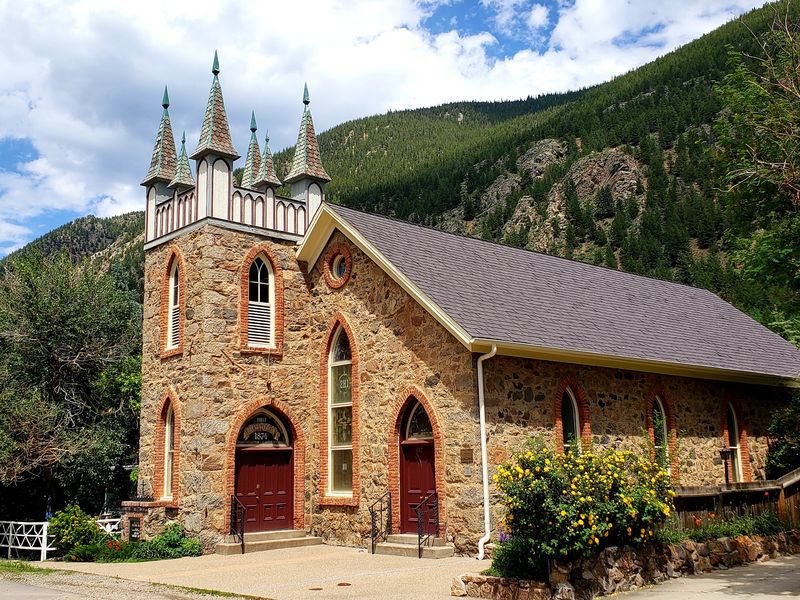
Plenty of Colorado towns have mountain views. Plenty also have old buildings. Georgetown stands out because those elements are closely woven together, with the history of mining, rail travel, domestic life, and landscape all visible within a relatively small area.
The town does not ask visitors to imagine very much. The evidence is right there in the streets, homes, valley, and hills.
That makes Georgetown especially rewarding for travelers who want more than a scenic stop but do not need a huge city museum district to stay engaged.
A single day can include architecture, railroad history, mountain scenery, and a clearer understanding of how nineteenth-century growth shaped communities in the West.
The variety keeps the visit active without making it complicated. There is also a nice honesty to the place. Georgetown is not trying to outshine the mountains around it, and it does not disappear beneath them either.
The town holds its own with brick, wood, iron, and street layouts that still reflect the ambitions of an earlier Colorado era. That balance between human effort and natural setting gives the destination its lasting pull.
For practical planning, Georgetown works well as a day trip from the Front Range or as a stop during broader mountain travel.
Check hours for museums or train operations ahead of time, bring layers for quick weather changes, and leave enough room in the schedule for unplanned wandering. Rushing would flatten the experience.
By the end of a visit, Georgetown usually reads less like a roadside curiosity and more like a compact lesson in how towns take shape. Industry built it, design refined it, and the mountains kept it dramatic.
For anyone drawn to places where history can still be walked rather than merely read about, Georgetown remains one of Colorado’s clearest and most appealing examples.
Share this story