Thousand Steps on the Standing Stone Trail in Pennsylvania is one of those hikes people talk about long after they finish it. The climb is steep, rocky, and challenging, but the reward at the top is a breathtaking overlook that makes every step feel worthwhile. With its rugged terrain, historic stone steps, and incredible views of the surrounding landscape, this trail offers much more than just a workout. The hike is also a place with real local history, adding another layer of meaning to the experience beyond the scenery.
Originally built by workers who climbed the steps to reach the quarry above, the trail remains a unique reminder of Pennsylvania’s past. Whether you’re an experienced hiker looking for a challenge or someone searching for a memorable outdoor adventure, Thousand Steps delivers a rewarding journey. If you want a hike that tests your legs, inspires a sense of accomplishment, and leaves you with a stunning view at the finish, this trail is worth a closer look.
1. A Stair Climb That Demands Respect
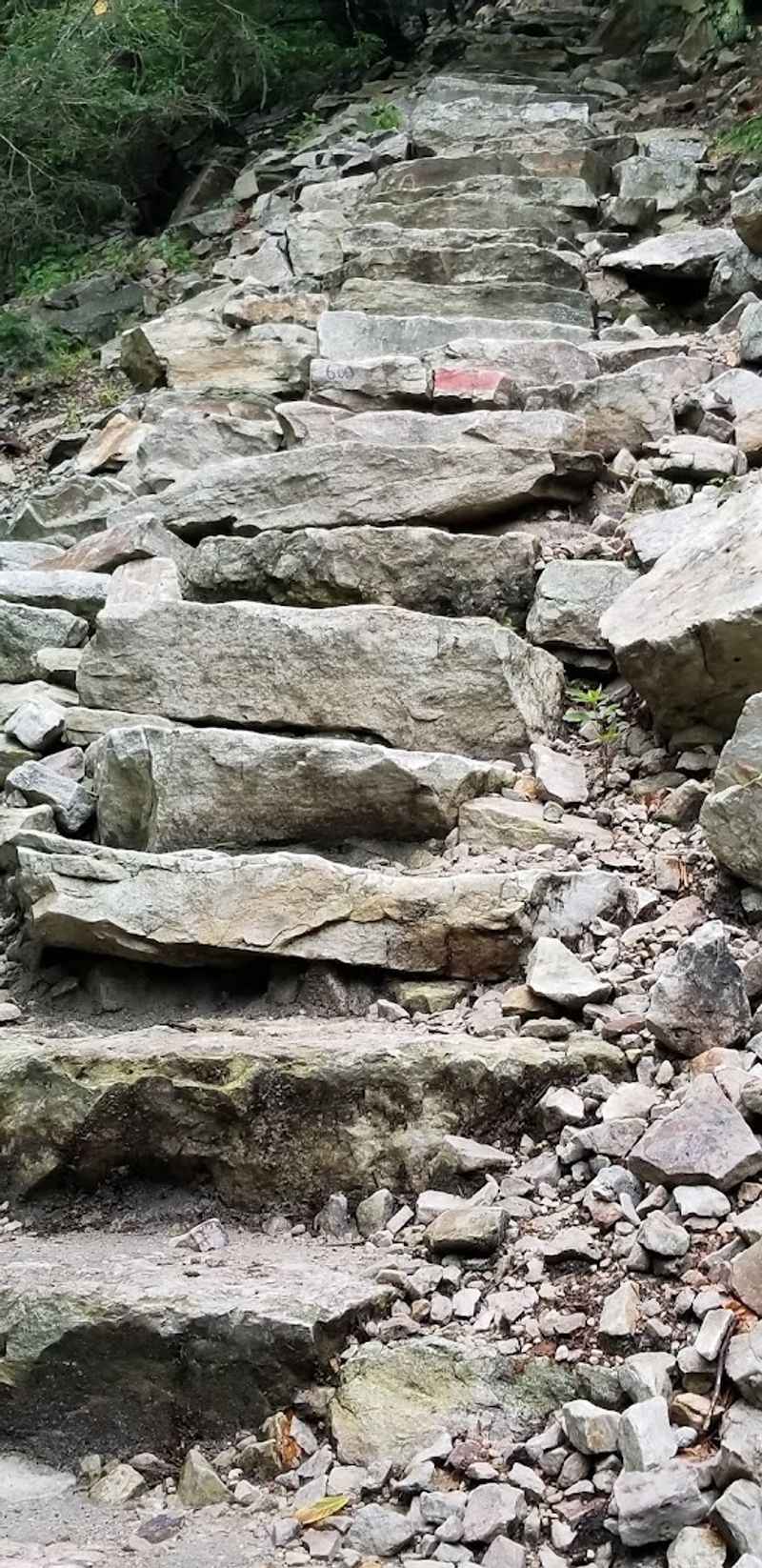
A climb like this gets your attention fast.
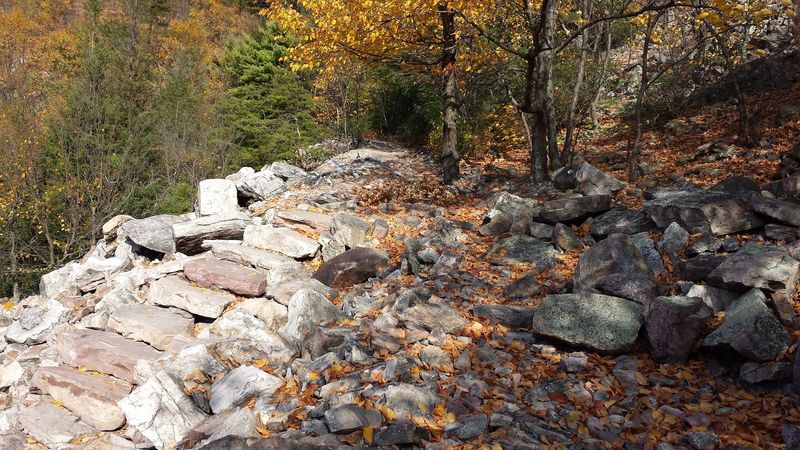
The Thousand Steps are not neat park stairs, but rugged stone blocks built long ago for quarry workers, and many are uneven, tall, or slanted.
Hikers often say the first few sets feel manageable, then the grade reminds you to slow down and respect the mountain.
Markers every 100 steps help break the route into smaller goals, which is a smart way to handle the effort.
Instead of thinking about all 1,000 at once, aim for the next painted number, rest, sip water, and keep moving when your breathing settles.
People with weak knees, balance issues, or very little hiking experience should be extra careful here.
Good shoes matter, patience matters, and pride matters least of all.
Reaching the top feels better when you listen to your body and climb at your own honest pace through the steepest rocky sections of the trail.
2. Step Markers Make the Challenge Feel Possible
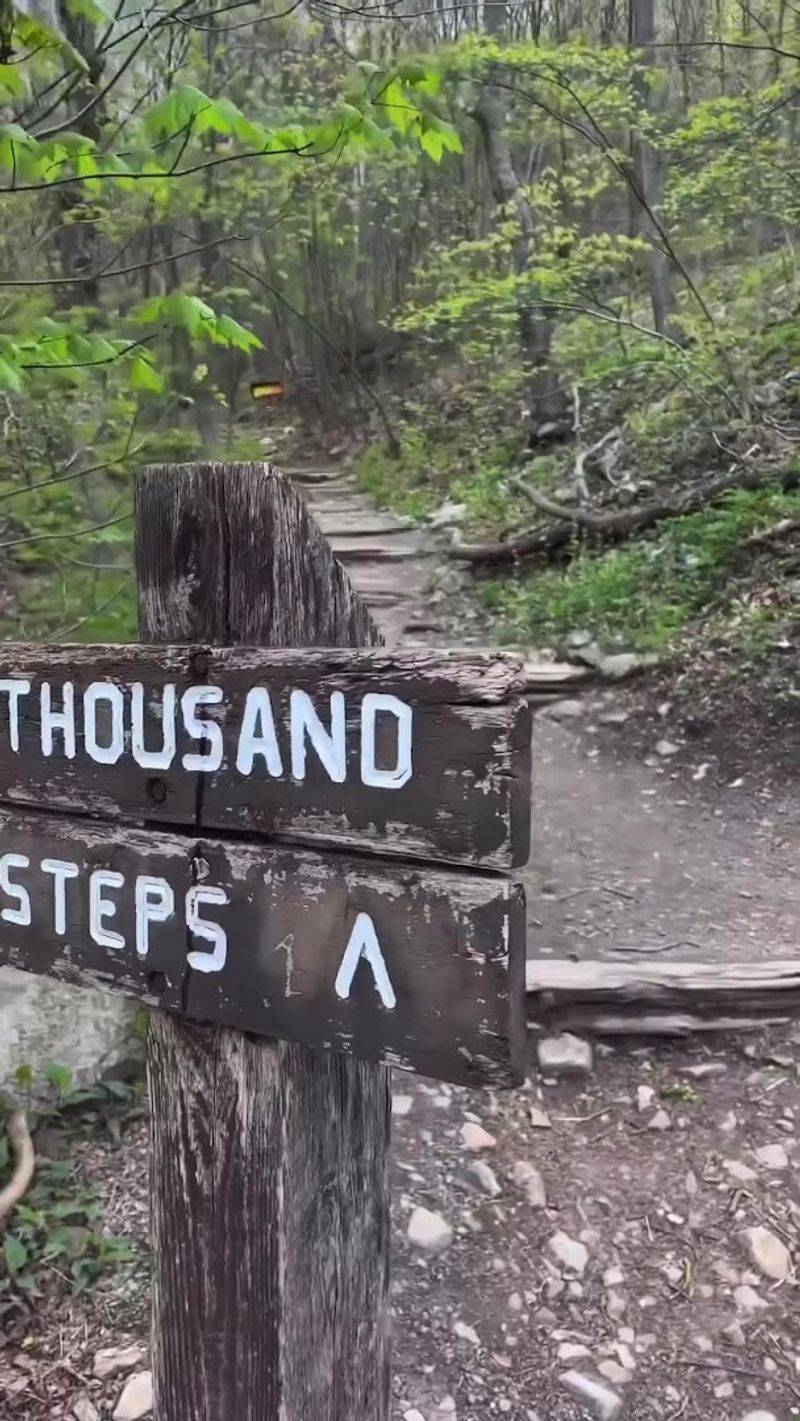
Nothing lifts spirits quite like seeing a step marker after a hard push uphill.
Along this trail, the count posted every 100 steps gives tired legs a simple target and turns a demanding climb into a series of short wins.
That small bit of progress can be surprisingly motivating.
Families have even used the markers as rest stops, letting kids pause, talk, and celebrate each section.
Adults can borrow the same trick.
If you stop before you feel worn out, drink a little water, and shake out your calves, the next stretch usually feels more manageable.
The posted numbers also help with pacing on the way down, when tired legs can make the descent feel shaky.
Knowing where you are makes the trail less mentally draining.
It turns a huge challenge into a trail you can read, section by section, all the way home without losing heart or focus there.
3. The Overlook Is the Big Reward
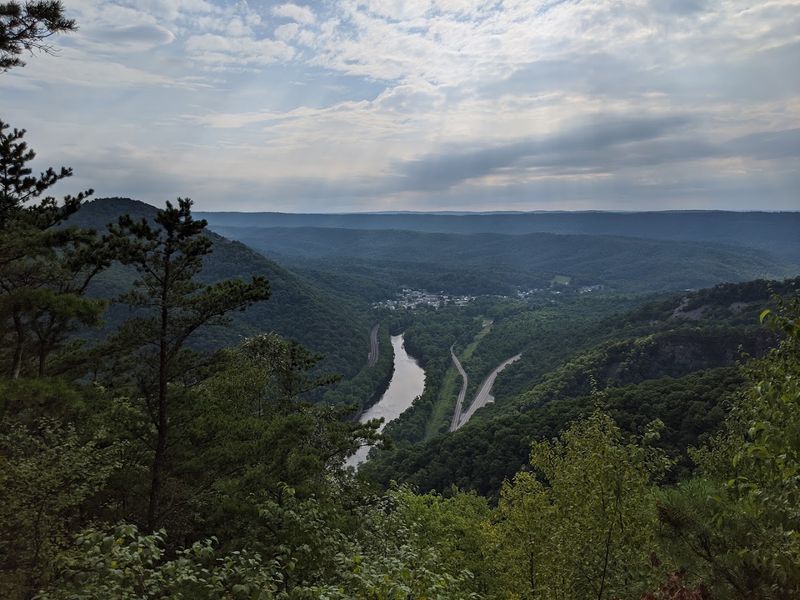
Reaching the top is only part of the reward.
From the upper trail, hikers can enjoy wide mountain views, a peaceful ridge, and the famous quarry overlook that surprises many first-time visitors.
Several reviews mention that the extra walk beyond the steps is easy enough and absolutely worth doing.
Bring your camera, but also plan to put it away for a minute.
The overlook feels bigger when you stand still, catch your breath, and notice the layers of trees, rock, and sky.
Early morning often brings softer light, while cooler seasons can open clearer views through thinner leaves.
Wind, loose edges, and tired feet can change the mood fast, so stay aware near scenic spots.
Give yourself time to explore without rushing.
After a climb this steep, a calm visit at the top makes the whole outing feel less like a workout and more like an adventure you will remember.
4. History Gives Every Step More Meaning
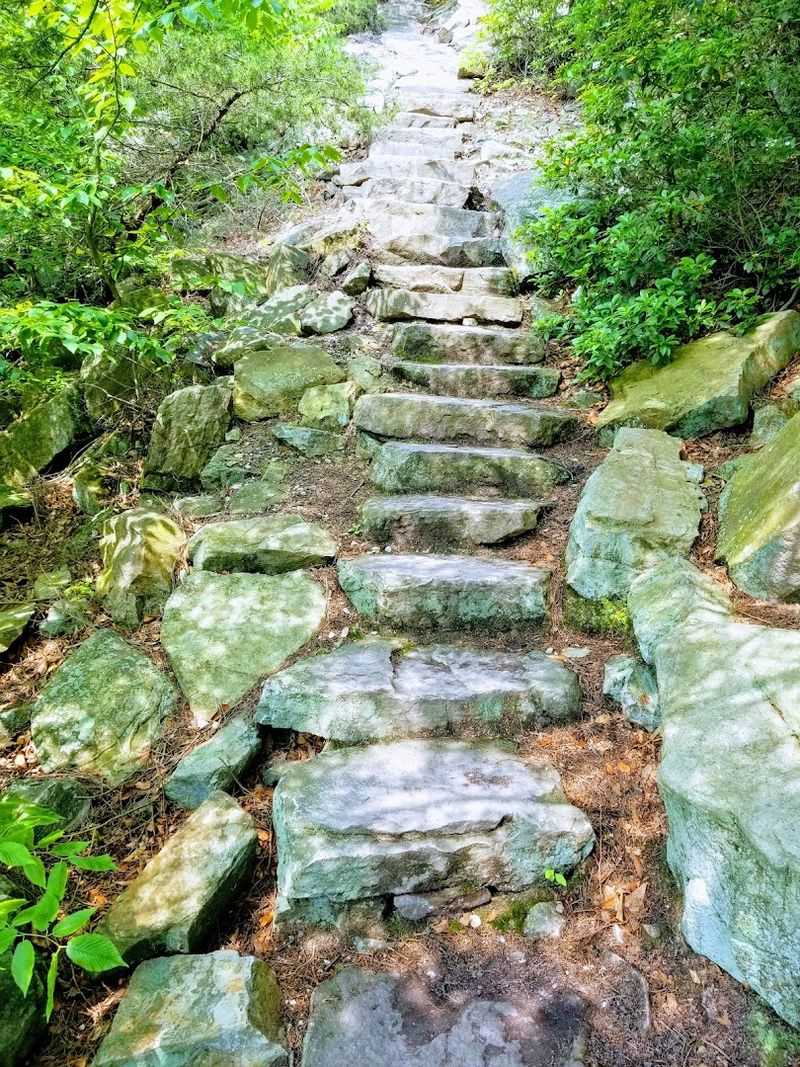
Old trails tell better stories when your legs are working, and this one proves it.
The Thousand Steps were built by quarry workers who used them to reach work on the mountain, carrying tools, food, and water in every kind of weather.
Reading the signs adds a whole new layer to the hike.
Many visitors say the history boards are worth a real pause, not just a quick glance.
Once you learn that people climbed here daily for their jobs, the trail feels less like a weekend challenge and more like a living reminder of how hard local life once was.
Even the name Dinky Shed sparks curiosity and gives the mountain extra character.
Young hikers may remember the story as much as the view.
Knowing the past turns each rough stone step into something more meaningful than exercise, and that makes the climb easier to appreciate for years afterward.
5. Smart Planning Can Save Your Day
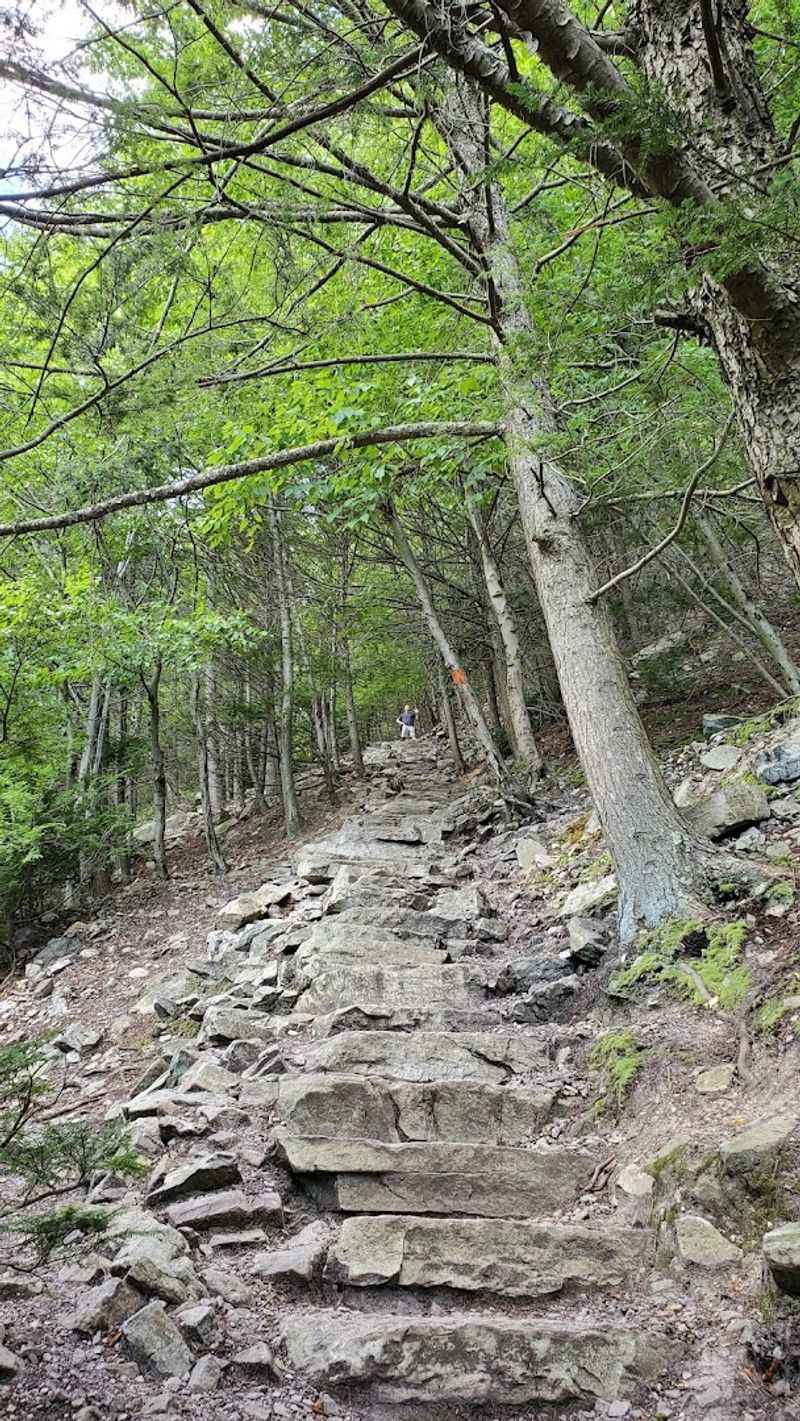
The trail may be open all day, but a little planning makes the outing much smoother.
Parking sits beside William Penn Highway, and several visitors warn that the area can feel tight or busy at popular times.
Arriving early often means cooler air, fewer people, and less stress before the climb starts.
Bring more water than you think you need, especially in warm weather.
Good hiking shoes help on the uneven rocks, and trekking poles can be useful for balance, mostly on the way down.
A small snack, sunscreen, and a charged phone are smart additions for a short but intense hike.
From the lot, look for the entrance path near the setup and follow signs carefully.
Because the climb is steep almost right away, warm up your legs before charging ahead.
Starting prepared helps you save energy for the part which is enjoying the mountain instead of battling problems.
6. Coming Down Can Be the Tricky Part
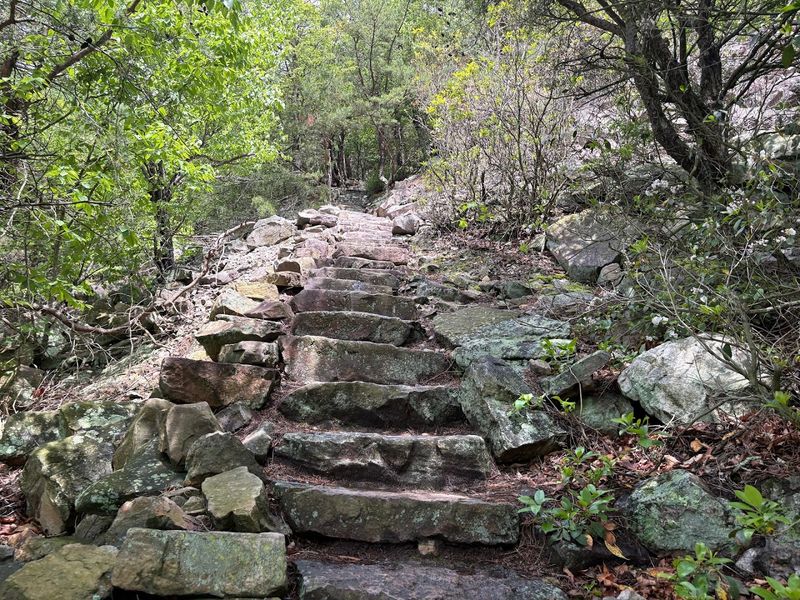
Funny enough, many hikers say going down can feel tougher than going up.
After the excitement of reaching the top, tired calves and shaky knees make each step demand real attention.
The uneven stone sizes add to the challenge, so the descent is not the time to rush or show off.
Short steps, steady footing, and a hand on a pole or nearby rock can help you stay in control.
If your legs start to wobble, pause and reset instead of pushing through.
People with knee pain should take extra care and may want to decide ahead of time whether the trail fits them.
One simple trick is to save a little energy at the overlook so you do not begin the trip back completely spent.
Going down slowly is part of the experience here.
Finish safely and you will leave proud, sore, and thinking about when to come stronger.
7. Best for Hikers Ready for a Real Workout
Not every famous trail is for every person, and that honesty helps more than hype.
Reviews describe the Thousand Steps as strenuous, steep, and better for hikers with some stamina.
Active kids may do well with breaks, but very young children, limited mobility, or serious knee trouble can make the climb risky.
Most visitors seem happiest when they treat it as a challenge, not a race.
Some finish in under an hour, while others take longer and enjoy many short rests.
Both approaches work because the real goal is reaching the overlook safely and having enough energy left to appreciate the mountain.
If you like hikes with a strong payoff, this one stands out in central Pennsylvania.
You get exercise, local history, and a view in one outing.
For people ready to work for the reward, the Thousand Steps can become the kind of trail they talk about for years.
Share this story