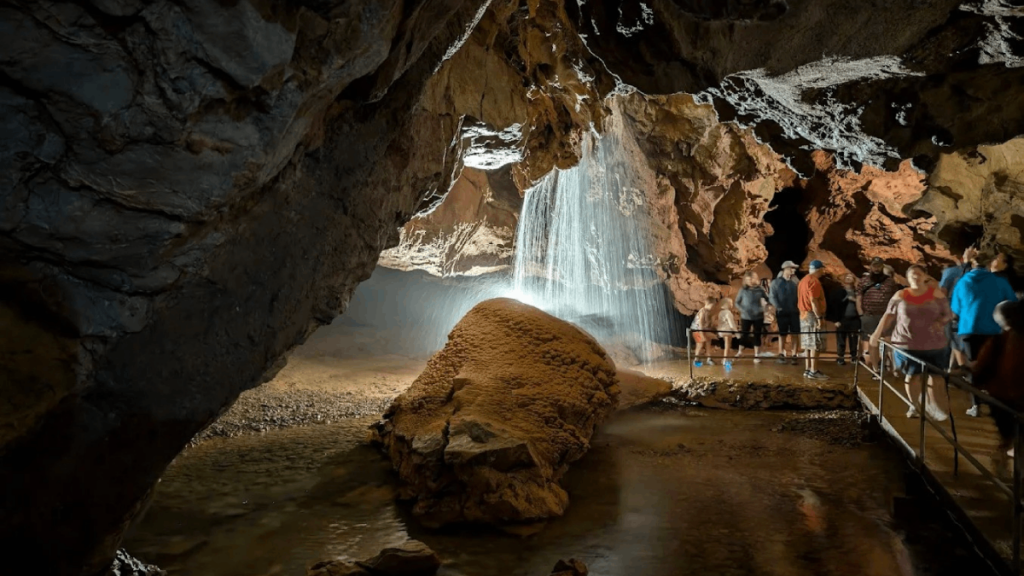
Tennessee sits on top of a massive underground world. With more than 8,500 documented caves carved into limestone and dolomite bedrock, the Volunteer State ranks among the top cave-rich regions in the entire country. Some of these caves have been drawing visitors for over a century, while others remain wild and untouched, known only to experienced spelunkers.
Whether you’re after guided tours with dramatic lighting or raw, rugged exploration, Tennessee’s cave scene has something that’ll leave you awestruck.
1. Ruby Falls — Chattanooga
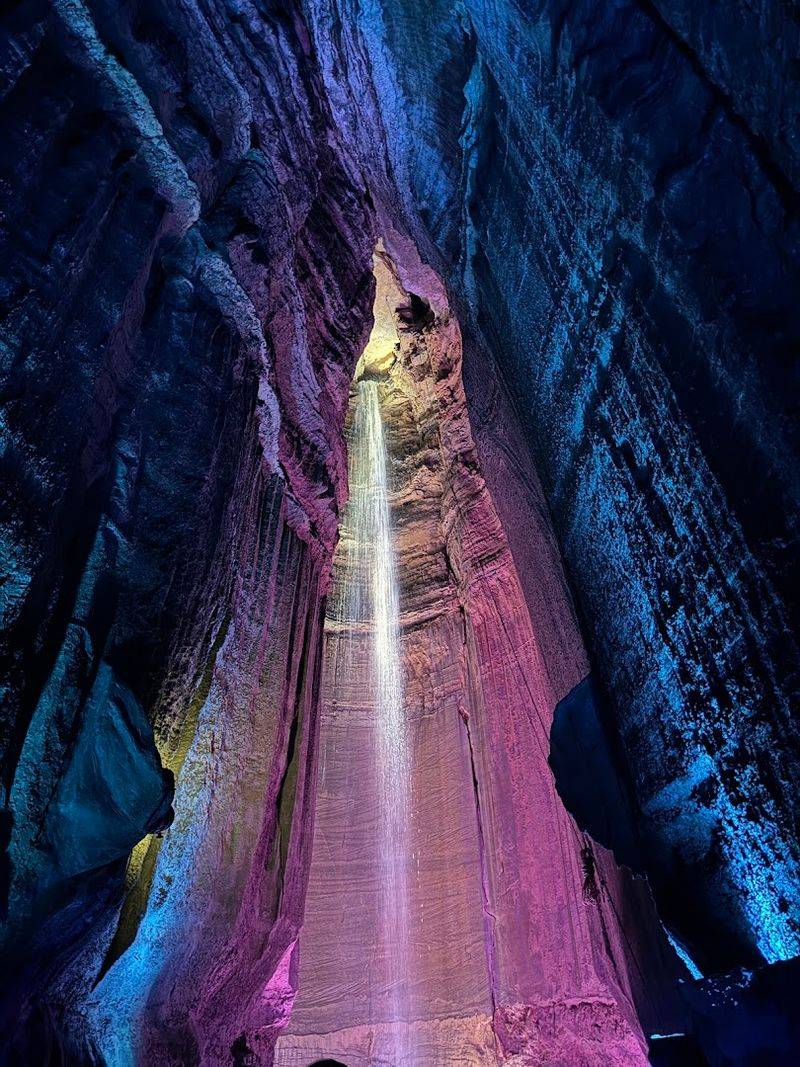
Ruby Falls holds the title for the tallest underground waterfall open to the public in the United States, plunging 145 feet inside Lookout Mountain. The guided tour takes you through narrow passageways and winding tunnels before opening up to the main event—a cascading waterfall lit up in shifting colors that make the whole scene feel almost otherworldly.
Discovered in 1928 by Leo Lambert, the falls were named after his wife, Ruby. Lambert was actually searching for a new entrance to another cave when he stumbled upon this hidden gem. The tour itself is about a mile round trip and takes roughly an hour, so it’s manageable for most visitors, including families with kids.
What makes Ruby Falls stand out isn’t just the waterfall—it’s the whole underground atmosphere. The rock formations along the way include stalactites, stalagmites, and flowstone that have been forming for millions of years. The lighting effects add drama, but even without them, the natural beauty is striking.
It’s one of the most visited caves in Tennessee, so expect crowds during peak season. Booking tickets in advance is a smart move, especially on weekends. The temperature inside stays around 60 degrees year-round, so bring a light jacket even if it’s sweltering outside.
2. Tuckaleechee Caverns — Townsend
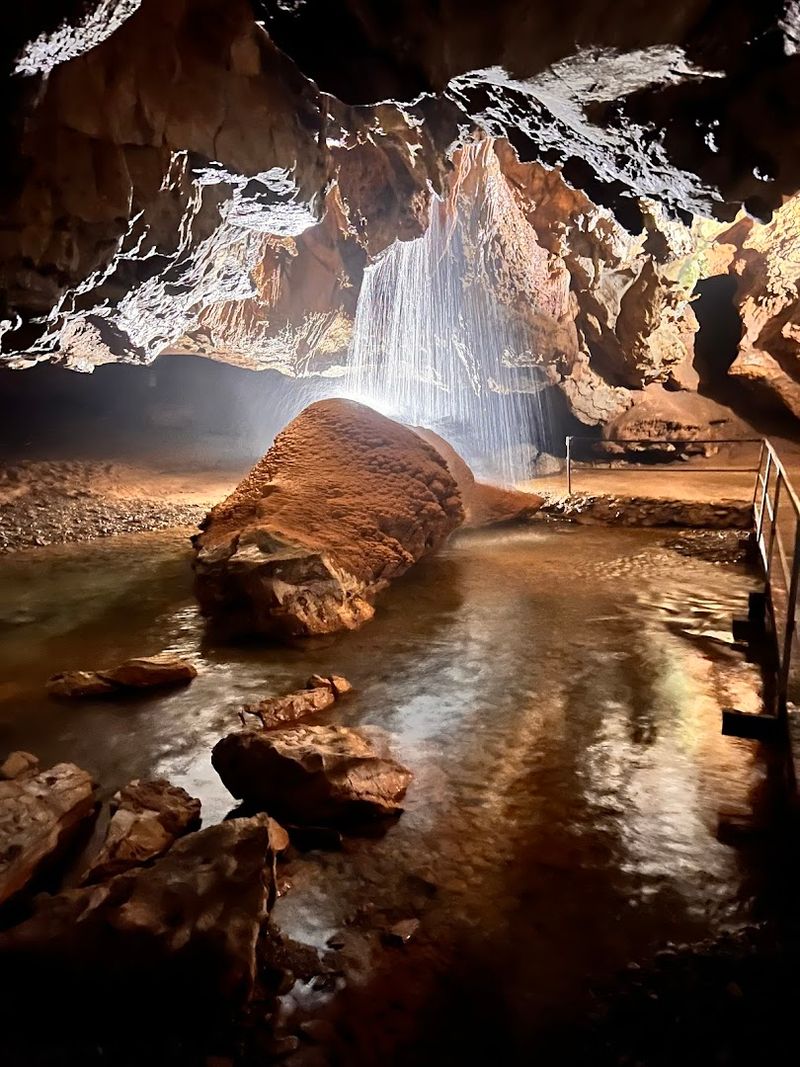
Tuckaleechee Caverns earned the nickname “The Greatest Site Under the Smokies” for good reason. This cave system features some of the most visually stunning formations in Tennessee, including the Big Room—a chamber so massive it could swallow a football field. The star attraction here is Silver Falls, a 210-foot subterranean waterfall that ranks among the highest in any show cave east of the Mississippi.
The guided tour covers about a mile of passageways and takes roughly an hour and a half. You’ll walk through rooms filled with stalactites hanging like chandeliers and stalagmites rising from the floor in bizarre, beautiful shapes. The formations here have been growing for thousands of years, and some of them look almost too perfect to be natural.
Unlike some commercial caves that feel overly manicured, Tuckaleechee maintains a raw, authentic vibe. The lighting is subtle enough to let the natural beauty shine without turning the cave into a theme park. The tour guides know their stuff and share interesting tidbits about geology, history, and the cave’s discovery by local settlers.
It’s located just outside Townsend, making it an easy side trip if you’re visiting the Smokies. The cave stays at a cool 58 degrees year-round, so dress accordingly. Tuckaleechee doesn’t get quite the same tourist crush as some other Tennessee caves, which means you can enjoy the experience without feeling rushed or packed in with massive crowds.
3. Craighead Caverns — Sweetwater
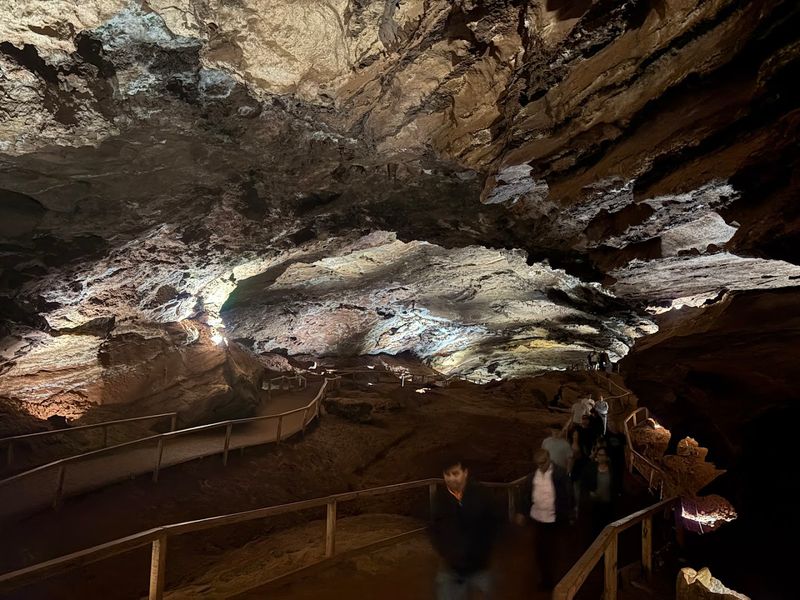
Craighead Caverns offers something no other Tennessee cave can match: a boat ride across the Lost Sea, America’s largest underground lake. The lake covers 4.5 acres and reaches depths nobody has fully mapped yet. Divers have explored portions of it, but the full extent remains a mystery, adding an element of intrigue to the whole experience.
The tour starts with a walk through impressive formations—stalactites, stalagmites, and flowstone that rival anything you’ll see in Tennessee’s other commercial caves. But the real payoff comes when you reach the lake and board a glass-bottom boat for a gentle cruise across crystal-clear water. It’s an eerie, peaceful experience that feels completely different from standard cave tours.
The Lost Sea was discovered in 1905 by a boy who squeezed through a small opening and stumbled upon the vast underground body of water. Before that, the cave had been used by Cherokee people, Confederate soldiers, and even moonshiners. That layered history adds depth to the geological spectacle.
The boat ride alone makes this cave worth the visit—it’s unlike anything else you’ll encounter underground in the state.
4. Forbidden Caverns — Sevierville
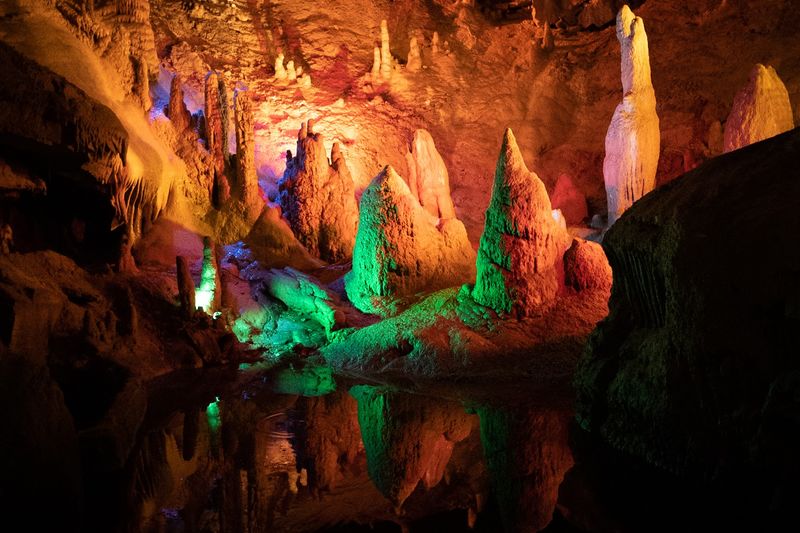
Forbidden Caverns sits just outside Sevierville, offering one of the most visually striking cave experiences in the Smokies region. The name alone sparks curiosity, but the real draw is the sheer variety of formations packed into this relatively compact tour. You’ll see sparkling walls crusted with calcite crystals, natural chimneys reaching up into darkness, and grottos that look like something out of a fantasy novel.
One of the highlights is the crystal-clear underground stream that runs through the cave. The water is so transparent you can see every detail of the streambed below, and the way light plays off the ripples creates an almost magical effect. The tour also includes a section where you can see the remnants of an old moonshine still, a reminder of the cave’s colorful past.
The guided tour lasts about an hour and covers roughly three-quarters of a mile. The pathways are well-maintained, making it accessible for most visitors, though there are a few stairs and uneven spots. The cave stays around 58 degrees year-round, so dress in layers even if it’s blazing hot outside.
Forbidden Caverns doesn’t draw the same massive crowds as some of the bigger-name caves in the area, which means you’ll have a more relaxed experience. The tour guides are knowledgeable and enthusiastic, sharing stories about the cave’s geology and history without overwhelming you with dry facts.
It’s a solid pick for families or anyone looking for a Smokies cave adventure that feels a little less commercial.
5. Buggytop Cave — Sherwood
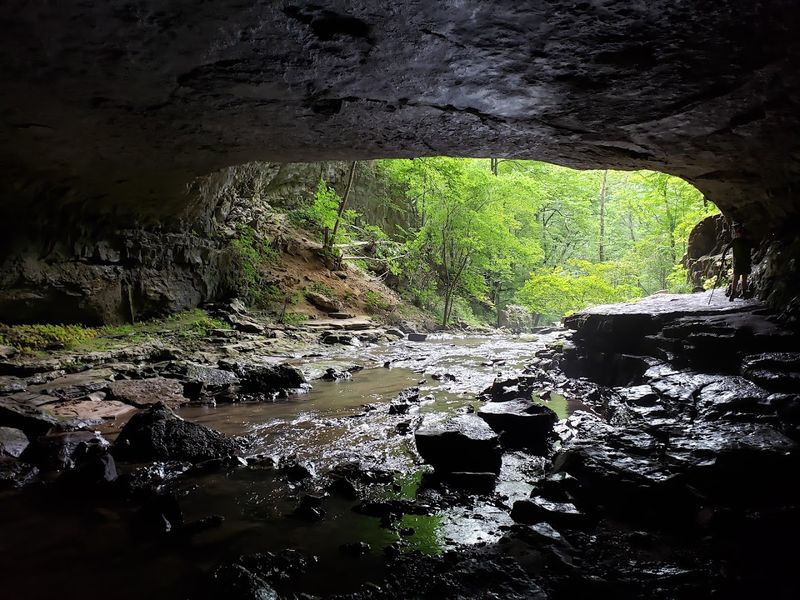
Buggytop Cave is not your typical tourist attraction. This is a wild cave experience, meaning there are no paved walkways, no handrails, and no guided tours with dramatic lighting. What you get instead is one of the largest cave openings in Tennessee—a massive natural entrance that opens into a sprawling underground network.
The entrance alone is impressive enough to make the trip worthwhile. It’s a gaping mouth in the hillside, large enough to drive a truck through, and the sense of scale hits you immediately. Inside, the cave extends for miles, with passages ranging from easy walking rooms to tight crawls that require serious caving skills.
Because Buggytop is a wild cave, it’s best suited for experienced cavers or those willing to go with a knowledgeable guide. The Tennessee Cave Survey and local caving groups occasionally organize trips here, and that’s the safest way to explore if you’re not already comfortable with spelunking. The cave is home to bats and other wildlife, so respecting their habitat is crucial.
The lack of commercialization is exactly what makes Buggytop special. You won’t find gift shops or admission fees, just raw, unfiltered cave exploration. The formations inside include flowstone, columns, and breakdown rooms that showcase the cave’s geological history.
It’s muddy, it’s dark, and it’s absolutely worth it if you’re looking for an authentic underground adventure that feels worlds away from the polished show caves.
6. Dunbar Cave — Clarksville
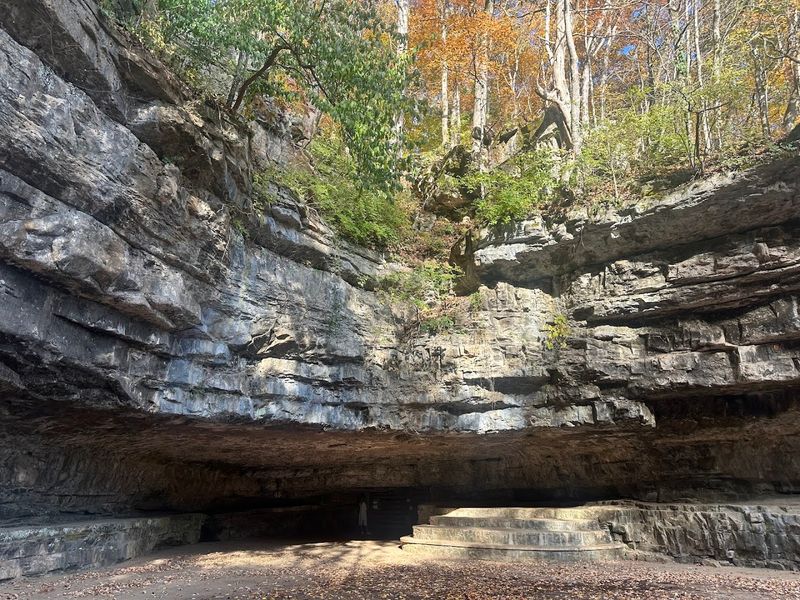
Dunbar Cave stands out because it’s not just about geology—it’s a window into thousands of years of human history. The cave contains Mississippian-era pictographs dating back to the 14th century, making it one of the most archaeologically significant caves in Tennessee. Those ancient drawings offer a rare glimpse into the spiritual and cultural life of the people who lived here long before European settlers arrived.
The cave itself is a large, single-passage system that extends about eight miles into the hillside. The entrance is wide and welcoming, and the first few hundred feet are easily accessible, making it a popular spot for casual visitors. Beyond that, the cave becomes more challenging, with sections that require permits and proper caving gear.
Dunbar Cave has also had a colorful modern history. In the early 20th century, it was developed as a tourist attraction and dance hall, hosting big-band performances and drawing crowds from across the region. Legendary country singer Roy Acuff even owned the property for a time and used it for concerts and events.
Today, Dunbar Cave State Park manages the site, offering guided tours that focus on both the natural features and the rich human history. The tours are educational without being dry, and the guides do a great job of bringing the cave’s past to life. It’s located just outside Clarksville, making it an easy day trip.
7. Cumberland Caverns — McMinnville
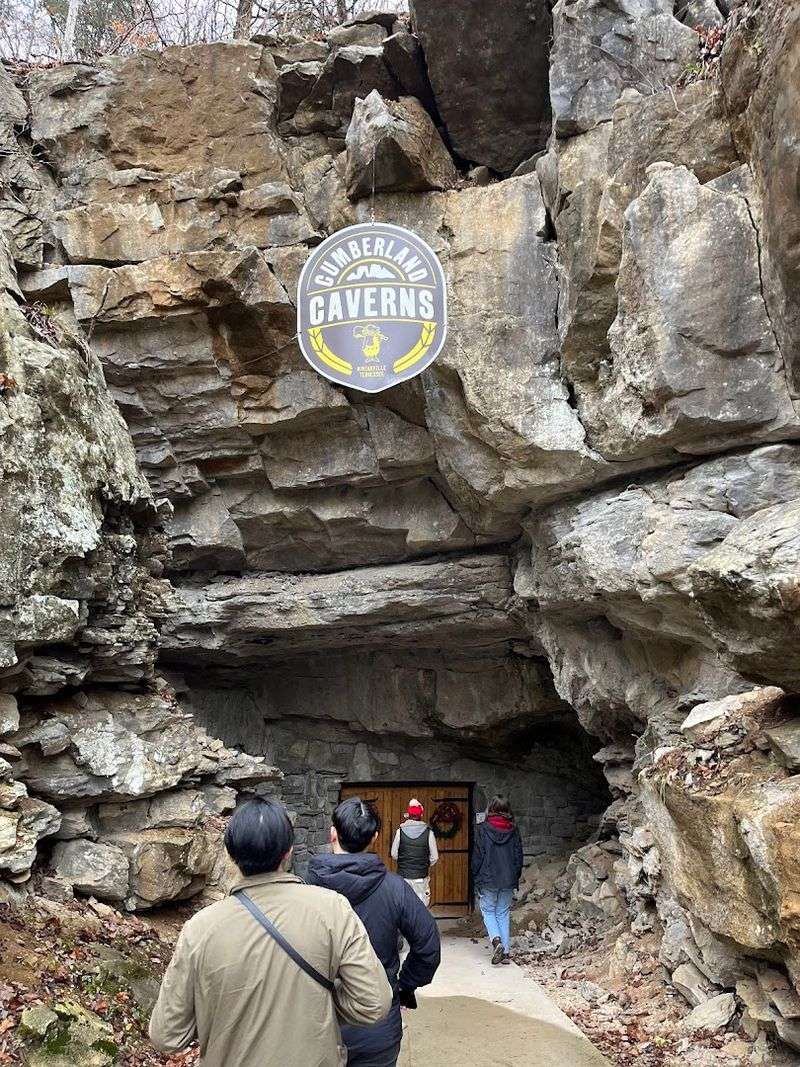
Cumberland Caverns holds the title of Tennessee’s longest cave, with over 32 miles of surveyed passages winding beneath the Cumberland Plateau. The sheer scale of this place sets it apart—rooms so large they host underground concerts, formations so intricate they look hand-carved, and tours that range from casual walks to full-day spelunking adventures.
The standard tour covers about a mile and a half and takes roughly an hour and a half. You’ll see massive chambers like the Hall of the Mountain King, which features a 60-foot waterfall and formations that tower overhead. The cave also has a section called the Volcano Room, where flowstone formations create a surreal landscape that looks like frozen lava.
What really makes Cumberland Caverns unique is the variety of experiences it offers. Beyond the standard tour, you can book overnight spelunking trips, wild cave crawls, or even attend the famous Bluegrass Underground concerts held deep inside the cave. The acoustics in the main chamber are incredible, and watching a live performance hundreds of feet underground is an unforgettable experience.
The cave was discovered in the 1800s and has been used for everything from saltpeter mining during the Civil War to modern-day events. The current owners have done an excellent job of balancing preservation with public access.
8. Appalachian Caverns — Blountville
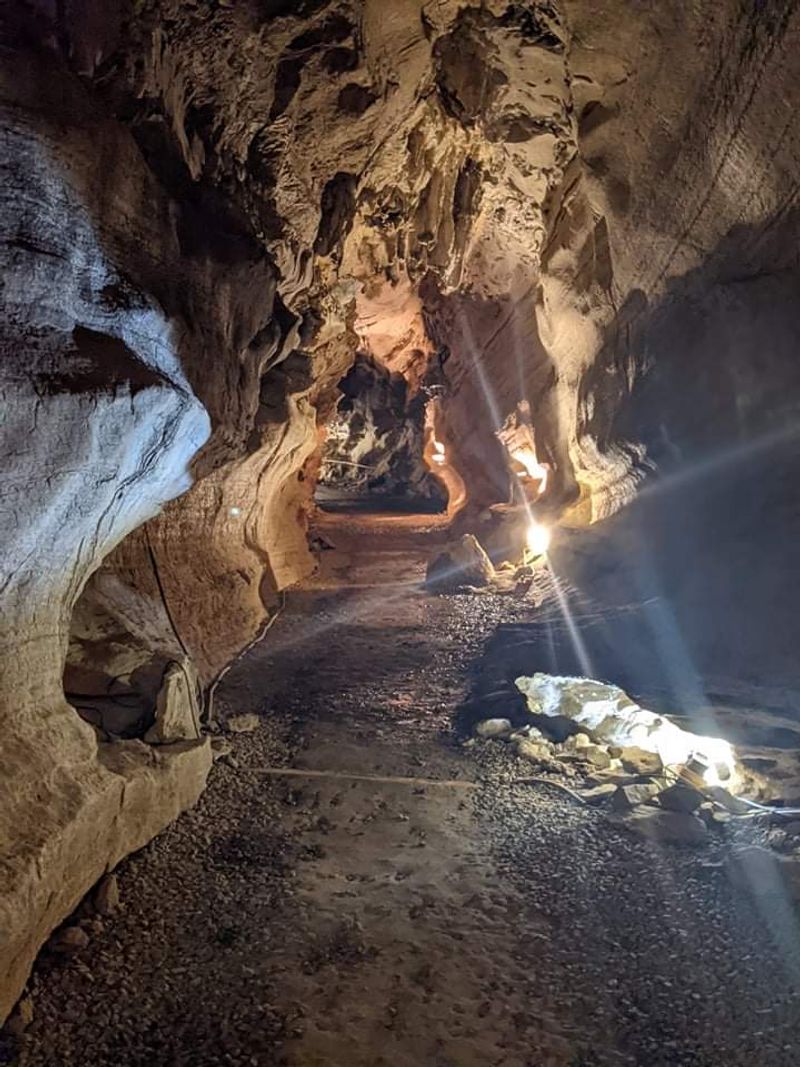
Appalachian Caverns in Blountville offers a fascinating blend of natural beauty and deep human history. Archaeological evidence shows that Native Americans used these caverns more than 1,300 years ago, leaving behind artifacts and traces of their presence that make this cave feel like a time capsule.
The guided tours highlight both the geological formations and the historical significance, giving you a richer, more layered experience than you’d get at a purely geological site.
The cave itself features a wide variety of formations, including stalactites, stalagmites, flowstone, and rare helictites that twist and curl in unexpected directions. The tour covers about three-quarters of a mile and takes roughly an hour, making it accessible for most visitors.
One of the unique aspects of Appalachian Caverns is the emphasis on education. The guides are knowledgeable about both geology and archaeology, and they do a great job of weaving those elements together. You’ll learn about how water carved these passages over millions of years, but you’ll also hear about the people who sought shelter here centuries ago.
The cave is located in East Tennessee, not far from Bristol and Kingsport, making it a convenient stop if you’re exploring the region. It’s not as heavily marketed as some of the other commercial caves in Tennessee, which means smaller crowds and a more intimate experience.
9. Big Bone Cave — Van Buren County
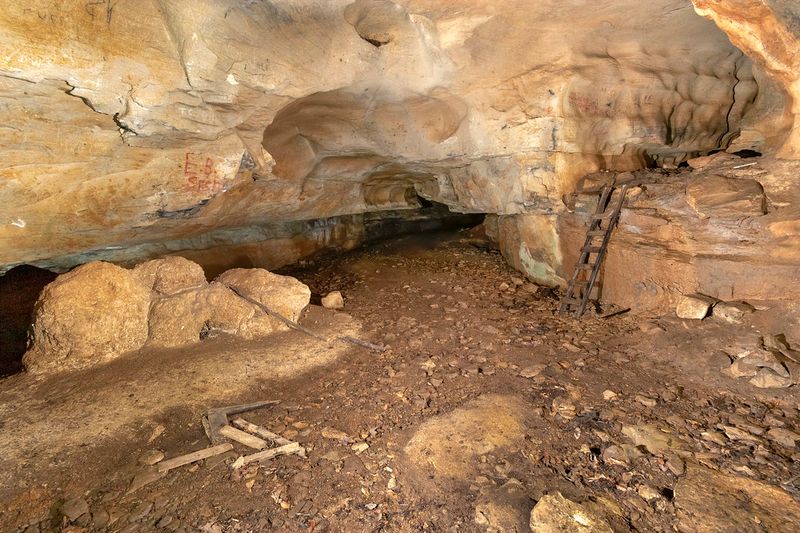
Big Bone Cave is more of a geologist’s dream than a mainstream tourist destination, but that’s exactly what makes it worth mentioning. At 9.62 miles of mapped passages, it ranks among Tennessee’s longest caves. The name comes from the massive prehistoric animal bones discovered here in the early 1800s, including remains of giant ground sloths and other Ice Age creatures that once roamed the region.
Unlike the commercial caves on this list, Big Bone Cave is managed as a natural area by the state, meaning access is limited to protect the cave’s delicate ecosystem and archaeological resources. It’s not open for casual drop-in visits, but organized caving groups and researchers can arrange access through the proper channels. The Tennessee Cave Survey and similar organizations occasionally lead trips here.
The cave’s significance goes beyond its size. It played a role in Tennessee’s early industrial history, as saltpeter was mined here during the War of 1812 and the Civil War. The mineral was used to make gunpowder, and remnants of the old mining operations are still visible inside.
If you’re a serious caver or someone with a deep interest in Tennessee’s natural history, Big Bone Cave is worth the effort to visit. It’s not easy to access, and it’s not designed for casual tourists, but that’s part of the appeal. This is a cave that rewards those willing to put in the work to experience it on its own terms.
10. Bell Witch Cave — Adams
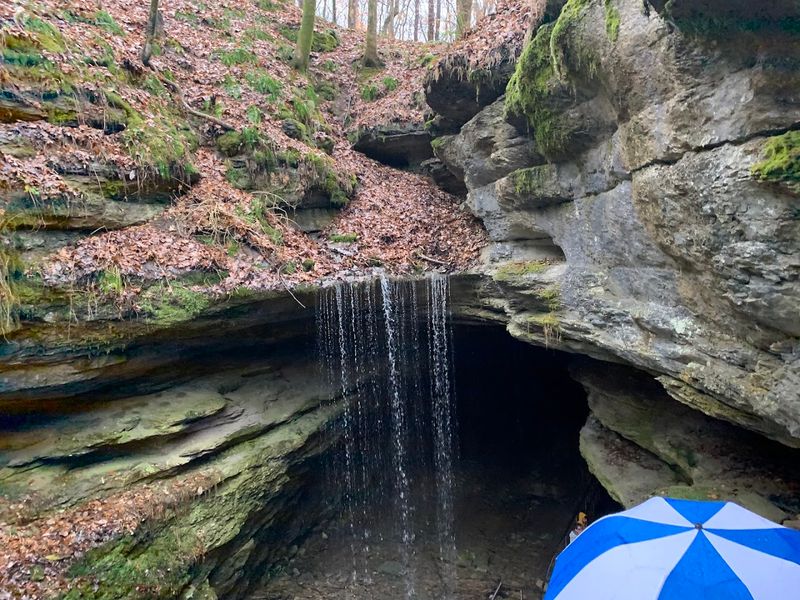
Bell Witch Cave isn’t going to win any awards for sheer geological grandeur, but it’s absolutely one of the most famous and memorable caves in Tennessee—and that’s entirely because of the legend attached to it.
The cave sits on the former property of the Bell family, who were terrorized in the early 1800s by a malevolent spirit known as the Bell Witch. The story has become one of the most enduring pieces of Southern folklore, and the cave is said to be one of the witch’s favorite haunts.
Tours of the cave focus heavily on the legend, with guides sharing stories about strange occurrences, unexplained noises, and eerie encounters reported by visitors over the years. The cave itself is relatively small and doesn’t feature the dramatic formations you’d see at places like Ruby Falls or Tuckaleechee. What it lacks in geological drama, though, it more than makes up for in atmosphere and storytelling.
The property also includes a replica of the original Bell cabin and a small museum with artifacts and historical information about the Bell family and the witch legend. It’s a quick visit—the tour takes about 30 minutes—but it’s genuinely entertaining, especially if you’re into ghost stories and local folklore.
Bell Witch Cave is located in Adams, about 40 minutes north of Nashville. It’s a quirky, offbeat addition to any Tennessee cave tour, and it offers something completely different from the standard underground experience. Whether you believe in ghosts or not, the story is compelling enough to make the visit worthwhile.