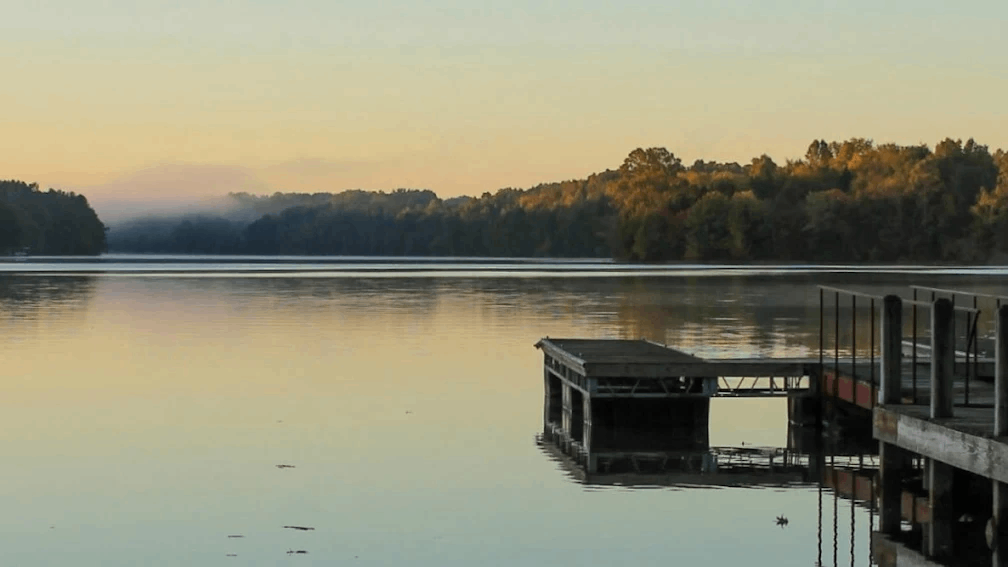
Harrison Bay State Park holds a special place in Tennessee history as the state’s very first official state park. Nestled along 40 miles of stunning Chickamauga Lake shoreline, this historic park near Chattanooga offers a perfect blend of outdoor adventure and peaceful relaxation.
Whether you’re pitching a tent under towering trees, casting a line into calm waters, or exploring scenic trails dotted with wildlife, Harrison Bay delivers the kind of authentic Tennessee experience that keeps visitors coming back year after year.
Tennessee’s First State Park Is Still a Scenic Lakefront Escape
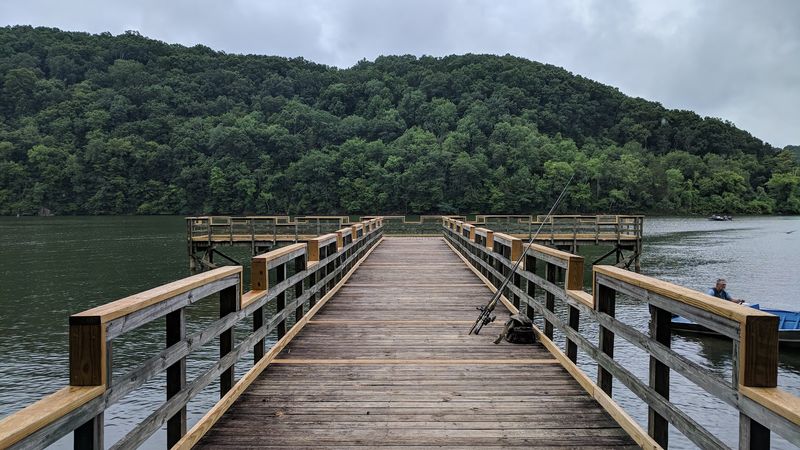
Opening its gates as Tennessee’s inaugural state park, Harrison Bay has spent decades welcoming families, anglers, and nature lovers to its peaceful lakefront setting. The park stretches along Chickamauga Lake with a landscape that blends rolling hills, mature hardwood forests, and quiet coves perfect for exploration. This isn’t just a piece of history preserved in amber—it’s a living, breathing outdoor destination that continues to evolve while maintaining its natural charm.
The lakefront setting creates an ever-changing canvas throughout the seasons. Spring brings wildflowers and birdsong echoing across the water. Summer transforms the shoreline into a hub for boating and swimming activities.
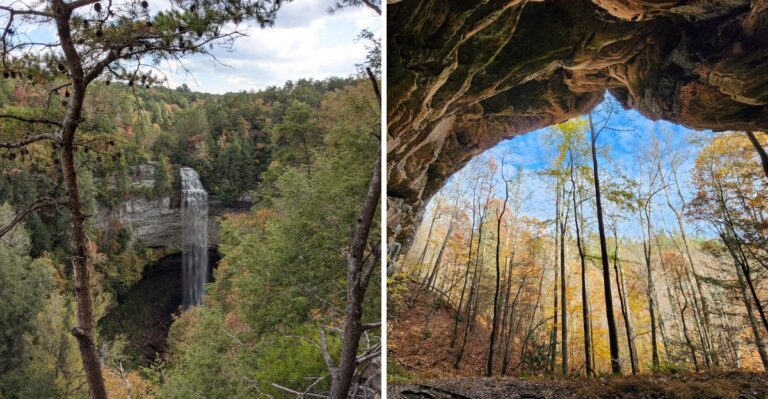
Fall paints the surrounding forests in brilliant oranges and reds, while winter offers a serene, almost meditative atmosphere with fewer crowds and crisp, clear days perfect for photography.
What sets Harrison Bay apart from newer parks is its established ecosystem. The trees have had generations to grow tall and provide genuine shade. The wildlife populations are stable and visible, with deer sightings practically guaranteed during morning or evening visits.
The park’s infrastructure has matured too, with well-maintained facilities that balance modern convenience with rustic appeal.
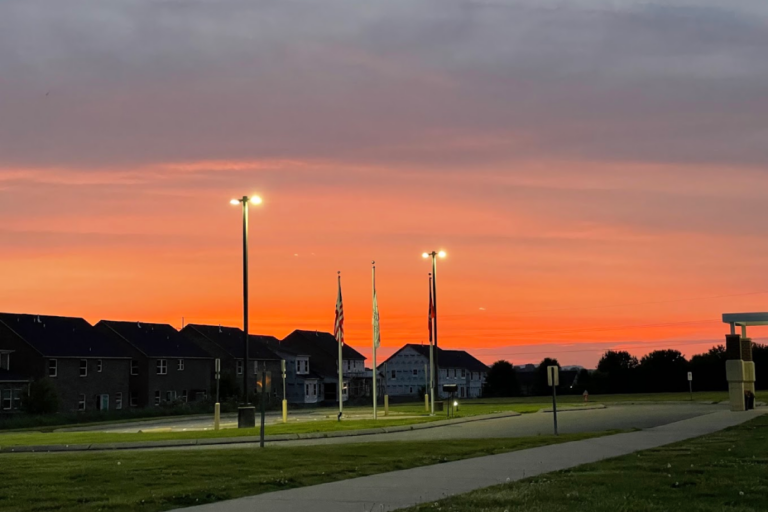
Visitors consistently praise the park’s ability to feel remote despite being just a short drive from Chattanooga. You can watch the sunrise over glassy water, spot a great blue heron fishing in the shallows, and enjoy the kind of quiet that’s increasingly rare near urban areas.
The combination of accessibility and genuine natural beauty makes Harrison Bay a destination that appeals to both seasoned campers and families trying outdoor recreation for the first time.
Where To Find Harrison Bay State Park
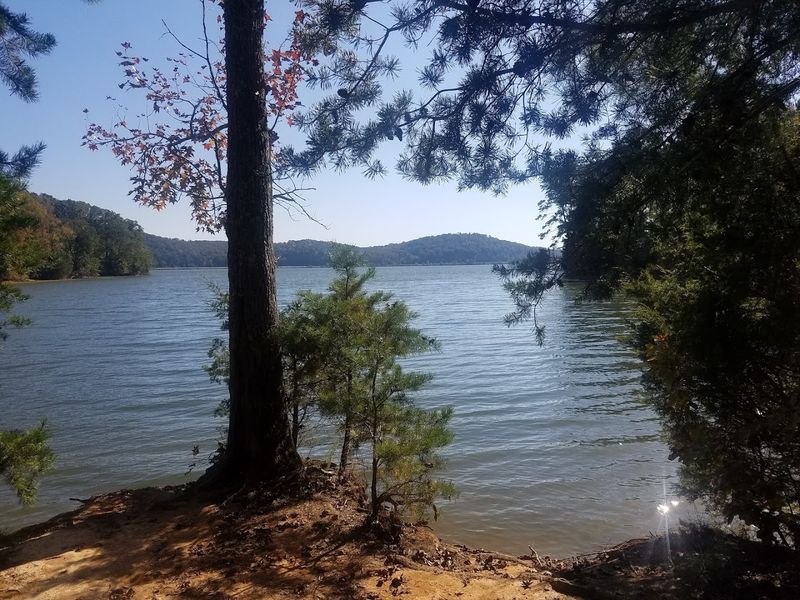
Harrison Bay State Park sits at 7855 Bay Marina Circle in Harrison, Tennessee, positioned on the northern shores of Chickamauga Lake. The park is located roughly 20 minutes northeast of downtown Chattanooga, making it an easy escape from city life without requiring hours of highway driving.
The entrance is clearly marked, and once you turn off the main road, you’re immediately surrounded by the kind of tree-lined scenery that signals you’ve left the everyday world behind.
Getting there is straightforward from multiple directions. If you’re coming from Chattanooga, head northeast on Highway 58 and follow the signs toward Harrison. From Knoxville or other points north, take I-75 south to Exit 11, then head west toward the lake.
The park’s proximity to major highways means you can stock up on supplies in town before arriving, though there’s a small convenience store at the marina if you forget something essential.
The park gates open at 7 AM and close at 10 PM daily, giving visitors plenty of daylight hours to explore. Registered campers can come and go during operating hours, while day visitors should plan their trips accordingly. The main office near the entrance provides maps, camping information, and friendly staff who can point you toward specific areas based on your interests—whether that’s the best fishing spots, hiking trails, or picnic areas.
Cell phone service is generally reliable throughout most of the park, though some remote coves may have spotty coverage. The park’s official website offers detailed directions and a downloadable map, which is worth reviewing before your visit to familiarize yourself with the layout of the four camping loops and various recreation areas.
Why This Historic Park Is Worth Visiting
As Tennessee’s first state park, Harrison Bay carries a legacy that goes beyond simple recreation. Established when the state recognized the need to preserve natural spaces for public enjoyment, the park represents a commitment to conservation that has only grown stronger over the decades. Walking these trails means following in the footsteps of countless Tennessee families who have made memories here across multiple generations.
There’s something meaningful about visiting a place that helped define what state parks could be.
The park’s historic significance doesn’t translate to outdated facilities. Instead, you’ll find a well-maintained blend of classic state park features and modern amenities. The bathhouses have been updated, the camping infrastructure improved, and accessibility features added—all while preserving the park’s essential character.
It’s a testament to thoughtful stewardship that honors the past while serving present-day visitors.
Beyond its historical status, Harrison Bay earns its reputation through sheer variety. You can spend a morning fishing from the marina, an afternoon hiking the lakefront trail, and an evening roasting marshmallows at your campsite without ever feeling like you’ve exhausted the possibilities. The Jack Nicklaus golf course adds an unexpected recreational option, while the extensive marina facilities accommodate serious boaters and casual paddlers alike.
Visitor reviews consistently mention the park’s peaceful atmosphere and natural beauty. Deer wander through campsites with surprising regularity, creating magical moments for children and adults alike. The lake itself provides endless entertainment, whether you’re swimming from the shore, kayaking through quiet coves, or simply sitting on a picnic bench watching the water change colors as the sun moves across the sky.
Camping Along The Shores Of Chickamauga Lake
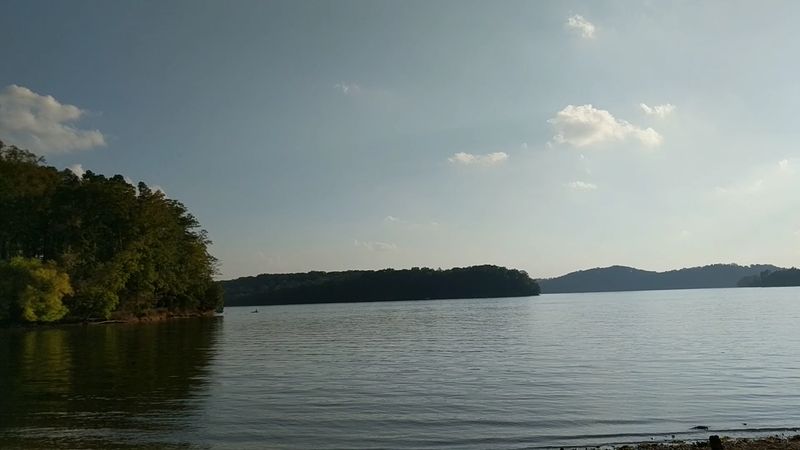
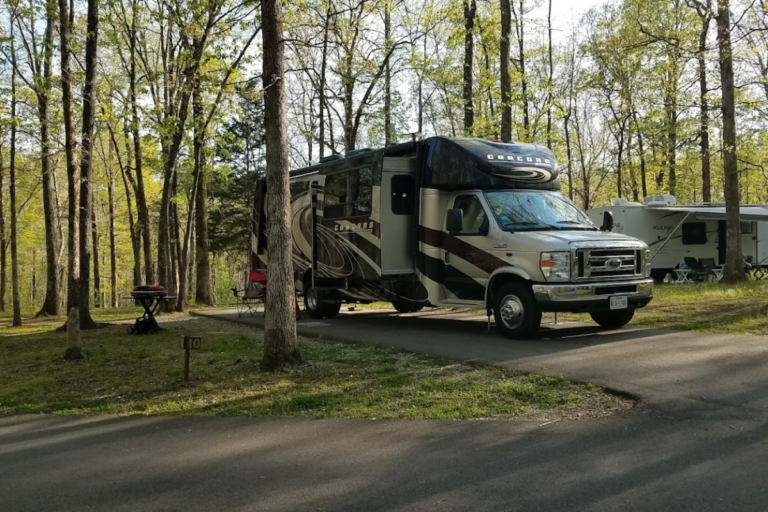
Harrison Bay offers four distinct camping loops that cater to different styles and preferences. Loop A is the most popular and for good reason—paved sites, better spacing between neighbors, and a modern bathhouse with individual shower and toilet combinations. Many sites in Loop A offer water views, and the pavement makes leveling your RV significantly easier.
If you’re new to camping or prefer a bit more comfort, Loop A is worth the slightly higher price.
Loop B provides a mix of paved and gravel sites with water and electric hookups. Some campers find the sites a bit closer together here, which can be a drawback if you value privacy or end up with particularly social (or loud) neighbors. However, Loop B still offers good access to the lake and keeps you close to the marina and other facilities.
The bathhouse is functional and clean, though not quite as updated as Loop A’s facilities.
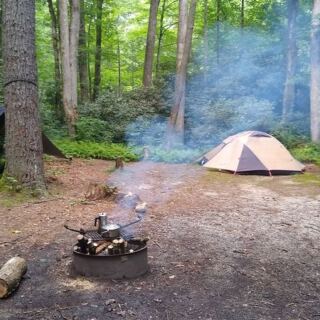
Loop C features all-gravel sites that appeal to campers seeking a slightly more rustic experience while still having hookups. Loop D takes it further with primitive camping designed for tent enthusiasts who want to minimize modern conveniences. Both loops have central bathhouses and maintain the natural, wooded feel that makes camping at Harrison Bay special.
Whichever loop you choose, you’ll have a picnic table and fire ring at your site.
Booking ahead is essential during peak seasons, especially for waterfront sites or Loop A spots. The park gets particularly busy during summer weekends and the fall color season. Winter and early spring offer more availability and a quieter experience, though you’ll want to check weather conditions before committing to a cold-weather camping trip.
Fishing, Boating, And Easy Days On The Water
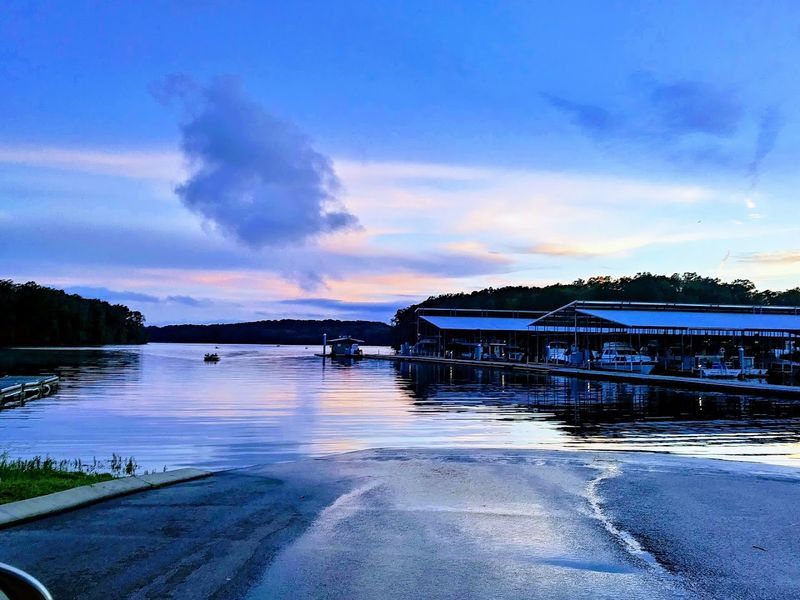
Chickamauga Lake is legendary among southeastern anglers, and Harrison Bay provides excellent access to some of the lake’s most productive waters. Bass fishing draws the most attention, with largemouth bass thriving in the lake’s structure-rich environment. Crappie, catfish, and various panfish species also populate these waters, giving anglers multiple targets depending on the season and their preferences.
The bay’s protected waters offer calmer conditions than the main lake channel, making it ideal for shore fishing or small boat excursions.
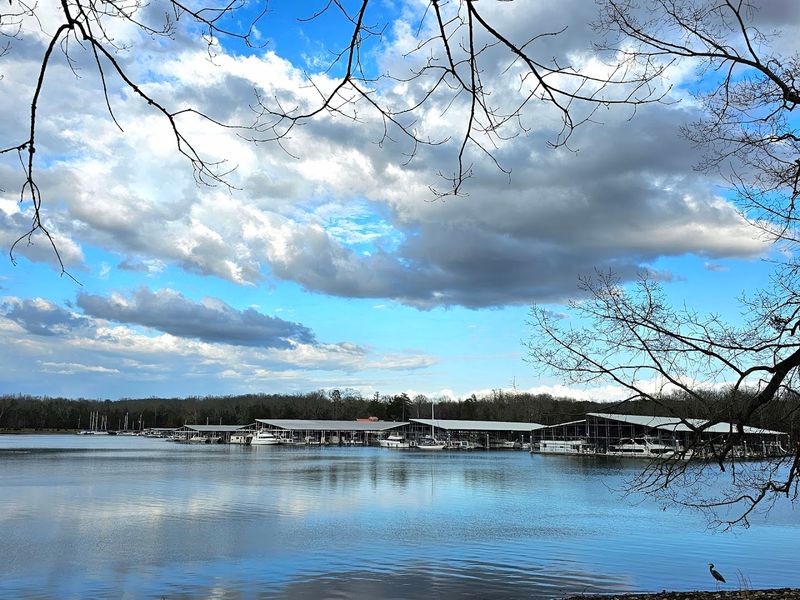
The park’s marina serves as the hub for water-based activities. Multiple boat ramps accommodate everything from bass boats to pontoons, with ample parking for trucks and trailers. The marina also offers a convenience store where you can grab last-minute tackle, snacks, or fishing licenses.
Staff members are typically knowledgeable about current fishing conditions and can point you toward productive areas if you’re unfamiliar with the lake.
If you don’t own a boat, kayaking and canoeing provide excellent ways to explore the shoreline and smaller coves. The park sometimes offers rentals, though availability can vary by season. Paddling the protected waters near the park reveals hidden pockets of natural beauty—lily pads, fallen logs where turtles sun themselves, and shallow areas where you can watch fish darting through clear water.
The relatively calm conditions make Harrison Bay suitable even for beginners.
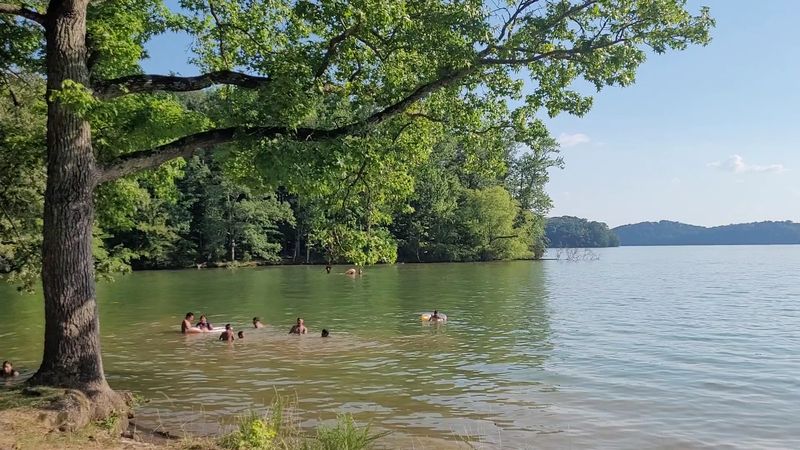
Swimming isn’t officially designated in specific areas, but many visitors wade into the water from various access points around the park. Families often set up near picnic areas where the shoreline is accessible and the water gradually deepens.
Just remember that this is a natural lake environment, so watch for underwater obstacles and supervise children closely.
Trails, Wildlife, And Peaceful Nature Views

The park’s trail system centers around a beautiful 4.3-mile loop that follows the shoreline, offering consistent lake views and remarkably flat terrain. Unlike many Tennessee trails that challenge hikers with steep climbs, this path maintains an easy grade throughout, making it accessible for families with young children, older visitors, or anyone who prefers a gentler walking experience.
The loop can be completed in about 90 minutes at a leisurely pace, though many visitors take longer to stop for photos or wildlife watching.
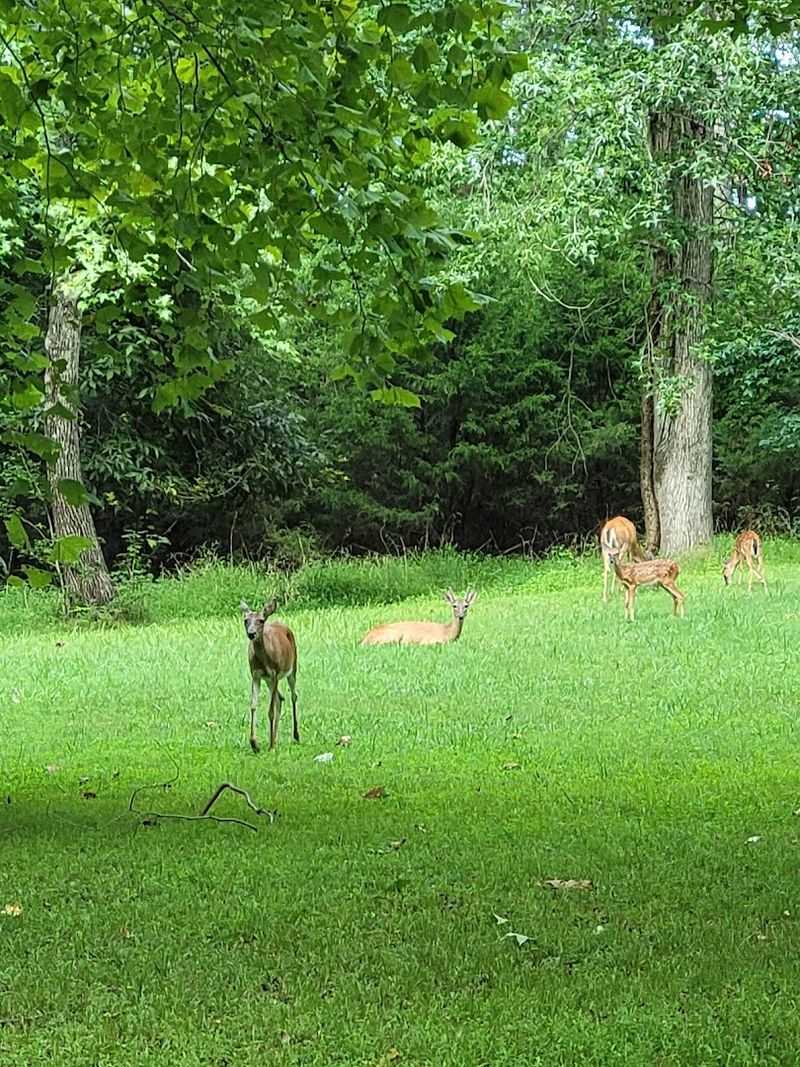
Deer sightings are practically guaranteed along this trail, especially during early morning or evening hours. These animals have grown accustomed to human presence and will often graze calmly near the path, providing wonderful photo opportunities. Bring binoculars for birdwatching—herons, egrets, and various waterfowl frequent the shoreline, while woodpeckers and songbirds inhabit the forest canopy.
The diversity of habitats along the trail supports an impressive variety of species.
Mountain bikers should note that while some visitors ride this trail, the terrain and traffic make it more suitable for hiking. A separate area called Patton Hill offers better mountain biking opportunities with more technical features. The main lakefront trail works best for walkers, joggers, and anyone seeking a peaceful nature experience without significant physical challenge.
Trail conditions vary with weather—recent rain can create muddy sections that take several days to dry out. Wearing appropriate footwear is important, and checking conditions with park staff before heading out can save you from an unexpectedly soggy hike. The trail remains open year-round, with each season offering distinct advantages.
Spring wildflowers, summer shade, fall colors, and winter’s stark beauty all have their devoted fans.
What To Know Before You Go
Planning ahead makes any park visit more enjoyable, and Harrison Bay has a few specifics worth knowing. The park charges a modest day-use fee for non-campers, while camping rates vary by loop and site type. Reservations can be made through the Tennessee State Parks website, and booking several weeks in advance is wise for popular dates.
The park office, staffed with helpful rangers, can answer questions about current conditions, wildlife activity, or the best spots for your particular interests.
Pet owners will appreciate that dogs are welcome throughout most of the park, including camping areas and trails. Keep them leashed and clean up after them—the park even provides a dedicated dog park with separate areas for large and small breeds. This fenced space lets your furry companions run off-leash and socialize safely.
Fresh water bowls and waste bag stations make the dog park particularly user-friendly.
The 20 mph speed limit throughout the park is strictly enforced, and for good reason. Deer crossings are incredibly common, and hitting one would ruin everyone’s day. Drive slowly, stay alert, and enjoy the scenery as you navigate the park roads.
Rangers take this limit seriously, so resist any temptation to speed even on seemingly empty roads.
Cell service is generally reliable, but downloading offline maps before arrival provides backup navigation. The small marina store stocks basic supplies, but don’t count on it for specialized gear or extensive groceries. Stock up in Harrison or Chattanooga before entering the park.
Firewood is available for purchase—never bring wood from outside areas, as this can spread tree diseases and invasive insects that threaten Tennessee’s forests.
Why Harrison Bay State Park Belongs On Your Tennessee Road Trip List
Tennessee road trips often focus on the Smoky Mountains or Nashville’s music scene, but Harrison Bay deserves recognition as a destination that captures a different side of the state’s character. This park represents Tennessee’s commitment to preserving natural spaces while making them accessible to everyone. It’s where history, recreation, and conservation intersect in a way that feels authentic rather than manufactured.
Adding Harrison Bay to your itinerary means experiencing Tennessee as locals do—not just passing through tourist attractions, but genuinely connecting with the landscape.
The park’s location near Chattanooga makes it an ideal addition to a southeastern Tennessee tour. You can explore the city’s attractions, then retreat to Harrison Bay for a night or two of camping under stars unpolluted by city lights. The contrast between urban energy and natural tranquility creates a well-rounded travel experience.
Families particularly benefit from this balance—kids can burn energy hiking and swimming, while parents enjoy the slower pace that camping naturally encourages.
What makes Harrison Bay special is its refusal to be just one thing. It’s a fishing destination and a hiking spot. It’s a place for serious RV enthusiasts and first-time tent campers.
The park has enough variety to satisfy different interests within the same group, which is increasingly rare in outdoor recreation areas.
Ultimately, Harrison Bay State Park earns its place on your Tennessee road trip list by delivering consistent quality across multiple experiences. Whether you visit for a few hours or a full week, you’ll leave with a deeper appreciation for what Tennessee’s state park system offers and why this particular park has remained beloved for generations.
Share this story